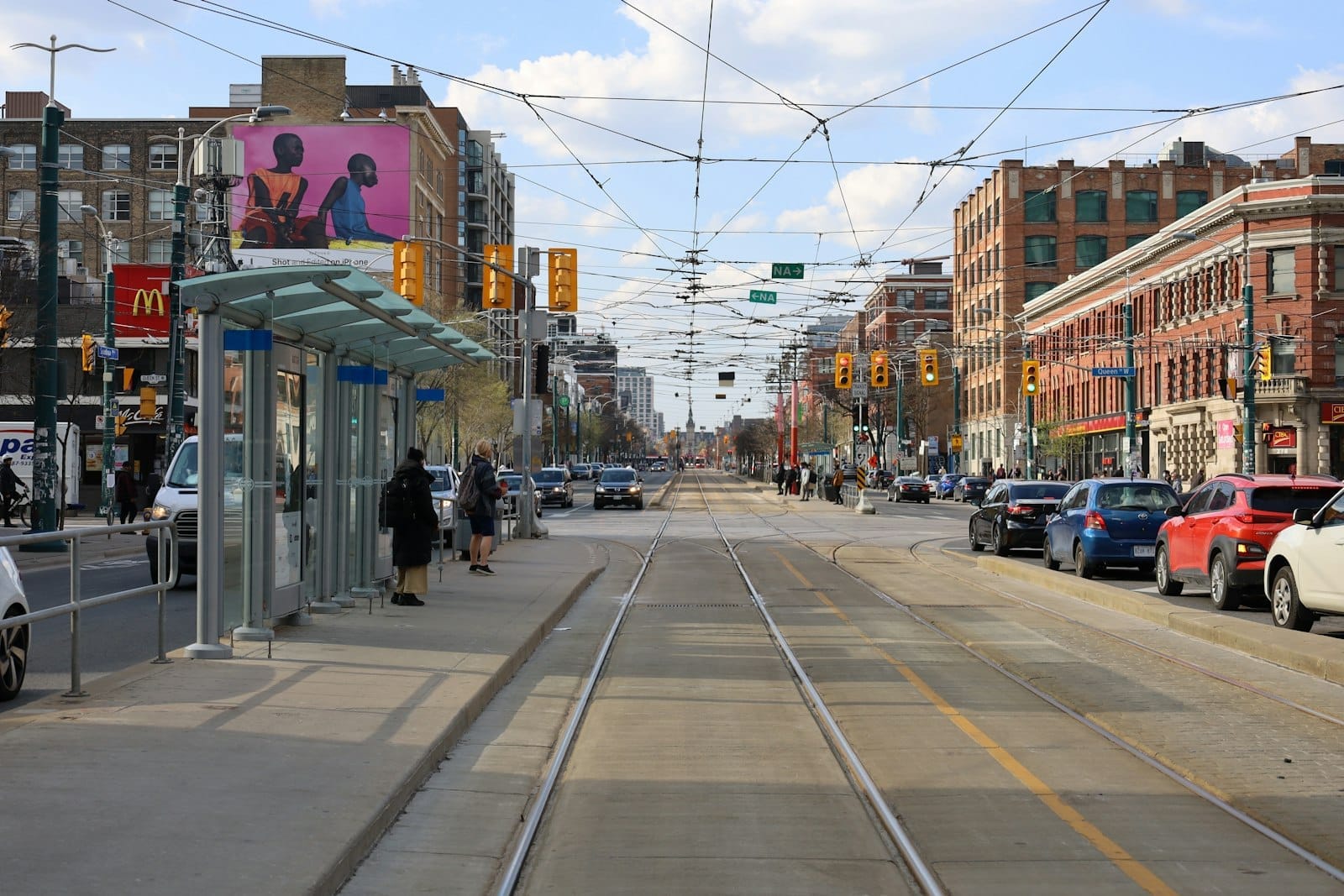
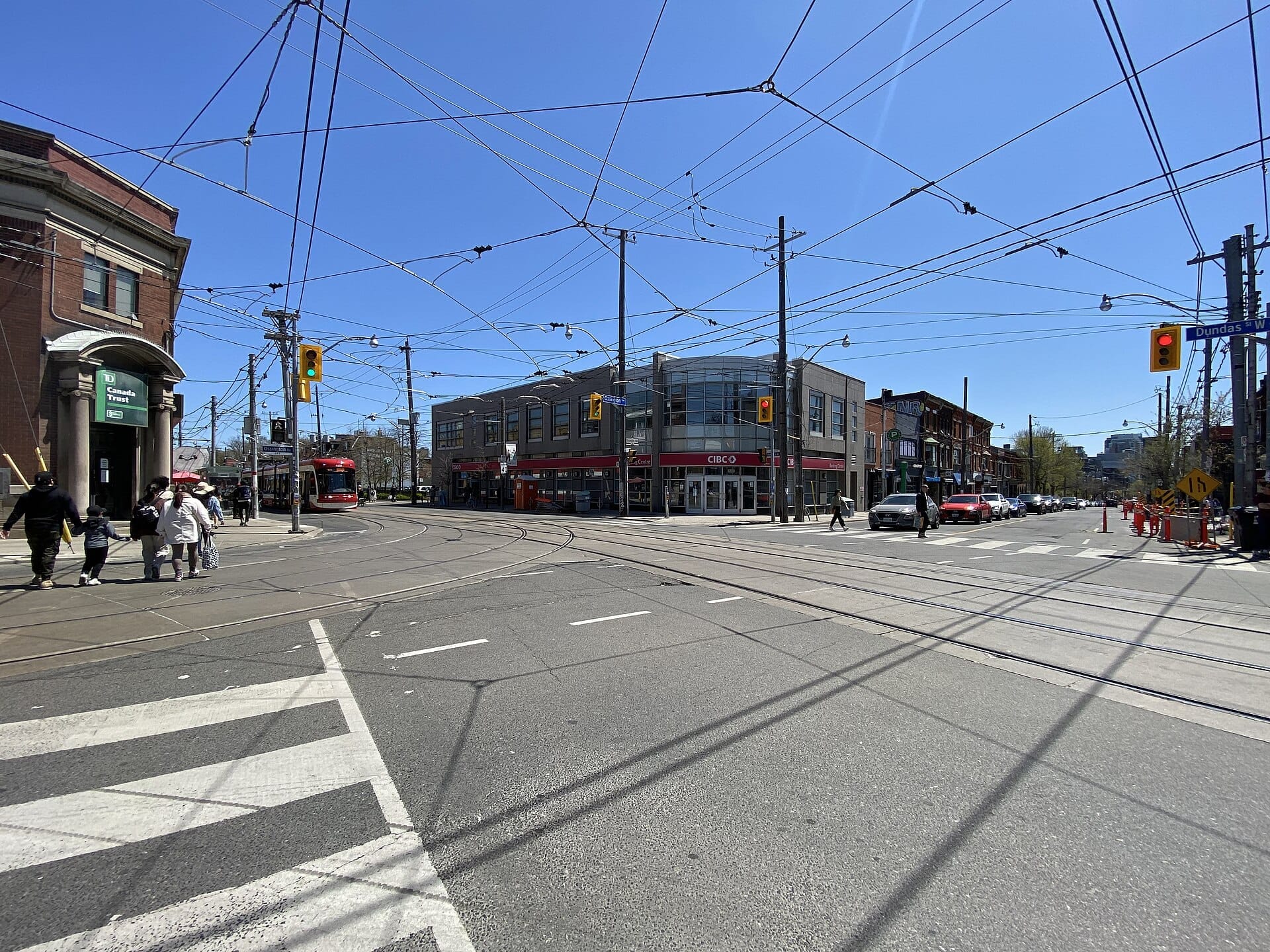
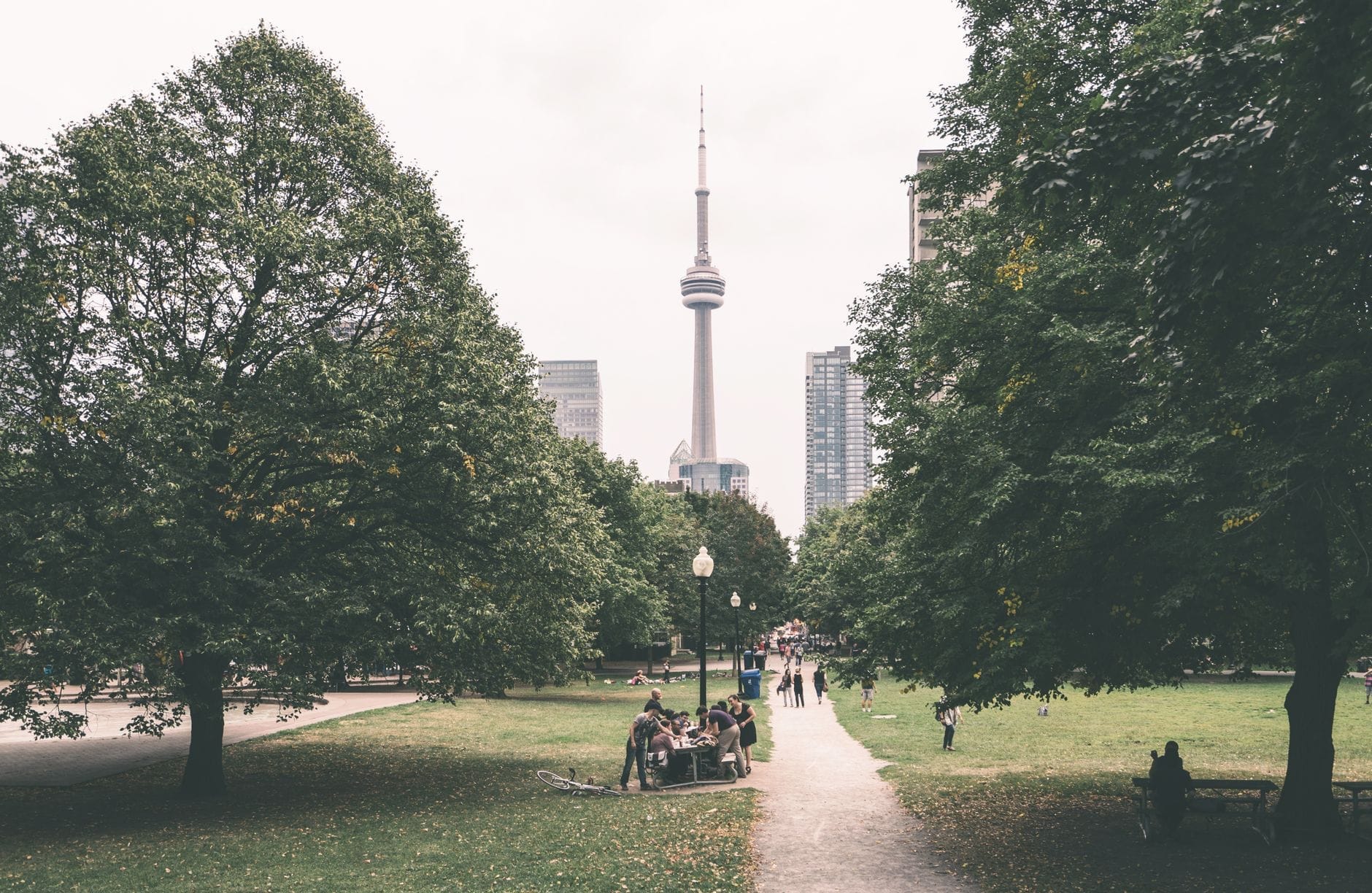
Queen Street West is Toronto's creative spine, stretching west from the downtown core through a corridor of independent shops, art galleries, music venues, and some of the city's most interesting restaurants. The stretch between Simcoe Street and Bathurst Street forms the heart of the Queen West Business Improvement Area, while the blocks beyond Bathurst toward Ossington and Dufferin have developed their own distinct character. This is a neighborhood that rewards slow walking and spontaneous turns.
Queen Street West is where Toronto's creative identity has been forged and tested for decades. From the legacy galleries and indie record shops near the Art Gallery of Ontario to the low-rise mixed-use blocks approaching Trinity Bellwoods Park, this corridor captures a side of the city that is genuinely urban without being corporate. It is not a perfectly preserved district or a theme park version of cool, and that tension is exactly what makes it worth spending time in.
Orientation
Queen Street West sits in the lower-central part of Toronto, Ontario, running east-west just south of the city's main Bloor-Dundas corridor and north of the Gardiner Expressway. The street itself runs across the full width of the city, but the stretch locals mean when they say 'Queen West' begins roughly at Simcoe Street, where it exits the downtown financial core, and extends west past Bathurst Street toward Dufferin. The Queen Street West Business Improvement Area officially covers Simcoe to Bathurst, while the area sometimes called 'West Queen West' picks up from there and runs toward Dufferin, bounded roughly by King Street to the south and Shaw Street on the east.
The neighborhood sits directly south of two of Toronto's most important cultural anchors: the Art Gallery of Ontario on Dundas Street West and OCAD University, whose Sharp Centre for Design hangs over McCaul Street like a giant tabletop. Walk south from either of these on any cross-street and within two blocks you are on Queen West. To the east, the neighborhood bleeds into the Entertainment District near Simcoe and John Streets. To the west, it transitions into Parkdale around Dufferin. To the south, the King Street West corridor runs parallel, about 400 metres downhill.
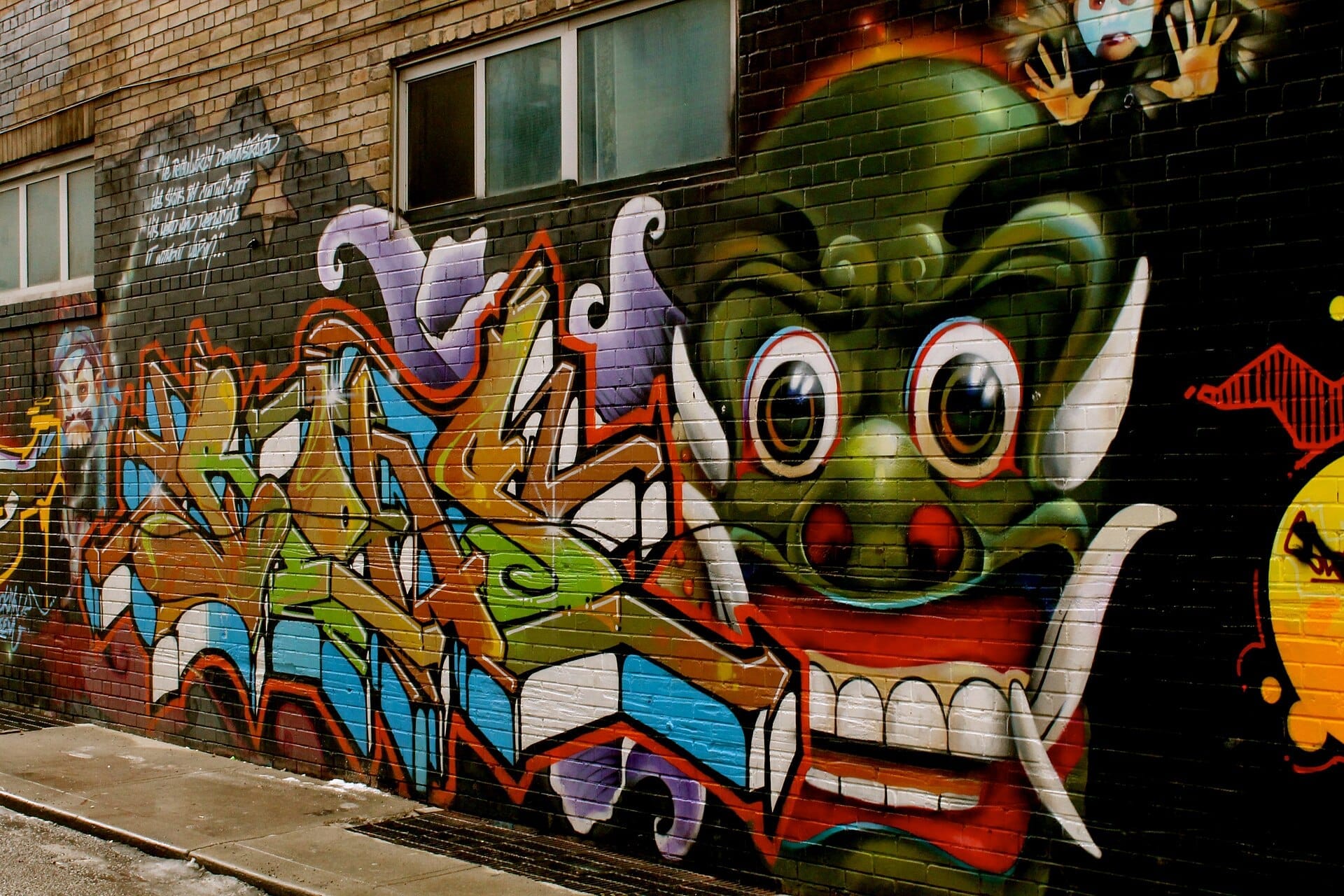
Trinity Bellwoods Park anchors the western half of the corridor, sitting just south of Queen Street near Shaw Street. It is the neighborhood's true communal living room. Further east, Graffiti Alley runs along Rush Lane between Spadina Avenue and Portland Street, parallel to and just north of Queen, and is one of the most photographed stretches of public art in the city.
Character and Atmosphere
Queen Street West has a particular quality in the morning that is easy to miss if you arrive after noon. Between 8 and 10 a.m., the streetcar rattles past café owners propping open their doors, florists arranging buckets on the sidewalk, and the occasional gallery assistant rolling up the security gate. The light comes in low from the east and catches the old Victorian commercial facades, most of them two or three storeys with retail at street level and apartments above. It feels like a neighborhood that has been doing this for a long time and has no particular interest in performing for visitors.
By early afternoon, the character shifts. The sidewalks on the stretch between Spadina and Bathurst fill with a mix of students from OCAD and U of T, people who work from the cafés along the strip, and enough tourists to make certain blocks feel self-conscious. The blocks between Ossington Avenue and Dufferin are calmer and more residential in feel, with independent food shops and small restaurants that have not yet been overrun by foot traffic. This is where local life concentrates on a Saturday afternoon.
After dark, Queen West divides into at least two distinct versions. The eastern end, from Simcoe to Spadina, has a heavier bar and live-music density and gets loud on weekends. The stretch from Bathurst west to Dufferin is quieter at night, anchored by restaurants rather than bars, and feels more like a residential dining strip. Trinity Bellwoods Park, which is lit only at its edges, creates a dark gap in the middle of the neighborhood at night, so people tend to move along Queen Street itself rather than cut through.
ℹ️ Good to know
The 501 Queen streetcar operates with frequent daytime and evening service, making Queen West one of the few Toronto neighborhoods where you often do not need a car or taxi to get home late at night. Overnight, the 301 Queen Blue Night route provides service along Queen during off-peak hours.
What to See and Do
The most honest way to approach Queen West is as a walking neighborhood rather than a list of individual attractions. The street itself is the experience: the density of independent bookshops, record stores, vintage clothing, ceramics studios, and small galleries packed into two-storey buildings is what gives the area its character. That said, several anchors are worth orienting around.
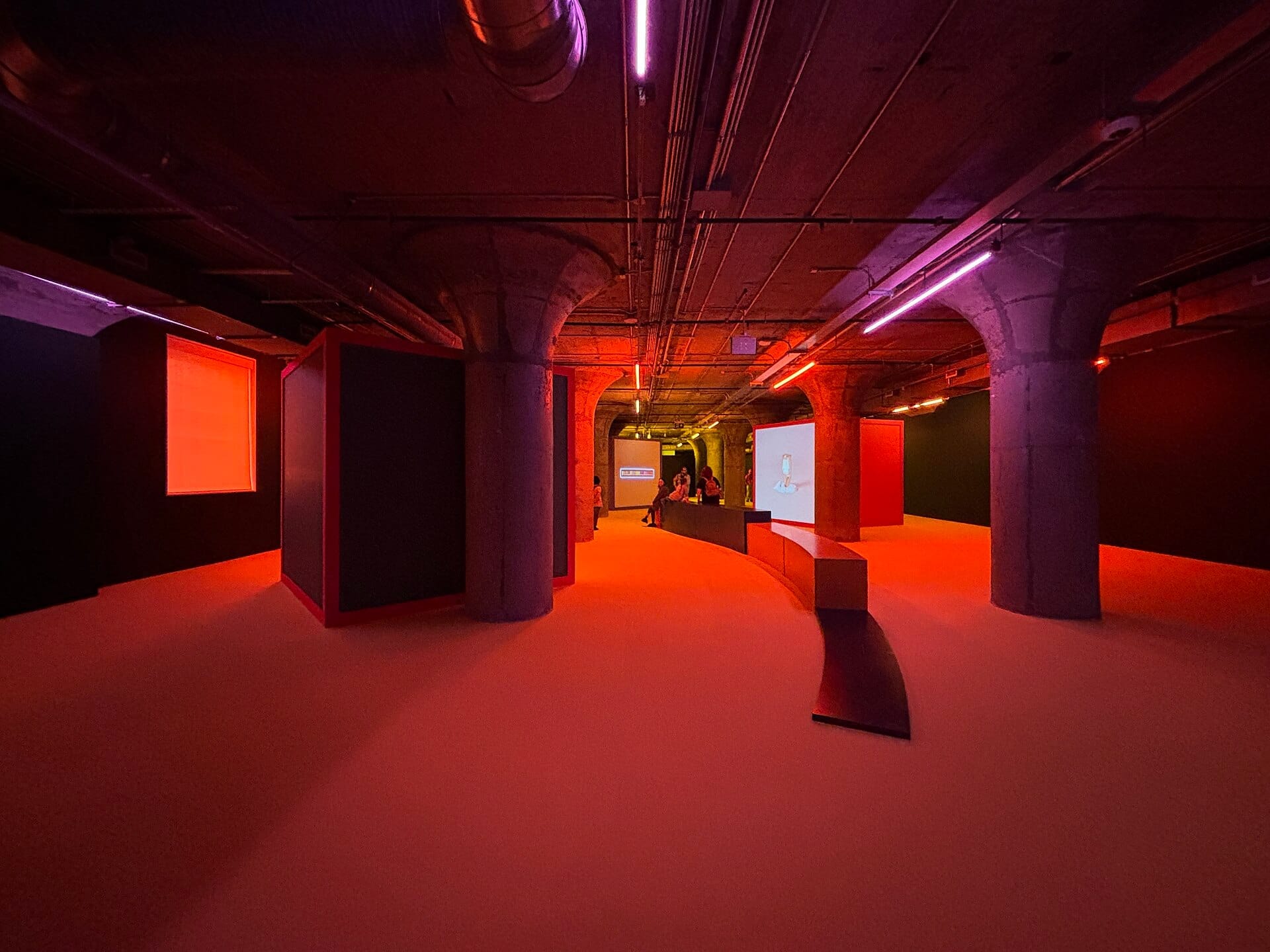
The Art Gallery of Ontario is technically on Dundas Street West but is functionally part of the Queen West cultural district, two blocks north of Queen near McCaul. The Frank Gehry-redesigned building is worth seeing from the outside even if you do not go in. For contemporary work, the Museum of Contemporary Art Toronto (MOCA) has relocated to the west end of the city, but the gallery scene along Queen West itself, particularly between Spadina and Ossington, includes several commercial galleries that are free to enter and show ambitious work.
Graffiti Alley runs for about 400 metres along Rush Lane, parallel to Queen between Spadina and Portland. It is Toronto's most concentrated outdoor mural corridor, repainted frequently enough that it changes year to year. Walk it westbound in the afternoon when the light is on the south-facing walls.
Trinity Bellwoods Park is not a tourist attraction in any formal sense, but it is one of the best places in Toronto to understand how the city actually uses its outdoor space. On a warm weekend afternoon, the park fills with people playing tennis, lying in the grass, walking dogs, and gathering at the informal social clearing near the central path. There are no food vendors or formal facilities to speak of. It is simply a large, flat park that the neighborhood has claimed as its own.
Walk Graffiti Alley (Rush Lane, between Spadina and Portland Street)
Browse the independent record stores and vintage clothing shops between Spadina and Bathurst
Visit the AGO on Dundas Street West, two blocks north of Queen
Spend time in Trinity Bellwoods Park on a weekend afternoon
Check what is showing at the small commercial galleries between Ossington and Bathurst
💡 Local tip
The stretch of Ossington Avenue between Queen and Dundas Street West has developed into one of Toronto's best concentrated dining and bar strips. It is worth turning off Queen and walking one block north to explore it properly.
Eating and Drinking
The food scene on Queen West is dense and genuinely varied, ranging from counter-service spots to serious restaurants with multi-course tasting menus. Price range is also wide. The stretch between Bathurst and Ossington has the highest concentration of interesting independent restaurants and has held that position for roughly fifteen years, though new places continue to open and close with some regularity.
Breakfast and coffee culture is strong here. Café competition is intense, which generally means quality is high and you can find a serious espresso drink without much effort on almost any block. Late-morning weekends can mean queues at the more popular brunch spots, particularly on the blocks just west of Bathurst. If you want to eat before noon on a Saturday without waiting, aim for spots east of Bathurst toward Spadina, which see less foot traffic.
The dining options span Japanese, Korean, Italian, Middle Eastern, and contemporary Canadian kitchens, with several natural wine bars and cocktail-focused spots that have opened in the past several years. Street-level taquerias and falafel counters fill the faster, cheaper end. The Ossington strip running north from Queen is particularly strong for mid-range dinner restaurants with serious cooking. Reservations are advisable for anything with a proper kitchen on a Friday or Saturday night.
For a broader sense of Toronto's food geography and what connects Queen West to other eating neighborhoods, the Toronto food guide gives useful context. Queen West does not operate food markets in the traditional sense, but the Kensington Market area is directly north and east, accessible in a short walk up Spadina or through the side streets, and it operates as an outdoor food market on most days.
⚠️ What to skip
Several Queen West restaurants, particularly the brunch-focused spots, do not take reservations. Arriving before 11 a.m. on weekends significantly reduces wait times. The strip also has a noticeable bar-heavy late-night scene on the eastern section near Simcoe and John Streets, which gets genuinely loud after 11 p.m. on weekends.
Getting There and Around
Queen Street West is served by the 501 Queen streetcar, which runs along Queen Street through the downtown core and out to eastern and western neighborhoods. It is one of the TTC's busiest routes and, during peak hours, can be crowded and slow. The streetcar stops approximately every 200 metres along Queen. For the section between Bathurst and Dufferin, the 63 Ossington bus runs north-south and connects to Bloor-Danforth subway Line 2 at Ossington Station.
There is no subway station directly on Queen Street West in this corridor. The closest subway access points are Osgoode Station on Line 1 (at Queen and University Avenue, at the eastern end of the neighborhood) and St Patrick Station on Line 1 (a short walk north of Queen at University Avenue); riders on Line 2 typically transfer to a north–south route such as the 63 Ossington bus or 510 Spadina streetcar rather than walking all the way from Spadina Station. For most of the neighborhood's length, the streetcar is the primary rapid transit connection.
Queen West is a highly walkable corridor. Walk Score rates sections of it at or near 99, and most errands, meals, and destinations between Simcoe and Dufferin are reachable on foot. The terrain is flat, which makes cycling practical, and the city has installed bike lanes along portions of the route. For a broader overview of moving around Toronto, the getting around Toronto guide covers TTC fares, transit apps, and cycling infrastructure in detail.
From downtown, the simplest approach is to board the 501 Queen streetcar heading westbound at any stop along Queen Street East or Queen Street West in the core. From the Bloor-Yonge or Spadina subway stations, it is faster to walk south on Spadina or take the Ossington bus down to Queen rather than waiting for the streetcar to navigate through downtown traffic. Ride-hailing services work well here; the street has enough address density that pickups are generally straightforward.
Where to Stay
Queen Street West does not have a concentration of hotels in the way that downtown or Yorkville do. The accommodation options along the corridor tend to be smaller boutique hotels and short-term rental apartments spread across the residential streets north and south of Queen. This means the neighborhood rewards travelers who book early and know what they are looking for, but it is not the right area for someone who wants a wide selection of brand-name hotels.
Staying on or just off Queen West puts you within streetcar distance of most of central Toronto, with easy access to Kensington Market, the Entertainment District, and the waterfront. It works best for travelers who want a neighborhood base rather than a hotel-district experience, and who are comfortable navigating the TTC. Those prioritizing hotel choice and proximity to major landmarks like the CN Tower or Union Station may find the Entertainment District a more practical base, and it is only a 15-minute streetcar ride east.
For travelers unsure where to base themselves in Toronto overall, the where to stay in Toronto guide breaks down all major neighborhoods by traveler type, budget, and proximity to key attractions.
Honest Assessment: Who Is This Neighborhood For
Queen West rewards travelers who like to explore on foot, eat well without planning every meal in advance, and do not need every hour structured around major attractions. If you are visiting Toronto for the CN Tower, Rogers Centre, and a packed itinerary of headline sights, Queen West is a worthwhile afternoon diversion but probably not the right base.
The neighborhood has gentrified substantially since its 1980s and 1990s peak as a scrappy arts district, and some of that original edge has smoothed out. The stretch from Simcoe to Spadina in particular can feel like a commercial strip that is aware of its own reputation. The blocks west of Bathurst, toward Ossington and Trinity Bellwoods, still have more texture and feel more genuinely local. If you have limited time, that western section is where the neighborhood earns its reputation.
For travelers interested in Toronto's broader creative geography, Queen West connects naturally to Kensington Market to the northeast and to the Ossington Avenue strip running north from Queen. Together these three areas form a creative corridor that can fill a full day without any single destination feeling forced.
TL;DR
Queen Street West runs west from the downtown core and is best explored on foot between Spadina Avenue and Dufferin Street.
The 501 Queen streetcar runs 24 hours and is the primary transit link; the nearest subway stations are Osgoode (Line 1) and Ossington (Line 2 via the 63 bus).
The neighborhood is strongest for independent dining, gallery browsing, record and vintage shopping, and time in Trinity Bellwoods Park.
The eastern stretch (Simcoe to Spadina) is denser and louder after dark; the western blocks toward Bathurst and Ossington feel more local and residential.
Best suited to travelers who enjoy walking neighborhoods, eating well, and exploring independent retail, rather than those on a major-attraction itinerary.
Three days is enough time to cover the best of Toronto's downtown core, historic districts, waterfront, and cultural institutions — if you plan smartly. This itinerary is built around the TTC subway and streetcar network, so you never need a rental car. Expect a mix of landmark sights, neighbourhood wandering, and genuine local texture.
Toronto punches well above its weight for museum culture. Whether you're drawn to ancient civilisations, contemporary art, or the history of hockey, this guide covers the best museums in Toronto across every interest and budget.
Toronto has over 1,500 parks and more than 8,000 hectares of green space, from sweeping urban forests and lakefront trails to formal gardens and island beaches. This guide covers the best of them, organised by type and neighbourhood, so you can find exactly the kind of outdoor escape you're looking for.
Toronto has four genuinely distinct seasons, and the best time to visit depends entirely on what you want from the trip. This guide breaks down weather, crowds, pricing, and events month by month so you can make an informed decision.
Toronto's skyline is one of the most dramatic in North America, dominated by the CN Tower and framed by Lake Ontario. This guide covers the best vantage points in the city, from high-rise observation decks and waterfront parks to island ferry crossings and hilltop lookouts.
Toronto sits at the centre of one of Canada's richest regions for day-tripping. Within two hours in any direction you'll find roaring waterfalls, wine country, historic theatre towns, wilderness beaches, and mountain resorts. This guide covers the top day trips from Toronto, with practical details on how to get there and what to do once you arrive.
Toronto is a surprisingly generous city for budget travellers. From free museum evenings and sprawling parks to street art laneways and historic neighbourhoods, here are the best free things to do in Toronto across every season.
Toronto's transit network spans the TTC subway, streetcars, GO Transit regional rail, the UP Express airport link, ferries, and bike share. This guide breaks down every option with fares, routes, timings, and practical advice on what actually works for visitors.
Toronto is one of the safest major cities in North America, but that doesn't mean risk-free. This guide breaks down real crime patterns, which areas to be aware of, seasonal hazards, and the practical precautions that actually make a difference for visitors.
Toronto sits on the northwestern shore of Lake Ontario, the easternmost and smallest of the Great Lakes by surface area. From the Toronto Islands and the Martin Goodman Trail to the towering Scarborough Bluffs, this guide covers every major way to experience the lake — with seasonal advice, transit details, and honest assessments of what's worth your time.
Toronto is Canada's largest city and one of North America's most genuinely diverse destinations. This guide covers the best things to do in Toronto across every budget, season, and interest — with honest assessments, current prices, and practical logistics.
Five days in Toronto is enough time to cover the iconic landmarks, dig into the city's diverse neighbourhoods, and still squeeze in a day trip to Niagara Falls. This itinerary is structured for efficiency without sacrificing depth, whether you're arriving at Pearson Airport or Billy Bishop.
Everything you need to navigate Toronto Pearson International Airport (YYZ), from terminal layouts and airside connections to the fastest and cheapest ways into downtown Toronto. Covers the UP Express, taxis, ride-hailing, public transit, and key practical details for first-timers and connecting passengers.
Toronto's skyline tells a 200-year story in brick, glass, and concrete. This guide covers the city's most architecturally significant buildings across every era, from Victorian flatirons and Beaux-Arts civic halls to Gehry-designed galleries and record-breaking towers, with practical visiting tips for each.
Toronto Caribbean Carnival, still widely known as Caribana, draws over a million visitors to the city each summer for more than a week of soca music, steelpan competitions, costumed masquerade, and street food. This guide covers everything: dates, the Grand Parade route, ticket prices, what to skip, and how to plan your visit like someone who has been before.
Toronto's sakura season is spectacular but brutally short. This guide covers the exact bloom window, the best viewing locations beyond High Park, how to get there without a car, and what the City's official trackers actually tell you in real time.
Toronto's food scene is one of North America's most diverse, shaped by over 200 ethnic communities and anchored by legendary markets, neighbourhood food districts, and a Michelin Guide earned in 2022. This guide breaks down what to eat, where to eat it, and how to navigate the city's culinary landscape like a local.
Toronto's food market scene ranges from a historic 200-year-old market hall to shipping-container villages and neighbourhood farmers' markets. This guide covers the best places to browse, graze, and stock up across the city.
Toronto delivers a surprising range of romantic experiences, from skyline dining and waterfront ferry rides to candlelit heritage districts and world-class performing arts. This guide breaks down the best date ideas by season, budget, and vibe, with honest assessments of what's worth the effort.
Summer turns Toronto into one of North America's most active outdoor cities. From June jazz on Bloor Street to Caribbean Carnival floats and lakefront beaches with lifeguards on duty until Labour Day, this guide covers every major event, the best swimming spots, and the practical logistics to make the most of the season.
Toronto winters are cold, but the city leans into the season rather than shutting down. From free outdoor skating rinks under the Gardiner Expressway to the glittering Distillery District Christmas Market, this guide covers every practical detail you need to enjoy Toronto from late November through March.
The Toronto International Film Festival is one of the world's most accessible and influential film events, open to the public every September. This guide covers dates, ticket prices, venues, logistics, and how to get the most out of your visit.
The Toronto Islands are a chain of 15 car-free islands just a short ferry ride from downtown, offering beaches, cycling trails, skyline views, and a rare slice of calm in the middle of a major city. This guide covers ferry logistics, the best spots on each island, seasonal realities, and the common mistakes first-time visitors make.
Toronto's upscale travel scene goes well beyond five-star hotels. This guide covers the best luxury hotels in downtown Toronto and Yorkville, premium dining, exclusive experiences, and practical logistics for high-end visitors to Canada's largest city.
Toronto is one of the most diverse cities in the world, with roughly half its population born outside Canada. This guide covers the key ethnic districts, what makes each distinct, how to get there, and what to prioritize on a visit.
Niagara Falls sits about 136 km from downtown Toronto, making it the most popular day trip from the city. This guide covers every transport option, realistic costs, seasonal timing advice, and practical tips on what is worth your time once you arrive.
Toronto nightlife runs deeper than most visitors expect. From the dense bar corridor along King West to indie live music rooms on Queen West and all-night clubs in the Entertainment District, this guide breaks down where to go, what to spend, and how to plan your night like a local.
Nuit Blanche Toronto is a free, city-run all-night contemporary art festival that transforms public spaces across Toronto from dusk to dawn each October. This guide covers the event's history, logistics, what to expect on the night, and how to make the most of 12 hours of outdoor art.
Toronto is Canada's largest city and one of North America's most expensive destinations — but with the right approach, you can experience it without draining your wallet. This guide covers free attractions, affordable transit, budget eats, and the smartest times to visit to keep costs low.
Toronto's PATH is the world's largest underground pedestrian network, stretching more than 30 km through the heart of downtown. This guide covers how to navigate it without getting lost, which routes to use, when it's open, and what to realistically expect from the experience.
Toronto's ravine system is one of the largest urban greenspace networks in North America, threading through neighbourhoods most visitors never see. This guide covers the best trails, how to reach them by transit, what conditions to expect by season, and how to string routes together for a full day outdoors.
Toronto's shopping scene spans luxury boutiques in Yorkville, 230-plus retailers at the Eaton Centre, historic indoor markets, and independent street strips that reward slow browsing. This guide breaks down every major option by category, with transit directions, honest assessments, and seasonal tips.
Toronto is one of North America's most practical cities for solo travel, with an extensive transit network, walkable districts, and a concentration of world-class attractions in the downtown core. This guide covers everything from airport arrivals and neighbourhood logistics to safety realities and the best solo-friendly experiences across Canada's largest city.
Toronto rewards walkers. From the Victorian laneways of the Distillery District to the lakefront trail and Kensington Market's chaotic grid, the city's best stories are told on foot. This guide covers the top guided walking tours, free tip-based options, City-published self-guided routes, and the neighbourhoods worth exploring on your own schedule.
Toronto's waterfront runs approximately 37 kilometres along Lake Ontario, from Etobicoke in the west to the Rouge River in the east. This guide covers the best things to do, how to get around, seasonal conditions, and which parts of the lakeshore are actually worth your time.
From shark tunnels at Ripley's Aquarium to free ferry rides and dinosaur bones at the ROM, Toronto delivers serious options for families with children of all ages. This guide covers the top attractions, practical logistics, honest pricing, and seasonal advice to help you plan a trip that actually works.
Toronto has dozens of distinct neighbourhoods, and choosing the right one to stay in makes a real difference to your trip. This guide breaks down the best areas by location, price range, transit access, and atmosphere — so you can book with confidence.