Toronto in Winter: Skating, Markets & Cold-Weather Experiences
Toronto winters are cold, but the city leans into the season rather than shutting down. From free outdoor skating rinks under the Gardiner Expressway to the glittering Distillery District Christmas Market, this guide covers every practical detail you need to enjoy Toronto from late November through March.
Tickets & tours
Live prices and dates from our booking partner. If you book, we may earn a commission at no extra cost to you.
TL;DR
- Toronto winters run roughly December through March, with average January temperatures around -4.6°C (24°F) — dress in proper layers, not just a light jacket.
- Most City of Toronto outdoor skating rinks are free to skate; only rentals cost money. Key spots include Nathan Phillips Square, The Bentway Skate Trail, and Harbourfront Centre.
- You don't need to own skates — free lending libraries operate at select city rinks, and rentals are available at many major venues.
- Outdoor rinks are weather-dependent and can close temporarily during warm spells; always check venue websites before heading out.
- Winter is also one of the better times to explore Toronto's world-class indoor attractions, from the Royal Ontario Museum to the Art Gallery of Ontario — crowds are smaller than in summer.
What Toronto Winter Actually Looks Like
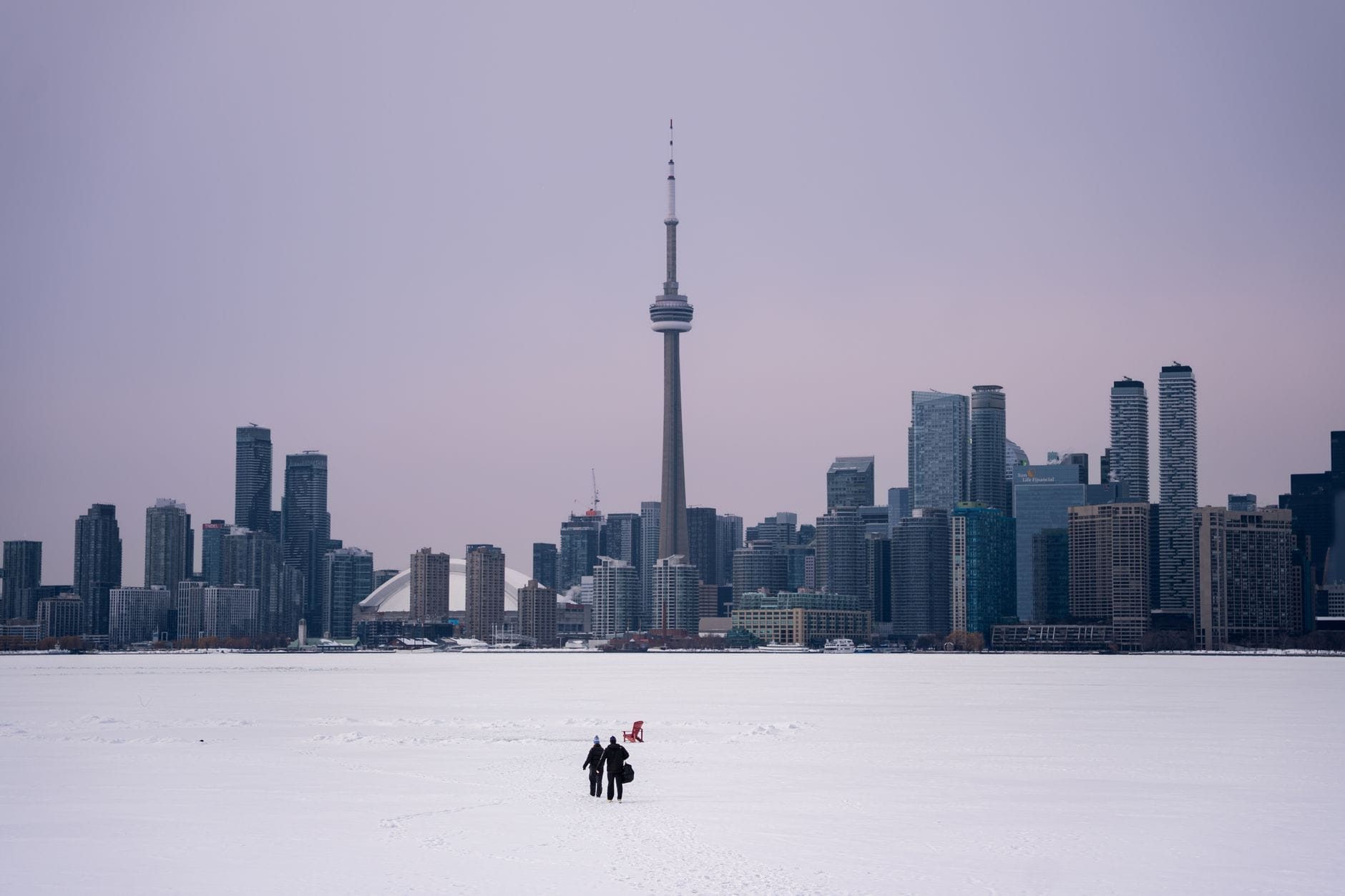
Toronto sits on the northwestern shore of Lake Ontario at roughly 43.6°N latitude, and its humid continental climate means winters are genuinely cold but rarely brutal by Canadian standards. January is the coldest month, with average temperatures around -4.6°C (24°F), typical daytime highs near -1°C, and overnight lows around -7°C. Snowfall is real but inconsistent — some weeks bring heavy accumulation, others a brief dusting. The lake effect occasionally dumps significant snow on the city, and wind chill can push perceived temperatures well below -10°C on the coldest days.
What this means practically: a light jacket is not enough. Plan for insulated boots (sidewalks get icy), a warm hat, and gloves. That said, Toronto's winters are mild compared to Ottawa or Montreal, and the city's infrastructure handles them well. The PATH underground network connects roughly 30 kilometres of underground walkways through the downtown core, which means you can move between Union Station, the financial district, and major shopping centres without stepping outside. For anyone planning serious time in the city centre, understanding the PATH is genuinely useful.
💡 Local tip
Toronto's PATH underground network is your best friend on brutally cold or wet days. It connects Union Station, the Eaton Centre, and dozens of office towers and hotels through 30 km of underground corridors. Entry points are well-signed from major subway stations.
Outdoor Skating: The Best Rinks and What Each Costs
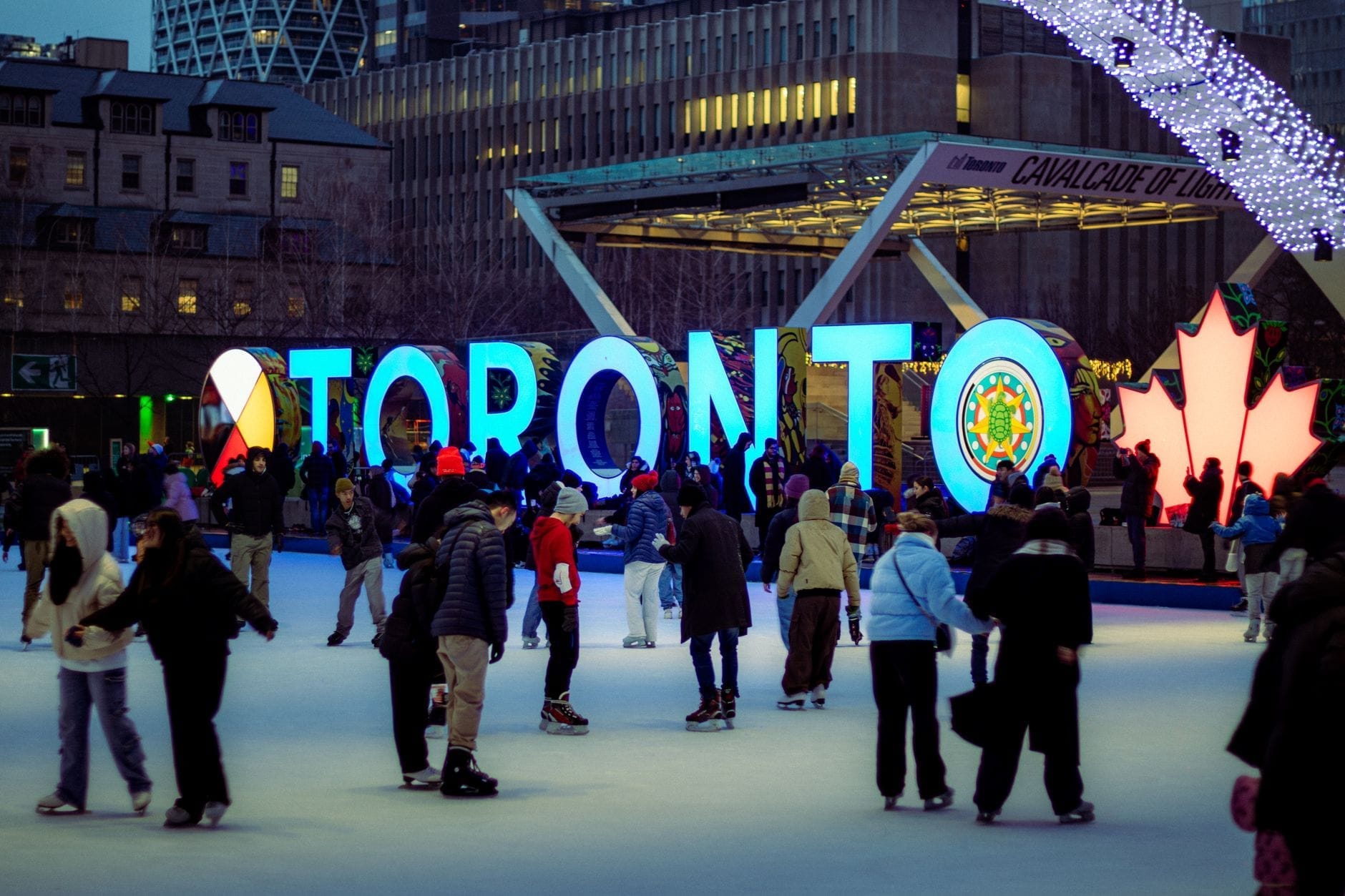
Skating is genuinely central to Toronto's winter identity, and the city makes it accessible: most leisure sessions at City-operated rinks are free, with only rentals costing money. The season typically runs from late November through mid-March, though outdoor rinks are weather-dependent and may close temporarily during warm spells or rain. Always check the venue's website or the City of Toronto's skating page before making the trip your primary plan.
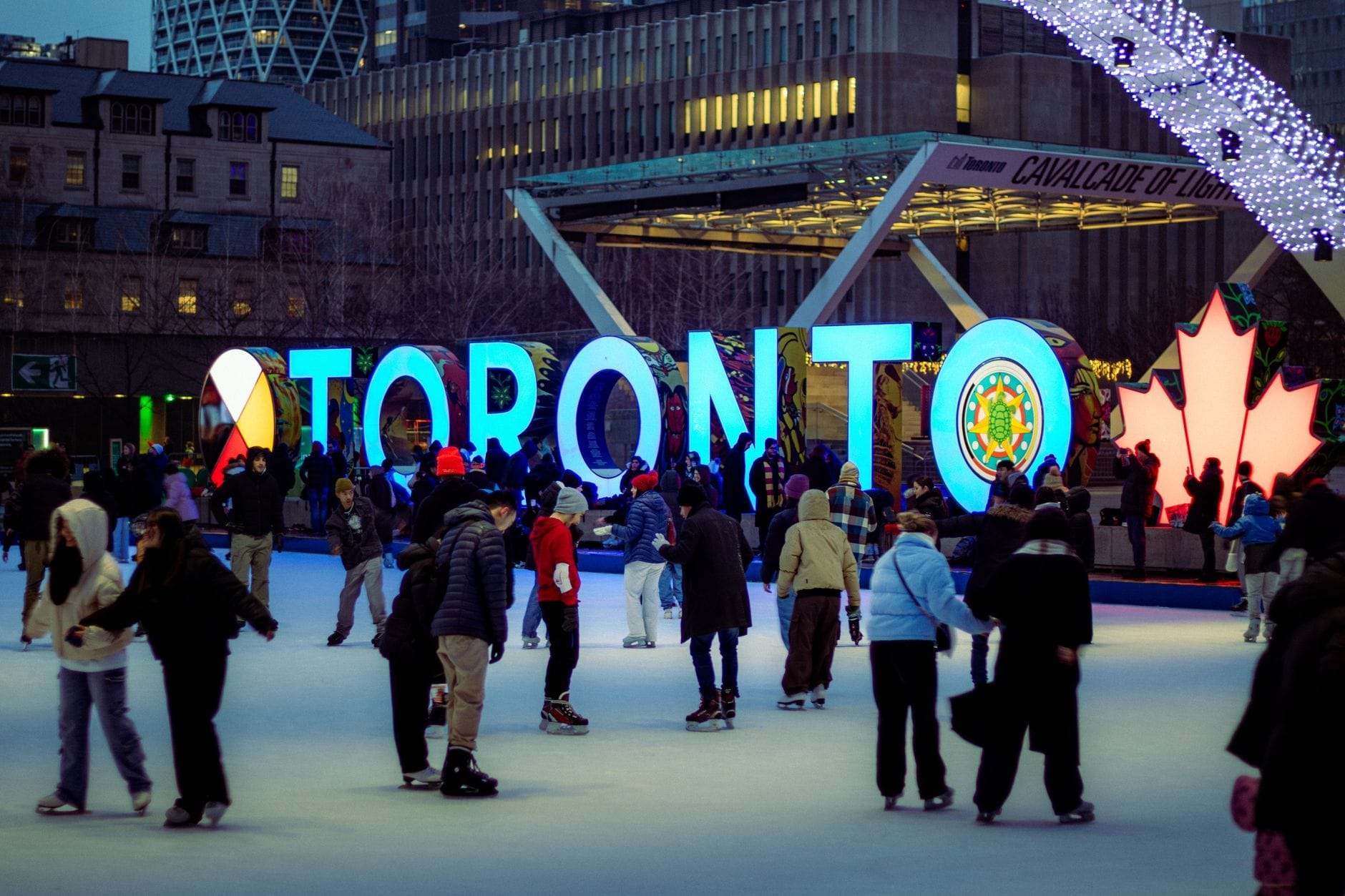
- Nathan Phillips Square (City Hall Rink) The most iconic downtown rink, free to skate, with on-site skate rentals available during the winter season. The curved concrete arches of City Hall behind you and the illuminated Toronto sign nearby make this the most photographed skating spot in the city. Gets crowded on weekends and during the Toronto Christmas Market period.
- The Bentway Skate Trail A figure-eight trail that runs under the Gardiner Expressway — an unusual urban setting that works surprisingly well. The 2025/26 season runs through March 8, 2026. Holiday hours (Dec 20–Jan 4): daily 12:00–21:00. After holidays: Mon–Fri 17:00–21:00, Sat/Sun/holidays 12:00–21:00. Skate rentals cost approximately $12.99 for adults, $12 for youth (includes helmet). Cashless only — debit or credit card required.
- Harbourfront Centre – Skate by the Lake Located at 235 Queens Quay West, this waterfront rink has Lake Ontario as a backdrop. Admission is always free. Rentals: adult skates $15, child skates $10, helmets $10, skating aids $15 — all for 2-hour sessions. Hours are weather-permitting; check the Harbourfront website for current status before visiting.
- City of Toronto Neighbourhood Rinks The City operates dozens of outdoor rinks across all districts. Drop-in leisure skating is free. A free Skate Lending Library operates at select locations — skates, helmets, and skating aids are lent at no charge, no reservation needed. Good option for families who don't want to deal with rental lineups at the tourist-heavy spots.
- Union Winter – Roller Express (Union Station) Not ice skating — this is a seasonal free roller-skating experience inside Union Station. Pre-registration is required for 2-hour time slots (bring ID). No charge for entry, rentals, or protective equipment during regular hours. Typical season runs late November to mid-January; check the Union Toronto website for current dates as the rink closes Dec 24–26.
⚠️ What to skip
Outdoor rinks — including those with artificial ice like Harbourfront — can and do close temporarily when temperatures rise above freezing for extended periods. This happens several times each winter. Check venue websites or social media the morning of your planned visit. The Bentway and Harbourfront both post real-time closure notices online.
Winter Markets Worth Your Time
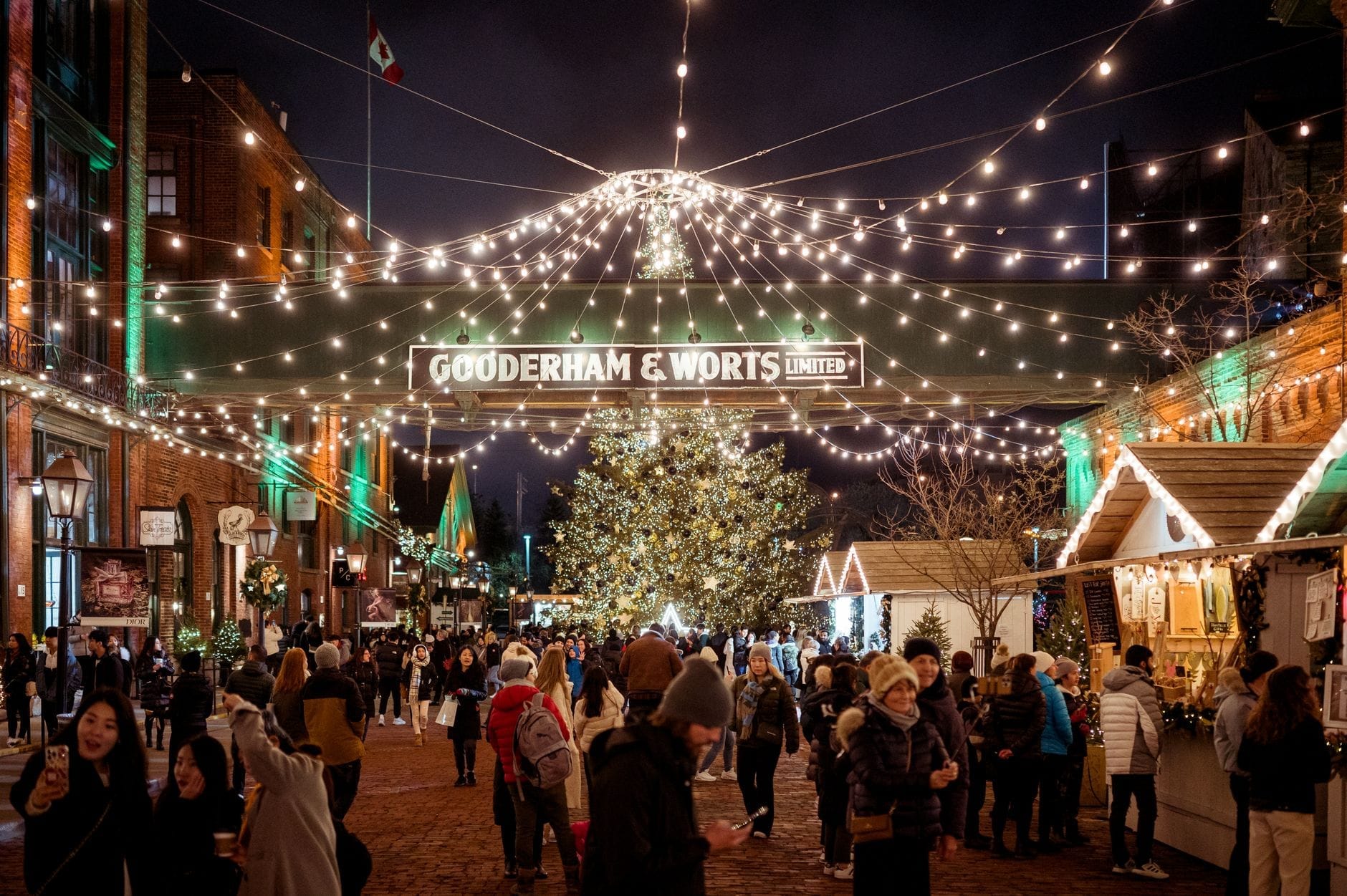
The Toronto Christmas Market at the Distillery District is the most prominent winter market in the city, typically running from mid-November through Christmas Eve. The Distillery District itself — a nationally designated heritage site of preserved Victorian industrial architecture — provides genuine atmosphere that a purpose-built market tent cannot replicate. Entry is ticketed (prices vary by time slot and day; weekends during peak weeks cost more), and weekend afternoons are genuinely crowded. If you're going for the atmosphere and the mulled wine rather than the shopping, a weekday evening visit from about 17:00 onward is far more pleasant.
Beyond the Christmas Market, winter markets and seasonal pop-ups cluster around Nathan Phillips Square, the Waterfront, and Union Station, with vendors and dates changing annually. The Nathan Phillips Square area often hosts smaller markets tied to skating events and city-organized winter festivals. For independent shopping with a more local character, Kensington Market and the shops along Queen Street West stay active through winter, offering a different experience from the curated market format.
✨ Pro tip
The Distillery District Christmas Market sells timed entry tickets online, and they do sell out for prime weekend slots. Book at least a week in advance if you're visiting in December. The ticketing structure means arriving early for your slot is worth it — the first hour after opening is noticeably less crowded than mid-afternoon.
Indoor Toronto: Making the Cold Work for You
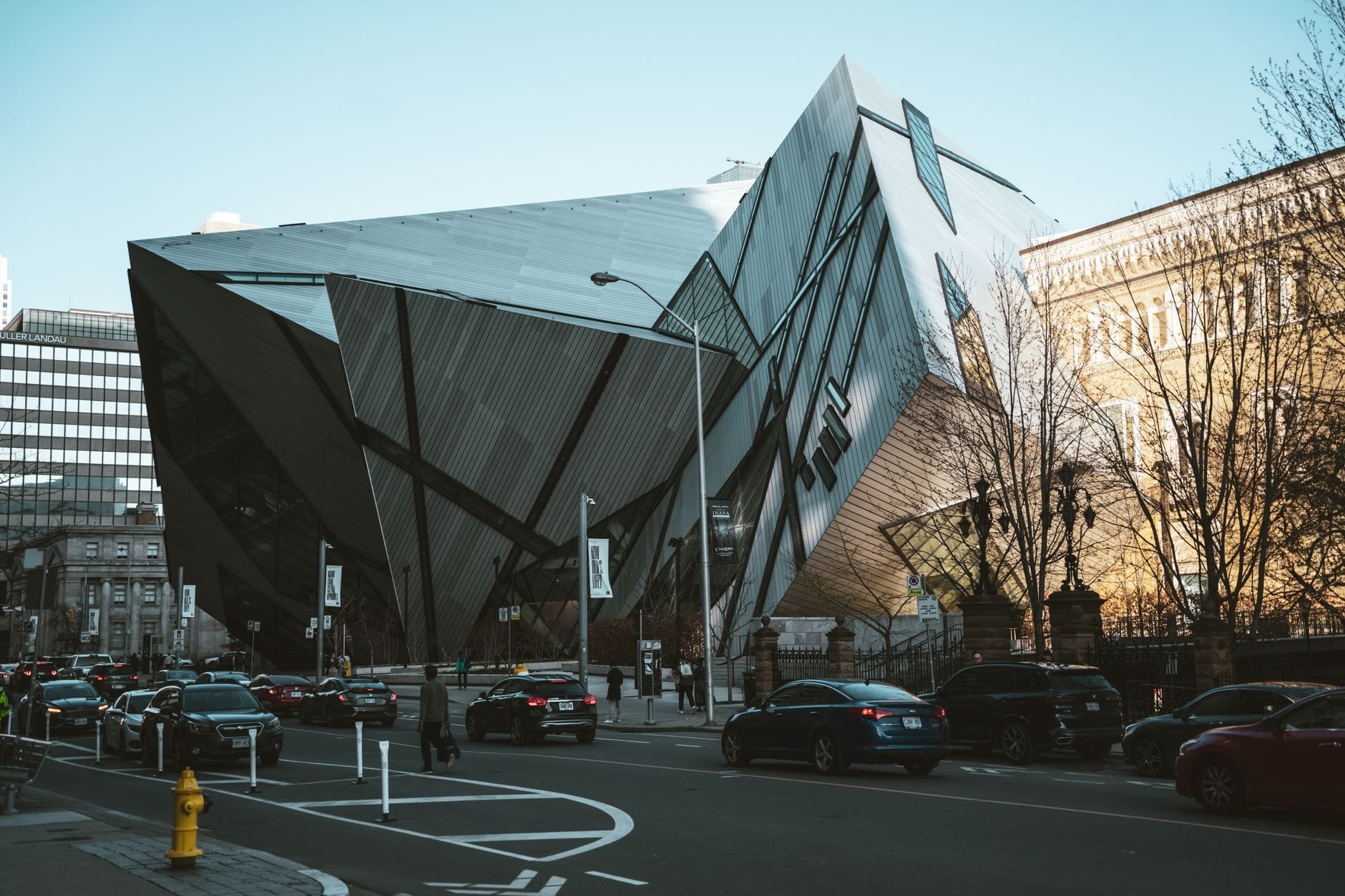
One of the underappreciated advantages of visiting Toronto in winter is shorter queues at major attractions. The Royal Ontario Museum (ROM), Canada's largest museum, and the Art Gallery of Ontario both see their lowest visitor numbers from January through March. If you want to spend actual time looking at exhibits rather than navigating crowds, winter is the right season. The AGO's permanent collection includes major works by the Group of Seven, European masters, and an extensive contemporary collection — it's not a quick visit.
For families, the Ripley's Aquarium of Canada near the CN Tower stays busy year-round but is especially useful on cold or grey days when outdoor options are limited. The CN Tower is open all winter, and clear cold days in January and February often deliver some of the best visibility of the year — Lake Ontario can look spectacular under winter light. Ticket prices are significant (check the CN Tower website for current pricing), so confirm what you're paying for before booking.
- Royal Ontario Museum (ROM) – Canada's largest museum; lower winter crowds, same permanent collection
- Art Gallery of Ontario (AGO) – Significant collection including Group of Seven; Friday evenings are often discounted
- Ripley's Aquarium of Canada – Good for families; busier on school holidays but manageable in January
- CN Tower – Winter visibility is often excellent on clear days; dress warmly for the outdoor observation deck
- Aga Khan Museum – Smaller, specialist collection; rarely crowded in winter and architecturally impressive
- Hockey Hall of Fame – Appropriate for the season; located at Yonge and Front, easy walking distance from Union Station
- Bata Shoe Museum – Genuinely interesting collection, small enough to visit in 90 minutes, rarely overcrowded any time of year
Neighbourhoods That Work Well in Winter
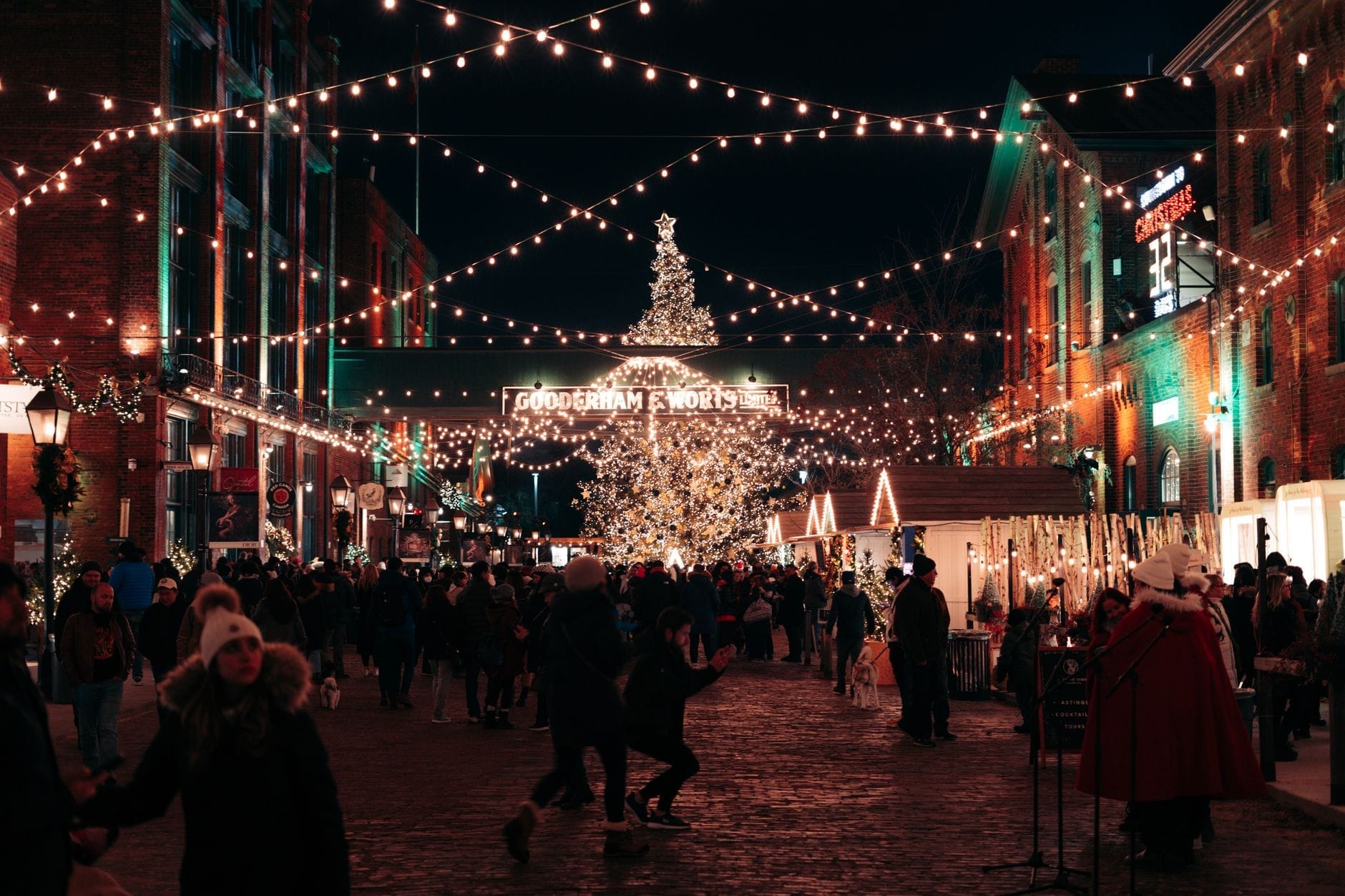
Not every Toronto neighbourhood is equally suited to winter wandering. The Distillery District is a natural winter destination — its pedestrianized cobblestone lanes are lined with galleries, cafes, and restaurants that feel particularly welcoming when it's cold outside. The area is compact enough that you're not walking huge distances between stops. Just be aware that the cobblestones get slippery after freezing rain, which happens several times a season.
For a more local winter experience, Kensington Market is worth the visit — the independent shops, vintage stores, and food vendors stay open through winter, and the area has none of the polished tourist-market feel of the Distillery. It's not always comfortable to walk (some streets get muddy after snowmelt), but it's one of the more genuinely interesting parts of the city to explore at any temperature. Similarly, Queen Street West has enough cafes, galleries, and shops to fill a few hours without requiring significant outdoor time.
Yorkville, Toronto's upscale retail district, is a more comfortable winter shopping experience than most: the streets are well-maintained, there are plenty of warm interiors to duck into, and the density of good restaurants and cafes makes it easy to build a day around short outdoor stretches and longer indoor pauses. It's not a budget neighbourhood, but you're not obligated to spend money just to walk through it.
Practical Winter Planning: What to Know Before You Go
Toronto's public transit runs through winter without major service gaps, though streetcars can slow down in heavy snow and buses occasionally run late. The TTC subway system is the most reliable option during bad weather. The UP Express train between Union Station and Pearson Airport (roughly 25 minutes, departing every 15 minutes) runs through all weather conditions and is the most predictable airport connection. If you're arriving from Pearson by taxi, road conditions in heavy snowfall can add significant time — budget generously and check road conditions if you have an early flight.
For getting around once you're in the city, the Toronto transit and transport guide covers TTC fares, the Presto card system, and the PATH underground network in detail. One practical note: TTC fares are paid with a Presto card (tap-on system) or cash on buses. Single-ride cash fares are higher than the Presto equivalent, so if you're staying more than a couple of days, loading a Presto card at any subway station is worth the few minutes it takes.
- Layers are essential: a base layer, insulating mid-layer, and a wind/waterproof outer shell covers most Toronto winter conditions
- Insulated, waterproof boots with grip soles matter more than most visitors expect — ice is a real hazard on sidewalks after freezing rain
- The PATH underground network connects major downtown locations and is genuinely useful on the coldest or wettest days
- Most skating rinks are cashless or have moved toward debit/credit only — bring a card
- Check rink websites or social media the morning you plan to skate; closures during warm spells happen several times each winter
- Hotel rates in Toronto are generally lower in January and February than in summer — this is one of the better times to stay somewhere central without paying peak prices
ℹ️ Good to know
Toronto observes Eastern Standard Time (UTC-5) in winter, shifting to Eastern Daylight Time (UTC-4) in early March. If you're coordinating international travel, the clocks change on the second Sunday of March — relevant if your trip straddles that date.
FAQ
Is skating at Nathan Phillips Square free?
Yes — admission to skate at Nathan Phillips Square is free. Skate rentals are available on-site during the winter season for a fee. The City of Toronto also operates a free Skate Lending Library at select locations where you can borrow skates, helmets, and skating aids at no charge.
When does the Toronto Christmas Market open and do you need tickets?
The Toronto Christmas Market at the Distillery District typically runs from mid-November through Christmas Eve. Entry is ticketed, with prices varying by day and time slot — weekends and evenings cost more than weekday afternoons. Tickets sell out for peak periods, so booking online in advance is strongly recommended. Check the official Distillery District website for the current season's dates and pricing.
What temperature should I expect in Toronto in December and January?
December averages are around 0°C to -4°C, with January being the coldest month at a mean of about -3.7°C, typical highs near -1°C, and lows around -7°C. Wind chill can make it feel significantly colder. Snow is common but variable — some weeks see accumulation, others are dry and grey. Dress in proper layers with insulated waterproof boots.
Are Toronto outdoor skating rinks open every day in winter?
City-operated rinks generally run December through mid-March, but hours vary by location and day. More importantly, outdoor rinks — including those with artificial refrigeration — can close temporarily during warm spells or rain. Always check the specific venue's website or social media on the day you plan to visit, particularly in late November, early December, or mid-February when mild weather is most likely.
Is Toronto worth visiting in winter, or should I wait for summer?
It depends entirely on what you want. Winter has genuine advantages: lower hotel rates in January and February, significantly smaller crowds at major museums and attractions, and experiences that only exist in this season — the Bentway Skate Trail, the Christmas Market, and the particular atmosphere of the waterfront in snow. The cold is manageable with proper clothing. That said, if your priority is outdoor exploration, patios, or the Toronto Islands, summer is clearly the better season. Winter Toronto rewards visitors who plan around the season rather than despite it.
Tickets & tours
Live prices and dates from our booking partner. If you book, we may earn a commission at no extra cost to you.
Planning a trip? Discover personalized activities with the Nomado app.