What to Eat in Toronto: A Guide to the City's Food Culture
Toronto's food scene is one of North America's most diverse, shaped by over 200 ethnic communities and anchored by legendary markets, neighbourhood food districts, and a Michelin Guide earned in 2022. This guide breaks down what to eat, where to eat it, and how to navigate the city's culinary landscape like a local.
Tickets & tours
Live prices and dates from our booking partner. If you book, we may earn a commission at no extra cost to you.
TL;DR
- The peameal bacon sandwich at St. Lawrence Market is Toronto's most iconic food — start there.
- Toronto's food identity comes from its population: over half of residents were born outside Canada, creating distinct culinary corridors in neighbourhoods like Chinatown, Greektown, and Koreatown.
- Toronto received its first Michelin Guide in 2022 — fine dining here is serious, but the best meals are often under $20 at a market stall or roti shop.
- Summer brings Summerlicious and Taste of the Danforth; winter has Winterlicious — both offer discounted prix fixe menus across the city.
- For the full picture of where to go and what to do around food, see the Toronto food markets guide.
Why Toronto's Food Scene Is Unlike Anywhere Else in North America
Toronto is Canada's most populous city, home to roughly 2.8 million people within city limits and about 6.7 million in the wider metropolitan area. More importantly for food, Statistics Canada's 2021 census data shows that over half of Toronto's residents were born outside the country, representing more than 200 ethnic groups. That statistic is not a marketing talking point — it is the structural reason why you can eat your way through Tamil Nadu, Guangdong, Jamaica, Ethiopia, Portugal, and Korea without leaving a ten-block radius.
Toronto received its first Michelin Guide in 2022, confirming what food professionals already knew: the city's restaurant scene had matured well beyond its reputation as a poutine-and-Tim-Hortons afterthought. Today, Michelin-starred restaurants sit blocks away from $5 roti shops, and both are legitimate reasons to visit. The city does not force you to choose a lane. Budget travellers eat exceptionally well here; so do expense-account diners.
ℹ️ Good to know
Toronto's tipping culture follows standard North American practice: 15-20% on the pre-tax bill is customary at sit-down restaurants. Some spots add automatic gratuities for groups of 6 or more — check the menu or ask your server.
The Dishes You Need to Try and Where to Find Them
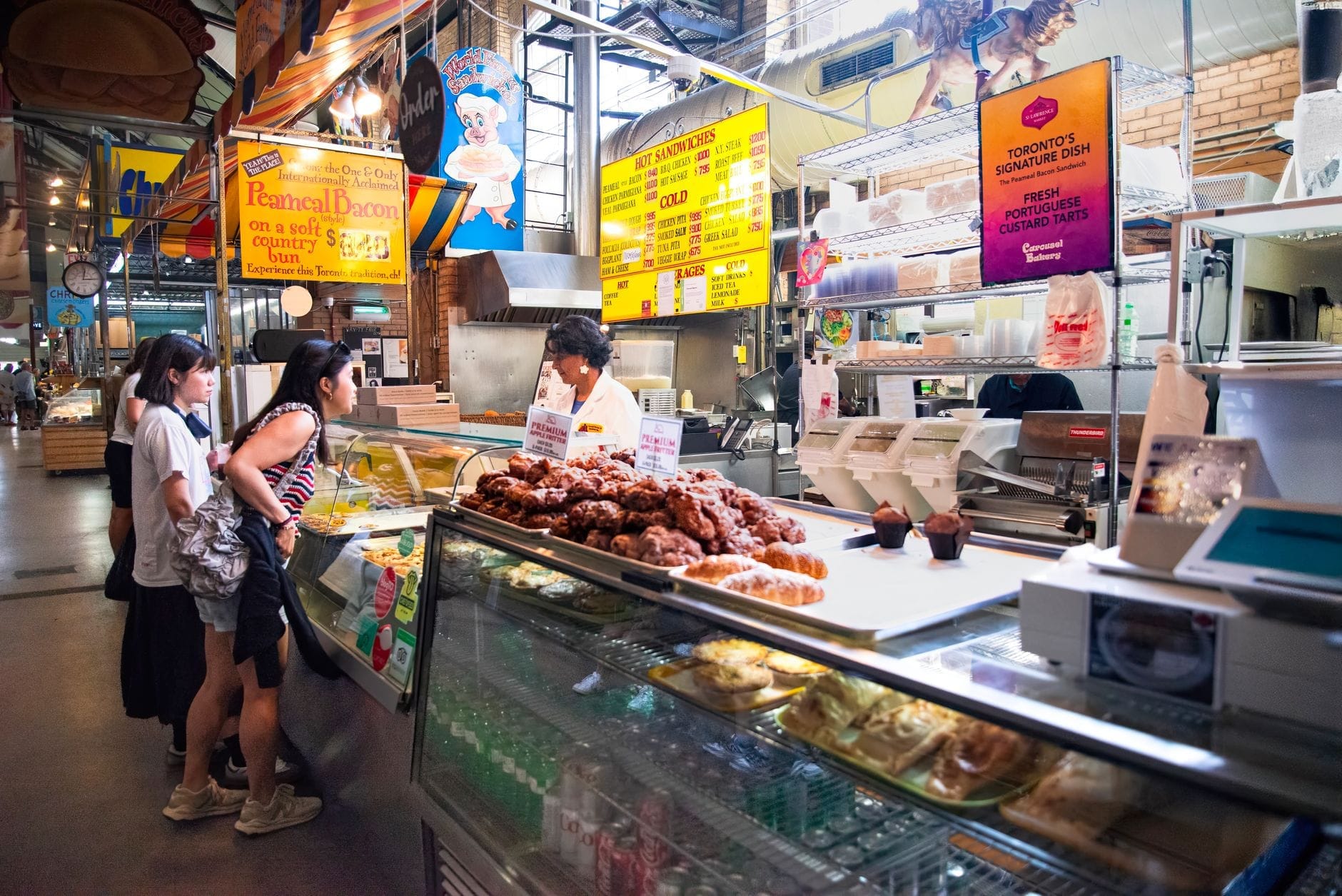
The peameal bacon sandwich is the closest thing Toronto has to an official dish. Peameal bacon is back bacon rolled in cornmeal — leaner than American bacon, with a slightly sweet crust. St. Lawrence Market is the place to eat it: Carousel Bakery inside the South Market has been serving the definitive version for decades. Arrive before noon on a Saturday if you want to avoid a queue that stretches past several stalls.
- Peameal Bacon Sandwich Toronto's signature. Best at Carousel Bakery inside St. Lawrence Market. Expect to pay around $7-9.
- Jamaican Patty A flaky, turmeric-yellow pastry filled with spiced beef, chicken, or vegetables. Sold at dedicated patty shops and West Indian bakeries across the city, especially in Scarborough and along Eglinton Avenue West.
- Butter Chicken Roti A Toronto invention that fuses South Asian roti wraps with the richness of butter chicken. Widely available in Kensington Market and along Gerrard Street East in Little India.
- Veal Sandwich Breaded veal on a soft Italian bun with hot peppers and tomato sauce. A staple of the Italian-Canadian community and still found at old-school sandwich counters around Little Italy on College Street.
- Butter Tart A Canadian pastry staple — a rich, gooey filling of butter, sugar, and egg in a short pastry shell. Found at most bakeries, with St. Lawrence Market being a reliable source.
- Sushi Pizza A Toronto-origin creation: a fried rice cake base topped with spiced mayo and sashimi. It looks like a gimmick but has genuine local roots. Widely available at Japanese-Canadian fusion spots.
Beyond these, Toronto's ethnic food corridors each have their own defining dishes. In Koreatown on Bloor Street West, Korean BBQ and soon dubu jjigae (soft tofu stew) are the draws. Along Gerrard Street East (Little India), dosa and biryani from South Indian restaurants are worth seeking out specifically. The Danforth offers solid Greek souvlaki and spanakopita, especially during the annual Taste of the Danforth festival.
Toronto's Food Markets: Where to Shop and Graze
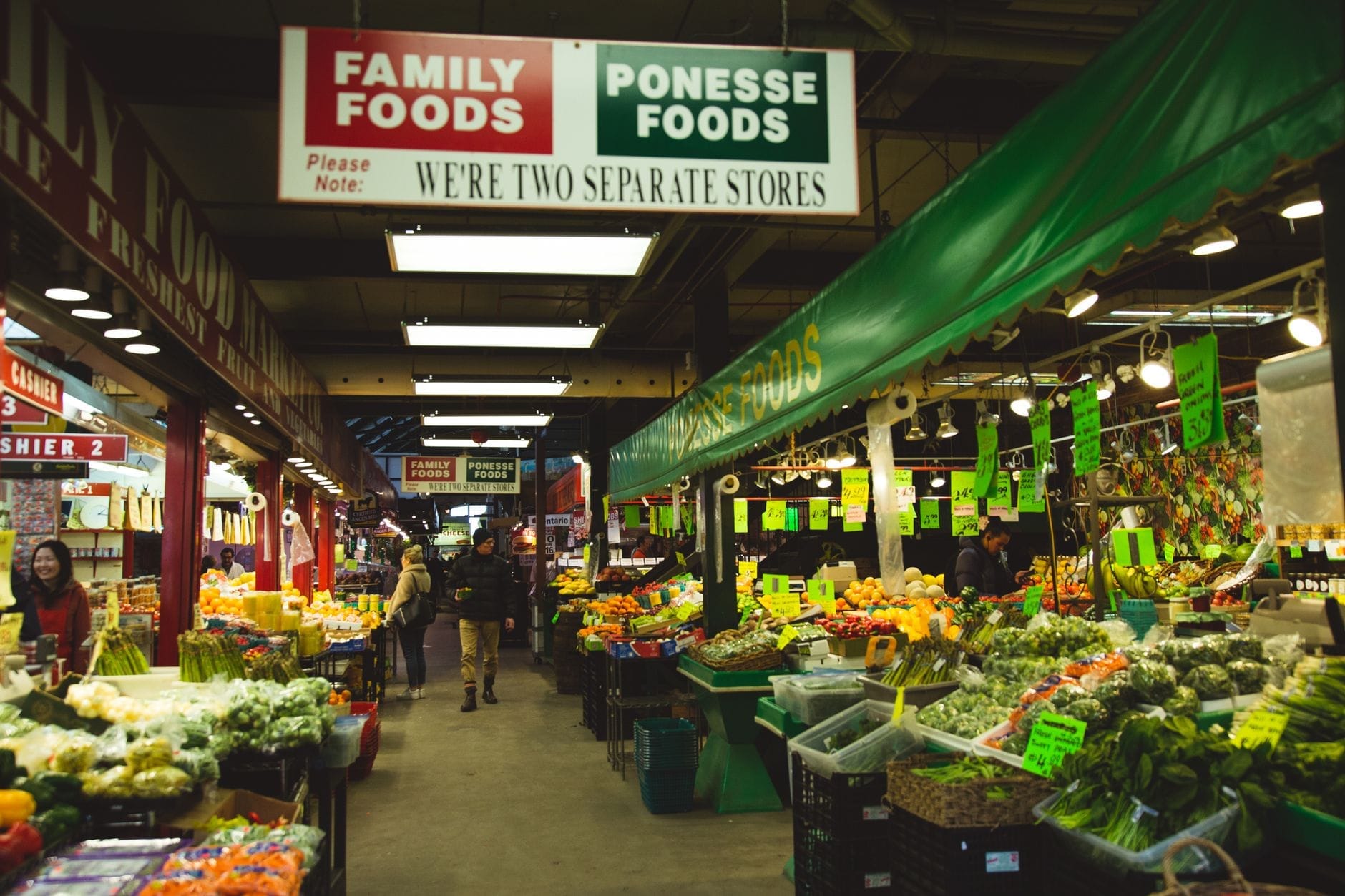
St. Lawrence Market consistently ranks among the best food markets in the world, and that reputation is not undeserved. The South Market building (the main one most visitors want) operates Tuesday to Friday roughly 9:00 to 19:00 and Saturday from around 7:00 to 17:00, with reduced hours on Sunday and closed Monday. The building holds over 120 vendors selling meat, fish, cheese, produce, baked goods, and prepared foods. Come hungry. Saturday is the peak day for atmosphere and fresh product, but it is also the busiest — arrive before 10:00 or after 14:00 to avoid the worst of the crowds.
Kensington Market operates differently: it is an open neighbourhood rather than a single building, spread across a few blocks west of Spadina Avenue near College Street. You will find fishmongers, vintage cheese shops, Caribbean bakeries, West African grocers, and dense concentrations of independent cafes and restaurants. Most businesses open late morning and run into the evening; many close Mondays. Kensington is best experienced on foot, and it pairs naturally with a walk through adjacent Chinatown along Spadina Avenue.
The Evergreen Brick Works Farmers Market runs on Saturdays from spring through late fall, typically in the morning hours. It focuses on local and organic producers from the broader Ontario region. It is a solid choice if you want to understand what seasonal Ontario agriculture looks like — maple products, stone fruit in summer, squash and apples in autumn — but it is a destination market rather than a daily-use one. Check the Evergreen Brick Works website for current seasonal hours before visiting.
💡 Local tip
St. Lawrence Market's North Building hosts an Antique Market on Sundays, but the main food vendors are in the South Building, which is closed on Mondays and operates with shorter hours on Sundays. First-time visitors frequently make the mistake of arriving on a Sunday expecting the full market experience.
Neighbourhood Food Corridors: Where to Eat by Cuisine
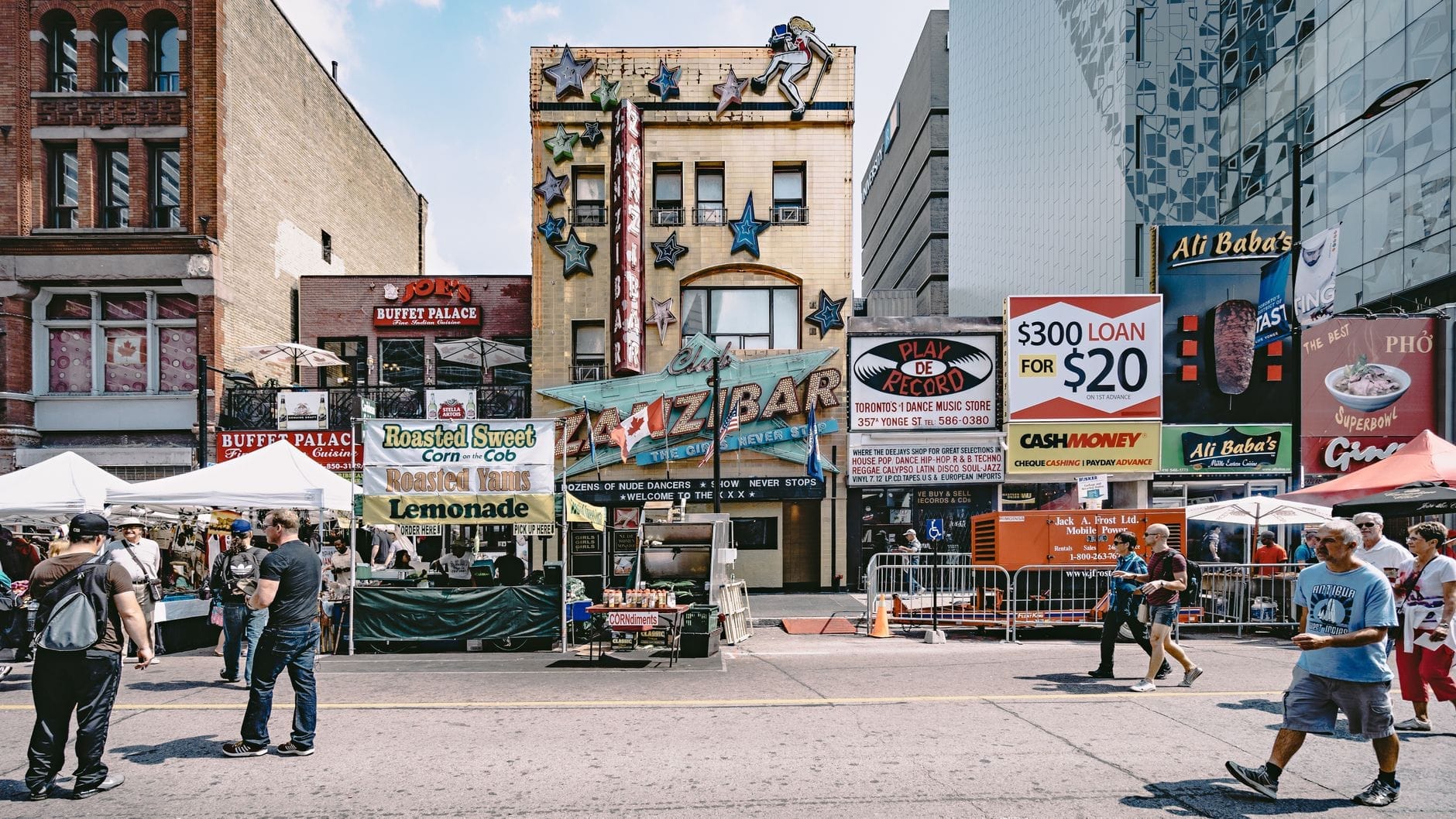
Toronto's food geography is organized by immigration patterns that stretch back more than a century. Understanding which neighbourhood corresponds to which cuisine saves time and produces better meals than random restaurant-app browsing.
- Chinatown (Spadina Ave & Dundas St W) Primarily Cantonese and Hong Kong-style cuisine, with strong Vietnamese and Sichuan representation. Dim sum is available at multiple spots on weekends. Busy, loud, and completely worth it for the price-to-quality ratio.
- Little Italy (College St W) The historic Italian-Canadian corridor, now a mix of Italian restaurants, upscale cocktail bars, and some of the city's best pizza. The veal sandwich culture is strongest here.
- Greektown (Danforth Ave E) Concentrated Greek restaurants, bakeries, and cafes. The Taste of the Danforth festival in August draws enormous crowds for street-level Greek food and live music. Outside festival time, the strip is calmer and still excellent for a sit-down meal.
- Little India (Gerrard St E) Primarily South Asian — South Indian, North Indian, and Sri Lankan. Best for dosa, biryani, and sweets. The strip is smaller than Chinatown but densely packed with legitimate regional cooking.
- Koreatown (Bloor St W near Christie) Korean BBQ restaurants, convenience stores stocked with Korean snacks, and late-night tofu stew spots. Many restaurants stay open past midnight, making this the right call for a late dinner.
- Roncesvalles Village Toronto's Polish corridor, with pierogies and Eastern European delis alongside newer brunch spots and bakeries. Lower key than the other ethnic corridors and worth a visit if you are exploring the west end.
For a deeper look at how these communities shape the urban fabric beyond food, the guide to Toronto's multicultural neighbourhoods provides useful context.
Fine Dining and the Michelin Effect
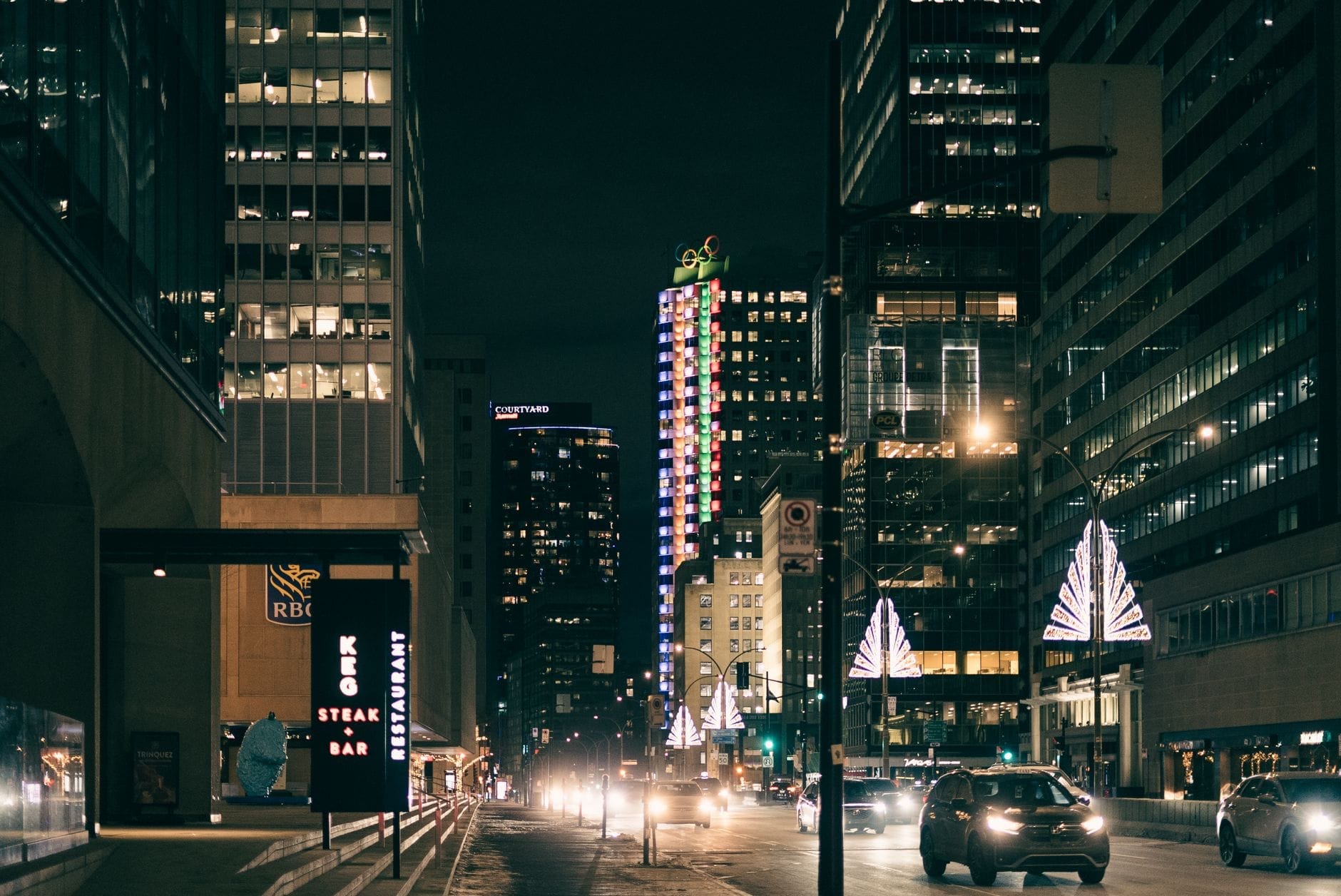
Toronto's Michelin Guide launch in 2022 awarded stars to a range of restaurants across price points and cuisines, from contemporary Canadian tasting menus to Japanese omakase counters. The Michelin recognition matters less as a dining directive and more as confirmation that Toronto's high-end restaurant scene is operating at an international level. Reservations at top tables are competitive, particularly on weekends — booking two to four weeks ahead is the minimum for Michelin-starred spots, and some require further advance planning.
The more interesting story at the upper end of Toronto's food scene is how many serious chefs work within ethnic cooking traditions rather than defaulting to European fine dining frameworks. You will find ambitious Filipino, Persian, and West African-influenced restaurants that would not exist in comparable form in most North American cities. This is a direct result of the population base: chefs here have access to both the ingredients and the customer base to support cooking that would be commercially marginal elsewhere.
⚠️ What to skip
Toronto's most-hyped restaurants change quickly. A spot that dominated food media two years ago may have closed, changed ownership, or declined in quality. Cross-reference recent reviews on Google and local food publications like Toronto Life or The Globe and Mail's dining section before booking anything expensive.
Seasonal Food Events Worth Planning Around
Toronto runs two major city-wide dining programs that make it worth timing your visit deliberately. Summerlicious runs in July and Winterlicious runs in January or February, depending on the year — both offer discounted two or three-course prix fixe menus at hundreds of participating restaurants across all price tiers. This is genuinely one of the best ways to try a restaurant that would otherwise be outside your budget. Reservations fill fast; book as soon as the participating restaurant list goes live on the Destination Toronto website.
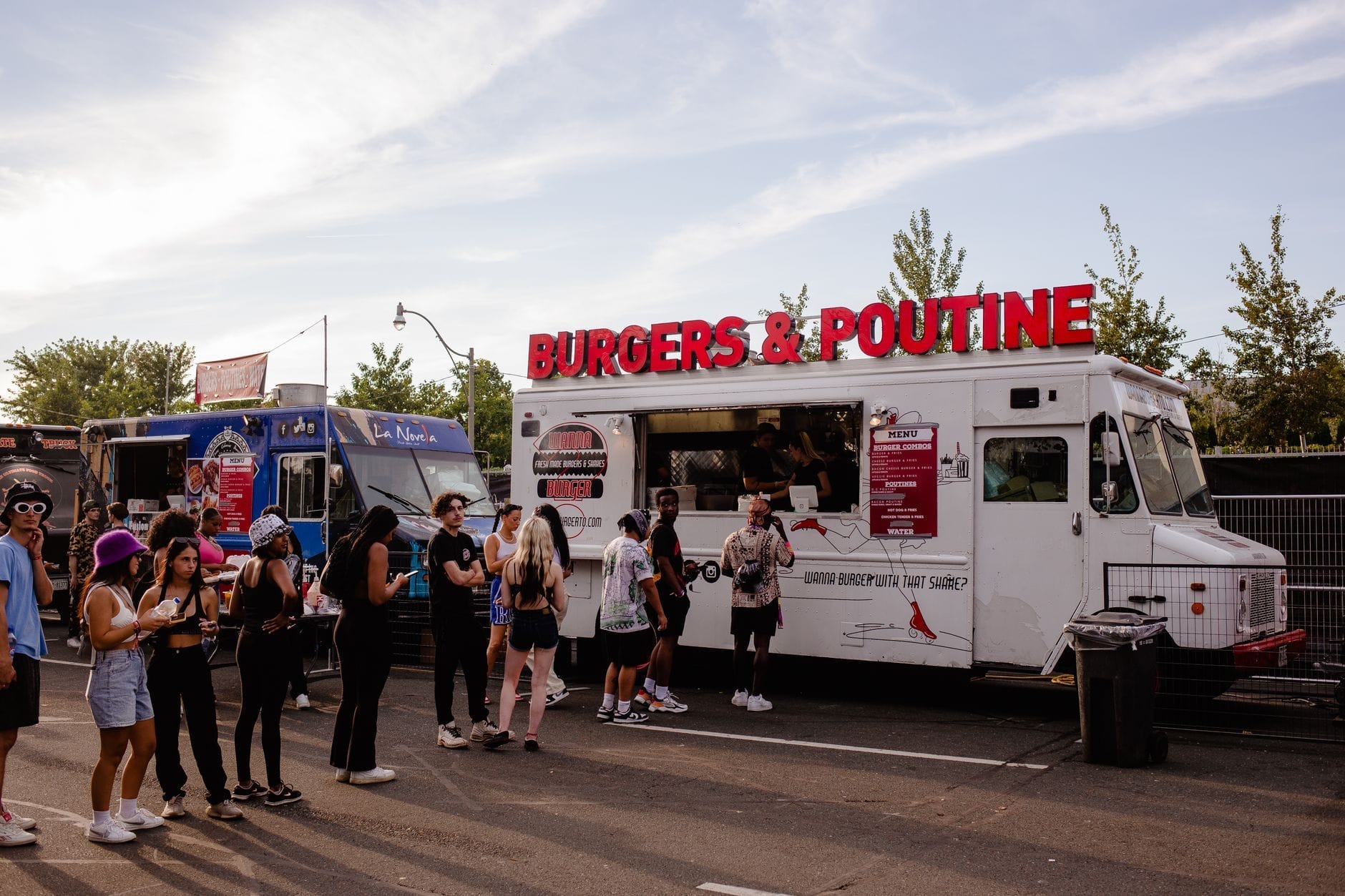
Taste of the Danforth happens each August along a stretch of Danforth Avenue in Greektown. It draws very large crowds over the weekend — some estimates put attendance in the hundreds of thousands — and features street-food vendors, live music stages, and Greek and international food stalls. The food quality varies across vendors, and the crowds can be overwhelming on Saturday evening. Sunday afternoon is a more manageable time to go. Taste of Little Italy and Salsa on St. Clair run in June and July respectively, each occupying their home corridors and offering neighbourhood-specific food and cultural programming.
In summer, outdoor dining extends to the waterfront, where the Harbourfront Centre and the surrounding Toronto waterfront area host food vendors and pop-up market events. The Stackt Market near King Street West operates year-round with a rotating mix of food vendors, small restaurant pop-ups, and drinks focused on local producers.
Practical Tips for Eating Well in Toronto
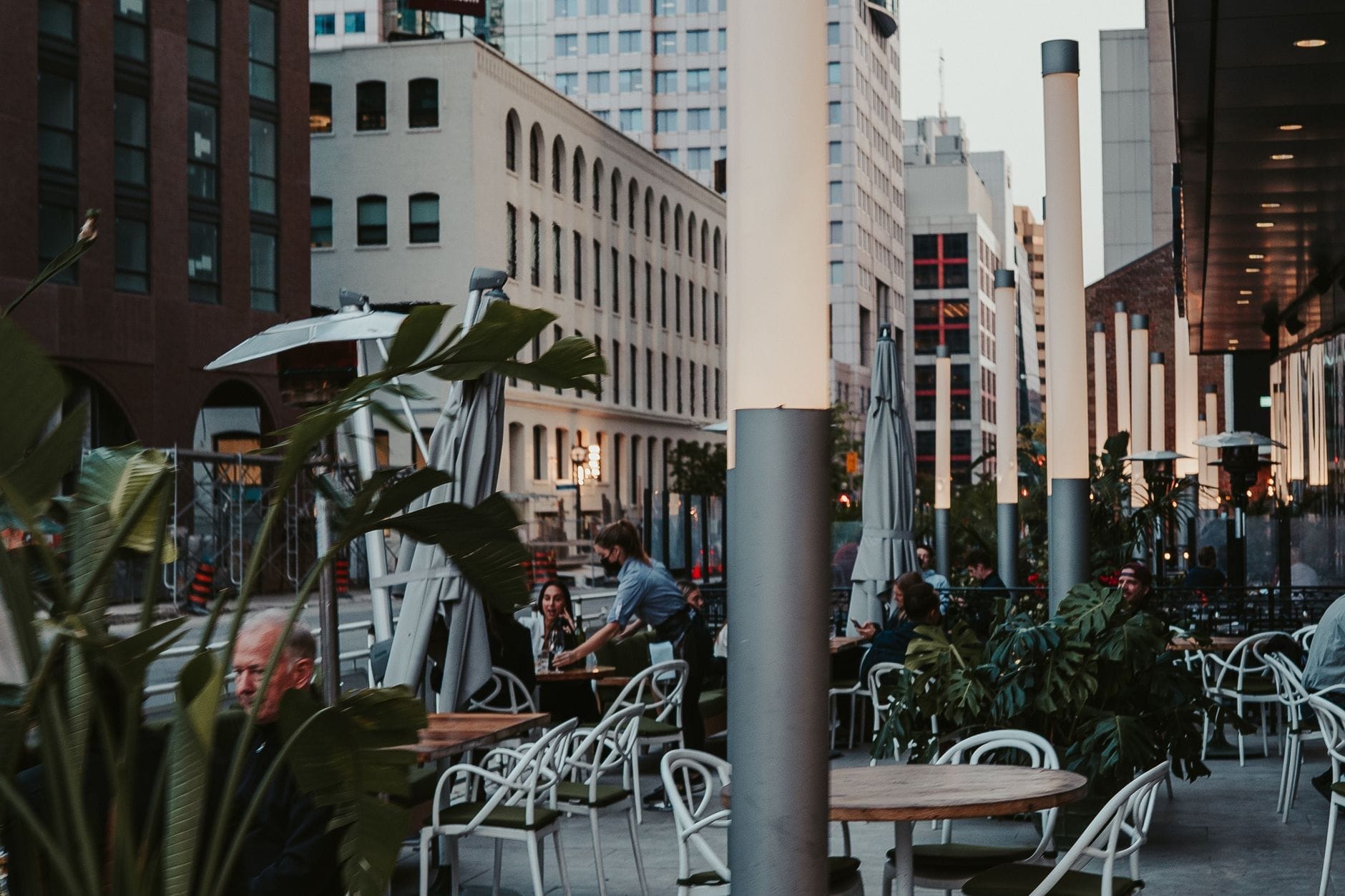
Budget expectations: a casual lunch at a Chinatown restaurant or Kensington Market stall runs roughly $10-16 per person. A mid-range sit-down dinner in a neighbourhood like Queen West or the Annex is typically $25-50 per person before drinks. Michelin-level tasting menus start at around $100-150 per person and go up from there. Toronto is not a cheap food city by global standards, but the ethnic corridors offer consistently excellent value.
Navigating between food neighbourhoods is straightforward on the TTC. Chinatown, Kensington, and Little Italy are all walkable from each other. Koreatown, Greektown, and Little India each require a subway or streetcar ride from downtown but are direct shots on the Bloor-Danforth line (Line 2). For a practical breakdown of transit options across the city, the guide to getting around Toronto covers routes, fares, and transit cards.
- Most Toronto restaurants are licensed to serve alcohol; the LCBO (Liquor Control Board of Ontario) and Beer Store are the primary retail outlets for alcohol purchases.
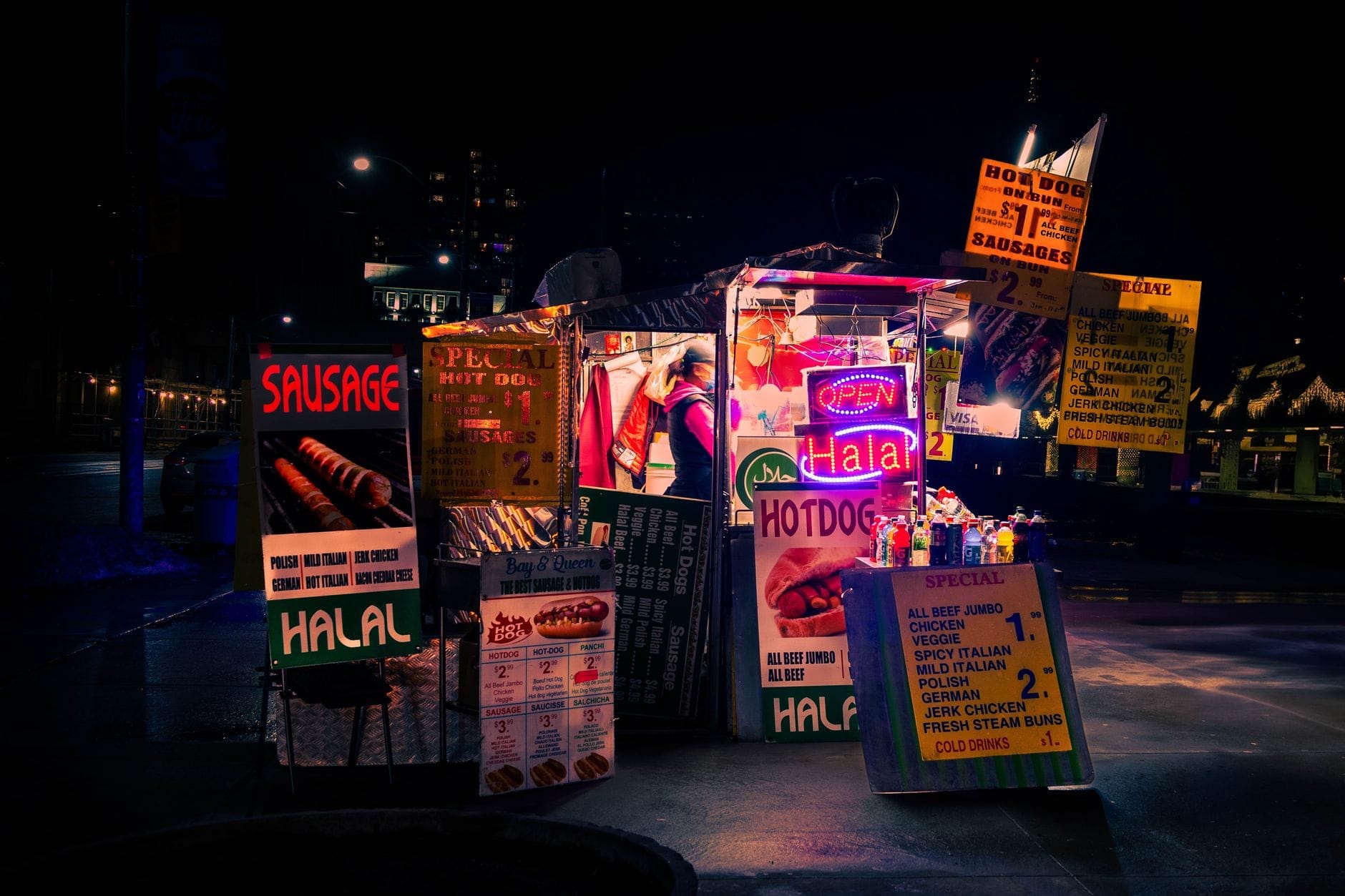
- Halal and vegetarian options are widely available across the city, particularly in the South Asian and Middle Eastern restaurant corridors.
- Many smaller ethnic restaurants are cash-preferred or cash-only; carry some Canadian dollars when exploring Kensington Market or older Chinatown spots.
- Tap water in Toronto is safe to drink and meets provincial and federal standards — no need to buy bottled water.
- For large groups at popular restaurants, call ahead even for casual spots; walk-in capacity drops significantly on Friday and Saturday evenings.
FAQ
What is the most iconic food to eat in Toronto?
The peameal bacon sandwich is consistently cited as Toronto's signature dish. The definitive version is served at Carousel Bakery inside St. Lawrence Market's South Building, which is open Tuesday through Sunday with varying hours and closed on Mondays. Arrive before noon on Saturdays to avoid a long wait.
What neighbourhoods in Toronto are best for food?
It depends on what you want to eat. Chinatown (Spadina and Dundas) is the best value for Chinese and Vietnamese food. Kensington Market offers the most eclectic mix. Greektown on the Danforth is reliable for Greek cuisine. Koreatown on Bloor West is the go-to for Korean BBQ and late-night dining. Little India on Gerrard Street East is the best option for South Asian cooking.
When is Summerlicious and Winterlicious in Toronto?
Summerlicious typically runs in July and Winterlicious in January or February. Both programs offer discounted prix fixe menus at hundreds of participating restaurants across the city. Exact dates are announced by the City of Toronto each year — check the official Destination Toronto website for the current schedule and restaurant list.
Is Toronto good for vegetarian and vegan eating?
Yes. Toronto's South Asian, East Asian, and Middle Eastern restaurant corridors all have strong vegetarian traditions. Dedicated vegan restaurants are concentrated in neighbourhoods like Kensington Market, Queen West, and The Annex. Most casual and mid-range restaurants across the city will have multiple vegetarian options.
What food markets should I visit in Toronto?
St. Lawrence Market (Tuesday to Saturday) is the essential visit for prepared foods and local produce. Kensington Market is an open neighbourhood rather than a single building — it is best for grazing and independent ethnic food shops. The Evergreen Brick Works Farmers Market runs Saturdays from spring through fall and focuses on local Ontario producers.
Tickets & tours
Live prices and dates from our booking partner. If you book, we may earn a commission at no extra cost to you.
Planning a trip? Discover personalized activities with the Nomado app.