Toronto's Multicultural Neighbourhoods: A Complete Guide to the City's Ethnic Districts
Toronto is one of the most diverse cities in the world, with roughly half its population born outside Canada. This guide covers the key ethnic districts, what makes each distinct, how to get there, and what to prioritize on a visit.
Tickets & tours
Live prices and dates from our booking partner. If you book, we may earn a commission at no extra cost to you.
TL;DR
- Toronto has dozens of ethnocultural districts scattered across the city, not just downtown. The most visitor-friendly include Chinatown, Little Italy, Greektown, Koreatown, and Little India.
- Most districts are walkable and free to explore. Costs come from food, transit, and the occasional paid tour. Check the TTC transit guide for current fares before you go.
- Summer brings street festivals and patios that make these neighbourhoods significantly more lively. Winter visits are quieter but still worthwhile for food and indoor markets.
- These are living, mixed neighbourhoods, not theme parks. Ethnic character is concentrated on commercial strips, not entire postal codes.
- If time is limited, pairing Chinatown with Kensington Market gives you the richest concentration of food and culture in a single walkable area.
Why Toronto's Ethnic Districts Are Worth Exploring
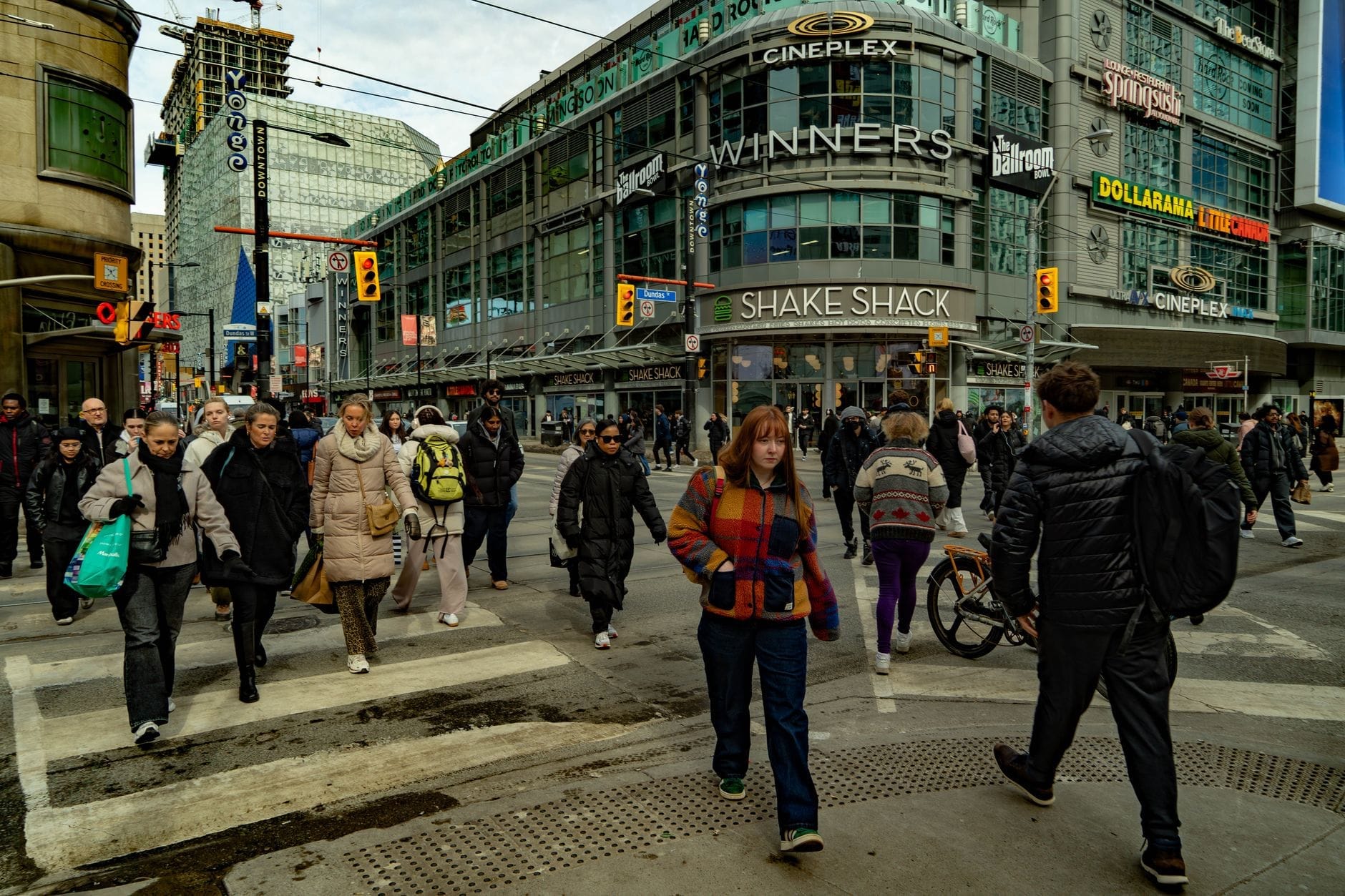
According to the 2021 Canadian census, roughly half of Toronto's 2.79 million residents were born outside Canada, making it one of the most demographically diverse cities on the continent. That diversity doesn't just show up in statistics — it shapes the city street by street. Languages heard on a single subway ride can include Mandarin, Tagalog, Punjabi, Somali, and Portuguese without anyone thinking it unusual. For visitors, this translates into a city where genuine culinary and cultural depth is accessible without getting on a plane. For a broader sense of what the city offers, the Toronto food guide maps much of this onto specific restaurants and markets.
What makes Toronto's ethnic districts interesting to explore is that they aren't manufactured. Most grew organically as immigrant communities settled near transit lines, existing community institutions, and affordable commercial strips. Some, like Greektown on the Danforth, have been present since the mid-20th century. Others, like sections of Scarborough with significant South Asian and East Asian populations, represent more recent and ongoing settlement. The character of each district reflects real community presence, which means businesses, festivals, and streetscapes change as demographics shift. What you're walking through is a living city, not a curated exhibit.
ℹ️ Good to know
Toronto's ethnocultural districts are spread across a 630 km² city. Several of the most significant communities are in Scarborough, North York, and Etobicoke, not just the downtown core. If you only explore the central neighbourhoods, you're seeing a small slice of the full picture.
The Core Ethnic Districts: What to Know Before You Go
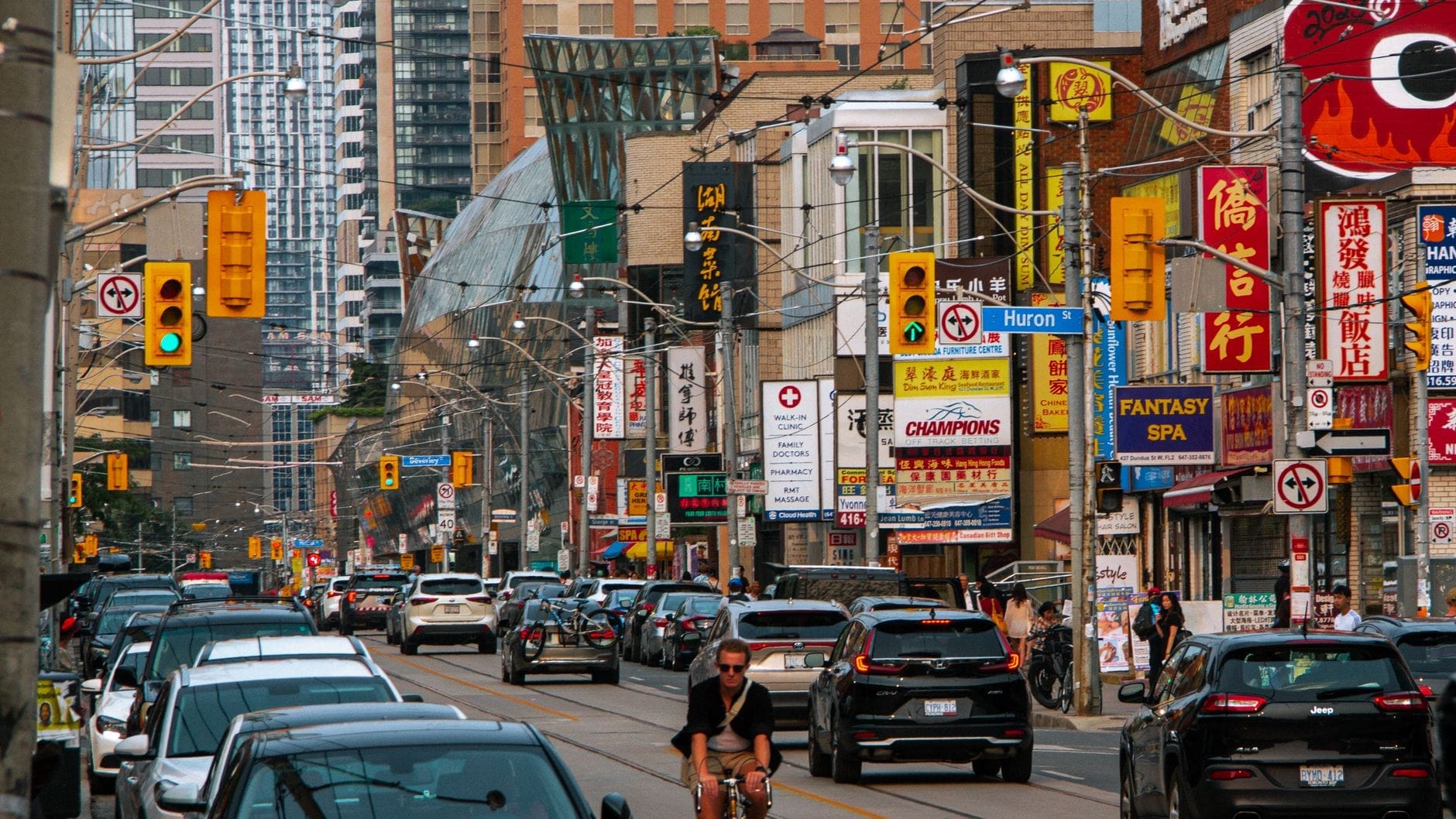
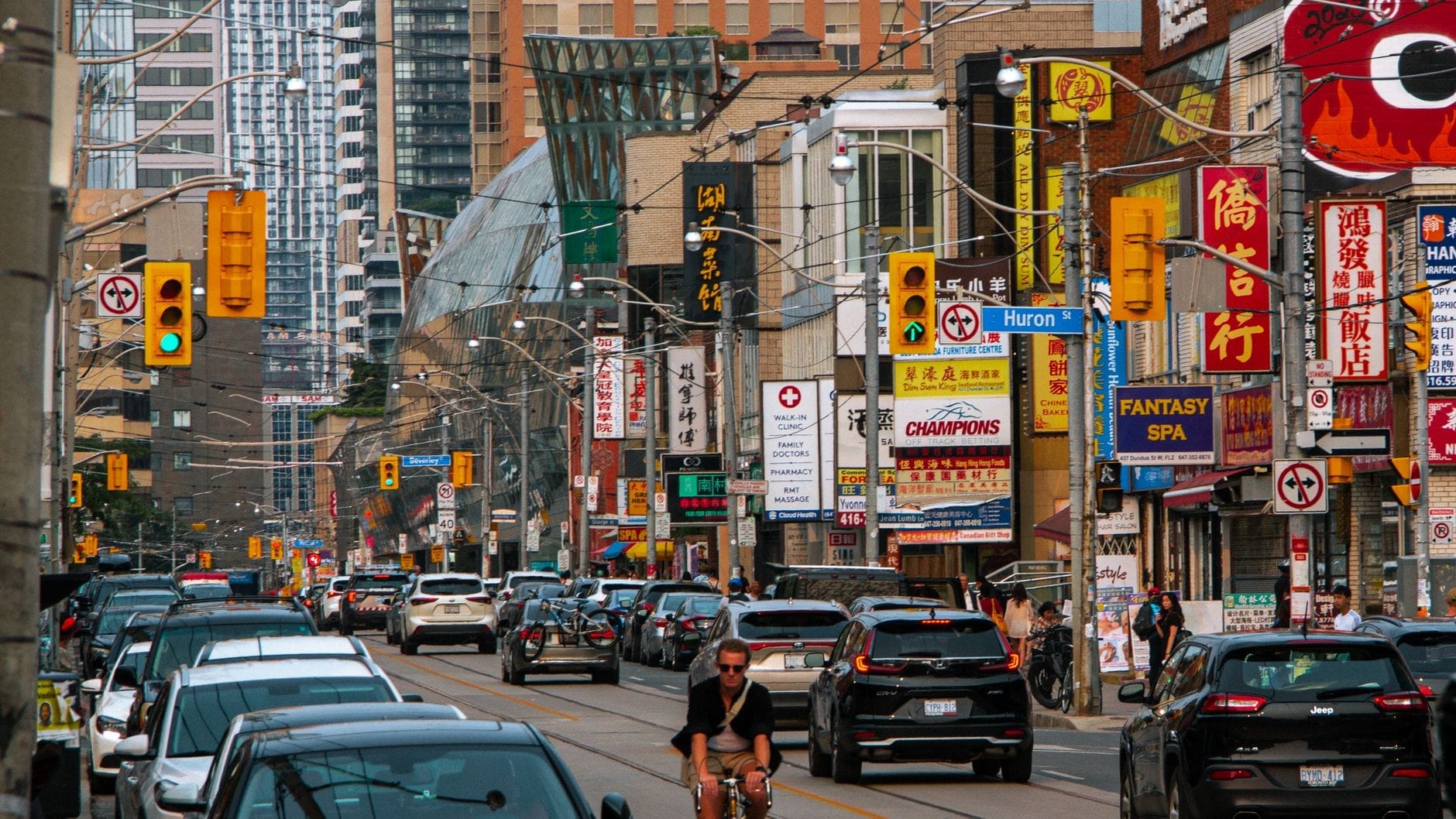
Toronto's most visited multicultural neighbourhoods cluster along a few major streets. Spadina Avenue and Dundas Street West anchor Chinatown, one of the largest Chinese commercial districts in North America, with restaurants, herbalists, bakeries, and produce vendors operating from early morning well into the evening. Just west of it, Kensington Market adds a layer of global eclecticism: Caribbean patties, Ethiopian injera, vintage clothing, and Latin American grocers compressed into a few short blocks. These two areas together make a natural half-day loop from downtown.
- Chinatown (Spadina & Dundas W) One of the most active Chinese commercial strips in Canada. Best for dim sum, roast duck, herbal shops, and bubble tea. Busiest on weekends. Accessible via TTC streetcar on Dundas or subway to St. Patrick and a short walk west.
- Little Italy (College Street W) Concentrated around College Street between Bathurst and Shaw. Today the strip is as much restaurant row as Italian enclave, but the espresso bars, gelato shops, and trattorias are genuine. Strong patio culture from May to October.
- Greektown on the Danforth Runs along Danforth Avenue roughly between Broadview and Jones. Well-established Greek community with tavernas, pastry shops, and one of Toronto's biggest summer street festivals, Taste of the Danforth (usually August). Subway access via Broadview or Chester stations.
- Koreatown (Bloor Street W near Christie) Compact but dense strip on Bloor between Bathurst and Christie. Korean BBQ restaurants, karaoke bars, banchan shops, and Korean bakeries. Open late, especially on weekends. Christie subway station puts you at the centre of it.
- Little India (Gerrard Street E) Gerrard India Bazaar between Greenwood and Coxwell is the main strip. South Asian grocery stores, sari shops, sweets, and restaurants specializing in South Indian, Punjabi, and Gujarati food. Quieter on weekdays; the annual Gerrard India Bazaar festival draws large crowds in summer.
- Roncesvalles Village The city's Polish hub, centred on Roncesvalles Avenue south of Bloor. Polish delis, pierogi restaurants, and specialty bakeries alongside newer cafes and brunch spots. Smaller scale and more residential than some other districts but genuinely local.
- Little Portugal (Dundas Street W, west of Ossington) Portuguese cafes, pastelarias, and tiled facades along Dundas and Ossington. The neighbourhood has evolved significantly with younger residents moving in, but Portuguese bakeries and social clubs remain anchors.
💡 Local tip
For Greektown, Taste of the Danforth (typically held in August) draws hundreds of thousands of visitors over a weekend. If you want to eat without navigating large crowds, visit the neighbourhood on a regular weekday evening instead — the same restaurants operate year-round.
Beyond Downtown: Scarborough and the Suburban Ethnic Landscape
The popular itinerary of Chinatown, Little Italy, and Greektown captures the most transit-accessible ethnic districts, but it misses where some of Toronto's most significant multicultural communities actually live and eat. ScarboroughScarborough is home to large South Asian, East and Southeast Asian, West Indian, and African communities, concentrated in areas like Scarborough Town Centre, Markham Road, and the Kennedy Road corridor. The food scene here, especially South Indian, Sri Lankan Tamil, and Bangladeshi cuisine, is more specialized and often less expensive than downtown equivalents.
Pacific Mall in Markham, just northeast of Scarborough, is the largest indoor Asian mall in North America and gives a genuine sense of how large and self-sufficient Toronto's Chinese-Canadian community is outside the Chinatown strip. It's a significant detour from downtown (roughly 30-40 minutes by car or TTC plus bus), but for visitors specifically interested in Chinese-Canadian commercial culture rather than tourist-facing restaurants, it's more representative. You can find information on day trips and outer district visits in the day trips from Toronto guide.
⚠️ What to skip
Don't assume the 'authentic' version of any cuisine is necessarily downtown. Many immigrant communities settled in the inner suburbs decades ago and moved further out as the city expanded. The best Tamil food, Bangladeshi sweets, and Hakka Chinese cooking in the Toronto area are frequently found well east or north of the core — not on the tourist circuit.
How to Get Around: Transit, Timing, and Logistics
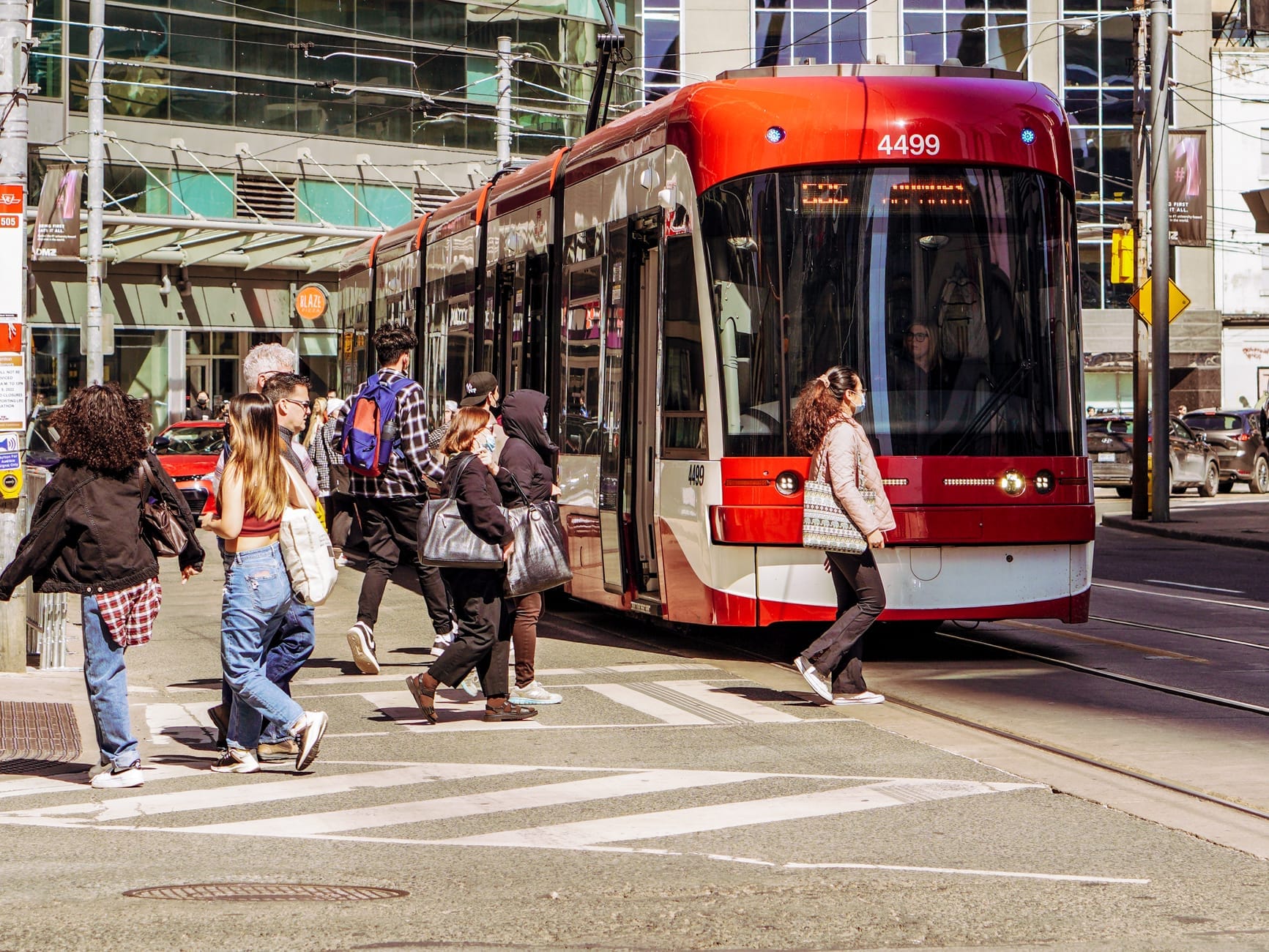
Most of the downtown and near-west ethnic districts are reachable by TTC subway and streetcar, often without transfers. The Bloor-Danforth subway line (Line 2) connects Koreatown (Christie station) and Greektown (Broadview or Chester stations) in a single ride. Chinatown sits a short walk from Osgoode station on Line 1, or you can take the Dundas streetcar directly to Spadina. Little Italy on College Street is served by the College streetcar. For Roncesvalles, take the 504 King or 506 Carlton streetcar to Roncesvalles Avenue, or the Dundas West subway station is nearby.
Transit fares change periodically, so verify current prices on the TTC website before visiting. Single fares are paid by PRESTO card (cheaper), PRESTO ticket, or cash, and 1‑day passes are available if you're making multiple trips. For Little India on Gerrard Street, the nearest subway is Main Street station (Line 2) with a westbound bus on Gerrard, or the Kingston Road streetcar gets you close. It's less convenient than the western districts, which is worth factoring into your itinerary.
- Chinatown and Kensington Market: walk from Osgoode or St. Patrick subway stations, or take the Dundas streetcar westbound
- Little Italy (College Street): College streetcar (506) from downtown; Bathurst or Ossington subway stations are also reasonably close
- Koreatown: Christie subway station, Line 2 — you exit directly into the neighbourhood
- Greektown: Broadview subway station, Line 2 — walk east along Danforth
- Little India (Gerrard Street E): Main Street subway station plus bus, or Kingston Road streetcar
- Roncesvalles: Dundas West subway or streetcars on Dundas and King
- Pacific Mall (Markham): not directly served by the Toronto subway; you can reach it by TTC bus connections or GO Transit, or drive — plan roughly 45–60 minutes from downtown depending on mode and traffic
Best Times to Visit: Seasons, Festivals, and Crowd Patterns
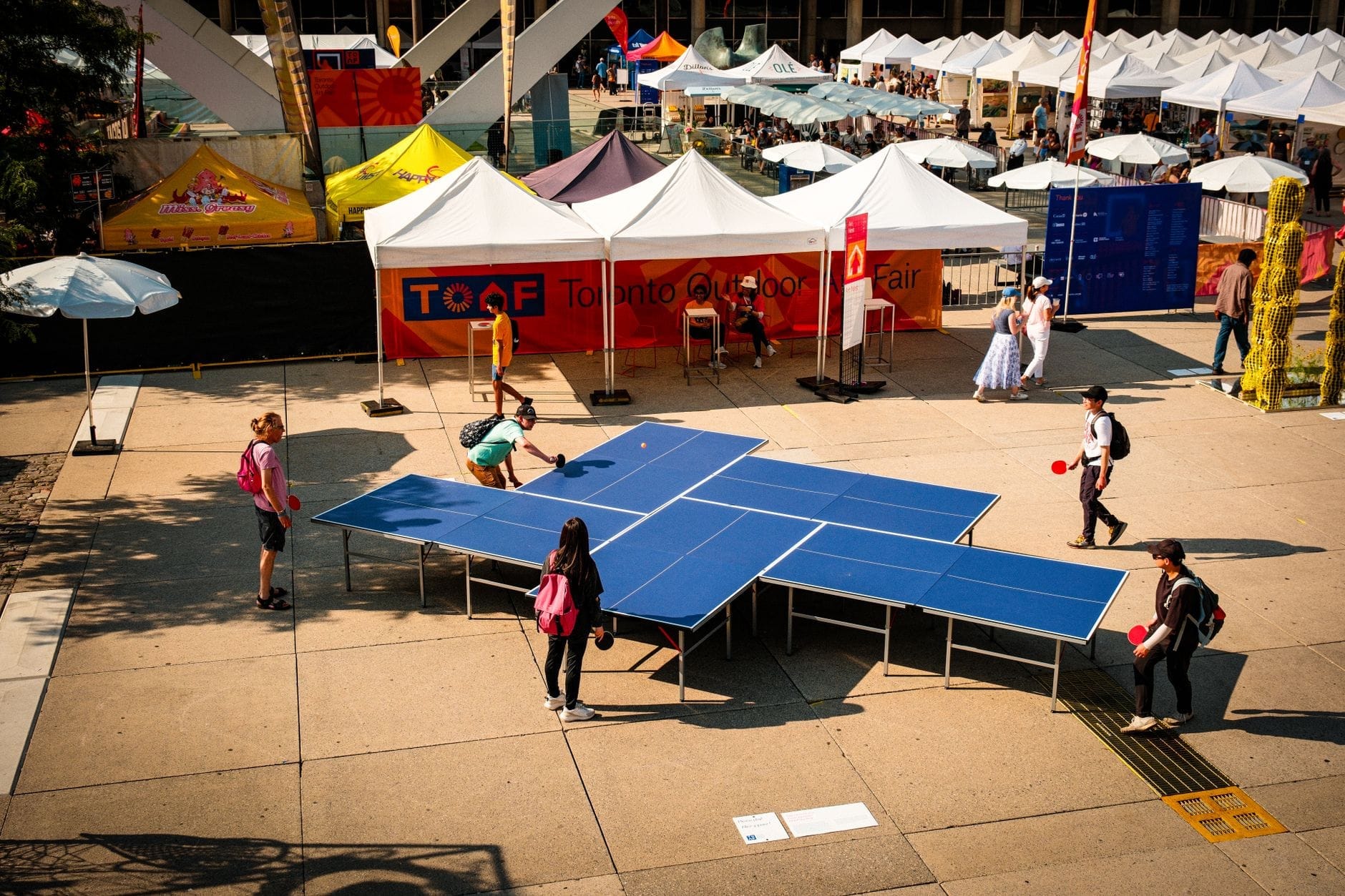
The practical peak for exploring ethnic districts outdoors is May through September. Toronto's summers are warm, with July mean temperatures around 22°C and frequent daytime highs above 25–27°C. Patios open in May, street festivals cluster in July and August, and the evenings are long enough to combine two or three neighbourhoods in a day. The major drawback is that popular districts like Chinatown and Greektown on summer weekends are genuinely crowded, especially when festivals are running.
September and October offer the best combination of mild weather, reduced tourist crowds, and still-active patios and markets. Daytime high temperatures typically run about 10–15°C through October, which is comfortable for walking between districts. The Distillery District's Christmas Market (late November to December) draws large crowds to that area, but most ethnic commercial strips quiet down considerably once cold weather sets in. January and February are cold enough, often -5°C to -10°C with wind chill, that outdoor exploration of these walkable neighbourhoods is genuinely uncomfortable. Indoor options like restaurants and markets remain fully operational, but the character of the streets changes.
Key summer festivals tied to specific districts: Taste of the Danforth in Greektown (August), Gerrard India Bazaar festival (summer), Chinatown's Lunar New Year celebrations (late January or February, dependent on the lunar calendar), and Kensington Market's Pedestrian Sundays (typically one Sunday per month from May through October, when the market area closes to cars on select Sundays). For a broader seasonal overview, the Toronto in summer guide covers the full festival calendar.
What to Eat: District by District
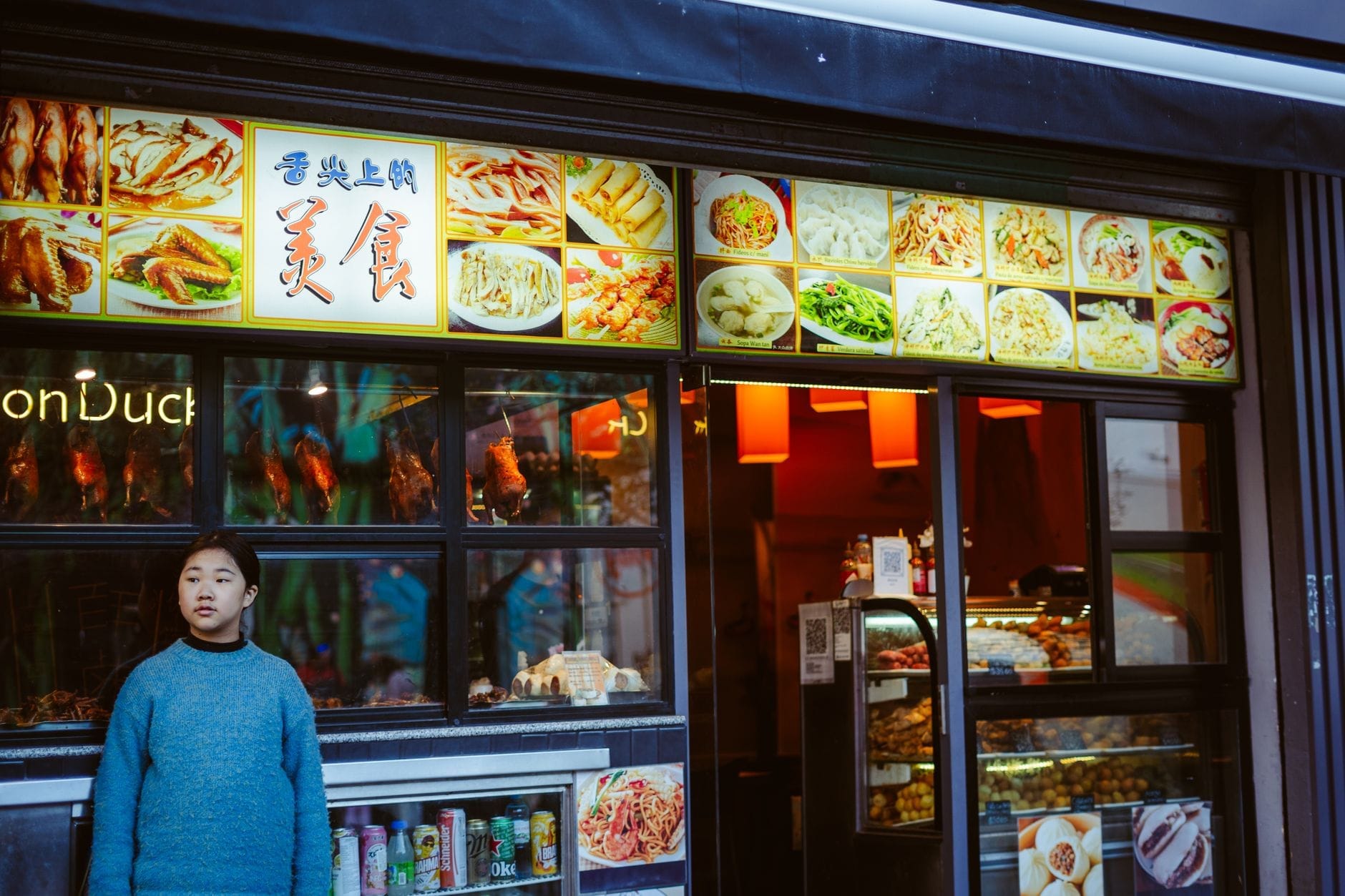
Food is the most accessible entry point into any of Toronto's ethnic districts, and the city's culinary depth is genuine. The Toronto food markets guide covers institutional markets like St. Lawrence, but the ethnic district experience is different — more informal, more neighbourhood-specific, and often more interesting for food travellers.
In Chinatown, roast duck and barbecue pork from the windows of roast meat specialists are among the most reliable quick meals in the city, usually around $12-18 for a plate over rice. Dim sum is widely available, but proper dim sum houses are more concentrated in Scarborough and in Richmond Hill than downtown. On College Street (Little Italy), espresso bars serve proper Italian coffee without the downtown markup, and the trattoria scene, while partly tourist-facing, includes genuine family-run spots that have operated for decades. In Koreatown, Korean BBQ for two typically runs $50-80 all-in including drinks, and the late-night tofu soup restaurants offer cheaper alternatives in the $15-20 range per person.
Greektown's tavernas are reliable and competitively priced for a sit-down meal: expect $25-45 per person for a full dinner with a glass of wine. The takeaway option for souvlaki is faster and cheaper if you're on the move. Little India on Gerrard is particularly good for sweets and snacks (mithai, samosas, chaat) at very low prices — budget $5-10 for a satisfying snack stop — and the full restaurant meals run $15-25 per person. Roncesvalles is worth visiting specifically for Polish bakeries: zapiekanka (Polish open-faced baguette), pierogi, and rye bread at prices that are noticeably below downtown cafe rates.
✨ Pro tip
Lunch is almost always better value than dinner in ethnic district restaurants. The same kitchen, the same food, but set lunch specials and lower demand mean you can eat exceptionally well for $12-18 in places that charge $25-35 at dinner. Weekday lunches in Chinatown and Koreatown especially reward this approach.
Common Misconceptions and What to Be Realistic About
Toronto's ethnic districts are real neighbourhoods that have changed over time, not preserved cultural displays. Chinatown, for example, has been shifting westward along Dundas for decades as real estate prices rise and demographics evolve. The commercial character is Chinese, but the residential population around it is mixed. Little Italy has an authentic restaurant and cafe scene, but the Italian-Canadian population in the immediate area is far smaller than it was in the mid-20th century. Visitors who approach these areas expecting hermetically sealed ethnic enclaves will find something more complicated and more interesting: layers of community history played out on commercial strips that are currently occupied by a blend of legacy businesses and newer arrivals.
Claims about any single community being 'the largest X population outside country Y' should be treated with caution unless you can find a recent census citation. Toronto does have very large Filipinx, South Asian, Chinese, Italian, Portuguese, and Caribbean communities by any measure, but specific superlatives shift with census data and metropolitan boundary definitions. For current neighbourhood demographic profiles, the City of Toronto maintains detailed data at the neighbourhood level that is updated following each census.
For safety context: Toronto's ethnic districts are generally safe areas to visit during the day and into the evening. For a detailed, data-grounded breakdown of the city's safety situation, the Toronto safety guide is worth reading before your trip.
FAQ
Which Toronto neighbourhood is best for food tourism?
If you only have one area, the Chinatown and Kensington Market combination on Spadina and Dundas West gives the highest density of food options across the widest range of cuisines in a single walkable loop. For a specific cuisine, Koreatown on Bloor near Christie is the most concentrated and consistent for Korean food, while Greektown on the Danforth is best for a sit-down Greek meal in a neighbourhood setting.
Are Toronto's ethnic districts safe for tourists?
Yes. The districts covered in this guide — Chinatown, Kensington Market, Koreatown, Little Italy, Greektown, Little India, and Roncesvalles — are all well-trafficked, well-lit commercial areas with no particular safety concerns for visitors during normal hours. Standard urban awareness applies, as it would in any large North American city.
How much time should I spend in each ethnic district?
A focused visit to any single district takes 1.5 to 3 hours if you include a meal and some browsing. Chinatown and Kensington Market together make a natural half-day. Greektown, Koreatown, and Little India each work well as standalone evening dinner trips. If you're trying to cover multiple districts in one day, plan for transit time between them: crossing from Koreatown to Greektown by subway typically takes about 10–15 minutes, while getting from Chinatown to Little India by transit usually takes on the order of 40–50 minutes including transfers and waiting time.
When is Lunar New Year celebrated in Toronto's Chinatown?
Lunar New Year falls in late January or February depending on the calendar year. Chinatown on Spadina typically sees street celebrations, lion dances, and decorated storefronts in the days around the new year. The celebrations are not confined to a single day; festivities often continue for about two weeks. Exact dates and events vary by year, so check local listings or the City of Toronto's events calendar for current information.
Is it possible to visit multiple ethnic districts in one day?
Yes, but be selective. A realistic one-day route might cover Chinatown and Kensington Market in the morning, take the subway to Koreatown for lunch, and end with dinner in Greektown or Little Italy. Trying to add Roncesvalles, Little India, and downtown sightseeing in the same day typically results in spending more time in transit than in any neighbourhood. Two or three districts per day with time to actually eat and walk is the practical limit.
Tickets & tours
Live prices and dates from our booking partner. If you book, we may earn a commission at no extra cost to you.
Planning a trip? Discover personalized activities with the Nomado app.