Best Food Markets in Toronto: Where Locals Actually Shop and Eat
Toronto's food market scene ranges from a historic 200-year-old market hall to shipping-container villages and neighbourhood farmers' markets. This guide covers the best places to browse, graze, and stock up across the city.
Tickets & tours
Live prices and dates from our booking partner. If you book, we may earn a commission at no extra cost to you.
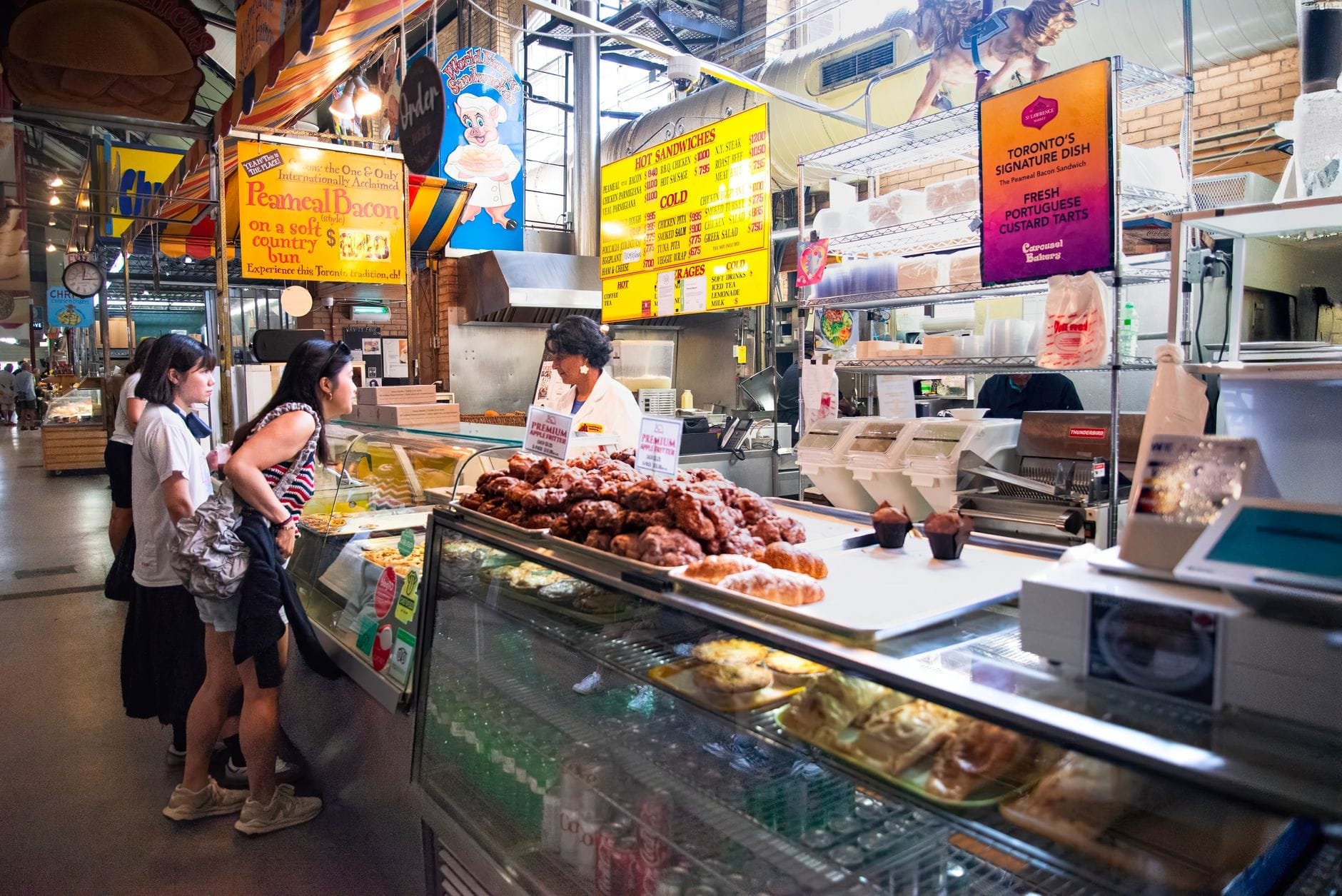
Toronto's food markets are as diverse as the city itself. The anchor is downtown Toronto's St. Lawrence Market, a 200-year institution that has shaped how the city eats. But beyond it, you'll find open-air farmers' markets, multicultural street-food districts, and creative new market concepts that reflect the city's food ambitions. Whether you're after a Saturday morning peameal bacon sandwich, imported spices, fresh-baked bread, or artisan cheese, Toronto's markets deliver. For broader context on eating your way through the city, the Toronto food guide is a solid companion to this one.
💡 Local tip
St. Lawrence Market's South Market is closed on Mondays. The Saturday Farmers' Market in the North Market building starts at 5am and runs until 3pm, so arrive before early afternoon for the best selection.
Historic & Year-Round Indoor Markets
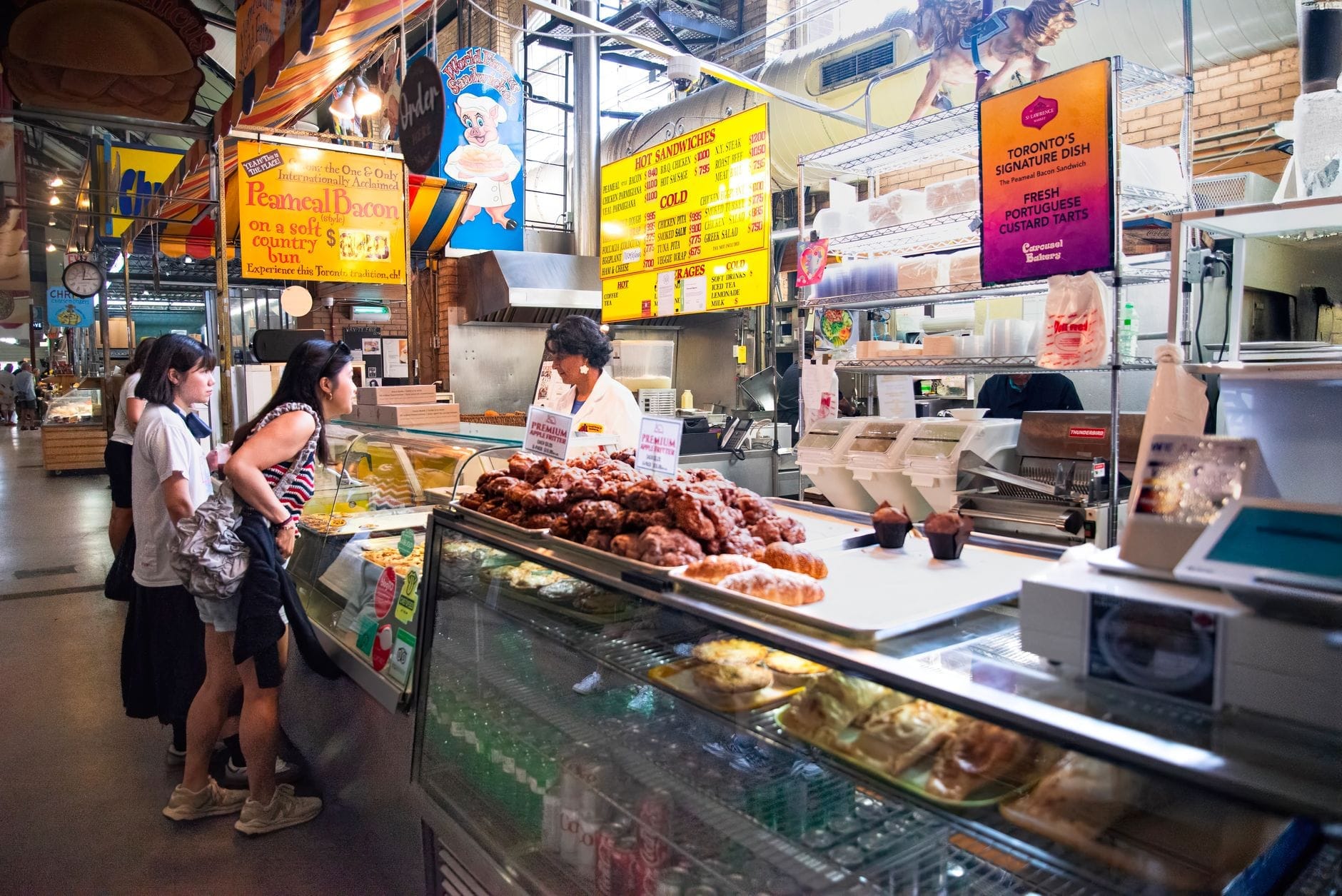
These are Toronto's anchor food markets: permanent, indoor, and operating year-round regardless of weather. They're the places locals return to weekly and visitors treat as essential stops. The downtown core is home to the most historic examples, built into the city's oldest neighbourhoods.
1. Start Your Morning at St. Lawrence Market's South Market
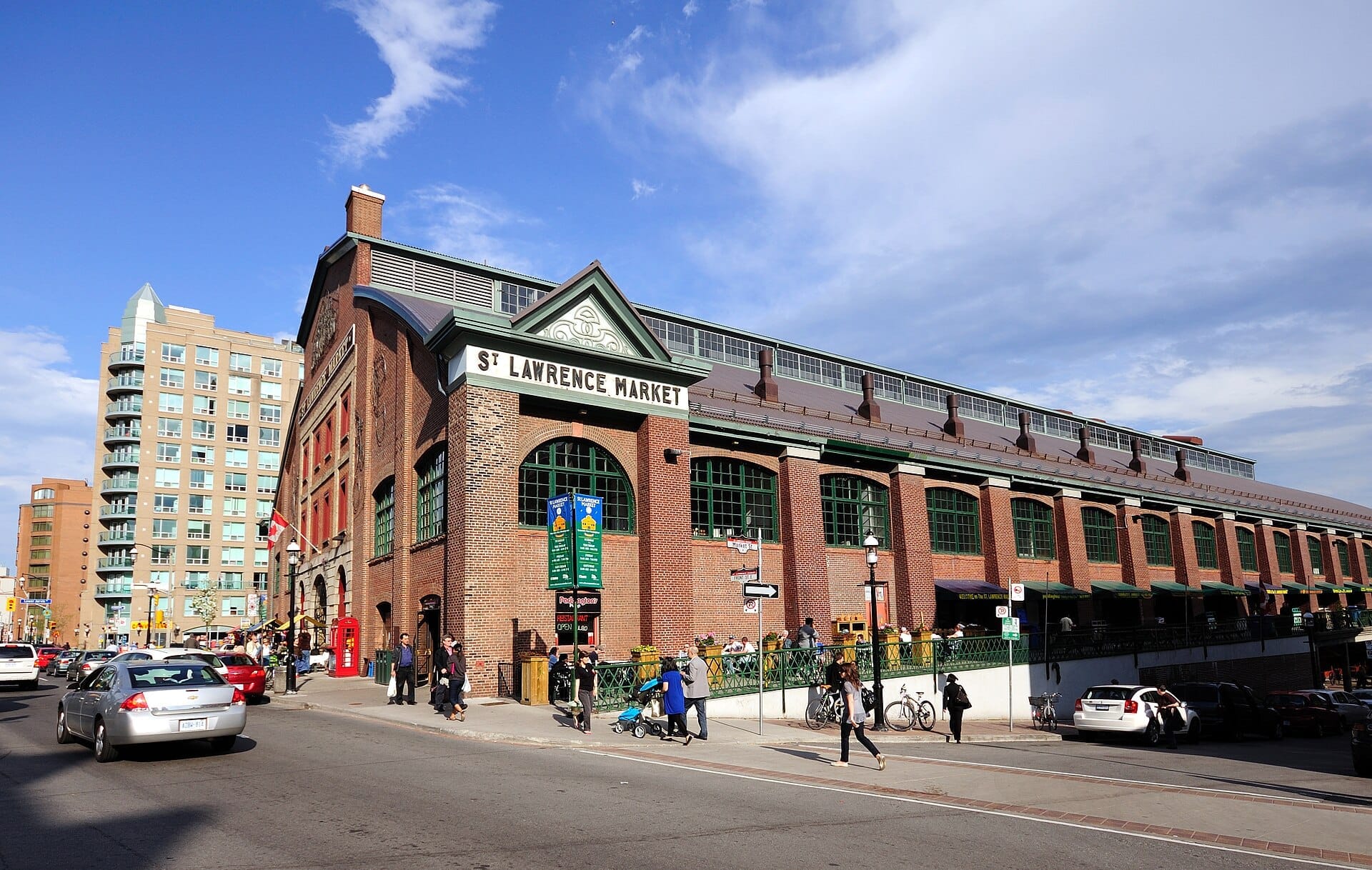
Toronto's definitive food market, open since 1803. Over 120 vendors sell peameal bacon sandwiches, artisan cheeses, fresh seafood, and charcuterie. The South Market runs Tue–Sun (closed Mondays); arrive early Saturday for the farmers' market in the North Market building.
Explore1. Start Your Morning at St. Lawrence Market's South Market
Toronto's definitive food market, open since 1803. Over 120 vendors sell peameal bacon sandwiches, artisan cheeses, fresh seafood, and charcuterie. The South Market runs Tue–Sun (closed Mondays); arrive early Saturday for the farmers' market in the North Market building.
Explore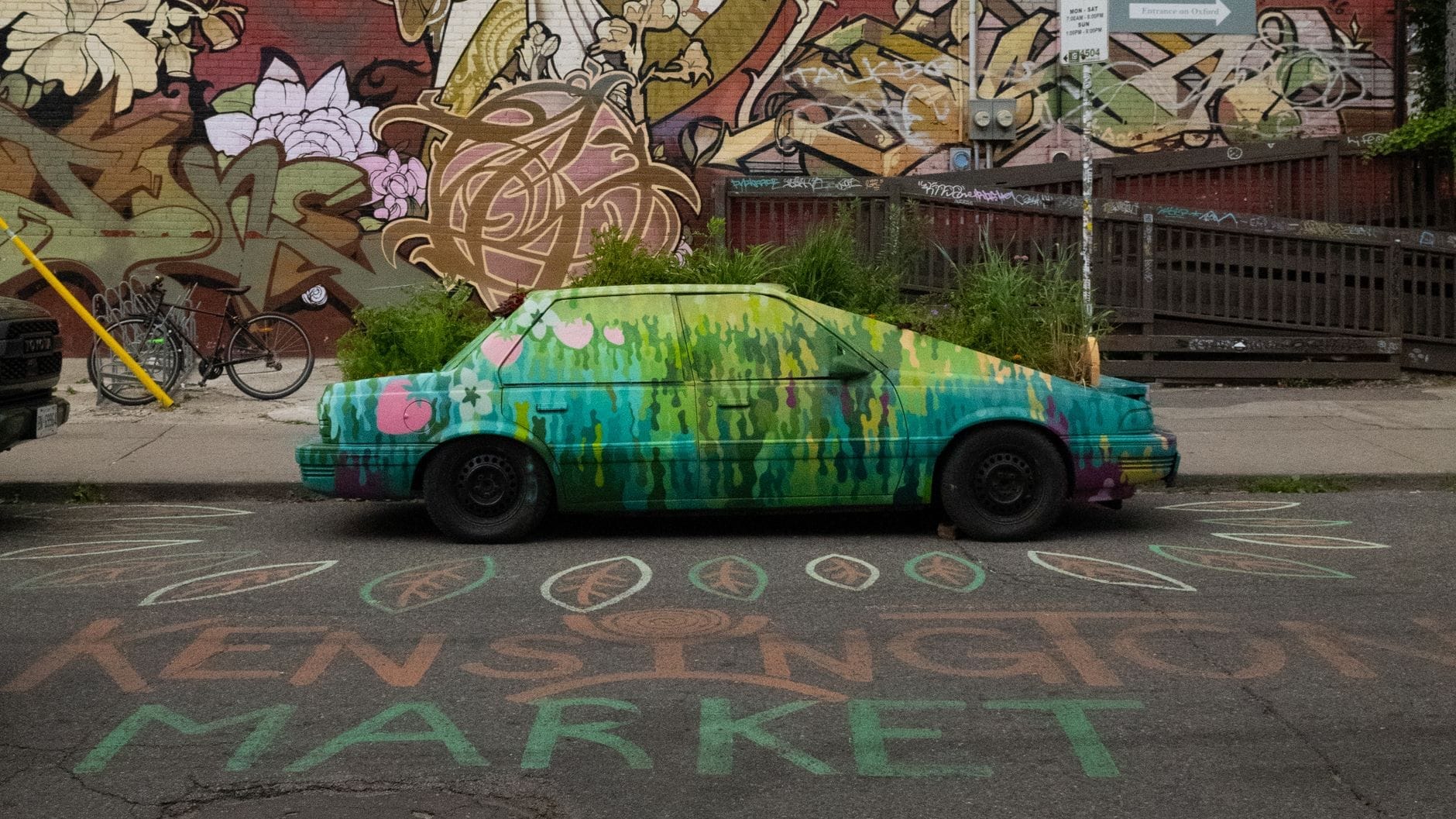
2. Graze Through Kensington Market's Eclectic Food Stalls
A compact neighbourhood of fishmongers, cheese shops, Caribbean bakeries, spice vendors, and international grocers spread across Victorian rowhouses. No single hall, just a neighbourhood where food is sold from every storefront. Best explored on foot over an hour or two.
Explore2. Graze Through Kensington Market's Eclectic Food Stalls
A compact neighbourhood of fishmongers, cheese shops, Caribbean bakeries, spice vendors, and international grocers spread across Victorian rowhouses. No single hall, just a neighbourhood where food is sold from every storefront. Best explored on foot over an hour or two.
Explore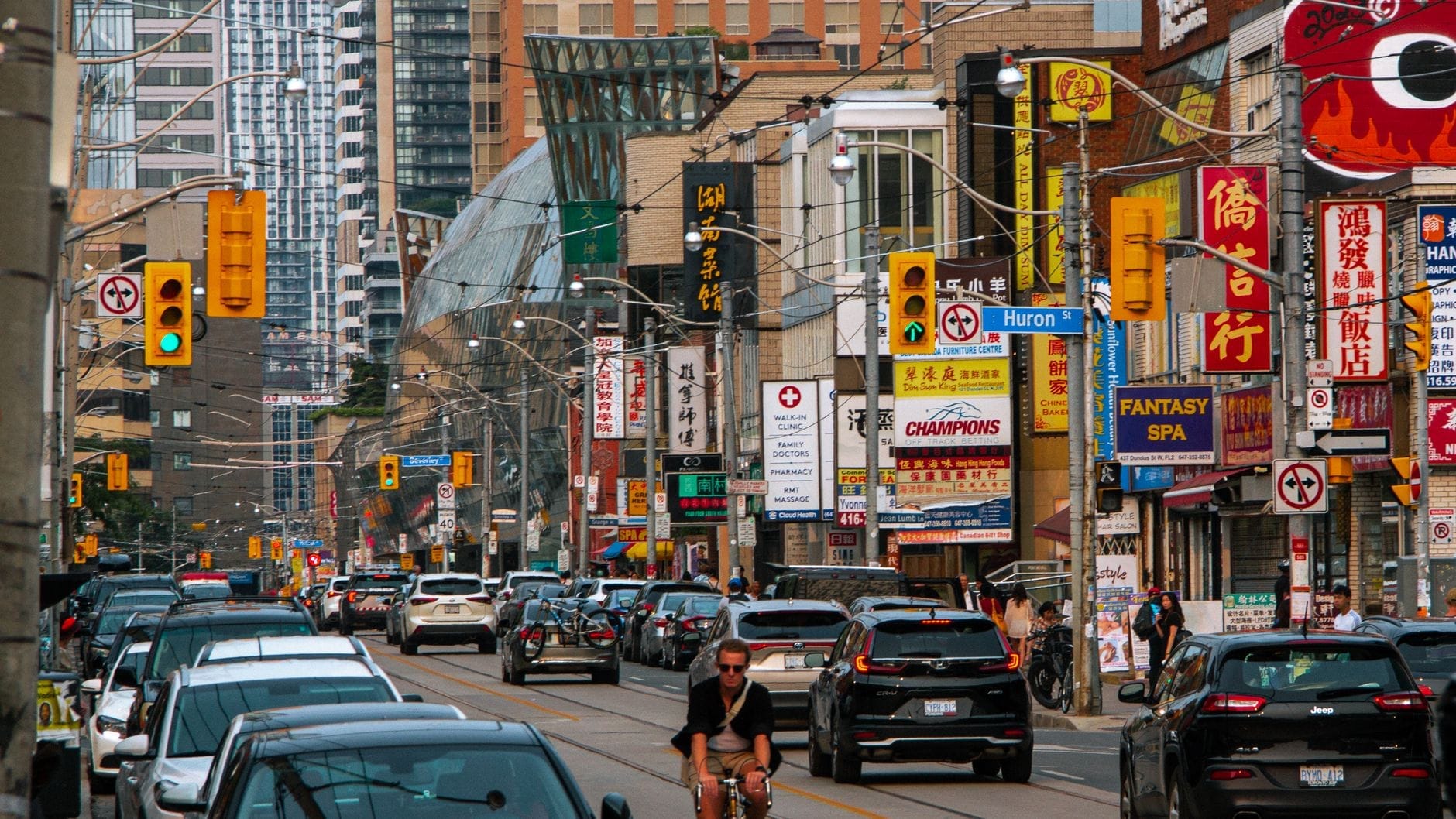
3. Shop the Produce and Specialty Foods in Chinatown
Spadina Avenue between Dundas and College is lined with open-fronted produce stalls, Chinese bakeries, dried-goods shops, and herbal medicine stores. Prices are low, variety is high, and the street energy makes shopping here genuinely enjoyable. Open daily.
Explore3. Shop the Produce and Specialty Foods in Chinatown
Spadina Avenue between Dundas and College is lined with open-fronted produce stalls, Chinese bakeries, dried-goods shops, and herbal medicine stores. Prices are low, variety is high, and the street energy makes shopping here genuinely enjoyable. Open daily.
ExploreFarmers' Markets and Community Markets
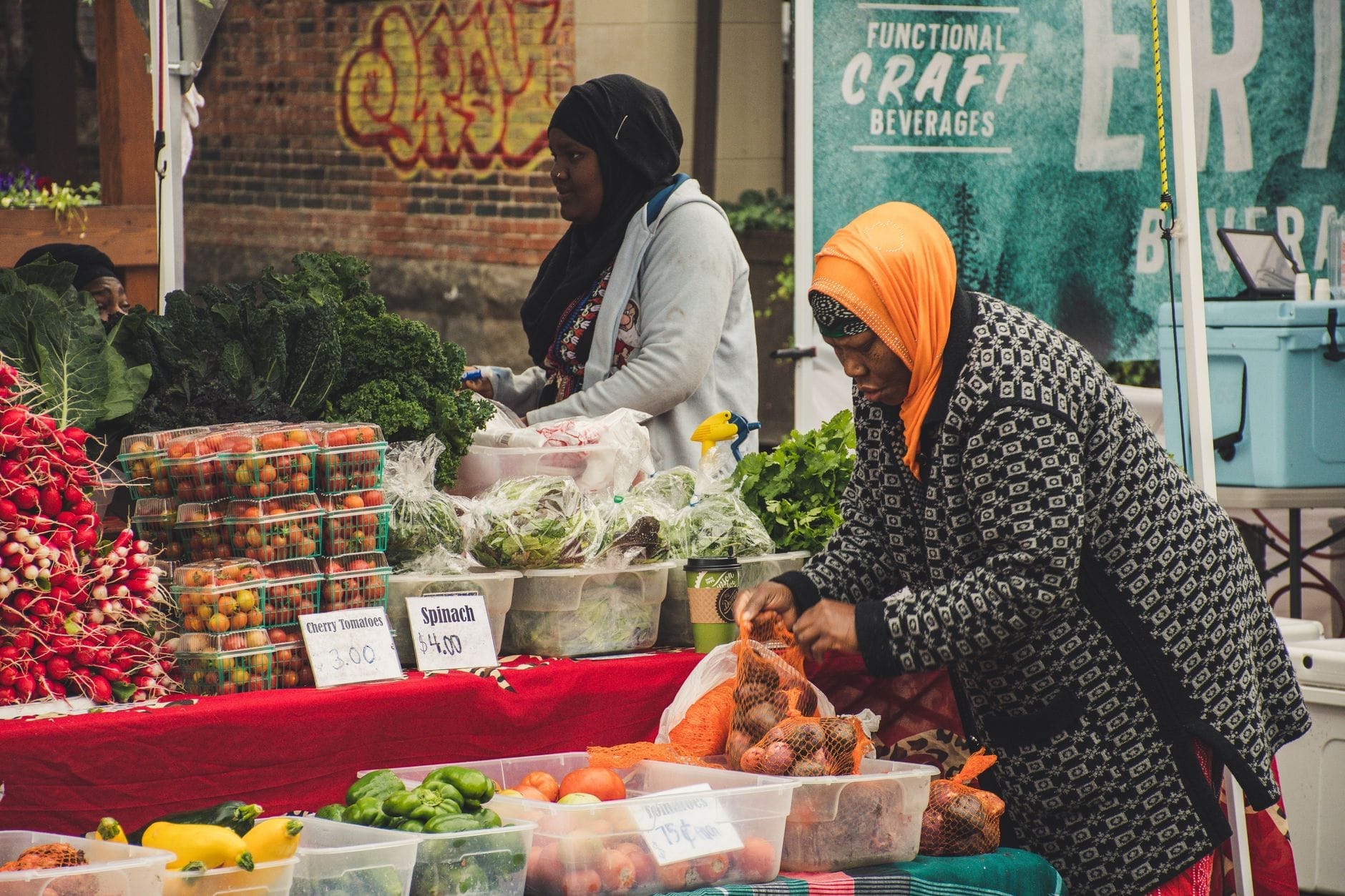
Toronto's neighbourhood farmers' markets run primarily from spring through fall, with a handful operating year-round indoors. The City of Toronto maintains an official directory of public markets, but the most distinctive experiences are at independent markets like the one at Evergreen Brick Works. Check individual market websites for seasonal hours before visiting. For tips on getting around between markets, the getting around Toronto guide covers transit options in detail.
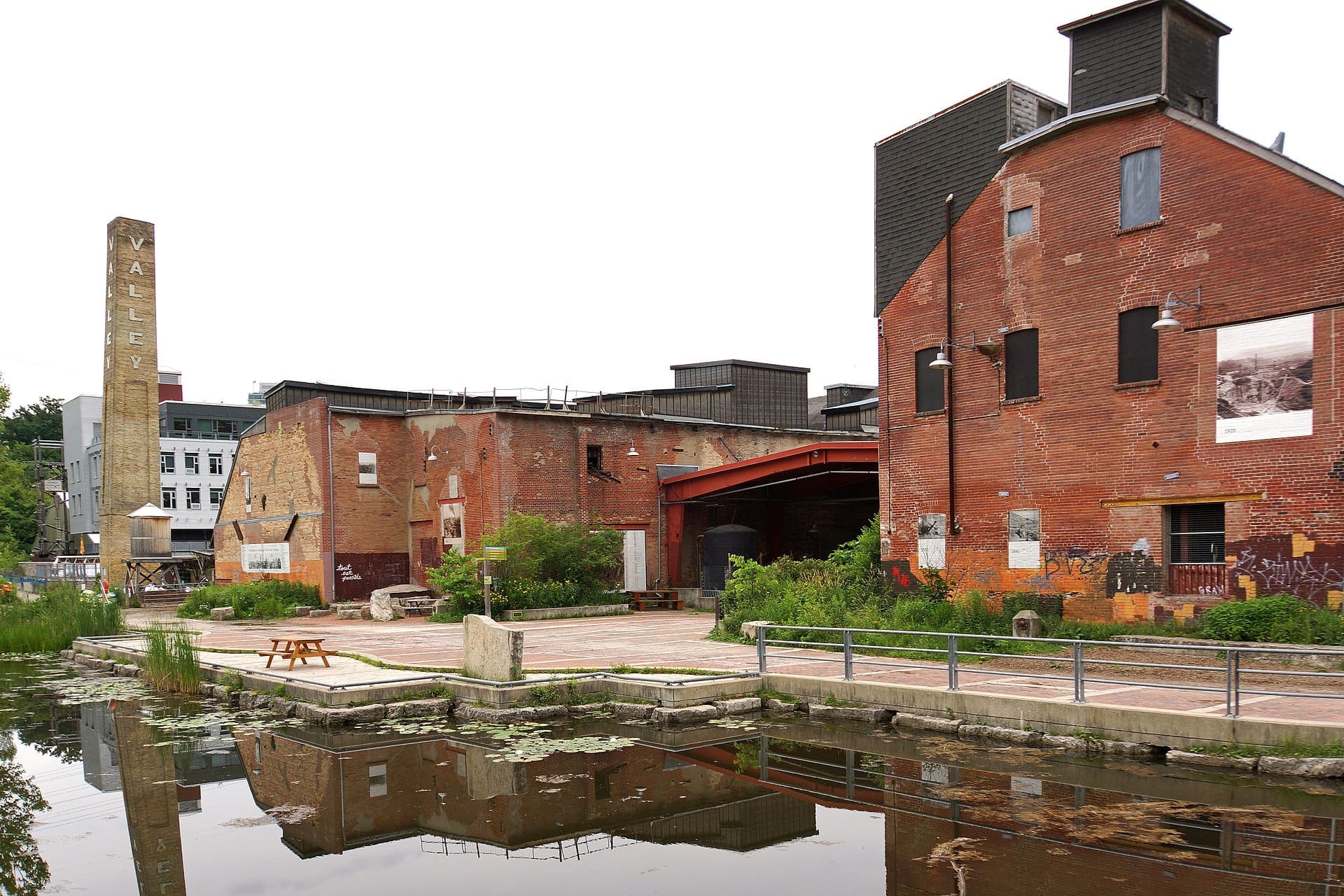
4. Shop Local at the Evergreen Brick Works Saturday Farmers' Market
Held Saturday mornings in a converted 19th-century brick factory in the Don Valley, this market draws vendors selling organic produce, prepared foods, baked goods, and artisan products. The industrial heritage setting is unlike any other market in the city.
Explore4. Shop Local at the Evergreen Brick Works Saturday Farmers' Market
Held Saturday mornings in a converted 19th-century brick factory in the Don Valley, this market draws vendors selling organic produce, prepared foods, baked goods, and artisan products. The industrial heritage setting is unlike any other market in the city.
Explore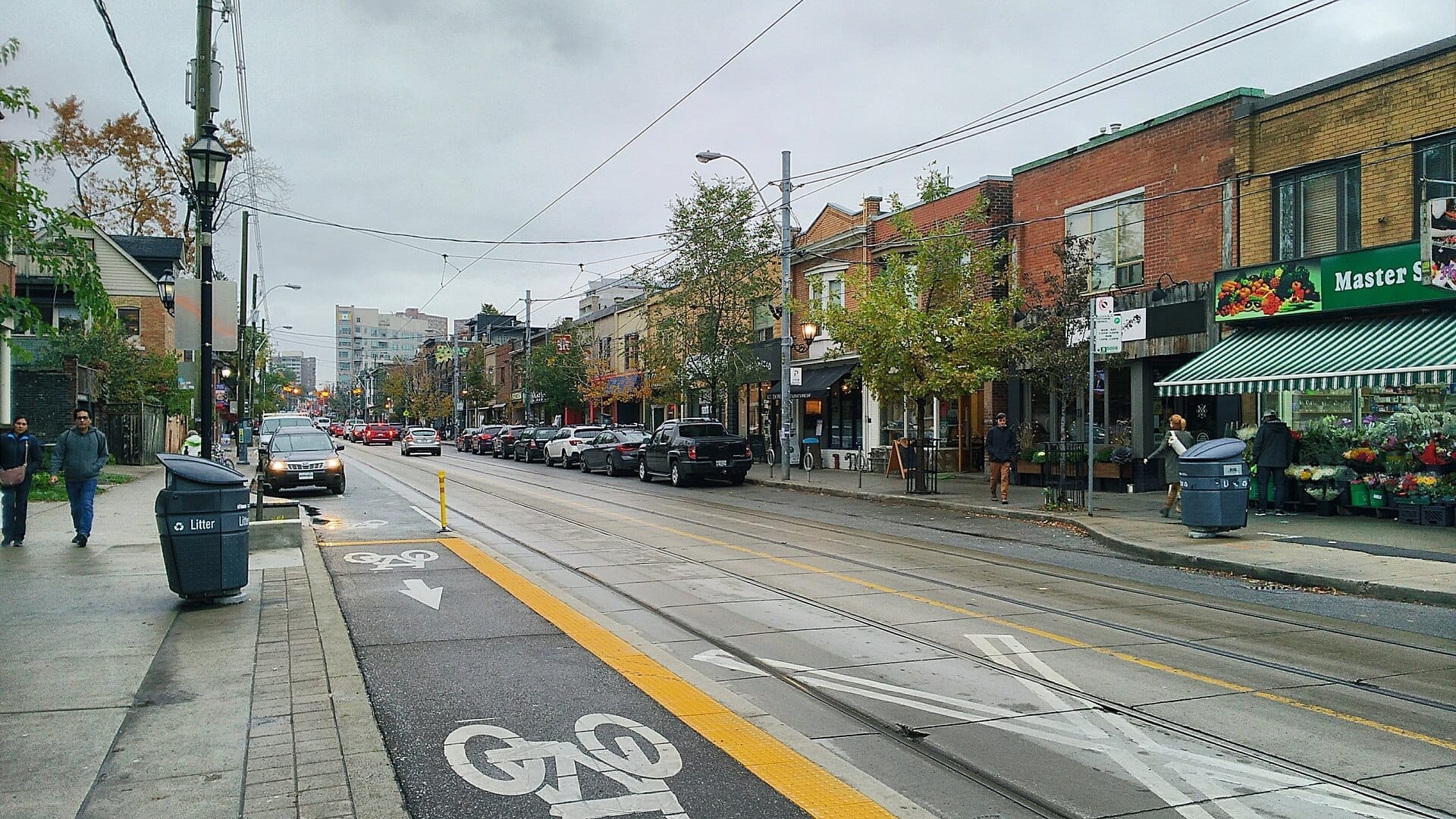
5. Browse the Roncesvalles Farmers' Market in a Walkable West-End Neighbourhood
Roncesvalles Village hosts a seasonal farmers' market along its main street, complemented by Polish bakeries, independent cafés, and specialty food shops that are open year-round. The neighbourhood itself is one of Toronto's most pleasant places to eat and walk.
Explore5. Browse the Roncesvalles Farmers' Market in a Walkable West-End Neighbourhood
Roncesvalles Village hosts a seasonal farmers' market along its main street, complemented by Polish bakeries, independent cafés, and specialty food shops that are open year-round. The neighbourhood itself is one of Toronto's most pleasant places to eat and walk.
Explore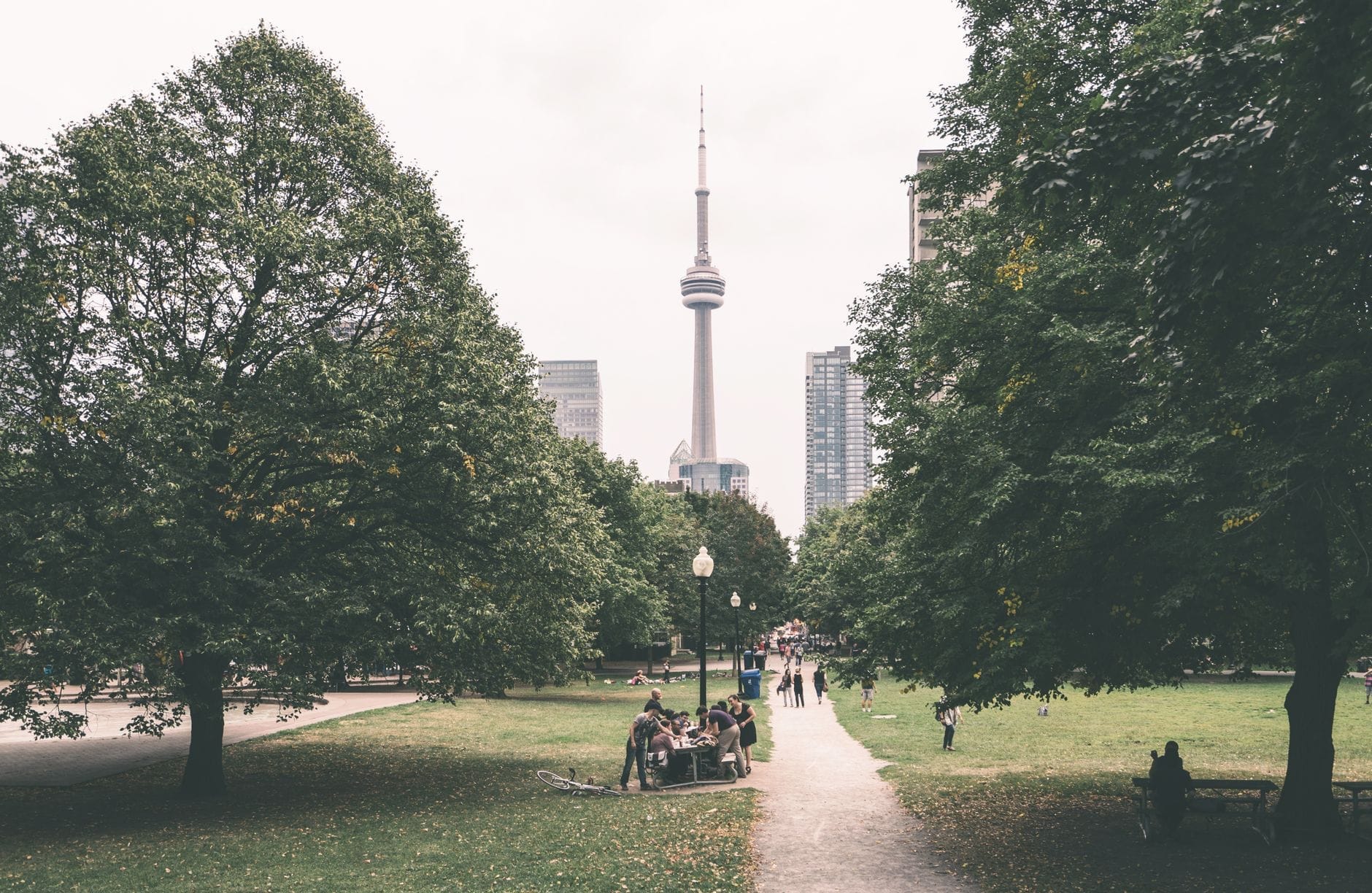
6. Catch the Trinity Bellwoods Farmers' Market on a Weekend
A seasonal farmers' market runs in this beloved west-end park, one of Toronto's most social outdoor spaces. Combine a market visit with a picnic in the park itself, surrounded by locals who treat this as their weekly neighbourhood ritual from spring to fall.
Explore6. Catch the Trinity Bellwoods Farmers' Market on a Weekend
A seasonal farmers' market runs in this beloved west-end park, one of Toronto's most social outdoor spaces. Combine a market visit with a picnic in the park itself, surrounded by locals who treat this as their weekly neighbourhood ritual from spring to fall.
ExploreModern Market Halls and Creative Food Concepts
Toronto has invested heavily in new-generation market concepts that blend food retail, prepared meals, and social space. These are the places that have emerged over the past decade and reflect where the city's food culture is heading. Several anchor redevelopment projects, from waterfront sites to adaptive reuse of industrial buildings. For the full picture of what's happening along the water, the Toronto waterfront guide is worth reading alongside this section.

7. Explore Stackt Market's Independent Food Vendors and Brewery
Built from repurposed shipping containers near the waterfront and King West, Stackt houses independent food vendors, a craft brewery, and casual eateries. It's a compact, walkable space that operates year-round, with weekend programming that makes it worth the trip.
Explore7. Explore Stackt Market's Independent Food Vendors and Brewery
Built from repurposed shipping containers near the waterfront and King West, Stackt houses independent food vendors, a craft brewery, and casual eateries. It's a compact, walkable space that operates year-round, with weekend programming that makes it worth the trip.
Explore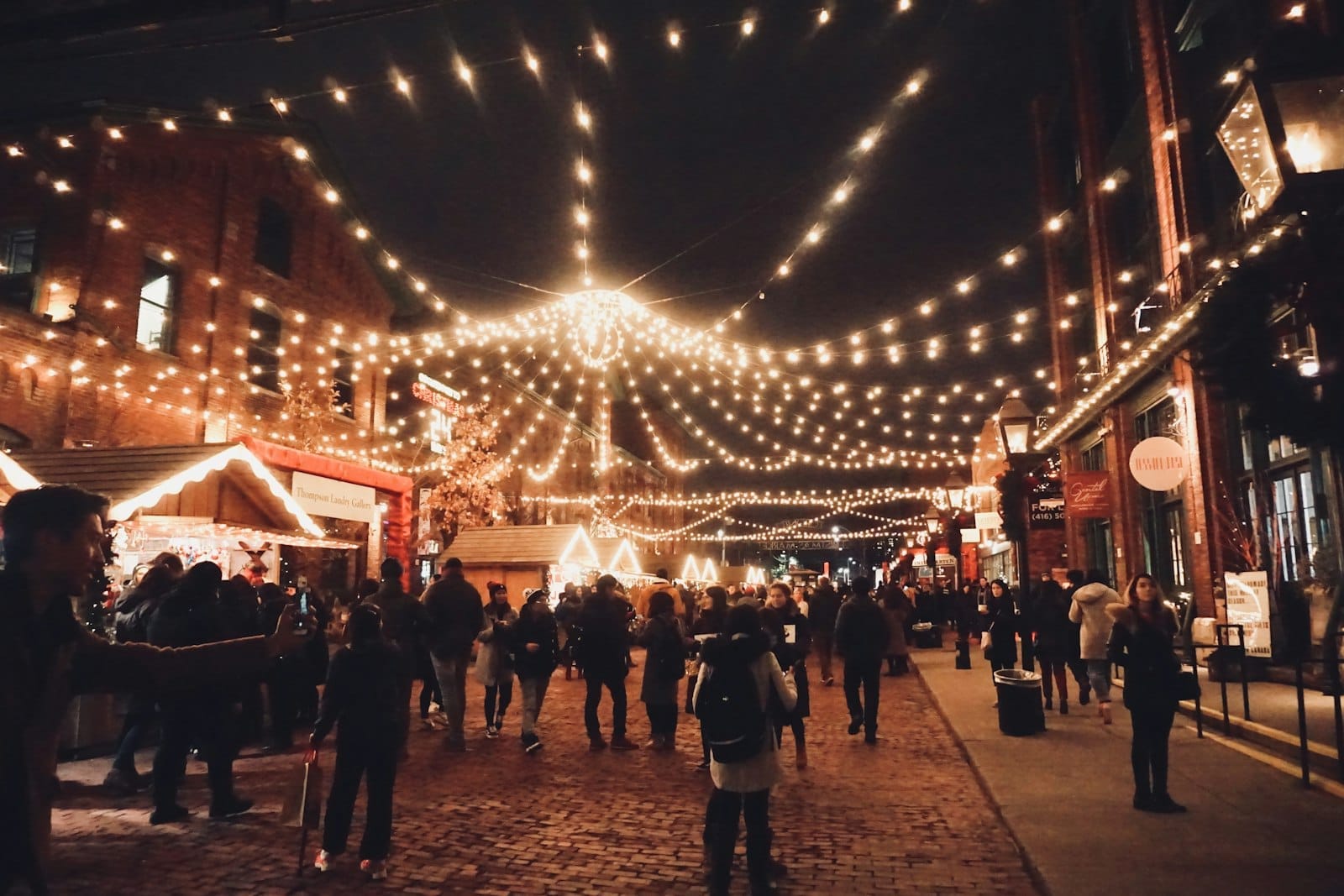
8. Visit the Distillery Winter Village for Seasonal Food Vendors (November–December)
Each November and December, the Distillery District transforms into a European-style Christmas market with 60-plus vendors selling mulled wine, roasted nuts, artisan food products, and holiday treats. Arrive on weekday evenings to avoid weekend crowds.
Explore8. Visit the Distillery Winter Village for Seasonal Food Vendors (November–December)
Each November and December, the Distillery District transforms into a European-style Christmas market with 60-plus vendors selling mulled wine, roasted nuts, artisan food products, and holiday treats. Arrive on weekday evenings to avoid weekend crowds.
ExploreMulticultural Food Streets and Market Districts
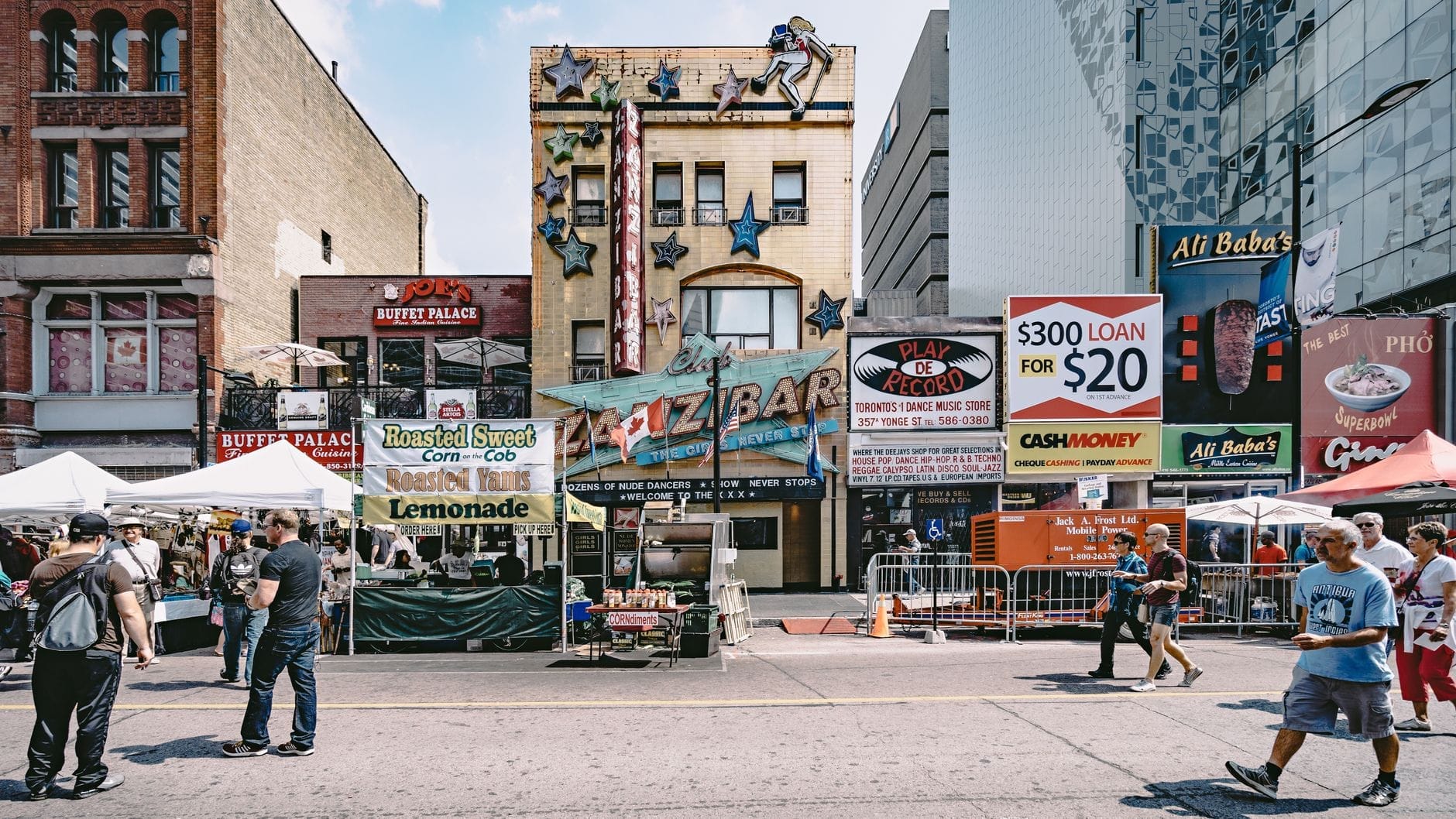
Some of Toronto's best market-style food experiences aren't in formal market buildings at all. They're on streets where a concentration of ethnic grocers, specialty food shops, and open-air stalls creates a de facto market district. Toronto's multicultural neighbourhoods deliver some of the most rewarding food shopping in the city. The Toronto multicultural neighbourhoods guide provides deeper context on each area.
9. Stock Up on Spices and Sweets at the Gerrard India Bazaar
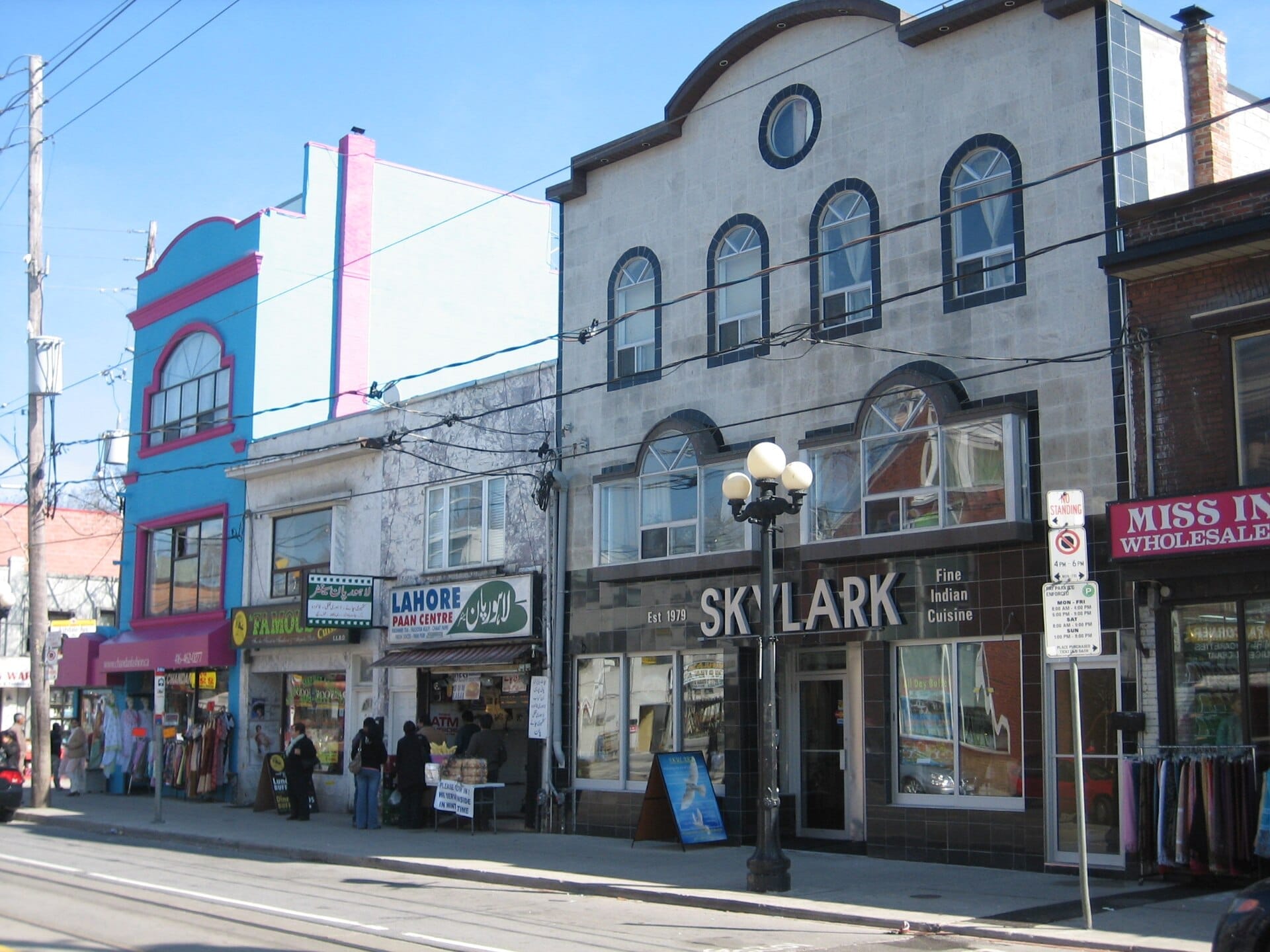
Gerrard Street East between Coxwell and Greenwood is North America's largest South Asian commercial strip. Spice shops, sweet vendors, sari stores, and halal butchers line both sides. It's functional, affordable, and genuinely useful for anyone cooking South Asian cuisine.
Explore9. Stock Up on Spices and Sweets at the Gerrard India Bazaar
Gerrard Street East between Coxwell and Greenwood is North America's largest South Asian commercial strip. Spice shops, sweet vendors, sari stores, and halal butchers line both sides. It's functional, affordable, and genuinely useful for anyone cooking South Asian cuisine.
Explore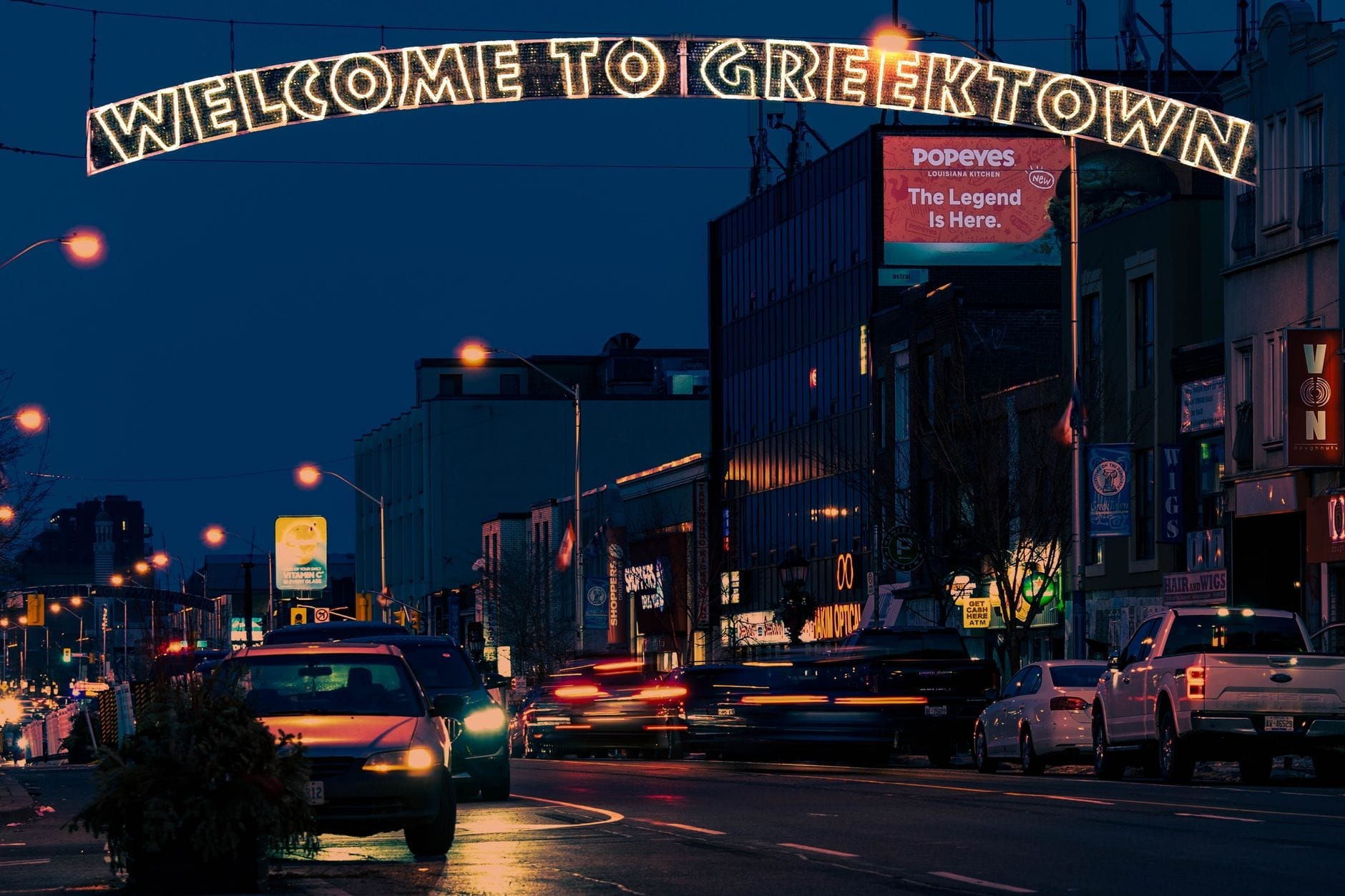
10. Shop Greek Specialty Foods Along the Danforth
Danforth Avenue's Greektown has Greek bakeries, specialty grocery stores stocked with imported olives and feta, and patisseries selling baklava and loukoumades. The annual Taste of the Danforth festival in August turns the whole street into an outdoor food market.
Explore10. Shop Greek Specialty Foods Along the Danforth
Danforth Avenue's Greektown has Greek bakeries, specialty grocery stores stocked with imported olives and feta, and patisseries selling baklava and loukoumades. The annual Taste of the Danforth festival in August turns the whole street into an outdoor food market.
Explore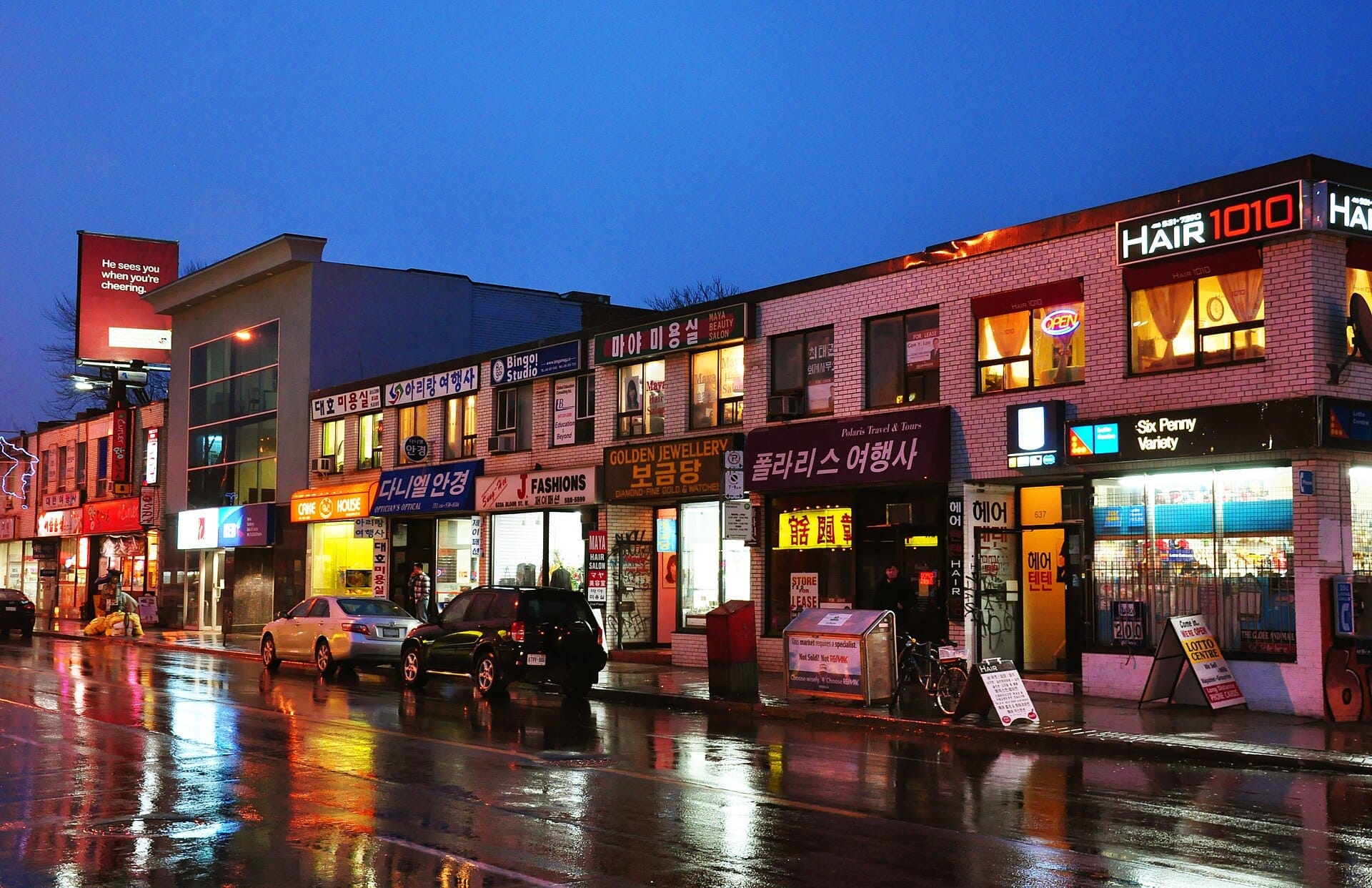
11. Find Korean Groceries and Street Food in Koreatown
The stretch of Bloor Street West around Christie and Bathurst has Korean grocery stores, banchan shops, bakeries, and BBQ supply vendors. It's a practical shopping destination for Korean ingredients and a great spot for cheap, filling prepared foods at any hour.
Explore11. Find Korean Groceries and Street Food in Koreatown
The stretch of Bloor Street West around Christie and Bathurst has Korean grocery stores, banchan shops, bakeries, and BBQ supply vendors. It's a practical shopping destination for Korean ingredients and a great spot for cheap, filling prepared foods at any hour.
Explore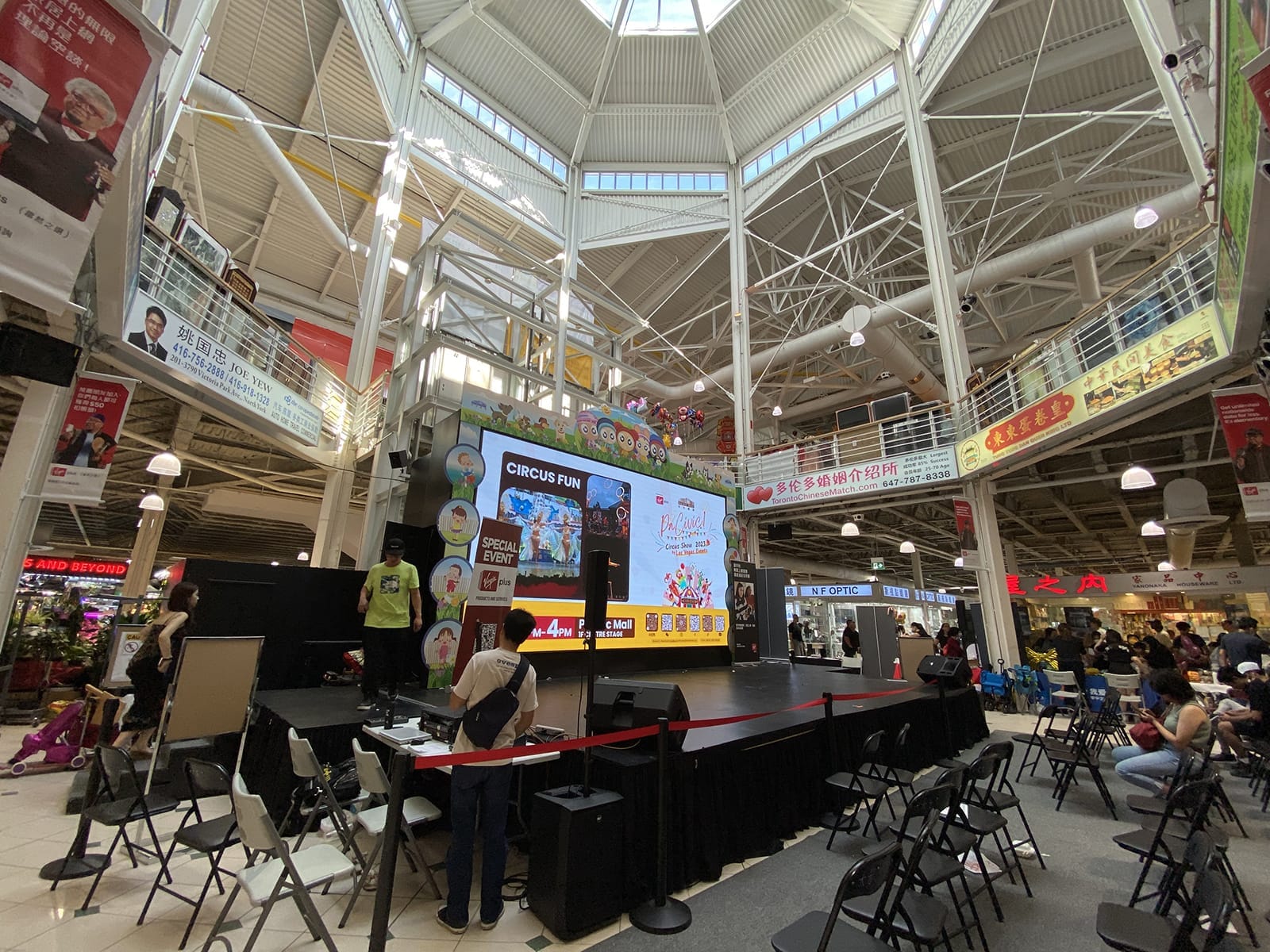
12. Shop the Vast Asian Food Court and Grocery Vendors at Pacific Mall
Located in Markham, 30 minutes from downtown, Pacific Mall is North America's largest Chinese indoor market. The food court and grocery vendors offer an overwhelming range of Asian products, fresh ingredients, and prepared foods unavailable anywhere else in the region.
Explore12. Shop the Vast Asian Food Court and Grocery Vendors at Pacific Mall
Located in Markham, 30 minutes from downtown, Pacific Mall is North America's largest Chinese indoor market. The food court and grocery vendors offer an overwhelming range of Asian products, fresh ingredients, and prepared foods unavailable anywhere else in the region.
ExploreFood Markets Worth Combining with a Neighbourhood Walk
The best market visits in Toronto happen when you pair them with the surrounding neighbourhood. These markets work as anchors for a longer half-day itinerary, each sitting in a walkable area with complementary restaurants, cafés, and shops. For help planning a route that takes in multiple stops, the Toronto walking tours guide has structured itineraries by neighbourhood.
13. Browse the Union Station Food Hall Between Transit Connections
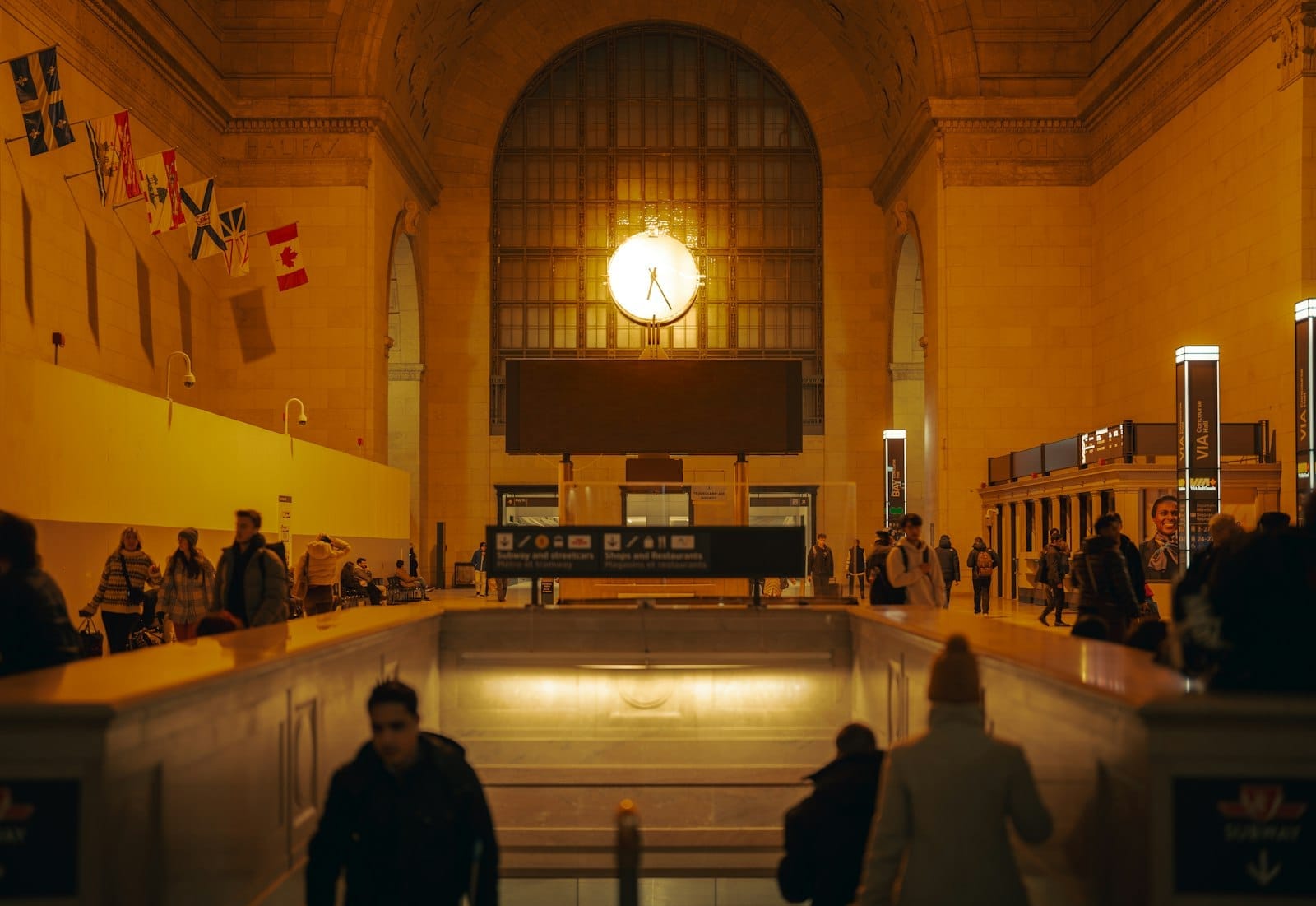
Union Station's lower level houses a well-curated food hall with local vendors selling prepared meals, coffee, baked goods, and groceries. It's particularly useful if you're arriving by GO Train from Pearson, and several vendors stock locally made pantry products worth taking home.
Explore13. Browse the Union Station Food Hall Between Transit Connections
Union Station's lower level houses a well-curated food hall with local vendors selling prepared meals, coffee, baked goods, and groceries. It's particularly useful if you're arriving by GO Train from Pearson, and several vendors stock locally made pantry products worth taking home.
Explore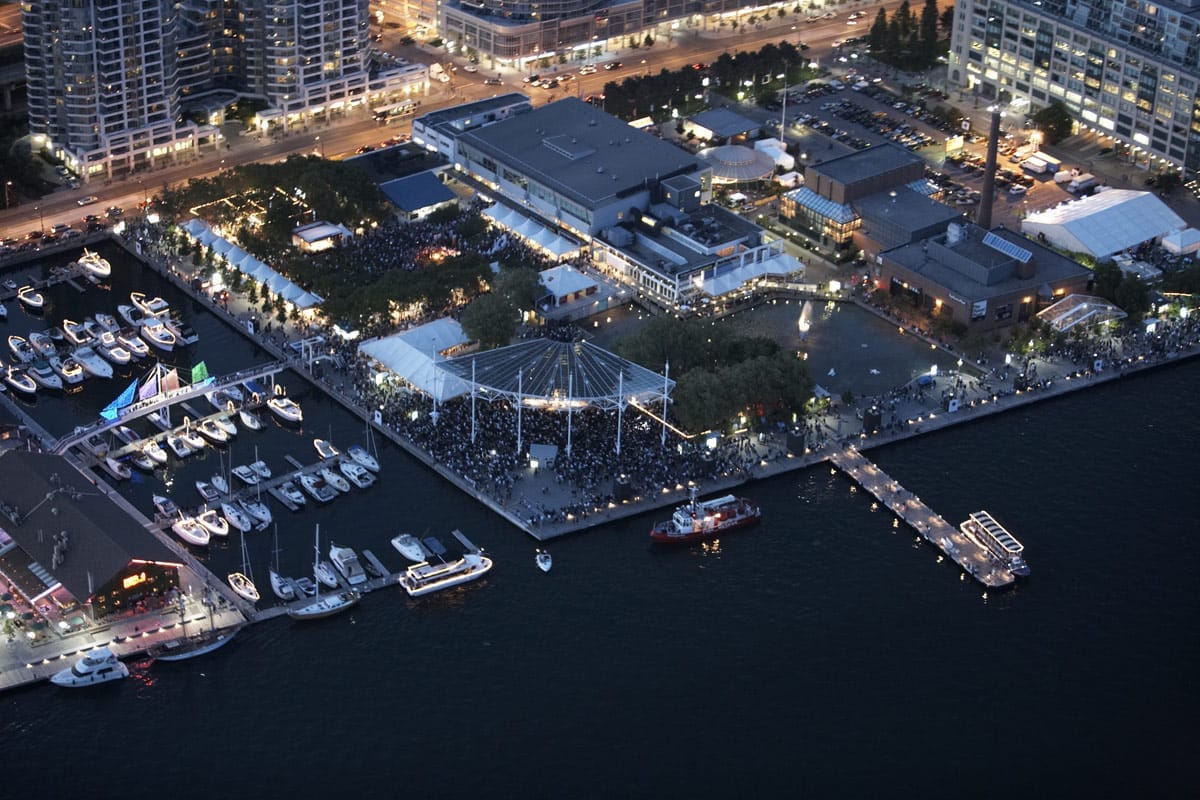
14. Check the Harbourfront Centre for Seasonal Food Events and Artisan Markets
The Harbourfront Centre hosts regular artisan markets and food-focused festivals throughout the warmer months, including craft and food markets that feature local producers. Its waterfront location makes it a natural pairing with a walk along the lake.
Explore14. Check the Harbourfront Centre for Seasonal Food Events and Artisan Markets
The Harbourfront Centre hosts regular artisan markets and food-focused festivals throughout the warmer months, including craft and food markets that feature local producers. Its waterfront location makes it a natural pairing with a walk along the lake.
Explore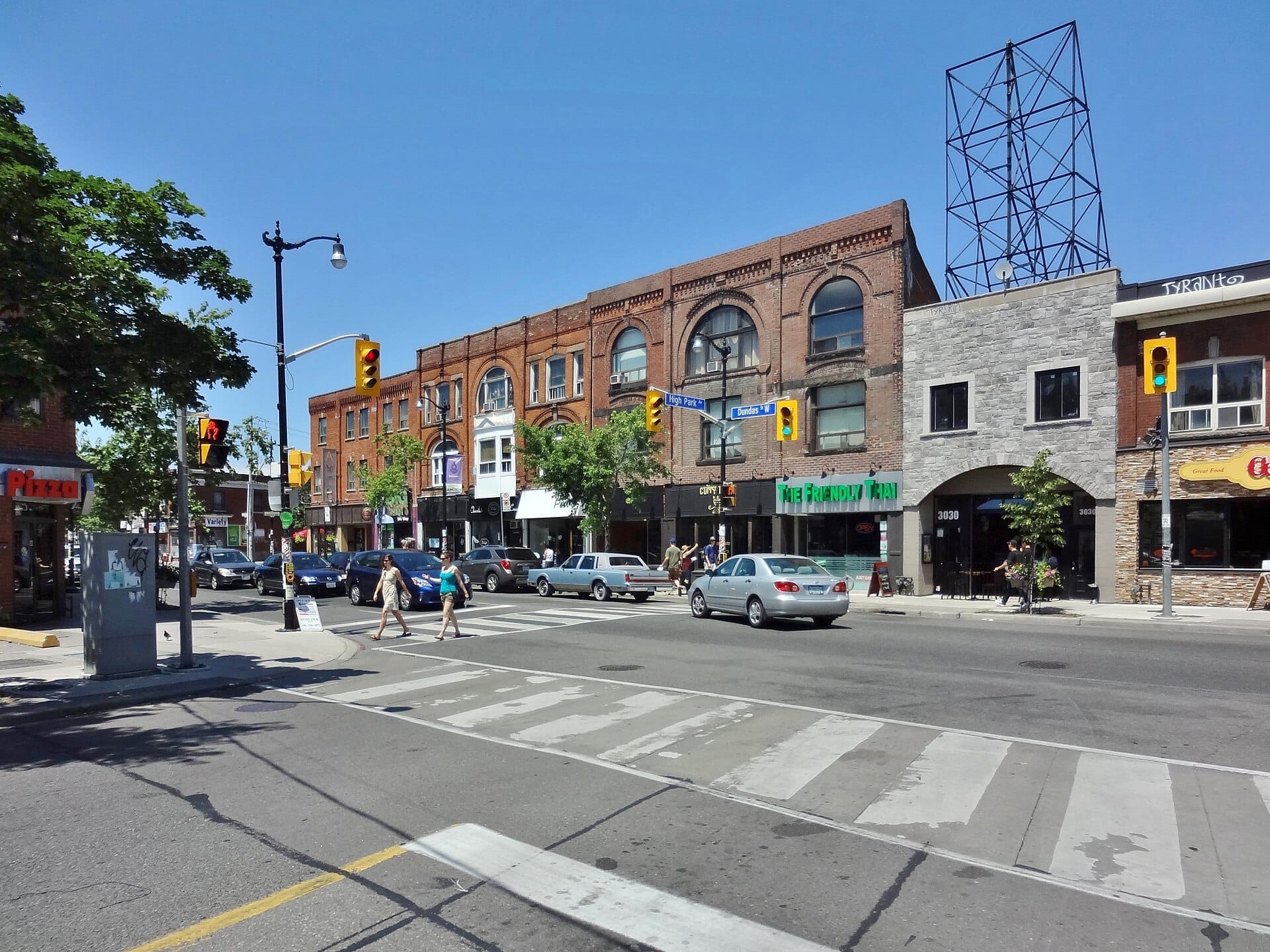
15. Find Artisan Food Shops and Local Producers in The Junction
The Junction's Dundas Street West hosts independent food shops, craft breweries, and a growing number of artisan producers in a former industrial west-end neighbourhood. It's less crowded than downtown markets and a more local-feeling experience overall.
Explore15. Find Artisan Food Shops and Local Producers in The Junction
The Junction's Dundas Street West hosts independent food shops, craft breweries, and a growing number of artisan producers in a former industrial west-end neighbourhood. It's less crowded than downtown markets and a more local-feeling experience overall.
ExploreFAQ
What is the best food market in Toronto?
St. Lawrence Market is the most comprehensive and historically significant, with 120-plus vendors in the South Market building (open Tue–Sun) and a separate Saturday Farmers' Market in the North Market building. For a more neighbourhood-feel experience, Kensington Market is the alternative most locals would recommend.
Is St. Lawrence Market open on Sundays and Mondays?
The South Market is open Sunday (10am–5pm) but closed on Mondays. The Saturday Farmers' Market in the North Market building runs Saturday mornings only, typically 5am–3pm. Check the official St. Lawrence Market website for current hours and holiday closures before visiting.
Are Toronto's farmers' markets open year-round?
Not all of them. St. Lawrence Market and the Wellington Market at The Well are indoor and operate year-round. Most neighbourhood farmers' markets (including those at Trinity Bellwoods Park and Evergreen Brick Works) are seasonal, typically running spring through fall. The City of Toronto maintains an online directory of public markets with current operating dates.
Which Toronto food market is best for international and ethnic ingredients?
It depends on what you're looking for. Chinatown and Pacific Mall (in Markham) are best for Asian ingredients. The Gerrard India Bazaar covers South Asian spices and groceries. Kensington Market has a wide mix of Caribbean, Latin American, and Middle Eastern products. Koreatown on Bloor West is the destination for Korean pantry staples.
Do Toronto food markets charge admission?
No. St. Lawrence Market, Kensington Market, Chinatown, Stackt Market, and the Evergreen Brick Works farmers' market are all free to enter. You pay only for what you buy. Some special events held at market venues may have ticketed portions, but the markets themselves have no general admission fee.
Tickets & tours
Live prices and dates from our booking partner. If you book, we may earn a commission at no extra cost to you.
Planning a trip? Discover personalized activities with the Nomado app.