Is Toronto Safe? A Practical Safety Guide for Visitors
Toronto is one of the safest major cities in North America, but that doesn't mean risk-free. This guide breaks down real crime patterns, which areas to be aware of, seasonal hazards, and the practical precautions that actually make a difference for visitors.
Tickets & tours
Live prices and dates from our booking partner. If you book, we may earn a commission at no extra cost to you.
TL;DR
- Toronto is generally considered among the safer large cities in North America, and the U.S. Department of State lists Canada at Level 1 (exercise normal precautions).
- Petty theft and vehicle crime are the most common issues for tourists; violent crime between strangers is rare in visitor-heavy areas.
- Certain neighborhoods warrant more awareness at night, but the main tourist corridors around downtown Toronto, the waterfront, and Distillery District are busy and well-patrolled.
- Winter weather is a genuine safety consideration: ice, snow, and cold require preparation.
- Travel insurance is strongly recommended since Canada's public healthcare does not cover visitors.
The Short Answer: How Safe Is Toronto for Tourists?
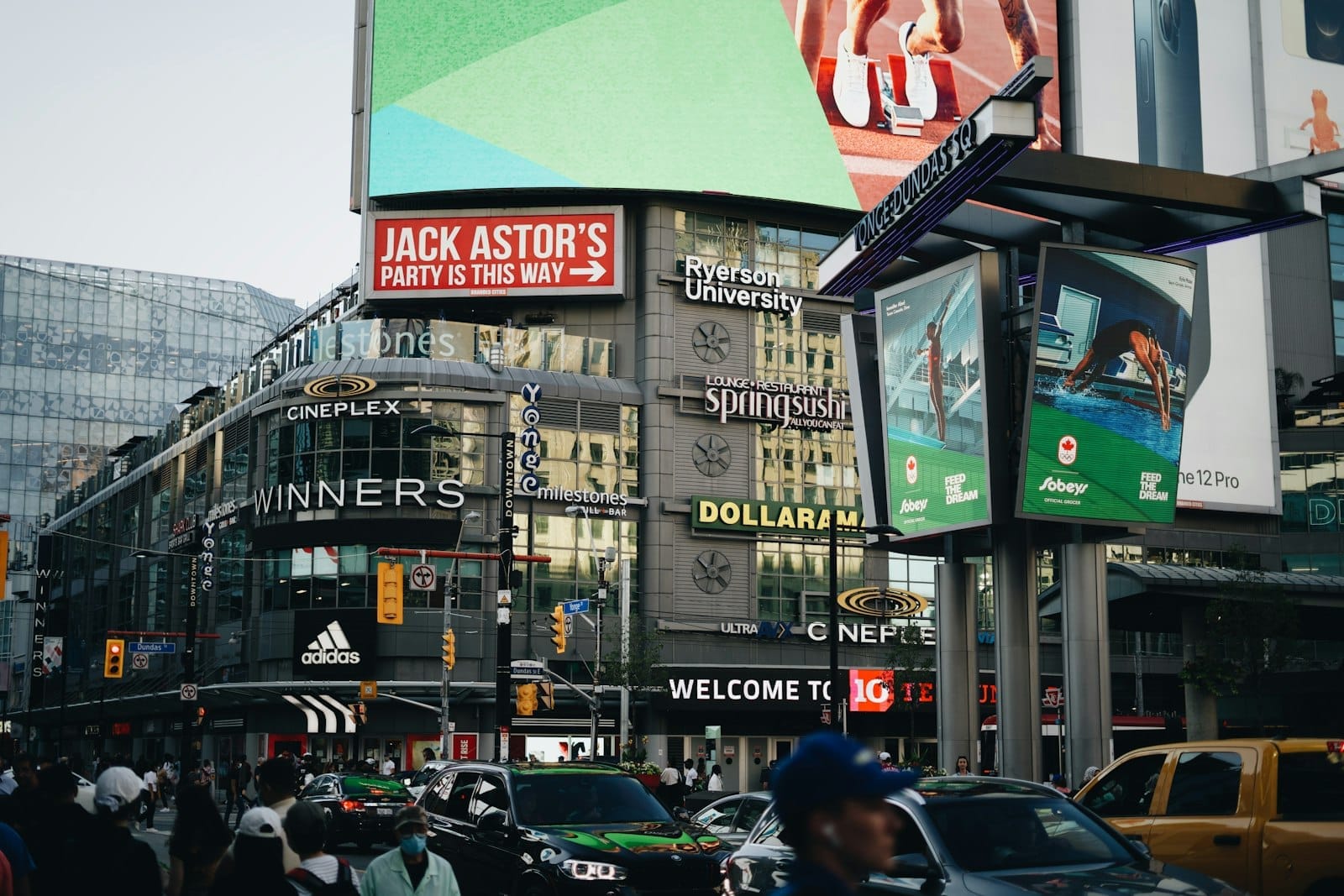
Toronto is a safe destination by any reasonable global standard. The Economist Intelligence Unit's Safe Cities Index has ranked it among the top ten safest cities in the world, and it is often ranked as one of the safest large metropolitan areas in North America. For context: Toronto is a city of nearly 2.8 million people in the city proper, and over 6 million in the greater metro area. Crime exists at that scale, but the type and location of crime matters enormously when assessing tourist risk.
The majority of violent incidents in Toronto occur between people who know each other. Assault is a common crime category, but random stranger violence against tourists is genuinely uncommon. The offenses visitors are actually likely to encounter are opportunistic: pickpocketing in crowded transit areas, bag snatching on busy streets, and vehicle break-ins in parking lots. These are manageable with basic awareness, not causes for alarm.
ℹ️ Good to know
The U.S. Department of State rates Canada at Level 1: Exercise Normal Precautions. This is the lowest risk category and applies to the country as a whole, including Toronto. The Government of Canada's travel advice portal notes petty crime as a concern for visitors to major Canadian cities.
Crime Patterns Visitors Should Actually Know About
Understanding what crime looks like in Toronto helps you focus energy on real precautions rather than vague anxiety. Toronto Police Service publishes crime data publicly, and the patterns are instructive. Car theft is notably high in Toronto relative to other Canadian cities, and it has been linked in part to relay attacks on keyless entry vehicles. If you're renting a car, keep key fobs in a signal-blocking pouch and don't leave valuables visible in the vehicle.
Bike theft is also endemic throughout the city, so rental bikes should always be locked with a quality lock, ideally to a fixed structure. In crowded public spaces like Yonge-Dundas Square, St. Lawrence Market, and busy subway stations, keep bags zipped and in front of your body. These are the environments where distraction-based theft is most likely.
- Petty theft and pickpocketing Most common in crowded transit hubs, tourist areas, and busy markets. Keep bags zipped and valuables out of back pockets.
- Vehicle and bike theft Toronto has elevated car theft rates. Avoid leaving valuables in rental cars; use signal-blocking pouches for keyless fobs.
- Scams and distraction tactics Common around major tourist intersections. Be wary of unsolicited help with luggage, aggressive street solicitations, or anyone asking you to check your phone or bag.
- Violent crime Exists in the city but overwhelmingly involves people known to each other, in specific residential neighborhoods. Tourist-on-stranger violent incidents are rare.
Neighborhoods: Where to Be Aware and Where You Don't Need to Worry
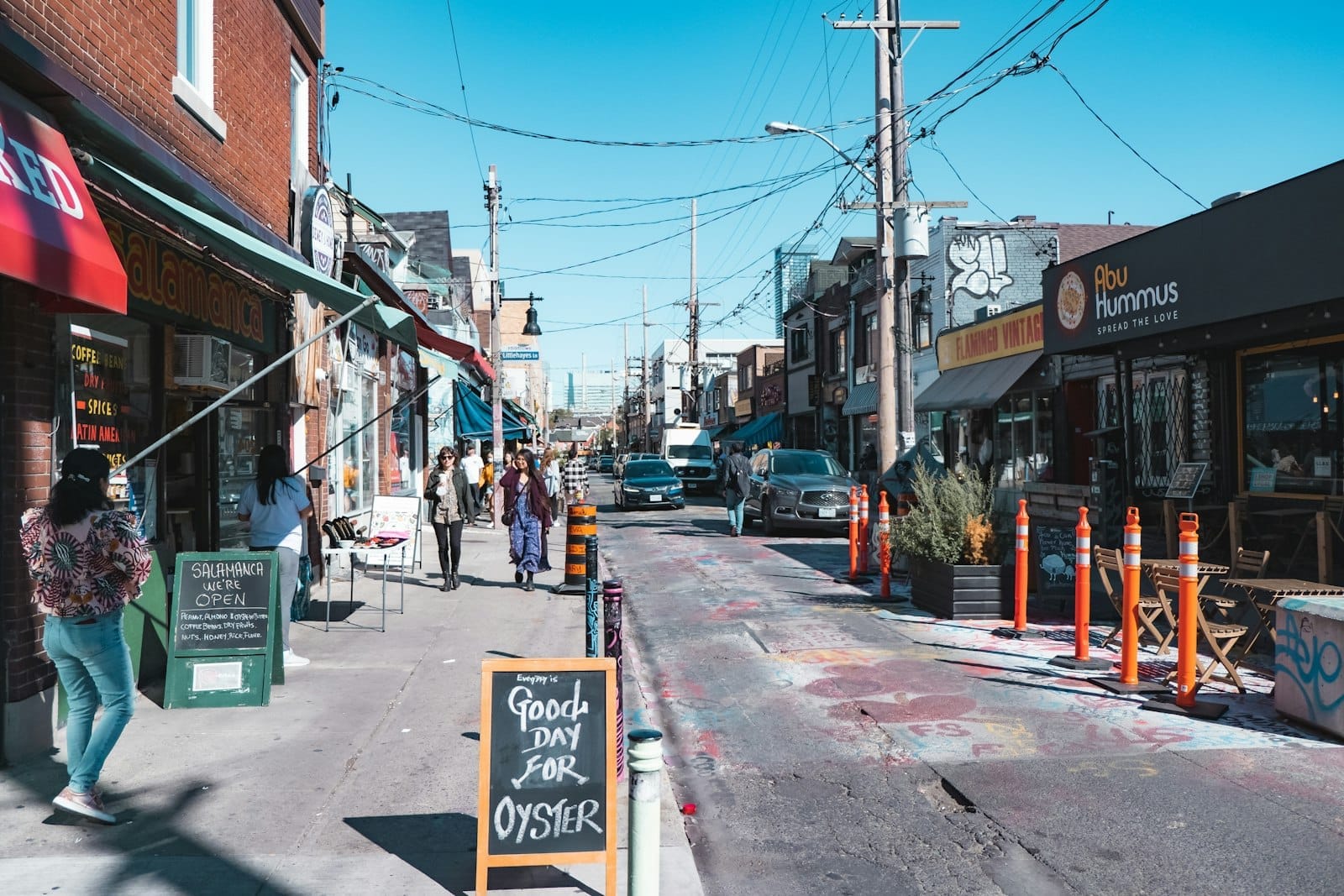
Toronto's neighborhoods vary considerably in character, and fear of crime is sometimes mismatched with actual risk. The areas most visited by tourists, including the waterfront, Distillery Historic District, Yorkville, Kensington Market, and downtown proper, are generally very safe during the day and reasonably safe at night with normal urban awareness. These areas have good foot traffic, visible policing, and well-lit streets.
Areas like Regent Park and some parts of Scarborough have higher recorded crime rates. These are largely residential neighborhoods that visitors are unlikely to find themselves in by accident. ScarboroughScarborough contains genuinely beautiful natural attractions like the Scarborough Bluffs and Rouge National Urban Park; the district's crime is concentrated in areas well away from those sites. Don't let aggregate statistics keep you away from legitimate destinations.
Late at night in any major city, additional caution is reasonable. The Entertainment District around King Street West and Queen Street West sees a lot of foot traffic on weekend nights, with the usual dynamics that come with concentrated bar and club activity: noise, intoxication, and occasional fights. None of this is unique to Toronto, and most visitors pass through without incident. If you're out late, stick to lit and populated streets and know your route home before you leave.
💡 Local tip
Toronto's PATH underground pedestrian network connects much of downtown below street level, which is particularly useful on cold winter nights or when you'd prefer to avoid quieter above-ground streets. It's well-lit and monitored, though many sections close overnight.
Getting Around Safely: Transit, Walking, and Night Travel
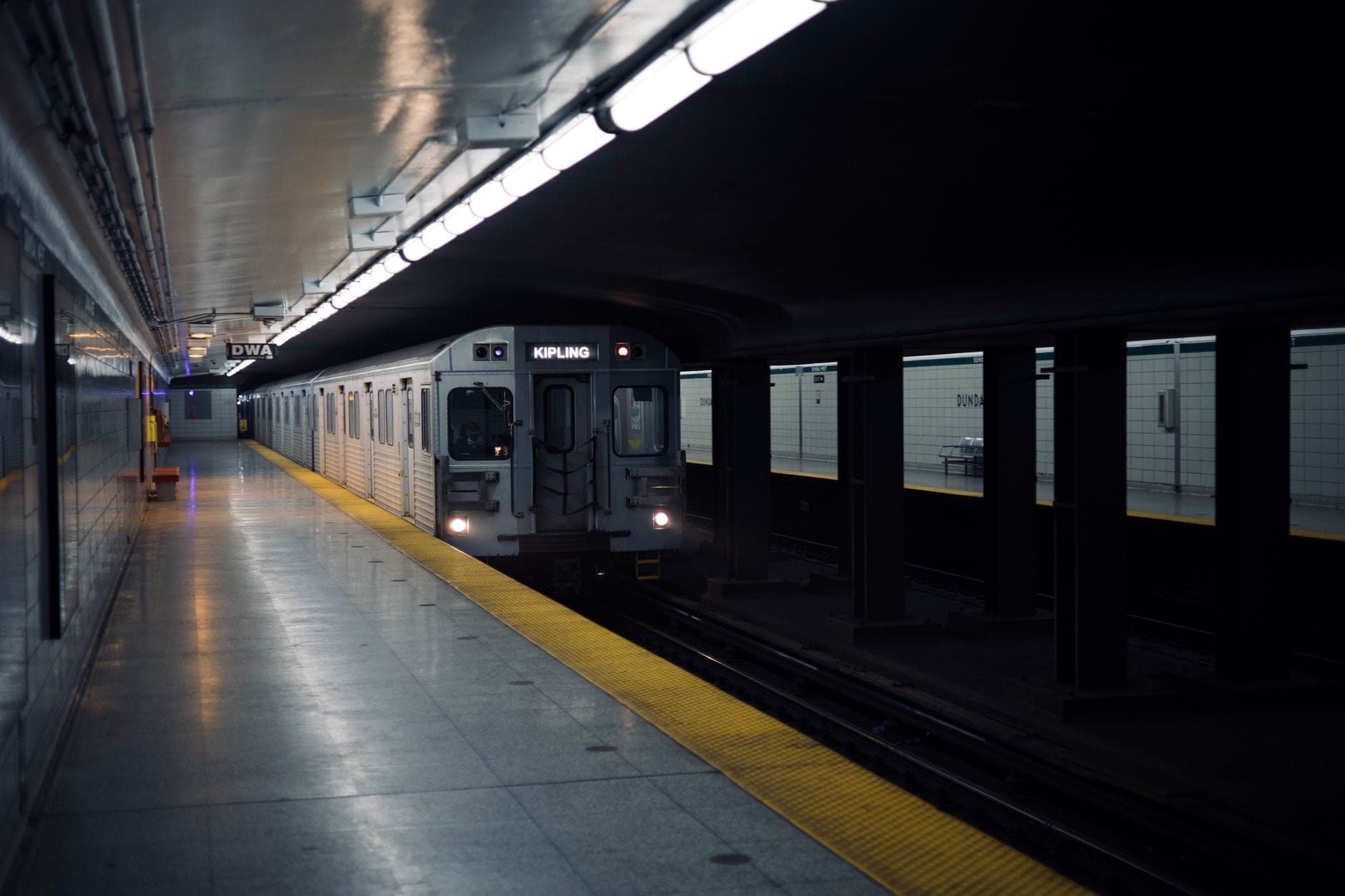
The TTC subway, streetcar, and bus network is generally safe and reliable. Most visitors use it without issues. Subway platforms and cars are monitored by cameras, and many TTC stations in the core are staffed. For detailed transit logistics, getting around Toronto covers routes, fares, and transit cards in full. The short version on safety: keep your bag in front of you during rush hour, don't leave phones sitting out on your lap, and be alert at busy transfer stations like Bloor-Yonge and Union.
Walking is a pleasure in Toronto's central neighborhoods during the day. At night, the core, the waterfront, and residential areas like The Annex and Leslieville are comfortable for pedestrians. Avoid cutting through unlit parks or deserted underpasses after midnight; this isn't Toronto-specific advice, it's standard urban common sense. Uber and Lyft both operate in the city and are widely used as late-night alternatives to transit.
⚠️ What to skip
Unregulated cabs and people offering unlicensed rides outside major venues are not worth the risk. Stick to licensed taxis from official queues or book through the Uber or Lyft apps, which provide driver identification and GPS tracking.
Seasonal Safety Considerations: Winter Is the Underrated Hazard
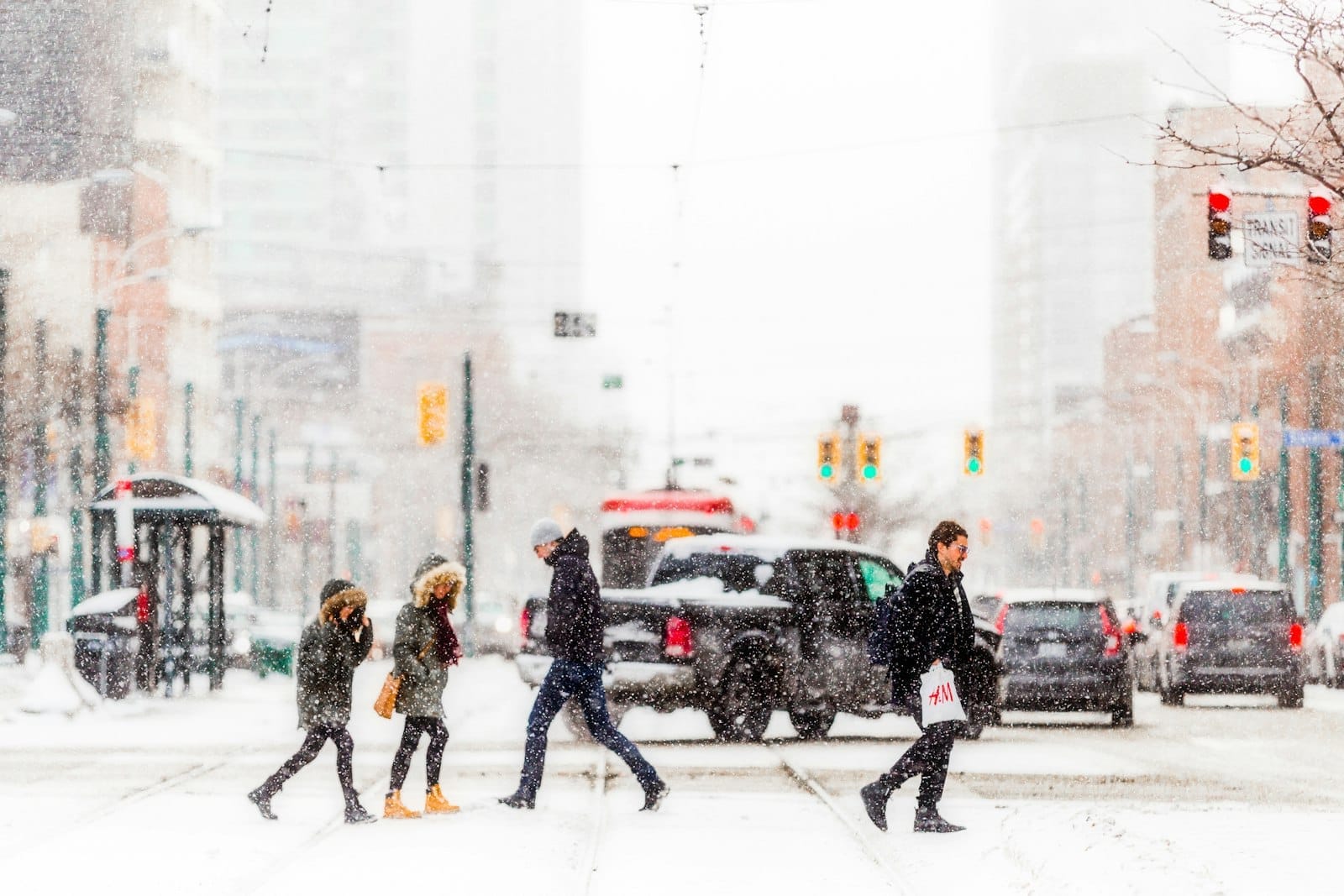
Most visitors think about crime when they think about city safety, but in Toronto the more likely cause of a disrupted or dangerous day is weather. Winter runs roughly from December through February, with January averaging around -3.7°C (25.3°F) in mean temperature, and lows that regularly dip below -10°C with wind chill making it feel considerably colder. Ice on sidewalks is a genuine slip-and-fall hazard, and Toronto's freezing rain events can make outdoor walking treacherous without proper footwear.
If you're visiting between November and March, waterproof boots with grip soles are not optional. Layers are essential since you'll move between heated indoor spaces and bitter outdoor cold throughout the day. The good news: Toronto is well-adapted to winter life. The PATH underground city provides roughly 30 km of covered walkways connecting transit, hotels, and attractions in the downtown core, making it possible to get through much of your day without braving the worst conditions.
- Winter: Pack grip-soled waterproof boots, proper insulated coat, gloves, and hat. Allow extra travel time when snow or freezing rain is forecast.
- Spring and fall: Layering is key. Temperatures can swing significantly between morning and afternoon, and rain is possible year-round.
- Summer: July and August bring high humidity. Heat warnings do occur. Stay hydrated, use sunscreen during extended outdoor time, and know that thunderstorms can develop quickly.
- All seasons: Toronto's tap water is safe to drink and meets provincial and federal standards. Bottled water is unnecessary and expensive.
Health, Emergencies, and Practical Safety Information
Canada has a publicly funded healthcare system, but it covers Canadian residents only. As a visitor, any medical treatment you receive may be billed to you directly at full cost. Hospital emergency rooms in Toronto are world-class, but an uninsured visit for anything beyond a minor issue can be extremely expensive. Comprehensive travel insurance with medical coverage is not an overabundance of caution; it's a practical necessity.
For emergencies anywhere in Canada, call 911 for police, fire, or ambulance. The Toronto Police non-emergency line is +1-416-808-2222. The city's 311 service handles non-emergency municipal inquiries and is available in more than 180 languages. If you're planning to explore Toronto as a solo traveler, save these numbers before you arrive rather than searching for them in a stressful moment.
Toronto is a majority-immigrant city with over 200 languages spoken across the city. Discrimination and harassment do occur, as in any large city, but Toronto's diversity is structural and deep-rooted, not just a marketing claim. LGBTQ+ visitors will find a city with strong legal protections and an established community centered around Church-Wellesley Village. Women traveling solo can generally navigate the city with the same awareness they'd apply anywhere. People with disabilities will find mixed experiences: newer transit infrastructure and attractions are well-equipped, but older streetcar stops and some historic buildings present challenges.
✨ Pro tip
Register your trip with your home country's foreign affairs or travel advisory service before you go. Canada's own government advises visitors from abroad to check entry requirements carefully, as visa rules and Electronic Travel Authorization (eTA) requirements vary by nationality. Confirm whether you need an eTA at the official Government of Canada website before booking flights.
FAQ
Is Toronto safe for tourists at night?
Yes, in the main visitor areas. Downtown, the waterfront, Distillery District, Yorkville, and Kensington Market are active and reasonably safe after dark with normal urban awareness. Late-night activity in the Entertainment District (King West) involves bar crowds and occasional altercations, but targeted violence against tourists is rare. Use licensed taxis or rideshare apps to get home after midnight rather than walking through deserted areas.
What are the most common crimes against tourists in Toronto?
Petty theft is the primary concern: pickpocketing in crowded transit stations and tourist areas, bag snatching, and opportunistic theft from vehicles. Car theft rates are high in Toronto generally, so don't leave valuables visible in rental cars. Violent crime against tourists is uncommon; most violent incidents involve people who know each other.
Are there areas of Toronto tourists should avoid?
There are neighborhoods with higher crime rates, including parts of Regent Park, some sections of the northwest and northeast city, and certain stretches away from the downtown core. However, most visitors won't accidentally end up in these areas. Attractions like the Scarborough Bluffs or Rouge National Urban Park are in eastern districts with higher aggregate crime but the sites themselves are safe. Use common sense rather than blanket avoidance.
Is Toronto safe for solo female travelers?
Generally yes. Toronto ranks favorably in global safety comparisons and has strong legal protections against harassment and discrimination. Normal urban precautions apply: be aware of your surroundings at night, stick to lit and populated streets, and use rideshare apps for late-night travel. The city's busy streets and reliable transit network mean you're rarely isolated in central areas.
Do I need travel insurance for Toronto?
Yes, strongly recommended. Canada's publicly funded healthcare covers residents, not visitors. Medical treatment as a tourist will be billed at full cost, and hospital care in Canada is expensive for the uninsured. Ensure your travel insurance includes comprehensive medical coverage, ideally with emergency evacuation. Check that your policy covers any planned activities like skiing on day trips or water sports.
Tickets & tours
Live prices and dates from our booking partner. If you book, we may earn a commission at no extra cost to you.
Planning a trip? Discover personalized activities with the Nomado app.