Solo Travel in Toronto: The Definitive Guide to Tips, Safety & Best Experiences
Toronto is one of North America's most practical cities for solo travel, with an extensive transit network, walkable districts, and a concentration of world-class attractions in the downtown core. This guide covers everything from airport arrivals and neighbourhood logistics to safety realities and the best solo-friendly experiences across Canada's largest city.
Tickets & tours
Live prices and dates from our booking partner. If you book, we may earn a commission at no extra cost to you.
TL;DR
- Toronto is Canada's most populous city (2.79 million residents (2021 census)) and sits on the northwestern shore of Lake Ontario in Ontario province, operating on Eastern Time (EST/EDT).
- The TTC subway, streetcar, and bus network covers the entire city; the UP Express train connects Toronto Pearson Airport (YYZ) to Union Station in about 25 minutes. See our full getting around Toronto guide for route details.
- Solo travel in Toronto is generally safe, but the city is large and varied: routine situational awareness matters, especially on late-night transit and in less-trafficked areas after dark.
- The best months for solo visitors are May to June and September to October, when temperatures are mild and outdoor events peak. Read more in our best time to visit Toronto guide.
- Tap water is safe to drink, tipping 15-20% is standard practice, and electricity runs at 120V/60Hz with Type A and B plugs — no adaptor needed for North American devices.
Why Toronto Works Well for Solo Travelers
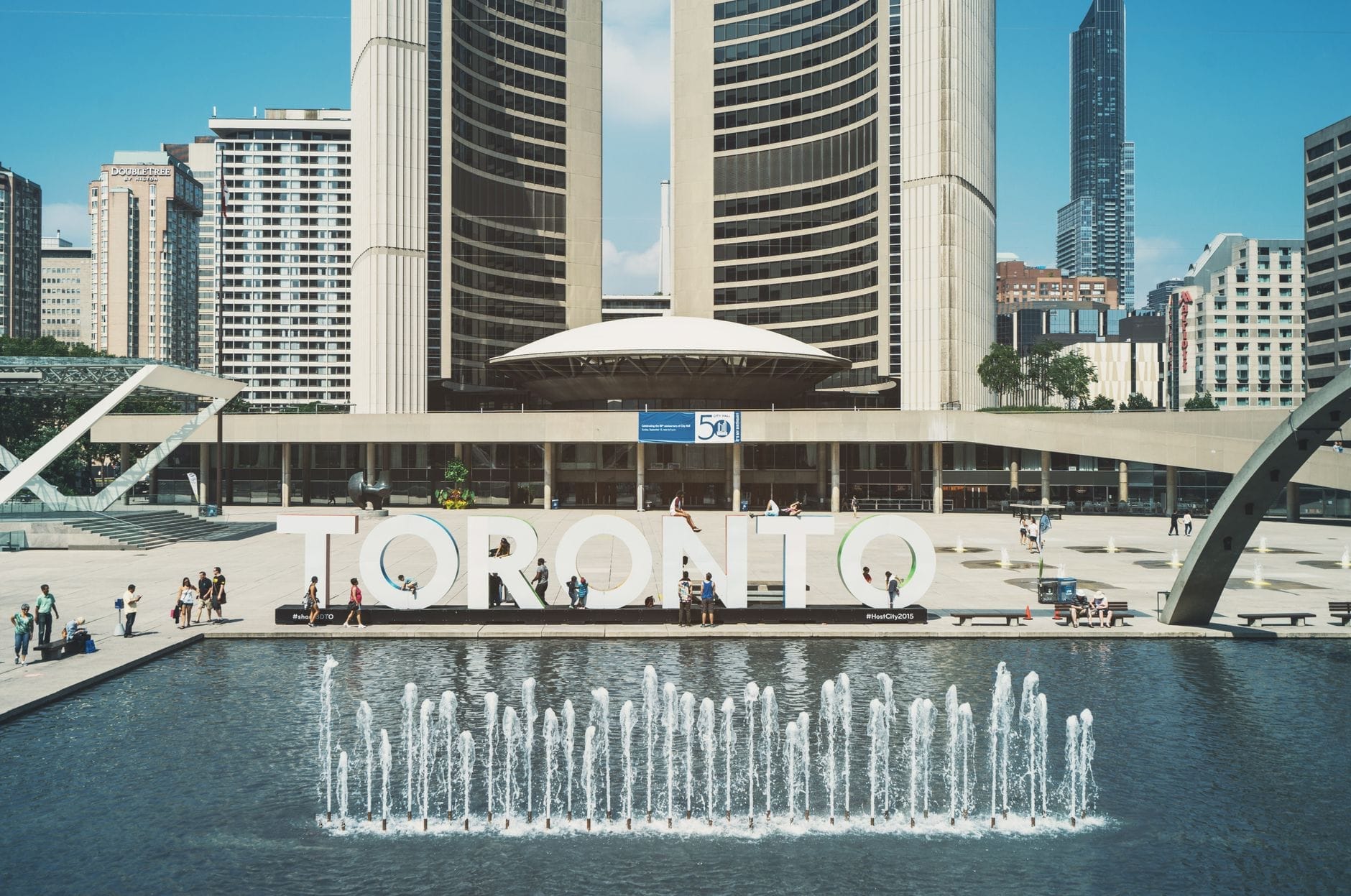
Toronto is Canada's largest city, with a metropolitan population exceeding 6 million people. That scale translates into something genuinely useful for solo travelers: density. The downtown core packs major museums, waterfront parks, diverse food neighbourhoods, and transit hubs into a walkable area. You rarely need to plan elaborate logistics to move between compelling experiences in a single day.
The city's residents speak more than 180 languages and dialects, according to the City of Toronto, and the 2021 Canadian Census recorded Cantonese, Mandarin, Punjabi, Tagalog, Italian, Tamil, and dozens of other languages as widely spoken mother tongues alongside English. For solo travelers, this translates into genuine neighbourhood diversity: Kensington Market, Greektown on the Danforth, and Koreatown each function as distinct cultural environments worth a half-day visit on their own.
One thing solo travelers should understand upfront: Toronto is not a single-neighbourhood city and not everything is conveniently close. The city covers about 630 square kilometres. Scarborough, Etobicoke, and North York are large districts that require subway or bus time to reach from the core. Budget your time honestly and anchor yourself somewhere with good transit access.
ℹ️ Good to know
Canada has two official languages (English and French), but Toronto city government operates in English and the TTC publishes all rider information in English. Language barriers are rarely an issue for English-speaking solo travelers in any part of the city.
Getting to Toronto and Into the City
Toronto is served by two airports. Toronto Pearson International (YYZ) handles the vast majority of international and domestic flights and sits about 22 to 25 kilometres from downtown in the city of Mississauga. Billy Bishop Toronto City Airport (YTZ) is about 2 kilometres from downtown on the Toronto Islands, served primarily by Porter Airlines and Air Canada regional routes to Canadian and select US destinations.
From Pearson, the fastest option for solo travelers is the UP Express train: it runs every 15 minutes, takes approximately 25 minutes to Union Station, and drops you directly into the heart of the transit network. Current adult fares are posted on the UP Express website and change periodically, so verify before you travel. The TTC 900 Airport Express bus is a slower but cheaper alternative that connects to the Kipling subway station on Line 2 (Bloor–Danforth). Taxis run on metered fares or posted flat rates to downtown; ride-hailing apps including Uber and Lyft have designated pick-up zones at the terminal.
From Billy Bishop, a pedestrian tunnel connects the island terminal to the mainland. A complimentary shuttle bus runs to the Union Station area. TTC streetcars on Bathurst Street are also accessible from the mainland entrance. For most solo travelers arriving at YTZ, you can be in the downtown core within about 25 to 30 minutes of landing.
💡 Local tip
Load a PRESTO card before leaving the UP Express station at Union. PRESTO works across TTC subways, streetcars, and buses, plus GO Transit trains — you will not need to carry change or buy individual tickets for the rest of your trip.
Navigating Toronto on Your Own
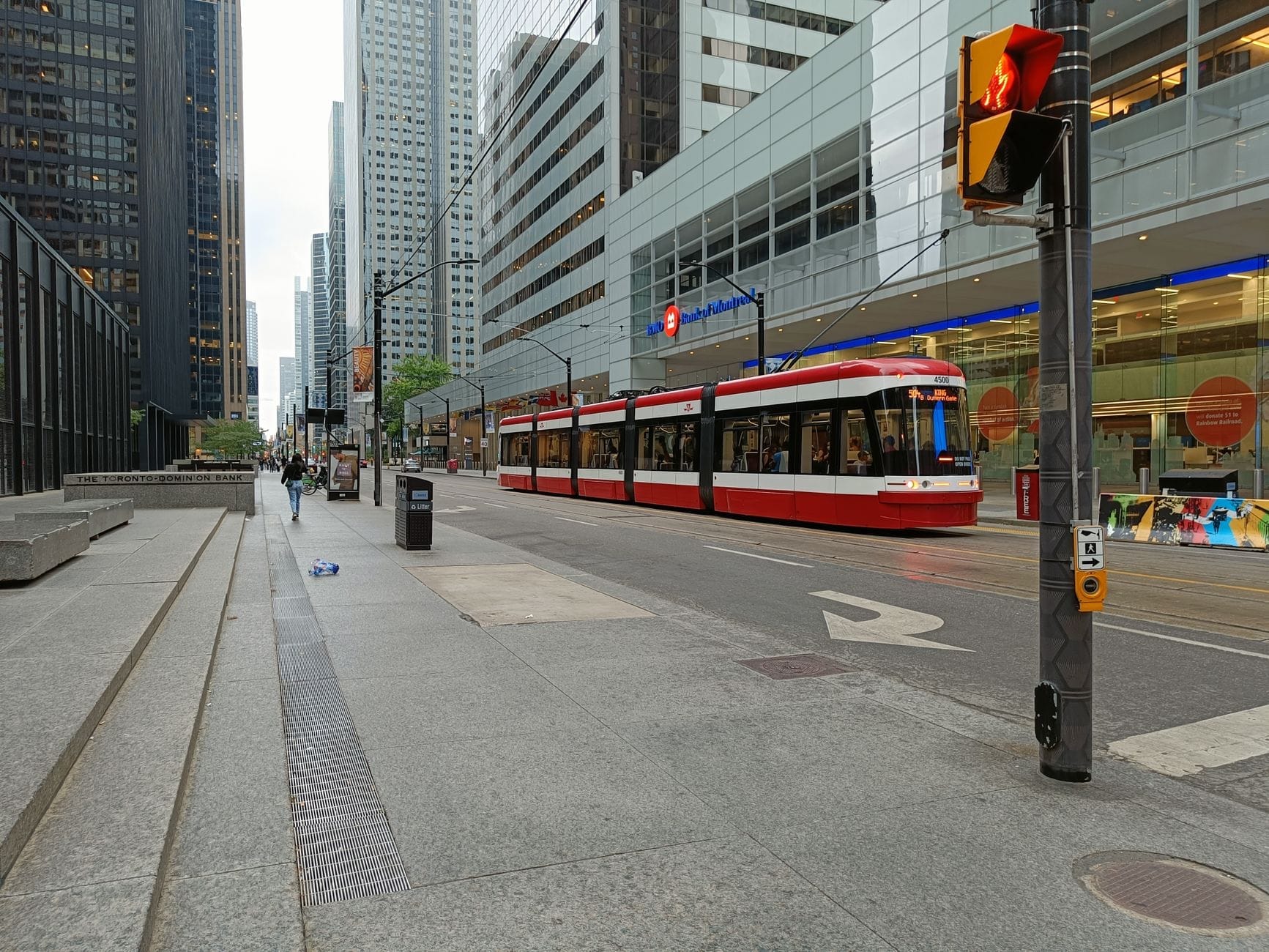
The Toronto Transit Commission (TTC) runs four subway and rapid transit lines (Lines 1, 2, 3, and 4), though Line 3 Scarborough is bus-replaced and permanently closed as rail service, an extensive streetcar network in the core, and city-wide bus routes. For solo travelers focused on downtown, the waterfront, and inner neighbourhoods, the subway and streetcar network covers nearly everything. Check the TTC website for current fares and service alerts before any journey. Our complete guide to getting around Toronto breaks down every option in detail.
- Subway (Lines 1 and 2) The backbone of solo travel in the city. Line 1 runs north-south through downtown and up to York University; Line 2 runs east-west from Kipling to Kennedy. Most major attractions cluster within a few minutes' walk of a subway stop.
- Streetcars Serve dense inner-city corridors including King Street, Queen Street, Spadina Avenue, and the waterfront. Slower than the subway but useful for neighbourhood-level travel. Require PRESTO or correct cash fare.
- GO Transit Regional commuter rail and bus network operating from Union Station. Useful for day trips to Hamilton, Niagara, or other GTA destinations. Separate fare system from TTC.
- Bike Share Toronto Electric and regular dock-based bikes available across the inner city. Practical for short hops along the waterfront trail or between neighbourhoods on a clear day.
- Ride-hailing Uber and Lyft operate legally under City of Toronto Private Transportation Company licensing. Useful late at night or for routes poorly served by transit, but surge pricing applies during events and bad weather.
Worth knowing: the PATH underground city connects over 30 kilometres of pedestrian tunnels beneath downtown, linking Union Station to the Financial District and beyond. In January or February, when temperatures regularly drop below -10°C, this is not a minor perk — it is genuinely useful infrastructure for moving between meetings, hotels, or transit hubs without facing the cold.
Safety in Toronto: Honest Assessment
Toronto is a large, generally safe North American city. Petty theft, opportunistic pickpocketing in crowded areas, and occasional street-level incidents occur as they do in any metropolitan area of this size. Toronto Police Service publishes open crime data online, and Statistics Canada crime severity indices consistently place Toronto in a moderate range compared to other major Canadian cities. Avoid citing rankings without checking current data.
The areas where solo travelers should apply more situational awareness at night include certain stretches of Yonge Street south of Dundas, parts of Regent Park outside its redeveloped core, and some blocks in the east end near Pape and Danforth after late-night bar closings. None of these are genuinely dangerous no-go zones, but they are not the same as wandering through the Distillery District at 10pm, which feels essentially like a pedestrian shopping street.
Late-night TTC travel is worth addressing honestly. The subway runs until around 1:30am on most nights (last trains typically depart downtown around 1:30am, with exact times varying by line and station), after which overnight bus routes (the Blue Night Network) take over. These routes run but are infrequent, and some solo travelers prefer ride-hailing after midnight for comfort rather than necessity. The TTC publishes live service alerts and accessibility status for every station — check these before travel if you have mobility requirements or are navigating unfamiliar routes.
⚠️ What to skip
The Toronto Islands ferry service is seasonal and weather-sensitive. Ferry operations can be suspended due to wind or ice, and island amenities are significantly reduced outside of summer. Always check the City of Toronto ferry page for current schedules and closures before making the trip.
- Emergency services: dial 911 for police, fire, or ambulance across Canada
- Non-emergency city services: dial 311 within Toronto, available in over 180 languages
- Canada country dialling code: +1; Toronto area codes are 416, 647, and 437
- Keep digital or physical copies of travel documents separate from your originals
- TTC's official app and Google Maps both show real-time arrivals and route changes
Best Neighbourhoods and Experiences for Solo Travelers
The downtown core anchored by downtown Toronto and the Financial District gives solo travelers the best transit connectivity and the highest density of paid and free attractions. From Union Station, you can walk to the St. Lawrence Market in under 10 minutes, reach the waterfront in 15, and be at the Art Gallery of Ontario in 20.
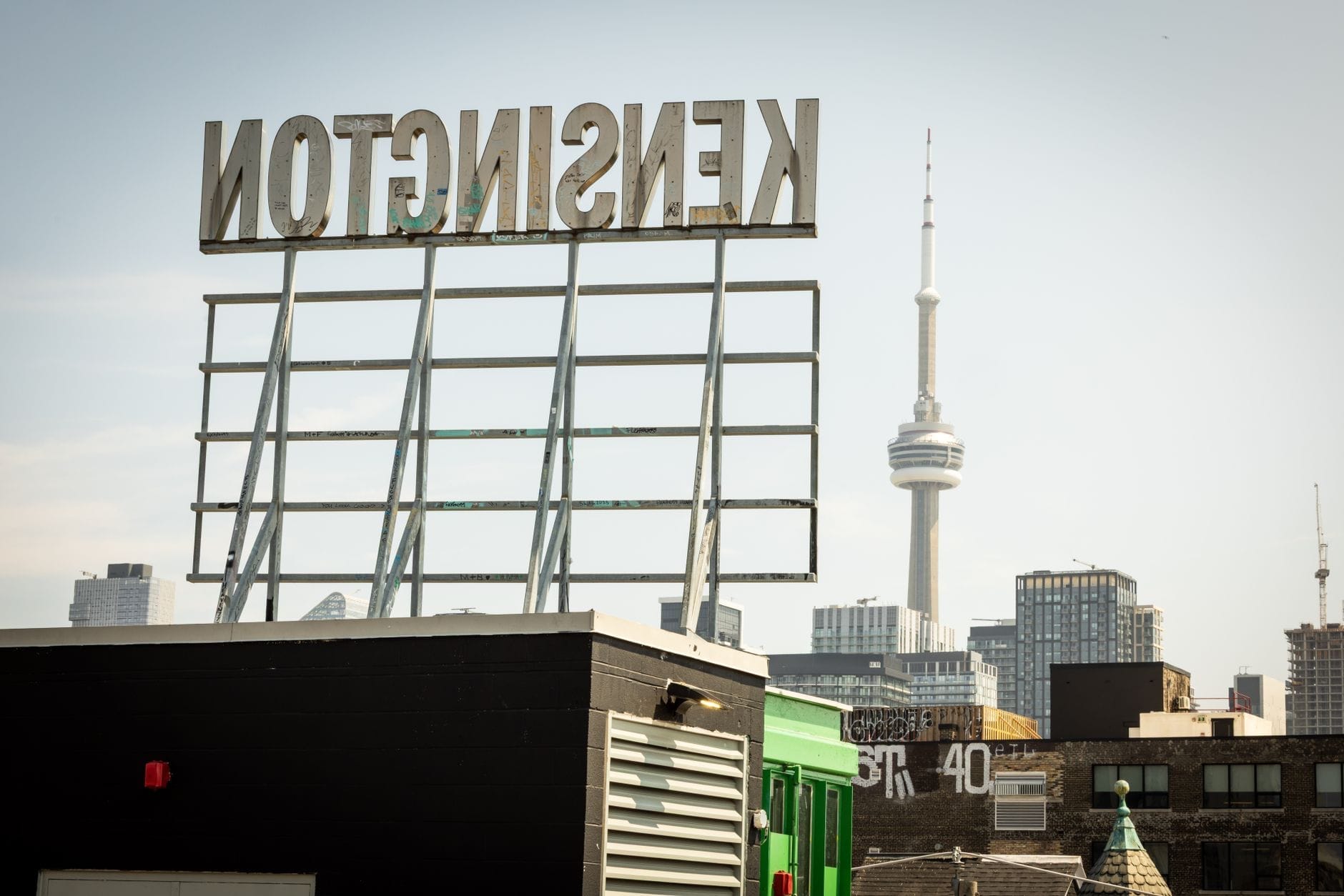
For solo travelers who want neighbourhood character rather than landmark tourism, Kensington Market and Queen Street West offer the highest concentration of independent cafes, vintage shops, and street-level activity for self-directed wandering. Both are walkable from each other and from the subway. The Distillery Historic District is a well-preserved Victorian industrial complex east of downtown, better suited to daytime visits when the shops and cafes are open — it feels quieter than its reputation suggests on weekday mornings.
The Toronto waterfront is one of the best solo itinerary anchors in the city. The Martin Goodman Trail runs along the lake for kilometres in both directions, the Harbourfront Centre hosts free programming in summer, and ferry access to the Toronto Islands departs from the foot of Bay Street. On a clear summer day, the islands offer beaches, cycling, and skyline views that feel genuinely removed from the city.
Practical Details: Money, Weather, and Daily Logistics
Canada uses the Canadian dollar (CAD). Credit and debit cards are accepted almost universally in Toronto, including on TTC via PRESTO tap and at most street-level vendors. Contactless payment is standard. ATMs are widely available but check your bank's foreign transaction fees before withdrawing cash.
Toronto's climate is humid continental. Winters are genuinely cold: January average temperatures sit around -3.7°C, with periods well below -10°C possible. Summers are warm and humid, with July averaging about 22°C and peak heat occasionally exceeding 32°C. Spring and fall are the most comfortable windows for solo travelers covering the city on foot. The city receives about 834mm of precipitation annually spread across all seasons — snow in winter, thunderstorms in summer. Pack layers in spring and fall; pack a serious coat in winter.
- Tipping: 15-20% on the pre-tax bill is standard in restaurants and cafes; large groups may face automatic gratuity
- Electricity: 120V, 60Hz; Type A and B plugs (same as the US) — no adaptor needed for North American devices
- Tap water: declared safe to drink by the City of Toronto and meets provincial and federal standards
- Drinking age: 19 in Ontario; valid government photo ID is required at bars, clubs, and liquor stores
- Visa requirements: governed by federal Canadian immigration law — check the Government of Canada's official visa tool for your nationality before booking
✨ Pro tip
Toronto's free attractions are genuinely good and not a consolation prize for budget travelers. Nathan Phillips Square, the Evergreen Brick Works, High Park, and the waterfront trail cost nothing to visit. The Royal Ontario Museum and Art Gallery of Ontario offer reduced or free admission on certain days or evenings, often including midweek times such as Wednesday; check current details. Check each institution's current schedule since free hours change seasonally.
FAQ
Is Toronto safe for solo female travelers?
Toronto is generally considered safe for solo female travelers by the standards of major North American cities. The downtown core, transit network, and most tourist districts are well-lit and active. Standard urban precautions apply at night: stick to populated streets, use the TTC's Passenger Assist System (request stops between official stops on buses after 9pm), and share your location with someone at home. Toronto Police Service publishes neighbourhood-level crime data online if you want to assess specific areas.
What is the best area to stay in Toronto for solo travelers?
For first-time solo visitors, the downtown core around Union Station, King West, or the St. Lawrence Market area gives the best access to transit, food, and walkable attractions. Yorkville works well if you want quieter streets with upscale amenities. Kensington Market and Queen West suit travelers who prioritise neighbourhood character over transit convenience, though both are still within walking distance of subway stations.
How much does it cost to get from Toronto Pearson Airport to downtown?
The UP Express train is the most straightforward option, running approximately every 15 minutes to Union Station in about 25 minutes. Current fares are published on the UP Express website and change periodically. Taxis operate on metered rates or posted flat fares to downtown; ride-hailing apps (Uber, Lyft) have designated pick-up zones and pricing varies by demand. The TTC 900 Airport Express bus is the budget option connecting to Kipling subway station.
Do I need a visa to visit Toronto?
Entry requirements are set by the Government of Canada, not the City of Toronto. Many nationalities (including most EU countries, the UK, Australia, Japan, and South Korea) can visit Canada visa-free for short stays but require an Electronic Travel Authorization (eTA) when arriving by air. Some nationalities require a Temporary Resident Visa in advance. Use the official Government of Canada visa requirement tool at cic.gc.ca to check your specific situation before booking flights.
What is the best time of year to visit Toronto solo?
May to June and September to October offer the best balance of mild temperatures, outdoor accessibility, and cultural programming without the peak summer crowds of July and August. Winter is a real consideration: January temperatures averaging below -4°C require serious cold-weather preparation, though the PATH underground system and excellent indoor attractions make the city workable year-round. Summer film events, the Toronto Caribbean Carnival (Caribana), and waterfront festivals make July and August worth considering despite the heat and crowds.
Tickets & tours
Live prices and dates from our booking partner. If you book, we may earn a commission at no extra cost to you.
Planning a trip? Discover personalized activities with the Nomado app.