Toronto Caribbean Carnival (Caribana): The Complete Guide
Toronto Caribbean Carnival, still widely known as Caribana, draws over a million visitors to the city each summer for more than a week of soca music, steelpan competitions, costumed masquerade, and street food. This guide covers everything: dates, the Grand Parade route, ticket prices, what to skip, and how to plan your visit like someone who has been before.
Tickets & tours
Live prices and dates from our booking partner. If you book, we may earn a commission at no extra cost to you.
TL;DR
- Toronto Caribbean Carnival runs late July to early August each year; in 2026, the official window is July 30 to August 3, 2026.
- The Grand Parade is the centerpiece, held on the first Saturday of August along Lakeshore Boulevard, ending at Exhibition Place.
- Street viewing of the parade is free; paid grandstand seating and Exhibition Place access costs roughly C$25–C$45. See how to stretch your budget in Toronto if you're watching the pennies.
- The festival is not just a parade — steelpan competitions, fetes, mas band launches, and food events run for several weeks before and during the main weekend.
- "Caribana" is the enduring nickname, but the official brand is Toronto Caribbean Carnival. Plan your accommodation early — the city fills up fast. Check where to stay in Toronto for neighbourhood-by-neighbourhood options.
What Is Toronto Caribbean Carnival?
Toronto Caribbean Carnival is the largest Caribbean carnival in North America by attendance, drawing well over a million people to the city over the festival period. It was founded in 1967 by Caribbean immigrants in Toronto, initially as a one-day cultural celebration coinciding with Canada's centennial year. Over five decades, it grew into a multi-week festival that now anchors the city's summer calendar and generates hundreds of millions of dollars in economic activity for the region.
The name "Caribana" stuck because it was the original branding used for decades. The festival was rebranded as Toronto Caribbean Carnival, but the old name still dominates casual conversation, social media, and tourism searches. Both names refer to the same event, run by the Festival Management Committee (FMC), the not-for-profit organization that has managed the carnival since 2006.
The festival celebrates Caribbean heritage from across the diaspora, with strong roots in Trinidad and Tobago's carnival tradition: costumed mas bands, soca and calypso music, and steelpan performances. It sits alongside Toronto's broader multicultural identity, a city where over 200 languages are spoken and Caribbean communities have been central to the cultural fabric since the mid-twentieth century.
Dates, Schedule, and Key Events
The carnival does not condense into a single weekend. Programming stretches across several weeks in July and August, with the most intensive activity concentrated in the final four to five days. For 2026, the official carnival window runs Thursday, July 30 through Monday, August 3, 2026. The Grand Parade is anchored to the first Saturday of August, which in 2026 falls on August 1.
- Junior Carnival A children's parade typically held the week before the Grand Parade, showcasing youth mas bands in full costume along a separate, shorter route. Entry is generally free to watch.
- King and Queen Showcase Mas band designers present their most elaborate King and Queen costumes in a dedicated competition. These costumes are separate from the parade bands and represent some of the most intricate work in the entire festival.
- Keeping Pan Alive (Steelpan Competition) Held at Lamport Stadium on the Friday before the Grand Parade, this is one of the most culturally significant events of the entire festival. Steelpan orchestras compete across categories. Tickets are separate from the parade.
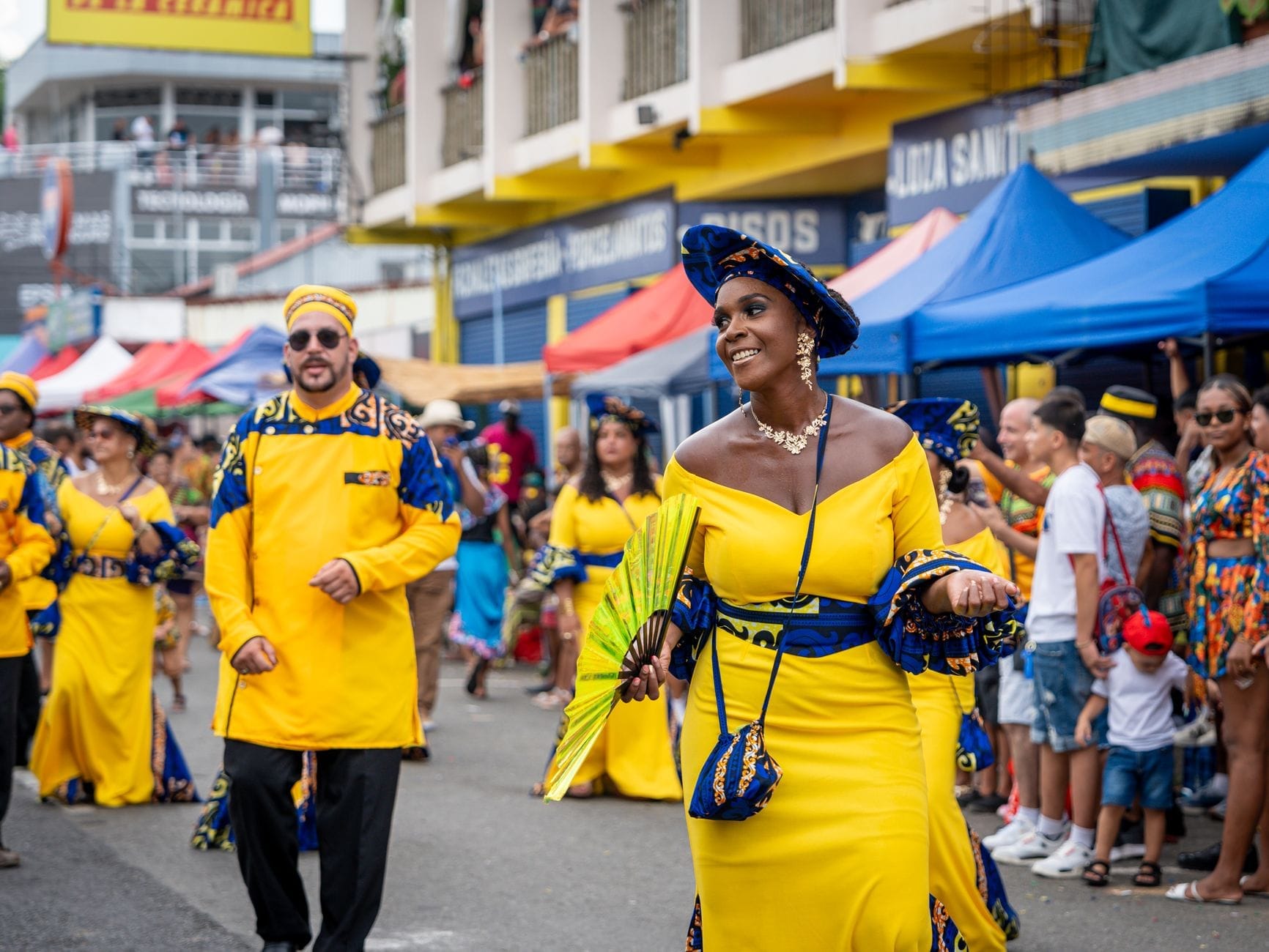
- The Grand Parade The centerpiece. Mas bands in elaborate costumes move along Lakeshore Boulevard West, ending at Exhibition Place. Expect several hours of continuous music trucks, steel pan, and costumed performers.
- Panorama A steelpan competition distinct from Keeping Pan Alive, sometimes held earlier in the festival season. Check the official site each year for exact scheduling.
- Fetes and Parties Dozens of independent fetes (parties) run throughout the carnival weeks at venues across Toronto. These are ticketed private events hosted by promoters and mas bands, not part of the official FMC schedule.
ℹ️ Good to know
The full festival calendar, including smaller events like mas band launches and costume reveals, typically runs from mid-July onward. Check caribanatoronto.com for the complete annual program once it is published, usually by late spring.
The Grand Parade: Route, Viewing, and Tickets
The Grand Parade is what most people picture when they think of Caribana. Mas bands — sometimes numbering in the thousands of costumed participants per band — move along Lakeshore Boulevard West from around Dufferin Street toward Exhibition Place. The route runs roughly 3 kilometres and takes the better part of a day to complete, with the first bands stepping off in the morning and the last crossing the finish line in late afternoon.
Viewing along the public sections of Lakeshore Boulevard is free. You can stake out a spot on the sidewalk or grassy areas along the route and watch the parade pass without spending anything. The closer you get to Exhibition Place and the judging stands, the more paid access comes into play. Exhibition Place hosts the post-parade celebrations and designated grandstand seating, which requires a ticket. Based on available pricing data, these tickets have ranged from approximately C$25 to C$45 at the gate, though prices can vary by year and ticket tier. Check the official site for current pricing before purchasing.
💡 Local tip
Arrive early for free street viewing. Lakeshore Boulevard fills up fast, and the best unobstructed sightlines along the free sections go to those who arrive two or more hours before the first band steps off. Bring a folding chair, sunscreen, and water — you will be standing or sitting in direct sun for several hours.
Transit is the practical choice on parade day. The TTC runs additional service on the Lakeshore corridor, and the Exhibition Place GO station provides regional access. Driving to the lakeshore and parking nearby is extremely difficult on parade day, and road closures along the route begin early in the morning. Plan your exit strategy in advance: the post-parade crowds at Exhibition Place take time to disperse.
⚠️ What to skip
Do not count on ride-hailing apps for a quick exit after the parade ends. Surge pricing is substantial and wait times can stretch to 30–60 minutes or more. Use the TTC or GO Transit, and factor in a longer-than-usual journey home.
Playing Mas: Joining a Band as a Participant
Watching the parade is one thing. Playing mas, which means marching in the parade as a costumed participant inside a band, is a different experience entirely. Mas bands sell costume registrations, called sections, that include the costume itself, sometimes food and drink on the route, and access to the band's music truck. Registrations for popular bands open months in advance, often in the fall or winter before the summer festival, and the most sought-after sections sell out quickly.
Costume costs vary significantly by band and section. Entry-level sections with simpler costumes typically start around C$350–C$450. Premium sections with elaborate beaded and feathered costumes, plus additional band amenities, can run C$650 and above. These figures are approximate and shift year to year. The official carnival website lists registered mas bands, which is the best starting point for finding a legitimate costume registration.
- Register directly through the official mas band, not through third-party resellers.
- Costume fittings typically happen at the band's mas camp in the weeks before the parade.
- Wear comfortable, broken-in shoes. You will walk several kilometres in costume.
- Most bands provide wristbands that serve as your parade identification — keep it on.
- Hydration stations are available within bands, but bring a personal water bottle as backup.
Food, Music, and the Broader Festival Experience
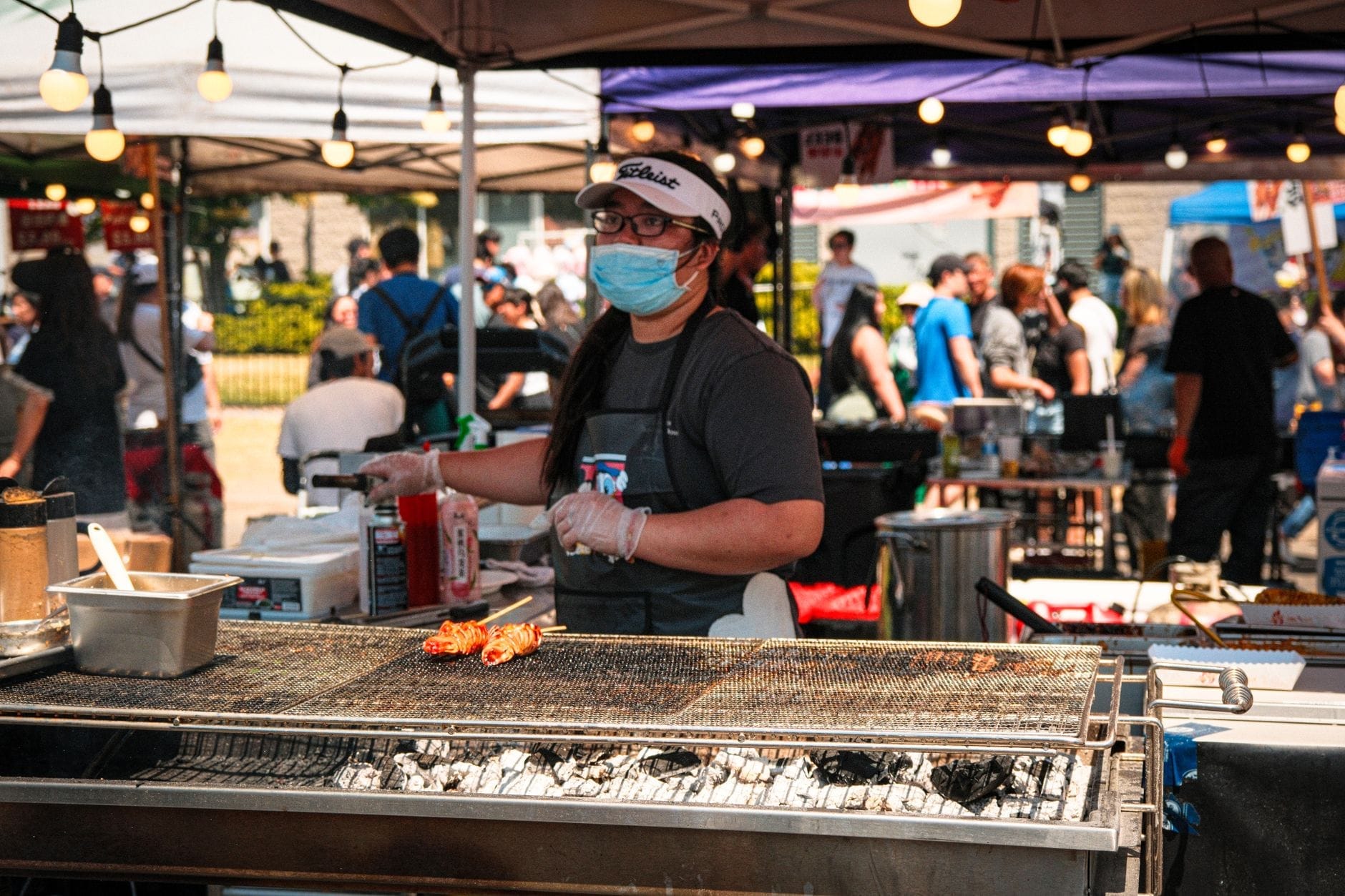
Caribbean food is woven through every event. Along the parade route and inside Exhibition Place, vendors sell jerk chicken, roti, doubles, oxtail, fried plantain, and festival (sweet fried dough). The quality and pricing vary by vendor, so it pays to walk the stalls before committing. If you want a more curated introduction to Caribbean food in Toronto outside the festival, Toronto's food guide covers the city's best spots year-round.
Soca dominates the music trucks during the parade, with calypso and dancehall also represented depending on the band. The steelpan events are the place to hear traditional pan music in a competitive, high-energy setting. Keeping Pan Alive at Lamport Stadium is genuinely worth attending if you have any interest in Caribbean music history — the orchestras that compete represent decades of tradition and the performances are impressive.
Beyond the official schedule, the carnival weeks bring a wave of independent parties and concerts to venues across the city. The entertainment district and waterfront venues are particularly active. Toronto's nightlife scene shifts noticeably during carnival, with Caribbean artists headlining events that would not normally land in Toronto. Check local promoter listings on social media, as these events are rarely advertised through traditional tourism channels.
Practical Planning: Getting There, Staying, and What to Bring
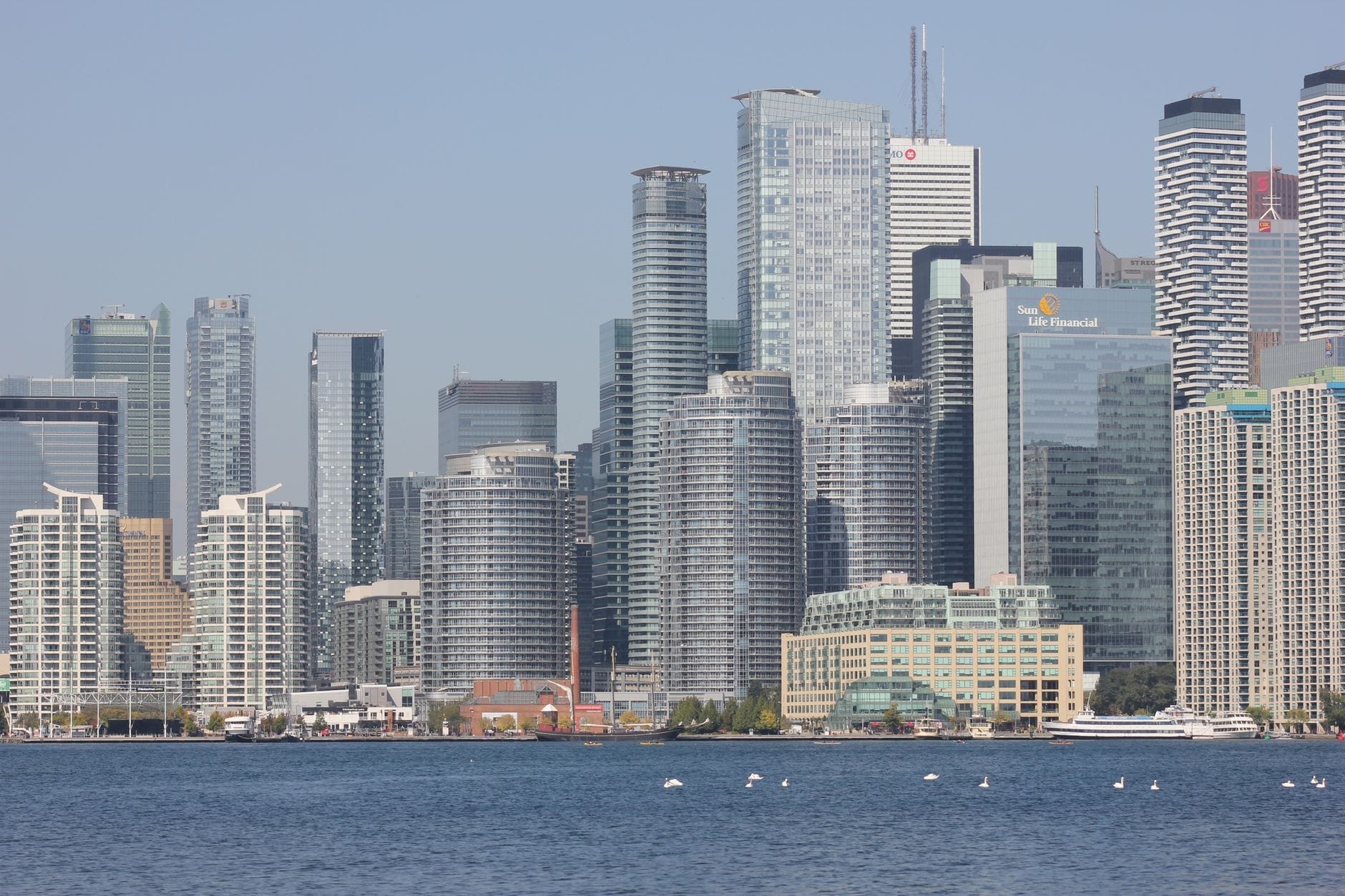
Toronto Caribbean Carnival weekend is one of the busiest hotel periods in the city. Book accommodation at least two to three months in advance, ideally earlier. Hotels near the waterfront and downtown core fill first. Neighbourhoods like downtown Toronto and the waterfront put you within easy reach of both the parade route and the post-parade events at Exhibition Place.
The festival runs during the hottest period of Toronto's summer. Daytime temperatures in late July and early August regularly reach 28–33°C, with humidity making it feel warmer. Thunderstorms are possible in the afternoon. The parade does not typically get cancelled for weather, but conditions can be intense. Dress accordingly: light, breathable fabrics, a wide-brim hat, and sunscreen with high SPF are not optional.
- Pack a refillable water bottle — hydration is the most commonly underestimated need on parade day.
- Wear closed-toe shoes if you are standing along the route for extended periods; open sandals lead to sore feet on pavement.
- Bring cash for vendors; card readers are not universal at outdoor stalls.
- Download the TTC app or Google Maps with offline maps before parade day — signal can be slow in large crowds.
- Portable phone chargers are worth carrying; a full day outdoors drains batteries quickly.
- If you are sensitive to loud music, consider ear protection — the music trucks run at high volume for hours.
✨ Pro tip
The stretch of Lakeshore Boulevard between Strachan Avenue and the Exhibition Place gates is the best free-viewing zone for seeing bands at their most polished. Bands have settled into their formations by this point and are approaching the judges' stands, so the energy and presentation are at their peak.
Common Mistakes and Honest Caveats
The Grand Parade is a long event. If you arrive expecting a tight, two-hour spectacle, you will be surprised. The parade unfolds over six to eight hours, with gaps between bands and varying energy levels throughout. Some first-time visitors arrive mid-morning expecting peak action and find themselves waiting. Others arrive late and miss the largest bands entirely. Check the official schedule for approximate step-off times and plan accordingly.
The free street viewing experience is genuinely good, but the areas immediately in front of paid grandstands can feel restricted. If budget is a concern, the free sections along the earlier part of the route offer unobstructed views without the need to purchase anything. Do not feel pressured into buying a ticket simply because paid seating exists.
Toronto Caribbean Carnival is not the only major summer event on the city calendar. If you are planning a broader summer trip, check the complete Toronto summer guide and the Toronto International Film Festival guide to understand how the season stacks up. TIFF runs in September, so overlap with Caribana is not an issue, but summer weekends in Toronto book up fast across multiple festivals.
Petty theft in large crowds is a reality at any major outdoor festival. Keep phones in front pockets, leave expensive jewelry at home, and use a crossbody bag rather than a backpack if you are carrying valuables. The event itself has a security presence, but common-sense crowd awareness is the most effective protection.
FAQ
Is Toronto Caribbean Carnival (Caribana) free to attend?
Partially. Watching the Grand Parade from public areas along Lakeshore Boulevard is free. Paid tickets are required for grandstand seating and access inside Exhibition Place for the post-parade events, typically in the C$25–C$45 range based on historical pricing. Many other events during the festival weeks, including some steelpan competitions and fetes, require separate tickets.
When is Toronto Caribbean Carnival in 2026?
The official 2026 carnival window is July 30 to August 3, 2026, with the Grand Parade scheduled for Saturday, August 1. The broader festival calendar, including pre-carnival events, typically begins in mid-July. Always confirm dates at caribanatoronto.com, as scheduling details can be updated.
What is the difference between Caribana and Toronto Caribbean Carnival?
They refer to the same festival. "Caribana" was the original name used from 1967 onward and remains the dominant term in everyday use. The official brand was changed to Toronto Caribbean Carnival, but both names are widely used and recognized.
How do I join a mas band and march in the parade?
You register directly with a mas band and purchase a costume section. Registrations typically open months before the summer festival, sometimes as early as the previous fall. Check the official Toronto Caribbean Carnival website for a list of registered bands, then contact bands directly through their own websites or social media to register. Costume prices generally range from around C$350 for simpler sections to C$650 or more for premium offerings with elaborate costumes and band amenities.
What is the best way to get to the parade route?
Public transit is the most reliable option. The TTC runs increased service along the waterfront corridor on parade day, and the Exhibition GO station provides regional rail access. Driving is strongly discouraged: road closures along Lakeshore Boulevard begin early in the morning and parking near the route is extremely limited. Ride-hailing apps are prone to significant surge pricing and long wait times, especially immediately after the parade ends.
Tickets & tours
Live prices and dates from our booking partner. If you book, we may earn a commission at no extra cost to you.
Planning a trip? Discover personalized activities with the Nomado app.