Toronto Nightlife: The Definitive Guide to Bars, Clubs & Live Music
Toronto nightlife runs deeper than most visitors expect. From the dense bar corridor along King West to indie live music rooms on Queen West and all-night clubs in the Entertainment District, this guide breaks down where to go, what to spend, and how to plan your night like a local.
Tickets & tours
Live prices and dates from our booking partner. If you book, we may earn a commission at no extra cost to you.
TL;DR
- Toronto nightlife is concentrated along King West, Queen West, and the Entertainment District, with strong secondary scenes in Kensington Market, Little Italy, and along Dundas West.
- Legal drinking age in Ontario is 19; last call is 2:00 a.m. at most venues, with a small number of special 4:00 a.m. licences available for specific events.
- Peak nights are Thursday through Saturday; plan to arrive at bars around 9-11 p.m. and clubs after 11 p.m. for the full experience.
- Budget roughly CAD 80-150 per person for a full night including dinner, drinks, and cover. See our Toronto on a budget guide for ways to cut that figure down.
- Rooftop bars and large patios dominate late spring through early fall; in winter the scene moves indoors but stays busy year-round.
Understanding Toronto's Nightlife Geography
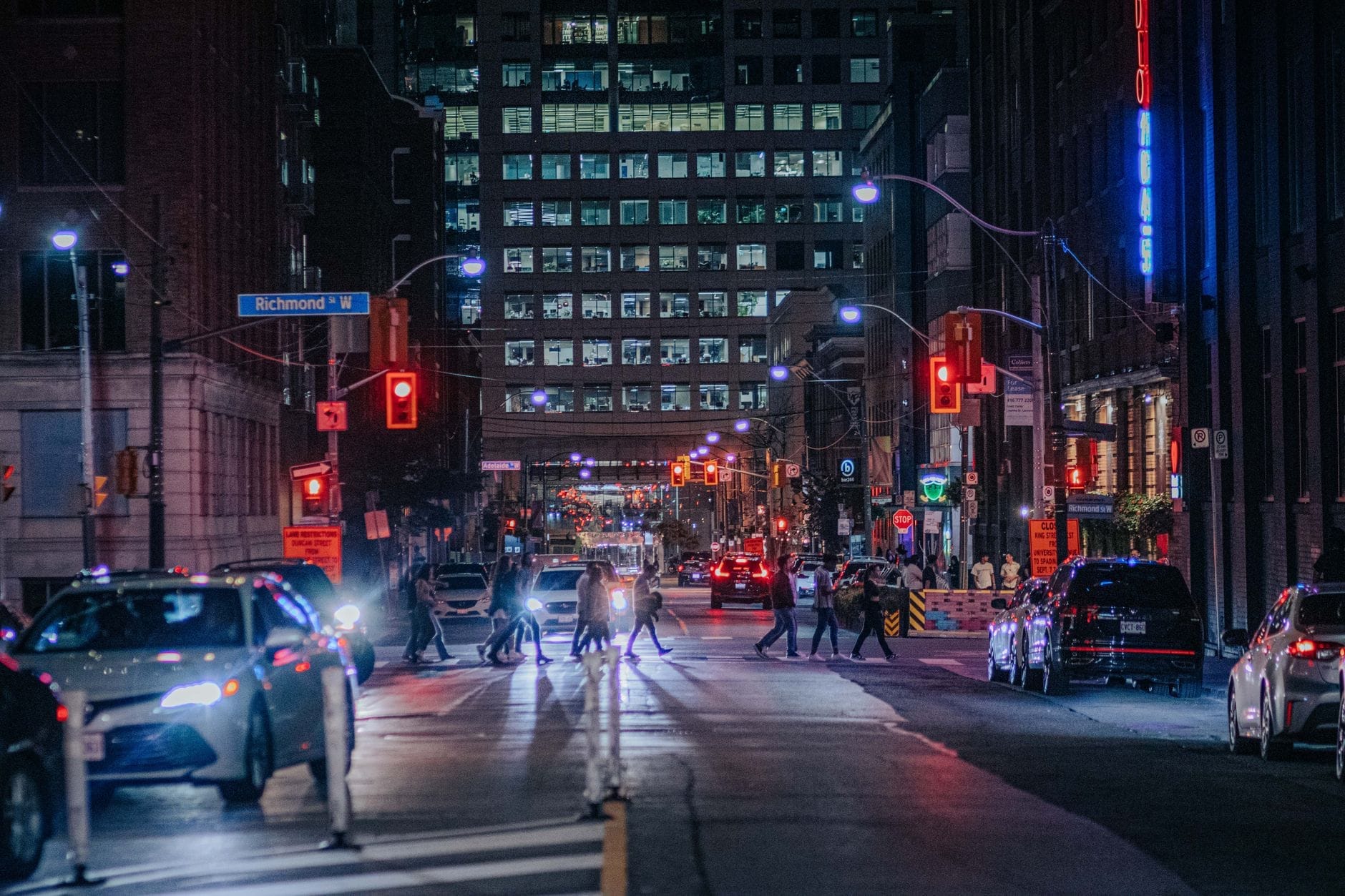
Toronto's after-dark scene is compact but layered. The densest concentration of bars, clubs, and live music sits within a roughly 2 km stretch of the city core, anchored by King Street West and Queen Street West. These run parallel east-west through the Entertainment District and into the broader West End. For first-timers, starting here makes sense: transit is frequent, taxis and rideshares are easy to hail, and you can walk between multiple venues in a single night.
King West (roughly Bathurst Street to Peter Street) is the upscale end: bottle-service clubs, polished cocktail bars, and late-night restaurant lounges. Queen West shifts younger and more eclectic, with dive bars, live music rooms, and craft beer spots mixed between vintage clothing stores. Go further west along Queen and you hit Ossington Avenue and Dundas West, where the neighbourhood bar culture is stronger and the cover charges lower.
Outside the core, Kensington Market offers something genuinely different: a cluster of low-key bars, backyard patios, and occasional pop-up events in a tight pedestrian grid. It draws a diverse, creative crowd and tends to run earlier in the evening. Little Italy along College Street is another strong option for bar-hopping, particularly on warm nights when patios spill onto the sidewalk. The Beaches, Greektown on the Danforth, and Leslieville all have neighbourhood bar scenes, though they're quieter and better suited to a low-key drink than a late night out.
The Rules: Drinking Age, Last Call, and What to Know Before You Go
Ontario's legal drinking age is 19. Bars and clubs in Toronto enforce this, and ID checks at the door are standard practice at clubs and many licensed venues, especially on weekends. Acceptable ID for entry typically includes a passport, provincial driver's licence, or government-issued photo ID. International visitors should carry their passport rather than a photocopy.
Last call for alcohol service in Ontario is 2:00 a.m. under the Liquor Licence and Control Act. A small number of venues hold special extended licences that allow service until 4:00 a.m., but these are event-specific rather than standard operating procedure. Don't count on them unless confirmed in advance via the venue's event listings. Retail alcohol sales at LCBO and The Beer Store locations are generally prohibited between 11:00 p.m. and 9:00 a.m., with hours varying by location.
💡 Local tip
Toronto clubs typically enforce a strict dress code on weekends: clean sneakers are usually fine, but athletic wear, shorts, and baseball caps are often turned away at King West venues. Check the venue's website or social media before you go. Showing up underdressed at the door on a Saturday night means getting turned away, not negotiating your way in.
- Happy hour Most bars run discounts from around 4:00 to 7:00 p.m. on weekdays. Look for half-price appetizers and $6-8 draft beer deals.
- Cover charges Clubs typically charge CAD 10-25 cover on weekends, with reduced or free entry before 10:00 p.m. Some venues require advance ticket purchase for DJ events.
- Tipping A 15-20% tip on the pre-tax bill is standard at bars and restaurants. On a busy night, tipping well early tends to improve service at the bar.
- Payment Most Toronto venues accept credit and debit cards; many have moved away from cash entirely since 2020. Confirm before assuming an ATM is nearby.
- Coat check In winter, plan on CAD 3-5 per coat at most clubs. Budget for this, especially if you're going from venue to venue.
Live Music: Where Toronto's Scene Actually Lives
Toronto has produced an impressive number of internationally recognised musicians, and the live music infrastructure reflects that. The city supports everything from 100-seat indie rooms to 16,000-capacity arenas, with a strong mid-tier of 500-2,000 seat theatres that often host the most interesting shows.
The Horseshoe Tavern on Queen West is the most historically significant venue in the city. Open since 1947, it has a front bar operating seven days a week and a back room for ticketed live shows covering rock, indie, country, and R&B. Tickets are sold via the venue's own site and generally run CAD 15-35. For larger productions, Massey Hall (reopened after a major renovation in 2021) remains the city's most celebrated concert hall, with acoustic quality and a 2,753-seat capacity. Shows here range from jazz and classical to folk and rock, usually CAD 40-120 depending on the act.
For outdoor summer concerts, Budweiser Stage on the waterfront seats around 16,000 and hosts major international touring acts from May through October. The Rogers Centre and Scotiabank Arena fill in for stadium-scale events. At the smaller end, The Rex Hotel Jazz and Blues Bar on Queen West is the go-to for nightly jazz, with no cover most nights and a relaxed bar atmosphere. Lee's Palace on Bloor Street is a reliable venue for indie and alternative shows.
✨ Pro tip
Check Bandsintown, Songkick, and individual venue websites simultaneously when planning around live music. Toronto venues often announce shows on short notice, and some smaller rooms sell out quickly via Instagram before formal ticketing opens. Following your target venues on Instagram is genuinely useful here, not just a platitude.
Bars Worth Knowing: From Craft Beer to Cocktail Lounges
Toronto's bar scene has matured significantly over the past decade. The city now supports dozens of serious cocktail bars, a deep craft beer culture rooted in Ontario's regional brewing scene, and wine bars that take their lists seriously. The challenge is cutting through the volume to find places worth your time.
- Craft beer Toronto has a strong local craft beer culture. Steam Whistle Brewing operates out of a preserved 1929 roundhouse near Union Station and offers tours and a bar on-site. The Junction neighbourhood has several breweries clustered within walking distance of each other, making it a reasonable option for a low-key afternoon or early evening.
- Cocktail bars The stretch of Ossington Avenue between Dundas and Queen has become a reliable cocktail corridor. Bars here tend to be smaller, less crowded than King West, and staffed by people who know what they're doing behind the bar.
- Dive bars Bovine Sex Club on Queen West is the city's most famous dive, with a metal-art exterior and a long history in Toronto's punk and rock scenes. It's genuinely unpretentious and open late.
- Patio season (May to October) Toronto's patio culture is taken seriously. Large rooftop bars operate in the Entertainment District and on several hotel properties downtown. The best independent patios tend to be in Kensington Market and along Dundas West.
- Brewery taprooms Beyond Steam Whistle, breweries like Bellwoods Brewery (Ossington), Left Field Brewery (Leslieville), and Godspeed Brewery (Riverside) are legitimate destinations, not just beer stops.
Clubs and Late-Night Options
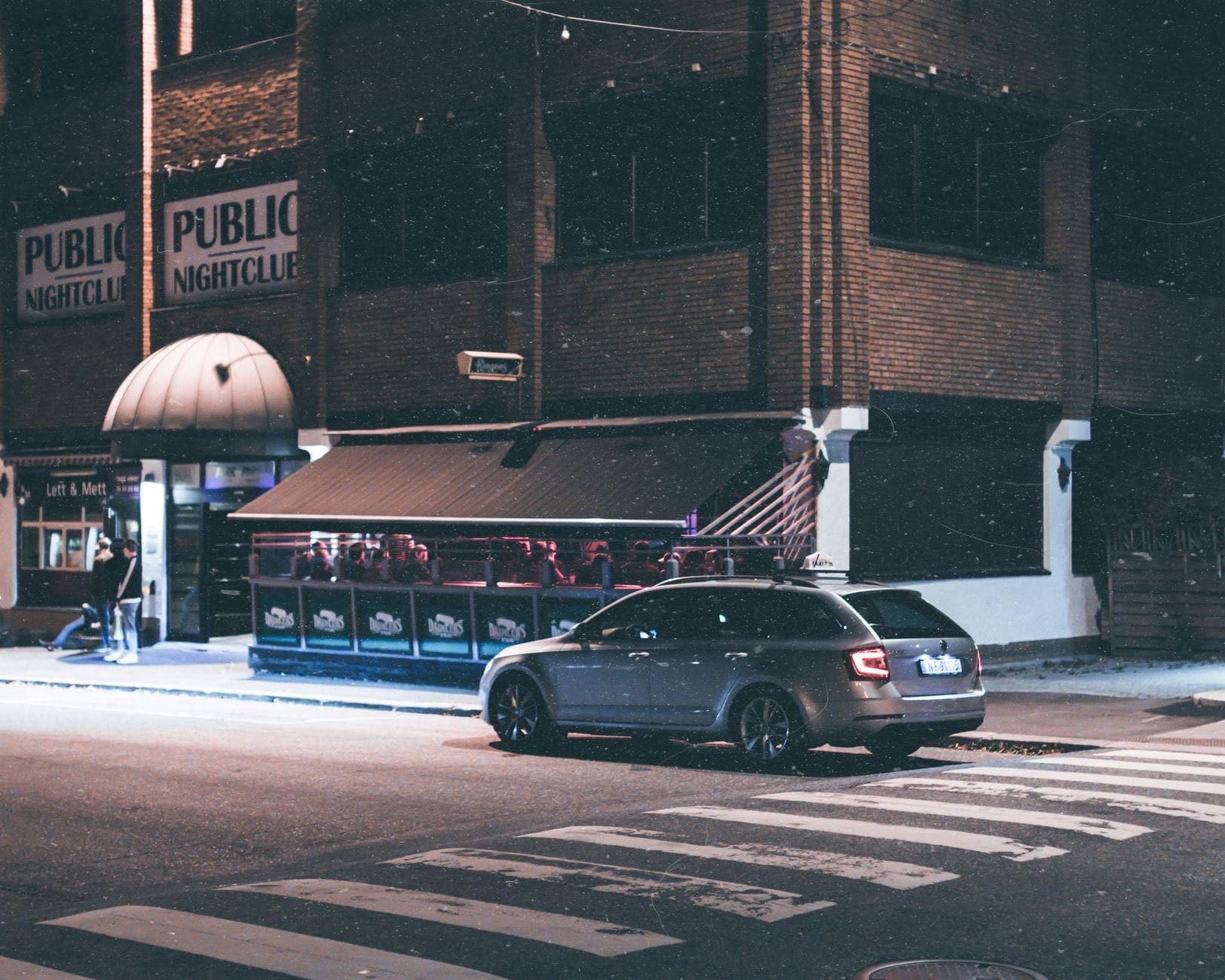
King West is the primary club zone. Venues here tend toward Top 40, commercial hip-hop, and EDM, with a dress code enforced and a demographic that skews mid-20s to mid-30s. Cover charges typically run CAD 15-25 on Fridays and Saturdays, with many clubs offering free or reduced entry before 10:00 p.m. for those who plan ahead. Expect long lines after midnight at the most popular spots.
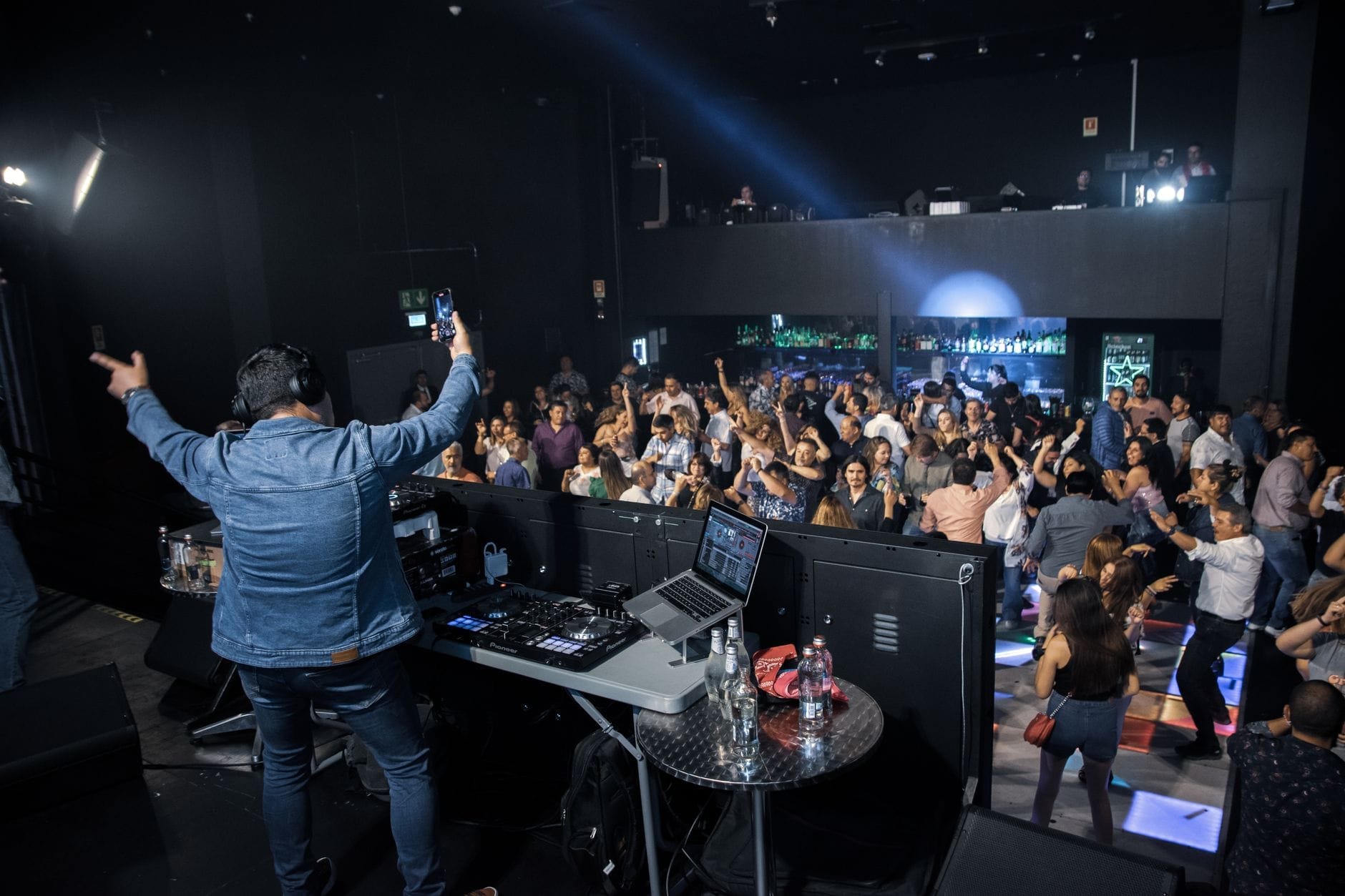
For electronic music specifically, Toronto has a smaller but committed underground scene. Events are typically promoted through niche channels: local promoter Instagram accounts, Resident Advisor listings, and monthly club nights held in warehouse spaces or mid-size clubs east of the core. These events are harder to stumble upon but significantly better for serious dance music fans. They also tend to run later and draw a more focused crowd.
⚠️ What to skip
The Entertainment District on King West gets congested on Saturday nights, particularly between midnight and 2:00 a.m. If you're moving between venues, factor in wait times at the door and limited rideshare availability after last call. The TTC runs all-night bus service on select routes (the Blue Night Network), but frequency drops significantly after midnight. Plan your exit before 1:30 a.m. if you rely on transit.
Seasonal Patterns and Planning Your Night
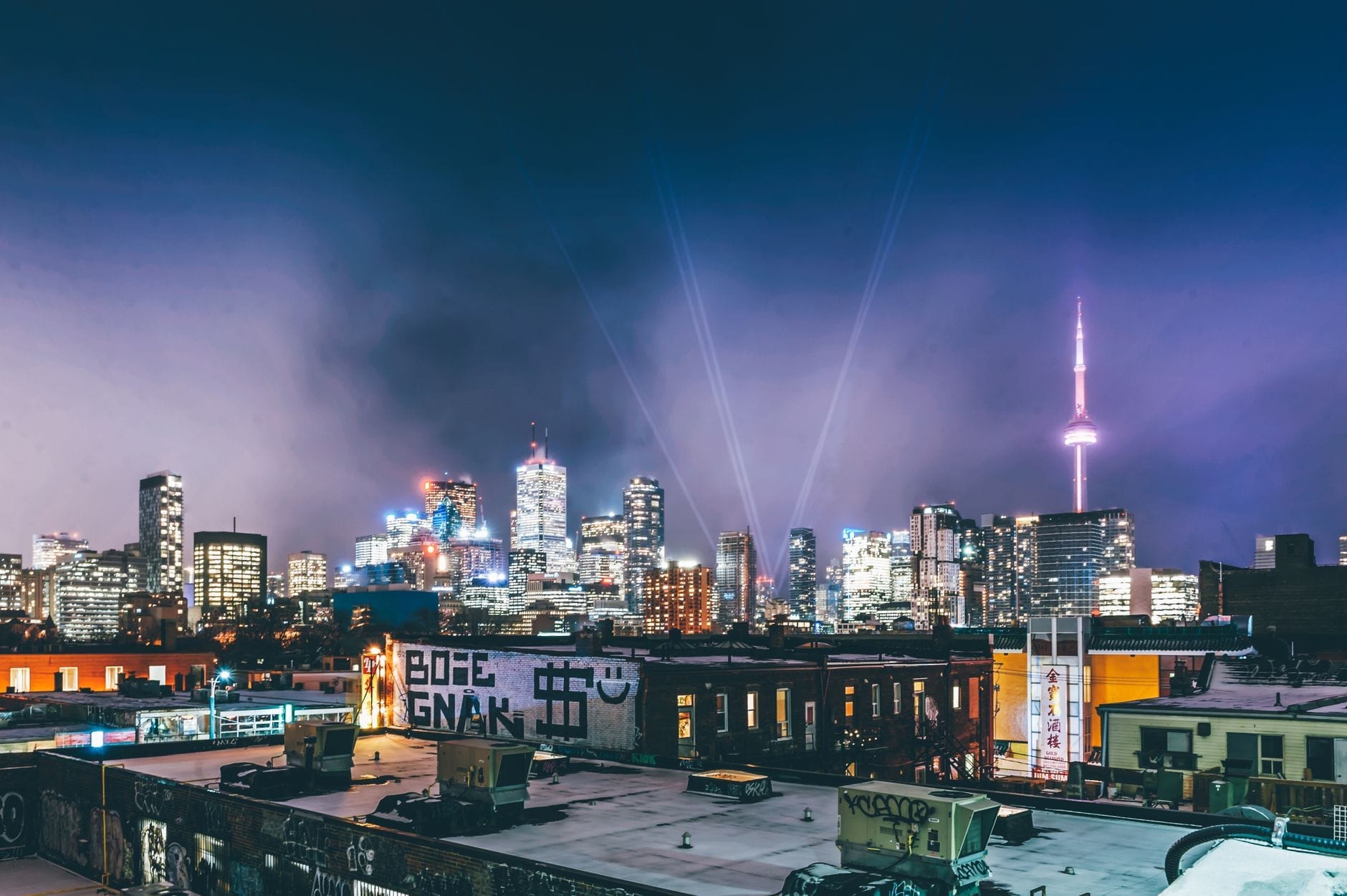
Toronto's nightlife runs year-round, but the character shifts significantly by season. Summer (June through August) is when outdoor patios, rooftop bars, and waterfront events peak. The Toronto summer scene includes large outdoor music festivals and events at Exhibition Place and the waterfront that blend seamlessly into evening nightlife. During the Toronto International Film Festival in September, the downtown bar and lounge scene gets notably more crowded and expensive, with industry events taking over certain venues for entire nights.
Winter is underrated for nightlife. Indoor venues are warm, not empty, and the absence of tourist crowds means easier access to popular spots. January and February are the quietest months, but that works in your favour if you want to walk into a well-regarded cocktail bar without a two-hour wait. For context on what winter actually involves, see the Toronto in winter guide.
The standard Toronto night-out pattern runs like this: dinner between 6:30 and 8:30 p.m., a bar or two from 9:00 to 11:00 p.m., and clubs from 11:00 p.m. to 2:00 a.m. This is not early by global standards, but compared to Madrid or Buenos Aires it is. Locals who keep later hours tend to front-load with pre-drinks at someone's place before heading out closer to midnight, which is normal practice and reflects the 2:00 a.m. last call constraint.
Budget planning: a full night with dinner, three to four drinks, and club entry typically costs CAD 80-150 per person depending on where you eat and whether you're buying rounds. You can do it for less by sticking to happy hour, skipping dinner reservations in favour of quick bites at food markets like St. Lawrence Market earlier in the evening, and targeting venues without cover before 10:00 p.m.
FAQ
What is the legal drinking age in Toronto?
The legal drinking age in Ontario, including Toronto, is 19. Bars, clubs, and licensed venues enforce this consistently, and you should carry valid government-issued photo ID at all times.
What time do bars and clubs close in Toronto?
Last call for alcohol service is 2:00 a.m. under Ontario provincial law. Most clubs and bars stop serving by 2:00 a.m. and close between 2:00 and 3:00 a.m. A small number of venues hold special extended licences allowing service until 4:00 a.m. for specific permitted events, but this is not the norm.
What are the best neighbourhoods for nightlife in Toronto?
King West and the Entertainment District offer the highest density of clubs and upscale bars. Queen West is better for live music and a more eclectic bar scene. Kensington Market suits a lower-key, diverse crowd. Ossington Avenue is the best option for serious cocktail bars without the King West intensity.
How much does a night out in Toronto cost?
A typical night covering dinner, drinks at a bar, and club entry runs roughly CAD 80-150 per person. You can reduce this by taking advantage of happy hour (roughly 4:00-7:00 p.m. at most bars), targeting venues with free entry before 10:00 p.m., and drinking local craft beer rather than imported spirits.
Is Toronto's nightlife good in winter?
Yes, though the experience shifts. Outdoor patios close and rooftop bars are seasonal, but indoor venues remain active year-round. January and February are the quietest months overall, which means easier access to popular spots. The TTC's Blue Night Network provides late-night transit service on key routes, which is worth factoring into your planning during cold months.
Tickets & tours
Live prices and dates from our booking partner. If you book, we may earn a commission at no extra cost to you.
Planning a trip? Discover personalized activities with the Nomado app.