Toronto on a Budget: How to Visit Without Breaking the Bank
Toronto is Canada's largest city and one of North America's most expensive destinations — but with the right approach, you can experience it without draining your wallet. This guide covers free attractions, affordable transit, budget eats, and the smartest times to visit to keep costs low.
Tickets & tours
Live prices and dates from our booking partner. If you book, we may earn a commission at no extra cost to you.
TL;DR
- A single TTC ride costs $3.30 CAD with a PRESTO card, with a two-hour transfer included — the city is entirely navigable without taxis or rentals.
- Dozens of top experiences are completely free: High Park, the Distillery District, waterfront trails, and Nathan Phillips Square cost nothing to visit.
- Buying a Toronto CityPASS bundles CN Tower, Ripley's Aquarium, and your choice of three more attractions for up to about 40% less than separate tickets.
- Winter and mid-week stays cut hotel rates significantly — the trade-off is cold weather, but most major attractions are fully indoors.
- Visiting on a budget doesn't mean skipping the best of the city — check the free things to do in Toronto guide for a full breakdown.
Getting Around Toronto Without Spending a Fortune
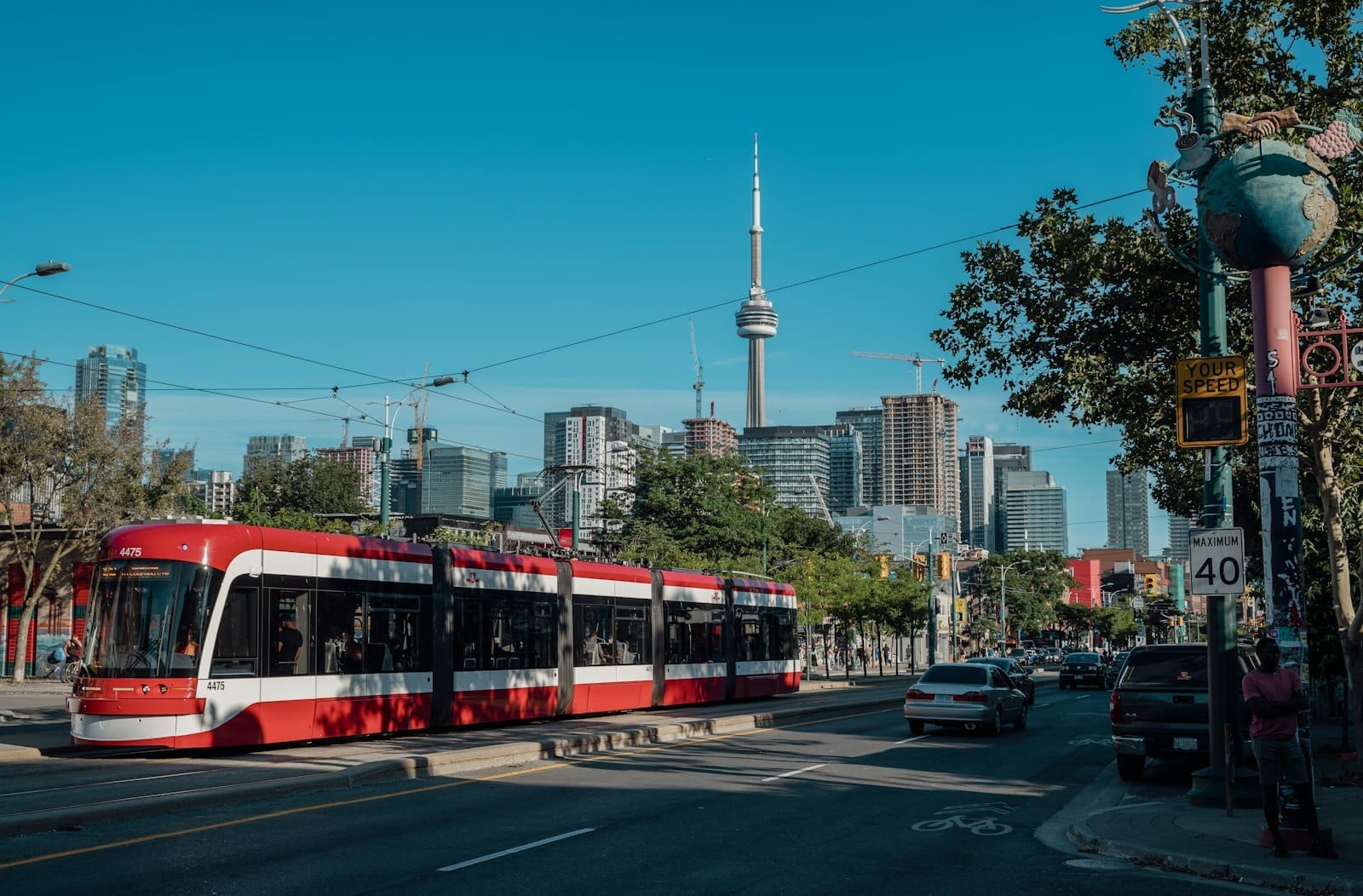
Toronto's public transit network, operated by the Toronto Transit Commission (TTC), covers the entire city with subways, streetcars, and buses. A single adult fare paid with a PRESTO card is $3.30 CAD, and that single fare includes a two-hour transfer window — meaning you can change routes freely within two hours without paying again. For a day of heavy sightseeing, the TTC Day Pass at $13.50 CAD gives unlimited travel until 2:59 a.m. the following day. If you're doing four or more separate trips in a day, the day pass pays for itself.
Getting from Toronto Pearson International Airport (YYZ) into the city is a common first expense. The most cost-effective option is the UP Express train: it connects Pearson directly to Union Station in about 25 minutes, runs every 15 minutes, and costs $12.40 CAD one-way with PRESTO. That is significantly cheaper than a taxi (which can run $60–70 CAD or more depending on traffic and time of day) and faster than most alternatives. For a full breakdown of transport options, see the getting around Toronto guide.
💡 Local tip
Pick up a PRESTO card at Union Station or any major subway station as soon as you arrive. Tap-on fares are cheaper than cash fares, and the card works across TTC, GO Transit, and UP Express. Load it online or at machines throughout the system.
You genuinely do not need a car to explore Toronto. The TTC connects all major tourist areas, and several of the best neighbourhoods — Kensington Market, the Distillery District, the waterfront, Queen Street West — are best experienced on foot anyway. Ride-hailing apps like Uber and Lyft operate legally here and are useful for late nights or suburban destinations, but for daily sightseeing they are an unnecessary expense.
Free and Low-Cost Attractions Worth Your Time
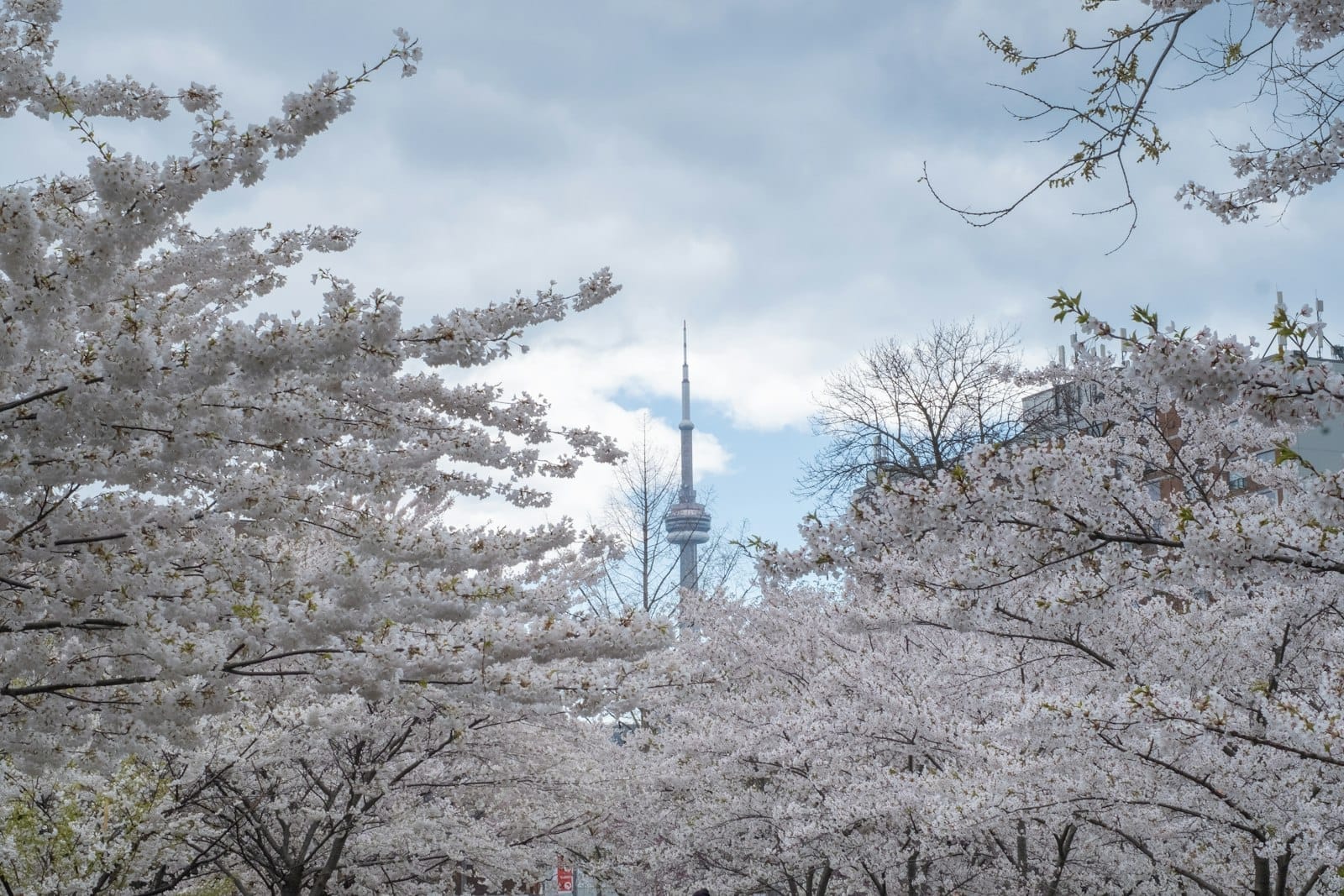
Toronto has a surprising number of genuinely worthwhile free experiences. High Park — at roughly 400 acres — is free year-round and includes forest trails, a free zoo, sports facilities, and one of the city's best cherry blossom displays each spring. The St. Lawrence Market is free to enter; you only pay for what you eat or buy. The Distillery Historic District, with its preserved Victorian industrial architecture, pedestrian streets, galleries, and cafes, charges no admission at all.
- High Park Free year-round. Trails, a free zoo (yes, actually free), and the famous cherry blossoms in late April to early May.
- Nathan Phillips Square Toronto's civic plaza in front of City Hall. Free outdoor skating rink in winter; free public events throughout the year.
- Distillery Historic District No admission. Browse galleries, watch street performers, and walk the cobblestone lanes. Parking costs money — arrive by TTC instead.
- St. Lawrence Market Free entry. One of the best food markets in the country; a great spot for a cheap, excellent lunch.
- Waterfront and Martin Goodman Trail A continuous lakefront path stretching over 56 km. Free to walk, run, or cycle. Best on weekday mornings.
- Graffiti Alley Rush Lane off Queen Street West hosts one of North America's longest stretches of commissioned street art. Completely free and endlessly photogenic.
- Toronto Islands ferry (round trip $9.57 CAD) Technically not free, but a return ferry ticket is one of the best-value experiences in the city — particularly for the skyline views en route.
ℹ️ Good to know
The Art Gallery of Ontario (AGO) offers free admission on the first Wednesday of each month from 6–9 p.m. (book timed tickets online). Ontario residents 25 and under get free year-round admission with a free AGO account. Check the AGO website for current schedules before visiting.
When to Pay Full Price (and When to Bundle)
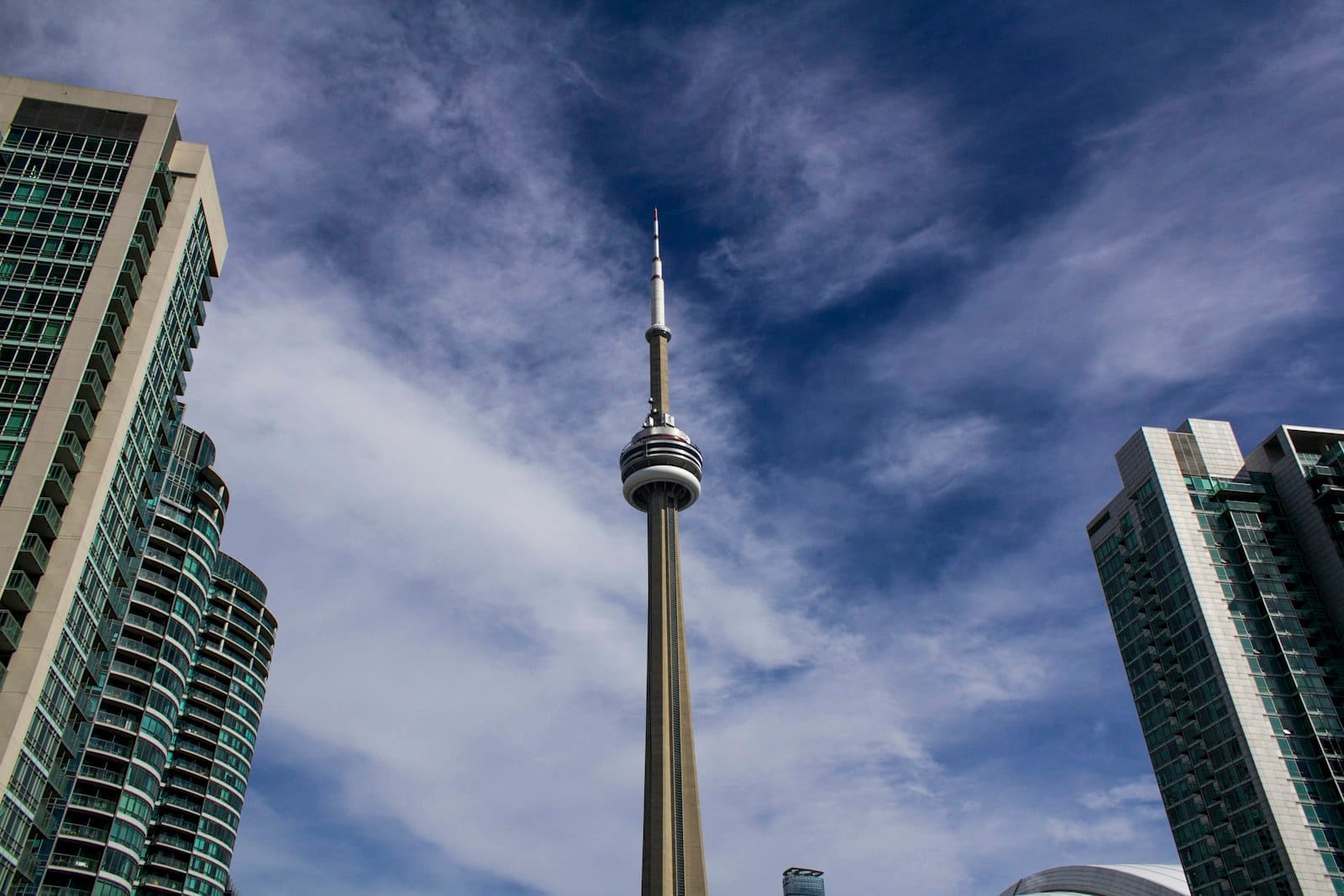
Not everything in Toronto is worth cutting corners on. The CN Tower, ROM, Casa Loma, and Ripley's Aquarium are genuinely good attractions that justify their price — but the individual ticket costs add up fast. Adult general admission at the CN Tower starts at $43 CAD; the Royal Ontario Museum is $26 CAD; Casa Loma is $50 CAD; and Ripley's Aquarium starts at $53 CAD. If you plan to visit three or more of these, the Toronto CityPASS bundle saves up to about 40% compared to buying separate tickets. That difference is real money.
The CN Tower is priced as a premium attraction, and the views are spectacular — but on a tight budget, the same skyline can be appreciated for free from Humber Bay Park across the water, or from Riverdale Park East across the Don Valley. These are legitimately great views with zero cost. The CN Tower is worth it once; it's not worth doing twice at full price.
⚠️ What to skip
Avoid buying CN Tower, ROM, or Ripley's tickets at the door on weekends — you'll pay full price and potentially wait in line. Book online in advance for the best rates, and check for limited-time online discounts before purchasing.
Eating Well Without Overpaying
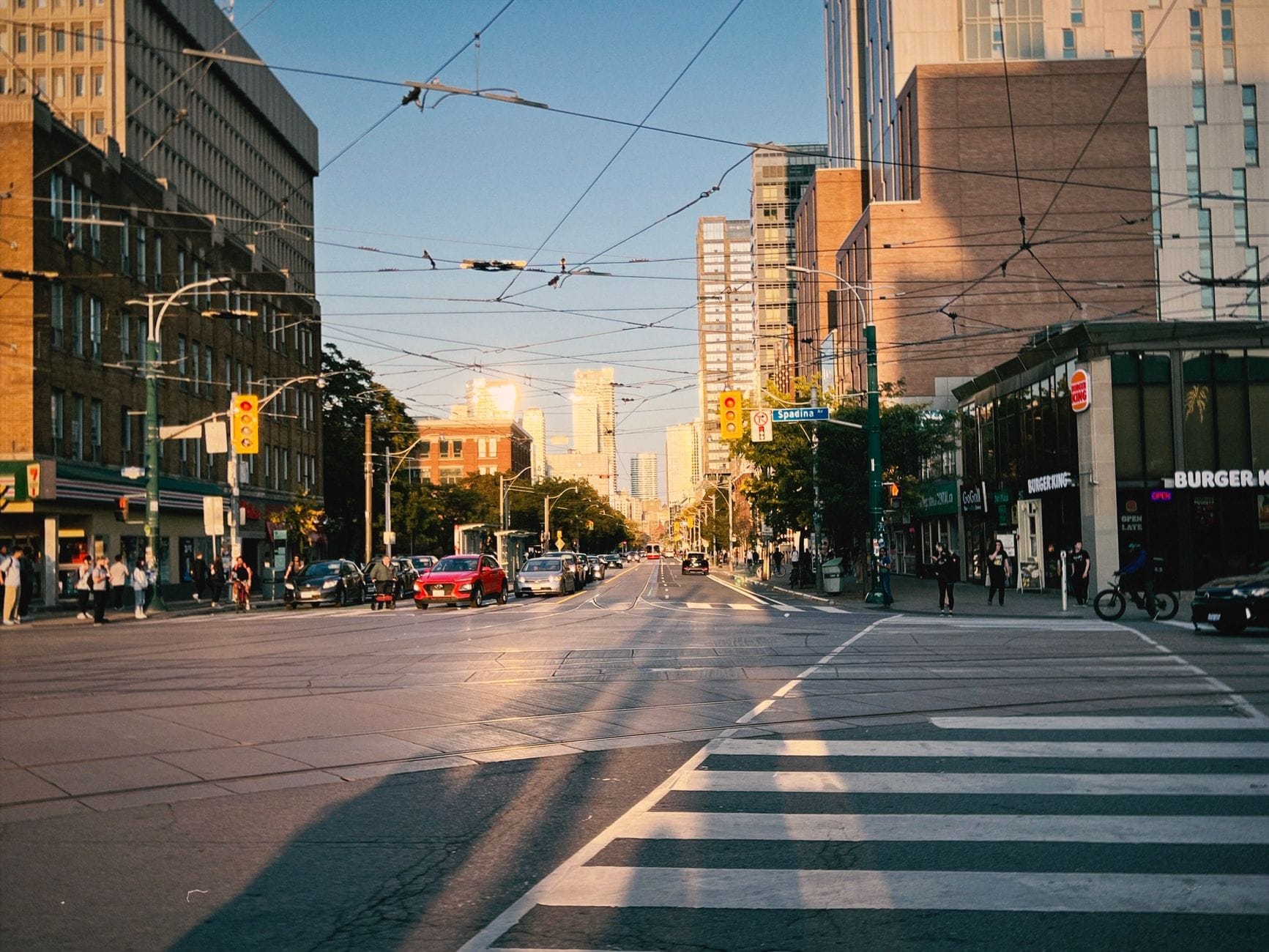
Toronto's food scene is genuinely world-class, and it doesn't require fine-dining budgets to experience it properly. Kensington Market and Chinatown on Spadina Avenue are side by side, and both are packed with affordable, excellent food. A bowl of noodles, a banh mi, or a plate of jerk chicken in this area can come in well under $15 CAD. The St. Lawrence Market on weekends has vendors selling sandwiches, pierogies, and fresh produce at reasonable prices — eat at the market and skip the tourist-trap restaurants nearby.
- Poutine at a casual spot: typically $7–10 CAD. Avoid tourist-zone versions near the CN Tower, which charge $15–18 for the same dish.
- No Frills and Loblaws supermarkets sell prepared meals and hot food for $5–10 CAD. This is legitimately useful if you have a hostel kitchen or are managing a multi-day budget.
- Food courts in the PATH underground network (beneath downtown) serve quick lunches for $8–13 CAD on weekdays.
- Dim sum in Scarborough or along Spadina runs about $15–25 CAD per person for a full meal, much less than equivalent sit-down dining elsewhere in the city.
- Street food at summer festivals can be pricier — bring snacks or eat before heading to major events.
Toronto's multicultural neighbourhoods are where you find the best food value. Greektown on the Danforth, Little India on Gerrard, and Koreatown on Bloor all offer full meals at prices that undercut the downtown core by a significant margin. If food is a priority — and in Toronto, it should be — explore the Toronto food guide before you go.
Timing Your Visit to Save Money
Accommodation in Toronto follows predictable patterns. Winter visits — roughly November through February — bring lower hotel rates and noticeably fewer tourists at most attractions. The trade-off is cold temperatures (January averages around -3.7°C, with wind chill making it feel colder), but almost all major museums, galleries, and cultural venues are indoors and fully operational. For a budget-focused visitor who doesn't need beach weather, winter is underrated.
Spring is the sweet spot between cost and comfort. Late April and May bring mild temperatures, the cherry blossoms in High Park (free, and genuinely beautiful), and hotel rates that haven't yet spiked to summer levels. September and October offer similar logic: summer crowds thin out after Labour Day, prices drop, and the weather stays pleasant into mid-autumn. Peak summer — July and August — has the best weather but also the highest accommodation costs, the most tourists, and the most congestion. If you're flexible, choosing the right season alone can save you $40–60 CAD per night on accommodation.
- Best value season: Late autumn to winter (Nov–Feb) Lowest hotel rates, shortest attraction queues. Cold but manageable with proper layers.
- Best balance of cost and experience: Spring (Apr–May) or Fall (Sep–Oct) Mild weather, moderate pricing, and the city's parks and outdoor spaces at their best.
- Most expensive: Summer (Jul–Aug) Great weather and maximum outdoor programming, but higher accommodation costs and peak-season pricing at attractions.
- Book mid-week Friday and Saturday nights cost more across all hotel tiers. Arriving Sunday and staying through Thursday keeps nightly rates lower.
Accommodation on a Budget
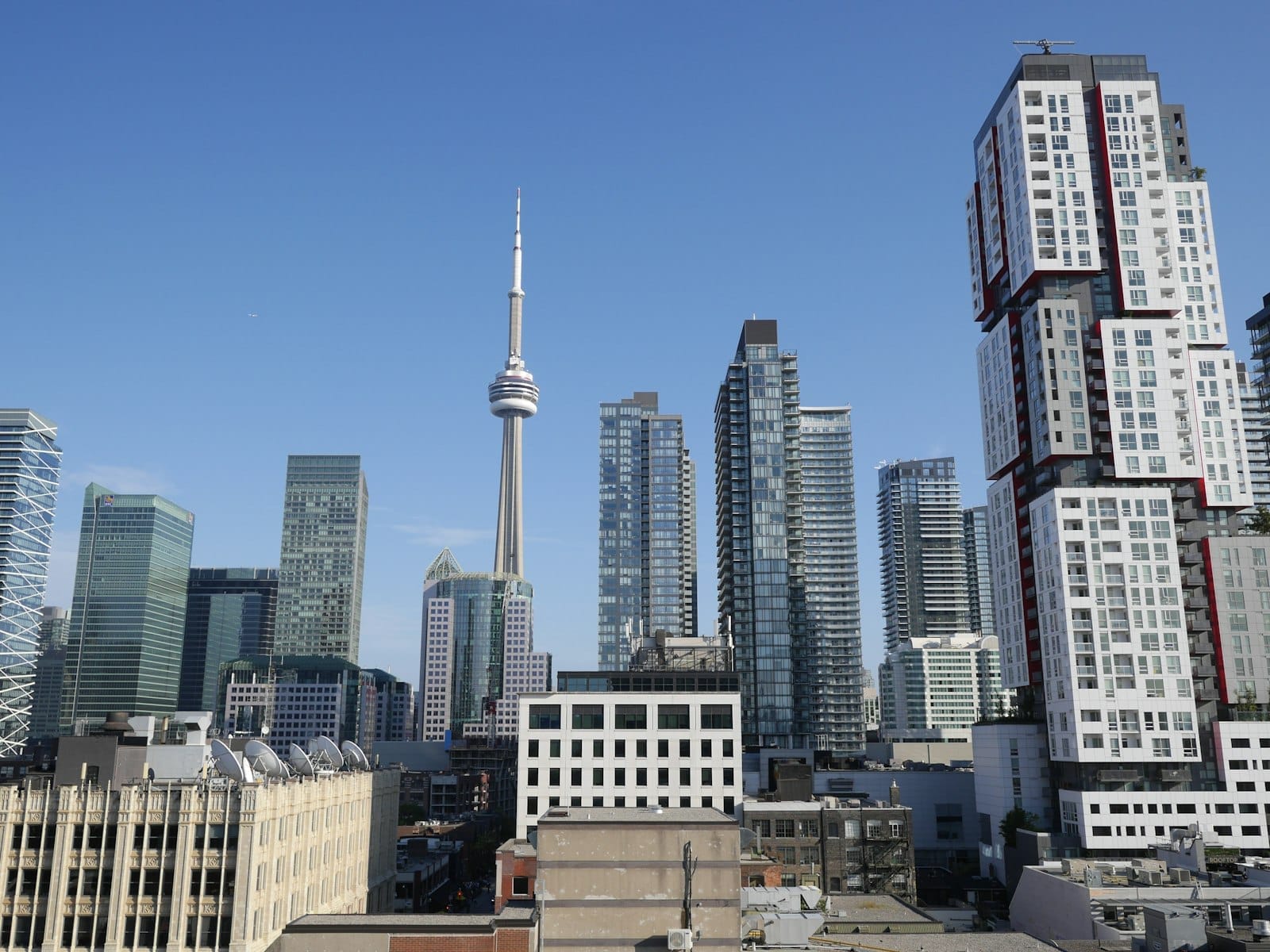
The idea that central Toronto accommodation is universally expensive is partly a myth. Budget hotel chains, hostels, and short-term rentals exist in and around downtown, and mid-week bookings in shoulder season can bring rates well below what peak summer suggests. The key is to book early and avoid the Entertainment District and King West on weekends, where demand from nightlife and events inflates prices for all nearby hotels.
Hostels in areas like Kensington Market, The Annex, and near Spadina offer dorm beds in the $35–60 CAD per night range. Budget hotels in North York or Scarborough will be cheaper per night than the downtown core, but factor in TTC time and fares when comparing. For a full overview of where to stay based on your priorities and budget, see the where to stay in Toronto guide.
FAQ
What is the cheapest way to get from Toronto Pearson Airport to downtown?
The UP Express train is the best combination of cost and speed at $12.40 CAD one-way with a PRESTO card to Union Station in about 25 minutes. Taxis from Pearson can cost $60–70 CAD or more. A slower but cheaper option uses the TTC 900 Airport Express bus connecting to the subway, though this takes considerably longer depending on connections.
Is Toronto CityPASS worth buying?
If you plan to visit at least three of the included attractions — CN Tower, Royal Ontario Museum, Casa Loma, and Ripley's Aquarium — the CityPASS typically saves up to about 40% versus buying separate tickets. If you only plan to visit one or two, skip it and buy individual tickets online in advance for the best standard rates.
What are the best free things to do in Toronto?
High Park, the Distillery District, Nathan Phillips Square, the waterfront and Martin Goodman Trail, Graffiti Alley, and the St. Lawrence Market (entry only) are all free. The AGO offers free admission on the first Wednesday of each month from 6–9 p.m., and Ontario residents 25 and under get free year-round admission with a free AGO account. Spring cherry blossom season in High Park is one of the city's best events and costs nothing.
How much does a day of sightseeing cost on a tight budget in Toronto?
A realistic tight-budget day: TTC Day Pass ($13.50 CAD), lunch at a market or food court ($10–14 CAD), and a mix of free attractions costs roughly $25–30 CAD total. Add one paid attraction like the ROM ($26 CAD) and you're still under $60 CAD for a full day in Canada's largest city.
Is it cheaper to visit Toronto in winter?
Yes, significantly. Hotel rates drop during winter months, attraction queues are shorter, and there are no premium surcharges for peak-season demand. The main downside is cold weather — January temperatures average around -3.7°C, with wind chill often making it feel colder. Packing properly for winter makes the city fully accessible and enjoyable at a fraction of summer costs.
Tickets & tours
Live prices and dates from our booking partner. If you book, we may earn a commission at no extra cost to you.
Planning a trip? Discover personalized activities with the Nomado app.