Toronto International Film Festival (TIFF): The Complete Visitor Guide
The Toronto International Film Festival is one of the world's most accessible and influential film events, open to the public every September. This guide covers dates, ticket prices, venues, logistics, and how to get the most out of your visit.
Tickets & tours
Live prices and dates from our booking partner. If you book, we may earn a commission at no extra cost to you.
TL;DR
- TIFF runs for 10–11 days each September, starting the Thursday after Labour Day. TIFF 2026 is expected to run approximately 10–20 September (confirm exact dates at tiff.net).
- Public tickets start around CA$16 for standard screenings and CA$26 for Premium (world premiere) events. No industry credential required.
- All main screenings cluster around King Street West in downtown Toronto, anchored by TIFF Bell Lightbox as the festival hub.
- Arrive at least 30–45 minutes before your screening. Popular world premieres sell out within hours of tickets going on sale.
- Flying in? Toronto Pearson International Airport (YYZ) connects to downtown in about 25 minutes via the UP Express. See our Toronto airport guide for full transfer options.
What TIFF Is (and What It Isn't)
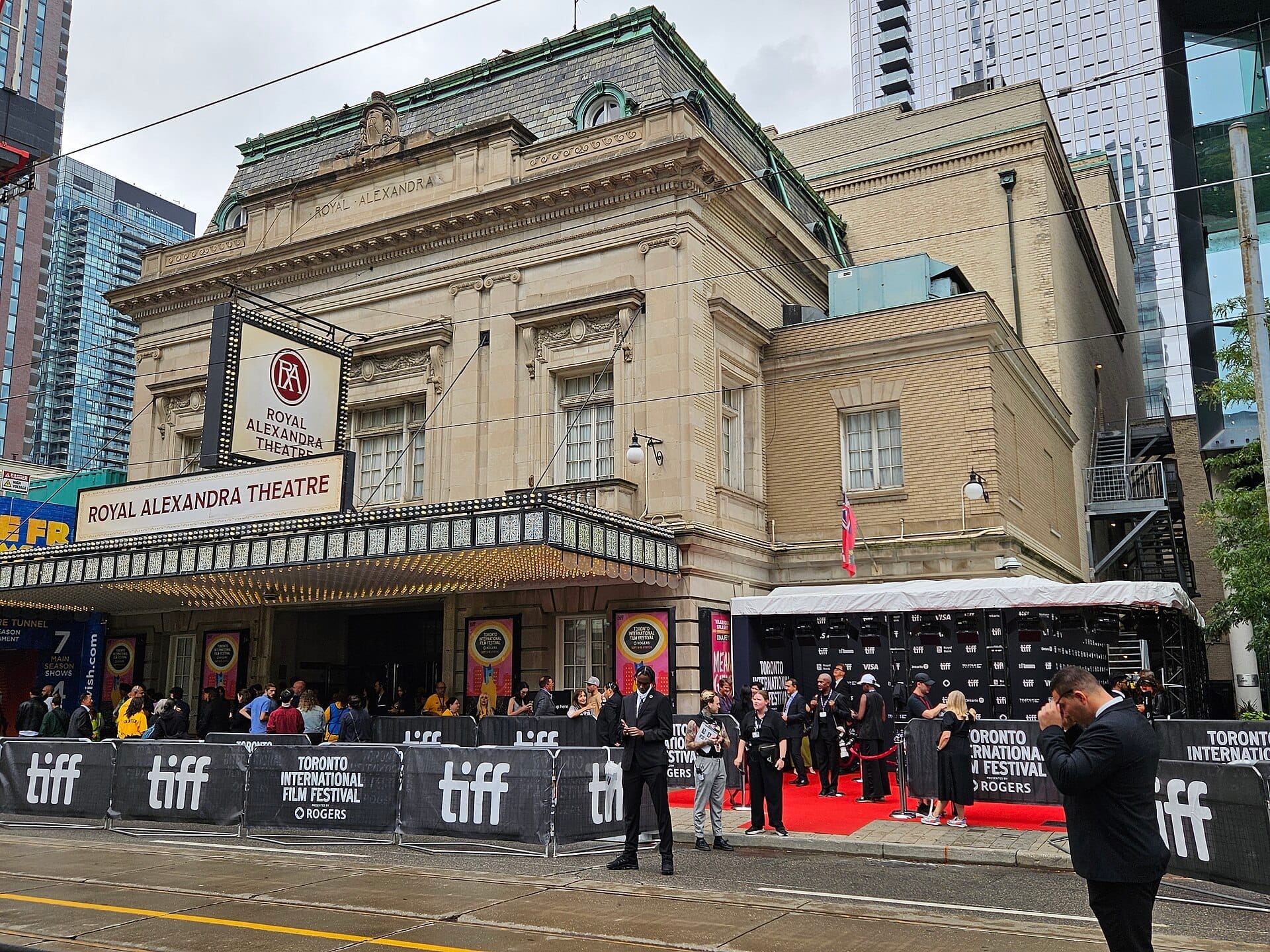
The Toronto International Film Festival began in 1976 under the name Festival of Festivals, rebranding to its current name in 1995. Today it screens between 300 and 400 films from roughly 70 countries over 10–11 days, drawing more than 250,000 attendees to the festival itself and over 700,000 attendees to related events annually. By attendance and public access, it ranks among the largest film festivals on earth.
The most important thing to understand is that TIFF is not a closed industry event. Unlike Cannes, where the public program is a secondary afterthought to industry screenings and market deals, TIFF is structured with the general public explicitly in mind. Anyone can buy a ticket. Most films screen multiple times across the festival run. This makes it genuinely accessible to cinephiles who aren't press, distributors, or studio executives.
TIFF also carries real industry weight. Films that premiere here frequently go on to Oscar campaigns, and the People's Choice Award at TIFF is a historically reliable predictor of Academy Award Best Picture nominees. That combination of public accessibility and serious prestige is what sets it apart from comparable festivals.
ℹ️ Good to know
TIFF has historically served as a launchpad for major awards contenders. Films like 'Nomadland,' '12 Years a Slave,' and 'The King's Speech' all won the TIFF People's Choice Award before their Oscar runs. If you want to see future Best Picture nominees before they reach theatres, TIFF is the place to do it.
Dates, Schedule, and How the Festival is Structured
TIFF always begins on the Thursday following Canada's Labour Day (the first Monday in September). TIFF 2024 ran 5–15 September; TIFF 2025 ran 4–14 September; TIFF 2026 is expected to follow the same pattern (approximately 10–20 September). This pattern is reliable enough that you can rough-plan travel around it even before exact dates are confirmed. The full film lineup is usually announced about three to four weeks before opening night.
The festival is organized into programming sections that signal what kind of film you're getting. 'Gala Presentations' are the big-ticket world premieres with major talent in attendance, screened at the Roy Thomson Hall or Princess of Wales Theatre in the evenings. 'Special Presentations' are high-profile films one tier below Gala. 'Discovery,' 'Midnight Madness,' 'TIFF Docs,' and other sections target more specific audiences. Midnight Madness, in particular, is cult programming with audience-participation energy that's distinct from anything else at the festival.
- Gala Presentations Opening and closing night films plus major world premieres with celebrities in attendance. These are Premium-priced tickets and the hardest to get.
- Special Presentations High-profile features and documentaries without the full gala treatment. Good value for serious film programming.
- Discovery First and second features from emerging international directors. The section with the most surprises and the easiest tickets to get.
- Midnight Madness Genre films: horror, action, sci-fi. Cult atmosphere, late-night screenings, enthusiastic crowds. Not the place for quiet reflection.
- TIFF Docs Feature-length documentaries. Consistently strong, often undersold, and an underrated way to fill schedule gaps.
Tickets: How to Buy, What to Expect, and What It Actually Costs
TIFF sells tickets through its official website at tiff.net, by phone via the TIFF ticketing line, and in person at the Steve and Rashmi Gupta Box Office located inside TIFF Bell Lightbox on King Street West. Standard adult tickets run around CA$16–18 for regular screenings. Premium tickets for world premieres and galas are priced closer to CA$26–30. These figures are from recent festival editions and should be confirmed against the current year's pricing on tiff.net before booking.
TIFF Members (annual subscription holders) get early access to tickets before the general public sale opens, plus priority queuing. If you're planning to attend multiple screenings, membership typically pays for itself quickly and reduces the stress of competing for popular films. Day passes and multi-film packages are also usually available and offer modest per-film savings.
⚠️ What to skip
Gala and Premium screenings for major films sell out within hours of the general public on-sale date. If your visit is specifically timed around a high-profile world premiere, set a reminder for the ticket sale opening and have your payment details ready in advance. Refreshing the page won't help once the queue forms.
For most regular screenings, tickets remain available throughout the festival run, and rush queues operate on a standby basis for sold-out films. Arrive early at the venue and join the rush line; seats freed up by no-shows are released roughly 15–20 minutes before showtime. This is a genuine strategy that works for non-Gala films, especially mid-festival when the initial excitement has settled.
- Book tickets as soon as the general public sale opens for any Premium or Gala screenings
- Check the TIFF schedule for films with multiple screening times — second and third screenings of the same film are usually easier to access
- Rush queues for sold-out films form at the venue; arrive 45–60 minutes early for popular titles
- TIFF Members get earlier access and priority queuing — worth it if you plan four or more screenings
- Tickets cannot be exchanged or refunded in most cases; check the current policy on tiff.net before purchasing
Venues and Getting Around the Festival Zone
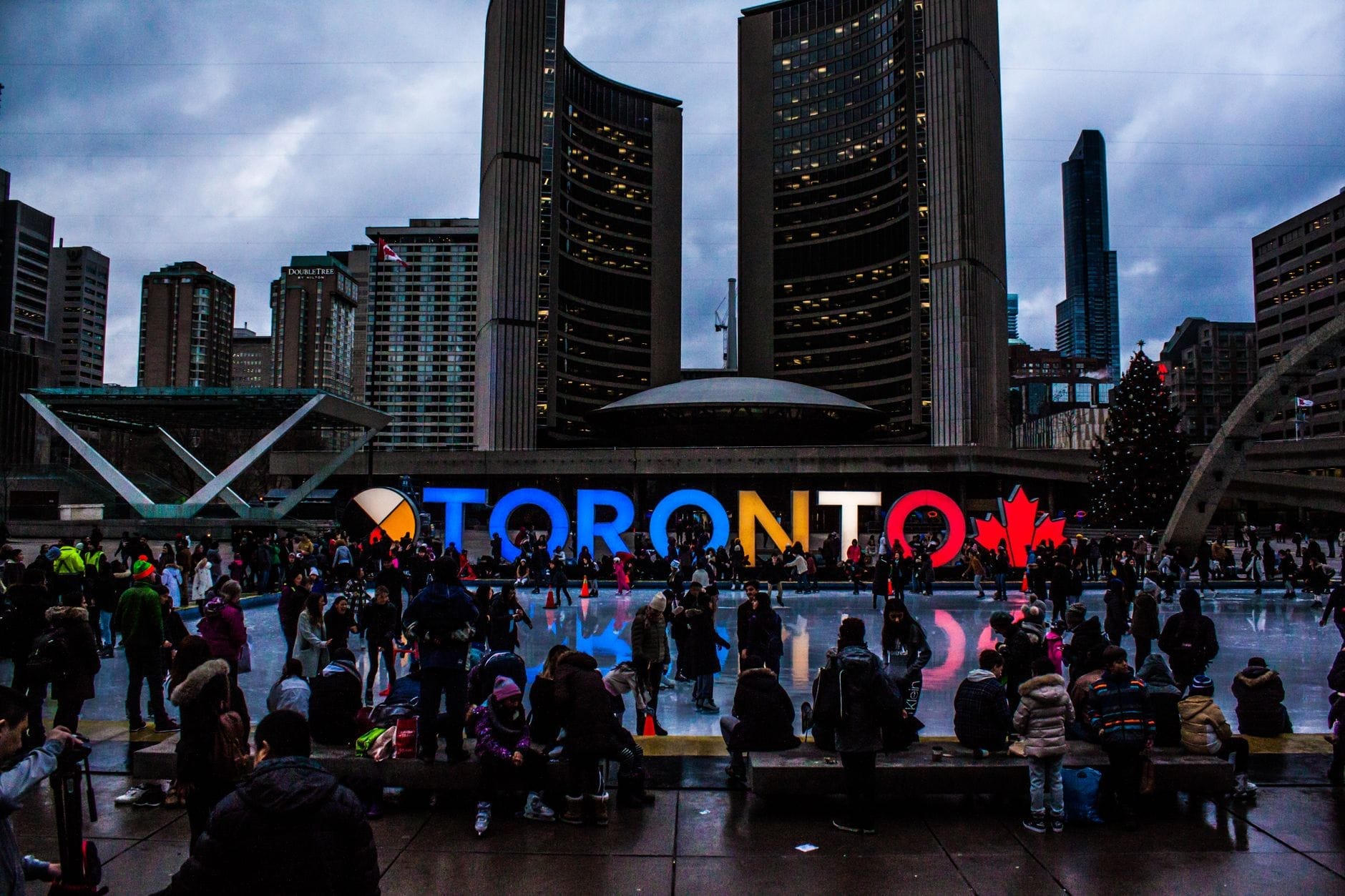
TIFF Bell Lightbox at 350 King Street West is the festival's physical home: a five-storey purpose-built complex with five cinema screens, gallery spaces, and restaurants. It anchors the entire festival geographically. Most other screening venues are within walking distance along King Street West and into the Entertainment District, including the Roy Thomson Hall (60 Simcoe St), Princess of Wales Theatre, and Scotiabank Theatre on Richmond Street West.
The concentration of venues in a roughly 10-block radius is one of TIFF's logistical advantages. You can realistically walk between most screenings without transit. That said, during the first weekend especially, King Street West becomes extremely congested with foot traffic, street-level crowds around celebrity arrivals, and redirected vehicle flow. Build extra time into any cross-town walk during peak hours.
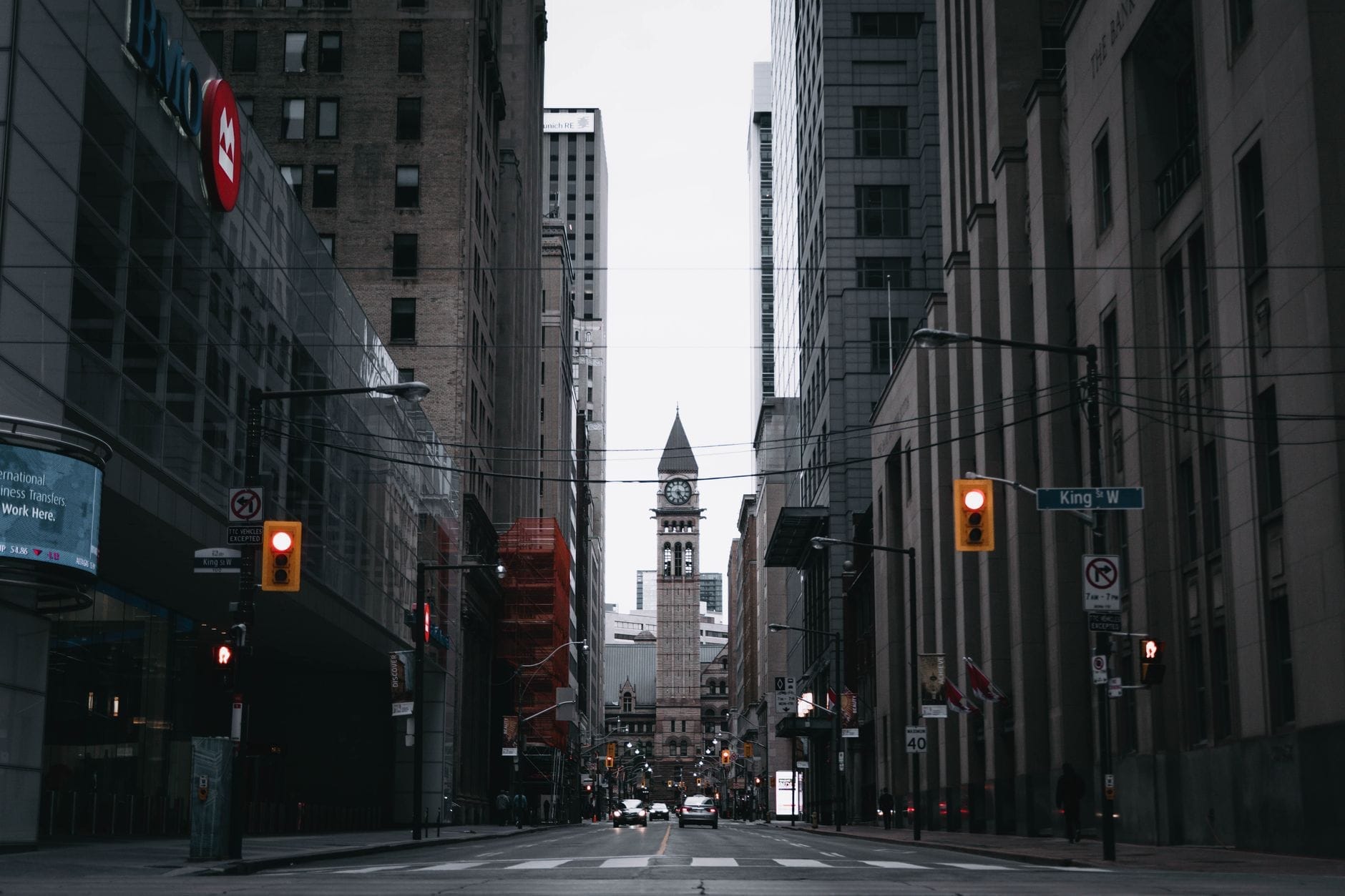
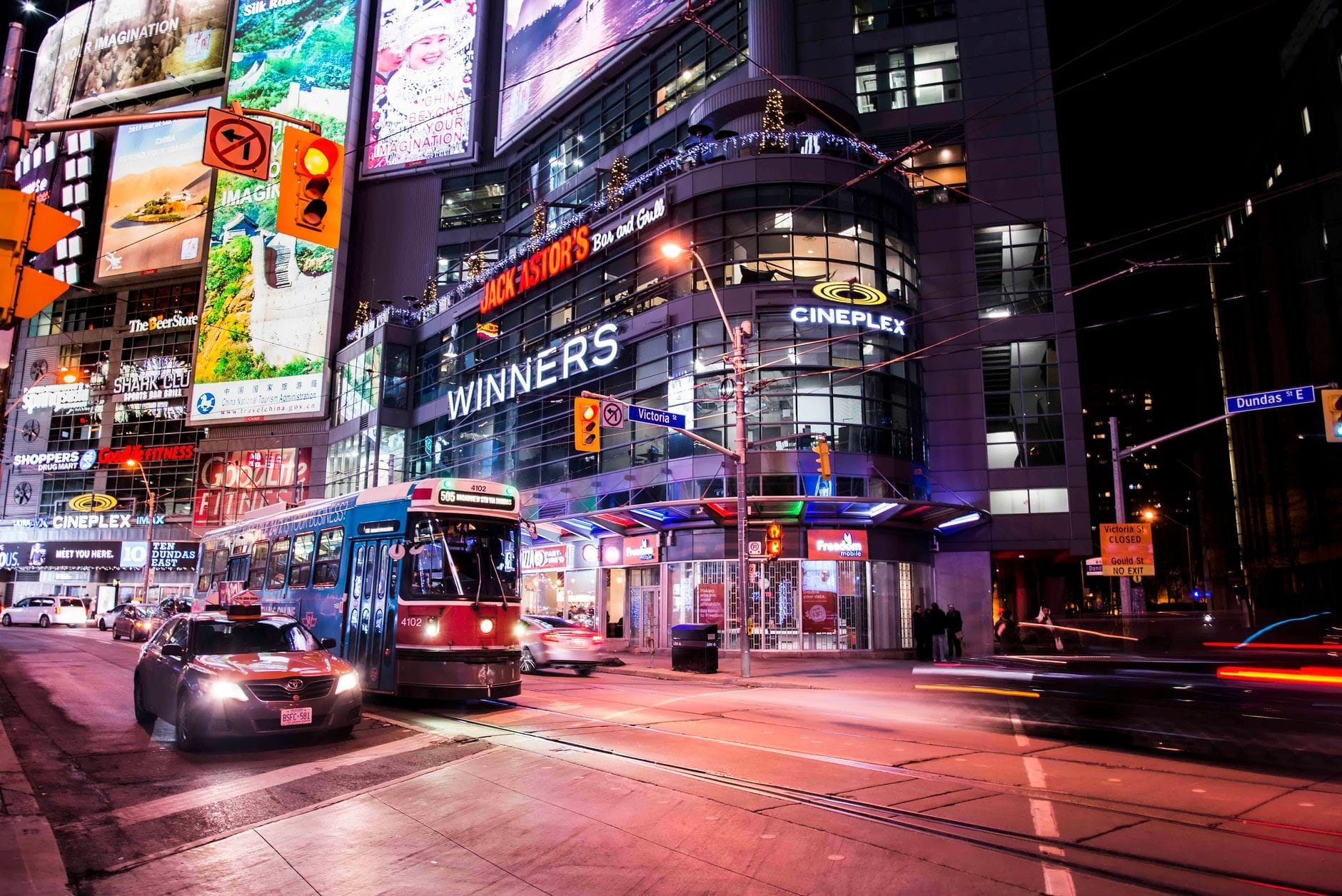
Public transit is the practical choice for getting to and from the festival zone. The TTC's 504 King streetcar runs directly along King Street West. The closest subway stations are St. Andrew (Line 1) and Osgoode (Line 1), both within a 5–10 minute walk of TIFF Bell Lightbox. For broader Toronto transit context, the getting around Toronto guide covers fares, routes, and the PRESTO card system in detail.
💡 Local tip
TIFF offers an accessibility Lobby Pass for patrons with accessibility needs and one companion. The digital pass provides access to a designated seated waiting area inside the venue, bypassing the standard queue. It requires no proof of disability and can be requested through the TIFF website. If this applies to you, request it when purchasing tickets.
Planning Your Visit: Logistics, Accommodation, and What to Expect
TIFF falls in early September, which is one of Toronto's best periods weather-wise. Expect daytime temperatures around 20–25°C (68–77°F) and cooler evenings, often dropping to 12–15°C after dark. A light jacket for evening screenings is practical rather than optional. September is also peak tourism season in Toronto, so accommodation books up quickly and rates rise. Where to stay in Toronto covers the main neighbourhoods and hotel tiers, but the key recommendation for TIFF specifically is to stay within walking distance of King Street West or on a direct streetcar line.
Most visitors flying into Toronto arrive at Toronto Pearson International Airport (YYZ) in Mississauga, about 23–27 km from the downtown core. The Union Pearson (UP) Express train connects Pearson directly to Union Station in approximately 25 minutes, departing every 15 minutes. From Union Station, the festival zone is a 10-minute walk or short streetcar ride. Billy Bishop Toronto City Airport (YTZ), served by Porter Airlines primarily, is only 2–3 km from downtown and connects via a pedestrian tunnel and free shuttle to the Union Station area. For full transfer options and current fare information, see the Toronto airport transfer guide.
If you have time around screenings, the King West and Entertainment District area offers a dense cluster of restaurants, bars, and cafes. Dinner reservations near the festival zone fill up fast during TIFF, especially for any restaurant adjacent to a premiere venue. The Toronto food guide covers the city's best dining options by neighbourhood, but for TIFF week, the practical advice is simple: book dinner before the festival starts.
Honest Advice: What Works and What Doesn't
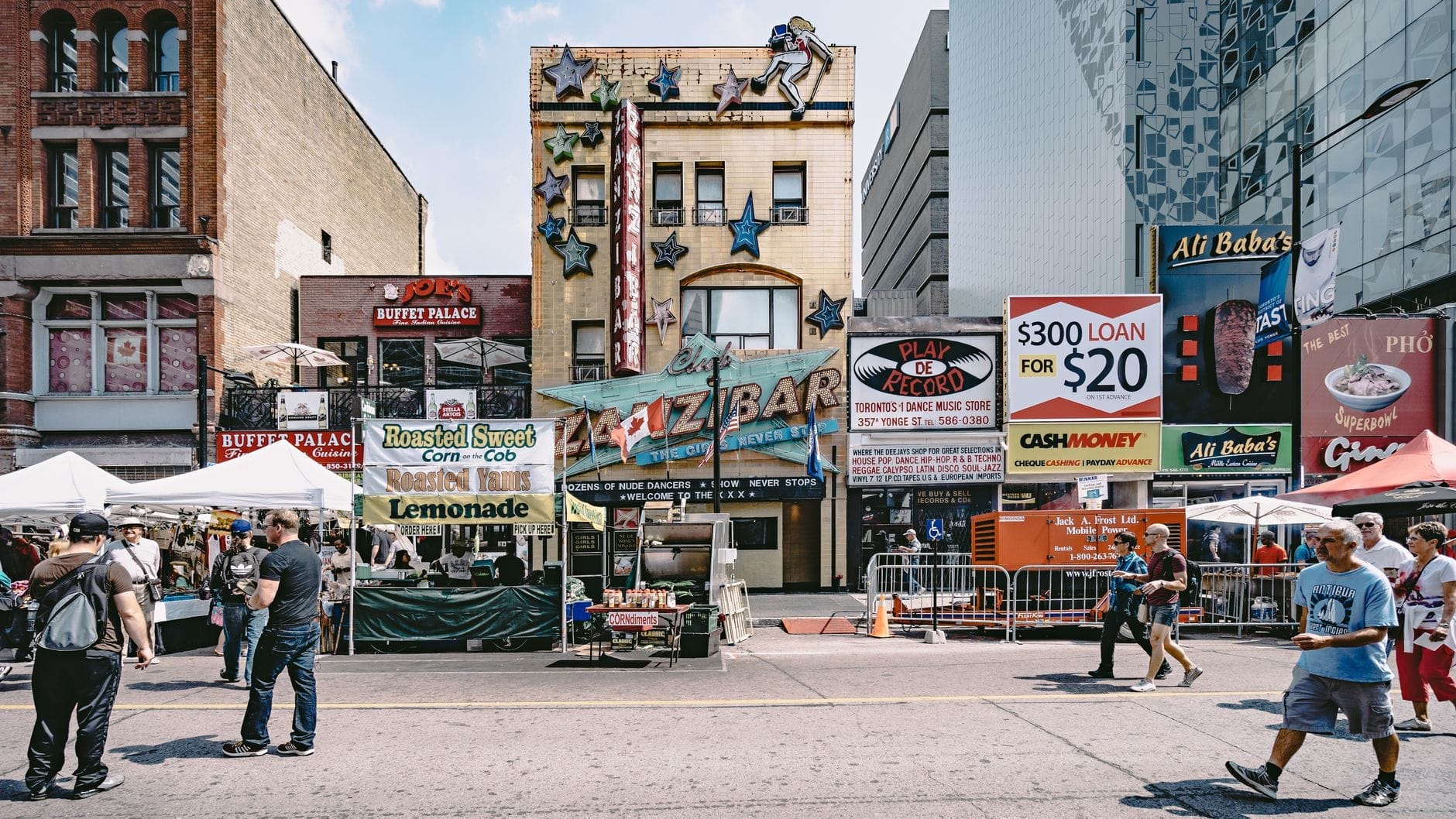
TIFF is not a relaxing festival. The first few days especially are chaotic: overcrowded lobbies, long queues, schedule changes at short notice, and the constant ambient energy of celebrity-adjacent events on every block. If you're attending primarily as a film lover rather than a scene participant, the middle section of the festival (days 4–8) is usually calmer, easier to navigate, and still has strong programming. The opening weekend is for people who want the full spectacle.
Celebrity sightings are real but unpredictable and should not be your primary reason for attending. Talent appears at Gala premieres and occasionally does Q&As after screenings in specific sections. Post-screening Q&As are one of the genuinely undervalued parts of TIFF: hearing a director or lead actor discuss a film minutes after watching it is a different experience from anything available in a regular theatrical run. Check the TIFF schedule for films with confirmed Q&As.
TIFF Bell Lightbox also operates as a year-round cinema and cultural space outside of festival season. If you're visiting Toronto at another time of year, the Lightbox regularly screens repertory and independent programming worth checking. For a broader picture of the city beyond September, the complete Toronto activities guide is a good starting point.
✨ Pro tip
The TIFF schedule filter on tiff.net lets you search by language, section, venue, and date simultaneously. Build your personal schedule before the sale opens, rank your picks in priority order, and have backup options for each time slot. Films in non-English languages with subtitles are often undersold relative to their quality and provide some of the festival's best experiences.
FAQ
Do you need industry credentials to attend the Toronto International Film Festival?
No. TIFF actively sells tickets to the general public. Most screenings are open to anyone who purchases a ticket through tiff.net, by phone, or at the box office. Industry accreditation provides additional access to markets and certain industry-only events, but the core festival programming is publicly available.
How much do TIFF tickets cost?
Standard adult tickets run approximately CA$16–18 per screening. Premium tickets for world premieres and Gala events cost around CA$26–30. Multi-film packages and TIFF memberships offer modest per-ticket savings and earlier access. Confirm current pricing at tiff.net before purchasing.
When do TIFF 2026 tickets go on sale?
TIFF 2026 is expected to run approximately 10–20 September 2026 (confirm at tiff.net). TIFF typically announces the program in mid-to-late August, with member ticket sales opening first, followed by the general public sale a few days later. Check tiff.net for the exact on-sale schedule as it's announced.
What is the best way to get from Toronto Pearson Airport to the TIFF venues?
The Union Pearson (UP) Express train is the most reliable option: it connects Pearson directly to Union Station in approximately 25 minutes, running every 15 minutes. From Union Station, TIFF Bell Lightbox on King Street West is about a 10-minute walk or a short ride on the 504 King streetcar. Taxis and ride-hailing (Uber, Lyft) are available but subject to downtown congestion during festival week.
Is it worth attending TIFF if you can't get Gala tickets?
Yes, and arguably more so. The Discovery, Special Presentations, TIFF Docs, and Midnight Madness sections regularly contain the strongest films of the festival. Gala screenings are expensive, hard to get, and often feature films you'll be able to see theatrically within weeks. The sections with emerging or international cinema are where TIFF offers something genuinely difficult to replicate elsewhere.
Tickets & tours
Live prices and dates from our booking partner. If you book, we may earn a commission at no extra cost to you.
Planning a trip? Discover personalized activities with the Nomado app.