Toronto Pearson Airport: Arrivals, Transfers & Getting to the City
Everything you need to navigate Toronto Pearson International Airport (YYZ), from terminal layouts and airside connections to the fastest and cheapest ways into downtown Toronto. Covers the UP Express, taxis, ride-hailing, public transit, and key practical details for first-timers and connecting passengers.
Tickets & tours
Live prices and dates from our booking partner. If you book, we may earn a commission at no extra cost to you.
TL;DR
- Toronto Pearson International Airport (IATA: YYZ) is located in Mississauga, roughly 22-27 km from downtown Toronto, and has two passenger terminals connected by the free LINK Train.
- The UP Express is the fastest option to the city: about 25 minutes to Union Station, departing from Terminal 1 every 15 minutes, with a current adult fare of around C$12.35. See our full guide to getting around Toronto for transit tips beyond the airport.
- Taxis, ride-hailing (Uber/Lyft), and public transit (TTC bus + subway) are all viable alternatives depending on your budget, luggage, and destination in the city.
- Connecting passengers traveling to the U.S. must clear CBP pre-clearance at Pearson before boarding. Pre-clearance operates daily from roughly 4:30 a.m. to 8:30 p.m.
- International-to-international connections may not require exiting customs if bags are checked through and airline rules allow it. Always confirm with your carrier.
Toronto Pearson Airport at a Glance
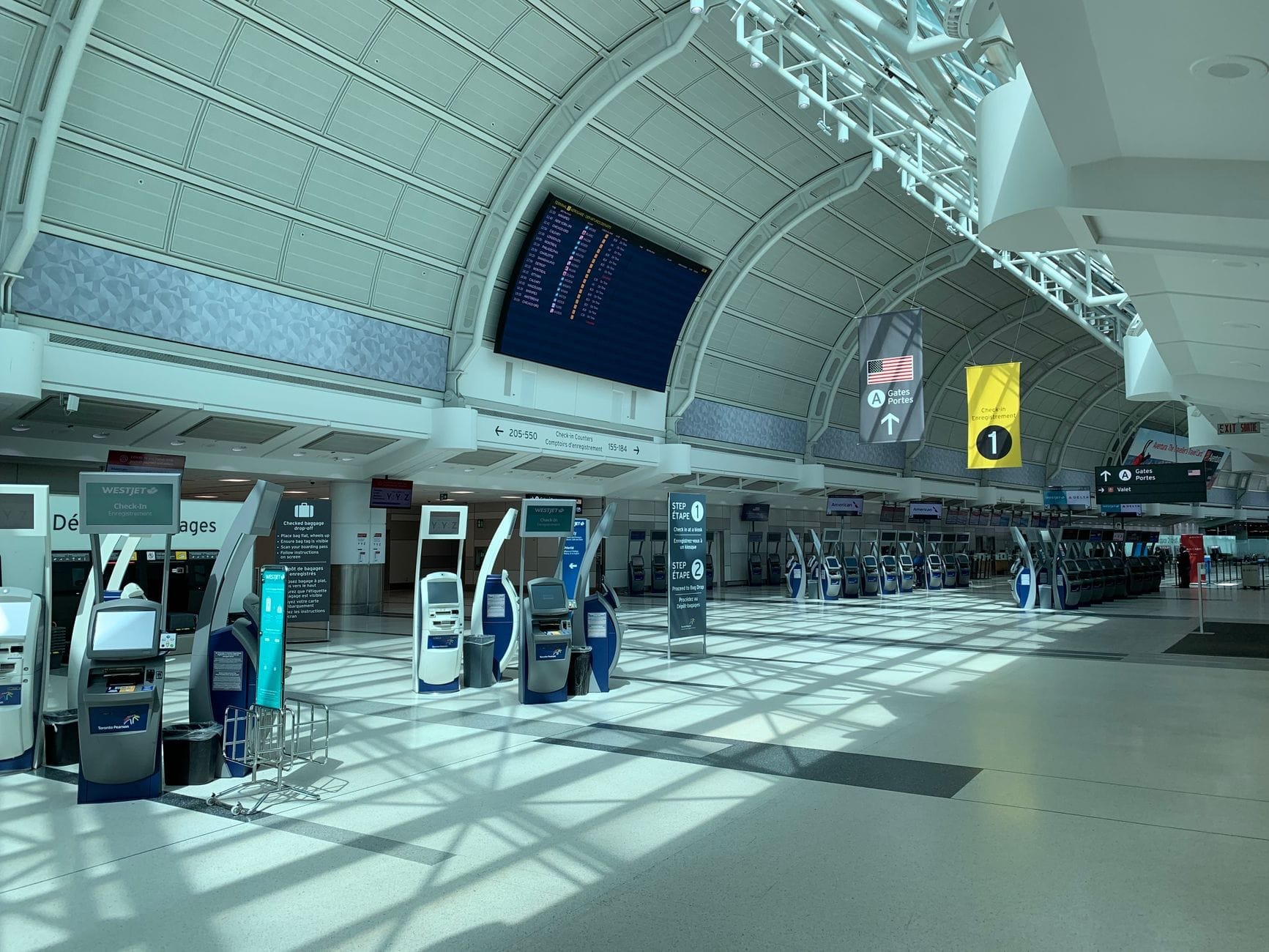
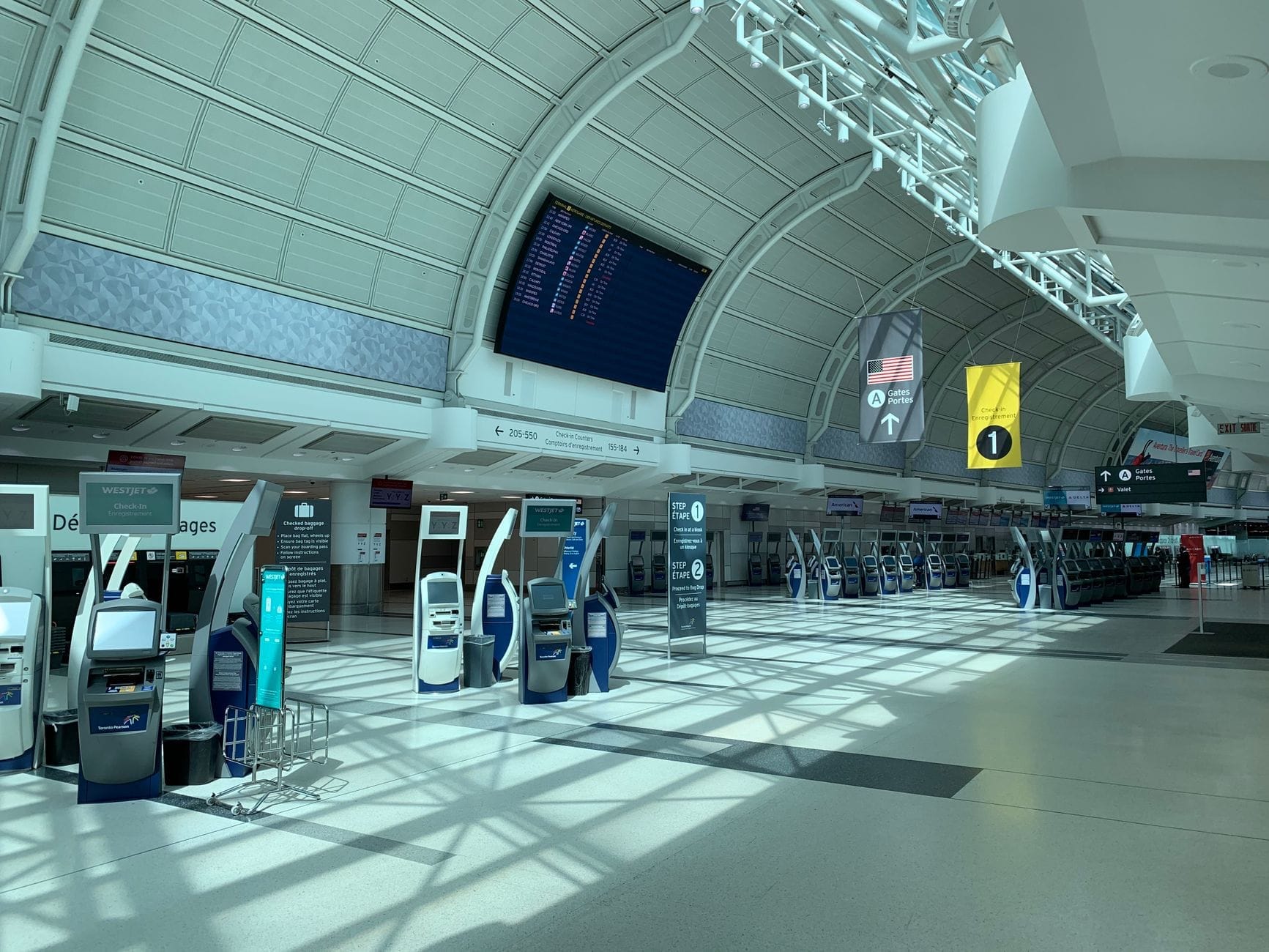
Toronto Pearson International Airport is Canada's busiest airport and one of the largest in North America. Officially named Toronto Pearson International Airport (IATA: YYZ), it sits within the City of Mississauga in the Greater Toronto Area, not within the City of Toronto itself. That geographic detail matters: road distances to downtown Toronto range from 22 to 27 km depending on your destination, and travel times vary considerably based on time of day and mode of transport.
The airport has two active passenger terminals: Terminal 1 and Terminal 3. Terminal 1 handles the majority of international and transborder flights, including most Air Canada operations. Terminal 3 handles a mix of carriers including WestJet and various international and domestic carriers. The free LINK Train connects Terminal 1, Terminal 3, and the Viscount parking and ground transport area on a continuous loop, running frequently throughout the day.
ℹ️ Good to know
The UP Express train departs exclusively from Terminal 1. If you land at Terminal 3, take the LINK Train to Terminal 1 before boarding the UP Express. Factor in an extra 10-15 minutes for this transfer.
Toronto Pearson also offers the rare advantage of U.S. Customs and Border Protection (CBP) pre-clearance. If you are connecting to or departing on a U.S.-bound flight, you clear American immigration and customs at Pearson before boarding, which means you arrive in the U.S. as a domestic passenger. Pre-clearance facilities are available at both terminals and operate daily, generally from early morning into the evening; check current hours before travel.
Getting from Toronto Pearson to Downtown
This is the question most first-time visitors have, and the honest answer is: it depends on how much you are carrying, where in the city you are staying, and what time you arrive. The UP Express is the clear winner for speed and predictability. Taxis offer door-to-door convenience. Public transit is the cheapest option but involves more steps. Ride-hailing sits somewhere in the middle.
- UP Express (Recommended for most travelers) Dedicated airport rail link from Terminal 1 to Union Station. Travel time: approximately 25 minutes. Frequency: every 15 minutes at peak times. Adult fare: around C$12.35 one-way (verify current pricing at upexpress.com before travel). Stops at Weston and Bloor-Dundas en route, which can be useful if you are heading to Toronto's west end. Trains run from roughly 5:30 a.m. to 1:00 a.m. daily.
- Taxi (Best for heavy luggage or late-night arrivals) Licensed taxis operate from official queues at both terminals. Fares to downtown Toronto are metered and typically range from C$50-70 depending on destination and traffic. Flat rates to specific zones may apply. Always use the official taxi queue rather than accepting offers from unlicensed drivers inside the terminal.
- Uber / Lyft (Flexible pricing, variable wait) Designated ride-hailing pick-up zones are marked at both terminals. App-based pricing fluctuates with demand, so costs during peak hours or late nights can exceed taxi rates. Confirm the pick-up zone location in the app before exiting arrivals.
- TTC Bus + Subway (Budget option) The TTC 900 Airport Express bus connects Pearson to Kipling Station (Line 2 subway), from where you can reach Union Station and other downtown stops. This is the cheapest option at standard TTC fares (around C$3.30 with a PRESTO card), but add 45-75 minutes total travel time and factor in luggage practicality.
- GO Transit Buses Several GO bus routes stop at Pearson, connecting to various GO rail stations and suburban hubs. Useful if your destination is in the Greater Toronto Area outside the city core. Check the GO Transit trip planner for current routes.
⚠️ What to skip
Avoid the unofficial shuttle drivers who approach you inside the arrivals hall offering fixed-price rides. Only use metered taxis from the official queue or pre-booked services. Toronto Pearson's ground transportation counters inside arrivals can help direct you to licensed options.
Navigating Terminals and Connections

If you have a connecting flight, the key question is whether your connection is airside (you stay in the secure zone) or requires you to exit customs and re-enter security. For international-to-international connections and some international-to-domestic itineraries, it is often possible to remain airside if your bags are checked through to your final destination and your airline allows it. Always confirm this with your carrier before you travel.
Toronto Pearson provides an interactive online connection tool that gives step-by-step transfer instructions based on your specific itinerary. This is worth checking in advance, particularly for complex routings involving Terminal 1 to Terminal 3 connections. The LINK Train makes the physical transfer straightforward, but customs procedures can add significant time if you need to exit the secure zone.
✨ Pro tip
For international connections with a tight layover, Pearson's website recommends a minimum connection time of 90 minutes. In practice, experienced travelers often prefer at least 2 hours for international-to-international connections, especially during busy travel periods (summer, holiday weekends) when customs queues can be long.
Newcomers to Canada arriving at Pearson as permanent residents or through immigration programs will find Service Canada offices in both Terminal 1 and Terminal 3. These offices handle Social Insurance Number (SIN) applications and related services. Reported hours are Monday to Friday, 6 a.m. to 9 p.m. local time, but confirm current hours with Service Canada before relying on them for same-day appointments.
Toronto Airport Parking and Getting Back to Pearson
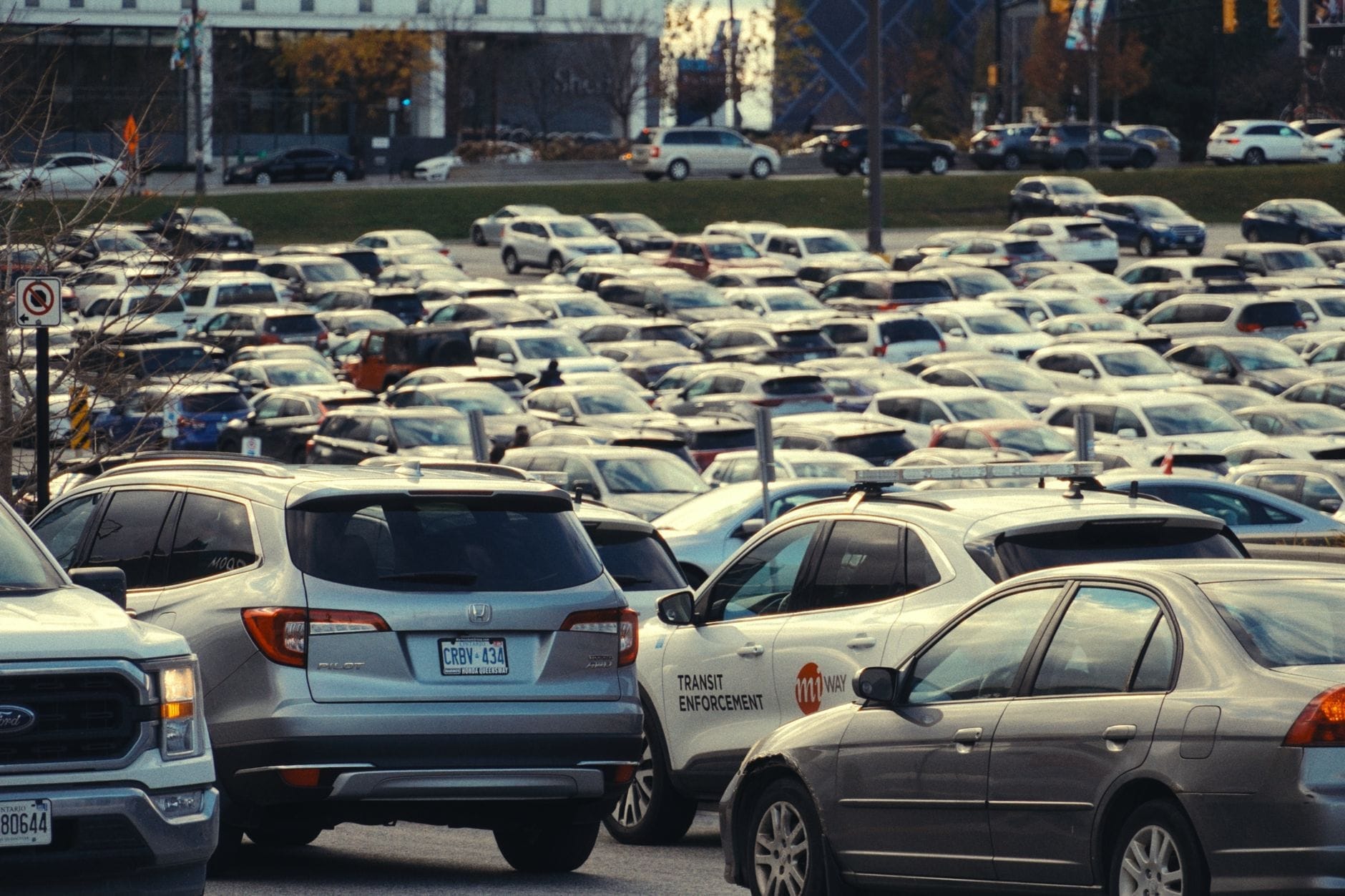
Toronto Pearson offers several parking options ranging from short-term covered parking directly at the terminals to economy surface lots with a free shuttle connection. Short-term parking is priced for quick pickups and drop-offs. For stays longer than a day, the Express or Value parking lots offer lower daily rates. Pre-booking online through the official Pearson website typically saves money versus paying on arrival.
- Short-term parking: located at both Terminal 1 and Terminal 3, best for pickups under 1-2 hours
- Express parking: covered, close to terminals, mid-range daily rates
- Value parking: surface lots with shuttle to terminals, lowest daily rates, best for multi-day trips
- Valet parking: available at Terminal 1 and Terminal 3 for premium convenience
- Off-airport parking: several third-party lots operate near Pearson with shuttle services, often cheaper for extended stays
If you are driving from the city, the most direct routes to Pearson run via Highway 427 north to Highway 409, or via Highway 401 to the Airport Road/409 exits, depending on your approach. During peak morning and evening rush hours (roughly 7-9 a.m. and 4-7 p.m.), these routes can see significant congestion. For early morning flights, leaving extra time is advisable, particularly in winter when road conditions can slow travel. For a broader look at moving around the region, the complete Toronto transit guide covers GO Transit, the TTC, and regional options in detail.
Billy Bishop Toronto City Airport: The Other Option
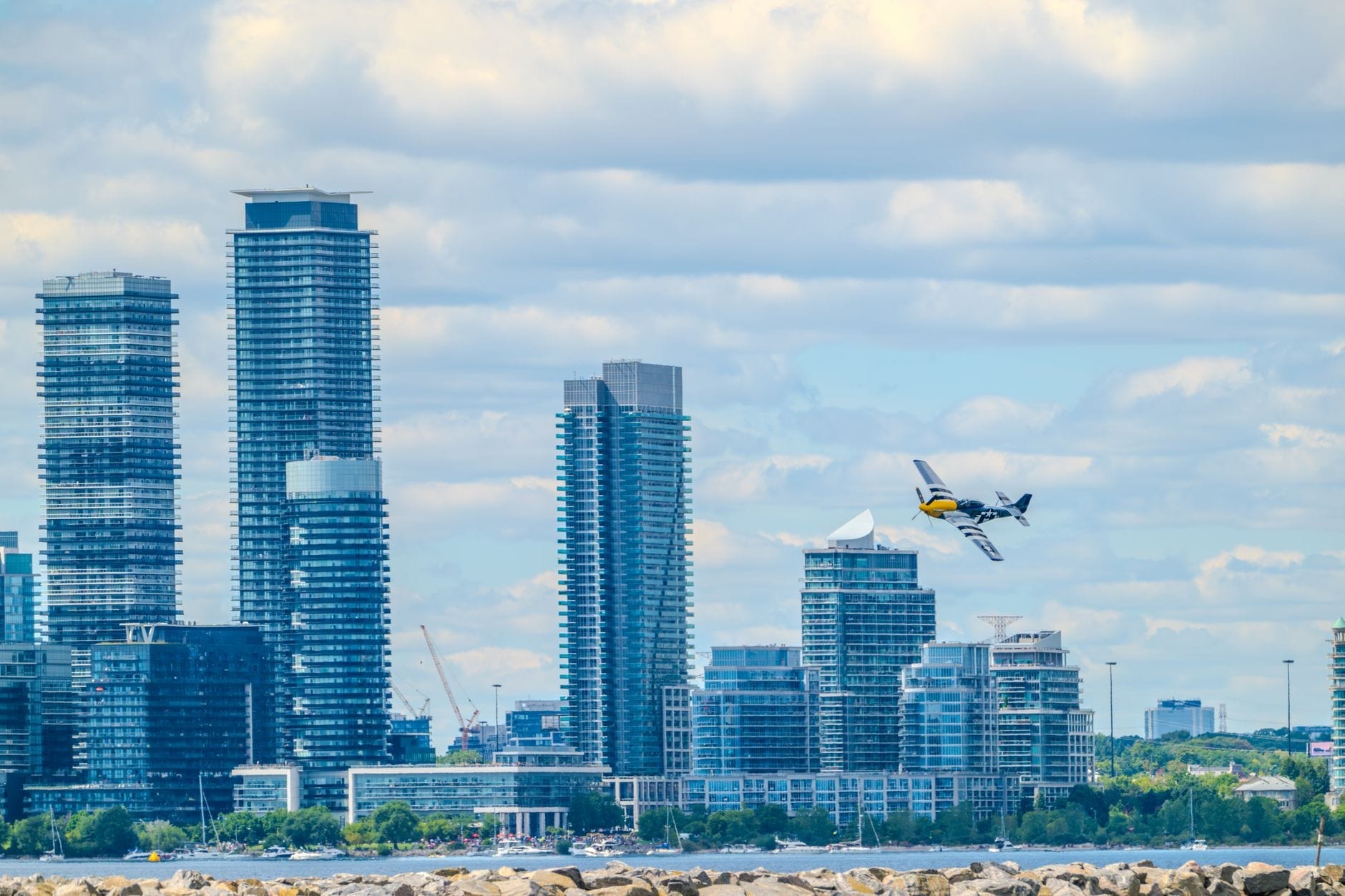
Toronto has a second commercial airport that often gets overlooked: Billy Bishop Toronto City Airport (IATA: YTZ), located on the Toronto Islands just offshore from the downtown waterfront. It sits roughly 2-3 km from the financial district, making it dramatically more convenient for travelers whose destination is the core.
Billy Bishop is a small regional airport serving mostly Canadian and some northeastern U.S. destinations, primarily operated by Porter Airlines. Passengers reach the terminal via a short pedestrian tunnel (or seasonal ferry) and can then take a complimentary shuttle to the Union Station area, catch a TTC streetcar on Bathurst Street, or grab a taxi. On a good traffic day, you can be at a downtown hotel within about 15-20 minutes of landing, compared to roughly 40-60 minutes it typically takes from Pearson.
💡 Local tip
If your itinerary allows for it and Porter Airlines serves your route, choosing Billy Bishop over Pearson can save 45 minutes to over an hour of ground transport time each way. For a short business trip or weekend visit, that adds up.
Practical Essentials for Arriving in Toronto
Toronto is Canada's most populous city and the economic heart of Ontario, home to around 2.8 million residents in the city proper and about 6.7 million in the greater metro area. The city operates on Eastern Time (EST, UTC-5 in winter; EDT, UTC-4 during daylight saving). The currency is the Canadian dollar (CAD). For context on timing your visit around weather and events, the best time to visit Toronto guide covers seasonal conditions in detail.
Entry to Canada is governed by federal immigration rules, not city-level policy. Many nationalities traveling to Canada by air require an Electronic Travel Authorization (eTA) rather than a full visa, but requirements vary by passport. Always check the official Government of Canada visitor visa tool before booking. The country dialing code is +1, and Toronto local area codes include 416, 647, and 437. Tap water in Toronto meets provincial and federal drinking water standards and is safe to drink.
- Emergency services (police, fire, ambulance): dial 911
- Non-emergency city information: dial 311 within Toronto
- Standard electricity: 120V, 60Hz, Type A and B plugs (North American standard)
- Tipping norm: 15-20% is standard at restaurants and for taxi drivers; automatic gratuity may apply for large groups
- Languages: English is the primary working language; Toronto's population speaks over 180 languages
Winter arrivals deserve special mention. Toronto experiences genuine cold winters, with January averages around -3°C and periods well below freezing. Snowfall can affect road transport to and from Pearson, sometimes significantly. If you are arriving between November and March, allow extra buffer time for ground transport and check road conditions before leaving the terminal. Once in the city, the extensive PATH underground network connects major downtown buildings and is a useful tool for winter navigation.
From the Airport to Specific Toronto Neighborhoods
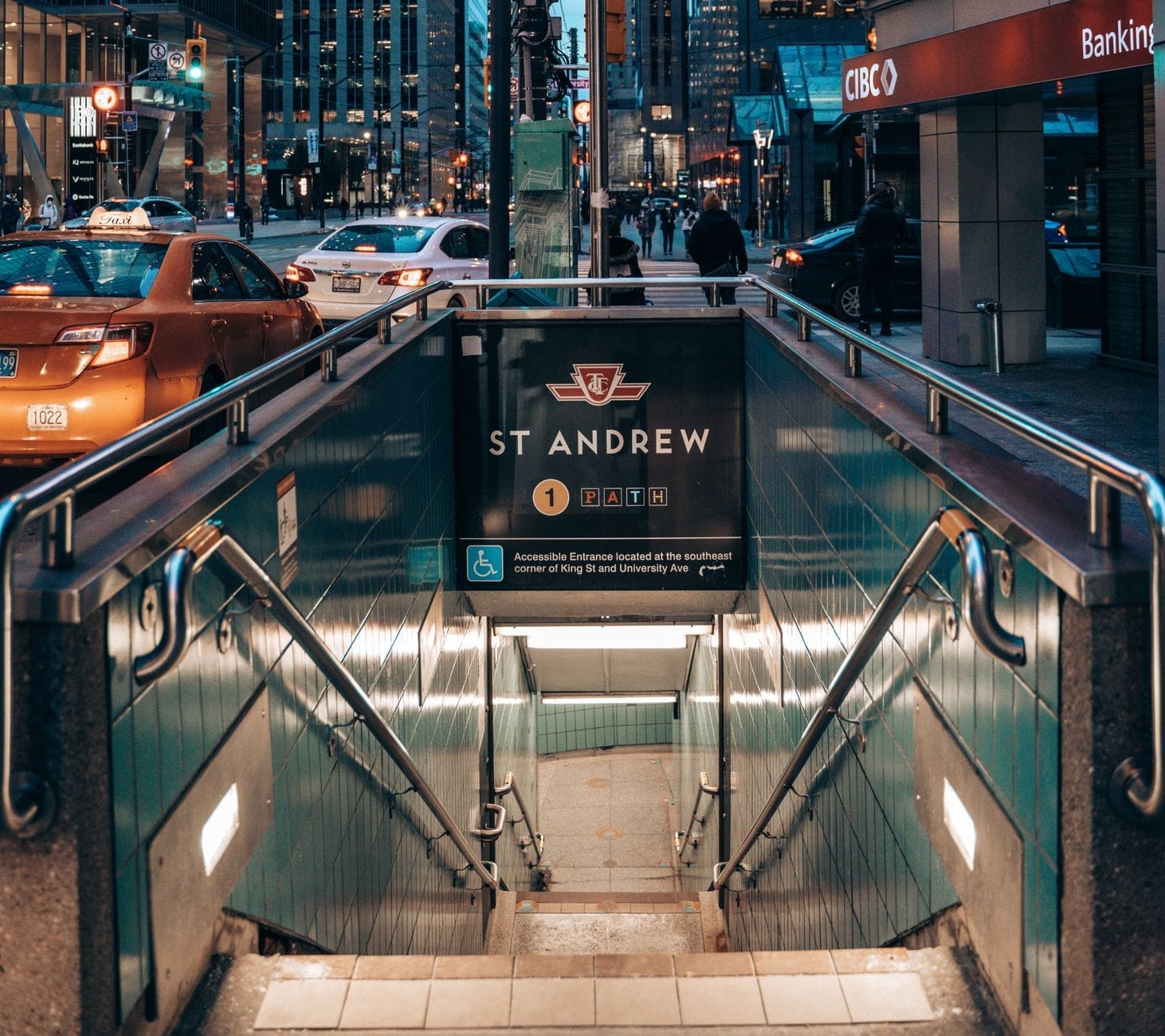
The UP Express drops you at Union Station, which is the city's main transit hub and well-connected to the TTC subway system. From Union Station, Line 1 (Yonge-University) takes you north through the financial district to Yorkville and beyond. Line 2 (Bloor-Danforth) runs east-west and provides access to neighborhoods like Kensington Market (via Spadina or Bathurst stations) and Greektown on the Danforth to the east.
For travelers heading to the waterfront, the Toronto waterfront is walkable from Union Station in about 10 minutes. The St. Lawrence Market area and the Distillery District are a short streetcar or taxi ride east. If you need a broader orientation to the city's neighborhoods before you arrive, the where to stay in Toronto guide maps out the main districts and their character.
FAQ
How long does it take to get from Toronto Pearson Airport to downtown?
On the UP Express, approximately 25 minutes to Union Station. By taxi or ride-hailing, expect 30-45 minutes outside rush hour and 45-70 minutes during peak traffic (roughly 7-9 a.m. and 4-7 p.m. weekdays). By TTC bus and subway, budget 45-75 minutes total. In winter, add 10-20 minutes for potential road delays.
What is the UP Express fare from Pearson Airport to Union Station?
The current adult one-way fare is $12.35 standard ($9.25 with PRESTO or contactless tap). Fares are subject to periodic changes, so verify the current rate at upexpress.com before travel. The journey takes about 25 minutes with stops at Weston and Bloor GO en route.
Does Toronto Pearson Airport have U.S. customs pre-clearance?
Yes. CBP pre-clearance facilities operate at both Terminal 1 and Terminal 3, allowing passengers on U.S.-bound flights to clear American customs and immigration before boarding. Pre-clearance is open daily with hours that vary by day and flight schedule; check current times before your trip. Arriving in the U.S. as a domestic passenger significantly speeds up arrival.
Which terminal does my airline use at Toronto Pearson?
Terminal 1 handles most Air Canada and Star Alliance flights, along with many international carriers. Terminal 3 handles WestJet and a range of other carriers. Check your boarding pass or airline website for your specific terminal. The free LINK Train connects both terminals, so inter-terminal transfers are straightforward, but allow at least 10-15 minutes for the connection.
Is there a cheaper alternative to the UP Express for getting to downtown Toronto from the airport?
Yes. The TTC 900 Airport Express bus runs from Pearson to Kipling Station (Line 2 subway), from which you can ride the subway to Union Station and beyond. The total cost is a standard TTC fare (around C$3.30 with a PRESTO card). The trade-off is travel time: expect 50-75 minutes total versus 25 minutes on the UP Express. This option works well for budget travelers with light luggage who are not on a tight schedule.
Tickets & tours
Live prices and dates from our booking partner. If you book, we may earn a commission at no extra cost to you.
Planning a trip? Discover personalized activities with the Nomado app.