3 Days in Toronto: The Perfect Itinerary
Three days is enough time to cover the best of Toronto's downtown core, historic districts, waterfront, and cultural institutions — if you plan smartly. This itinerary is built around the TTC subway and streetcar network, so you never need a rental car. Expect a mix of landmark sights, neighbourhood wandering, and genuine local texture.
Tickets & tours
Live prices and dates from our booking partner. If you book, we may earn a commission at no extra cost to you.
TL;DR
- Three days covers Toronto's key clusters: the waterfront and CN Tower area, downtown museums and markets, and the Distillery District and Bloor-Yorkville corridor.
- The TTC subway and streetcar network handles all of it — no car needed. See getting around Toronto for transit basics before you arrive.
- A Toronto CityPASS can reduce costs if you plan to visit the CN Tower, Ripley's Aquarium, and three more from the ROM, AGO, Casa Loma, Toronto Zoo, or City Cruises Toronto — check current pricing before buying.
- Seasonal timing matters: spring through fall is best for neighbourhood walking; winter is colder but adds the Nathan Phillips Square skating rink and a quieter side of the city.
- Toronto is far more than the CN Tower. Budget real time for Kensington Market, the Distillery District, and Bloor-Yorkville to get a complete picture.
Before You Arrive: Logistics Worth Sorting in Advance
Toronto is Canada's largest city and the economic heart of Ontario, with around 2.8 million people in the city proper and over 6.7 million in the broader metro area. Its downtown core sits on the northwestern shore of Lake Ontario, and the street grid is compact enough that most major attractions sit within 5 kilometres of each other. That density works in your favour on a short trip.
Most international visitors land at Toronto Pearson International Airport (YYZ), about 22-25 km from downtown. The fastest downtown connection is the UP Express train, which runs every 15 minutes and reaches Union Station in about 25 minutes. It's reliably fast and avoids traffic entirely. If you're flying into Billy Bishop Toronto City Airport (YTZ) — which handles Porter Airlines, Air Canada, and some regional routes — you're already 2-3 km from the core. A free shuttle connects to the Union Station area, and TTC streetcars on Bathurst Street are steps from the terminal exit.
💡 Local tip
Load a PRESTO card before you start exploring. It works on the TTC (subway, streetcar, bus), GO Transit, and UP Express. Single-ride fares cost more than tapping PRESTO, and cash is still accepted on TTC buses and streetcars but exact change is required and fares are higher than PRESTO taps. Cards are available at Union Station, Pearson Airport UP Express/GO stations, and most TTC subway stations.
Toronto observes Eastern Time (UTC-5 in winter, UTC-4 during daylight saving). Canadian dollars (CAD) are the currency; US dollars are not officially accepted but some tourist-facing businesses take them at an unfavourable rate. Tap water is safe to drink. Tipping at restaurants runs 15-20% of the pre-tax bill as a strong local norm, not a legal requirement. The standard electrical voltage is 120V/60Hz with Type A and B plugs, identical to the US.
Day 1: The Waterfront, CN Tower, and Harbourfront
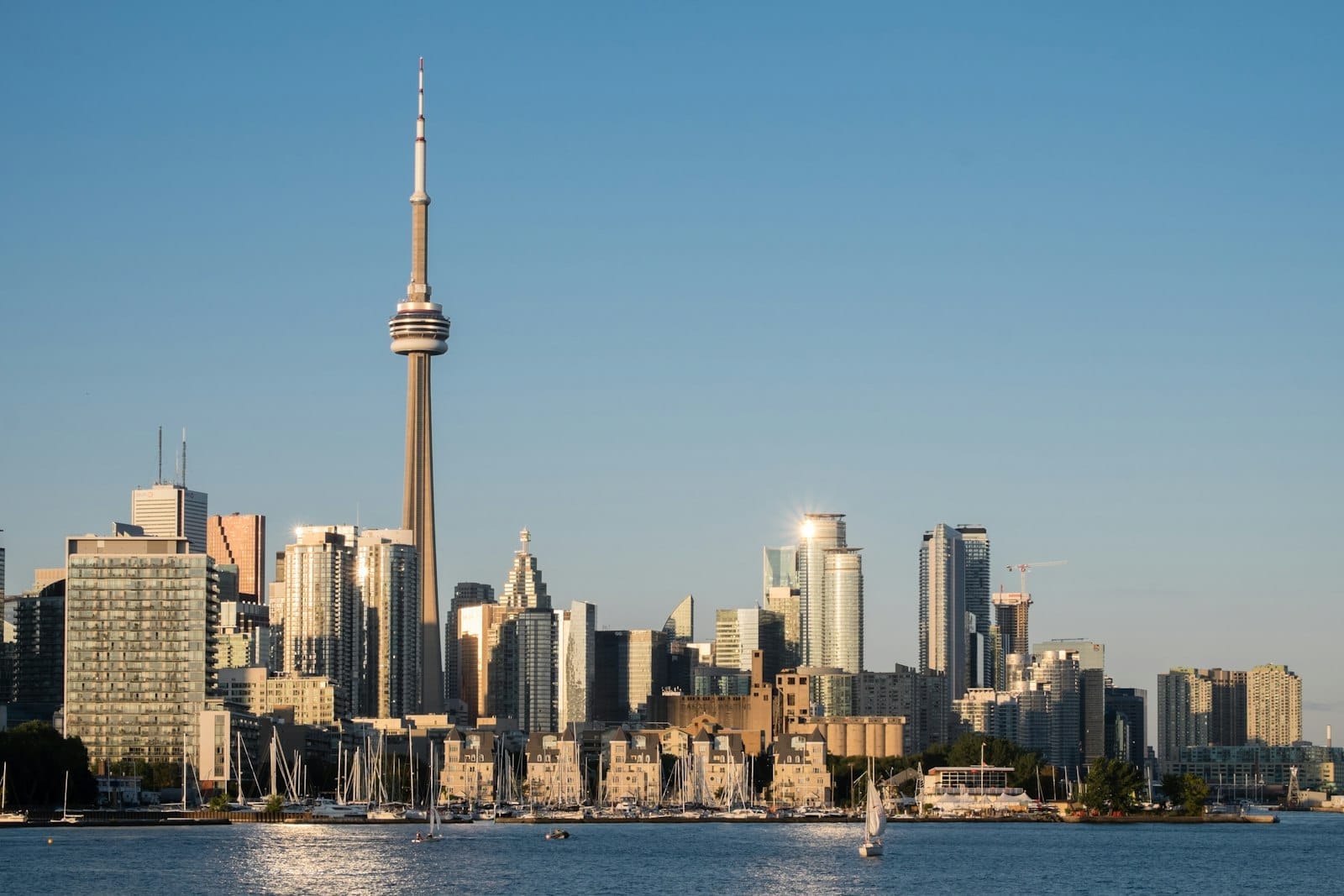
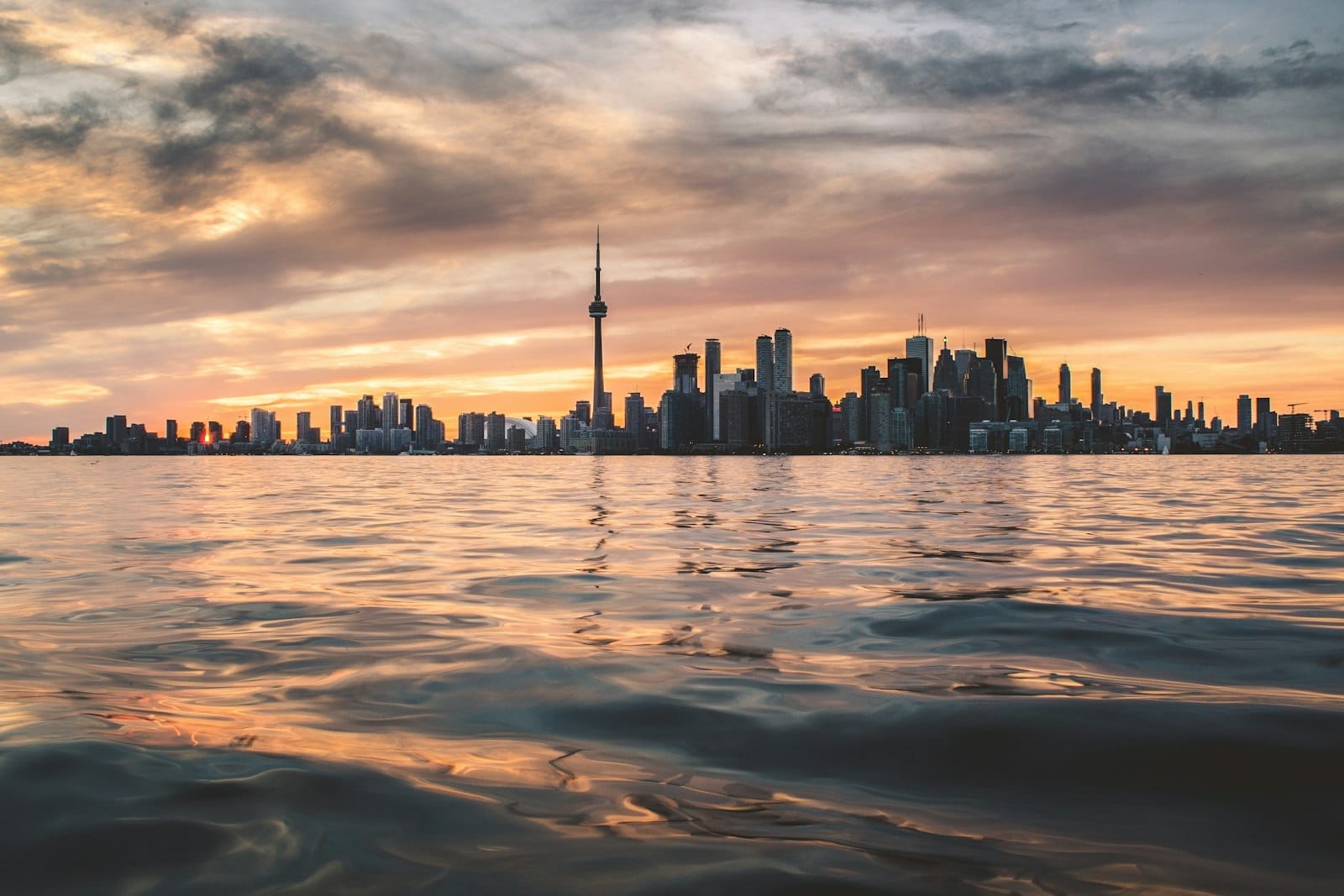
Start at the waterfront. Take the TTC Line 1 subway to Union Station, then walk south or hop the 509 or 510 streetcar to Harbourfront Centre. The lakefront on a clear morning is one of the better ways to orient yourself — you can see the Toronto Islands across the water, and the skyline behind you makes more sense once you're standing at the water's edge.
The CN Tower is the obvious first stop. At 553.3 metres, it held the title of world's tallest free-standing structure for over 30 years until 2007. The glass floor and outdoor observation deck are genuinely worth it on a clear day — on a very clear day you may see as far as Niagara Falls and parts of New York State. Book timed tickets online the night before to avoid queuing. Right beside it, Ripley's Aquarium of Canada is excellent if you have kids or want to extend the morning — the moving walkway through the shark tunnel is better than it sounds.
- CN Tower Book timed entry online to skip the ticket queue. The EdgeWalk (hands-free walk around the outside ledge) requires advance booking and a minimum age.
- Ripley's Aquarium Budget 90 minutes. The jellyfish gallery and ray touch tank are highlights. Busier on weekends and school holidays.
- Harbourfront Centre Free to wander. Check their calendar for seasonal markets, outdoor concerts, and skating in winter.
- Toronto Music Garden A quiet park designed with Yo-Yo Ma, a 10-minute walk west along the waterfront. Worth a detour if you want to decompress.
After lunch, walk or streetcar east along the waterfront toward the Distillery District. This preserved complex of Victorian-era industrial buildings is one of the largest preserved collections of Victorian industrial architecture in North America. The pedestrian-only brick laneways are home to galleries, restaurants, and independent shops. It's most atmospheric on a weekday afternoon when it's less crowded. The Christmas Market here (late November through December) draws massive crowds and is worth experiencing once, but it does change the vibe significantly.
⚠️ What to skip
The Distillery District restaurants are notably pricier than elsewhere in the city. If budget matters, eat before arriving and treat this as a walking and browsing stop rather than a dining destination.
Day 2: Museums, Markets, and Downtown Neighbourhoods
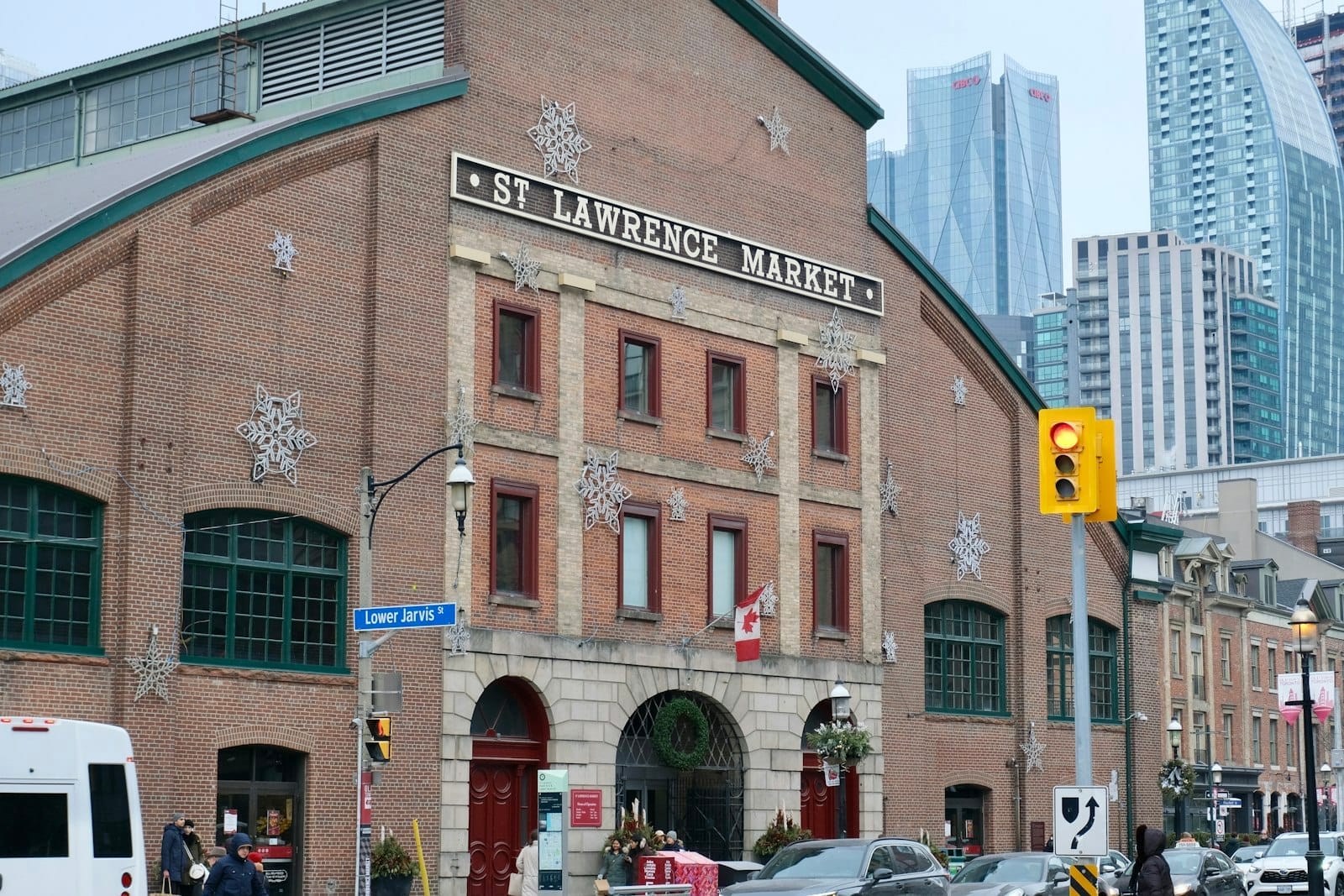
Day 2 is the most content-dense of the three and works best if you start early. Head to St. Lawrence Market by 9am for breakfast. The market traces its origins to 1803, and the South Market building is the main draw: two floors of food vendors selling everything from peameal bacon sandwiches (a Toronto standard) to fresh produce and artisan cheese. It's closed Sundays and Mondays, so plan accordingly.
From St. Lawrence, take the subway west toward the museum corridor. The Art Gallery of Ontario (AGO) on Dundas Street West holds the largest collection of Canadian art in the world, plus works by Rubens, Picasso, and Hirst. The Frank Gehry-designed facade is striking from the street. Budget two to three hours inside. Adjacent to the AGO, the Kensington Market and Chinatown area is a 5-minute walk north. These two neighbourhoods run together and reward slow exploration: independent vintage shops, bakeries, spice importers, and cheap international food.
✨ Pro tip
Ontario residents 25 and under get free AGO admission year-round with a free account. A Toronto CityPASS bundles the CN Tower and Ripley's Aquarium with your choice of three more attractions from the ROM, AGO, Casa Loma, Toronto Zoo, or City Cruises Toronto — it pays off if you visit three or more of those five.
In the afternoon, take the subway north on Line 1 to Museum station. The Royal Ontario Museum is one of Canada’s leading natural history and world cultures museums, with strong collections in Egyptian mummies, dinosaur fossils, and East Asian decorative arts. The Michael Lee-Chin Crystal addition to the building is architecturally polarizing — some find it inspired, others find it disruptive. Either way it's worth seeing. Allow two to three hours.
End the day in Yorkville, a short walk from the ROM. Bloor Street between Avenue Road and Bay Street is Toronto's luxury retail corridor, lined with Chanel, Hermès, and Holt Renfrew. If high-end shopping isn't your thing, the neighbourhood is still worth walking for its architecture and café density. Hazelton Lanes and the side streets off Cumberland have a quieter, more residential character than the main drag suggests.
Day 3: Nathan Phillips Square, Queen West, and High Park
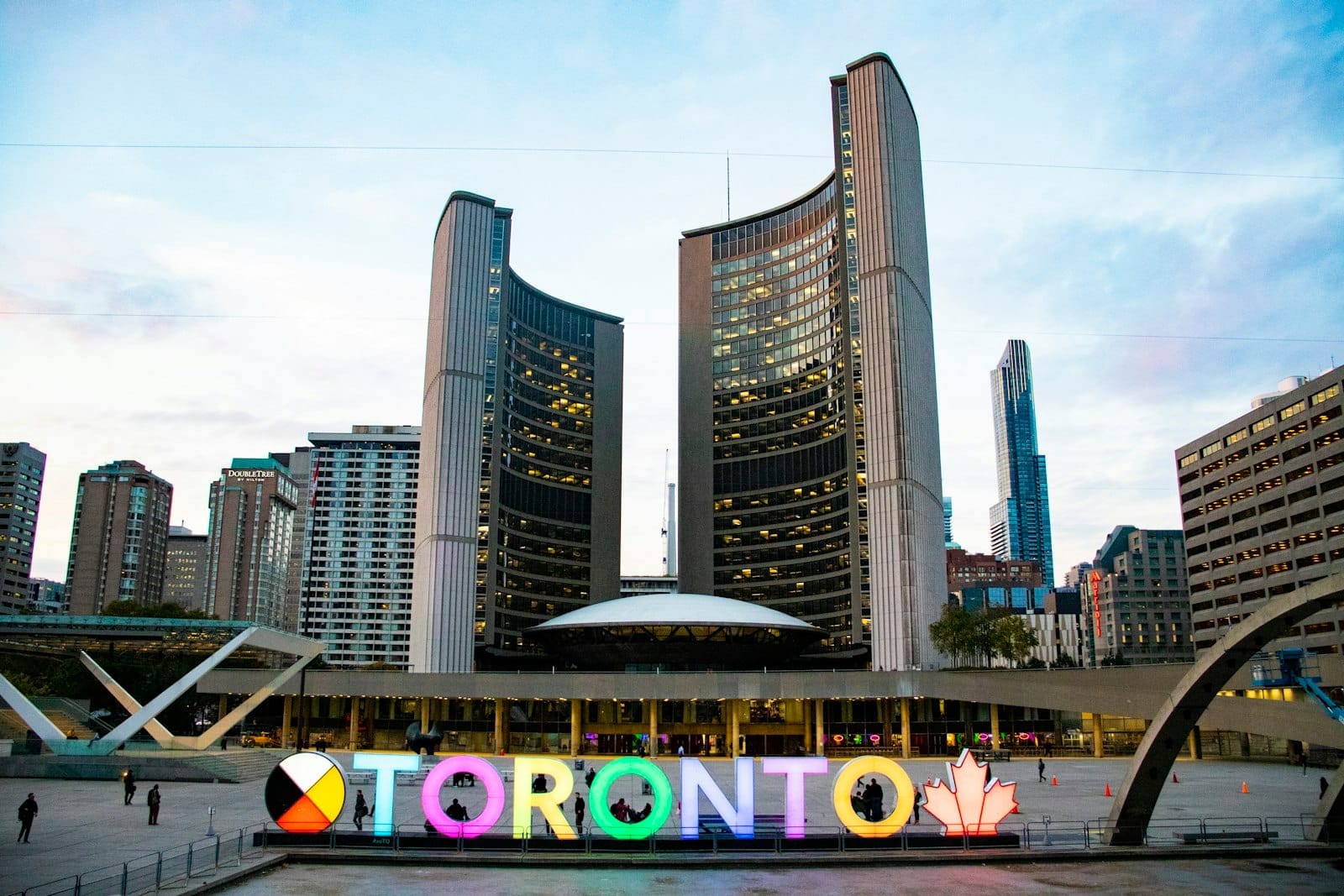
Start Day 3 at Nathan Phillips Square in front of City Hall. This is where you'll find the famous 3D Toronto sign, which is probably the most photographed spot in the city. In winter, the reflecting pool becomes a skating rink (skate rental on site). The Viljo Revell-designed City Hall opened in 1966 and remains one of the more interesting pieces of civic architecture in North America — the two curved towers and central council chamber read almost like a modernist eye from above.
Walk south on Bay Street, then west on Queen Street. Queen Street West between University Avenue and Bathurst Street is Toronto's commercial arts corridor: record shops, independent bookstores, tattoo studios, and some of the city's better coffee. West of Bathurst into West Queen West and Ossington Avenue, the density of galleries and independent restaurants increases. This stretch is best explored on foot at a slow pace — the interesting things are often through unmarked doors or up side streets.
- Graffiti Alley, running parallel to Queen between Spadina and Portland, is one of the most photographed murals in Toronto and free to walk through.
- Trinity Bellwoods Park, three blocks north of Queen on Ossington, is the neighbourhood park of choice for west-end Toronto — good for a break and people-watching.
- Ossington Avenue between Queen and Dundas has a tight cluster of independent restaurants worth considering for lunch or dinner.
- If you have a full afternoon, extend west by subway or streetcar to High Park — one of Toronto's largest parks, with trails, a free zoo, and Grenadier Pond.
If the weather is good and you have the energy, High Park is worth the extra 20 minutes on the subway. The park covers about 400 acres and includes woodland trails, a small free zoo, and Grenadier Pond. In late April and early May, the Japanese cherry blossoms at the south end of the park draw significant crowds — arrive before 9am if visiting during peak bloom. The rest of the year it's a calm counterpoint to the city's density.
What to Skip (Or Lower Your Expectations On)
A few Toronto attractions are genuinely overrated relative to the time and money they cost. Yonge-Dundas Square is essentially a commercial billboard plaza modelled on Times Square — it's worth walking through but not worth planning around. The CN Tower restaurant (360 Restaurant) is expensive and the food is average; the view from the observation deck justifies the admission, but the dining surcharge does not. Harbourfront and the central waterfront get extremely congested on summer weekends without offering much that isn't available a few blocks east or west.
Toronto is also a significantly larger city than most visitors expect. Scarborough, Etobicoke, and North York are technically within city limits but are 30-45 minutes from the downtown core by transit. Unless you have a specific reason to visit (the Scarborough Bluffs are genuinely spectacular, and Pacific Mall in Markham is one of the largest Asian shopping malls in North America), keep your 3-day itinerary anchored downtown.
ℹ️ Good to know
Toronto's downtown core is walkable between most Day 1-3 stops, but distances are longer than they look on maps. Union Station to the Distillery District is about 2 km on foot; Union Station to the ROM is about 3 km. The TTC subway closes around 1:30am daily (earlier on Sunday nights), while the Blue Night Network of buses and streetcars operates overnight on key routes. Plan evening returns accordingly.
Practical Tips for Getting the Most from 3 Days
- Book major attractions in advance CN Tower, Ripley's Aquarium, and the ROM all offer online timed-entry tickets. Walk-up queues on weekends and holidays can cost you an hour.
- Use the TTC app or Google Maps for real-time routing Streetcar delays are common on King Street and Queen Street. The King Street Transit Priority Corridor has improved reliability, but factor in 10-15 minutes of buffer on surface routes.
- St. Lawrence Market is closed Sundays and Mondays If your itinerary falls over those days, the Kensington Market area and Chinatown are good alternatives for morning food browsing.
- Dress for the weather, not the photos Toronto winters are genuinely cold, averaging around -4°C in January with wind chill making it feel colder. Layer up. Summers can hit 30°C+ with high humidity. Spring and fall (May-June and September-October) offer the most comfortable conditions for extended walking.
- Tipping is expected Restaurants expect 15-20% on the pre-tax bill. Many point-of-sale systems now default to suggested tips of 18-22%. You can adjust manually — it's not rude to do so.
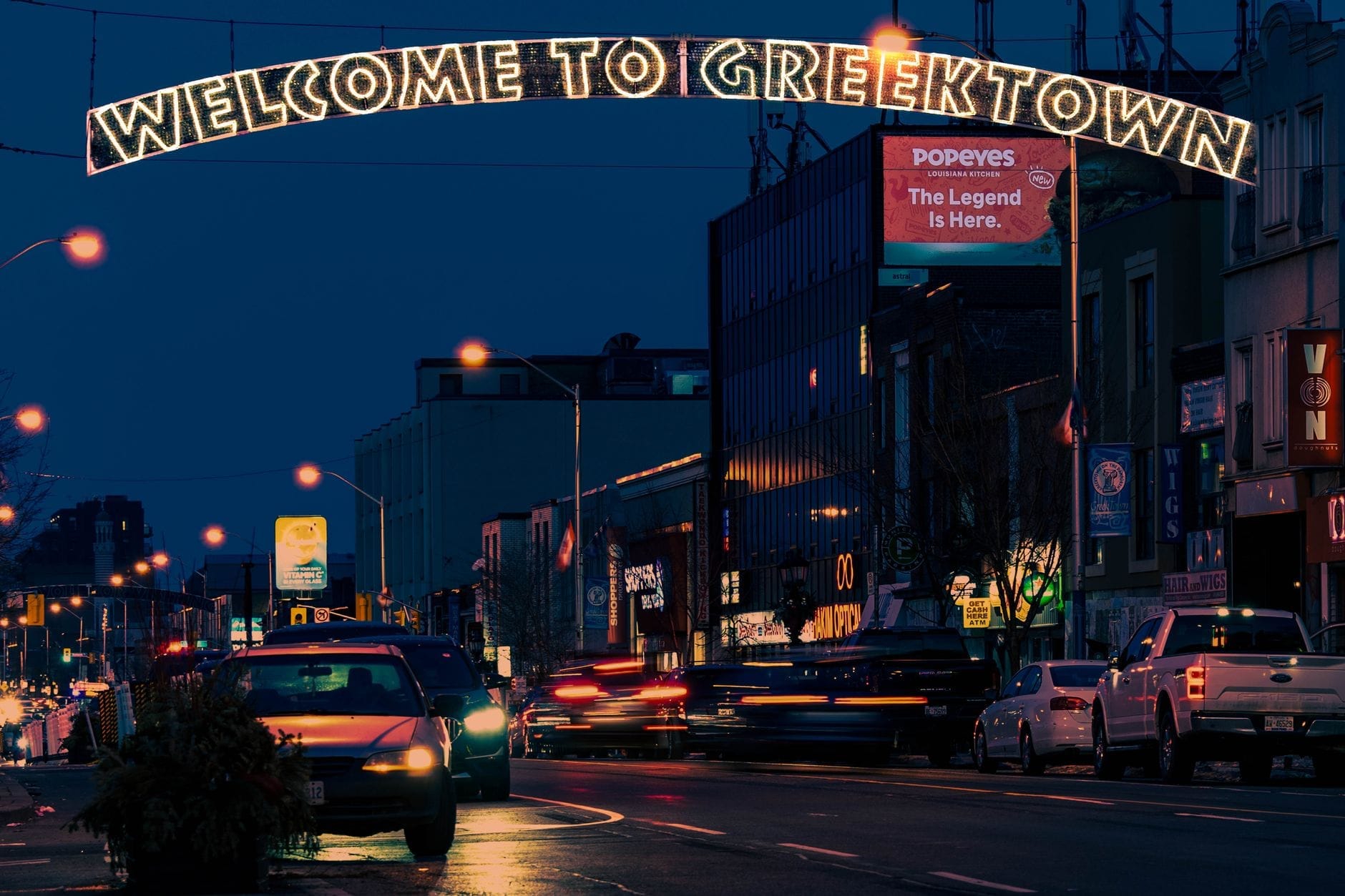
If you want to extend beyond 3 days, Toronto's neighbourhood diversity rewards extra time. The multicultural neighbourhoods — Greektown on the Danforth, Little India on Gerrard, Koreatown on Bloor West, Little Italy on College Street — each have a distinct character and are largely untouched by the tourist itinerary circuit. A 5-day Toronto itinerary gives you the space to get into those areas properly.
FAQ
Is 3 days enough time to see Toronto?
Three days covers the essential downtown Toronto experience: the waterfront and CN Tower, the major museums (AGO, ROM), Kensington Market and Chinatown, the Distillery District, and Queen Street West. You won't reach the outer districts like Scarborough or Etobicoke, and you'll only scratch the surface of the neighbourhood dining scene, but you'll leave with a genuine sense of the city.
Do I need a car to get around Toronto for 3 days?
No. The TTC subway and streetcar network connects all the major stops in this itinerary. A PRESTO card covers all TTC travel with a single tap. Driving in downtown Toronto is slow due to traffic and parking is expensive — often around CAD $4-6 per half-hour in central lots. For this itinerary, a car actively makes things harder.
What is the best time of year for a 3-day Toronto visit?
May-June and September-October offer the best combination of mild weather, manageable crowds, and outdoor accessibility. July and August are warm but humid with peak tourist volumes. Winter (December-February) is cold but cheaper — and the Nathan Phillips Square skating rink and Toronto Christmas Market add seasonal appeal. Avoid the deep cold of January if outdoor walking is central to your plan.
Is a Toronto CityPASS worth buying?
It depends on which attractions you plan to visit. CityPASS includes the CN Tower and Ripley's Aquarium, plus your choice of three from the ROM, AGO, Casa Loma, Toronto Zoo, or City Cruises Toronto. If you'll visit three or more of those five in three days, the math usually works in your favour. If you're skipping one or two, compare individual ticket prices first. Check the official CityPASS website for current pricing before purchasing.
What neighbourhood should I stay in for a 3-day Toronto itinerary?
Downtown Core or King West puts you within walking distance of the CN Tower, St. Lawrence Market, and the Entertainment District. The Annex or Bloor-Yorkville is better if the ROM and AGO are priorities. For budget accommodation, Kensington Market and the areas around Spadina offer more affordable options with easy subway access. Avoid booking far north in North York or far west in Etobicoke unless you're getting a significantly better rate — the transit time will cost you.
Tickets & tours
Live prices and dates from our booking partner. If you book, we may earn a commission at no extra cost to you.
Planning a trip? Discover personalized activities with the Nomado app.