5 Days in Toronto: The Complete Itinerary with Day Trips
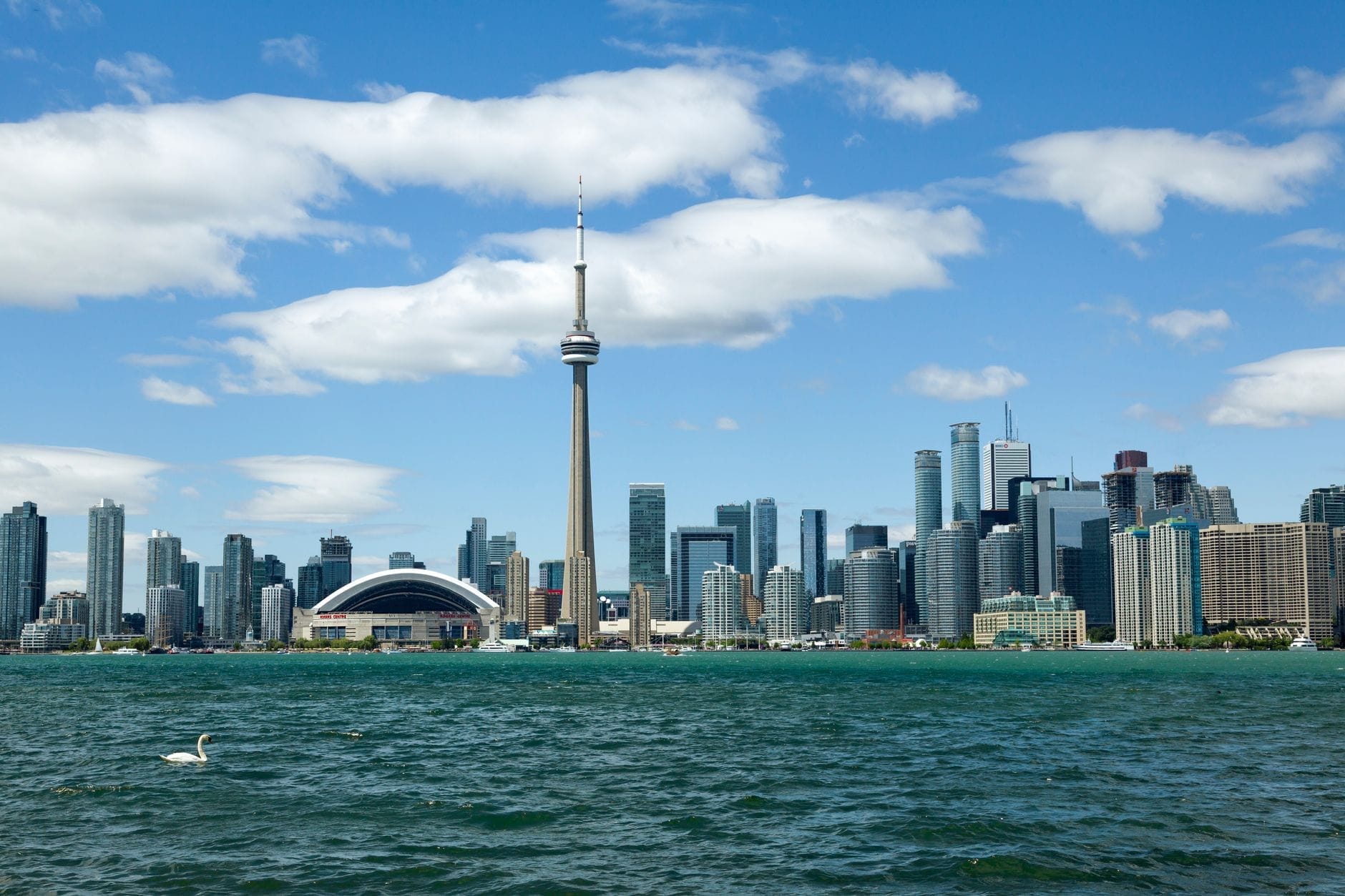
Five days in Toronto is enough time to cover the iconic landmarks, dig into the city's diverse neighbourhoods, and still squeeze in a day trip to Niagara Falls. This itinerary is structured for efficiency without sacrificing depth, whether you're arriving at Pearson Airport or Billy Bishop.
Tickets & tours
Live prices and dates from our booking partner. If you book, we may earn a commission at no extra cost to you.
TL;DR
- Days 1-2 cover Downtown Toronto's core: CN Tower, Ripley's Aquarium, the Distillery District, and St. Lawrence Market.
- Days 3-4 explore diverse neighbourhoods, museums, and the Toronto Islands before heading further afield.
- Day 5 is reserved for a Niagara Falls day trip, the most rewarding excursion from Toronto at around 1.5-2 hours by car.
- Use a PRESTO card for all TTC travel: single fares are $3.30 CAD and the card automatically caps daily spending.
- Book CN Tower ($45 CAD adult), Ripley's Aquarium ($49 CAD adult), and Niagara boat tours online in advance, especially in summer.
Before You Arrive: Logistics and Orientation
Toronto is Ontario's provincial capital, sitting on the northwestern shore of Lake Ontario with a city population of around 2.8 million and a metro area of over 6 million people. It operates on Eastern Time (UTC-5 in winter, UTC-4 during daylight saving), uses the Canadian dollar (CAD), and runs almost entirely in English at street level, though you'll hear dozens of languages in its multicultural neighbourhoods.
Most international visitors land at Toronto Pearson International Airport (YYZ), about 22-27 km from downtown. The fastest way in is the UP Express train: it runs every 15 minutes and reaches Union Station in roughly 25 minutes. Taxis and ride-hailing (Uber, Lyft) are available from designated zones at Pearson, but fares vary considerably with traffic. If you fly into Billy Bishop Toronto City Airport (YTZ), you're already a short pedestrian tunnel and shuttle ride from the downtown core.
💡 Local tip
Pick up a PRESTO card at Union Station or Pearson Airport on arrival. Single TTC fares cost $3.30 CAD per tap with a 2-hour transfer, but the card does not automatically stop charging at a daily maximum, making it more practical than buying individual tickets or a separate day pass.
For a full orientation of how to get around once you're in the city, the Toronto transit and transport guide breaks down subway lines, streetcar routes, and when it actually makes sense to take a cab. The TTC subway has four lines covering the core and inner suburbs; GO Transit handles regional rail to areas like Niagara Falls.
Day 1: The Waterfront and Downtown Core
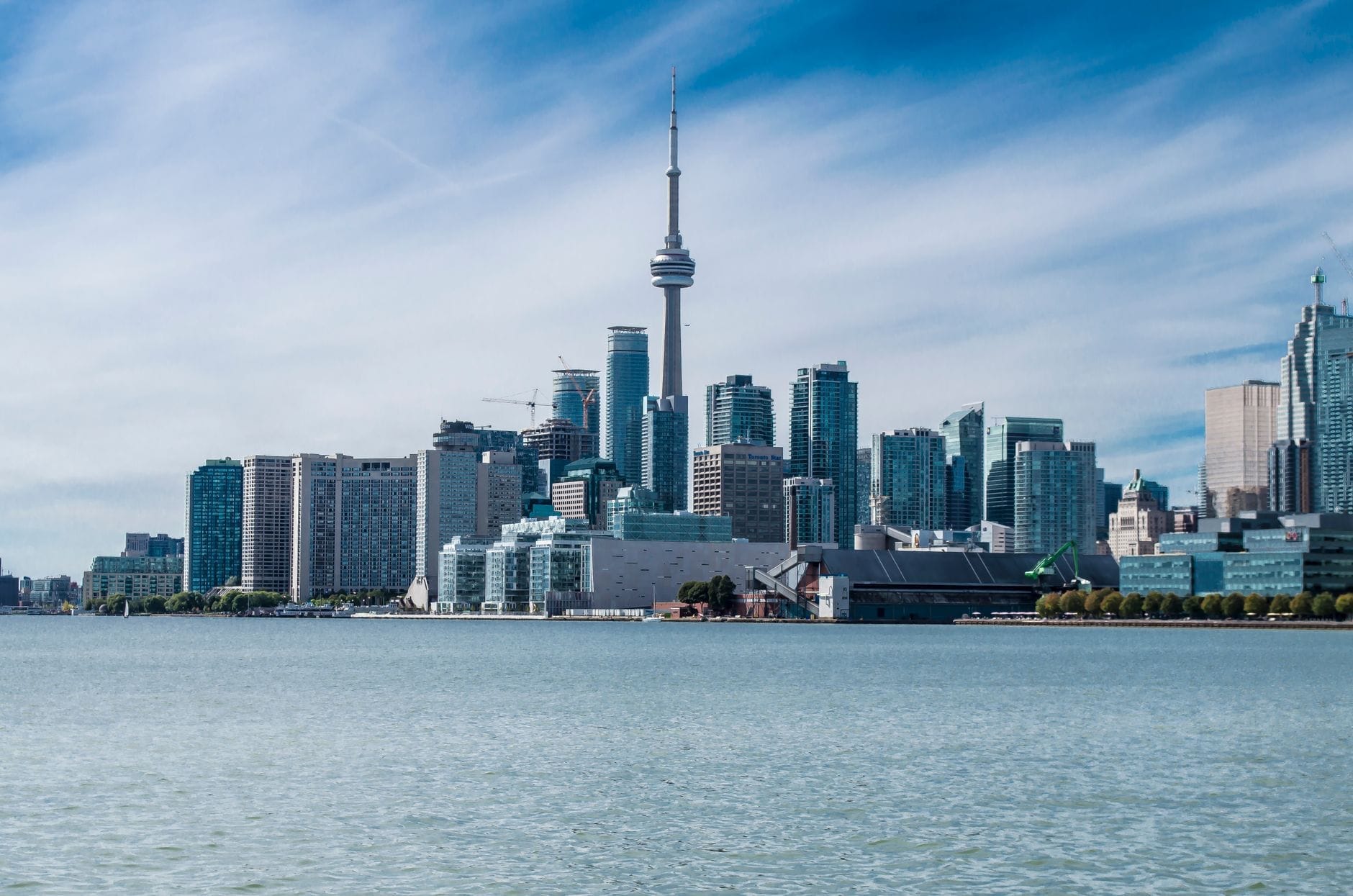
Start where most first-time visitors start: the CN Tower. At 553.3 metres, it held the world record for the tallest free-standing structure for 32 years. General admission for adults runs $45 CAD plus tax booked online, which covers the main observation deck and glass floor. Go first thing in the morning, ideally by 9:30am, to beat the lineups that build by midday in summer. The views over Lake Ontario and the city grid are genuinely impressive on a clear day.
From the CN Tower, walk five minutes to Ripley's Aquarium of Canada. Adult tickets are $49 CAD plus tax online, and the underwater tunnel through the shark tank is the highlight. Budget two to three hours here. Afterward, the Harbourfront Centre is a short walk west along the waterfront, with free programming, public art, and views back over the lake. If the weather cooperates, the lakefront walkway toward Sugar Beach is worth the 20-minute stroll east.
⚠️ What to skip
The CN Tower and Ripley's Aquarium share the same block and are often sold as a combo. However, doing both in a single morning is rushed. If you're on a five-day schedule, split them: CN Tower in the morning and Ripley's in the afternoon, or save the aquarium for a rainy day later in the trip when outdoor options are less appealing.
End Day 1 in the Distillery District, a ten-minute cab ride east of the waterfront. The preserved Victorian industrial architecture is genuinely impressive, and the pedestrian-only laneways house quality restaurants and galleries. It's worth noting that some of the retail here skews toward tourist-focused souvenir shops, but the food and drink options are solid. Book dinner at one of the restaurants in the district rather than grabbing something in the main square, where foot traffic inflates prices.
Day 2: Markets, Museums, and Kensington

Start at St. Lawrence Market by 9am on any day Tuesday through Saturday (it's closed Mondays and Sundays). The South Market building concentrates the food vendors: fresh bread, cheese, charcuterie, and a breakfast peameal bacon sandwich on a bun that has become something of a Toronto institution. Grab one from Carousel Bakery on the main floor. This isn't tourist hype; it's genuinely good and costs around $9-10 CAD.
From St. Lawrence, take the subway west to Museum station for the Royal Ontario Museum (ROM). Adult admission is $26 CAD plus tax and the museum is open daily, typically 10:00-17:30, with extended hours on some days. The ROM's collection spans natural history, world cultures, and Canadian history, and the Daniel Libeskind Crystal addition to the Victorian building is an architectural statement worth seeing from the outside even if you skip the interior. Budget two to three hours.
The afternoon belongs to Kensington Market and adjacent Chinatown. Kensington is compact, walkable, and genuinely eclectic: vintage clothing, international grocers, and a density of independent cafes that resists chains. It's not a polished experience and that's the point. Walk through on a weekday if you want to browse without crowds; Saturdays in summer see the market fill up significantly. Chinatown, stretching along Dundas Street West, is one of several Chinese communities in the city and has some of the best-value dim sum and noodle spots in Toronto.
Day 3: Art, Architecture, and Queen Street West
The Art Gallery of Ontario (AGO) is one of the largest art museums in North America and a legitimate half-day. Adult general admission is $30 CAD plus tax, and visitors 25 and under get in free with registration. The Frank Gehry-renovated building is itself a reason to visit. The Canadian art collection, including Indigenous works and the Group of Seven, provides context for the country that's harder to get anywhere else. Open Tuesday through Sunday; closed Mondays, with hours varying by day.
After the AGO, walk south on McCaul Street to Queen Street West. The stretch from University Avenue to Bathurst is dense with independent shops, galleries, and restaurants. West of Bathurst the neighbourhood transitions to West Queen West and then Ossington Avenue, which has become Toronto's most concentrated strip of cocktail bars and casual dining. Don't miss Graffiti Alley off Rush Lane, running parallel to Queen between Spadina and Portland. It's a genuine open-air rotating gallery, not a curated tourist installation.
- AGO (Art Gallery of Ontario) $30 CAD adults, free for 25 and under. Frank Gehry building, major Canadian and international collection. Plan 2-3 hours.
- Museum of Contemporary Art Toronto (MOCA) Located in the Junction Triangle, this is Toronto's contemporary art anchor. Admission is lower than the AGO, with programming that changes frequently.
- Graffiti Alley Free, open access. Best seen mid-morning before tour groups arrive. Artwork changes seasonally as artists paint over previous work.
- Trinity Bellwoods Park The social hub of the west end. On warm afternoons, it tells you more about how Torontonians actually spend their time than any tourist attraction.
Day 4: Toronto Islands and Yorkville
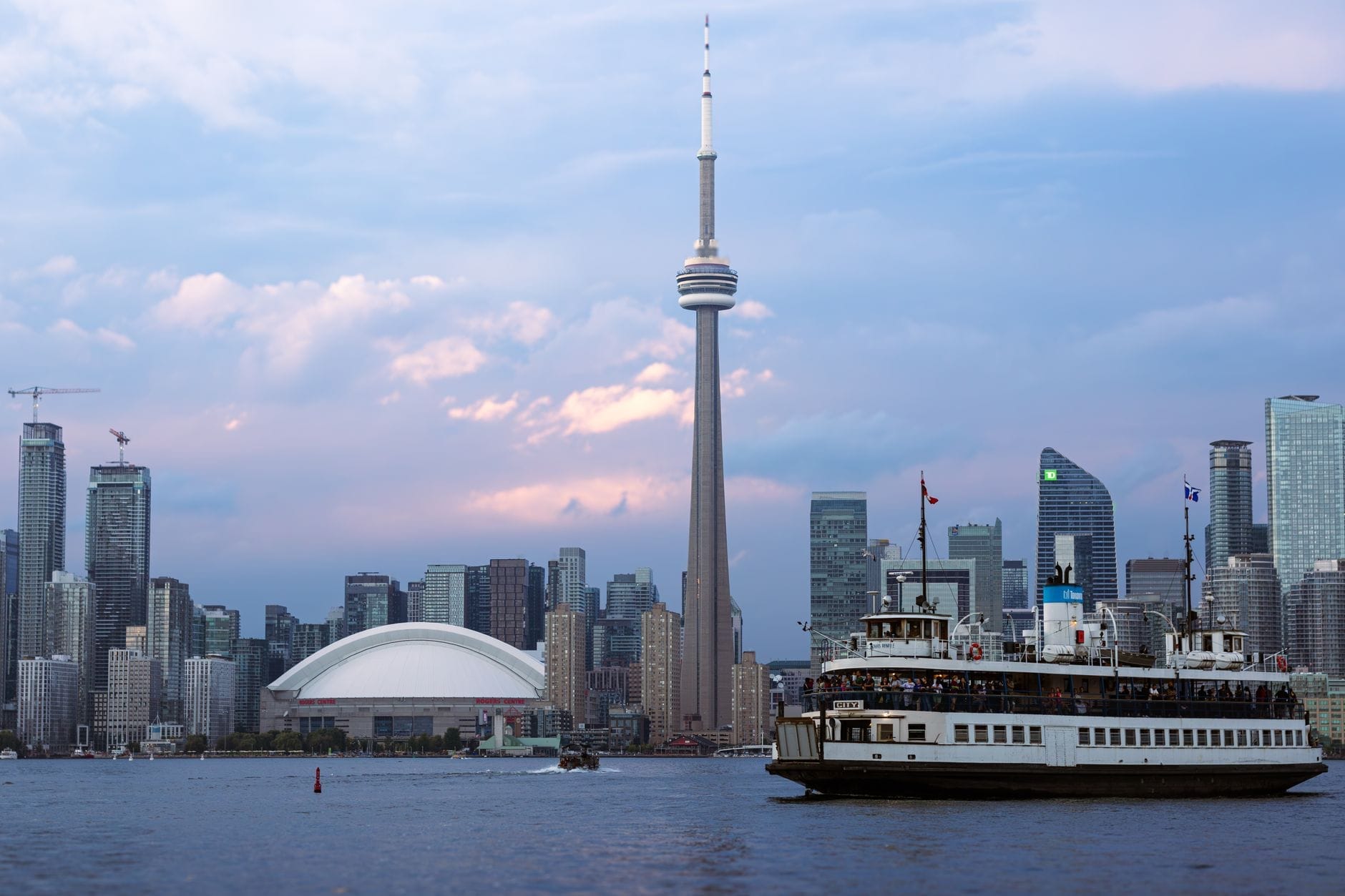
The Toronto Islands are one of the city's most underrated experiences, especially because they put you on the water looking back at the skyline. Ferries depart from the Jack Layton Ferry Terminal at the foot of Bay Street; adult return fare is $9.57 CAD (taxes included). There are three island destinations: Centre Island (most amenities, popular with families), Ward's Island (quieter, residential feel), and Hanlan's Point (clothing-optional beach, near the Billy Bishop airport approach). In summer, ferries run frequently but lineups form fast on weekends, so aim for a weekday departure or the first boat of the day.
✨ Pro tip
If you're visiting in spring or fall, the island ferry runs on reduced schedules. Check the City of Toronto ferry schedule before heading down to the terminal. In winter, some routes suspend service entirely. The views of the skyline from the islands are widely considered the best in the city, and they're free once you've paid the ferry fare.
Return to the city by mid-afternoon and head north to Yorkville. This is Toronto's luxury retail corridor, anchored by the Bloor-Yorkville Mink Mile, with flagship stores for major international luxury brands. You don't need to spend anything to appreciate the architecture and the contrast with other neighbourhoods you've already visited. The nearby Bata Shoe Museum is a genuinely interesting one-hour detour with a collection spanning 4,500 years of footwear history. Admission is around $16 CAD for adults.
Day 5: Niagara Falls Day Trip
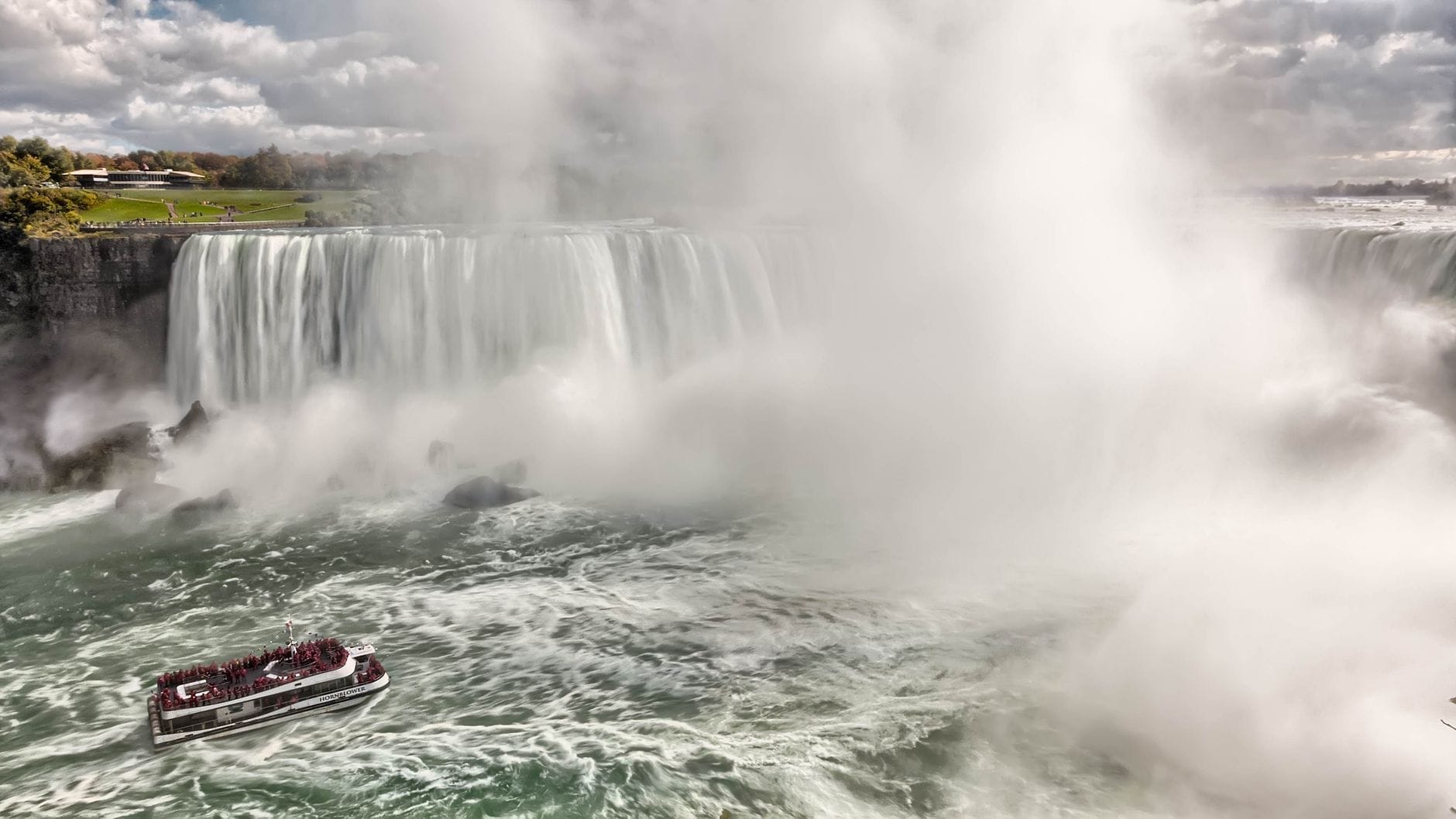
Niagara Falls is 130 km from downtown Toronto, which makes it the single most obvious day trip from the city. To be clear: you cannot walk there, and the drive takes 1.5 to 2 hours each way depending on border traffic and the QEW. Plan to leave early, no later than 8am, to maximize time at the falls.
By car is the most flexible option. By public transit, GO Transit operates seasonal train and bus service from Union Station to Niagara Falls, with adult single fares typically running $18-25 CAD one way on PRESTO. The journey takes about two hours. Organized day tour operators also depart from downtown Toronto; these typically include transport, a guide, and sometimes a boat tour, which removes the planning burden if you're travelling without a car.
On the Canadian side, Niagara City Cruises operates the Voyage to the Falls boat tour, with adult online tickets starting around $33 CAD plus tax. This is the close-up view of Horseshoe Falls from the water and is worth the cost. One honest caveat: the boat tours are seasonal, operating spring through late fall only. They do not run in winter. If you're visiting December through March, the falls themselves are still dramatic from the viewing areas, but the boat experience isn't available.
- Niagara Falls by car 1.5-2 hours via QEW. Most flexible option, especially if adding Niagara-on-the-Lake (20-30 minutes further by car). Free parking options exist away from the falls, but tourist-zone lots charge premium rates.
- GO Transit from Union Station Seasonal service, around 2 hours, $20-30 CAD one way. Avoid the need to drive and deal with parking near the falls.
- Organized day tour from Toronto Typically 10-12 hours including transport. Best for solo travellers or those who prefer a structured experience without logistics.
- Niagara-on-the-Lake add-on The historic town is 20-30 minutes by car from Niagara Falls. Known for its wine country, 19th-century streetscapes, and the Shaw Festival theatre. Adds 2-3 hours to the day.
ℹ️ Good to know
If your five days fall outside the summer season, consider swapping the Niagara Falls day trip for a different excursion. Prince Edward County is a 2-hour drive east and offers wine, cycling, and Sandbanks Provincial Park. The Blue Mountain ski area near Collingwood is about 90 minutes north and operates year-round for outdoor activities.
Practical Planning: Budget, Timing, and Common Mistakes
Toronto is not cheap, but it's manageable with planning. The biggest cost drivers are accommodation and major attraction tickets. For a five-day trip, budget around $150-250 CAD per day per person for mid-range accommodation, food, transit, and attractions. For guidance on reducing costs, the Toronto on a budget guide covers free attractions and where food and transit costs can be cut. The best time to visit Toronto sits between May-June and September-October, when temperatures are comfortable and summer crowds haven't fully peaked.
On timing: Toronto's summer (July-August) is genuinely warm, with July averages around 22°C and highs that can push past 32°C with humidity. It's the most active season for outdoor attractions, but also the most crowded and expensive for accommodation. Winter (December-February) means temperatures often below -7°C at night, and some outdoor attractions operate on reduced schedules. Spring and fall offer the best balance of activity and manageable prices, though spring can be unpredictable weather-wise well into May.
- Book CN Tower, Ripley's Aquarium, and Niagara boat tours online before you arrive, especially May through September.
- St. Lawrence Market is closed Mondays. Plan your market visit for Tuesday through Saturday.
- Toronto Islands ferry queues build fast on summer weekends. Go on a weekday or take the first ferry of the day.
- Niagara Falls boat tours are seasonal and don't operate in winter. Confirm dates before including this in a winter itinerary.
- TTC PRESTO cards do not cap your daily spending automatically; you still need to buy a separate day pass if you want unlimited daily travel.
- Tap water in Toronto is safe to drink directly from the tap, saving on bottled water costs throughout the trip.
FAQ
Is 5 days enough time to see Toronto and do a day trip?
Five days is a solid amount of time for Toronto, especially if you're strategic. You can cover the major downtown attractions (CN Tower, waterfront, St. Lawrence Market), explore two or three distinct neighbourhoods, visit a major museum, spend a half-day on the Toronto Islands, and still have a full day for Niagara Falls. You won't see everything, but you'll get a genuine sense of the city rather than just ticking off landmarks.
What is the best day trip from Toronto for a first-time visitor?
Niagara Falls is the most popular for good reason: it's about 1.5-2 hours by car or 2 hours by GO Transit, the falls are undeniably spectacular, and the addition of Niagara-on-the-Lake gives you a wine country and historic town experience in one trip. If you've already been to Niagara, consider Stratford (Shakespeare festival, two hours west) or Prince Edward County (wine and beaches, two hours east).
How much does a 5-day Toronto trip cost?
Costs vary widely depending on accommodation and dining choices. A realistic mid-range budget is $150-250 CAD per person per day, covering a hotel or mid-range Airbnb, three meals, transit, and two to three paid attractions. Major paid attractions add up: CN Tower ($45), Ripley's Aquarium ($49), ROM ($26), AGO ($30), Toronto Islands ferry ($9.57 return), and Niagara boat tour (~$33). Booking online in advance often saves 10-15% compared to door pricing.
What's the best way to get from downtown Toronto to Niagara Falls?
By car via the QEW is fastest and most flexible, taking 1.5-2 hours depending on traffic. GO Transit operates seasonal service from Union Station to Niagara Falls for around $20-30 CAD one way on PRESTO, taking about two hours. Organized day tours from downtown Toronto include transport and guide services. The distance is about 130 km, so there is no practical walking or cycling option.
When should I avoid visiting Toronto?
January and February are the coldest months, with temperatures regularly below -10°C including wind chill, and some outdoor attractions operating on reduced schedules. If you're primarily interested in outdoor activities, patio dining, and the Toronto Islands, mid-winter is a tough time to visit. Conversely, peak summer weekends (especially July long weekend and August) bring the highest hotel prices and longest queues at major attractions. For the best balance of weather, prices, and crowd levels, late May-June or September are the strongest options.
Tickets & tours
Live prices and dates from our booking partner. If you book, we may earn a commission at no extra cost to you.
Planning a trip? Discover personalized activities with the Nomado app.