Toronto to Niagara Falls: The Complete Day Trip Guide
Niagara Falls sits about 136 km from downtown Toronto, making it the most popular day trip from the city. This guide covers every transport option, realistic costs, seasonal timing advice, and practical tips on what is worth your time once you arrive.
Tickets & tours
Live prices and dates from our booking partner. If you book, we may earn a commission at no extra cost to you.
TL;DR
- Niagara Falls is roughly 136 km (85 miles) from downtown Toronto, about 1.5 to 2 hours each way by car or coach.
- Guided coach tours are the most convenient option for first-timers; independent travel by Megabus or GO Train works well for budget travellers.
- Budget at least 2.5 to 3 hours at the Falls itself, not counting travel time. See our Niagara Falls day trip attraction page for what to prioritize on site.
- Summer weekends bring heavy traffic on the QEW; depart Toronto before 8 a.m. or book a tour that handles logistics for you.
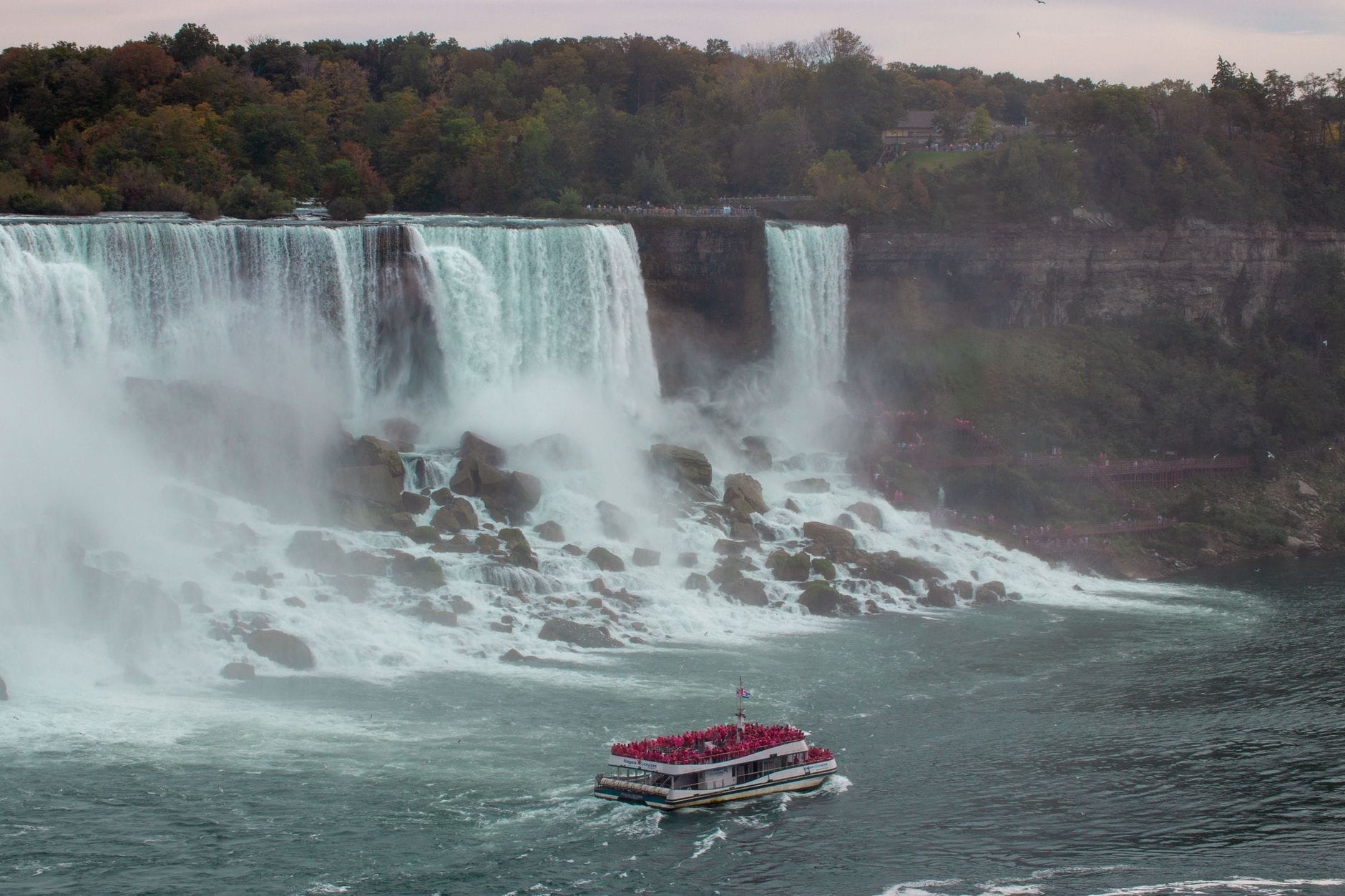
- Niagara Falls is actually three separate waterfalls. Plan time to see all three viewpoints rather than rushing to Horseshoe Falls and leaving.
How Far Is Niagara Falls from Toronto?

The distance from downtown Toronto to Niagara Falls, Ontario is approximately 136 km (85 miles) via the Queen Elizabeth Way (QEW). Under ideal conditions, the drive takes around 1 hour 45 minutes. In reality, summer weekend traffic between Toronto and the Niagara region can push that to 2.5 hours or more, especially on Friday afternoons and Sunday evenings. If you are driving independently, build in buffer time and check Ontario 511 traffic conditions before you leave.
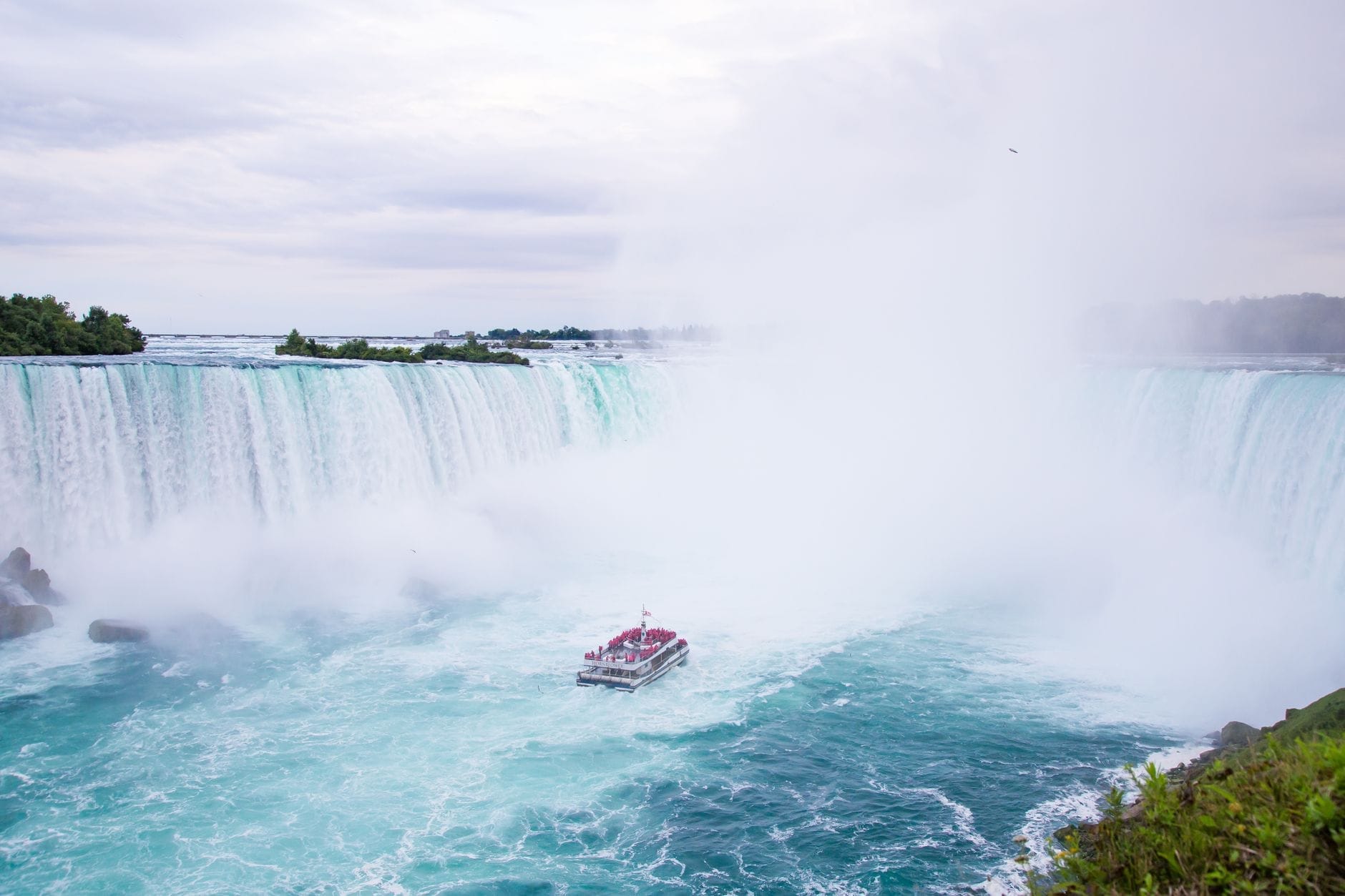
The Falls themselves straddle the international border between Ontario and New York State. The Canadian side offers significantly better vantage points, particularly for Horseshoe Falls, which accounts for roughly 85% of the water flow. Most day trips from Toronto stay entirely on the Canadian side, which is also where the majority of attractions, boat tours, and restaurants are concentrated.
ℹ️ Good to know
Niagara Falls is not one waterfall. It is three: Horseshoe (Canadian) Falls, American Falls, and Bridal Veil Falls. Each has a distinct character. Horseshoe Falls is the largest and most dramatic; American Falls is visible across the border from the Canadian side; Bridal Veil Falls is the narrowest and easiest to overlook. A proper visit requires moving between viewpoints, which is why the minimum realistic time at the Falls is 2.5 hours, not 60 minutes.
Getting There: All Your Transport Options
There are four practical ways to get from Toronto to Niagara Falls: a guided coach tour, a budget intercity bus, GO Transit train service, or driving yourself. Each suits a different type of traveller. Here is an honest breakdown of all four.
- Guided Coach Tour (Recommended for First-Timers) Most operators depart from central Toronto landmarks including Union Station, Ripley's Aquarium, and major downtown hotels. Tours typically provide a licensed guide, round-trip transport, and 2.5 to 3 hours at the Falls. Many include optional stops at Niagara-on-the-Lake or local wineries. Reported prices run around CAD $89 per person without the boat cruise and CAD $109 including it, though rates change seasonally. Book in advance during July and August.
- Megabus or FlixBus (Best Budget Option) Megabus runs near-hourly service between Toronto and Niagara Falls with base fares around CAD $15 to $20 one way when booked early. FlixBus also covers this route at variable pricing. Both drop passengers at the Niagara Falls bus terminal, about 2 km from the Falls viewpoints. You will need to walk, take a local WEGO bus, or grab a rideshare to reach the waterfront. Fares fluctuate constantly; book well ahead for the best prices.
- GO Train (Weekend and Seasonal Service) GO Transit operates direct trains from Union Station to Niagara Falls on selected days, primarily weekends and holidays in the warmer months. The journey takes approximately 2 hours. Departures in the morning (around 9 a.m. from Union Station) allow a full day at the Falls before the return service. Schedules and fares change seasonally, so always verify on the official GO Transit website before planning.
- Driving Yourself Take the Gardiner Expressway west to the QEW south. The highway runs directly into Niagara Falls. Parking near the Falls on the Canadian side typically costs around CAD $25 in summer; prices are lower off-peak. The main advantage of driving is flexibility: you control your departure time, can stop at Niagara-on-the-Lake en route, and are not dependent on bus or train schedules. The disadvantage is traffic, especially on summer Saturdays.
⚠️ What to skip
If you are driving on a summer weekend, the stretch of QEW between Hamilton and Niagara Falls is consistently congested between 10 a.m. and 2 p.m. on Saturdays. Leave Toronto by 7:30 a.m. to arrive before the traffic peaks, or plan a late departure and spend the evening at the Falls when illuminations run after dark.
Best Time to Go: Seasonal Breakdown
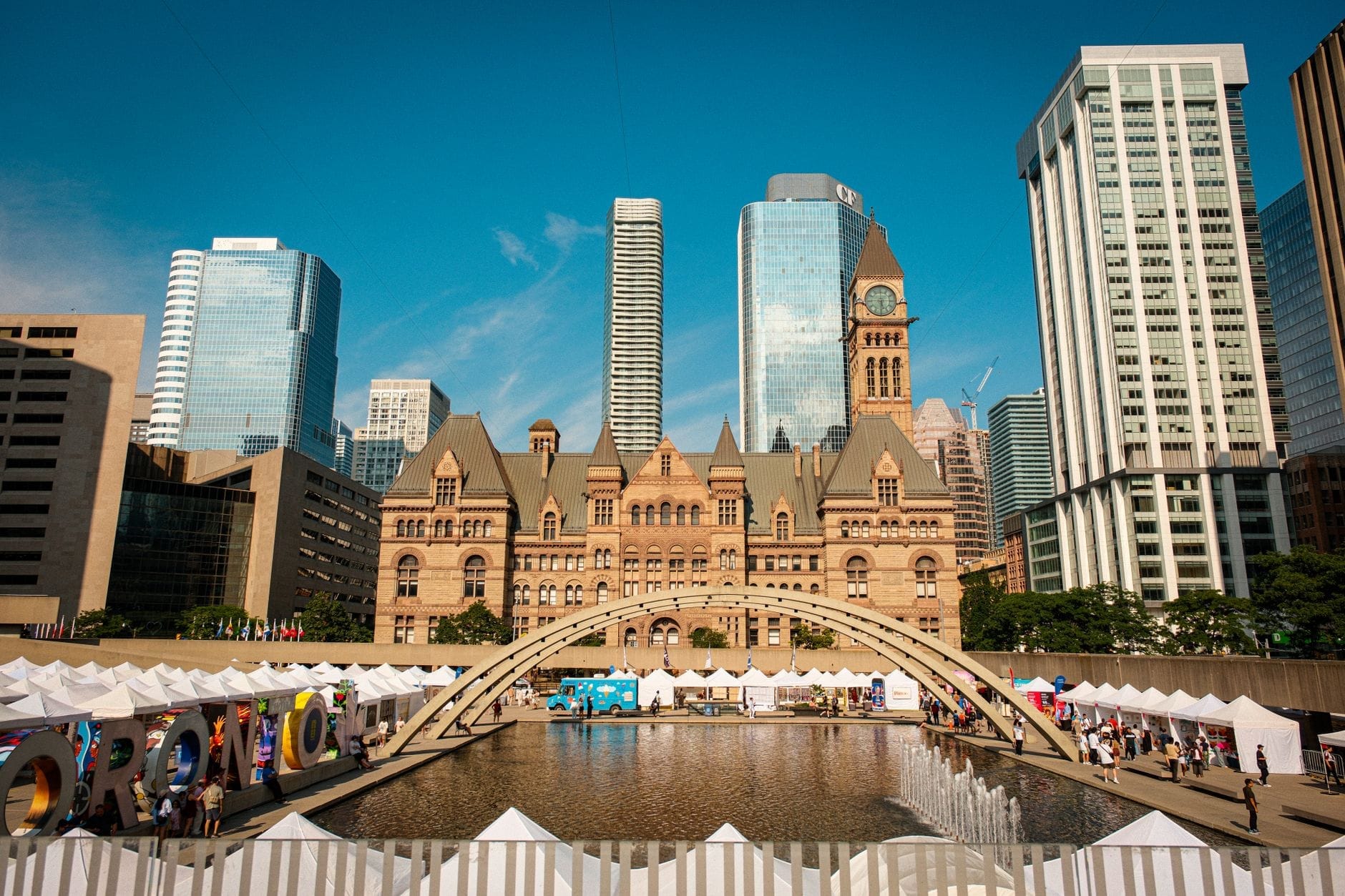
Every season has a legitimate case for a Niagara Falls visit. Summer is the most popular by a wide margin: warm temperatures, all attractions operating at full capacity, and the Falls illuminated every evening. The tradeoff is peak crowds and peak prices. July and August see the highest visitor numbers, longest waits at boat tour docks, and the most expensive parking and dining options.
Spring and fall offer a better balance of conditions. Late April through early June brings lower crowds, lower prices, and the full flow of the Falls, which is generally strongest in spring due to snowmelt. September and October are arguably the best months: comfortable temperatures, reduced congestion, and dramatic colours in the surrounding parkland. For context on how Toronto's weather patterns shape travel decisions, the best time to visit Toronto guide covers the city's full seasonal calendar.
Winter is genuinely interesting and underrated. The Falls freeze partially in cold years, creating ice formations around the base that are visually striking. The Winter Festival of Lights, typically running from November through February, adds illuminated displays along the Niagara Parkway. Crowds are minimal, parking is cheap or free, and most major attractions remain open with reduced hours. The Hornblower (now Niagara City Cruises) boat tour does shut down for winter, so if getting onto the water is a priority, visit between late spring and mid-October.
- Summer (June to August): Full attraction hours, illuminations every night, highest crowds and prices, heavy weekend traffic
- Spring (April to May): Highest water flow, lower crowds, some attractions on limited hours early in the season
- Fall (September to October): Best overall balance of weather, crowds, and cost
- Winter (November to March): Lowest crowds, partial freeze possible, Winter Festival of Lights, boat tours closed
What to Actually Do at the Falls
Most guided tours give you 2.5 to 3 hours on-site, which is enough time to see the main viewpoints and do one paid attraction. If you are travelling independently, you could realistically spend a full day. Here is what is genuinely worth the time and money, and what to skip.
The free walk along the Niagara Parkway from the Niagara Parkway down to Table Rock is the non-negotiable starting point. Table Rock House puts you within metres of the crest of Horseshoe Falls and is where most photos are taken. This costs nothing and is better than most paid viewpoints. From Table Rock, walk north to get views of the American Falls and Bridal Veil Falls from different angles.
Niagara City Cruises (formerly Hornblower, operating in the same zone as the original Maid of the Mist concept on the Canadian side) takes boats directly into the mist below Horseshoe Falls. It is genuinely impressive, especially if you have not been before. You will get wet regardless of the provided poncho. Expect queues of 30 to 60 minutes on summer weekends. Book tickets online in advance to reduce wait time. The Skylon Tower observation deck offers aerial views and costs around CAD $20 per person; the view is good but not dramatically different from what you get from the ground at Table Rock.
✨ Pro tip
Clifton Hill, the main commercial strip leading away from the Falls, is aggressively tourist-oriented with haunted houses, wax museums, and chain restaurants. None of it relates to the Falls and pricing is inflated. Walk through it once if you are curious, but do not spend money or significant time there. Better food options are found along Victoria Avenue and in the adjacent streets away from the immediate waterfront.
If your day trip budget allows extra time, Niagara-on-the-Lake is about 20 to 25 minutes north of the Falls by car and is genuinely worth the detour. It is a well-preserved 19th-century town with the Shaw Festival theatre, local wineries, and a compact main street. Many guided tours include a 45-minute stop there. Alternatively, Niagara-on-the-Lake can serve as its own half-day destination if you are spending more than one day in the region.
Practical Tips and Costs
Budget planning for a Niagara Falls day trip from Toronto depends entirely on your transport choice and what you pay for on-site. Here is a realistic cost breakdown for an independent traveller on a moderate budget.
- Megabus return fare (booked early): approximately CAD $30 to $40 round trip
- GO Train return fare: varies by season, check GO Transit website for current pricing
- Guided tour (all-inclusive, without boat cruise): approximately CAD $89 per person
- Guided tour with boat cruise included: approximately CAD $109 per person
- Niagara City Cruises boat tour (if booked separately): verify current pricing on their official site
- Skylon Tower observation deck: approximately CAD $20 per person
- Canadian-side parking in summer: approximately CAD $25
- WEGO Niagara bus day pass (if arriving by coach and needing local transport): check current rates on the Niagara Parks website
For most visitors, the guided tour option simplifies the day considerably. You do not need to figure out local transport, parking, or schedules. The main drawback is reduced flexibility: you stay as long as the group stays. If you prefer moving at your own pace or want to add Niagara-on-the-Lake as a serious stop rather than a 45-minute rush, driving or taking the GO Train gives you more control. For more ideas on structuring time between Toronto and its surrounding region, the day trips from Toronto guide covers additional destinations worth considering alongside or instead of Niagara Falls.
💡 Local tip
If you are visiting Toronto for several days, consider slotting Niagara Falls on a weekday rather than a weekend. Traffic is noticeably lighter Monday through Thursday, tour group sizes are smaller, and boat tour queues are shorter. Wednesday tends to be the quietest day at the Falls during summer.
Combining Niagara Falls With a Broader Toronto Trip
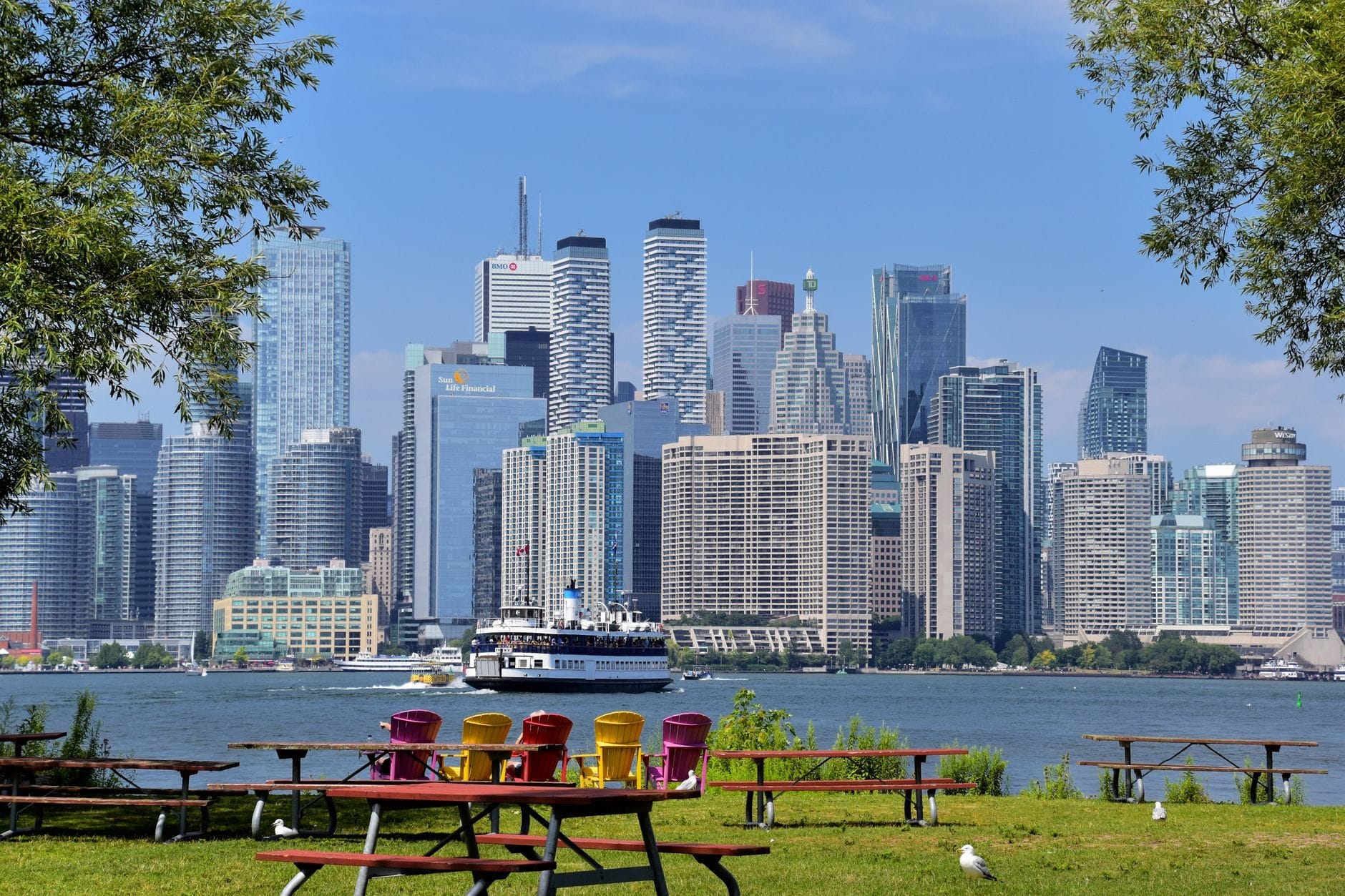
Niagara Falls works best as a single day within a longer Toronto visit, not as the centrepiece of the trip. Toronto itself has more than enough to fill three to five days: the Royal Ontario Museum, the Distillery District, the St. Lawrence Market, and the Toronto Islands all deserve proper time. If your schedule only allows one day out of the city, Niagara Falls is the clear choice for its scale and visual impact.
Travellers with a full week can combine Niagara Falls with Niagara-on-the-Lake as a two-day trip, spending a night in the wine region. If you want to extend further, Prince Edward County is another Ontario day trip option in a completely different direction, known for its wineries, beaches, and quieter pace. For a structured multi-day Toronto itinerary that incorporates the best of the city before or after your Falls trip, the 3 days in Toronto itinerary is a practical starting point.
FAQ
How long does the Niagara Falls day trip from Toronto take?
Allow a full day: roughly 1.5 to 2 hours each way by car or bus, and about 2 hours by train, plus a minimum of 2.5 to 3 hours at the Falls to see the main viewpoints and do at least one attraction. Including travel and on-site time, most day trips run 9 to 10 hours door to door. If traffic is heavy on the QEW in summer, budget closer to 10 to 11 hours.
Is a guided tour or going independently better for Niagara Falls from Toronto?
Guided tours are the better choice for first-time visitors and anyone who does not want to deal with parking, driving, or local transport logistics. Independent travel by Megabus or GO Train costs significantly less and suits travellers who prefer flexibility or want to spend more time at specific stops. Driving is best if you want to add Niagara-on-the-Lake or move between locations on your own schedule.
What is the cheapest way to get from Toronto to Niagara Falls?
Megabus consistently offers the lowest fares, with one-way tickets available from around CAD $15 to $20 when booked early. FlixBus is another option on the same route. Both drop passengers near downtown Niagara Falls, from which you can walk or take the local WEGO bus to the waterfront. Book as far in advance as possible for the lowest fares, especially in summer.
Can you see Niagara Falls for free?
Yes. Walking along the Niagara Parkway and standing at Table Rock House directly beside Horseshoe Falls costs nothing. The free views from the Canadian side are as good as or better than most paid alternatives. You only pay when you want to add specific experiences: the boat cruise, the Skylon Tower observation deck, Journey Behind the Falls, or similar attractions.
Is it worth visiting Niagara Falls in winter from Toronto?
Yes, with the right expectations. The boat tours are closed from mid-October to late spring, but the Falls themselves are open year-round and can be partially frozen in January and February, which creates striking visuals. Crowds are minimal, parking is cheap, and the Winter Festival of Lights adds illuminated displays along the parkway. If the boat cruise is important to you, visit between late spring and mid-October instead.
Tickets & tours
Live prices and dates from our booking partner. If you book, we may earn a commission at no extra cost to you.
Planning a trip? Discover personalized activities with the Nomado app.