Prince Edward County: Ontario's Wine and Shoreline Escape
Prince Edward County is a rural island municipality on the northeastern shore of Lake Ontario, roughly halfway between Toronto and Ottawa. Known for its acclaimed Pinot Noir and Chardonnay producers, the vast sand dunes of Sandbanks Provincial Park, and a dense concentration of farm-to-table restaurants, it rewards visitors who make the roughly two-hour drive from Toronto with scenery, food, and pace that the city simply cannot replicate.
Quick Facts
- Location
- Northeastern shore of Lake Ontario, Ontario — approx. 200–220 km from downtown Toronto. Municipal seat: Picton.
- Getting There
- Car recommended: Highway 401 East to Belleville, then local roads across the bridge into the county. No direct train or bus service from Toronto.
- Time Needed
- 1–3 days. A single long day covers highlights; a weekend allows wineries, beaches, and slower meals.
- Cost
- No entry fee to the county. Sandbanks Provincial Park charges a seasonal vehicle fee (check Ontario Parks for current rates). Winery tastings typically CAD $10–$30 per person.
- Best for
- Wine enthusiasts, beach days, cycling routes, couples, and anyone wanting a complete change of pace from the city.
- Official website
- visitthecounty.com
What Prince Edward County Actually Is
Prince Edward County — officially The Corporation of the County of Prince Edward, and universally shortened to 'The County' or 'PEC' by locals — is a single-tier municipality and census division in Ontario, Canada. It sits on a large irregular headland at the eastern end of Lake Ontario, just west of the head of the St. Lawrence River. The 2021 census recorded a permanent population of 25,704, but that figure multiplies considerably each summer as visitors arrive for the wine, the sand, and the food.
The county was created on 16 July 1792 by Upper Canada's lieutenant-governor John Graves Simcoe and named after Prince Edward Augustus, Duke of Kent — the fourth son of King George III and commander-in-chief of British North America at the time. Long before European settlement, the land supported Indigenous communities whose presence is documented in the LeVescounte Mounds of the Point Peninsula Complex, archaeological sites that date back roughly 2,000 years.
The island stretches on the order of several tens of kilometres across its widest point, with an irregular shoreline pressing against Lake Ontario on multiple sides. That geography — shallow limestone bedrock, long sun exposure, lake-influenced temperature moderation — is precisely what makes the growing conditions here compelling for cool-climate wine grapes. It is also what produces the enormous sand dunes at Sandbanks, one of the largest freshwater dune systems in the world.
ℹ️ Good to know
Prince Edward County is best understood as a region, not a single attraction. Plan around two or three anchors — a winery, Sandbanks, and a meal in Picton or Wellington — rather than trying to hit everything in one sweep.
Getting There from Toronto
The standard route from downtown Toronto is Highway 401 East to the Belleville exit, then south via local roads across the bridge into the county. Drive time from the core of Toronto is roughly two to two-and-a-half hours under normal traffic conditions, though summer Fridays on the 401 can add 30 to 60 minutes. Plan to leave the city by 8 am if you want to avoid the weekend bottleneck east of Oshawa.
There is no direct train or scheduled bus service from Toronto to Prince Edward County. VIA Rail serves Belleville, and from there local taxis or pre-arranged transport can reach Picton, but the county's attractions are spread across rural roads that require wheels. For visitors without a car, organized day tours from Toronto do operate seasonally — worth searching for if driving is not an option, but verify current operators before booking.
Because public transit is essentially absent once inside the county, visitors with limited mobility or without access to a vehicle should factor this in honestly before planning a trip. The day trips from Toronto guide covers the county alongside other regional escapes and includes practical notes on which destinations work without a car.
⚠️ What to skip
Most winery tasting rooms and Sandbanks Provincial Park operate on seasonal hours, with many venues closing or reducing hours after Thanksgiving weekend in October. Verify before you go, especially for shoulder season visits in April, May, or November.
Tickets & tours
Live prices and dates from our booking partner. If you book, we may earn a commission at no extra cost to you.
Toronto Old Town: Dark Side Exploration Game and Tour
From 12 €Instant confirmationFree cancellationLEGOLAND Discovery Centre Toronto tickets
From 16 €Instant confirmationFree cancellationToronto 'Little Canada' entrance tickets
From 27 €Instant confirmationFree cancellationNiagara Falls evening tour with boat, dinner and Illumination Tower
From 77 €Instant confirmationFree cancellation
Sandbanks Provincial Park: The County's Centrepiece
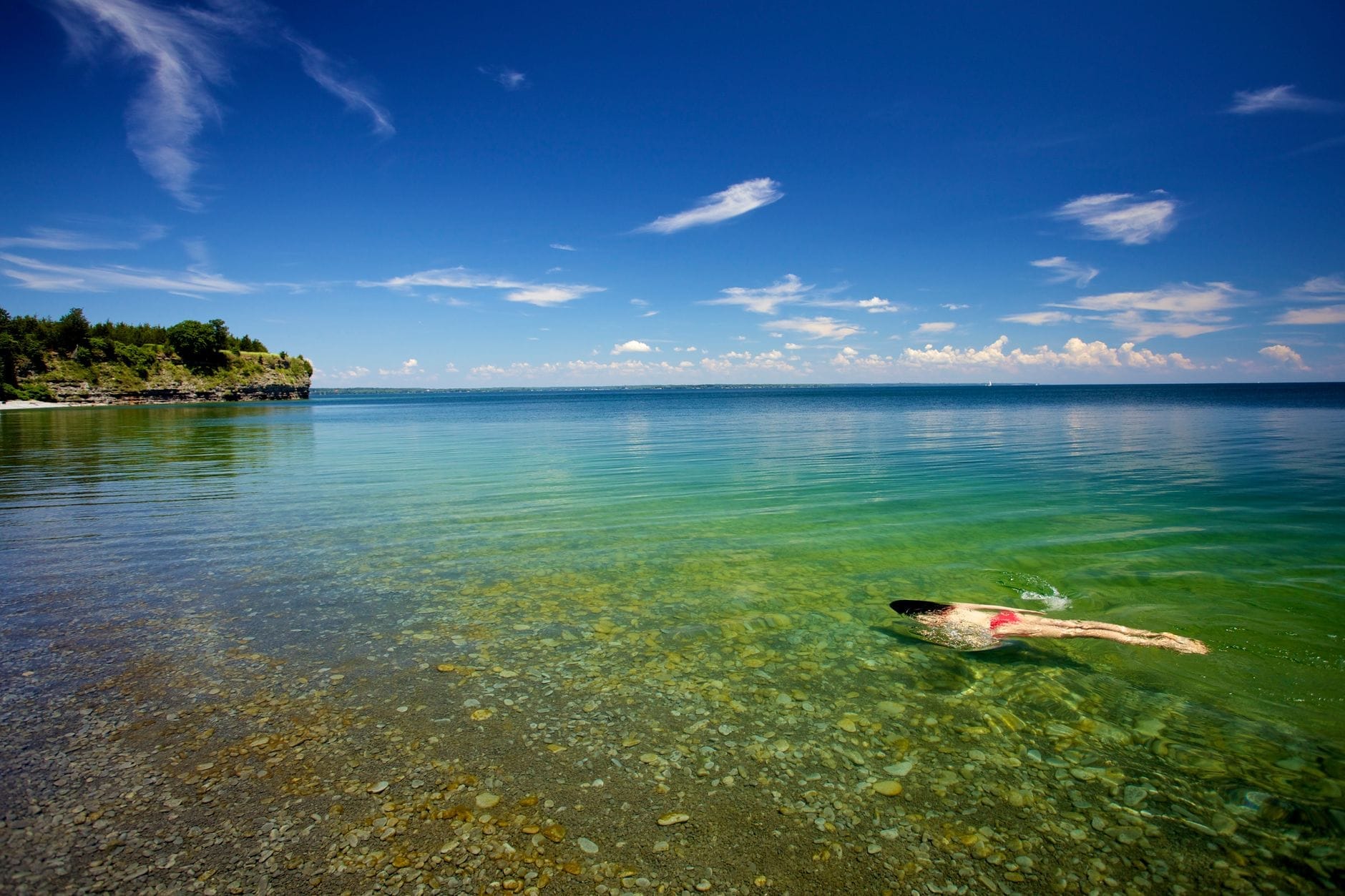
Sandbanks Provincial Park contains one of the largest baymouth barrier dune formations on freshwater in the world. The dunes at Outlet Beach and Sandbanks Beach rise several metres above the water line and stretch in long sweeping arcs that look genuinely out of place in inland Ontario. The sand is fine and pale, the water in July and August reaches temperatures comfortable enough for extended swimming, and the shallow gradient means families can wade far from shore without concern.
Early morning visits — before 9 am on weekends — reveal the park in a completely different register. The light is low and angled, the dunes throw long shadows, and the parking lots are nearly empty. By noon on a Saturday in August, those same lots fill to capacity and the park implements vehicle quotas. Arriving early or on a weekday is not a tip so much as a practical necessity if you want any sense of the landscape without crowds pressing in around you.
Ontario Parks charges a seasonal vehicle permit fee for entry; current rates are published on the Ontario Parks website and should be checked before visiting, as they adjust annually. Camping is available within the park and books up months in advance for peak summer weekends.
💡 Local tip
Photography tip: the dunes at Sandbanks photograph best in the hour after sunrise, when the raking light catches the texture of the sand ridges. A polarizing filter significantly improves the color contrast between the pale sand and the deep blue of Lake Ontario.
Wine Country: What to Expect on the County's Wine Trail
Prince Edward County has grown into one of Ontario's most discussed wine regions, with a focus on cool-climate varieties particularly Pinot Noir, Chardonnay, and Gamay. The thin limestone-influenced soils and the moderating effect of Lake Ontario create growing conditions that differ noticeably from the Niagara Peninsula, producing wines that are generally leaner, more acidic, and more European in character.
Tasting rooms are clustered around the roads between Wellington, Bloomfield, and Picton, with additional producers scattered further west toward Hillier and Waupoos. Most rooms operate on a drop-in basis during summer and early fall, but some smaller producers require reservations — check individual winery websites before arriving. Tasting fees typically run CAD $10 to $30 per person, and many are credited toward wine purchases.
The wine trail works best as a slow loop by car, though cycling between producers in the Wellington-Bloomfield corridor is a realistic and popular option for physically fit visitors on a dry day. The roads are quiet, reasonably flat between some wineries, and the distances are manageable for an afternoon circuit. Assign a designated non-drinking driver or budget for a winery shuttle, taxi, or cycling tour company if your group wants to taste freely.
If the County's wine scene appeals but you want to compare it to Ontario's better-known wine region, the Niagara-on-the-Lake attraction page covers that region in detail — a useful contrast given the different styles coming out of each appellation.
Picton, Wellington, and Where to Base Yourself
Picton is the municipal seat and the county's largest town. Its Main Street holds a decent concentration of independent restaurants, cafes, shops selling local provisions, and a historic streetscape built largely from limestone. It functions as a practical home base: grocery stores, gas stations, and accommodations are all here in the way they are not elsewhere in the county.
Wellington, about 25 km to the west, is smaller but has developed a focused cluster of wine bars, farm-to-table restaurants, and boutique inns that draw visitors who want proximity to the Hillier wine country without the larger-town feel of Picton. Weekend evenings in Wellington in July and August see restaurant reservations fill up days in advance. Book before you arrive.
Bloomfield, between the two, is quieter and residential but holds several notable studios and design shops along its short main street. It rewards a slow 30-minute walk through.
Seasonal Rhythms and When to Visit
The county operates on a sharply seasonal calendar. July and August are peak: the beaches are warm, every tasting room is open, harvest dinners and food festivals run on weekends, and accommodation prices reflect the demand. The experience is genuinely excellent in these months, but expect crowds at Sandbanks, full restaurants, and higher costs across the board.
Late September and October bring harvest season, arguably the most photogenic time in the county. The vineyards turn yellow and amber, the air cools, and the agricultural landscape that underlies the whole PEC experience becomes visible in a way that summer obscures. Sandbanks is quieter, the light is extraordinary in late afternoon, and the food scene is firing at full capacity. This is the window that rewards visitors who have already done the summer visit and want something deeper.
Spring — May and June — is a useful shoulder option. The county is green, prices are lower, and while not every tasting room is open, most are by the Victoria Day long weekend in late May. Winter visits are possible but most tourism infrastructure closes or runs minimal hours; this is genuinely quiet rural Ontario and should be approached as such.
For context on how Prince Edward County fits into broader Ontario travel timing, the best time to visit Toronto guide covers seasonal patterns across the region, including how summer heat and fall foliage windows apply to day trips beyond the city.
Honest Assessment: Who Will Love This, and Who Won't
Prince Edward County delivers a very specific kind of trip: slow, food-forward, landscape-oriented, and dependent on personal transport. Visitors who measure a good day by how much ground they covered or how many iconic sights they photographed may find it underwhelming. There is no single unmissable monument, no single street that defines the place. The value here is cumulative — a tasting room in the late afternoon, a long dinner in a converted farmhouse, a walk on empty dunes in the morning.
It is also not particularly cheap once accommodation, meals, and wine are factored in. Budget-conscious travelers on a one-day trip can manage costs reasonably if they pack a lunch and choose one paid attraction (Sandbanks vehicle fee), but the county's food and hospitality infrastructure is oriented toward mid-to-high spending.
Travelers without a car should skip this destination unless they have organized a specific tour. The distances between wineries, beaches, and towns are simply not walkable, and cycling the full county is a multi-day undertaking requiring fitness and planning.
For travelers looking for accessible nature closer to the city, the Rouge National Urban Park offers trails, river ecology, and genuine green space reachable by TTC and GO Transit — a strong alternative for those without a car.
Insider Tips
- Book restaurant reservations in Wellington or Picton at least a week ahead for Friday and Saturday evenings in July and August. The county's best kitchens are small and fill completely — showing up without a reservation on a summer weekend means disappointment.
- Sandbanks vehicle quotas during peak summer weekends are real and enforced. If you are arriving between 10 am and 3 pm on a Saturday in July, the park may turn you away at the gate. Aim for opening time or come on a weekday.
- Most wineries appreciate — and some require — that you call ahead outside peak season (May, late September, October). A quick phone call ensures the tasting room is staffed and avoids a wasted drive down a gravel road.
- The Millennium Trail, a multi-use path that runs through parts of the county, provides a flat and car-free cycling corridor that connects several communities. Bikes can be rented in Picton and Wellington from seasonal outfitters — a practical option for half-day exploration between two wine stops.
- Gas stations are fewer and further between once you are off the main roads near Picton. Fill up in Belleville or in Picton itself before heading toward Waupoos or the eastern reaches of the county.
Who Is Prince Edward County For?
- Wine travelers seeking cool-climate Ontario Pinot Noir and Chardonnay outside the Niagara Peninsula
- Couples looking for a weekend of slow meals, countryside cycling, and boutique accommodation
- Beach-goers willing to drive for access to Sandbanks' exceptional freshwater dunes
- Food-focused visitors wanting farm-to-table dining where the supply chain is genuinely local
- Photographers and landscape enthusiasts, particularly during the October harvest season
Nearby Attractions
Combine your visit with:
- Aga Khan Museum
The Aga Khan Museum in Toronto is one of North America's only institutions dedicated to the arts of Muslim civilizations. Housed in a purpose-built building designed by architect Fumihiko Maki, it holds over 1,200 masterpieces spanning 14 centuries. Whether you spend 90 minutes or a full afternoon, the experience rewards curiosity at every turn.
- The Village at Black Creek (Black Creek Pioneer Village)
The Village at Black Creek is a fully realized open-air living history museum in northwest Toronto, where around 40 restored historic buildings, heritage breed livestock, and costumed interpreters recreate rural Ontario life from the 1800s. Operated by the Toronto and Region Conservation Authority, it offers a rare, tactile experience of pre-industrial Canada that few urban attractions can match.
- Blue Mountain & Collingwood
Perched on the Niagara Escarpment above Georgian Bay, Blue Mountain and Collingwood form Ontario's most accessible four-season resort destination. Whether you come for winter skiing, summer hiking, or a weekend in the pedestrian village, the area rewards visitors who plan around the season.
- Canada's Wonderland
Canada's Wonderland is the country's largest amusement park, located in Vaughan just north of Toronto. With 18 roller coasters, more than 200 attractions, and a 20-acre water park, it's a full-day commitment that rewards planning. Here's how to make the most of it.
Planning a trip? Discover personalized activities with the Nomado app.