Nuit Blanche Toronto: Guide to the All-Night Art Festival
Nuit Blanche Toronto is a free, city-run all-night contemporary art festival that transforms public spaces across Toronto from dusk to dawn each October. This guide covers the event's history, logistics, what to expect on the night, and how to make the most of 12 hours of outdoor art.
Tickets & tours
Live prices and dates from our booking partner. If you book, we may earn a commission at no extra cost to you.
TL;DR
- Nuit Blanche Toronto runs from 7:00 p.m. to 7:00 a.m. on one Saturday night each October. The 2026 edition (the 20th anniversary) falls on October 3–4, 2026.
- Admission is completely free. No tickets, no wristbands, no registration required for general attendance.
- The festival spans public spaces across the city, with installations concentrated downtown. Check the Toronto waterfront and surrounding neighbourhoods for some of the densest programming.
- Dress warmly. Early October nights in Toronto range from around 5°C to 14°C, and you will be outside for hours.
- Since 2006, the festival has presented nearly 1,800 installations by approximately 6,350 artists, generating over $550 million in economic impact for the city.
What Is Nuit Blanche Toronto?
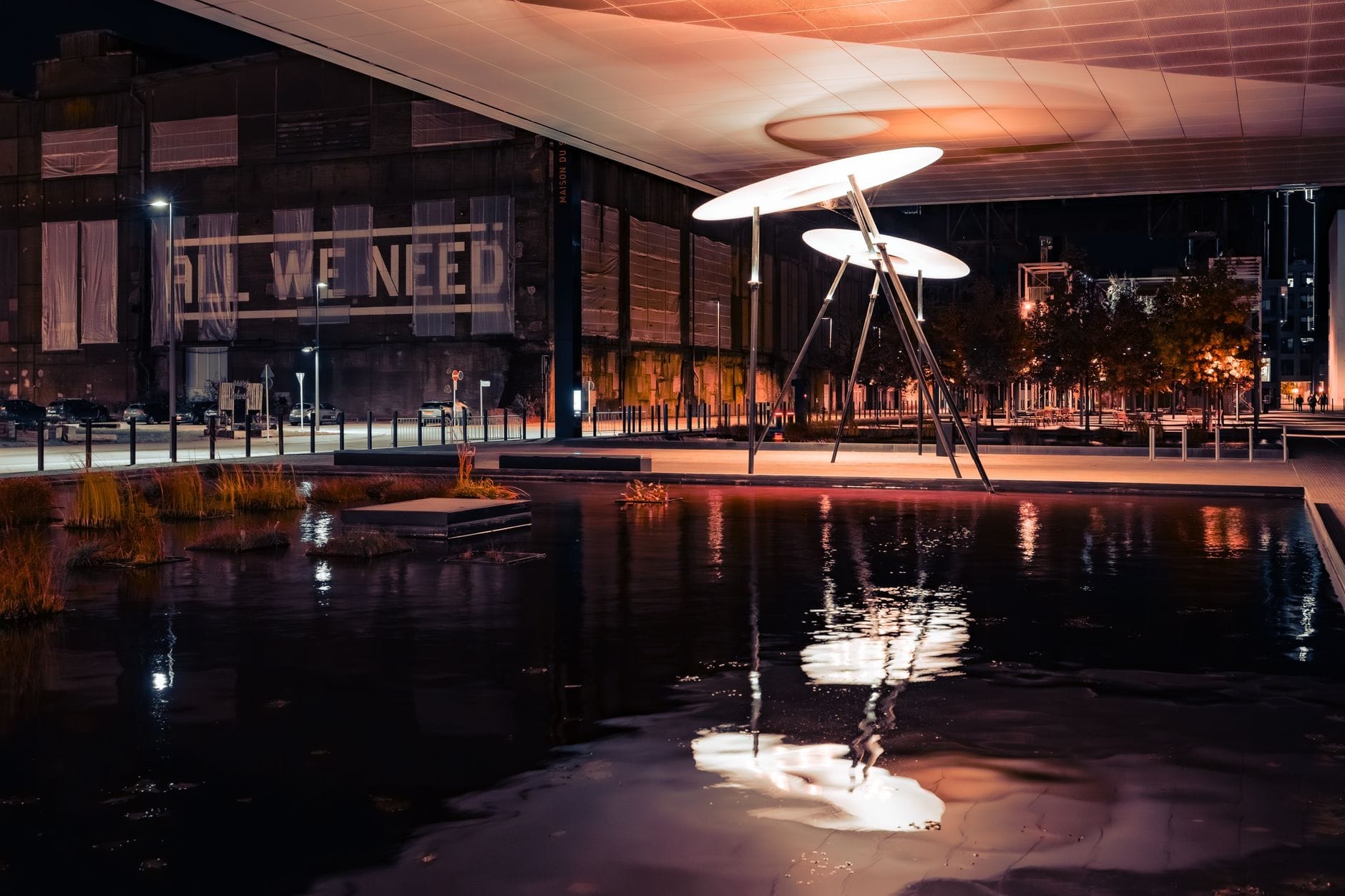
Nuit Blanche Toronto is a free, all-night contemporary art festival produced by the City of Toronto. It is not a music festival, not a ticketed event, and not a commercial production. The premise is straightforward: for one night every October, hundreds of art installations appear in parks, parking lots, building facades, underpasses, and public plazas across the city. You walk, explore, and encounter work at your own pace from sundown to sunrise.
The festival launched in 2006, modeled on similar overnight art events in Paris and other European cities. In the two decades since, it has grown into one of the largest free public art events in North America. The 2026 edition marks the 20th anniversary of the event, which the City has flagged as a milestone edition. If you have never attended before, this is a particularly good year to go.
Each year's program is curated around a central theme, with installations organized into distinct zones across downtown Toronto and sometimes extending into surrounding neighbourhoods. The specific locations, artists, and number of projects change every year, so the official City of Toronto Nuit Blanche page is the only reliable source for confirmed programming.
ℹ️ Good to know
Nuit Blanche Toronto is not the same as Nuit Blanche Ottawa or other cities' events. Several Canadian cities run their own independently organized overnight art festivals under similar names, each with separate organizers and programs. If you're searching for the Toronto event, look for city.toronto.ca/explore-enjoy/festivals-events/nuitblanche as the authoritative source.
Key Dates, Hours, and Logistics for 2026
The 2026 edition runs from 7:00 p.m. on Saturday, October 3, to 7:00 a.m. on Sunday, October 4. The 12-hour window is firm: installations typically power down at sunrise, and the crowds thin dramatically after 3:00 a.m. if you prefer a quieter experience.
- Event hours 7:00 p.m. Saturday to 7:00 a.m. Sunday. Arrive after 8:00 p.m. once it is properly dark and installations are at full effect.
- Admission Free for all general attendance. No tickets, no registration. Some third-party ticketed tours or experiences may exist around the event but are not part of the official program.
- Transit The TTC typically extends subway and surface route service on Nuit Blanche night. Specific schedules are announced closer to the event on the TTC website and City of Toronto channels. Check those sources in September 2026.
- Extended projects A selection of installations remains on display for days or weeks after the main event as part of an Extended Projects program. Dates and hours vary by installation and are announced via the official Nuit Blanche Instagram (@nuitblancheto).
- Maps and programs Official maps and installation guides are published on the City of Toronto's Nuit Blanche page before the event. Download or screenshot the map before heading out — cell service in dense crowds can be unreliable.
⚠️ What to skip
Do not rely on ride-hailing apps for transport between zones on the night itself. Uber and Lyft surge dramatically during Nuit Blanche, and pickup times in the core can stretch to 20-30 minutes. The TTC is your best option, supplemented by walking between adjacent sites.
What to Expect: Scale, Crowds, and Atmosphere
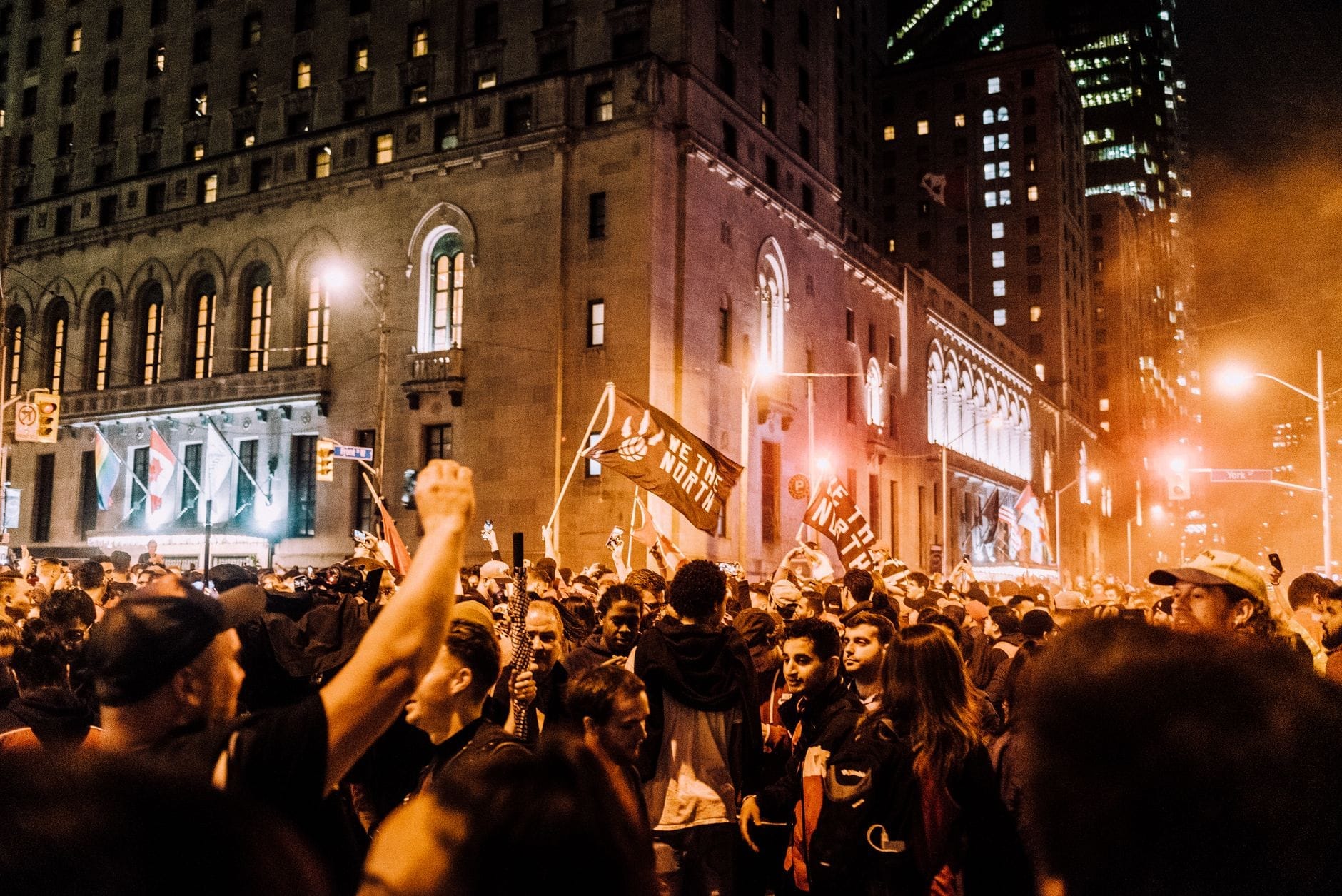
Nuit Blanche draws very large crowds, particularly in the hours between 9:00 p.m. and 1:00 a.m. Some of the most-visited installations in previous years have had queues of 30 to 60 minutes. This is not an intimate gallery experience. The atmosphere is closer to a street festival than a museum visit, with families, students, and serious art-goers all sharing the same space.
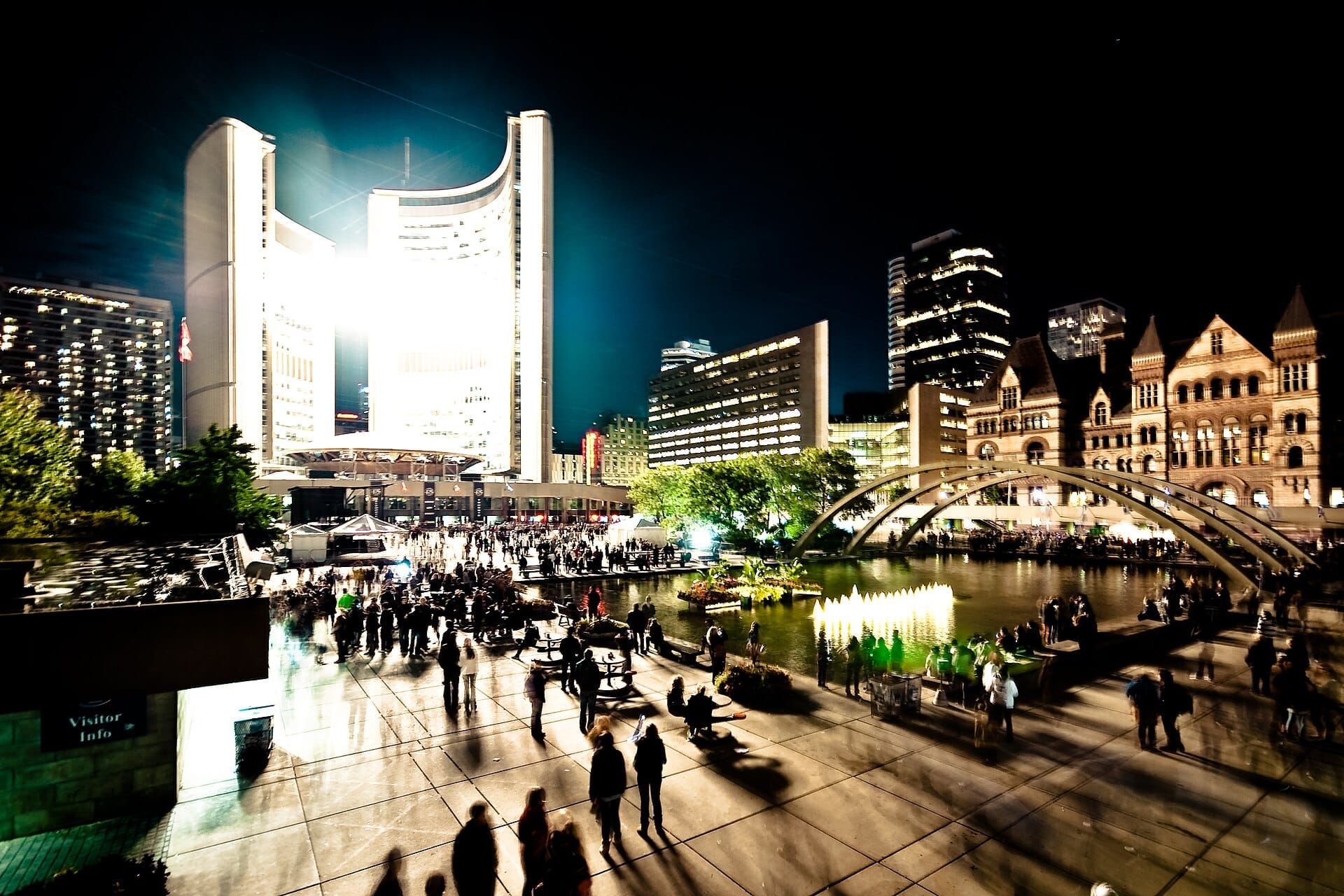
The installations themselves range widely in ambition and medium. Expect large-scale light projections on building facades, interactive sculptures, sound installations in underpasses, video works in storefronts, and performance-based pieces in parks. Areas like the Distillery District, Queen Street West, and Nathan Phillips Square have been regular programming zones in past years, though official zones shift annually.
Not every installation will resonate with every visitor, and that is expected. Some pieces are conceptually dense and benefit from reading the accompanying artist statement. Others are immediately accessible and draw the longest lines for good reason. Build flexibility into your night rather than trying to see everything. Realistically, you can engage meaningfully with 10 to 20 installations in a single evening if you are strategic about routing.
How to Plan Your Night: Practical Strategies
The single biggest mistake first-timers make is trying to plan too rigidly. The official map will show dozens of installations across multiple zones, and it is tempting to plot a tight schedule. Resist this. Lineups, transit delays, and the general pace of navigating a crowded city at night will throw off any precise itinerary. Instead, pick one or two anchor zones, identify the five or six installations you most want to see, and let discovery fill the rest of the night.
- Download the official map before you leave home. The City of Toronto app and website publish interactive and printable versions ahead of the event.
- Start at a zone that is slightly farther from the absolute center. The densest crowds gather near Nathan Phillips Square and Yonge-Dundas early in the evening. Beginning a few blocks away lets you see more before the main rush.
- Plan a food and warmth stop around midnight. Most restaurants along the route stay open late on Nuit Blanche night, and a sit-down break significantly extends how long you can comfortably stay out.
- Check the Extended Projects list before the night. Some installations are better experienced without crowds, and knowing which ones you can revisit in daylight the following week is useful.
- Travel light. You will walk several kilometres over the course of the night. Comfortable shoes are not optional.
✨ Pro tip
The hours between 2:00 a.m. and 5:00 a.m. are when Nuit Blanche becomes a genuinely different experience. Crowds drop off sharply, installations that had long queues become walkable, and the city feels unusually quiet. If you can push through the fatigue, the late-night hours often produce the most memorable moments.
What to Wear and Bring
October nights in Toronto are not mild. Average overnight lows in early October sit around 5°C to 8°C, and with wind off Lake Ontario, it can feel colder. You will be outside for hours, often standing still while viewing installations. Dressing for this specific combination, cold plus extended outdoor exposure plus walking, is important.
- Layers A base layer, a mid-layer fleece or sweater, and a wind-resistant outer jacket. Temperature management is easier with layers than with one heavy coat.
- Rain protection Early October in Toronto sees moderate rainfall probability. A packable rain jacket adds minimal weight and can save the evening.
- Footwear Waterproof walking shoes or boots. You may be standing on wet pavement, grass, or uneven surfaces around outdoor installations.
- Battery pack Your phone will be your map, camera, and transit guide. Bring a portable charger.
- Cash Not needed for the installations, but useful for food vendors and smaller restaurants near the event.
- Ear protection Some sound installations are genuinely loud, particularly in enclosed or semi-enclosed spaces. Optional, but useful if you are sensitive to high-volume audio.
Getting There and Around the City
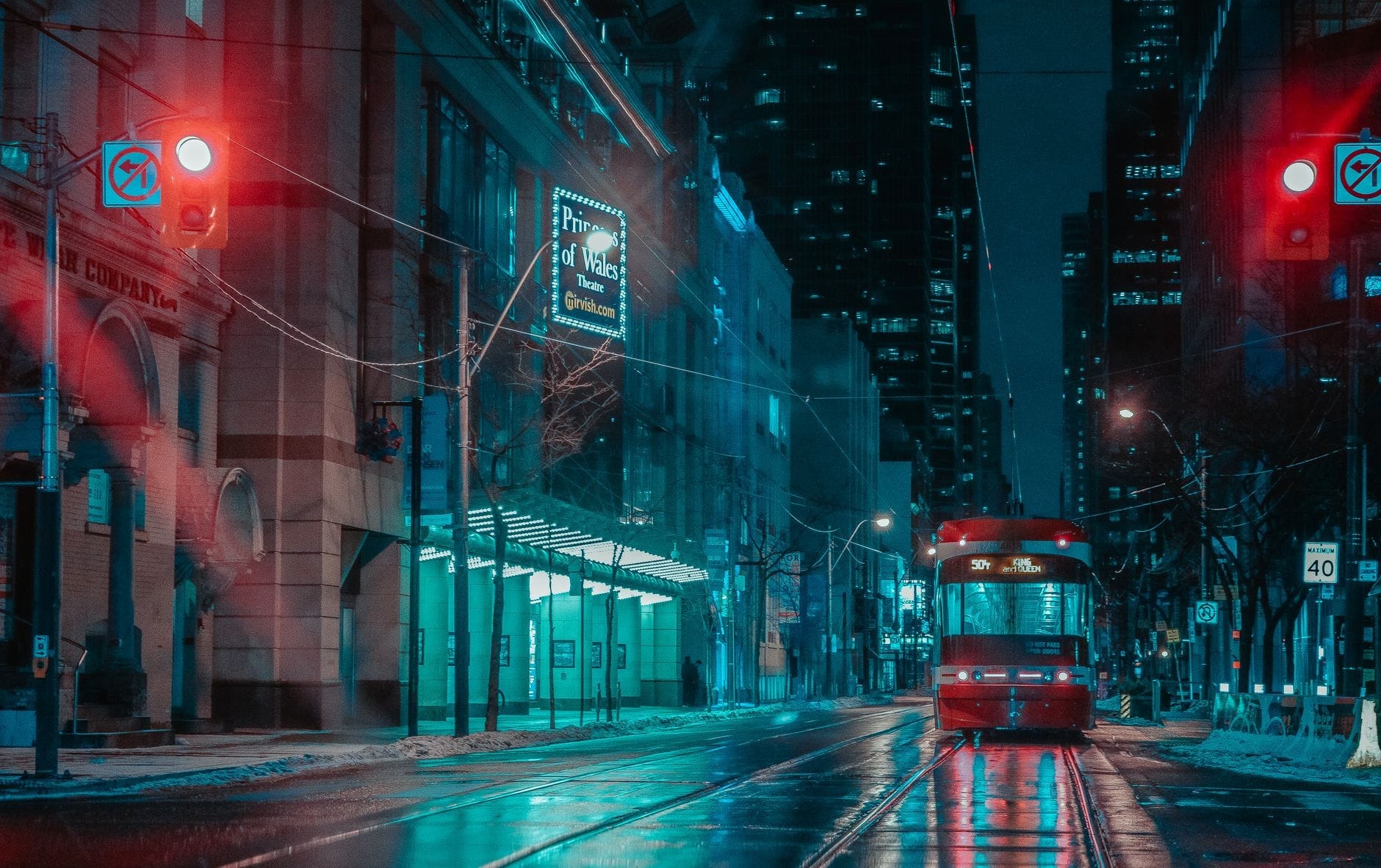
The TTC is the default choice for getting to and between zones. On Nuit Blanche nights, the subway typically runs extended hours. Streetcar routes along Queen Street West, King Street, and Spadina connect many of the core programming areas. If you are coming from outside Toronto, the GO Transit network runs into Union Station, which puts you within walking distance of several major zones. For full transit options and planning tools, the guide to getting around Toronto covers the TTC, GO, and UP Express in detail.
Driving to Nuit Blanche is not recommended. Road closures around major installation zones are common, parking is limited and expensive downtown, and the event is designed for foot traffic. If you must drive, park at a GO station outside the core and take the train in.
If you are flying into Toronto for the event, the UP Express connects Toronto Pearson International Airport (YYZ) to Union Station in approximately 25 minutes, with trains running every 15 minutes. For full details on reaching the city from either airport, the Toronto airport guide has current transit and taxi information.
The Festival's History and Why It Still Matters
When Nuit Blanche Toronto launched in 2006, overnight art festivals were still a novel idea in North American cities. The format borrowed from Paris's Nuit Blanche, which had itself started in 2002. Toronto's version was an immediate success, drawing unexpectedly large crowds and demonstrating that there was real public appetite for contemporary art presented outside traditional gallery contexts.
In the two decades since, the festival has presented nearly 1,800 installations by approximately 6,350 artists and generated over $550 million in economic impact for the city. Those numbers reflect the cumulative effect of hundreds of editions over 20 years, but they also indicate the event's durability. Other cities have launched similar events, some have scaled back or ended, and Toronto's has remained a fixture on the annual arts calendar.
The 2026 edition is the 20th anniversary. The City has issued an open call for Canadian and international artists, with a separate call from a partnered European Union and OCAD University program for projection artists, which lists fees of CAD $6,000 per selected artwork. The scale and ambition of the anniversary program is expected to be significant, though full programming details will not be confirmed until closer to the date. For context on the broader Toronto arts scene, the best museums in Toronto guide covers permanent institutions that complement the temporary work shown at Nuit Blanche.
FAQ
Is Nuit Blanche Toronto really free?
Yes, general attendance is completely free. No tickets, no registration, and no entry fees for the official installations. Third-party guided tours or special experiences organized by outside companies may charge separately, but the core festival is a City of Toronto public event at no cost.
When is Nuit Blanche Toronto 2026?
The 2026 edition runs from 7:00 p.m. on Saturday, October 3, to 7:00 a.m. on Sunday, October 4, 2026. This is the 20th anniversary of the festival.
How do I get around during Nuit Blanche?
Walking and the TTC are the best options. The TTC typically runs extended service on Nuit Blanche night, including subway and surface routes. Ride-hailing apps experience heavy surge pricing and long wait times in the core. Driving is not recommended due to road closures and limited parking.
What should I wear to Nuit Blanche Toronto?
Dress for cold overnight conditions. Early October nights in Toronto average around 5°C to 10°C, with wind off Lake Ontario making it feel colder. Layer up, bring a rain jacket, and wear waterproof walking shoes. You will likely be outside for several hours.
Can I see all the installations in one night?
Not realistically, and trying to do so tends to reduce the quality of each encounter. The festival typically features hundreds of projects across multiple zones. A practical approach is to focus on one or two zones, prioritize five to eight specific installations, and leave time for discovery. The Extended Projects program means some work remains accessible for days or weeks after the main night.
Tickets & tours
Live prices and dates from our booking partner. If you book, we may earn a commission at no extra cost to you.
Planning a trip? Discover personalized activities with the Nomado app.