Luxury Toronto: The Ultimate Upscale Travel Guide
Toronto's upscale travel scene goes well beyond five-star hotels. This guide covers the best luxury hotels in downtown Toronto and Yorkville, premium dining, exclusive experiences, and practical logistics for high-end visitors to Canada's largest city.
Tickets & tours
Live prices and dates from our booking partner. If you book, we may earn a commission at no extra cost to you.
TL;DR
- Yorkville is Toronto's luxury epicenter: upscale hotels, designer retail on Bloor Street, and top-tier restaurants cluster in and around this neighbourhood — see our Yorkville neighbourhood guide for full detail.
- Toronto hotels range from $300/night at solid four-star properties to $700+ at flagship five-star addresses; downtown and Yorkville command the highest rates.
- The UP Express train covers the 27 km from Pearson Airport (YYZ) to Union Station in about 25 minutes — the fastest and most predictable airport transfer option.
- Luxury here is neighbourhood-driven: pairing a great hotel with time in the Distillery District, along the waterfront, or in the Annex gives a richer experience than staying in tourist corridors alone.
- Visit in May–June or September–October for the best combination of mild weather, outdoor programming, and slightly lower hotel rates than peak July–August.
Why Toronto Is a Serious Luxury Destination
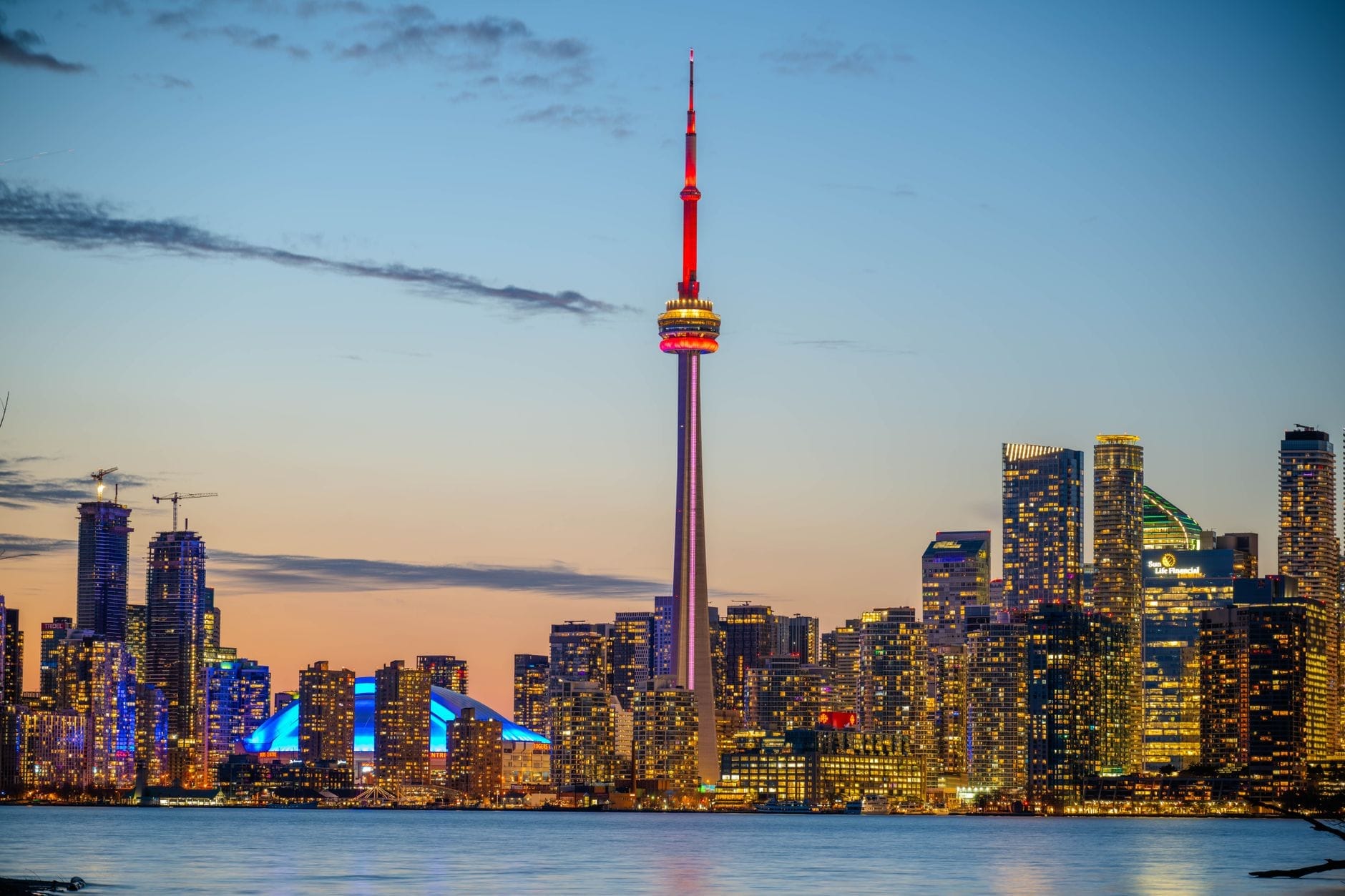
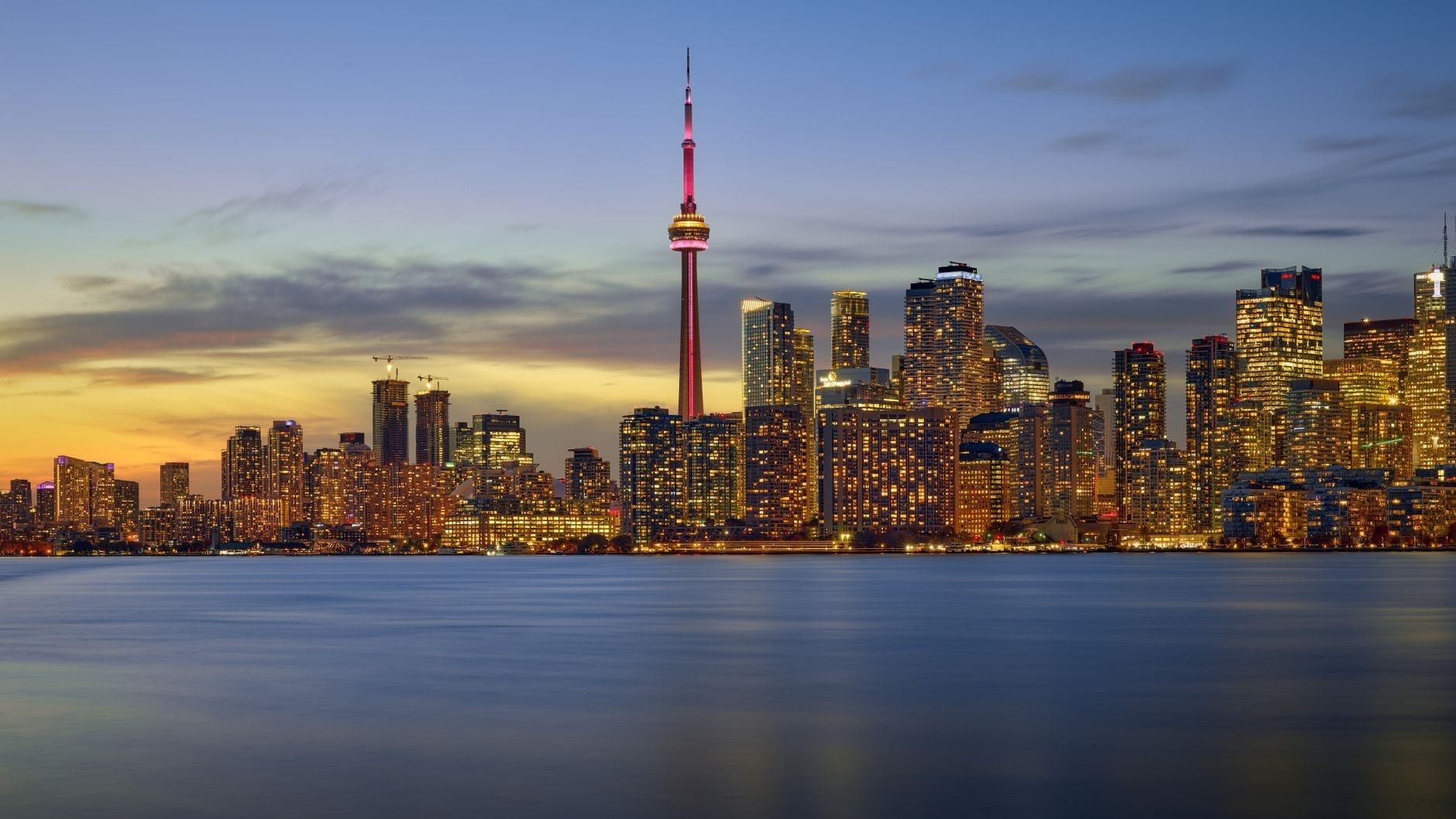
Toronto is Canada's most populous city and the economic heart of Ontario, home to roughly 2.8 million people within city limits and over 6.7 million in the metropolitan area. That scale matters for luxury travellers: it means genuine competition among hotels, restaurants, and experience providers rather than a handful of premium options propped up by a captive tourist market. The city sits on the northwestern shore of Lake Ontario and operates on Eastern Standard Time (UTC-5, switching to EDT in summer), which places it in sync with New York and makes it a natural extension of a northeastern North America itinerary.
Toronto is frequently framed as a business destination, and that framing undersells it considerably. The cultural infrastructure here — world-class museums, a serious restaurant scene, one of North America's most distinctive film festivals, and architecturally ambitious neighbourhoods — is what sustains the luxury market year-round. The Forbes Travel Guide recognises properties in Toronto, and major international hotel brands have made long-term investments in the city precisely because demand is consistent rather than seasonally spiked. English is the working language throughout the city, the Canadian dollar (CAD) is the currency, and tap water is safe to drink. These basics matter when you are evaluating comfort and convenience for high-end travel.
ℹ️ Good to know
Canada does not operate a broad 'visa on arrival' system. Many nationalities (EU, UK, Australia, Japan, South Korea) travel visa-free for short stays but must obtain an Electronic Travel Authorization (eTA) before flying. Some nationalities require a full Temporary Resident Visa. Check the official Government of Canada tool at canada.ca before booking.
Where to Stay: Toronto Hotels for the Upscale Traveller
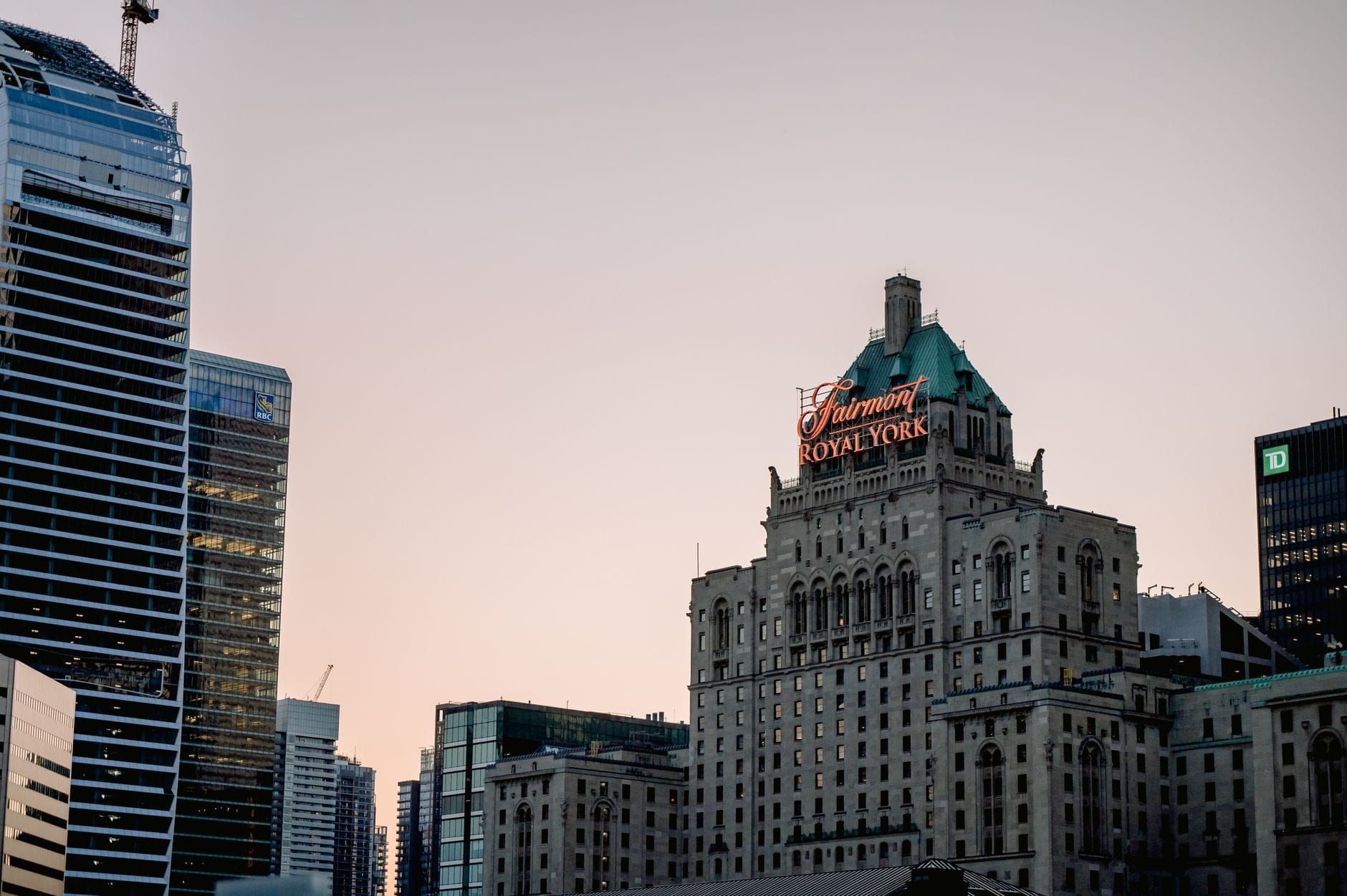
The two primary zones for luxury Toronto hotels are Yorkville and the downtown core, with a smaller cluster near the waterfront. Each serves a different travel style, so choosing between them is the first real decision when planning an upscale visit.
- Yorkville / Bloor-Church corridor The highest concentration of five-star and boutique luxury properties. Walking distance to designer retail on Bloor Street (Hermès, Louis Vuitton, Holt Renfrew), the Royal Ontario Museum, and some of the city's most respected restaurants. Rates typically start around $450–$700+ CAD per night at flagship properties. Quieter at night than downtown — a feature, not a drawback, for most luxury guests.
- Downtown / Financial District Strong selection of four-and-five-star hotels with easy access to Union Station, the CN Tower, Rogers Centre, and Scotiabank Arena. Better for travellers combining business with leisure or attending major events. Rates for top-tier properties run $350–$600+ CAD depending on season and events calendar.
- Waterfront / Harbourfront A smaller number of premium properties, but with the advantage of lake views and proximity to the Toronto Islands ferry. Well-suited for summer visits when waterfront programming is at its peak. Generally slightly lower rates than Yorkville for comparable quality.
Timing matters significantly. Toronto hotel rates peak in July and August, during the Toronto International Film Festival (early September), and around major sporting events at Scotiabank Arena and Rogers Centre. The Toronto International Film Festival in particular drives premium rate surges of 30–50% at Yorkville and downtown properties. If you want luxury without the pricing premium, late May, early June, and October offer genuinely good value: weather is comfortable, crowds are manageable, and shoulder-season rates apply.
⚠️ What to skip
Hotel rates in Toronto are quoted in Canadian dollars. At current exchange rates, CAD is worth roughly 20–30% less than USD, which means a $600 CAD/night room is closer to about $460–480 USD — a factor that makes Toronto meaningfully more affordable for American travellers than the sticker price suggests. Always confirm the currency when booking.
Yorkville: Toronto's Luxury Neighbourhood in Detail
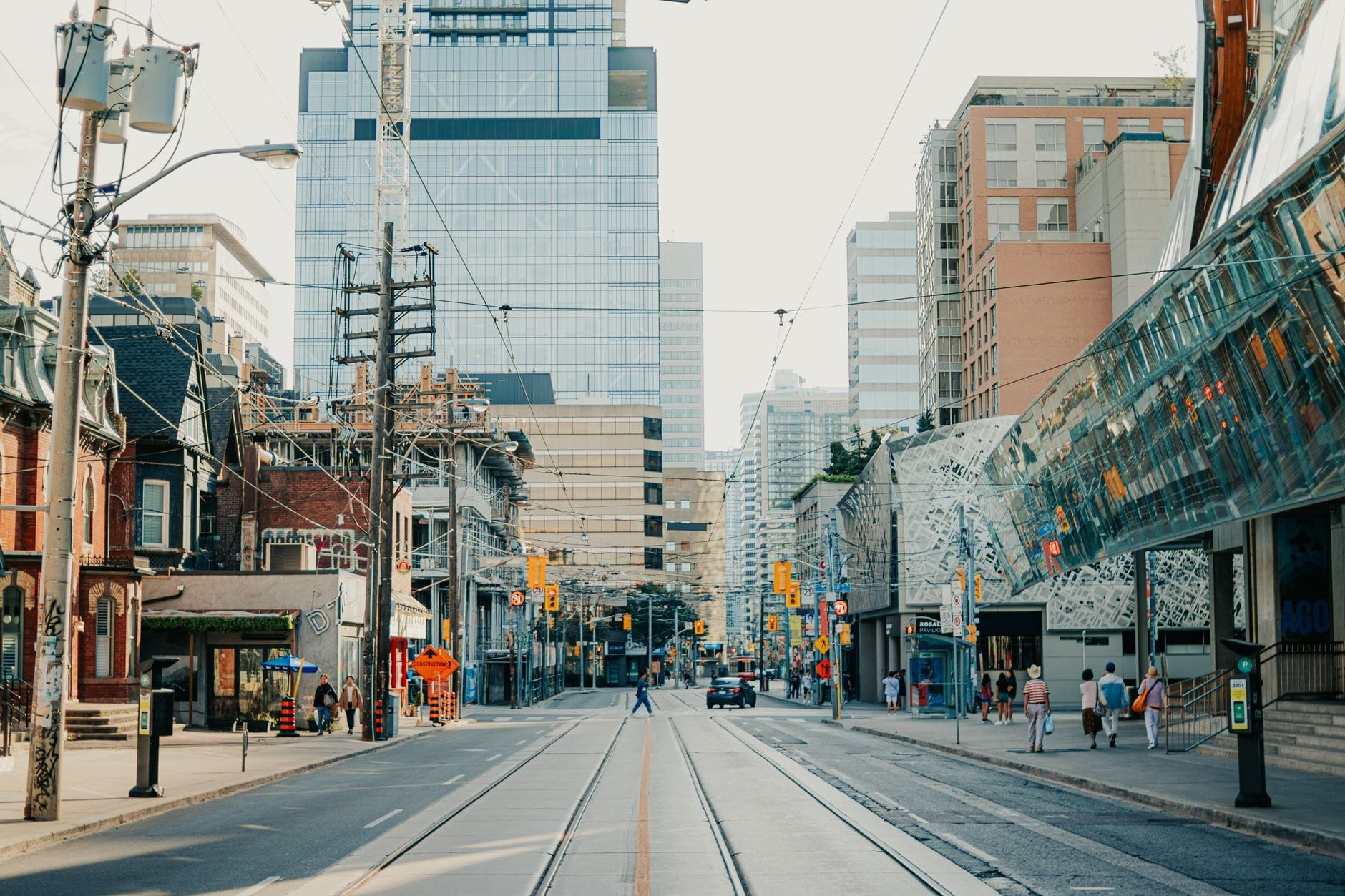
Yorkville is where Toronto's luxury market is most concentrated and most walkable. The neighbourhood runs roughly between Bay Street to the east, Avenue Road to the west, Bloor Street to the south, and Davenport Road to the north. Bloor Street through Yorkville — sometimes called the Mink Mile — is home to the highest density of international luxury retail in Canada, with flagships for most major European houses alongside Holt Renfrew, the country's premier luxury department store. For a full retail overview, the Bloor-Yorkville Mink Mile is the logical starting point.
Beyond shopping, the neighbourhood offers genuinely good food at the upper end of the market. The streets around Yorkville Avenue and Hazelton Avenue contain some of Toronto's most durable fine-dining addresses. The Toronto food guide goes deeper on neighbourhoods and cuisine types, but within Yorkville specifically, expect modern Canadian tasting menus, serious wine programs, and French-influenced bistros that have been around long enough to have earned their prices. Reservations at top tables should be made two to four weeks out during peak season.
One drawback worth naming: Yorkville can feel slightly insular, particularly around the core luxury corridor. It is an excellent base but benefits from deliberate day trips to other parts of the city. The neighbourhood's proximity to the Annex and the University of Toronto campus means that a fifteen-minute walk in any direction takes you into a completely different urban texture, which is part of what makes it a rewarding area rather than a sealed luxury bubble.
Premium Experiences Beyond the Hotel Lobby
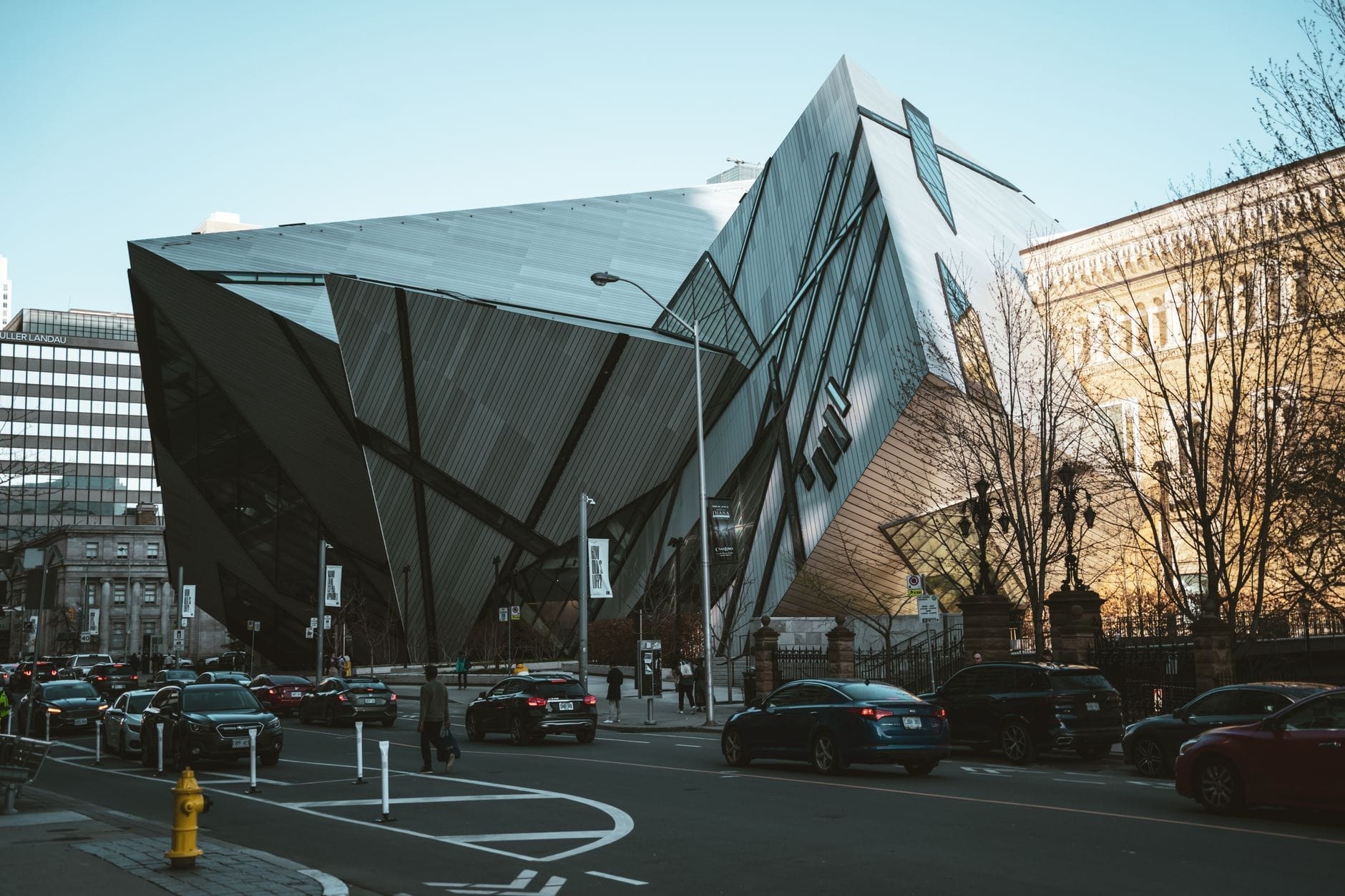
The strongest argument for luxury travel in Toronto is that the city's paid and free cultural offerings are genuinely world-class. The Royal Ontario Museum is the largest museum in Canada and holds internationally significant collections across natural history, world cultures, and art. The Art Gallery of Ontario — with its Frank Gehry-redesigned facade — holds over 120,000 works and ranks among the top art institutions in North America. Neither requires a full day to appreciate, which makes pairing them with a long lunch feasible without feeling rushed.
For curated experiences, the premium end of Toronto's tour market has expanded significantly. Private architecture tours, chef-led market walks at St. Lawrence Market, sommelier-guided wine tastings, and chartered boat excursions on Lake Ontario are all available through specialist operators. Booking platforms like GetYourGuide aggregate many of these with free cancellation policies and a best price guarantee, which reduces booking risk. Prices vary widely by activity and group size — private tours start around $150–$300 CAD per person and scale up considerably for exclusive access or multi-hour formats.
- Private CN Tower access The CN Tower's EdgeWalk — a hands-free walk around the exterior at 356 m — can be booked as a private or small-group experience. Standard public tickets are available but the private formats are the ones worth the premium for upscale travellers who want the experience without a queue.
- St. Lawrence Market private tours Toronto's premier food market operates Tuesday through Sunday. Guided tours with a food focus typically run 90 minutes to 2 hours and include tastings from vendors across the main and south markets. A worthwhile investment if food is a priority — the market has operated in various forms since 1803 and the context makes the visit significantly richer.
- Distillery District evening experiences The preserved Victorian industrial complex in the east end hosts private dinner events, gallery openings, and the Toronto Christmas Market in November–December. Evening visits when the daytime tour groups have thinned out offer the best version of the neighbourhood.
- Chartered boat cruises on Lake Ontario Private charters from Harbourfront offer a genuinely different perspective on the Toronto skyline. Evening departures around sunset are the most popular format. Prices vary considerably by vessel size and duration — get quotes from multiple operators.
✨ Pro tip
The Four Seasons Centre for the Performing Arts on Queen Street West (just west of University Avenue) is home to the Canadian Opera Company and the National Ballet of Canada — two organizations performing at genuine international standard. Tickets range from around $40 to $300+ CAD depending on seat and production. Booking six to eight weeks ahead for premium seats is advisable during the main October–May season.
Getting to Toronto and Getting Around
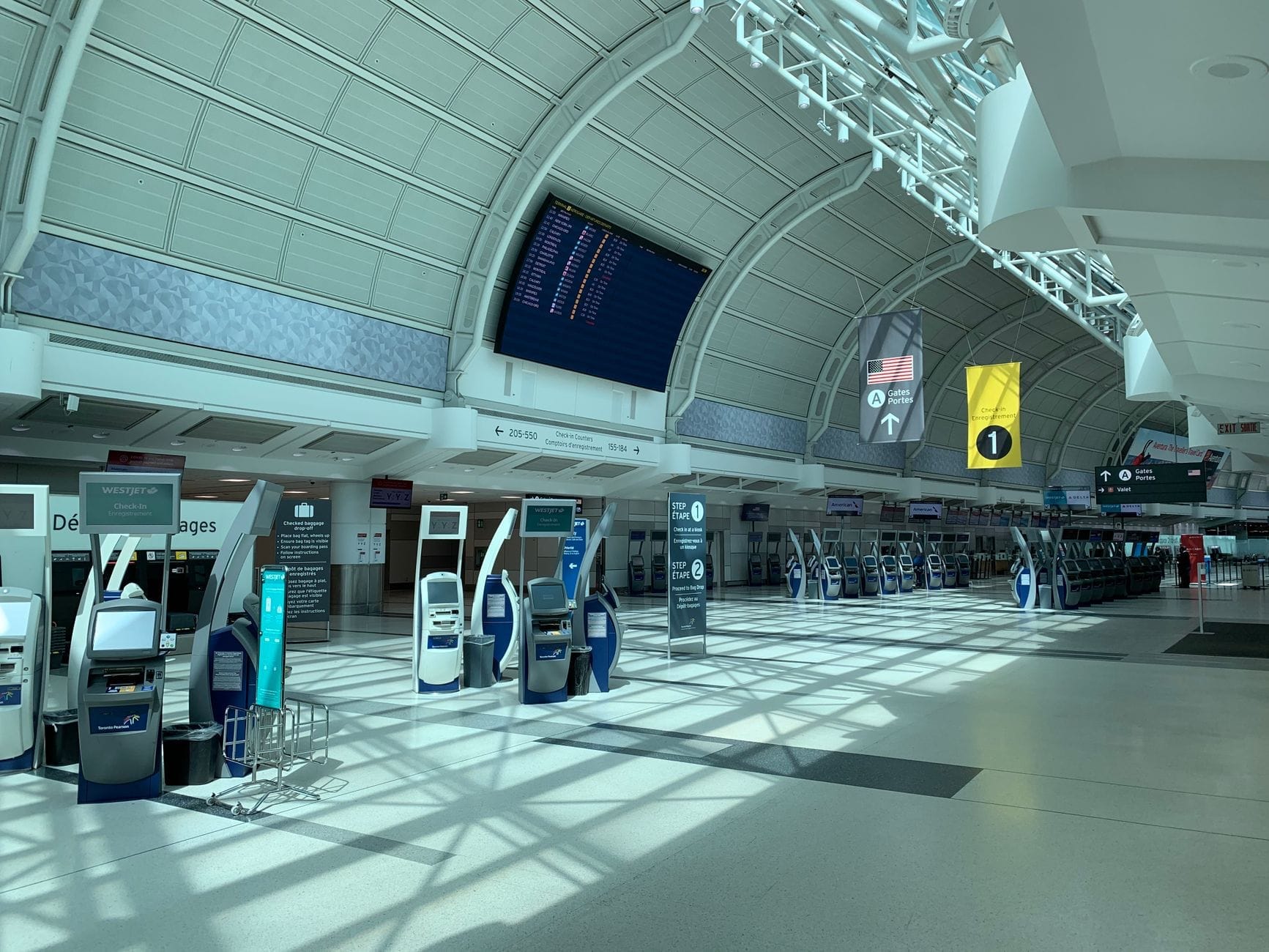
Most international luxury travellers arrive via Toronto Pearson International Airport (YYZ), located in Mississauga approximately 22–28 km from downtown depending on route. The UP Express train runs every 15 minutes between Pearson and Union Station, covering the distance in about 25 minutes. It is by far the most reliable option: predictable travel time regardless of traffic, comfortable seating, and luggage space. For a luxury arrival, a licensed airport limousine from Pearson to a Yorkville or downtown hotel is the more common choice — flat rates or metered fares apply, and the vehicles from licensed operators meet a consistent standard. Uber and Lyft both operate at Pearson from designated pickup zones, though surge pricing during peak arrival windows can make them less predictable in cost.
Once in the city, the TTC (Toronto Transit Commission) subway is genuinely useful for getting between Yorkville (Bay or Bloor-Yonge stations on Line 1 and 2), downtown, and the waterfront. 1‑Day passes simplify payment for visitors doing multiple trips. For a comprehensive overview of transit options, the getting around Toronto guide covers subway lines, streetcars, and regional GO Transit services. For luxury travel specifically: taxis and ride-hailing work well within the downtown core, but during peak hours (7–9 AM and 4–7 PM on weekdays) or during major events, a subway trip will frequently be faster than any road-based option.
Billy Bishop Toronto City Airport (YTZ) serves a smaller number of routes, primarily Porter Airlines flights to eastern Canadian and northeastern US cities. Its location on the Toronto Islands, just about 2–3 km from downtown, means transfer times to Yorkville or the financial district are typically 15–25 minutes by taxi or ride-hailing. For travellers routing through Ottawa, Montreal, or smaller regional airports, this is a significantly more convenient arrival point than Pearson.
Practical Details: Currency, Tipping, Timing, and Seasonal Trade-offs
Toronto uses the Canadian dollar (CAD). Credit cards are accepted universally at luxury properties, restaurants, and retailers, and contactless payment is standard. ATMs are readily available throughout the city. For currency exchange, bank-affiliated exchangers or in-hotel services typically offer better rates than airport kiosks at Pearson — though the difference on small amounts is marginal.
Tipping at Toronto restaurants follows a 15–20% convention on the pre-tax bill; at the upper end of the dining market, 20% is increasingly standard. Some fine-dining establishments add a service charge for groups, so check the bill before tipping additionally. For a broader sense of what the food scene offers at various price points, the Toronto food markets guide is a useful companion to this one. Electricity is standard North American: 120V/60Hz with Type A and B plugs, so European visitors will need adapters.
Seasonal trade-offs are real. Summer (July–August) delivers the full outdoor Toronto experience: the waterfront is active, the Toronto Islands are accessible by ferry, and the city's parks and patios are at their best. The drawback is peak hotel pricing and higher foot traffic in popular areas. Winter visits (December–February) see hotel rates drop meaningfully, and the indoor infrastructure — PATH underground city, museums, theatres, upscale hotel bars — is excellent. Toronto winters are genuinely cold, with January daily mean temperatures around -3.7°C and regular snowfall, so outdoor itineraries need to be planned accordingly.
💡 Local tip
Toronto's PATH network — over 30 km of underground pedestrian walkways connecting Union Station to most of the Financial District — is one of the most useful practical tools for winter visitors. You can move between hotels, restaurants, shops, and transit without going above ground. The PATH connects directly to several major downtown hotels.
FAQ
What are the best luxury hotels in downtown Toronto?
The downtown core and Yorkville neighbourhood hold the highest concentration of premium properties, including major international five-star brands. Rates at top-tier downtown Toronto hotels typically start around $350–$500 CAD per night in shoulder season and can exceed $700 CAD during peak summer and TIFF in September. Yorkville properties command a slight premium due to proximity to Bloor Street retail and a quieter residential setting.
Is Yorkville worth it as a base for luxury travellers?
Yes, for most upscale itineraries. Yorkville puts you within walking distance of the Royal Ontario Museum, Bloor Street luxury retail, and some of Toronto's best restaurants. The neighbourhood is quieter than the entertainment district at night, which suits guests prioritising quality of stay over nightlife proximity. The main trade-off is slightly longer taxi or subway rides to waterfront attractions and the Distillery District.
When is the best time to visit Toronto for a luxury trip?
Late May through June and September through mid-October offer the strongest combination of comfortable weather, cultural programming, and hotel rates below peak summer levels. July and August deliver warm weather and full outdoor programming but at the highest hotel prices and largest crowds. Early September coincides with TIFF, which drives significant rate surges in Yorkville and downtown — book at least two months ahead if visiting then.
How much should I budget for a luxury trip to Toronto?
For a genuine luxury experience, budget CAD $450–$700+ per night for accommodation, $150–$300 per person per meal at top restaurants (with wine), and $150–$500+ for premium experiences and tours. Toronto is notably more affordable than London, Paris, or New York at equivalent quality tiers, partly due to the CAD/USD exchange rate. A long weekend trip for two at the upper end would typically run CAD $4,000–$8,000 all-in, excluding flights.
Is Toronto safe for luxury travellers?
The Yorkville, downtown core, and waterfront areas frequented by upscale visitors are among the city's most well-maintained and policed neighbourhoods. Toronto is a large city and, like any major urban centre, has areas that vary in character — but the luxury travel circuit is well within the low-concern zone for personal safety. Standard urban precautions apply. For detailed current information, Toronto Police Service publishes crime statistics publicly at data.torontopolice.on.ca.
Tickets & tours
Live prices and dates from our booking partner. If you book, we may earn a commission at no extra cost to you.
Planning a trip? Discover personalized activities with the Nomado app.