Shopping in Toronto: Best Malls, Markets & Streets
Toronto's shopping scene spans luxury boutiques in Yorkville, 230-plus retailers at the Eaton Centre, historic indoor markets, and independent street strips that reward slow browsing. This guide breaks down every major option by category, with transit directions, honest assessments, and seasonal tips.
Tickets & tours
Live prices and dates from our booking partner. If you book, we may earn a commission at no extra cost to you.
TL;DR
- CF Toronto Eaton Centre (230+ stores, directly on Line 1 subway) and Yorkdale Shopping Centre (250+ stores, its own subway stop) are the two anchor malls — both open year-round.
- Bloor-Yorkville is Canada's luxury retail corridor; Queen Street West is the independent and designer alternative — they serve very different budgets and tastes.
- St. Lawrence Market (Tuesday to Saturday, 120+ vendors) and Kensington Market offer the best local food, vintage, and independent shopping — plan at least a half-day for each.
- Every major mall and most market neighbourhoods are reachable on the TTC subway without a car.
- Outlet shopping (Vaughan Mills, Dixie Outlet Mall) is outside Toronto proper but accessible by regional transit or a 30-45 minute drive.
The Big Malls: Eaton Centre, Yorkdale, and Beyond
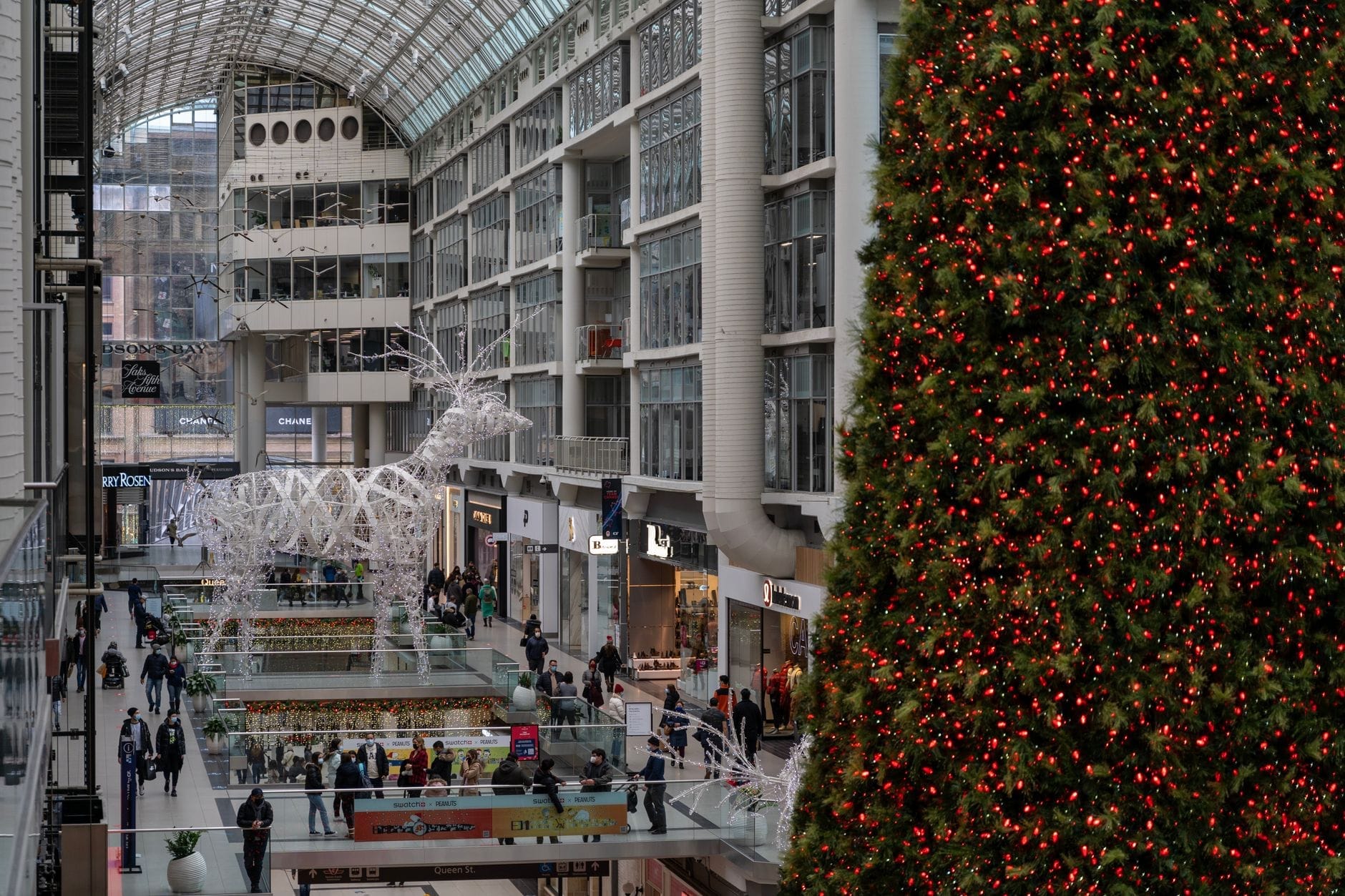
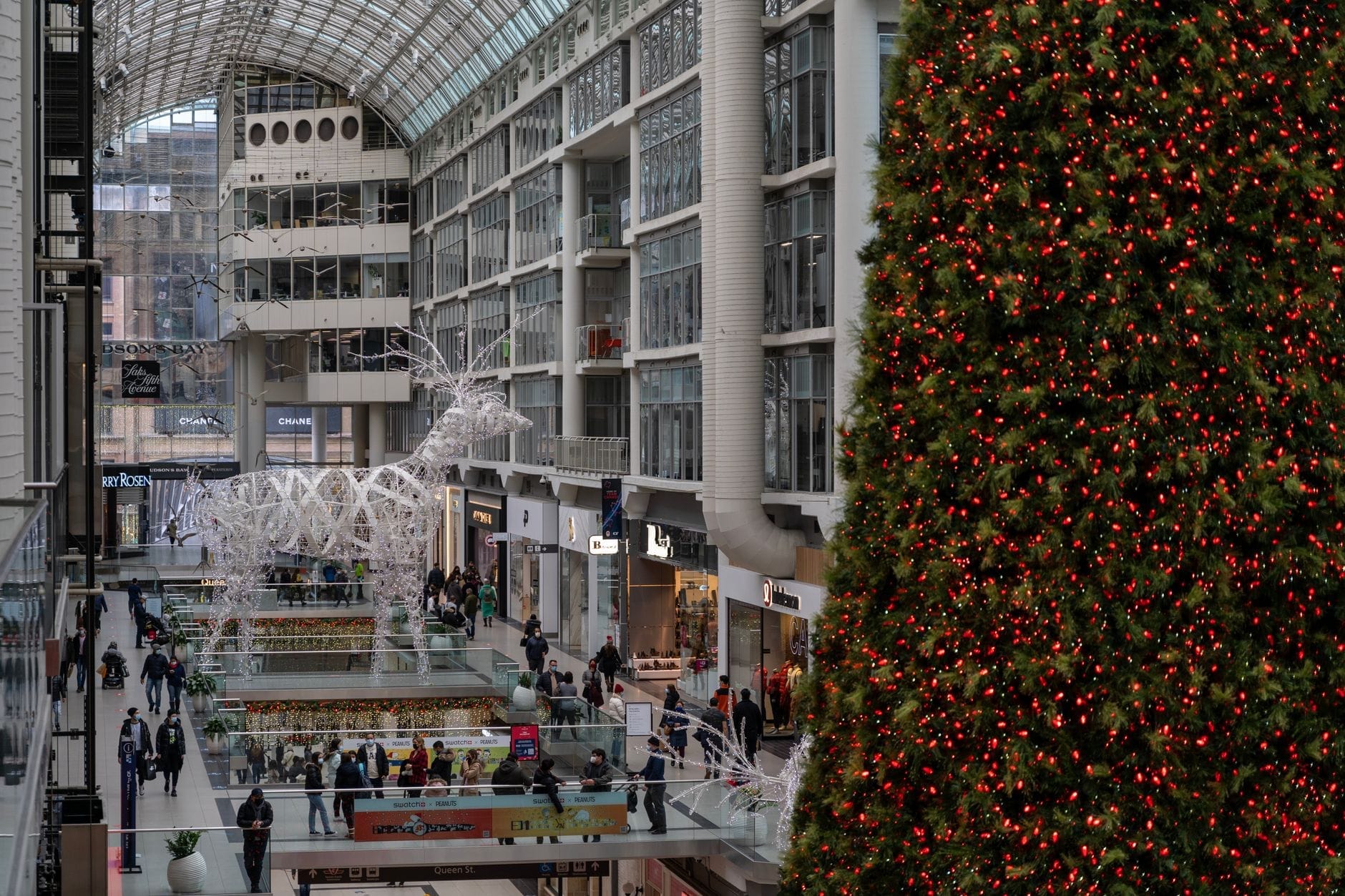
The Toronto Eaton Centre is the most visited mall in Canada, pulling roughly 50 million visitors annually. It runs along Yonge Street between Dundas and Queen Streets in downtown Toronto, and its glass-atrium architecture — designed by Eberhard Zeidler and opened in 1977 — is worth noting in its own right. With over 200 retailers across four levels, it covers everything from H&M and Zara to Nordstrom-replacement anchors and a solid food court. Subway access is direct: Dundas station on Line 1 drops you at the north end, Queen station at the south.
The Eaton Centre is excellent for convenience and range, but it gets genuinely crowded on weekends and during December, when lines at popular stores can stretch into the corridors. If you need to visit during the holiday season, arrive before noon or after 7 pm to avoid the worst of it. General hours run roughly 10:00 to 21:30 Monday through Saturday and 11:00 to 19:00 on Sundays, though these shift during holidays — always check the current schedule before visiting.
Yorkdale Shopping Centre, located in North York near the Allen Road and Highway 401 interchange, positions itself as Toronto's luxury mall. It opened in 1964 as one of Canada's first enclosed suburban malls and has since expanded to over 270 stores, anchored by luxury flagships including Louis Vuitton, Burberry, and a large Apple Store. It also carries brands absent elsewhere in the city. Yorkdale station on TTC Line 1 provides direct subway access, and GO bus service connects it to the broader region. The mall draws a loyal crowd specifically for high-end fashion and electronics — if Bloor-Yorkville feels too boutique-scattered for your purposes, Yorkdale consolidates the luxury experience under one roof.
ℹ️ Good to know
Toronto has several other large enclosed malls worth knowing: Scarborough Town Centre (served by Scarborough Centre station on the Line 3 bus replacement from Line 2 at Kennedy), Fairview Mall in North York (at Don Mills station on Line 4), and Dufferin Mall near Dufferin station on Line 2. None of these approach Eaton Centre or Yorkdale in range, but they're useful if you're staying outside downtown or want to avoid the core entirely.
Bloor-Yorkville: Toronto's Luxury Shopping Corridor
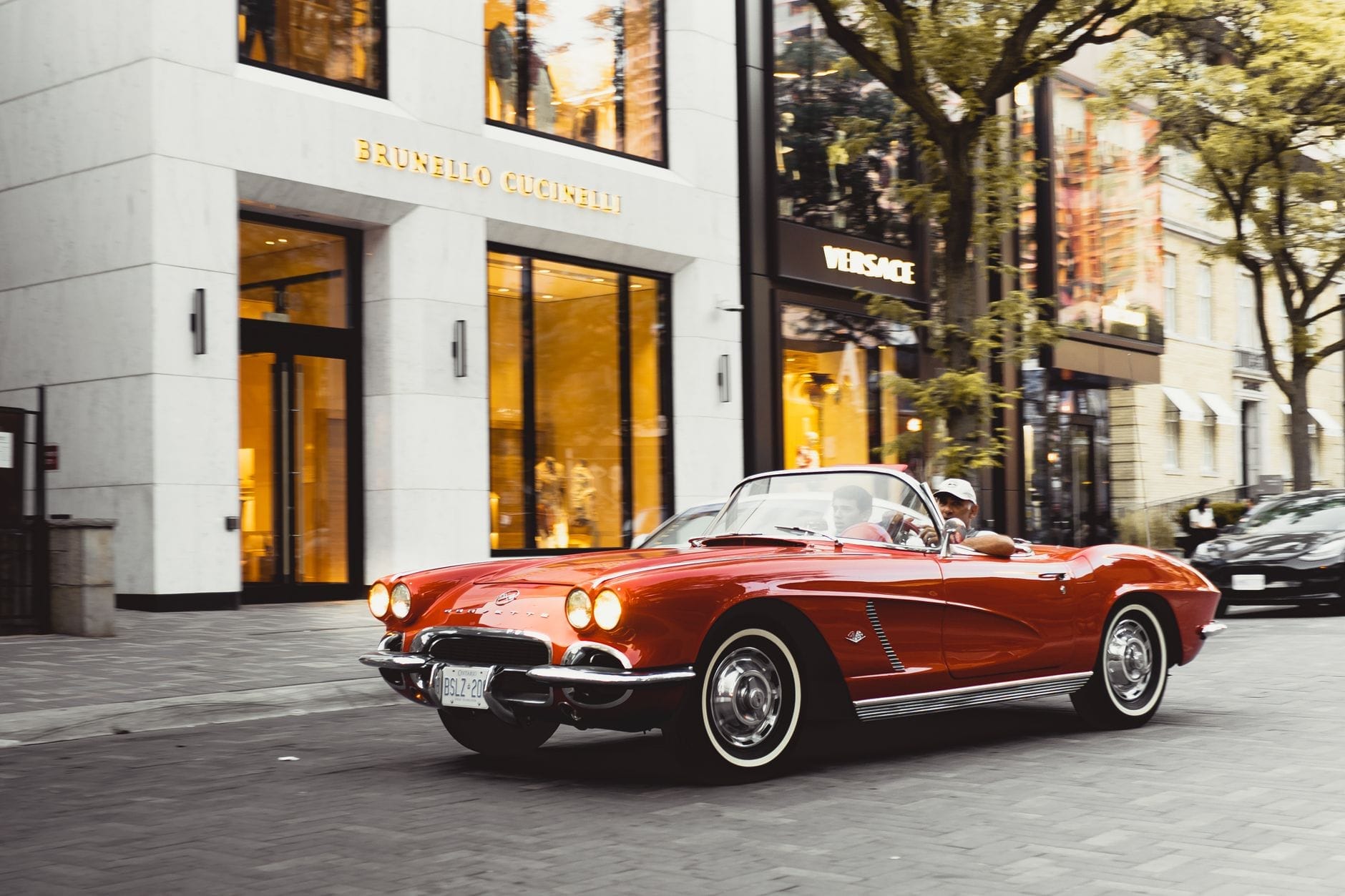
Bloor Street West between Yonge Street and Avenue Road forms the backbone of Yorkville, Toronto's equivalent of New York's Fifth Avenue or London's Bond Street. The strip carries flagship stores for Chanel, Hermès, Holt Renfrew (Canada's foremost luxury department store), Tiffany & Co., and a concentration of international designer boutiques. Hazelton Lanes and Yorkville Village add a slightly more curated, gallery-adjacent retail experience just off the main strip.
The area is walkable and well-served by transit: Bay station (Lines 2) and Bloor-Yonge station (Lines 1 and 2) place you within a short walk of everything. Yorkville also has some of the best cafés and restaurants in the city if you need to break up a shopping afternoon — the neighbourhood rewards slow exploration rather than a quick pass-through. That said, if your budget doesn't extend to luxury price points, Yorkville is genuinely not for most shoppers. Browse the architecture and the shop windows, then head to Queen Street West.
Queen Street West and the Independent Strip
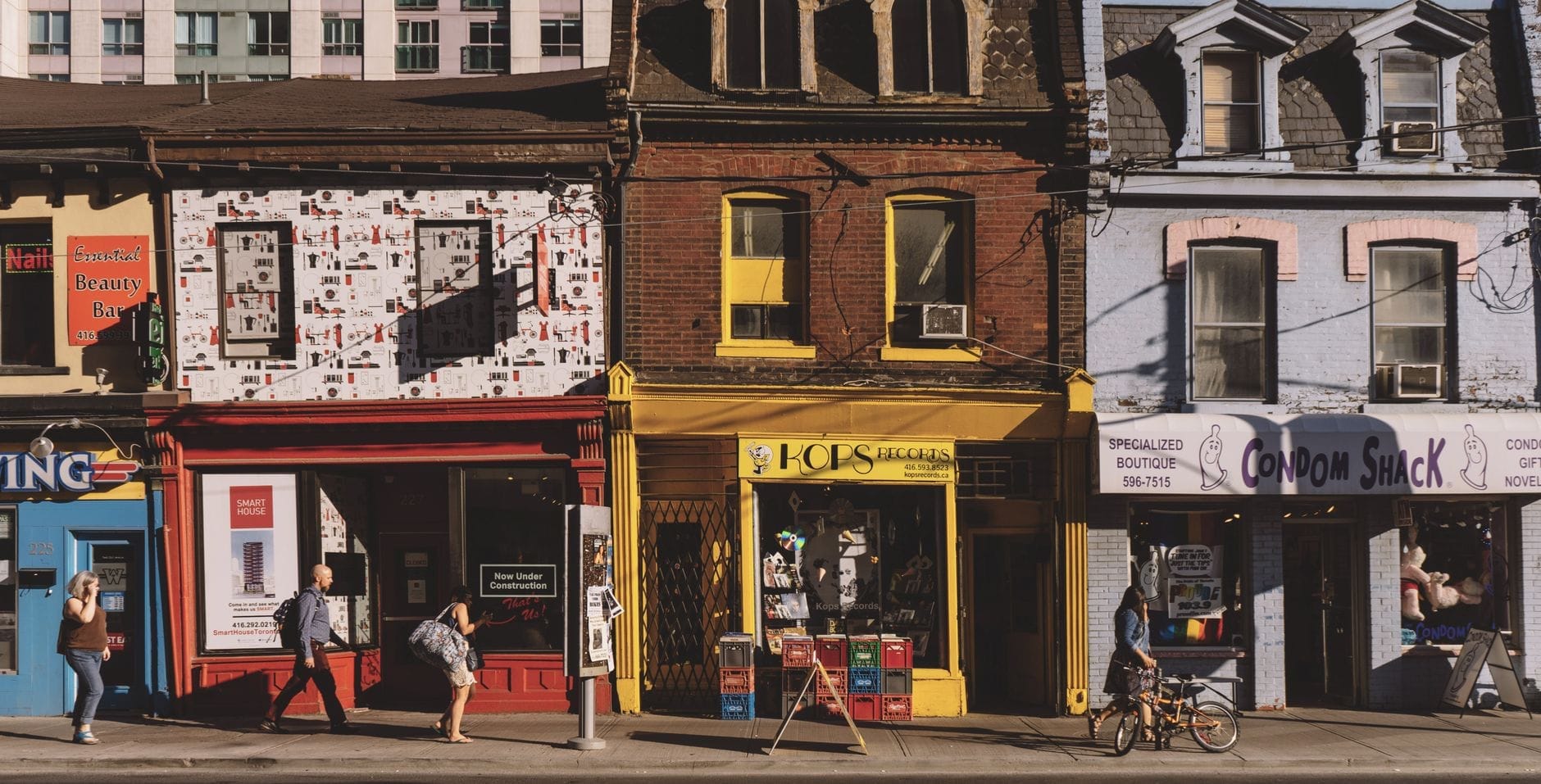
Queen Street West is the city's most interesting retail street for fashion, design, and independent shops. The stretch between University Avenue and Bathurst Street contains a dense mix of Canadian designers, vintage clothing, bookshops, record stores, and home goods. West Queen West, from Bathurst to Dufferin, extends further into galleries and more experimental retail — this is where local designers and vintage dealers tend to cluster.
Unlike a mall, Queen West requires some patience. Quality varies block by block. The stretch around Trinity Bellwoods Park (roughly Ossington to Dovercourt) has become more restaurant-heavy, but independent shops still anchor the street. Weekend afternoons are the most active time to visit, with the highest number of stores open and the best street energy. Graffiti Alley, running parallel to Queen just south on Richmond Street West, is a bonus if you're in the area — a 1-kilometre stretch of commissioned murals that's become a legitimate visual destination.
- Best for vintage clothing Kensington Market and the Queen West corridor between Bathurst and Ossington have the highest density of secondhand and vintage dealers.
- Best for Canadian designers West Queen West and the Distillery District carry the most local fashion labels and artisan goods.
- Best for luxury brands Bloor-Yorkville for standalone boutiques; Yorkdale Shopping Centre for consolidating multiple luxury brands in one trip.
- Best for everyday shopping and range CF Toronto Eaton Centre covers the most ground under one roof with the widest mix of price points.
- Best for food and specialty goods St. Lawrence Market for prepared foods, cheeses, meats, and specialty ingredients; Kensington Market for international groceries and independent food vendors.
St. Lawrence Market and the City's Best Markets
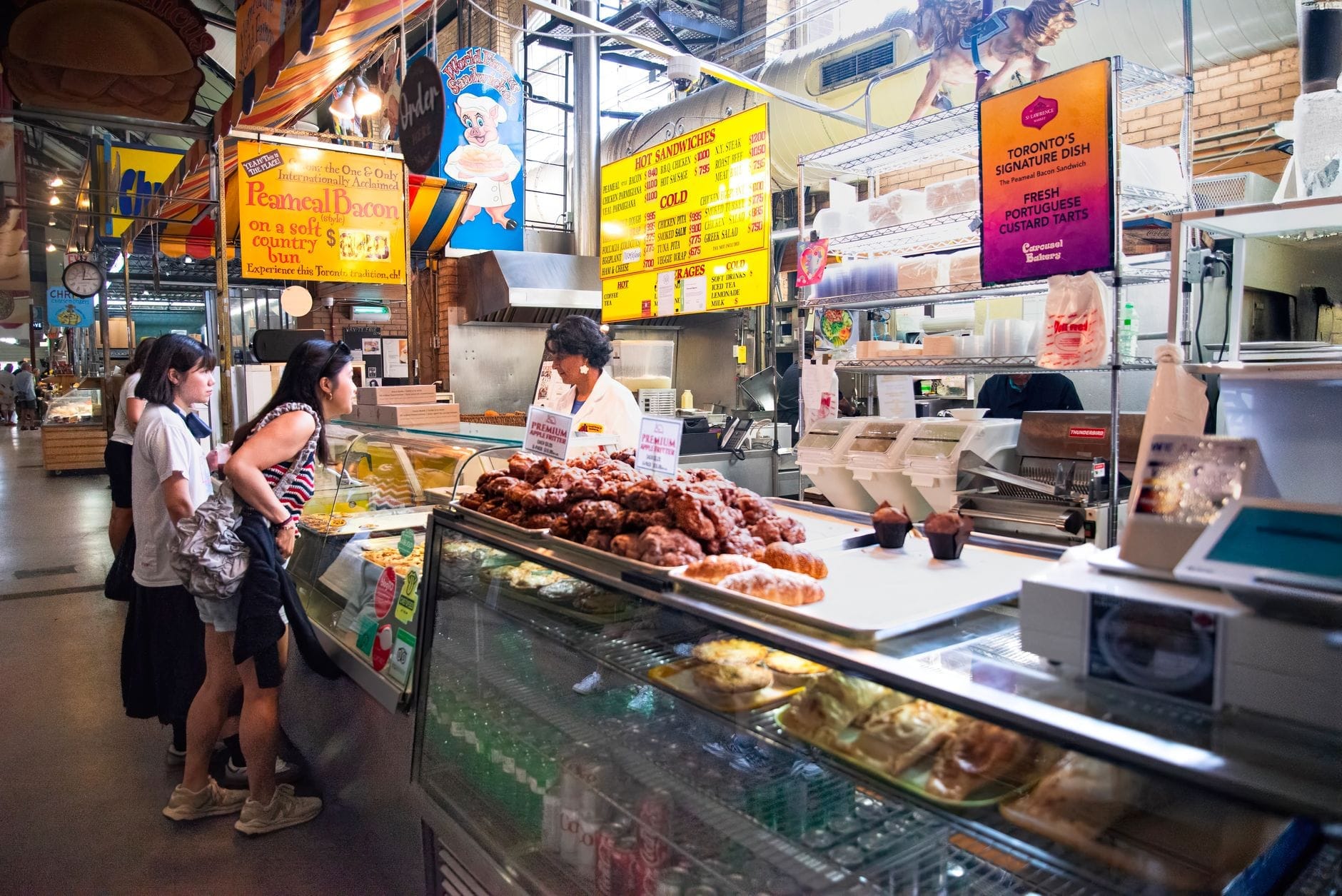
St. Lawrence Market is the city's most historically rooted food market, operating from a site that dates to 1803. The South Market building — the main hall — houses over 120 vendors selling fresh produce, cured meats, fish, cheese, baked goods, and prepared food. It operates Tuesday through Saturday; Sundays see the antique market in the north building, while the Saturday farmer's market brings fresh produce vendors to the north side as well. It's located at 93 Front Street East, easily reached by King streetcar or a short walk from Union Station.
Saturday mornings are the peak time at St. Lawrence — arrive before 10 am if you want the best selection from the farmer's market vendors and to avoid the midday crowd. The peameal bacon sandwich at Carousel Bakery, served from a counter in the south market, is one of Toronto's most cited food experiences. Whether it lives up to the reputation depends on personal taste, but it has been a fixture here for decades and genuinely represents the market's character. Check current hours on the official St. Lawrence Market website before visiting, as holiday schedules differ.
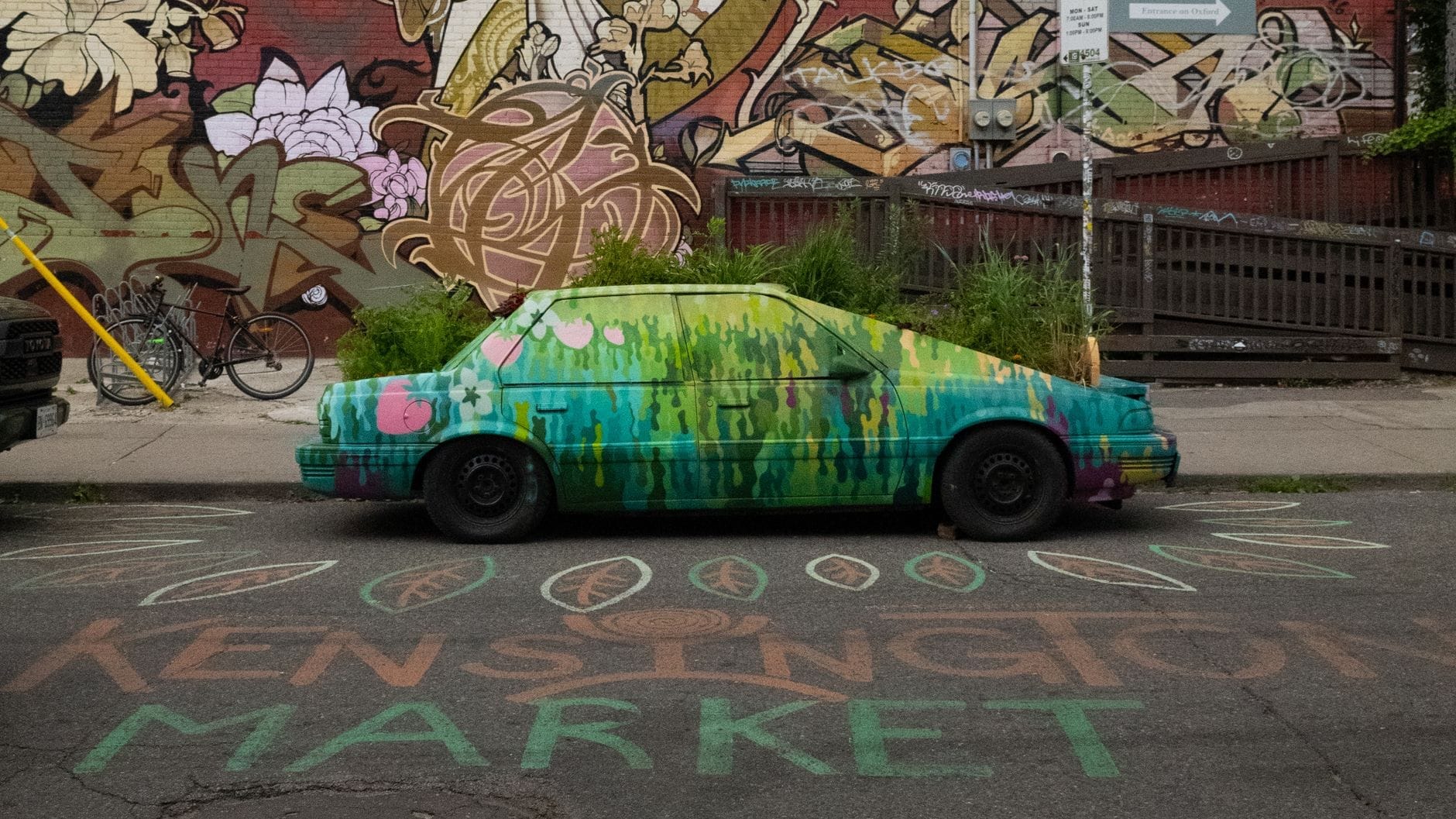
Kensington Market sits about 2.5 kilometres west of St. Lawrence, in the blocks west of Spadina Avenue and south of College Street. It functions less as a formal market and more as a neighbourhood that happens to contain an unusually high density of independent shops, fruit and vegetable stalls, vintage clothing stores, and global grocery vendors. There is no single building or entrance — you walk the streets, which include Augusta Avenue, Kensington Avenue, and Baldwin Street. The best food markets in Toronto guide covers the broader landscape, but Kensington and St. Lawrence are the two anchors worth any visitor's time.
💡 Local tip
Kensington Market is most active on weekends, particularly Sunday afternoons in summer, when the streets fill with vendors and food stalls. It's also one of the few areas in Toronto where pedestrianization events (Pedestrian Sundays) temporarily close streets to cars during warmer months — check local listings for dates, as these create a very different atmosphere.
For market shopping with a different character, the Distillery District runs a curated mix of artisan goods, galleries, and design shops from pedestrianized Victorian-era industrial buildings. It skews toward gifts, art, and home goods rather than food. The Stackt Market near Bathurst and Front Streets offers a more contemporary version of the same idea, with independent vendors in repurposed shipping containers — worth an hour if you're exploring the west waterfront area.
Neighbourhood Shopping Streets Worth Knowing
Beyond the major destinations, several neighbourhood streets offer concentrated independent shopping that most visitors miss entirely. These are the areas where locals actually shop for gifts, home goods, and specialty items.
- Ossington Avenue (Dundas to Queen) One of the city's most consistently interesting blocks for independent retail, café culture, and low-key galleries. Not tourist-heavy, which works in your favour.
- Roncesvalles Avenue A Polish-heritage commercial strip in west Toronto with independent bookshops, home goods, and an unusually human scale compared to the bigger shopping streets. Accessible by Roncesvalles streetcar.
- Leslieville (Queen Street East, roughly Carlaw to Greenwood) Strong for antiques, vintage furniture, independent fashion, and brunch. A 20-minute streetcar ride east from downtown on the 501 Queen line.
- Pacific Mall (Markham, just outside Toronto) The largest Asian indoor mall in North America, with over 500 shops in a single complex. Focused on electronics, fashion, food, and goods from across Asia. Requires a car or regional bus from Finch station — not walkable from downtown, but genuinely distinctive.
⚠️ What to skip
Vaughan Mills and other outlet-style malls are located outside the City of Toronto proper — in Vaughan and Mississauga respectively. They're reachable by TTC and York Region Transit connections, but the trip takes 45-60 minutes from downtown. Factor in transit time honestly before committing to an outlet day trip. If you're driving, they're straightforward; if you're relying on public transit, check current routes on the TTC and York Region Transit websites before going.
Practical Tips: Transit, Hours, and Seasonal Considerations
Toronto's transit system makes most major shopping destinations reachable without a car. The TTC operates four numbered rapid transit lines, plus streetcars and buses. A single adult fare covers one continuous trip. The key shopping-adjacent stations on Line 1: Dundas and Queen for the Eaton Centre, Bloor-Yonge and Bay for Yorkville, Yorkdale for Yorkdale mall. The getting around Toronto guide covers the full transit picture, including Presto card setup, which is the most practical way to pay for TTC trips.
Major malls (Eaton Centre, Yorkdale) are fully climate-controlled and work equally well in Toronto's January cold or August humidity. The PATH underground walkway connects several downtown buildings and the Eaton Centre to Union Station — useful if you want to move between financial district shopping and the main mall without going outside. Markets and street shopping are more seasonal in practice: St. Lawrence Market operates year-round indoors, but outdoor and pop-up markets typically run May through October.
Toronto's sales tax structure adds both federal GST (5%) and Ontario's provincial portion, totalling a 13% Harmonized Sales Tax (HST) on most retail purchases. Most quoted prices in stores do not include tax, so factor that into your budget. Foreign visitors cannot reclaim Canadian sales tax at the border, unlike some other countries — this is a common misconception. If you're budgeting a full trip, the Toronto on a budget guide covers spending strategies across accommodation, food, and activities.
✨ Pro tip
December is by far the most crowded shopping month, particularly the two weekends before Christmas. Eaton Centre and Yorkdale become genuinely difficult to navigate on Saturday afternoons in mid-December. If you're visiting Toronto in December for reasons other than Christmas shopping, plan your market and mall visits for weekday mornings. The Toronto Christmas Market at the Distillery District is a separate draw — charming, but also extremely busy on weekends.
FAQ
What is the best mall in Toronto for tourists?
CF Toronto Eaton Centre is the most practical choice for most visitors: it's in the heart of downtown, directly on the subway, and covers the widest range of stores and price points. Yorkdale Shopping Centre is the better option if you're specifically looking for luxury brands and flagship stores — it has a more upscale mix and a less chaotic atmosphere than the Eaton Centre on busy days.
Is St. Lawrence Market open every day?
No. The South Market (main hall with food vendors) is open Tuesday through Saturday. The North Market hosts an antique market on Sundays and a farmer's market on Saturdays. The market is closed Mondays. Hours and specific vendor schedules can shift around public holidays, so check the official St. Lawrence Market website before visiting.
Can I get to Toronto's major shopping areas without a car?
Yes, for most of them. Eaton Centre, Yorkdale, Bloor-Yorkville, St. Lawrence Market, Kensington Market, and Queen Street West are all served by TTC subway or streetcar. Pacific Mall in Markham requires a longer transit trip or a car. Outlet malls like Vaughan Mills are reachable by transit but involve a 45-60 minute journey from downtown.
What is the sales tax on shopping in Toronto?
Most retail purchases in Ontario are subject to 13% HST (Harmonized Sales Tax), which combines the 5% federal GST and 8% provincial portion. Prices on tags and in-store displays usually do not include tax. Some items, including basic groceries and children's clothing, are exempt or taxed at a lower rate. Foreign visitors cannot claim a tax refund on Canadian purchases.
When is the best time to shop in Toronto to avoid crowds?
Weekday mornings between 10 am and noon are the least crowded times at major malls. December weekends, particularly the two before Christmas, are the most congested. For markets, arriving at St. Lawrence Market before 10 am on Saturday gets you the best selection at the farmer's market and shorter lines at popular food vendors. Kensington Market is quietest on weekday afternoons.
Tickets & tours
Live prices and dates from our booking partner. If you book, we may earn a commission at no extra cost to you.
Planning a trip? Discover personalized activities with the Nomado app.