Yorkdale Shopping Centre: Toronto's Luxury Mall Worth the Trip
Yorkdale Shopping Centre has grown from the world's largest enclosed mall at its 1964 opening into Toronto's most concentrated luxury retail destination. With over 270 stores spread across 2 million square feet and a dedicated subway station, it's the city's most accessible upscale shopping experience.
Quick Facts
- Location
- 3401 Dufferin Street, Toronto, ON M6A 2T9 (near Allen Road and Highway 401)
- Getting There
- Yorkdale Station (TTC Line 1 subway) connects directly to the mall
- Time Needed
- 2–4 hours for a focused visit; a full day if dining and browsing extensively
- Cost
- Free admission; budget varies by purchases
- Best for
- Luxury shoppers, fashion enthusiasts, cold-weather visitors, and travellers seeking brands not widely found elsewhere in Toronto
- Official website
- yorkdale.com
What Yorkdale Shopping Centre Actually Is
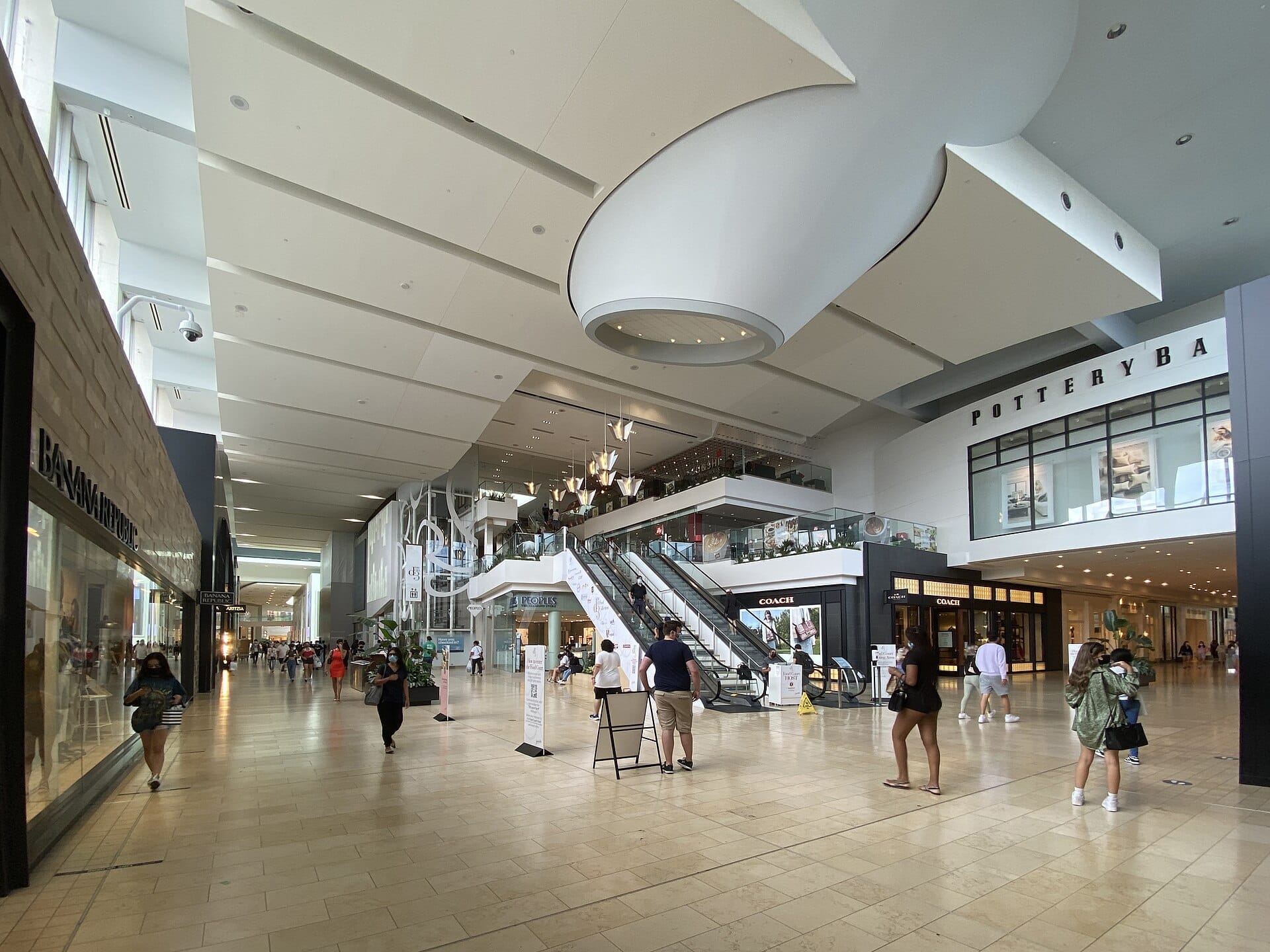
Yorkdale Shopping Centre is not a typical suburban mall. When it opened on February 26, 1964, it was the largest enclosed shopping mall in the world, a status the City of Toronto has documented as part of North York's economic history. Today it spans 2 million square feet and houses over 270 stores, with a tenant roster that reads more like a luxury retail directory than a neighbourhood shopping centre. Brands like Louis Vuitton, Prada, Burberry, Tiffany & Co., and Saks Fifth Avenue sit alongside mid-range anchors, making this the most concentrated luxury shopping destination in the country.
The mall is owned and operated by a joint venture between Oxford Properties and the Alberta Investment Management Corporation (AIMCo), with Oxford acting as property manager and sits at the intersection of Allen Road and Highway 401 in the former North York district of Toronto. Its location has always been strategic: it draws not just from the city itself but from the wider Greater Toronto Area, which means on weekends it pulls crowds from across a metropolitan region of almost seven million people.
💡 Local tip
Yorkdale connects directly to the TTC subway system at Yorkdale Station on Line 1. Arriving by transit avoids the parking stress that builds considerably on weekends and during holiday shopping periods.
The Experience: Walking Yorkdale at Different Times of Day
Weekday mornings, Yorkdale has a noticeably different character than its weekend self. The concourses are wide, well-lit, and largely quiet before noon. The flooring shifts between polished stone and warm timber tones depending on the wing, and the high ceilings in the newer luxury corridor create a measured, gallery-like atmosphere. Sales staff are attentive when foot traffic is low, which makes this window the best time for unhurried conversations about product availability, custom orders, or personal shopping services.
By Friday afternoon the energy shifts. The food court fills steadily from around 12:30 PM and the main corridors develop a steady current of shoppers. Weekend afternoons, particularly Saturdays between 1 PM and 4 PM, are the peak crowding period. The Apple Store attracts consistent queues. The luxury wing near the Saks anchor gets congested around designer boutique entrances. Stroller navigation becomes genuinely difficult in narrower connecting sections.
Sunday mornings offer a middle ground: the mall opens at 11 AM rather than 10 AM, but the early hour is calm, and many of the full-service restaurants and upscale cafes are operational. If you want a thorough browse of the luxury corridor with space to think, Sunday between 11 AM and 1 PM is a reliable window before families arrive in volume.
Tickets & tours
Live prices and dates from our booking partner. If you book, we may earn a commission at no extra cost to you.
LEGOLAND Discovery Centre Toronto tickets
From 16 €Instant confirmationFree cancellationToronto Old Town: Dark Side Exploration Game and Tour
From 12 €Instant confirmationFree cancellationToronto 'Little Canada' entrance tickets
From 27 €Instant confirmationFree cancellationNiagara Falls evening tour with boat, dinner and Illumination Tower
From 77 €Instant confirmationFree cancellation
The Retail Landscape: Luxury Wing, Mid-Range Anchors, and Food
The defining feature of Yorkdale versus other Toronto malls is the concentration of true luxury flagships. These are not concession counters inside department stores but standalone boutiques with dedicated staff, full product ranges, and sometimes architecture that mirrors the brand's flagship stores internationally. For international visitors from markets with limited luxury retail access, Yorkdale functions as a genuine destination rather than a convenience stop.
The mall also contains a broad mix of mid-range and accessible fashion brands, electronics retailers, beauty flagships, and home goods stores. Dining options have expanded considerably over the years, ranging from quick-service counters in the food court to full sit-down restaurants with licensed bars. For visitors who want to compare Toronto's shopping landscape more broadly, the Bloor-Yorkville Mink Mile offers a street-level luxury corridor in a completely different urban context, while the Toronto Eaton Centre downtown caters to a more mainstream, tourist-heavy retail mix.
The food court occupies a central position in the mall's layout and has been upgraded to reflect the overall positioning of the property. You'll find better quality fast-casual options here than in most Canadian malls, though it remains a food court in format. The sit-down dining options tend to be concentrated near the main entrances and are worth considering if you're spending a half-day or more in the building.
Getting There: Transit, Driving, and Parking
Yorkdale Station is a TTC Line 1 subway stop with a covered walkway connecting directly into the mall. From downtown Union Station, the ride north takes roughly 25 to 30 minutes with no transfers required. The subway connection makes Yorkdale one of the few major shopping destinations in the city that is genuinely convenient without a car.
For drivers, access is via Allen Road northbound from the city or directly from Highway 401 at the Dufferin Street interchange. The mall has extensive surface and structured parking, but arrive before noon on weekends or budget time for circling. Toronto's transit network is covered in detail in the getting around Toronto guide, which outlines TTC fares and options for reaching various parts of the city.
⚠️ What to skip
Parking lots fill quickly on weekends, especially in November and December. If you're visiting during the holiday shopping season, the subway is not just convenient — it will likely save you 30 to 45 minutes compared to driving.
When to Visit and What the Calendar Does to Crowds
Yorkdale operates year-round, and its enclosed format makes it particularly useful in Toronto's winter months, when outdoor options shrink considerably. January and February see post-holiday sales that bring significant value to the luxury floor, with markdowns that are otherwise rare from these brands. The tradeoff is post-Christmas crowds that persist through mid-January.
Late spring and early fall are the low-pressure visiting periods: school is in session, summer tourism has either not started or has wound down, and the tenant mix remains fully operational. If you're planning a broader Toronto trip and want guidance on seasonal timing, the best time to visit Toronto covers how weather and events affect the city across the calendar year.
The weeks between American Thanksgiving (late November) and Canadian Boxing Day (December 26) are the single most congested period. The mall runs extended hours during this window and manages crowd flow with additional staff, but visitor expectations should be adjusted accordingly. For a browse-heavy visit to the luxury floor, this is the wrong window unless you arrive at opening time on a weekday.
Practical Details: Hours, Accessibility, and Photography
Based on current published hours, Yorkdale currently operates Monday through Saturday from 10:00 AM to 9:00 PM and Sunday from 11:00 AM to 7:00 PM. Holiday hours vary and should be confirmed on the official site at yorkdale.com before you visit, as anchor tenants and individual stores sometimes keep different hours from the mall itself.
Admission is free. Yorkdale is a large enclosed mall with wide primary concourses and elevator access between levels, making it broadly navigable for visitors with mobility considerations. The direct subway connection via Yorkdale Station also includes elevator access. For specific accessibility questions, the centre management office can be contacted through the official site.
Photography inside the mall is generally tolerated for personal use, but individual stores, particularly luxury boutiques, often have policies against photography inside their spaces. Architectural details in the newer wings and seasonal installations are worth noting if you're documenting your visit. Natural light is limited in the interior concourses, so adjust your phone or camera settings accordingly.
Who Should Skip Yorkdale
Visitors focused on experiencing Toronto's neighbourhood culture, street food, or independent retail will find Yorkdale unremarkable compared to areas like Kensington Market or Queen Street West. Yorkdale is a polished, corporate retail environment. It does not offer the texture of Toronto's mixed-use neighbourhoods, and it requires a deliberate trip rather than being part of a walkable urban route.
Budget travellers are not really the target here. You can browse for free, and the food court is reasonably priced, but the mall is designed to drive purchases at mid to high price points. Families with very young children will find the layout manageable but the Sunday afternoon crowd can make it a stressful environment. If you're looking for outdoor experiences or cultural attractions, this mall offers neither.
For travellers who want Toronto's broader shopping context, the Toronto shopping guide covers the full spectrum from independent markets to department stores and explains how different retail neighbourhoods compare.
Insider Tips
- Weekday mornings between 10 AM and noon are the quietest window across the entire mall. Luxury boutique staff have more time to assist with special requests, stock checks at other locations, or waitlist registrations during this period.
- The January sale period, typically the first two to three weeks of the month, brings genuine markdowns on luxury goods that are otherwise sold at fixed prices year-round. This window draws serious shoppers from across the region.
- The Yorkdale subway station concourse connects directly into the mall's lower level, so you can enter from the platform without going outside — a practical advantage during Toronto winters when temperatures regularly drop below -10°C.
- Several of the full-service restaurants near the main mall entrances accept reservations, which is worth considering if you're visiting on a Saturday and want to break up a shopping day without competing for food court seating.
- The luxury wing has gone through significant expansion in the last decade. If you're visiting after a long gap, the newer sections toward the Saks end of the building are noticeably different in scale and finish from the older parts of the mall.
Who Is Yorkdale Shopping Centre For?
- Travellers from smaller Canadian cities or international visitors wanting access to luxury brands not available in their home market
- Cold-weather visitors looking for a full-day indoor itinerary during Toronto's winter months
- Fashion shoppers who want to compare multiple luxury brands in a single location without navigating between scattered street-level boutiques
- Visitors with limited time who want efficient, concentrated retail access via a direct subway connection
- Deal-hunters willing to visit in January for post-holiday markdowns on high-end goods
Nearby Attractions
Combine your visit with:
- Aga Khan Museum
The Aga Khan Museum in Toronto is one of North America's only institutions dedicated to the arts of Muslim civilizations. Housed in a purpose-built building designed by architect Fumihiko Maki, it holds over 1,200 masterpieces spanning 14 centuries. Whether you spend 90 minutes or a full afternoon, the experience rewards curiosity at every turn.
- The Village at Black Creek (Black Creek Pioneer Village)
The Village at Black Creek is a fully realized open-air living history museum in northwest Toronto, where around 40 restored historic buildings, heritage breed livestock, and costumed interpreters recreate rural Ontario life from the 1800s. Operated by the Toronto and Region Conservation Authority, it offers a rare, tactile experience of pre-industrial Canada that few urban attractions can match.
- Blue Mountain & Collingwood
Perched on the Niagara Escarpment above Georgian Bay, Blue Mountain and Collingwood form Ontario's most accessible four-season resort destination. Whether you come for winter skiing, summer hiking, or a weekend in the pedestrian village, the area rewards visitors who plan around the season.
- Canada's Wonderland
Canada's Wonderland is the country's largest amusement park, located in Vaughan just north of Toronto. With 18 roller coasters, more than 200 attractions, and a 20-acre water park, it's a full-day commitment that rewards planning. Here's how to make the most of it.
Planning a trip? Discover personalized activities with the Nomado app.