Toronto Cherry Blossoms: When & Where to See Them (Complete Guide)
Toronto's sakura season is spectacular but brutally short. This guide covers the exact bloom window, the best viewing locations beyond High Park, how to get there without a car, and what the City's official trackers actually tell you in real time.
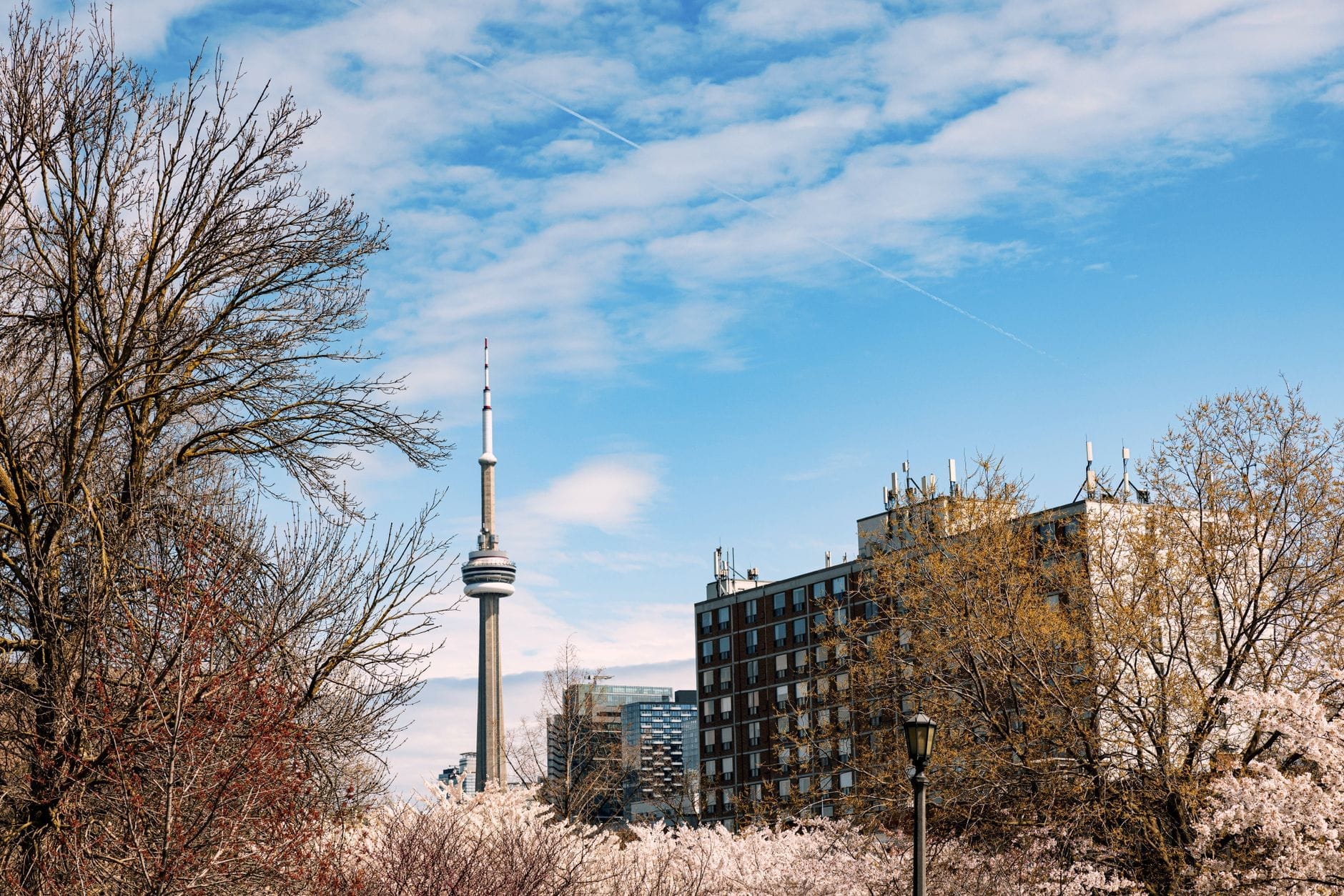
Tickets & tours
Live prices and dates from our booking partner. If you book, we may earn a commission at no extra cost to you.
TL;DR
- Peak bloom in Toronto typically falls between late April and early May, lasting only 4–10 days — plan around a tracker, not a fixed date.
- High Park holds over 2,000 cherry trees and is the main draw, but Centennial Park (Etobicoke) is the city's second-largest collection and far less crowded — see our picks in the best parks in Toronto guide.
- Car access to High Park is restricted during peak bloom — take the TTC subway to High Park station or the UP Express to Bloor station.
- Bloom timing shifts by more than a week year to year depending on temperature; check the High Park Nature Centre's Cherry Blossom Watch for real-time updates.
- Arrive before 9 a.m. on weekdays if you want photos without thousands of people in the frame.
When Do Toronto's Cherry Blossoms Bloom?
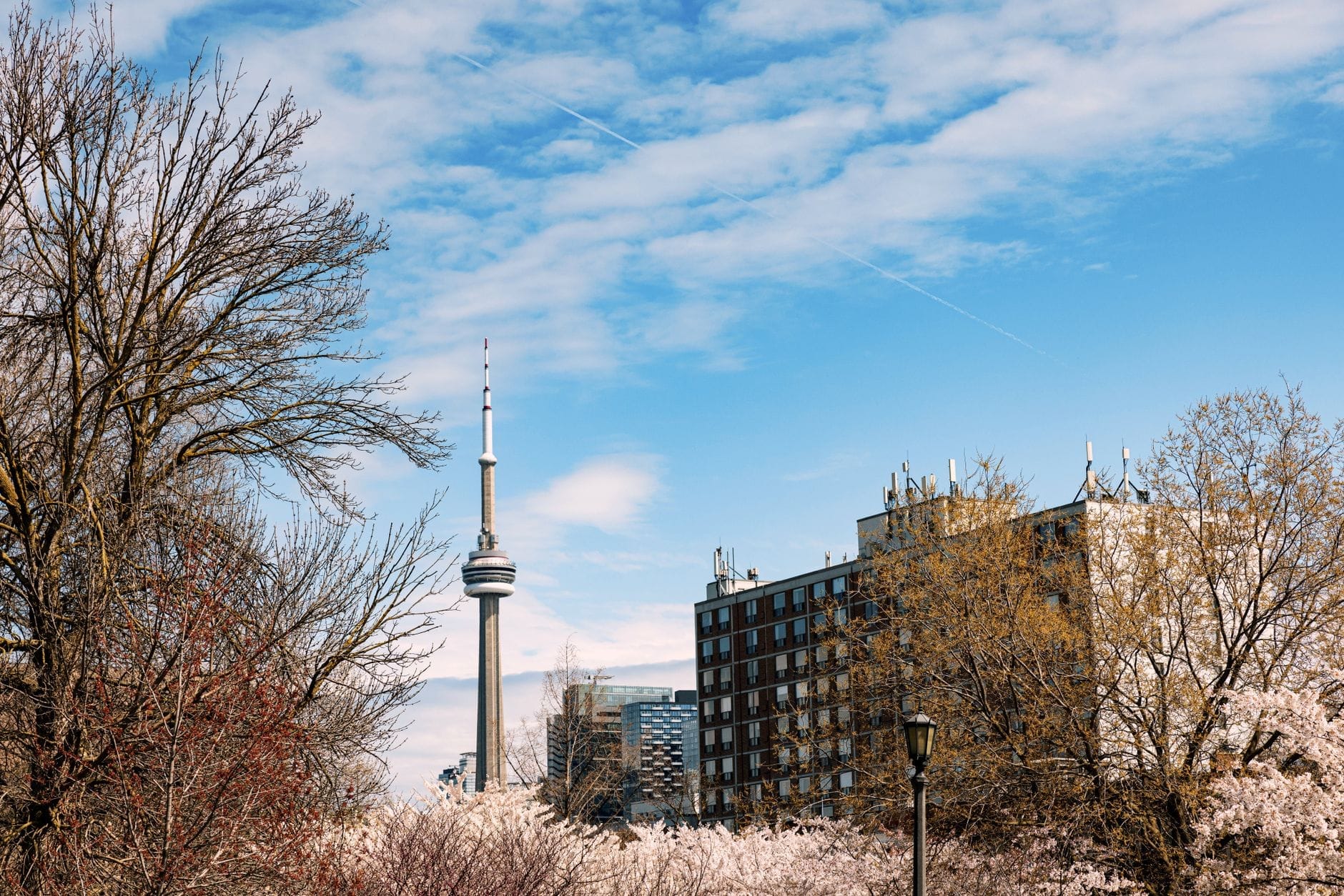
Toronto's cherry blossoms generally open somewhere between mid-April and mid-May, with most years hitting peak bloom in the final week of April or the first week of May. That said, spring in Toronto is unpredictable. A warm March can push peak bloom to April 20; a cold snap in late April can delay it until May 10. The variance from year to year is more than a week, sometimes closer to two.
Peak bloom, as defined by the High Park Nature Centre, is when at least 70 percent of blossoms on a given tree are open. In Japanese sakura tradition, 90 percent open is considered the ideal viewing threshold. Once peak is reached, the flowers typically hold for 4 to 10 days under calm, cool conditions. A warm, windy, or rainy stretch can strip the petals in two or three days. The total season from first opening to petal fall usually runs about two weeks, but the truly spectacular window is far shorter.
⚠️ What to skip
Do not book non-refundable travel around a fixed cherry blossom date. Bloom timing is temperature-dependent and changes significantly year to year. Monitor the High Park Nature Centre's Cherry Blossom Watch (highparknaturecentre.com) and the City of Toronto's bloom tracker for real-time status before you commit to a specific weekend.
Toronto sits on the northwestern shore of Lake Ontario at roughly 43.6 degrees north, giving it a humid continental climate. Winters are genuinely cold — January averages around -3.4°C — and spring arrives gradually. The lake moderates temperatures, but late frosts are common enough to affect bloom timing. Checking a 10-day forecast alongside the bloom tracker is the most reliable approach.
Best Places to See Cherry Blossoms in Toronto
High Park is the undisputed centrepiece of Toronto's sakura season, with over 2,000 cherry trees concentrated around Hillside Gardens and the lower bowl of the park. The majority are Somei Yoshino (Prunus x yedoensis), the same variety that dominates Tokyo's famous displays. The park covers about 161 hectares in the city's west end, and during peak bloom the area around the duck pond and the main slope draws enormous crowds. For a deeper look at what the park offers year-round, the High Park attraction page has the full breakdown.
- High Park (West End) Over 2,000 trees, mainly Somei Yoshino. The Hillside Gardens area offers the densest concentration. Expect large crowds on weekends during peak bloom. Car access is restricted April 1 through September 30, with exceptions for accessible vehicles.
- Centennial Park (Etobicoke) The city's second-largest cherry blossom collection. Far fewer visitors than High Park, making it the better choice for a quieter experience. Located in northwest Etobicoke near Renforth Drive and Eglinton Avenue West.
- Trinity Bellwoods Park (Queen West) A cluster of cherry trees near the park's main entrance on Queen Street West. Smaller scale than High Park, but combined with the neighbourhood's cafés and the proximity to Ossington Avenue, it makes for an easy half-day outing.
- University of Toronto St. George Campus Several ornamental cherry trees are scattered across the campus, particularly near Robarts Library and Hart House. The Gothic architecture provides a distinctive backdrop different from the naturalistic park settings.
- Toronto Islands (Centre Island) Cherry trees on the islands bloom at roughly the same time as the mainland, and the backdrop of the city skyline across the water makes for striking photography. Access requires a ferry from the Jack Layton Ferry Terminal — factor in wait times during peak season.
- Exhibition Place Ornamental cherries dot the grounds near the heritage buildings. Less crowded than High Park and easy to reach by streetcar along Lake Shore Boulevard West.
- Woodbine Park (East End) and Ramsden Park (Midtown) Smaller plantings that offer neighbourhood-scale viewing without the High Park crowds. Good options for residents in the east end or midtown who want to avoid the commute across the city.
✨ Pro tip
If you want the iconic High Park shots without the crowds, arrive before 8:30 a.m. on a weekday. By 10 a.m. on any weekend during peak bloom, the main viewing slope is packed. Alternatively, visit Centennial Park in Etobicoke for a nearly identical tree variety with a fraction of the foot traffic — it consistently goes underreported in tourist coverage.
Getting to High Park During Bloom Season
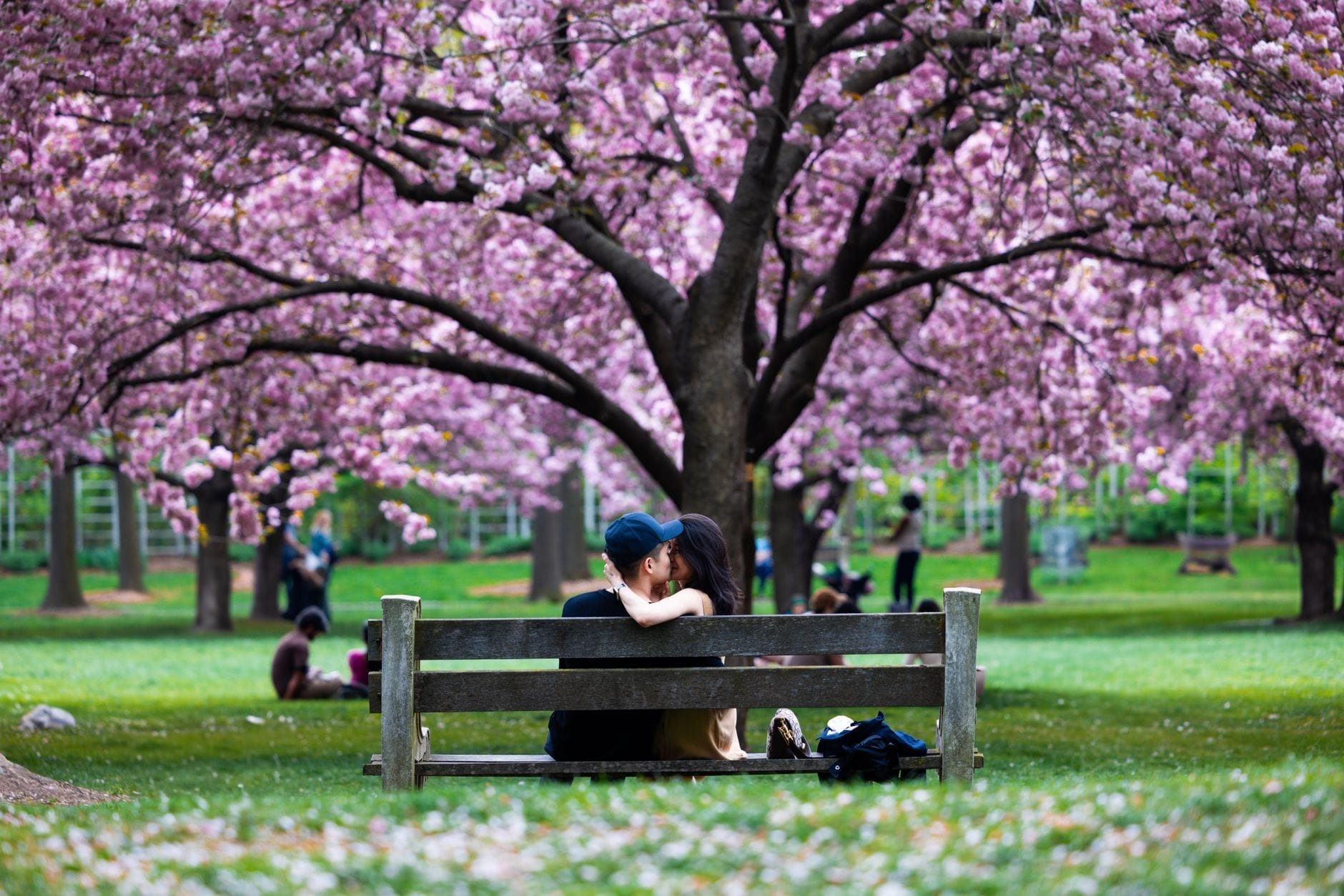
The City of Toronto restricts vehicle access to High Park during peak cherry blossom season, and the park is closed to vehicles on weekends and public holidays year-round and during peak cherry blossom periods (accessible and emergency vehicles excepted). This makes public transit the practical default. The TTC subway Line 2 Bloor-Danforth has a station called High Park, which deposits you directly at the park's northeast corner — roughly a 10-minute walk to the main blossom area. For a full overview of getting around the city by transit, the getting around Toronto guide covers all your options.
The UP Express is another option, with Bloor GO/UP Station (connected to Dundas West subway station via a signed walkway) close enough to walk to the park's northern edge. If you're arriving from Toronto Pearson International Airport (YYZ, located in Mississauga about 25 to 27 km from downtown), the UP Express runs to Union Station in roughly 25 minutes, then you transfer to Line 2 east toward High Park station. The UP Express departs every 15 minutes during most service hours.
From downtown, the 504 King and 506 Carlton streetcars serve the west end, but the most direct route to High Park remains Line 2. Cycling is a reasonable option during good weather — the Martin Goodman Trail along the waterfront connects the eastern downtown to the High Park area, and the park has bike parking near the main entrance.
💡 Local tip
TTC fares are paid via PRESTO card, credit/debit tap, or cash (exact change). Single adult fares apply for all subway and streetcar rides within the city. Verify current fares at ttc.ca before your visit, as prices are updated periodically.
How to Track Bloom in Real Time
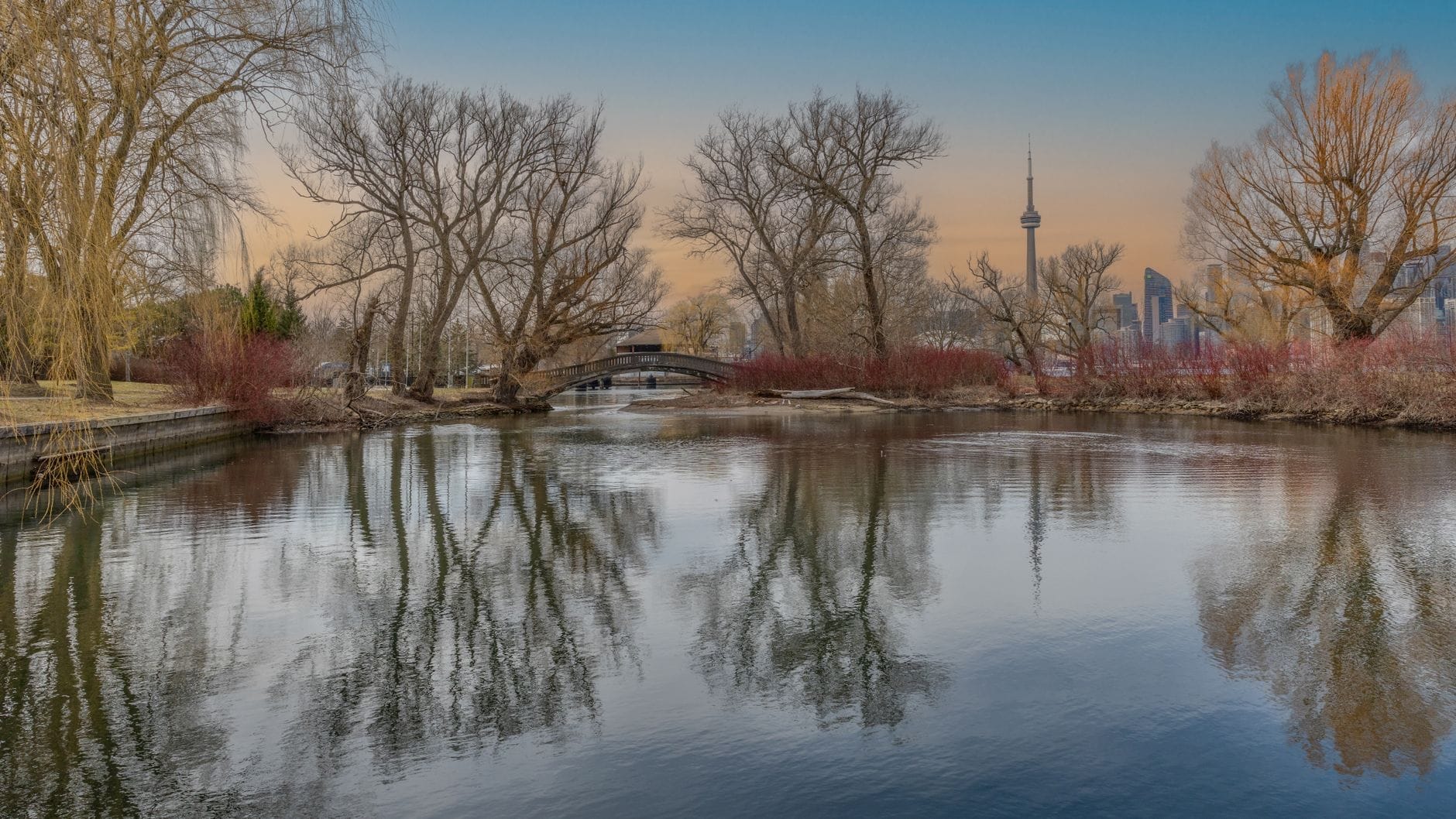
Three sources are genuinely useful for tracking Toronto's cherry blossom bloom in real time. The High Park Nature Centre runs a dedicated Cherry Blossom Watch page (highparknaturecentre.com) with regular updates during the season, including bloom stage definitions, daily observations, and historical peak-bloom data going back several years. This is the most detailed and reliable local tracker.
The City of Toronto links to a Cherry Blossom Tracker through Destination Toronto's website, offering a broader view of bloom status across multiple parks. The sakurainhighpark.com community site publishes daily reports during active bloom periods, including specific percentage estimates for tree coverage and crowd conditions. Cross-referencing two of these sources gives you a solid picture before making the trip.
- High Park Nature Centre Cherry Blossom Watch: highparknaturecentre.com/cherry-blossom-watch — the most detailed local tracker with historical data
- Destination Toronto's Cherry Blossom Tracker: linked from destinationtoronto.com, covers multiple parks across the city
- Sakura in High Park: sakurainhighpark.com — community-driven daily reports during active bloom with crowd observations
- Weather forecasts: a 10-day forecast for Toronto (Environment and Climate Change Canada or any major weather service) helps assess whether rain or warm spells will shorten the window
Practical Tips for Your Visit
Cherry blossom season coincides with Toronto's spring shoulder period. Daytime temperatures during late April typically range from around 8°C to 16°C, but evenings are still cold and rain is common. Dress in layers. If you're planning a full day around the waterfront or parks, the best time to visit Toronto guide has useful context on what the city looks like as the season warms up.
High Park has seasonal food trucks and a café (the Grenadier Café) near the pond area, but lines get long during peak season. Packing food is a practical choice. The park itself is free to enter. If you're combining the visit with other attractions, the free things to do in Toronto guide lists parks and outdoor activities that cost nothing.
- Arrive early on weekdays: before 9 a.m. gives you lighter crowds and better photography conditions before the overhead sun washes out the pink tones
- Overcast days are better for photography than bright sunshine — the soft light brings out the blossoms' pink and white without harsh shadows
- Download offline maps for the park before you go — cell service gets patchy when tens of thousands of people are using the same cell towers simultaneously
- Wear comfortable, flat shoes: the main blossom slope in High Park is on uneven ground and can be muddy after rain
- Check if the City has implemented any temporary crowd management measures — in some years, timed entry systems or specific pedestrian routes have been introduced
- Accessibility: High Park has some paved paths near the main blossom areas; the slope itself can be uneven terrain. Centennial Park tends to offer more accessible viewing on flatter ground
If you're building a broader itinerary around the blossom season, spring is also a good time to visit the Toronto Islands, where the ferry ride itself offers skyline views, and the island's cherry trees bloom at the same time as the mainland. The ferry terminal at the Jack Layton Ferry Wharf on Queens Quay is a short walk or streetcar ride from Union Station.
Common Myths About Toronto's Cherry Blossoms
The biggest misconception is that cherry blossom dates are predictable enough to book around. They are not. Peak bloom is driven by accumulated heat units in the weeks before opening, and Toronto's spring weather is inconsistent enough that even local botanists track conditions weekly rather than committing to dates in advance. Anyone who tells you 'the blossoms are always at their best in the last week of April' is giving you a rough average, not a reliable forecast.
The second myth is that the bloom lasts long enough for a leisurely, multi-week viewing season. The best window is 4 to 10 days. Once warm temperatures and wind arrive together, petals drop fast. Waiting for a 'better' weekend can mean missing it entirely. If the tracker shows peak bloom, that weekend is the weekend.
Finally, High Park is not the only game in town. It's the most famous spot and worth visiting, but Centennial Park in Etobicoke offers a quieter, equally beautiful experience. The University of Toronto campus, Trinity Bellwoods, and the Toronto Islands all have cherry trees, and combining multiple stops across one day is entirely practical by transit.
ℹ️ Good to know
Toronto's cherry blossom trees are primarily Somei Yoshino (Prunus x yedoensis), the same cultivar famously planted around Washington D.C.'s Tidal Basin and in parks throughout Japan. They were introduced to High Park through a gift of 2,000 trees from the citizens of Tokyo in 1959, and the collection has expanded over subsequent decades through replanting programs.
FAQ
When is the best time to see cherry blossoms in Toronto?
Most years, peak bloom falls between the last week of April and the first week of May. The exact timing shifts by more than a week depending on spring temperatures. Monitor the High Park Nature Centre's Cherry Blossom Watch (highparknaturecentre.com) for real-time updates rather than planning around a fixed date.
How long do the cherry blossoms last in Toronto?
Once peak bloom is reached, flowers typically last 4 to 10 days under calm, cool weather. Warm temperatures combined with wind or rain can strip petals in as few as 2 to 3 days. The full season from first opening to petal fall runs about two weeks, but the optimal viewing window is much shorter.
Can I drive to High Park during cherry blossom season?
Vehicle access to High Park is restricted during peak bloom and on weekends and public holidays year-round (with exceptions for accessible and emergency vehicles). Take TTC Line 2 to High Park station or the UP Express to Bloor station. Cycling is also a practical option from the downtown core.
Is High Park the only place to see cherry blossoms in Toronto?
No. Centennial Park in Etobicoke has the city's second-largest cherry blossom collection and is significantly less crowded. Other notable spots include Trinity Bellwoods Park, the University of Toronto St. George campus, Centre Island (Toronto Islands), Exhibition Place, Woodbine Park, and Ramsden Park.
Is there an official tracker for Toronto cherry blossoms?
Yes. The High Park Nature Centre runs a Cherry Blossom Watch at highparknaturecentre.com with regular bloom-stage updates and historical records. Destination Toronto also links to a city-wide Cherry Blossom Tracker. The community site sakurainhighpark.com publishes daily reports with crowd observations during active bloom periods.
Tickets & tours
Live prices and dates from our booking partner. If you book, we may earn a commission at no extra cost to you.
Planning a trip? Discover personalized activities with the Nomado app.