Leslieville and Riverside sit side by side in Toronto's east end, stretching along Queen Street East through the wider South Riverdale area. Once defined by industrial warehouses and working-class row houses, both neighbourhoods have evolved into one of the city's most liveable strips, with independent cafés, design stores, and a genuine neighbourhood rhythm that sets them apart from more tourist-heavy parts of town.
Leslieville and Riverside occupy a stretch of Queen Street East that moves at its own pace, somewhere between polished and unpretentious. The area draws long-time residents, young families, and curious visitors in roughly equal measure, held together by a main street that still feels like it belongs to the people who actually live here.
Orientation
Leslieville and Riverside are neighbouring districts within South Riverdale, one of Toronto's inner east-end communities. Riverside sits closest to downtown, bounded roughly by the Don Valley Parkway to the west, Gerrard Street East to the north, Eastern Avenue to the south, and Logan Avenue to the east. Leslieville picks up from there, running east along Queen Street East from approximately Empire Avenue toward Leslie Street. Together, the two districts form a continuous corridor that most visitors and locals simply treat as one extended neighbourhood.
The Don Valley Parkway acts as a hard western edge, separating this area from Corktown and the Distillery District neighbourhood to the west. To the north, the Danforth and Greektown are reachable on foot or by a short bus ride up Broadview or Carlaw Avenue. To the east, the character shifts gradually into the older residential streets of Greenwood-Coxwell and eventually Beaches territory as you continue along Queen.
Understanding the relationship between these two districts and their neighbours makes navigation much easier. The Distillery District is about a 15-minute walk west from the Riverside end, crossing the Don River bridge on Queen Street East. The Greektown on the Danforth is roughly 20 minutes north by bus. Both make logical half-day additions to any east-end itinerary.
Character & Atmosphere
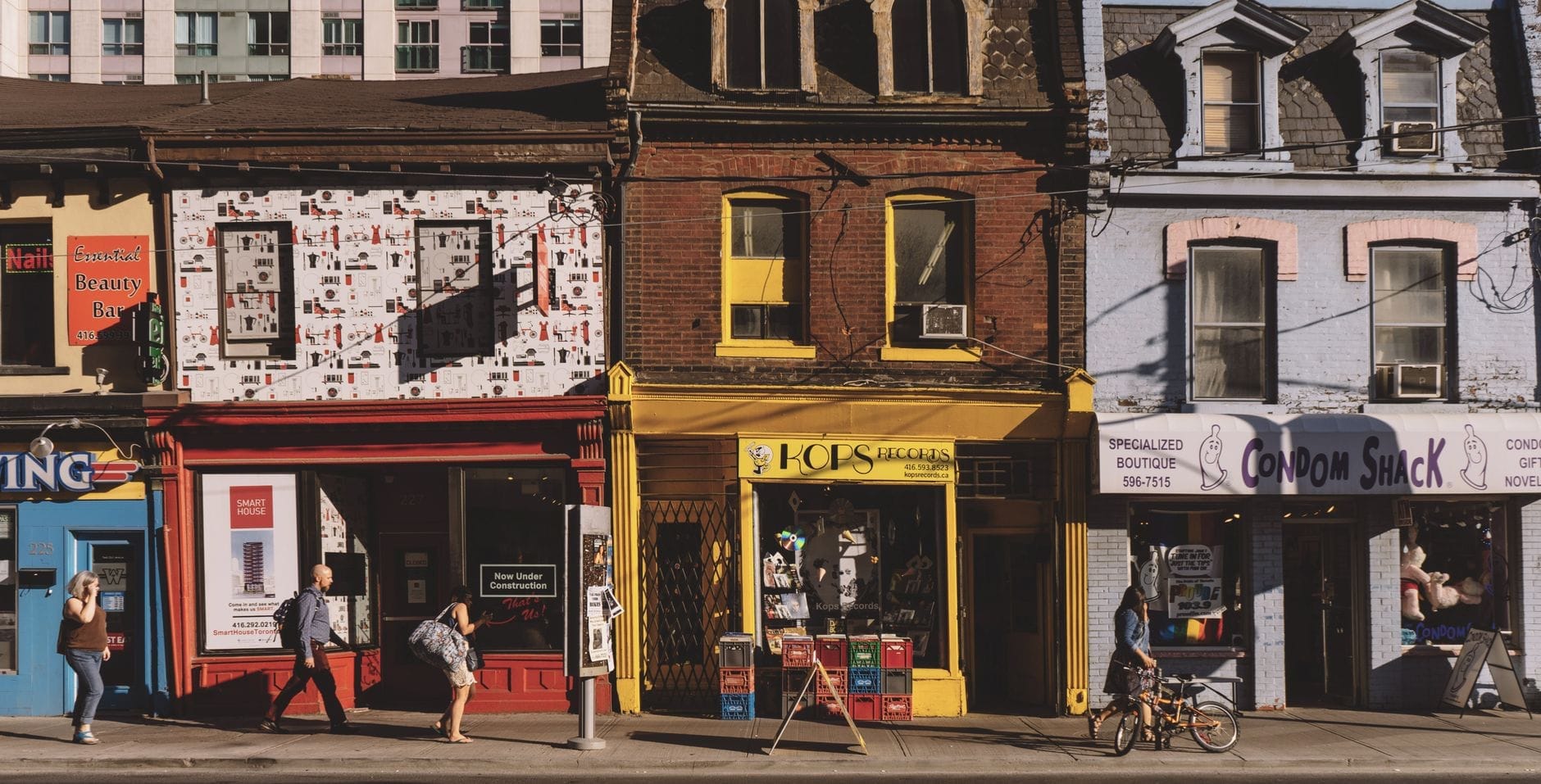
Queen Street East through Leslieville and Riverside is a commercial strip that has evolved without becoming a parody of itself. The row of Victorian and Edwardian storefronts lining both sides of the street retain their original proportions, with two and three-storey brick facades above ground-floor retailers. There are no large chain anchors pulling foot traffic in one direction. Instead, the street operates through accumulation: a succession of independent coffee shops, furniture stores selling mid-century pieces, wine bars, bakeries, and spots selling things you didn't know you needed until you saw them in the window.
Early mornings are quiet on the residential streets behind the main drag, where you'll find mature tree canopies arching over semi-detached houses. The cafés along Queen fill up by 8am with regulars who know their orders before they walk through the door. By mid-morning the energy shifts: weekend farmers and flea markets draw browsers, dogs pull their owners from shop to shop, and strollers move in both directions. Weekend afternoons in summer are the peak of activity, when the sidewalks fill and patios overflow.
Evenings bring a different crowd. The Broadview Hotel's rooftop terrace is one of the most talked-about spots in this part of the city, and the bars and restaurants along both Queen and Gerrard pick up after 7pm. It doesn't feel like a nightlife destination in the way that King Street West does, but there's plenty going on for anyone who wants it. After midnight, the street returns to something closer to residential quiet.
ℹ️ Good to know
Riverside is also known as the real-world location of De Grassi Street, the name inspiration for the long-running Canadian television series Degrassi. The street itself is a short residential block, and while it draws the occasional curious visitor, it's not a formal attraction.
History & Context
Both Leslieville and Riverside developed as working-class districts in the late 19th and early 20th centuries, their growth tied to the factories and industrial operations that once lined the Don River valley and Eastern Avenue. The area was home to brick workers, foundry employees, and labourers who filled the rows of modest houses that still define the residential streets today. The industrial character persisted well into the late 20th century, keeping real estate prices relatively low and attracting artists and young renters priced out of other neighbourhoods.
That affordability drove the creative economy that shaped the area's current identity. By the 2000s, studios, galleries, and small design businesses had moved into former industrial space along Carlaw and Eastern avenues, and the commercial strip on Queen Street East began attracting independent retailers and restaurant operators who couldn't afford the rents further west on Queen. Loft conversions followed, then families, and eventually the price increases that come with all of it. The neighbourhood today reflects that layered history: the architecture is modest, the street life is genuine, and you can still find traces of the industrial past alongside the brunch spots.
What to See & Do
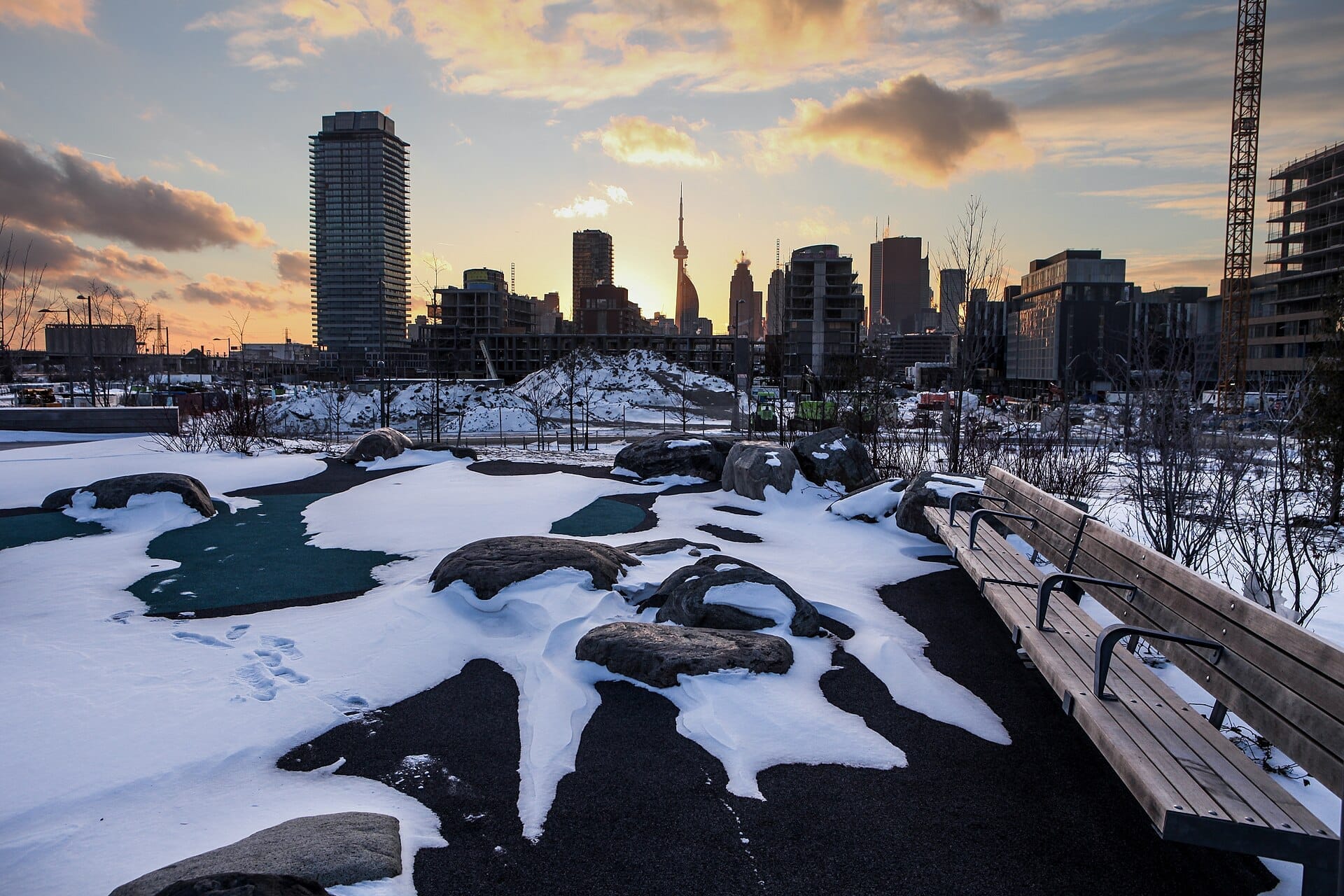
The Broadview Hotel is the area's most prominent landmark. Originally the Jilly's strip club and concert venue, it was converted into a boutique hotel in 2017, and its rooftop bar offers a clear view of the downtown skyline across the Don Valley. Even if you're not staying there, the rooftop is worth a visit on a clear evening, and the ground-floor restaurant sees steady traffic from neighbourhood regulars.
Greenwood Park sits in the middle of Leslieville, a few blocks south of Gerrard Street East, and functions as the neighbourhood's main outdoor gathering point. In winter it becomes an outdoor skating rink. In summer it fills with kids using the pool, families at the wading area, and community events on the lawns. It's not a destination park in the way High Park is, but it tells you more about how the neighbourhood actually works than any café or boutique will.
The streets along Carlaw Avenue between Queen and Dundas contain a cluster of studios, furniture workshops, and creative businesses operating out of converted industrial buildings. It's worth a slow walk even if you're not buying anything. For a wider view of east-end creative culture, the Museum of Contemporary Art Toronto is accessible from the area, located slightly further north and west in the Junction Triangle.
Broadview Hotel rooftop bar: skyline views and a strong cocktail list
Greenwood Park: outdoor skating in winter, splash pad and pool in summer
Carlaw Avenue creative corridor: studios and design shops in converted industrial space
De Grassi Street: a quiet residential block for Degrassi fans
Queen Street East window shopping: independent furniture, vintage, and design stores
S.H. Armstrong Community Recreation Centre: community pool and fitness facilities
💡 Local tip
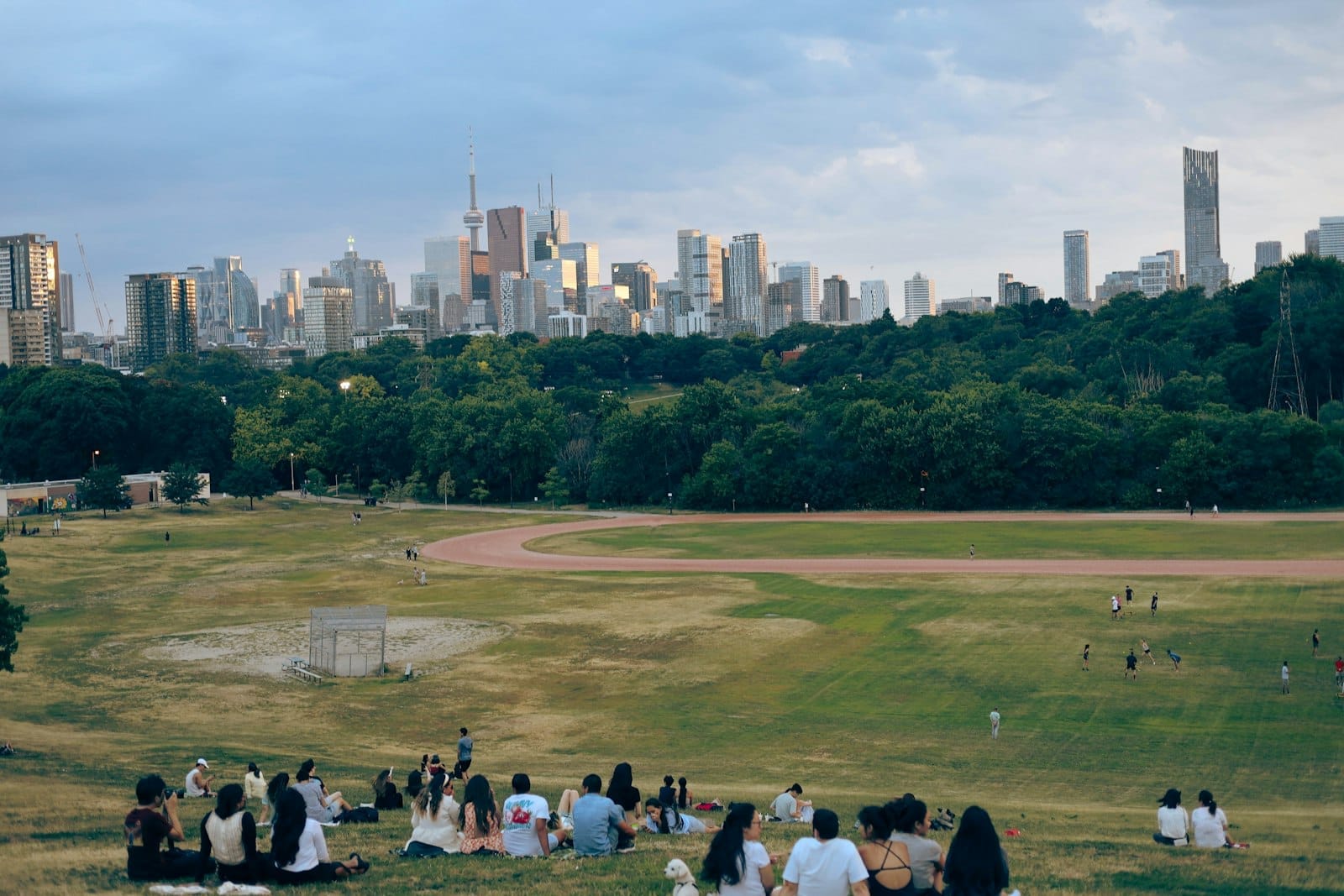
If you're visiting in summer, walk south from Queen Street East along Broadview Avenue toward Riverdale Park East. The view of the Toronto skyline from the hill is one of the best in the city and costs nothing.
Eating & Drinking
Queen Street East through Leslieville is particularly strong for cafés, bakeries, and brunch spots. The neighbourhood helped establish Toronto's serious coffee culture in the early 2010s, and several of the original independents are still operating. Expect pour-overs, locally baked pastries, and no shortage of weekend line-ups if you arrive after 10am on a Saturday.
The dinner scene is more varied than the brunch reputation might suggest. There are wine bars with serious bottle lists, Middle Eastern spots, Japanese restaurants, casual Italian, and a handful of places doing updated versions of comfort food in a way that never feels gimmicky. Price points across the neighbourhood tend to be moderate, slightly below equivalent spots in Yorkville or King West, though that gap has narrowed as rents have risen.
For a broader picture of Toronto's east-end food landscape, the Toronto food guide covers everything from Chinatown to the Danforth. And if you want to extend your eating into a structured experience, the Toronto food markets guide notes several weekend markets that pop up in the South Riverdale area through the warmer months.
Independent coffee shops along Queen Street East: multiple strong options, especially between Carlaw and Jones avenues
Wine bars: small plates and natural wine lists, best suited for early evenings
Casual brunch: expect waits on weekends; weekday mornings are much calmer
Middle Eastern and Southeast Asian restaurants: good value, concentrated along the eastern stretch of Queen
Bakeries: fresh pastries and bread available from mid-morning most days
⚠️ What to skip
Weekend brunch demand is real in Leslieville. If you want to avoid waiting 30+ minutes for a table, aim to arrive before 9:30am or after 1:30pm, or choose a weekday morning when the neighbourhood operates at a noticeably calmer pace.
Getting There & Around
The most direct transit route from downtown is the 501 Queen streetcar, which runs east along Queen Street and passes directly through both Riverside and Leslieville. From Queen subway station on the Yonge–University–Spadina line (Line 1), take the streetcar eastbound. Journey time from Queen station to the heart of Leslieville near Jones Avenue is roughly 15 to 20 minutes depending on traffic, which affects streetcar speed on this busy surface route.
From the Bloor-Danforth subway line (Line 2), several stations give access to the area via bus. Broadview Station is a reasonable starting point for Riverside: walk south on Broadview Avenue, crossing the viaduct over the Don Valley, and you're at the western edge of the neighbourhood in about 10 to 12 minutes on foot. Chester or Jones stations to the east connect to Leslieville by walking south on their respective streets.
The Ontario Line, currently under construction by Metrolinx, will include a Leslieville Station when complete, which will significantly improve rapid transit access to the area. Metrolinx currently targets the early 2030s for Ontario Line completion, but timelines may change, so check current Metrolinx updates before travel. For general transit guidance around Toronto, the getting around Toronto guide covers TTC fares, Presto card use, and the full network.
Cycling is practical here. The Martin Goodman Trail along the waterfront is a short ride south of Queen Street East, and there are bike lanes on several north-south streets in the neighbourhood. Bike share stations (Bike Share Toronto) are positioned along Queen and on nearby cross streets. By car, the area is accessible from the Don Valley Parkway via the Eastern Avenue or Queen Street exits, but parking on Queen Street itself is limited and turns over quickly.
For those combining Leslieville with a visit to the Distillery District, the two areas are a 15-minute walk apart along King Street East or Queen Street East, making it straightforward to combine both in a half-day loop.
Where to Stay
The Broadview Hotel is the neighbourhood's flagship boutique accommodation — a converted 19th-century commercial building that opened as a hotel in 2017. With 58 guestrooms and a design that references the building's late-19th century commercial history, it attracts guests who want to stay east of the downtown core while still having easy transit access to central attractions. Rooms facing the Don Valley offer skyline views that are genuinely impressive at night.
Beyond the Broadview, the accommodation landscape is mostly short-term rentals in Victorian houses and converted lofts, which appear frequently on rental platforms. This can be a smart option for families or longer stays, given the grocery stores, parks, and residential amenities in the area. The tradeoff is that you're 20 to 30 minutes by transit from the CN Tower, Rogers Centre, and the core entertainment district, which matters if you're attending multiple downtown events.
For travellers trying to choose between staying here versus a more central location, the where to stay in Toronto guide maps out the full range of neighbourhoods and accommodation types across the city.
💡 Local tip
Leslieville and Riverside work best as a base for travellers who plan to spend significant time in the east end: the Distillery District, Greektown on the Danforth, and the beaches along Lake Ontario are all reachable quickly. If your itinerary is heavily focused on downtown landmarks or the Entertainment District, a more central location will save meaningful transit time each day.
Is Leslieville & Riverside Right for You?
These two neighbourhoods are not for everyone, and they're not trying to be. There's no major museum, no headline attraction beyond the Broadview Hotel, and no tourist infrastructure to speak of. What they offer is a clear picture of how Toronto actually lives at the east end: a functional, lively main street with good food and an independent retail culture, set in a residential area with real architectural character.
First-time visitors to Toronto whose time is limited will likely get more from staying closer to downtown and taking a half-day trip east on the Queen streetcar. Those on a longer visit, or returning visitors who've already done the CN Tower and the Royal Ontario Museum, will find Leslieville and Riverside a genuinely rewarding change of pace.
TL;DR
Best suited for: repeat Toronto visitors, food-focused travellers, those who prefer residential neighbourhood character over tourist zones
Key strength: independent cafés, design stores, and restaurants along Queen Street East with a genuine local atmosphere
Main limitation: no major attractions on-site; transit to downtown takes 20-30 minutes via the 501 streetcar
Transit access: 501 Queen streetcar from downtown, or walk south from Broadview or Bloor-Danforth subway stations
Honest verdict: a strong half-day destination from downtown, or a liveable base for east-end focused itineraries; less practical for visitors whose schedule is centred on the downtown core
Three days is enough time to cover the best of Toronto's downtown core, historic districts, waterfront, and cultural institutions — if you plan smartly. This itinerary is built around the TTC subway and streetcar network, so you never need a rental car. Expect a mix of landmark sights, neighbourhood wandering, and genuine local texture.
Toronto punches well above its weight for museum culture. Whether you're drawn to ancient civilisations, contemporary art, or the history of hockey, this guide covers the best museums in Toronto across every interest and budget.
Toronto has over 1,500 parks and more than 8,000 hectares of green space, from sweeping urban forests and lakefront trails to formal gardens and island beaches. This guide covers the best of them, organised by type and neighbourhood, so you can find exactly the kind of outdoor escape you're looking for.
Toronto has four genuinely distinct seasons, and the best time to visit depends entirely on what you want from the trip. This guide breaks down weather, crowds, pricing, and events month by month so you can make an informed decision.
Toronto's skyline is one of the most dramatic in North America, dominated by the CN Tower and framed by Lake Ontario. This guide covers the best vantage points in the city, from high-rise observation decks and waterfront parks to island ferry crossings and hilltop lookouts.
Toronto sits at the centre of one of Canada's richest regions for day-tripping. Within two hours in any direction you'll find roaring waterfalls, wine country, historic theatre towns, wilderness beaches, and mountain resorts. This guide covers the top day trips from Toronto, with practical details on how to get there and what to do once you arrive.
Toronto is a surprisingly generous city for budget travellers. From free museum evenings and sprawling parks to street art laneways and historic neighbourhoods, here are the best free things to do in Toronto across every season.
Toronto's transit network spans the TTC subway, streetcars, GO Transit regional rail, the UP Express airport link, ferries, and bike share. This guide breaks down every option with fares, routes, timings, and practical advice on what actually works for visitors.
Toronto is one of the safest major cities in North America, but that doesn't mean risk-free. This guide breaks down real crime patterns, which areas to be aware of, seasonal hazards, and the practical precautions that actually make a difference for visitors.
Toronto sits on the northwestern shore of Lake Ontario, the easternmost and smallest of the Great Lakes by surface area. From the Toronto Islands and the Martin Goodman Trail to the towering Scarborough Bluffs, this guide covers every major way to experience the lake — with seasonal advice, transit details, and honest assessments of what's worth your time.
Toronto is Canada's largest city and one of North America's most genuinely diverse destinations. This guide covers the best things to do in Toronto across every budget, season, and interest — with honest assessments, current prices, and practical logistics.
Five days in Toronto is enough time to cover the iconic landmarks, dig into the city's diverse neighbourhoods, and still squeeze in a day trip to Niagara Falls. This itinerary is structured for efficiency without sacrificing depth, whether you're arriving at Pearson Airport or Billy Bishop.
Everything you need to navigate Toronto Pearson International Airport (YYZ), from terminal layouts and airside connections to the fastest and cheapest ways into downtown Toronto. Covers the UP Express, taxis, ride-hailing, public transit, and key practical details for first-timers and connecting passengers.
Toronto's skyline tells a 200-year story in brick, glass, and concrete. This guide covers the city's most architecturally significant buildings across every era, from Victorian flatirons and Beaux-Arts civic halls to Gehry-designed galleries and record-breaking towers, with practical visiting tips for each.
Toronto Caribbean Carnival, still widely known as Caribana, draws over a million visitors to the city each summer for more than a week of soca music, steelpan competitions, costumed masquerade, and street food. This guide covers everything: dates, the Grand Parade route, ticket prices, what to skip, and how to plan your visit like someone who has been before.
Toronto's sakura season is spectacular but brutally short. This guide covers the exact bloom window, the best viewing locations beyond High Park, how to get there without a car, and what the City's official trackers actually tell you in real time.
Toronto's food scene is one of North America's most diverse, shaped by over 200 ethnic communities and anchored by legendary markets, neighbourhood food districts, and a Michelin Guide earned in 2022. This guide breaks down what to eat, where to eat it, and how to navigate the city's culinary landscape like a local.
Toronto's food market scene ranges from a historic 200-year-old market hall to shipping-container villages and neighbourhood farmers' markets. This guide covers the best places to browse, graze, and stock up across the city.
Toronto delivers a surprising range of romantic experiences, from skyline dining and waterfront ferry rides to candlelit heritage districts and world-class performing arts. This guide breaks down the best date ideas by season, budget, and vibe, with honest assessments of what's worth the effort.
Summer turns Toronto into one of North America's most active outdoor cities. From June jazz on Bloor Street to Caribbean Carnival floats and lakefront beaches with lifeguards on duty until Labour Day, this guide covers every major event, the best swimming spots, and the practical logistics to make the most of the season.
Toronto winters are cold, but the city leans into the season rather than shutting down. From free outdoor skating rinks under the Gardiner Expressway to the glittering Distillery District Christmas Market, this guide covers every practical detail you need to enjoy Toronto from late November through March.
The Toronto International Film Festival is one of the world's most accessible and influential film events, open to the public every September. This guide covers dates, ticket prices, venues, logistics, and how to get the most out of your visit.
The Toronto Islands are a chain of 15 car-free islands just a short ferry ride from downtown, offering beaches, cycling trails, skyline views, and a rare slice of calm in the middle of a major city. This guide covers ferry logistics, the best spots on each island, seasonal realities, and the common mistakes first-time visitors make.
Toronto's upscale travel scene goes well beyond five-star hotels. This guide covers the best luxury hotels in downtown Toronto and Yorkville, premium dining, exclusive experiences, and practical logistics for high-end visitors to Canada's largest city.
Toronto is one of the most diverse cities in the world, with roughly half its population born outside Canada. This guide covers the key ethnic districts, what makes each distinct, how to get there, and what to prioritize on a visit.
Niagara Falls sits about 136 km from downtown Toronto, making it the most popular day trip from the city. This guide covers every transport option, realistic costs, seasonal timing advice, and practical tips on what is worth your time once you arrive.
Toronto nightlife runs deeper than most visitors expect. From the dense bar corridor along King West to indie live music rooms on Queen West and all-night clubs in the Entertainment District, this guide breaks down where to go, what to spend, and how to plan your night like a local.
Nuit Blanche Toronto is a free, city-run all-night contemporary art festival that transforms public spaces across Toronto from dusk to dawn each October. This guide covers the event's history, logistics, what to expect on the night, and how to make the most of 12 hours of outdoor art.
Toronto is Canada's largest city and one of North America's most expensive destinations — but with the right approach, you can experience it without draining your wallet. This guide covers free attractions, affordable transit, budget eats, and the smartest times to visit to keep costs low.
Toronto's PATH is the world's largest underground pedestrian network, stretching more than 30 km through the heart of downtown. This guide covers how to navigate it without getting lost, which routes to use, when it's open, and what to realistically expect from the experience.
Toronto's ravine system is one of the largest urban greenspace networks in North America, threading through neighbourhoods most visitors never see. This guide covers the best trails, how to reach them by transit, what conditions to expect by season, and how to string routes together for a full day outdoors.
Toronto's shopping scene spans luxury boutiques in Yorkville, 230-plus retailers at the Eaton Centre, historic indoor markets, and independent street strips that reward slow browsing. This guide breaks down every major option by category, with transit directions, honest assessments, and seasonal tips.
Toronto is one of North America's most practical cities for solo travel, with an extensive transit network, walkable districts, and a concentration of world-class attractions in the downtown core. This guide covers everything from airport arrivals and neighbourhood logistics to safety realities and the best solo-friendly experiences across Canada's largest city.
Toronto rewards walkers. From the Victorian laneways of the Distillery District to the lakefront trail and Kensington Market's chaotic grid, the city's best stories are told on foot. This guide covers the top guided walking tours, free tip-based options, City-published self-guided routes, and the neighbourhoods worth exploring on your own schedule.
Toronto's waterfront runs approximately 37 kilometres along Lake Ontario, from Etobicoke in the west to the Rouge River in the east. This guide covers the best things to do, how to get around, seasonal conditions, and which parts of the lakeshore are actually worth your time.
From shark tunnels at Ripley's Aquarium to free ferry rides and dinosaur bones at the ROM, Toronto delivers serious options for families with children of all ages. This guide covers the top attractions, practical logistics, honest pricing, and seasonal advice to help you plan a trip that actually works.
Toronto has dozens of distinct neighbourhoods, and choosing the right one to stay in makes a real difference to your trip. This guide breaks down the best areas by location, price range, transit access, and atmosphere — so you can book with confidence.