Toronto Railway Museum: Steam, Steel, and Living Railway History
Set inside a preserved Victorian-era roundhouse steps from the CN Tower, the Toronto Railway Museum brings Canada's railway past to life through restored locomotives, archival exhibits, and a seasonal mini train ride. It's a compact but genuinely rewarding stop for history enthusiasts and families alike.
Quick Facts
- Location
- 255 Bremner Blvd, Stall 17, Roundhouse Park, Toronto, ON M5V 3M9, Canada
- Getting There
- Union Station (Line 1 TTC), then a 10-min walk west; or 509/510 streetcar to Queens Quay West at Harbourfront Centre stop
- Time Needed
- 1.5 to 2.5 hours (add 30 min if riding the mini train)
- Cost
- Adults $12 CAD, Seniors $10, Students $8, Youth (4–16) $6, Under 3 free. Mini train $8.85+HST per rider (age 3+)
- Best for
- Railway history buffs, families with young children, architecture enthusiasts, rainy-day visitors
- Official website
- torontorailwaymuseum.com
What Is the Toronto Railway Museum?
The Toronto Railway Museum occupies Stall 17 of the John Street Roundhouse, a massive curved brick structure that once serviced the steam locomotives of the Canadian Pacific Railway. The museum is operated by the Toronto Railway Historical Association (TRHA), a non-profit founded in 2001, and sits within Roundhouse Park, a 6.9-hectare site in the former Railway Lands just south-west of Union Station. The CN Tower looms directly overhead to the north, and the Rogers Centre curves along the western edge of the park, yet the roundhouse itself feels like a different era entirely.
This is not a sprawling institution with polished interiors and interactive kiosks at every turn. It is a working preservation project, and that rawness is part of its appeal. You are walking through a building that was designed to rotate and repair locomotives, and the industrial scale of the space, combined with the smell of aged metal and the sound of your footsteps echoing off brick, makes the history feel immediate rather than curated.
ℹ️ Good to know
The museum operates year-round from Stall 17 and Don Station, but hours change seasonally. Current core hours are Wednesday through Sunday, 12:00–17:00, with extended days and additional activities in summer; always confirm the latest schedule online before visiting. The mini train is a separate seasonal attraction running mid-May to Labour Day (Thursday–Monday), with weekend-only service through October.
The John Street Roundhouse: The Building as Exhibit
Before you look at a single artifact, take a moment to register the roundhouse itself. Built in the early twentieth century as part of the Canadian Pacific Railway's Toronto operations, the John Street Roundhouse is one of the few surviving examples of its type in Canada. A roundhouse is a semi-circular or circular building radiating from a central turntable, with each stall designed to hold one locomotive for maintenance and repair. The John Street structure originally contained 32 stalls. Today, portions of the building house the museum, the Steam Whistle Brewing Company, and a restaurant, giving the heritage structure a layered second life.
The brick arches, heavy timber framing, and industrial skylights are intact in the museum section, and the scale of the stalls, each built to accommodate a full-length steam locomotive, gives visitors an immediate sense of the size and complexity of early Canadian rail operations. Even if you have no particular interest in trains, the architecture alone is worth pausing over.
Roundhouse Park and the surrounding railway lands sit at the southern edge of downtown Toronto, an area that has undergone significant redevelopment since the railways vacated. The museum provides one of the few anchors to what the waterfront looked like when industry, not condominiums, defined it.
Tickets & tours
Live prices and dates from our booking partner. If you book, we may earn a commission at no extra cost to you.
Toronto Old Town: Dark Side Exploration Game and Tour
From 12 €Instant confirmationFree cancellationLEGOLAND Discovery Centre Toronto tickets
From 16 €Instant confirmationFree cancellationToronto 'Little Canada' entrance tickets
From 27 €Instant confirmationFree cancellationNiagara Falls tour with local winery visit from Toronto
From 70 €Instant confirmationFree cancellation
What You Will See Inside
The main gallery space is centered on Don Station, a restored Victorian-era station building that was relocated to Roundhouse Park and now serves as the museum's primary interpretive space. Inside, you will find archival photographs, railway artifacts, ticketing equipment, and signage tracing the history of Toronto's rail networks from the mid-nineteenth century onward. The collection is focused but well-edited: it rewards close attention without overwhelming first-time visitors.
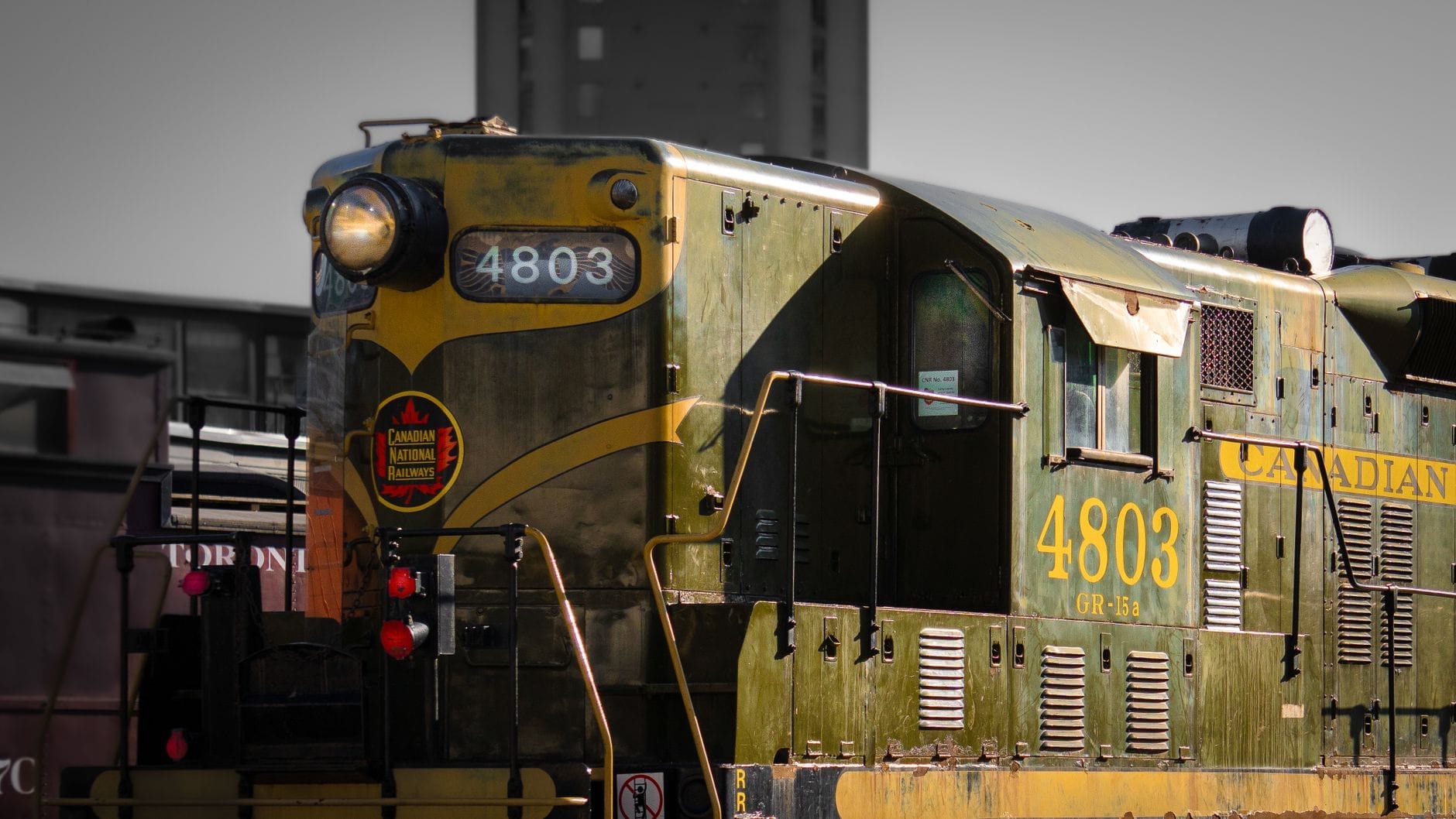
The highlight for most visitors is the outdoor collection of full-size heritage locomotives and rolling stock parked in the stalls and along the tracks of Roundhouse Park. These include steam engines, diesel locomotives, passenger cars, and maintenance vehicles in various states of preservation and active restoration. The TRHA's volunteers work on these pieces continuously, and on certain weekends you may find restoration work in progress, which adds a genuinely educational dimension to the visit.
The museum store stocks railway-themed books, models, apparel, and gifts. It is one of the better-curated railway shops in Ontario, with titles that go well beyond the typical tourist fare.
💡 Local tip
If you want to see restoration work up close, weekend afternoon visits between late spring and early fall give you the best chance of finding volunteers actively working on the equipment. Ask at the front desk whether any work is scheduled that day.
The Mini Train Ride
From mid-May to Labour Day, the museum operates a mini train ride around the perimeter of Roundhouse Park. Tickets are $8.85 plus HST per rider (age 3 and up) and are sold in person for a designated time slot. The ride loops around the park's track, giving a ground-level view of the locomotive collection and the surrounding cityscape. It is a short experience, but it is the one element of the visit that consistently delights younger children, particularly those who have been looking at static equipment and want to feel actual movement.
The mini train operates seasonally in the warmer months, with exact days and dates varying year to year; it typically closes for the winter. All riders under 14 must be accompanied by an adult, and safety rules require all passengers to remain seated throughout. The train itself is classified as heavy machinery, and the museum is clear about this in its guidance. It is not a toy; it is a scaled-down but real piece of operated equipment.
⚠️ What to skip
Mini train time slots can fill up on summer weekends, especially Saturday and Sunday afternoons. Arrive early and purchase your ticket when you buy museum admission to avoid disappointment.
Visiting by Time of Day and Season
The museum opens at 12:00 on its operating days, which means morning is not an option. Arriving shortly after noon on a weekday gets you a quiet, unhurried experience, particularly in June and early July when tourist traffic around the CN Tower and Rogers Centre is high but not yet peak. Weekend afternoons between 14:00 and 16:00 are noticeably busier, especially when there is a Blue Jays home game at the Rogers Centre, since families often combine both visits.
In autumn, the park itself becomes a draw. The trees around Roundhouse Park turn in October, and the combination of rust-colored foliage against the iron and brick of the locomotives makes for striking photography. The mini train runs weekends through October, making early fall one of the most atmospheric times to visit. Winter hours are reduced but the museum does stay open through the colder months, and on a grey January afternoon the brick interior of Don Station has an atmosphere that is completely different from the open-air summer experience.
Rain does not significantly affect the museum experience since most of the interpretive content is under cover. However, the outdoor locomotive collection is exposed, and wet conditions make the metal surfaces slippery. Wear shoes with grip if you plan to walk around the outdoor equipment.
Getting Here and Practical Details
The most straightforward route is from Union Station, Toronto's main rail hub. Exit onto Front Street West, walk west to York Street, then south to Bremner Boulevard, and continue west into Roundhouse Park. The walk takes about ten minutes at a moderate pace. Alternatively, the 509 or 510 streetcar stops at Harbourfront Centre; from there, walk to Lower Simcoe Street, north to Bremner, and west into the park.
There is no public parking on site. The nearest option is the Metro Toronto Convention Centre South Parking, located below Roundhouse Park. If you are arriving from further afield by car, budget extra time for parking, especially on event days at Rogers Centre or Scotiabank Arena.
The museum has an AccessNow accessibility rating and provides contact information for visitors with specific accessibility needs. The main interpretive space at Don Station is ground-level, but portions of the outdoor collection involve uneven surfaces. If mobility is a concern, contact the museum directly before visiting.
If you are building a half-day itinerary, the railway museum pairs naturally with a walk along the Martin Goodman Trail along the waterfront, or with a visit to the nearby Harbourfront Centre. Both are within 15 minutes on foot.
Is It Worth Your Time? An Honest Assessment
The Toronto Railway Museum is a focused, modestly-sized attraction that delivers more than its entrance fee suggests, particularly for visitors with an interest in industrial heritage, Canadian history, or Victorian architecture. It is not trying to compete with major national museums, and it does not need to. The combination of a preserved building, a working outdoor collection, and an active restoration program gives it a credibility and texture that larger, more heavily produced museums sometimes lack.
That said, visitors expecting a fully polished, high-production-value experience may find the presentation modest. Signage and interpretation are clear but not elaborate. The collection, while historically significant, is not enormous. If you are in Toronto for three days and primarily interested in art, food, or contemporary culture, this may not rank as a priority. But if you have a free afternoon, a young child who likes trains, or a genuine interest in how railways shaped this city, the museum earns its place on the itinerary.
For a broader look at how to structure your time in the city, the 3 days in Toronto guide offers a practical framework that includes waterfront attractions and downtown landmarks.
Insider Tips
- The museum's location inside Roundhouse Park means the park itself is free to walk through at any time. If you arrive early before noon, explore the exterior of the John Street Roundhouse and photograph the locomotives from outside before the museum opens.
- Steam Whistle Brewing operates from the adjoining roundhouse stalls and opens its taproom in the afternoon. Combining a museum visit with a post-tour flight of locally brewed lager is a low-key way to extend the afternoon without leaving the site.
- The TRHA periodically hosts special events, including cab ride opportunities on certain locomotives and heritage railway days. Check the museum website's events calendar before you visit, as these are not always heavily advertised.
- Photography inside the stalls can be tricky due to mixed natural and artificial lighting. Early afternoon on a sunny day, when light streams through the roundhouse skylights, produces the most atmospheric shots of the locomotives.
- If you are visiting with children specifically for the mini train, confirm the schedule online the day before. Mechanical issues or weather can occasionally affect operation, and time slots fill quickly on summer weekends.
Who Is Toronto Railway Museum For?
- Families with children aged 4 to 12, especially those with an interest in trains or vehicles
- History and industrial heritage enthusiasts interested in Canada's railway development
- Architecture lovers drawn to Victorian industrial structures
- Rainy-day visitors looking for an indoor option close to the waterfront
- Travelers building a full half-day around the CN Tower and Roundhouse Park area
Nearby Attractions
Other things to see while in Downtown Toronto:
- Allan Gardens Conservatory
Allan Gardens Conservatory is a free, year-round botanical conservatory at 160 Gerrard Street East in downtown Toronto. Housed in six glass display houses anchored by a 1910 Edwardian Palm House, it holds about 1,500 m² of tropical palms, cacti, orchids, and seasonal blooms. One of the oldest parks in Toronto, it remains one of the city's most underrated green spaces.
- Art Gallery of Ontario
The Art Gallery of Ontario is one of North America's largest art museums, housing over 90,000 works inside a landmark Frank Gehry-renovated building in downtown Toronto. From Indigenous Canadian art to European masters and contemporary photography, the AGO rewards focused visitors and casual explorers alike.
- Brookfield Place (Allen Lambert Galleria)
The Allen Lambert Galleria inside Brookfield Place is a free, publicly accessible arcade designed by architect Santiago Calatrava between 1987 and 1992. Its arching steel-and-glass canopy, rising between two of downtown Toronto's tallest towers, is one of the most impressive interior spaces in Canada.
- Campbell House Museum
Built in 1822 for Upper Canada's Chief Justice, Campbell House Museum is the oldest surviving residence from the original Town of York. Moved to its current downtown corner in 1972 and opened as a museum in 1974, it offers an intimate, unhurried window into early colonial Toronto — a sharp contrast to the glass towers surrounding it.
Planning a trip? Discover personalized activities with the Nomado app.