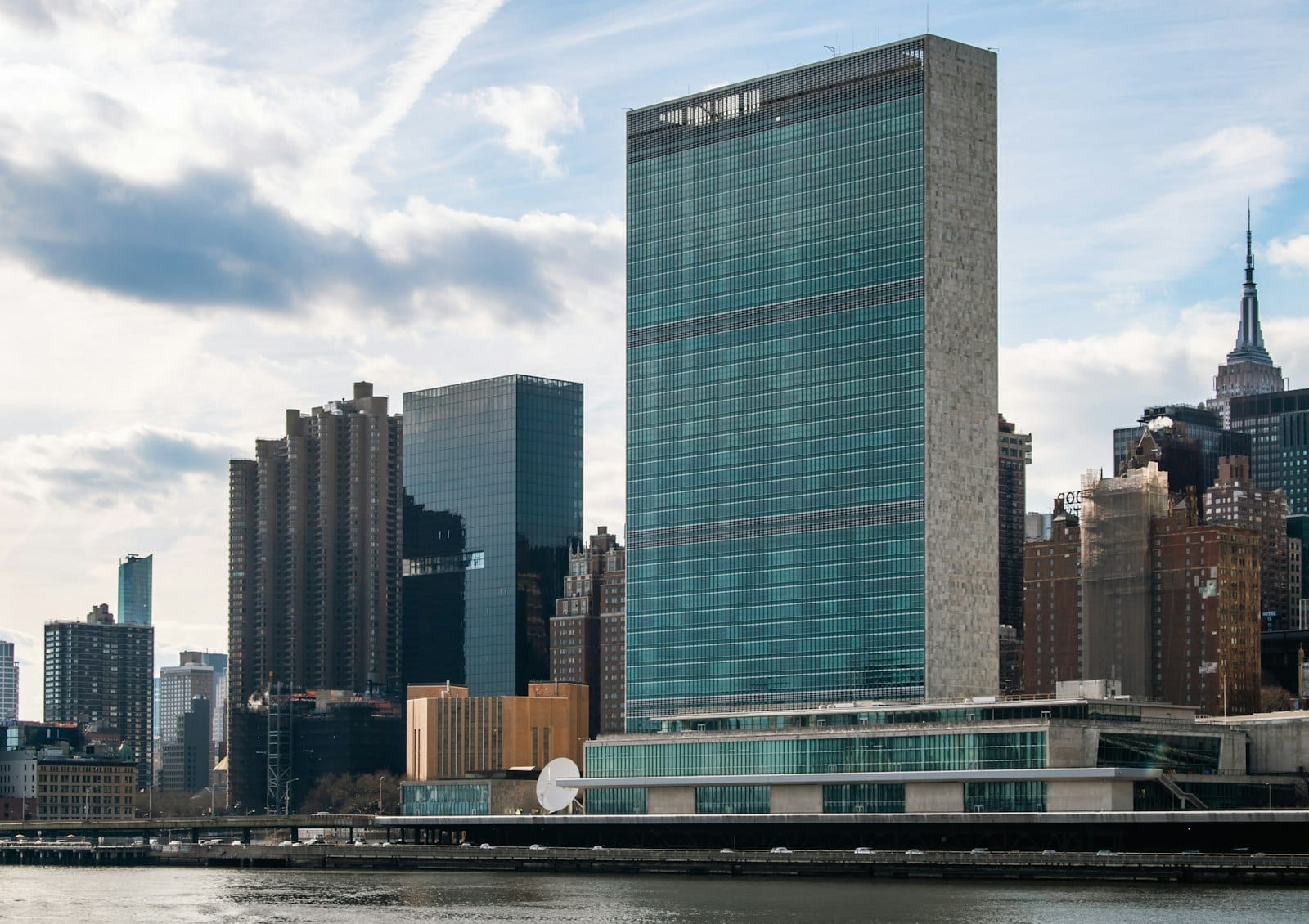
Midtown Manhattan is the engine room of New York City, stretching from 34th Street to 59th Street across the full width of the island. It holds more iconic landmarks per square mile than almost anywhere on earth, from Grand Central Terminal to Rockefeller Center, and draws more daily foot traffic than most cities have residents.
Midtown Manhattan is where the city's ambition is most visible: tower after tower of glass and stone, sidewalks that never fully empty, and a concentration of landmarks that shaped the global image of New York. It is simultaneously the city's central business district, its entertainment hub, and its most heavily visited tourist corridor, which means it rewards visitors who know where to look and tests the patience of those who don't.
Orientation
Midtown occupies the central section of Manhattan island, running roughly from 34th Street in the south to 59th Street in the north, and spanning the full width of the island from the East River to the Hudson River. That's about 25 blocks of dense urban grid, covering neighborhoods as different as the corporate corridors around Park Avenue and the theater district west of Eighth Avenue. Most visitors mentally divide it into east and west: the east side runs from Fifth Avenue toward the river through neighborhoods like Murray Hill, Turtle Bay, and Sutton Place; the west side covers Hell's Kitchen (also called Clinton), the Theater District, and the stretch of Eighth and Ninth Avenues that has gradually gentrified over the past two decades.
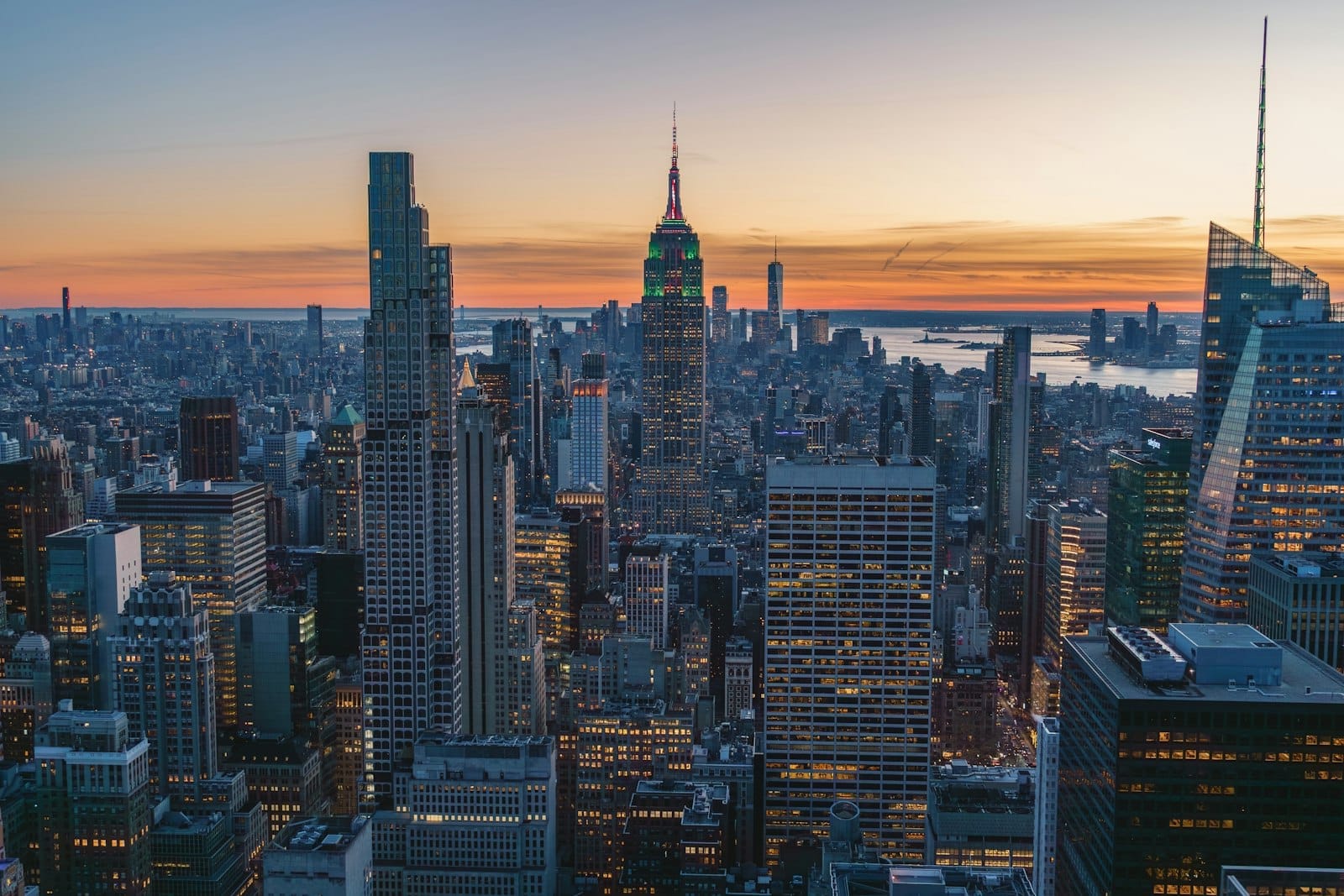
The neighborhood's southern anchor is 34th Street, where the Empire State Building rises above Herald Square and Penn Station sits below grade on Seventh Avenue. Moving north on Fifth Avenue, you pass Bryant Park and the main branch of the New York Public Library at 42nd Street, then Rockefeller Center in the low 50s, before reaching the southern edge of Central Park at 59th Street. That one corridor, roughly 25 blocks, contains enough material for several days of serious exploration.
Midtown connects directly to the Upper East Side and Upper West Side to the north, Chelsea to the southwest, and Lower Manhattan to the south. Its density of transit connections means you can reach almost any part of the city within 30 minutes from anywhere in Midtown.
Character & Atmosphere
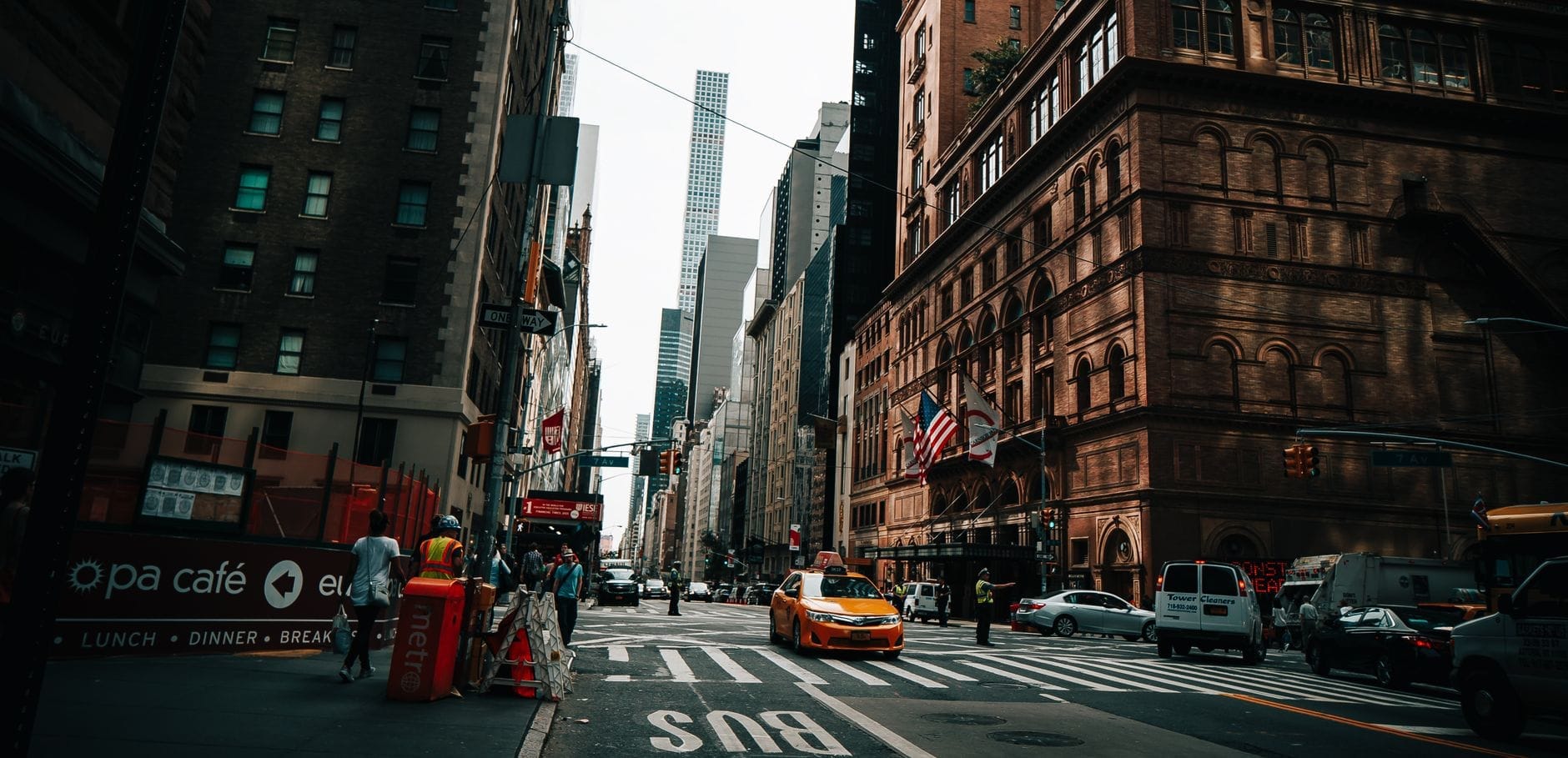
Midtown operates at a pace that takes adjustment. Early mornings, from around 6:30 to 8:30 AM, belong almost entirely to commuters. The avenues fill with purposeful foot traffic, coffee cup in hand, moving toward Penn Station, Grand Central, or the towers on Park and Sixth Avenues. At that hour the streets feel functional rather than theatrical, and it's the best time to photograph the architecture without crowds obscuring the foreground.
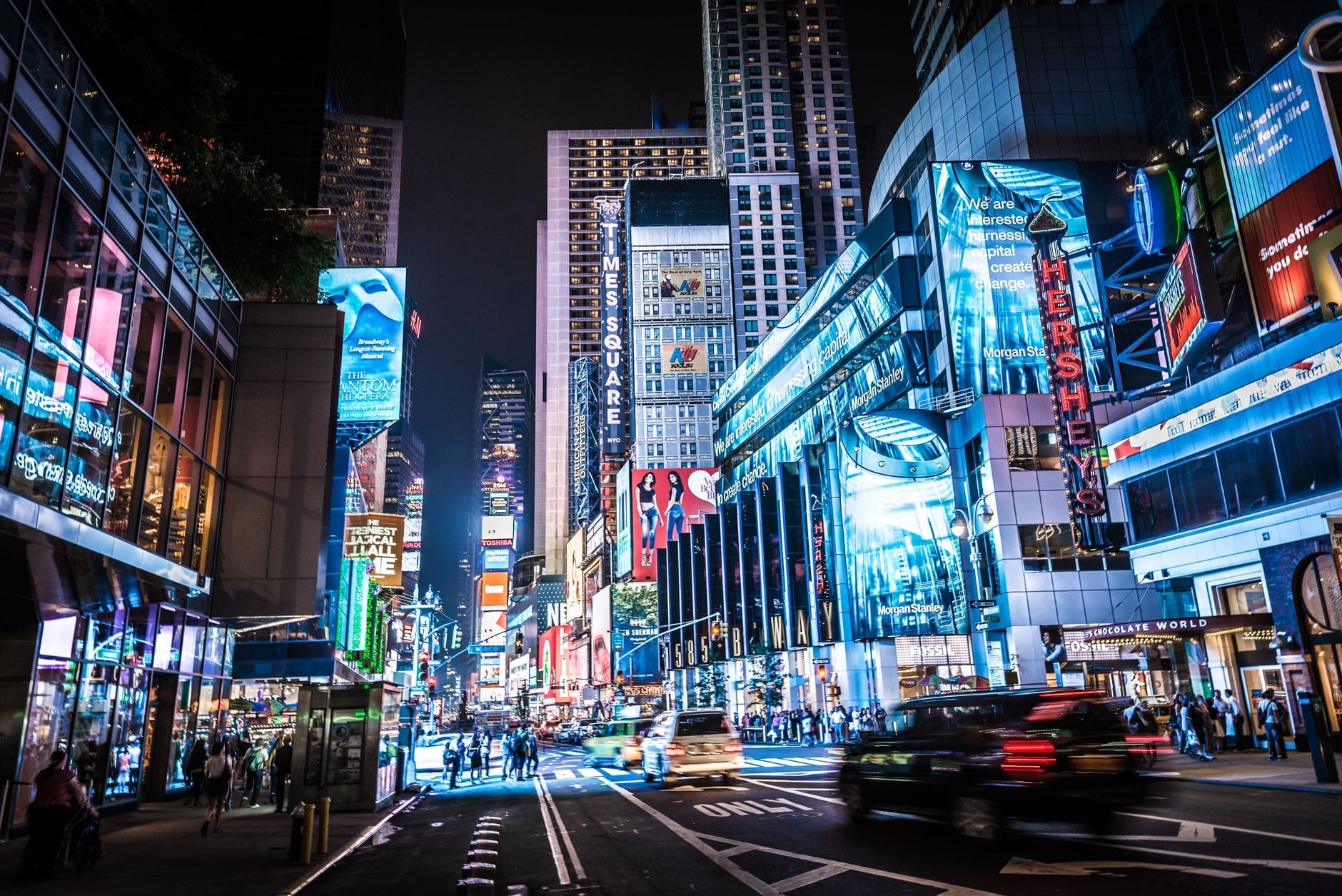
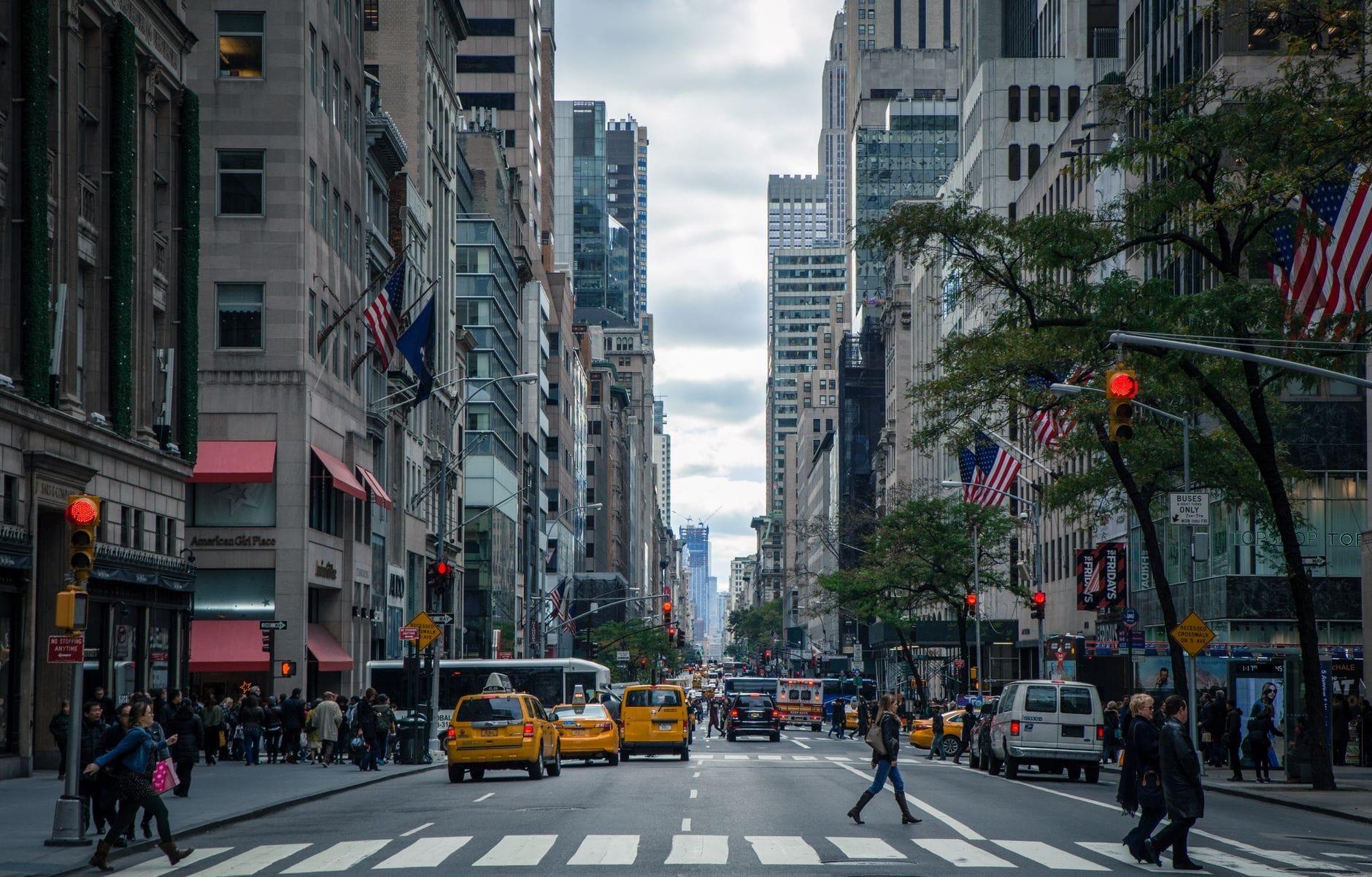
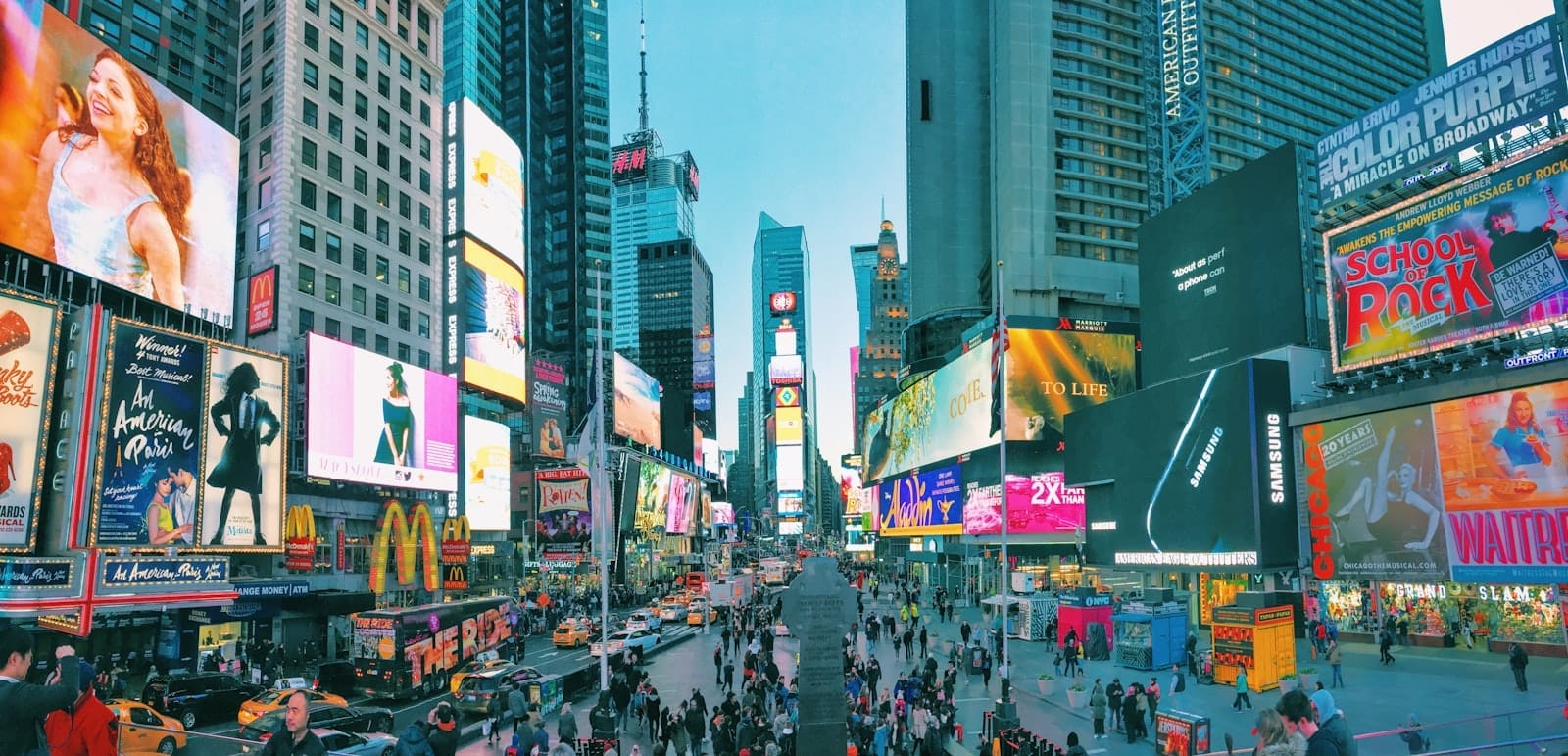
By midday the character fragments by block. The stretch of Fifth Avenue near Rockefeller Center becomes thick with tourists and office workers on lunch breaks. Sixth Avenue (officially Avenue of the Americas, though no one calls it that) hums with corporate energy. The blocks around Times Square, particularly 42nd to 47th Streets between Seventh and Eighth Avenues, reach their most intense pitch: LED screens washing the sidewalks in color, street performers competing for attention, and crowds moving in every direction at once. It is emphatically not a place to wander if you want to feel the city rather than just survive it.
Evenings shift the balance. Between 5 and 7 PM, the commuter crowds reverse direction and the sidewalks feel almost impassable near the major stations. After 8 PM, the theater district wakes up properly: pre-show pedestrian traffic around 44th to 46th Streets, then a strange lull during curtain times, then a sudden release of audience members around 10 PM looking for a late dinner. The residential pockets on the east side, particularly around Sutton Place and the streets approaching the United Nations, are noticeably quieter after dark, almost a different city from Times Square twenty blocks west.
⚠️ What to skip
Times Square and the immediate area around major transit hubs like Penn Station and Grand Central are the main zones for pickpocketing and tourist scams. Keep bags closed, be skeptical of anyone approaching you with tickets, CDs, or charity clipboards, and be aware of your surroundings in crowded subway entrances. These are standard big-city precautions, not reasons to avoid the area.
What to See & Do
The volume of major attractions concentrated in Midtown is genuinely unusual. The challenge for most visitors is not finding things to do but deciding what to cut. The landmarks here are landmarks for a reason: the Empire State Building's observation deck, Grand Central Terminal's concourse, and the Rockefeller Center complex have earned their status through architecture, history, and scale rather than marketing alone.
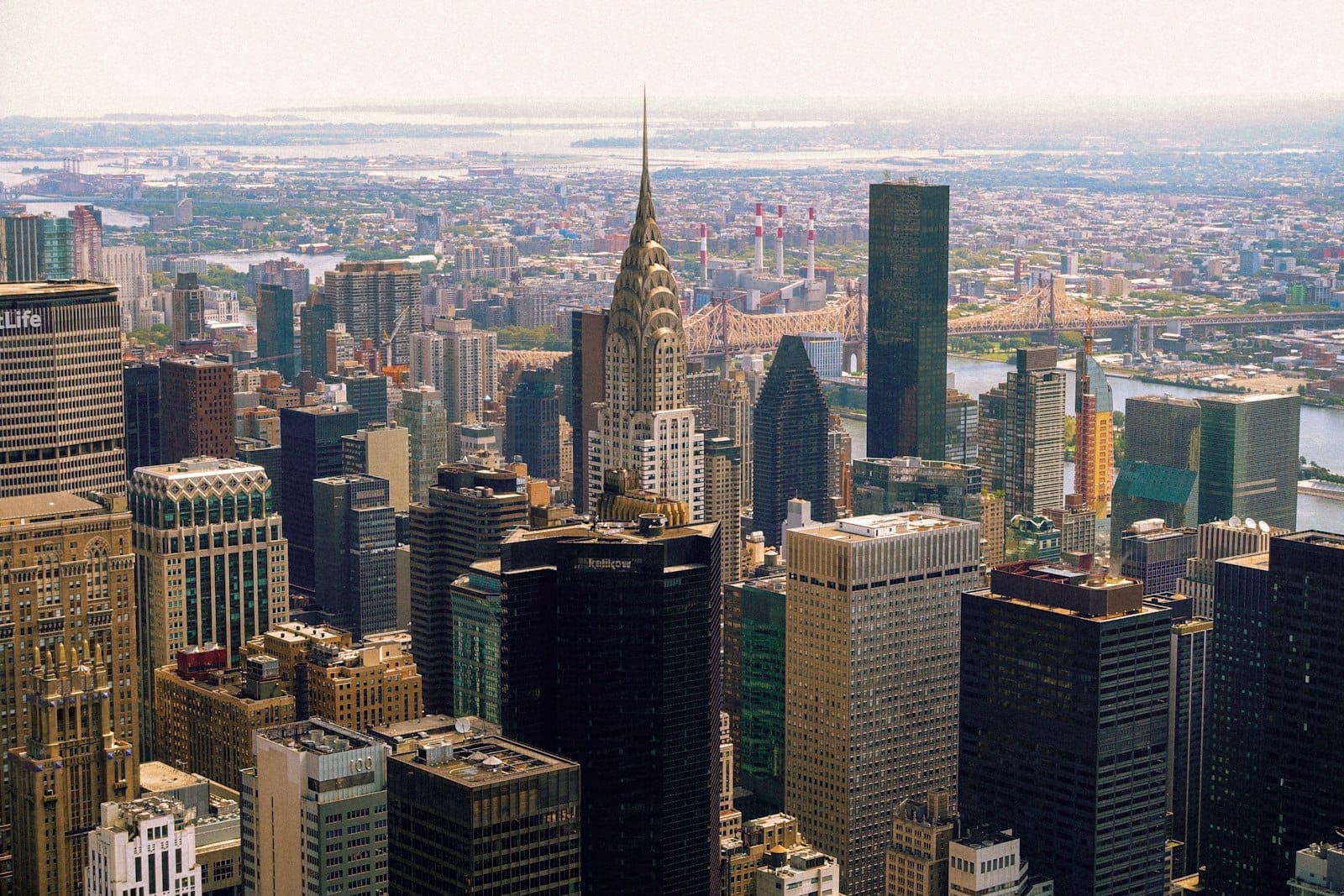
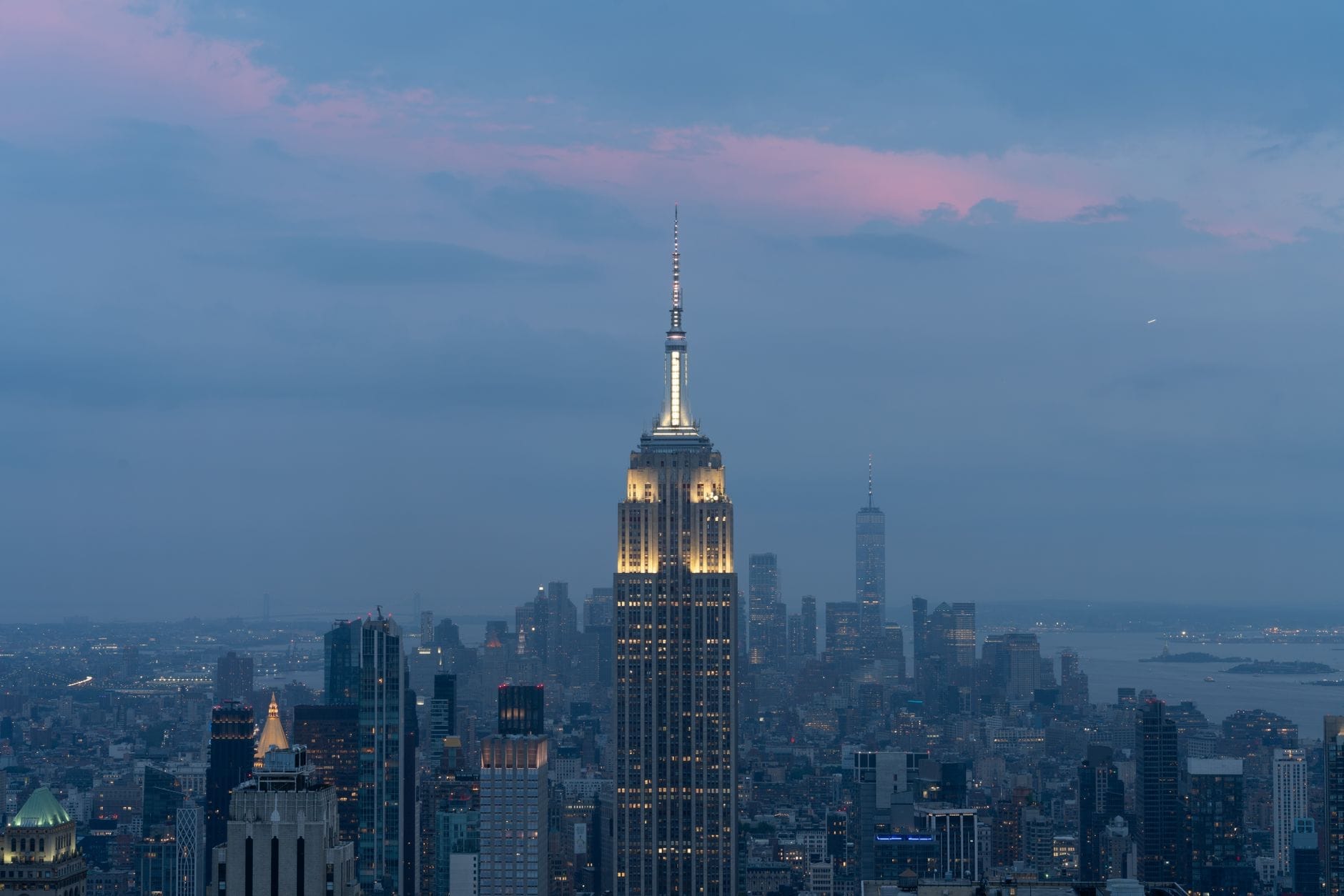
Start at the southern end with the Empire State Building on Fifth Avenue at 34th Street. The building's Art Deco lobby is worth entering even if you skip the observation decks, though the views from the 86th floor on a clear day remain one of the definitive New York experiences. A few blocks east, the Chrysler Building at 42nd Street and Lexington Avenue is arguably the most beautiful skyscraper in the city, its eagle gargoyles and stainless steel crown best seen from across the street or from the surrounding blocks.
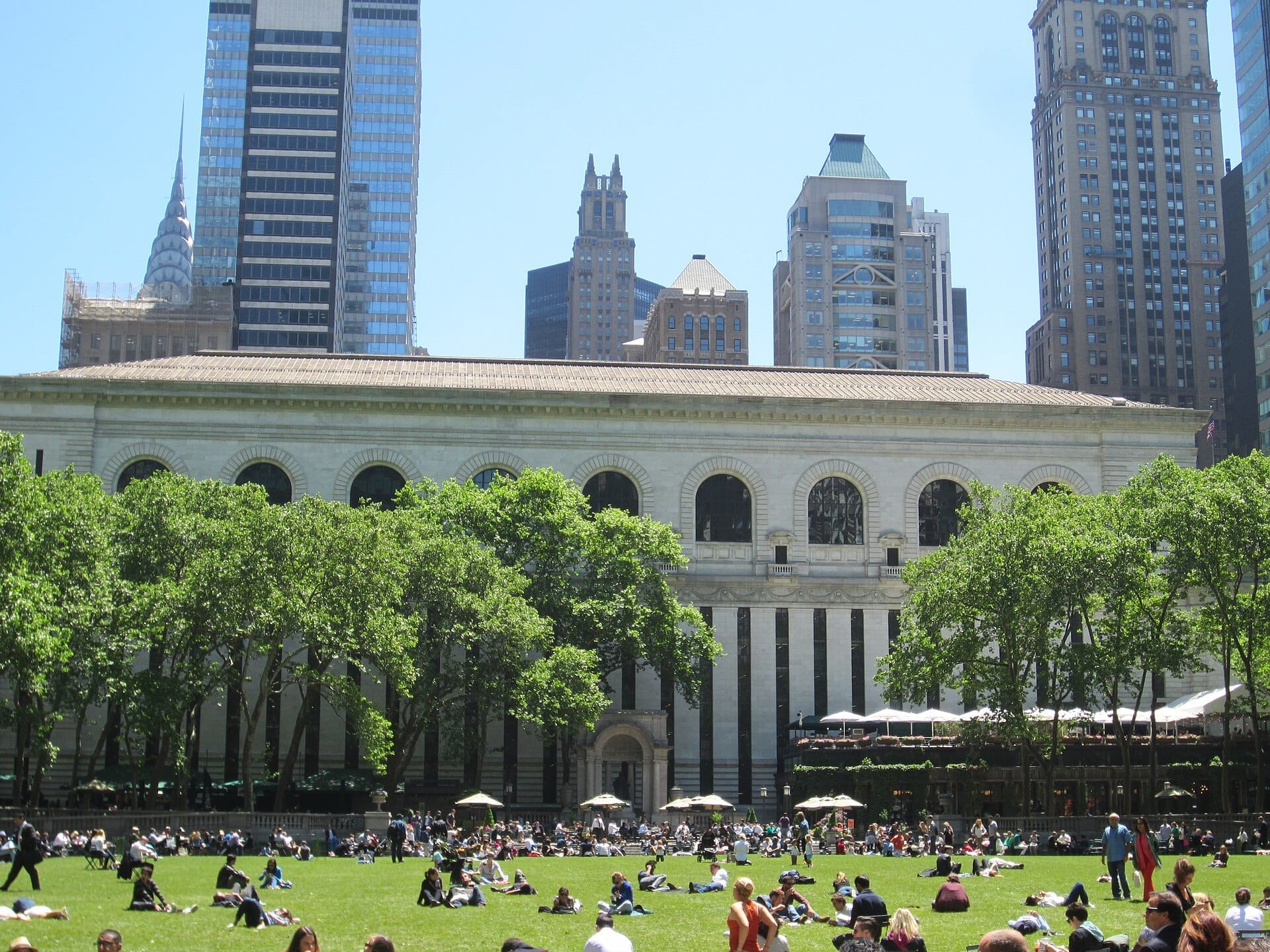
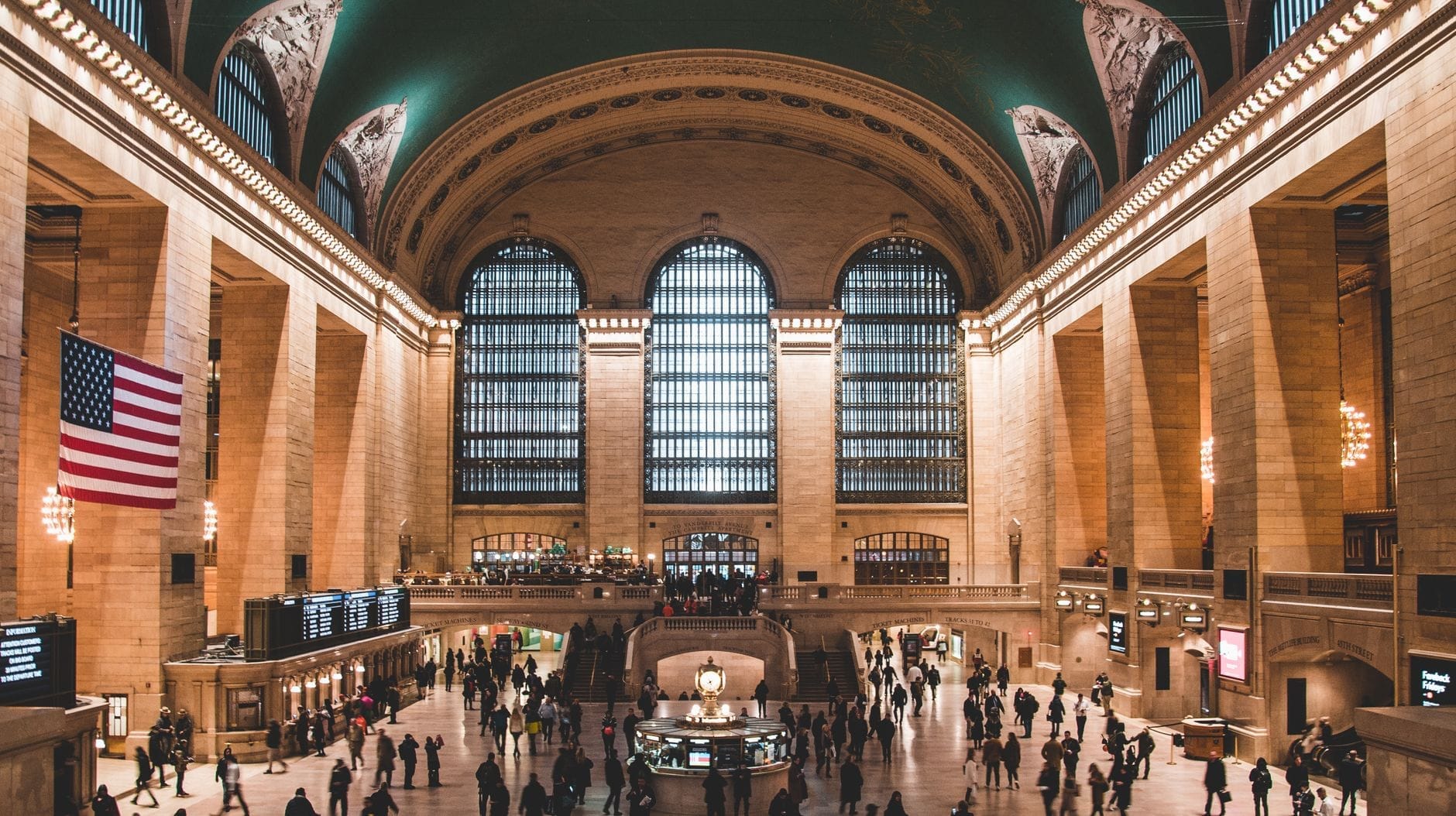
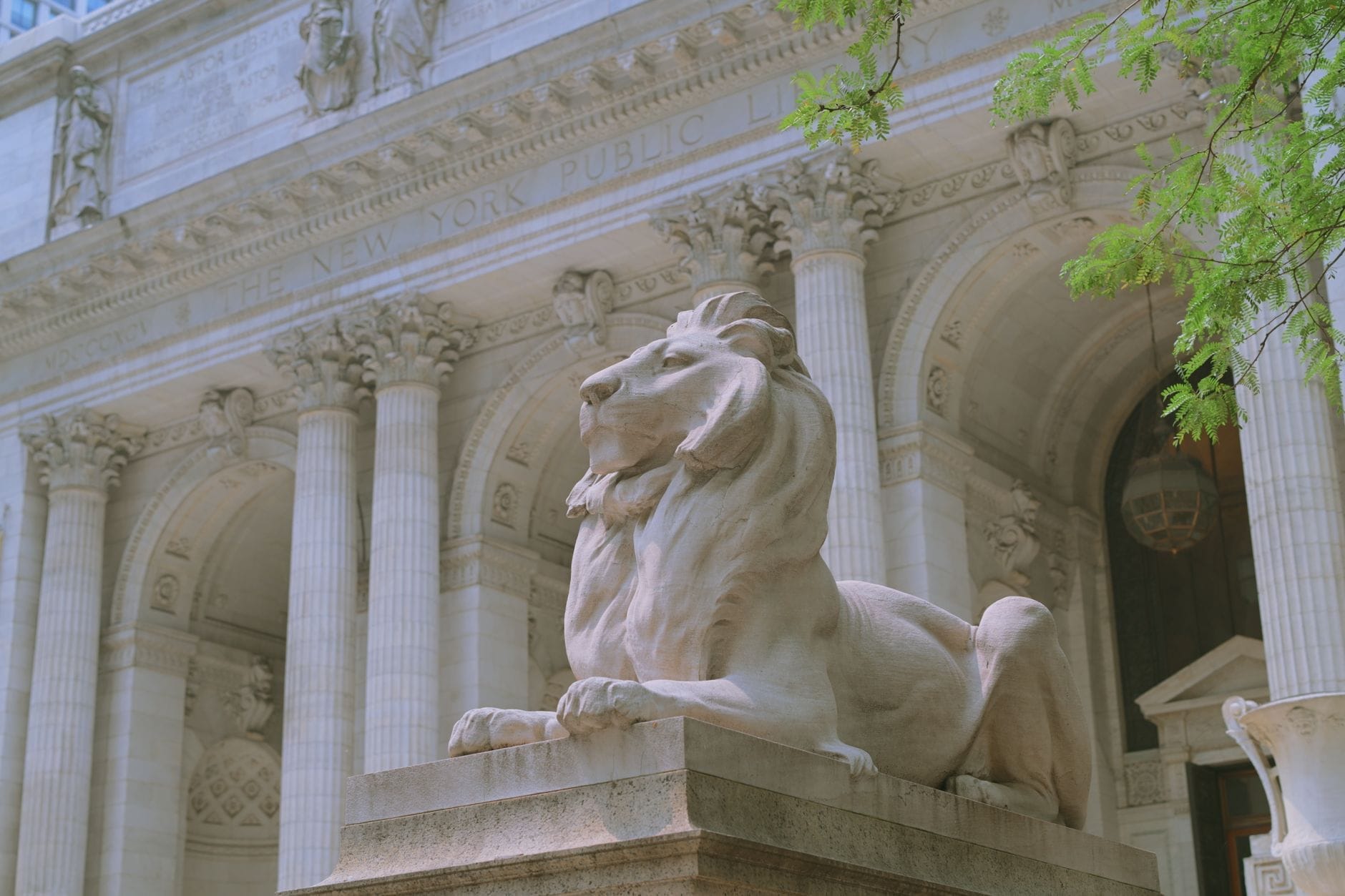
Grand Central TerminalGrand Central Terminal at 42nd Street and Park Avenue is not just a transit hub but one of the finest public spaces in the United States. The main concourse, with its vaulted ceiling painted in constellations and its famous four-faced clock above the information booth, rewards slow exploration. Just to the west, Bryant Park behind the New York Public Library provides a rare patch of open space in the heart of Midtown, ideal for a midday break. The park transforms seasonally: an outdoor reading room in summer, a skating rink in winter.
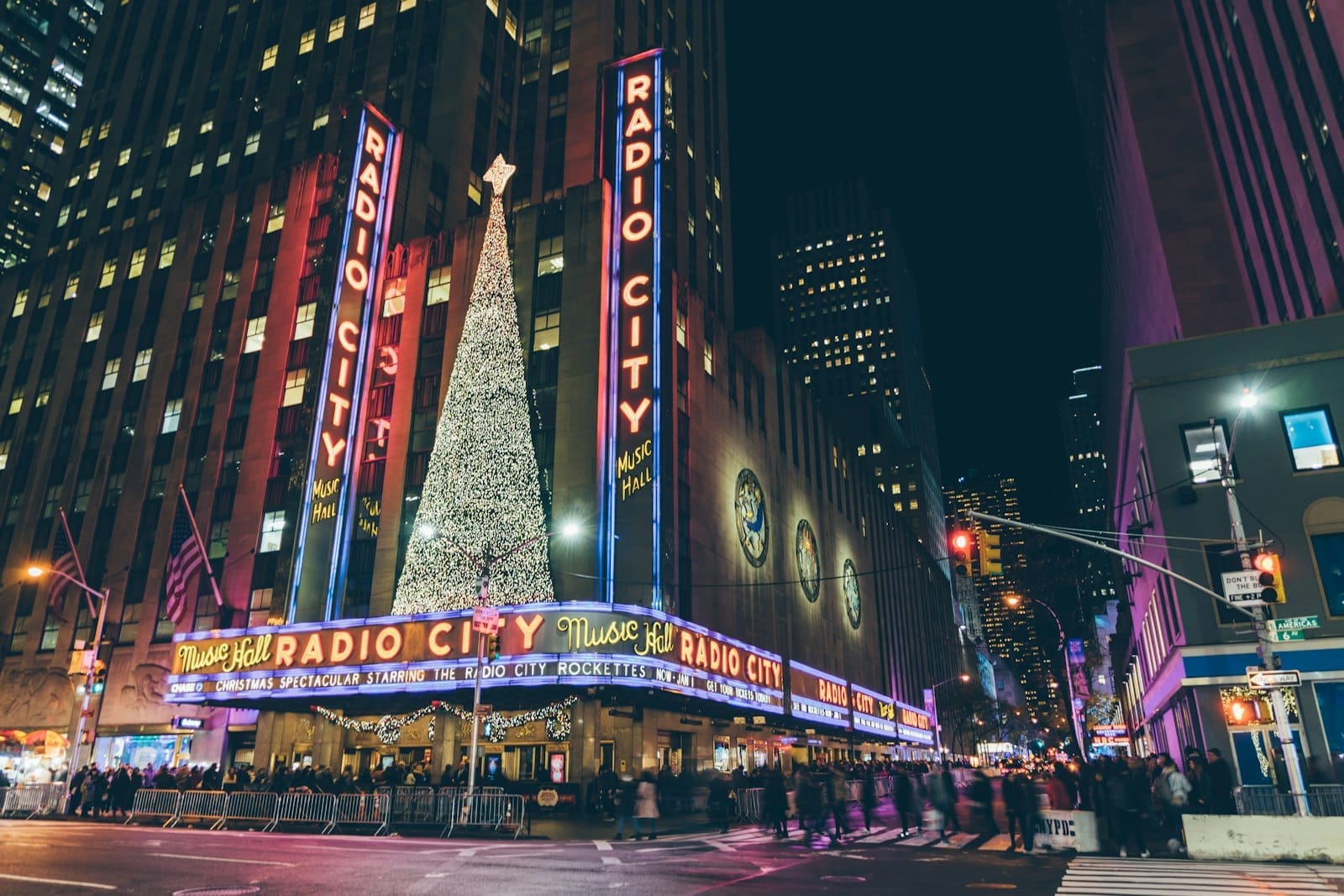
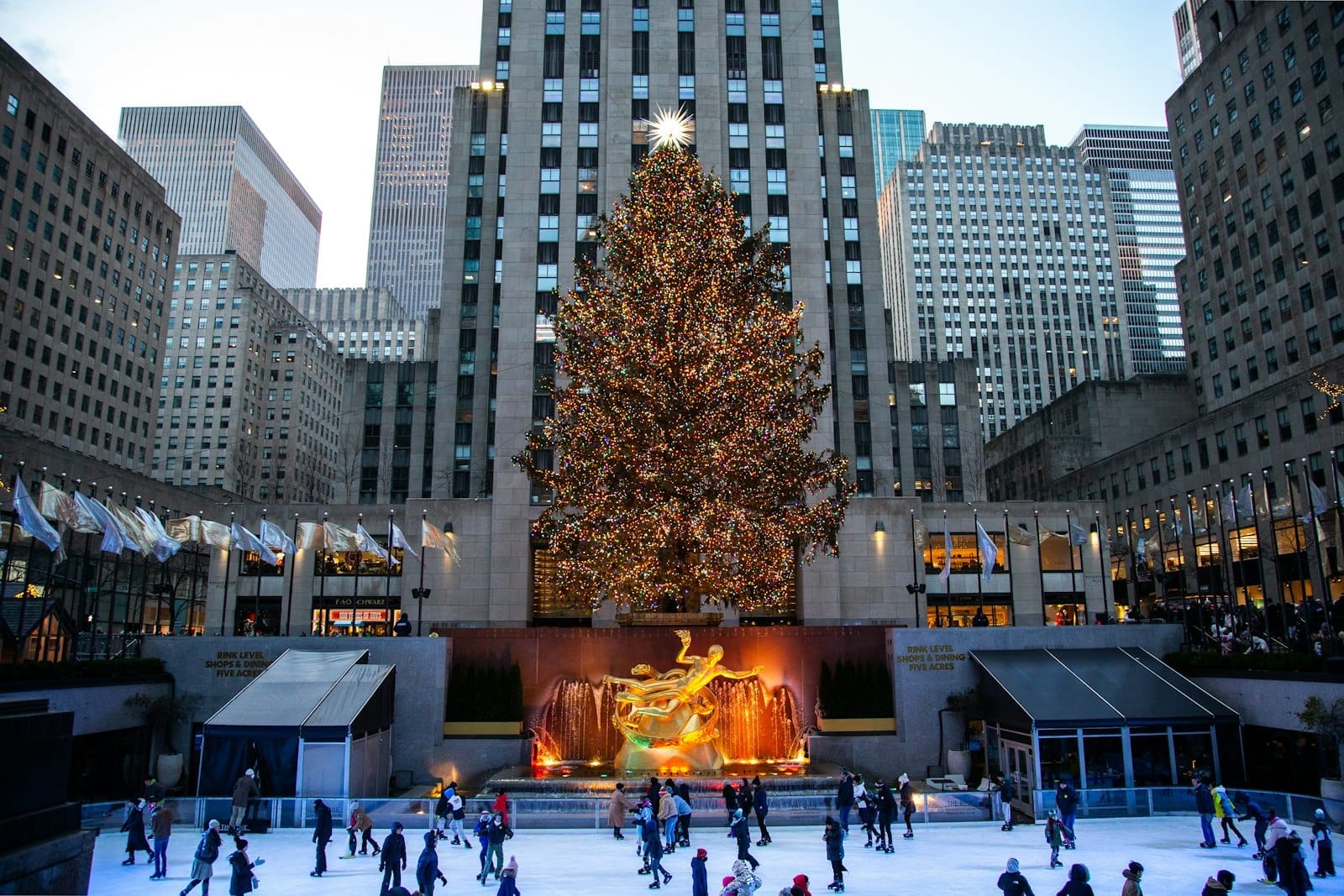
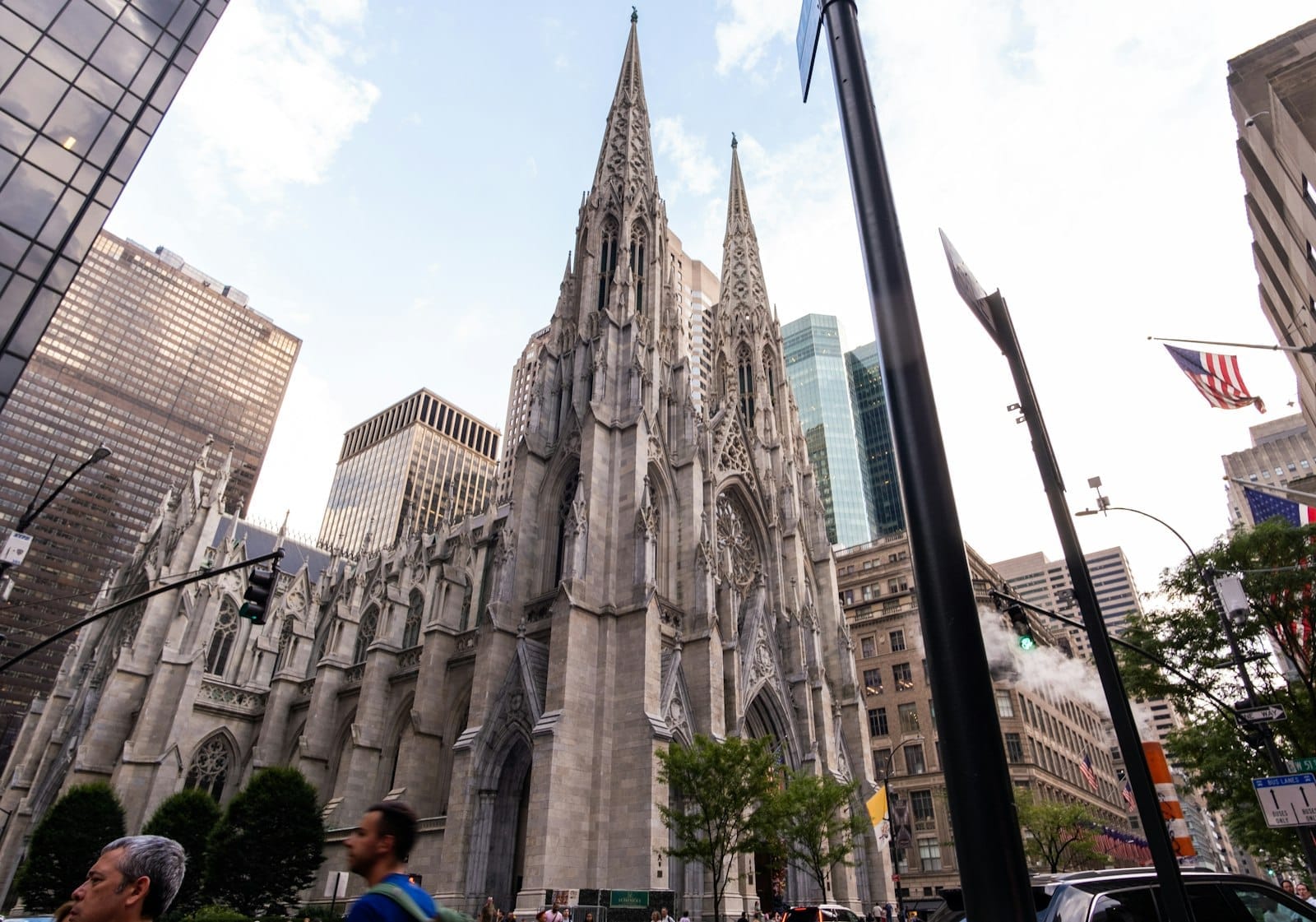
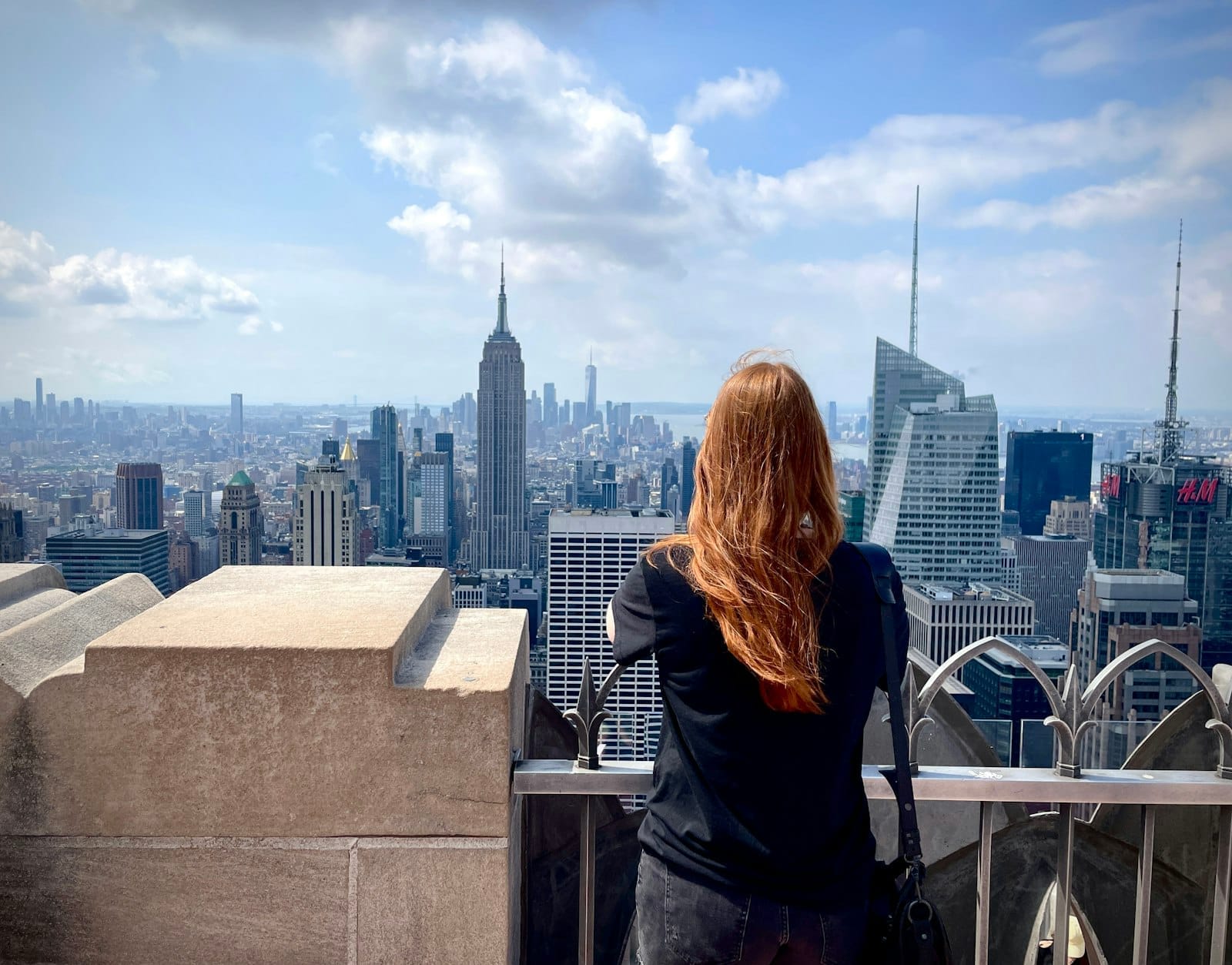
Moving north on Fifth Avenue, Rockefeller CenterRockefeller Center is a complex of 19 commercial buildings between 48th and 51st Streets that functions as a city within a city. The plaza becomes a skating rink in winter and a summer beer garden in warm months. The observation deck at Top of the Rock offers a cleaner sightline to the Empire State Building than the Empire State Building offers to itself, and the midtown skyline view looking north toward Central Park is worth the ticket. Nearby St. Patrick's Cathedral across Fifth Avenue provides a genuine architectural counterpoint to the towers surrounding it.
Empire State Building: 86th- and 102nd-floor observation decks, best visited at sunset or on a clear weekday morning
Grand Central Terminal: free to enter, guided tours available, the Whispering Gallery in the lower concourse is worth finding
Rockefeller Center complex: Top of the Rock observation deck, NBC Studios tours, Radio City Music Hall
Bryant Park: free, open daily (hours vary by season), with seasonal programming including film screenings and outdoor games
New York Public Library main branch on Fifth Avenue: free to enter, the Rose Main Reading Room is architecturally exceptional
United Nations Headquarters on First Avenue: guided tours available, advance booking recommended
Times Square: best understood as spectacle rather than destination; the TKTS booth here sells same-day discount Broadway tickets
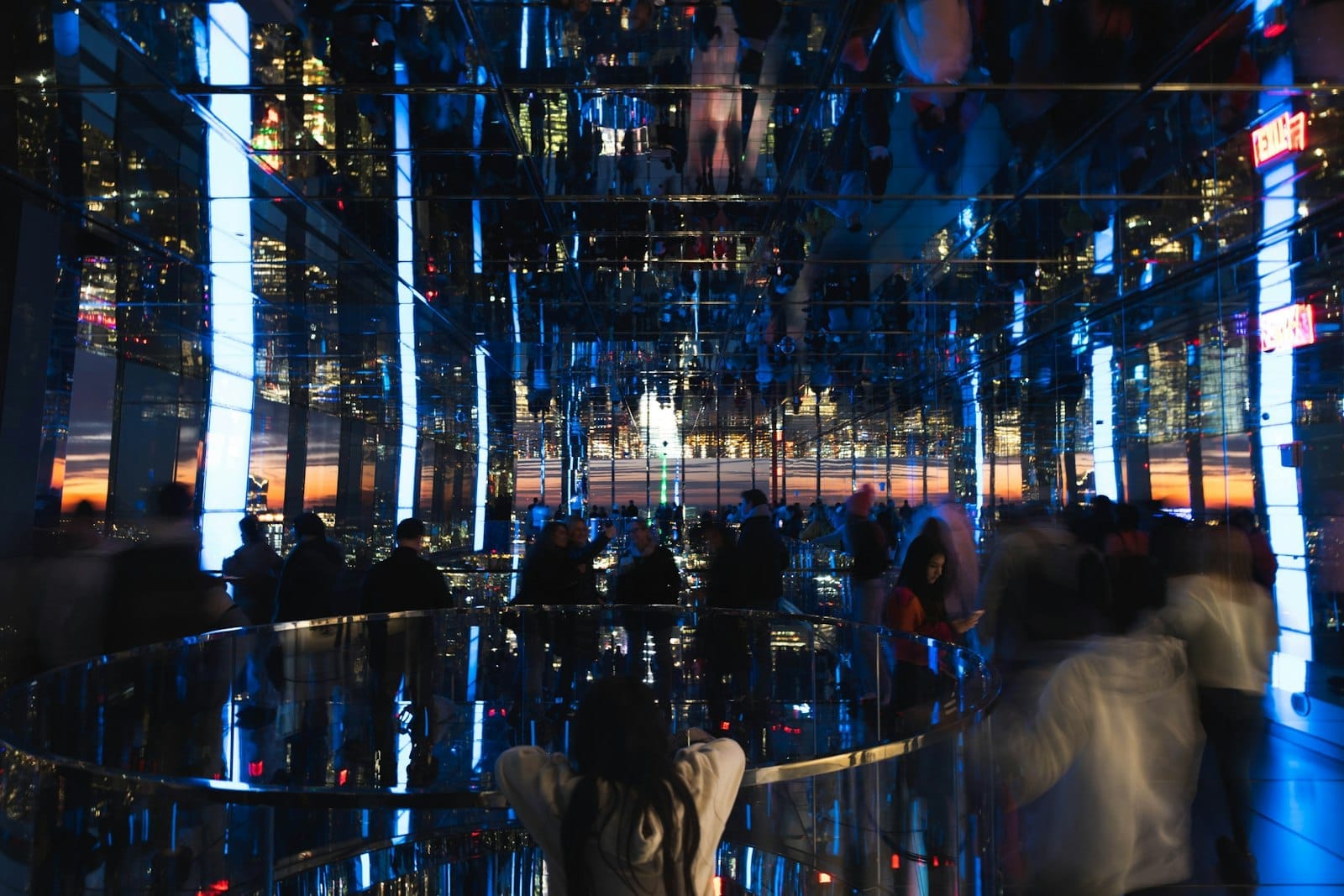
Summit One Vanderbilt: a major observation experience, at 42nd and Park, with glass-floored sky boxes and strong midtown views
Broadway is Midtown's defining cultural institution. The main theater district clusters on 44th through 46th Streets just west of Times Square, with additional houses scattered between 41st and 54th Streets. For a full overview of how to navigate the Broadway experience, including booking strategy and neighborhood context, the Broadway guide for New York City covers the details. If you're interested in the architecture behind the marquees, the New York City architecture guide addresses the building history of Midtown's skyscraper corridor in depth.
Eating & Drinking
Midtown's food scene has a split identity. The tourist-facing strips around Times Square and the immediate blocks around major attractions are full of chain restaurants and overpriced mediocrity. The better eating is a block or two off the main corridors, in the deli counters, lunch spots, and restaurant rows that serve the neighborhood's massive daytime working population.
The blocks around Koreatown, concentrated on 32nd Street between Fifth and Sixth Avenues (known locally as K-Town), offer some of the most reliable and affordable food in Midtown. Korean barbecue restaurants operate late into the night here, and the stretch has a genuine neighborhood feel that cuts against Midtown's corporate texture. On the east side, the neighborhoods around Lexington Avenue in the 40s and 50s have a dense collection of lunch spots, delis, and Japanese and Indian restaurants serving the office towers above.
For drinks, the theater district's bar scene is geared around pre- and post-show timing: busy from 6 to 8 PM and again from 10 PM. Hell's Kitchen, on Ninth and Tenth Avenues from about 42nd to 57th Streets, has developed a genuine independent bar and restaurant culture over the past decade, with lower rents than the core producing more interesting results. The area around Ninth Avenue in the low 50s is a reliable destination for a meal before a show that isn't a tourist trap.
💡 Local tip
The Grand Central Terminal dining concourse below the main hall has significantly improved over the years and includes proper sit-down restaurants alongside quick options. It's a good fallback for a meal during peak hours when sidewalk restaurants are completely packed.
Midtown isn't a destination for adventurous eating in the way that lower Manhattan neighborhoods or the outer boroughs are. But it isn't without options: the density of office workers demanding quality lunch has produced a competitive daytime food market, and the pre-theater dinner scene supports a range of restaurants in the 40s and 50s that punch above their tourist-area neighbors.
Getting There & Around
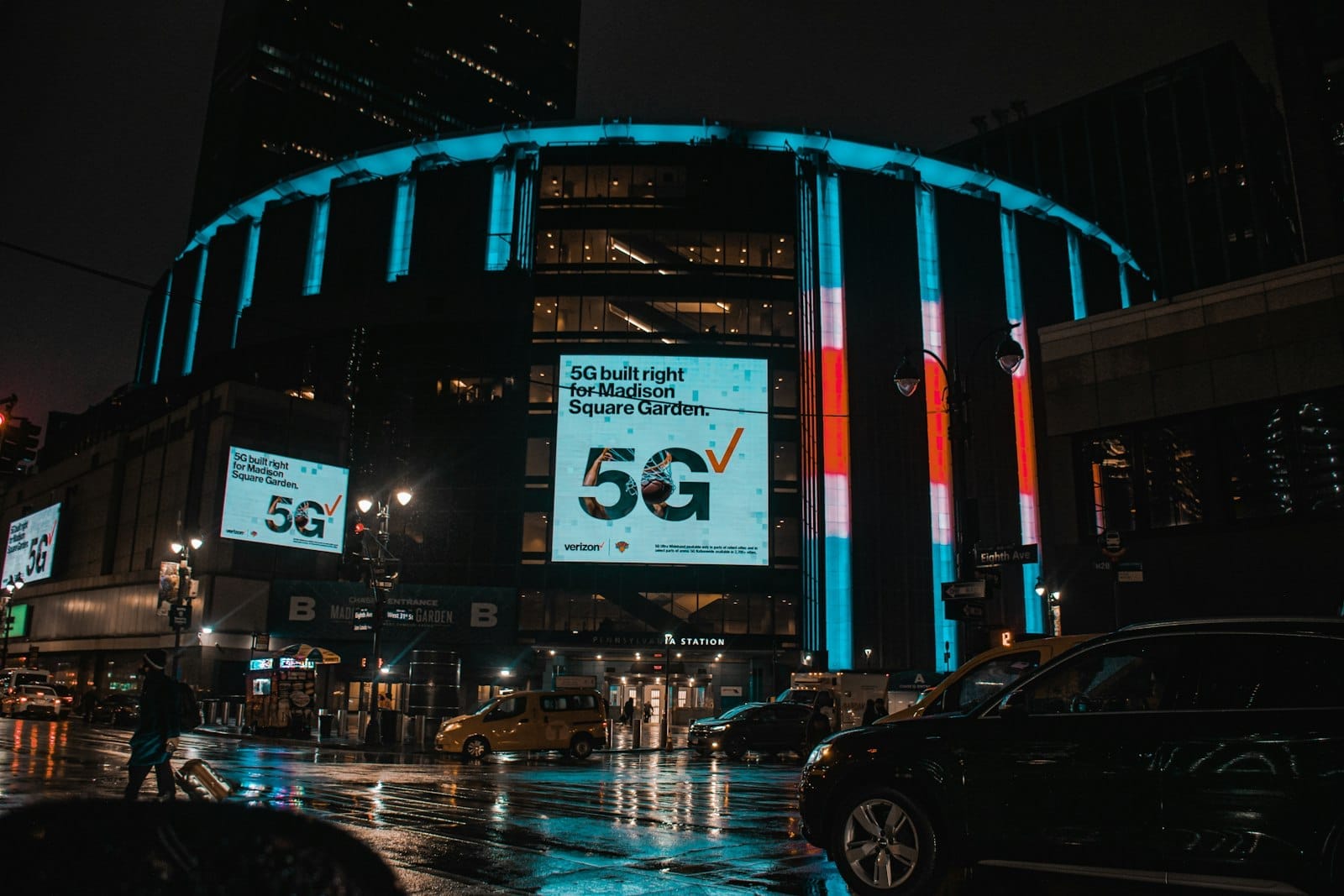
Midtown is the most transit-accessible part of New York City. Penn Station at 34th Street and Seventh Avenue is a major rail hub, serving Amtrak long-distance trains, Long Island Rail Road, and NJ Transit, plus the A, C, E, 1, 2, and 3 subway lines and the 7 train via the nearby 34th Street–Penn Station connection. Grand Central Terminal at 42nd Street and Park Avenue serves Metro-North commuter rail to the northern suburbs and Connecticut, plus the 4, 5, 6, and 7 subway lines and the shuttle to Times Square.
The subway coverage within Midtown is extensive. Key transfer hubs include Times Square-42nd Street (A, C, E, N, Q, R, W, 1, 2, 3, 7 trains), 42nd Street-Bryant Park/5th Avenue (B, D, F, M, 7 trains), 34th Street–Herald Square (B, D, F, M, N, Q, R, W trains), 47-50 Sts-Rockefeller Ctr (B, D, F, M), and 51st Street/Lexington Avenue (6 train). If you're based in Midtown, you can reach essentially any part of Manhattan without more than one transfer.
From the three major airports: from JFK, the AirTrain to Jamaica Station connects to the E or J/Z subway lines for Midtown, or the Long Island Rail Road to Penn Station; journey times range from 45 to 75 minutes depending on route and time of day. From LaGuardia, MTA buses connect to the subway, with the M60-SBS to Astoria-Ditmars Boulevard on the N/W line being a common option; plan for 35 to 60 minutes. From Newark, the AirTrain to Newark Liberty International Airport Station connects to NJ Transit trains to Penn Station; typically 30 to 45 minutes.
ℹ️ Good to know
Walking is often the fastest way to move within Midtown between roughly 34th and 57th Streets. The crosstown blocks are longer than the uptown-downtown blocks, so walking east-west takes longer than it looks on a map. Fifth Avenue to the East River is about a 20-minute walk; Fifth Avenue to the Hudson River takes 25 to 30 minutes.
Taxis and rideshares work in Midtown but traffic congestion makes them unpredictable, especially during morning and evening rush hours (roughly 7:30 to 9:30 AM and 4:30 to 7 PM) and around show times. For a broader overview of how to get around New York City by transit, the getting around New York City guide covers fares, MetroCard versus OMNY tap payment, and borough-by-borough transit options.
Where to Stay
Midtown has the highest concentration of hotels in New York City, ranging from budget chains near Penn Station to some of the most expensive hotel rooms in the country along Fifth Avenue and Park Avenue in the 50s. The sheer volume of options means you can usually find availability even at short notice, though prices spike significantly during holidays, major conventions at the Javits Center, and New Year's Eve.
For first-time visitors, staying in Midtown makes logistical sense: the transit connections are unmatched, you're within walking distance of major attractions, and the neighborhood never fully shuts down. The trade-off is noise. Hotels on side streets between the avenues will be significantly quieter than those fronting Sixth or Seventh Avenues, and rooms above the 15th floor block more street sound. The blocks between Fifth and Madison Avenues in the 50s tend to feel more polished and residential in character than the immediate Times Square zone.
Budget-conscious travelers often find better value by staying just outside Midtown proper: the southern edge of the Hell's Kitchen and Hudson Yards corridor on the west side, or Murray Hill on the east side around 30th to 33rd Streets, where rates are typically lower and the character is less aggressively commercial. Both areas still have direct subway access to Midtown's core. For a full comparison of Manhattan's accommodation zones, the where to stay in New York City guide breaks down the options by neighborhood and traveler type.
💡 Local tip
If you're seeing a Broadway show, staying within walking distance of the theater district (roughly 40th to 54th Streets, west of Sixth Avenue) eliminates post-show transit stress and opens up the late-night dining options in Hell's Kitchen. It's worth the premium over a Midtown East hotel if theater is a priority.
Is Midtown Manhattan Right for You?
Midtown is the default choice for first-time visitors to New York City, and there are good reasons for that. The access is unparalleled, the landmark density is extraordinary, and being central in Midtown means every other part of the city is reachable in under 30 minutes. But it is also the noisiest, most crowded, and often most expensive part of the city to base yourself in.
Visitors who want a more residential feel, better value for money, or access to the city's food and culture scenes beyond the obvious tourist corridor may find staying in neighborhoods like the Lower East Side, Greenwich Village, or Williamsburg a better fit, with Midtown treated as a day-trip destination rather than a home base. That said, if your trip is centered on Broadway, major museums, and the classic New York skyline experience, Midtown earns its place as a base.
TL;DR
Midtown Manhattan runs from 34th Street to 59th Street and holds the city's highest concentration of major attractions, including the Empire State Building, Grand Central Terminal, Rockefeller Center, Times Square, and the Broadway theater district.
Transit access is exceptional: Penn Station and Grand Central serve long-distance and commuter rail, and over a dozen subway lines cross through the neighborhood, making every part of NYC reachable in under 30 minutes.
Best suited for first-time visitors, Broadway-focused trips, and travelers who prioritize landmark access over neighborhood character. Noise, crowds, and premium hotel prices are the consistent trade-offs.
Eating and drinking is uneven: avoid the tourist traps within a block of Times Square and head to Koreatown on 32nd Street, Hell's Kitchen on Ninth Avenue, or the Grand Central dining concourse for better value and quality.
Petty crime in crowded tourist zones and major transit hubs is a standard urban concern; standard precautions around bags and scam approaches apply, especially around Times Square and Penn Station.
Three days is enough to cover New York City's greatest hits — if you plan smart. This itinerary organizes Manhattan by neighborhood cluster, adds a Brooklyn half-day, and cuts through the noise with practical guidance on what's worth your time and money.
New York City has more than 100 museums, which makes choosing worthwhile. This guide cuts through the noise and covers the best museums across Manhattan, Brooklyn, and Queens, from encyclopedic giants to intimate institutions you'll wish you'd discovered sooner.
New York City rewards visitors year-round, but the timing of your trip shapes everything from hotel rates to how much you'll enjoy walking the streets. This guide breaks down every season honestly, including the months most guides skip over.
New York City's skyline is one of the most iconic in the world, and the city offers an extraordinary range of ways to see it. This guide covers every major paid observation deck, the best free viewpoints, and the hidden-angle panoramas that most visitors never find.
Broadway is one of the defining experiences of any visit to New York City. This guide covers everything from ticket prices and discount programs to the best seats, what to expect on the night, and how to avoid getting ripped off.
New York City rewards explorers who venture beyond Manhattan. Whether you want Atlantic Ocean beaches, Victorian river towns, wild urban nature, or a different borough entirely, these day trips are all reachable within two hours of Midtown.
New York City is one of the world's most expensive destinations, but a surprising amount of its best experiences cost nothing at all. From harbor ferry rides and elevated parks to world-class museums with free admission, this guide covers the top free things to do across all five boroughs.
New York City has one of the most comprehensive transit networks in the world, but navigating it takes some know-how. This guide covers the subway, buses, ferries, Citi Bike, taxis, ride-hailing, and airport transfers, with current fares, practical tips, and straightforward guidance on what to skip.
New York City's most famous attractions draw millions, but the city rewards those who look beyond the obvious. From a medieval monastery perched above the Hudson to a car-free harbor island and a cemetery with better skyline views than most rooftop bars, these hidden gems span all five boroughs and cost nothing to seek out.
New York City is one of the world's premier luxury destinations, with six three-Michelin-star restaurants, world-class private experiences, and neighborhoods that reward serious travelers. This guide cuts through the noise to focus on what actually delivers at the high end.
New York City is served by three major airports, and picking the wrong one can cost you an hour or more in transit. This guide breaks down JFK, LaGuardia, and Newark by location, ground transport options, travel times, and real costs so you can make the right call before you book.
New York City contains more than 7,000 completed high-rise buildings spanning four centuries of architectural history. This guide breaks down the city's defining styles, the best buildings to visit by neighborhood, observation deck logistics, and how to explore beyond Manhattan's famous skyline.
New York City is one of the world's great art capitals, with roughly 1,500 galleries spread across Chelsea, the Lower East Side, SoHo, and Brooklyn, plus a cluster of world-class museums that define modern and contemporary art globally. This guide cuts through the noise to identify the essential institutions, experimental spaces, and outdoor art experiences worth your time.
Brooklyn is New York City's most populous borough, home to 2.7 million residents, iconic landmarks, and more distinct neighborhoods than most cities have total. This guide covers the best things to do in Brooklyn, from the Brooklyn Bridge and Prospect Park to Coney Island and Smorgasburg, with practical transport advice, seasonal timing, and honest takes on what's worth your time.
New York City is the stand-up comedy capital of the world, with intimate basement rooms and historic theaters hosting everyone from open-mic newcomers to surprise celebrity drop-ins. This guide covers the best clubs and complementary venues across Manhattan and beyond, with practical tips on booking, neighborhoods, and what to expect.
New York City rewards visitors who come prepared. This guide covers the five boroughs, how to get around on the subway, airport transfers, seasonal timing, tipping customs, and the attractions actually worth your time — plus honest warnings about what to skip.
New York City restaurants span every cuisine on earth, every budget, and every borough. This guide cuts through the noise to tell you exactly what to order, where to go, and what to skip — from legendary delis on the Lower East Side to Queens' unmatched immigrant food corridors.
New York City does romance at every budget and in every season. This guide covers the best couples activities in NYC, from iconic skyline viewpoints and free waterfront walks to Broadway date nights and quiet neighborhood escapes, with practical advice on timing, booking, and what to skip.
Harlem is one of New York City's most culturally significant neighborhoods, home to the Apollo Theater, landmark soul food restaurants, live jazz venues, and a history that shaped American music and literature. This guide covers everything you need to plan a meaningful visit, from the best spots on 125th Street to the quieter brownstone blocks locals actually frequent.
December transforms New York City into its most theatrical self: Christmas trees, ice rinks, department store windows, and the world's most-watched New Year's Eve countdown. This guide covers every major holiday event, practical logistics, weather realities, and the shortcuts that make the difference between a stressful visit and a genuinely great one.
Fall is one of the best times to visit New York City, but it is also one of the most expensive. This guide covers the weather month by month, where to catch the best foliage, every major fall event worth planning around, and the honest tradeoffs of visiting during peak season.
Spring is one of the best times to visit New York City, but timing matters more than most guides admit. This guide covers the real weather picture, cherry blossom logistics, top seasonal events, crowd patterns, and practical tips for getting the most out of April and May in NYC.
Summer in New York City runs hot, loud, and packed with free programming that most visitors never find. This guide covers the best events, beaches, outdoor concerts, and borough-by-borough highlights for June, July, and August, plus practical tips on heat, crowds, and advance booking.
New York City is the jazz capital of the world, with legendary clubs spread across Greenwich Village, Midtown, Harlem, and the Upper West Side. This guide covers the best rooms for hearing live jazz, from intimate basement stages to world-class concert halls.
New York City's neighborhoods span five boroughs and dozens of distinct communities, each with its own character, price point, and visitor experience. This guide breaks down what each area is actually like, who it suits, and what you need to know before you go.
New Year's Eve in New York City is one of the world's most iconic celebrations, but pulling it off well requires planning. This guide covers the Times Square Ball Drop, fireworks locations, transport logistics, ticketed events, and smarter alternatives for every type of traveler.
New York City night options span more than 25,000 establishments across five boroughs. This guide breaks down the best neighborhoods, what drinks cost, how late things run, and the practical details most guides skip.
New York City has a reputation for being expensive, but the reality is more nuanced. With the right approach to transit, food, accommodation, and attractions, you can experience the best of the city for far less than you might expect. This guide covers every angle of the New York City budget equation.
New York City attraction passes promise big savings, but the math only works under specific conditions. This guide breaks down CityPASS, the New York Pass, and the Go City Explorer Pass side by side, with real pricing, key caveats, and a clear verdict on who should buy which.
New York City is far safer than its reputation suggests, but smart travelers still follow a few ground rules. This guide covers subway safety, common scams, neighborhood awareness, seasonal hazards, and practical emergency information so you can focus on enjoying the city.
New York City is one of the world's great shopping destinations, offering everything from Midtown luxury flagships and SoHo boutiques to Brooklyn flea markets and Queens food halls. This guide breaks down the best shopping districts, practical budgeting advice, seasonal crowd patterns, and what to skip — so you spend your time and money wisely.
Thanksgiving in New York City means one thing above all else: the Macy's Thanksgiving Day Parade. But there's far more to the long weekend than giant balloons and floats. This guide covers the parade route, smartest viewing strategies, what to do if crowds aren't your thing, and how to make the most of one of NYC's biggest holidays.
The US Open is one of the four Grand Slam tennis tournaments and the only one held in the United States. Staged each year at the USTA Billie Jean King National Tennis Center in Flushing Meadows–Corona Park, Queens, it draws hundreds of thousands of fans over two weeks in late August and early September. This guide covers everything from buying tickets to getting there, what to expect on site, and how to plan your trip around it.
New York City rewards walkers more than almost any city on earth. These self-guided routes take you through historic districts, iconic parks, waterfront promenades, and neighborhoods where the architecture tells the story better than any museum. Lace up and go.
New York City's weather shifts dramatically across four distinct seasons, from humid July heat to January snowstorms. This guide breaks down what to expect each month, what to pack, and when the climate actually works in your favor as a visitor.
Two days in New York City is enough to see iconic landmarks, eat well, and understand why this city operates at a different scale than anywhere else. This guide gives you a practical, honest framework for a weekend in NYC, with real prices, transit logistics, and clear priorities.
From the American Museum of Natural History to Coney Island, New York City with kids is genuinely doable — if you know where to go, what things actually cost, and how to avoid the planning mistakes that derail family trips. This guide covers the best family-friendly attractions, practical transit tips, seasonal timing, and honest takes on what's worth your time.
Seven days is enough to hit NYC's iconic landmarks, explore its best neighborhoods, and actually understand why this city operates the way it does. This itinerary is built around the subway, structured by geography, and honest about what's worth your time.
New York City is one of the most rewarding solo travel destinations in the world, but it rewards preparation. This guide covers transit, safety, neighborhoods, budgeting, and seasonal strategy so you can move through all five boroughs with confidence.
New York City offers more experiences per square mile than almost anywhere on earth. This guide cuts through the noise to highlight the top things to do in New York City, with honest takes on prices, crowd patterns, and which attractions are actually worth your time.
New York City has over 25,000 restaurants, 57 Michelin-starred venues, and some of the world's best street food — all within five boroughs. This guide cuts through the noise with specific recommendations, honest price ranges, and practical booking advice to help you eat well no matter your budget or neighborhood.
Choosing where to stay in New York City shapes your entire trip. This guide breaks down every major neighborhood by price, access, vibe, and who it suits best — with practical advice on what to avoid and when to book.