3 Days in New York City: The Perfect Itinerary
Three days is enough to cover New York City's greatest hits — if you plan smart. This itinerary organizes Manhattan by neighborhood cluster, adds a Brooklyn half-day, and cuts through the noise with practical guidance on what's worth your time and money.
Plan and book this trip
Tools from our partner Travelpayouts help you compare flights and hotels. If you book through them, we may earn a commission at no extra cost to you.
Flights
Hotels map
TL;DR
- Three days covers the main highlights across Uptown, Midtown, and Lower Manhattan — plus a solid half-day in Brooklyn.
- Use the subway for nearly everything — a standard fare is $3.00 per ride with OMNY tap; see our guide to getting around New York City for full transit details.
- Book observatory tickets (Top of the Rock, Empire State Building, Edge) and Statue of Liberty ferries in advance — same-day availability is unreliable, especially on weekends.
- Skip Times Square as a destination; walk through it, then move on. The real city is in the neighborhoods.
- Shoulder seasons — April to early June and September to October — offer the most comfortable conditions for a mixed indoor-outdoor itinerary. Check the best time to visit New York City for seasonal breakdowns.
Before You Arrive: Logistics That Shape Your Trip
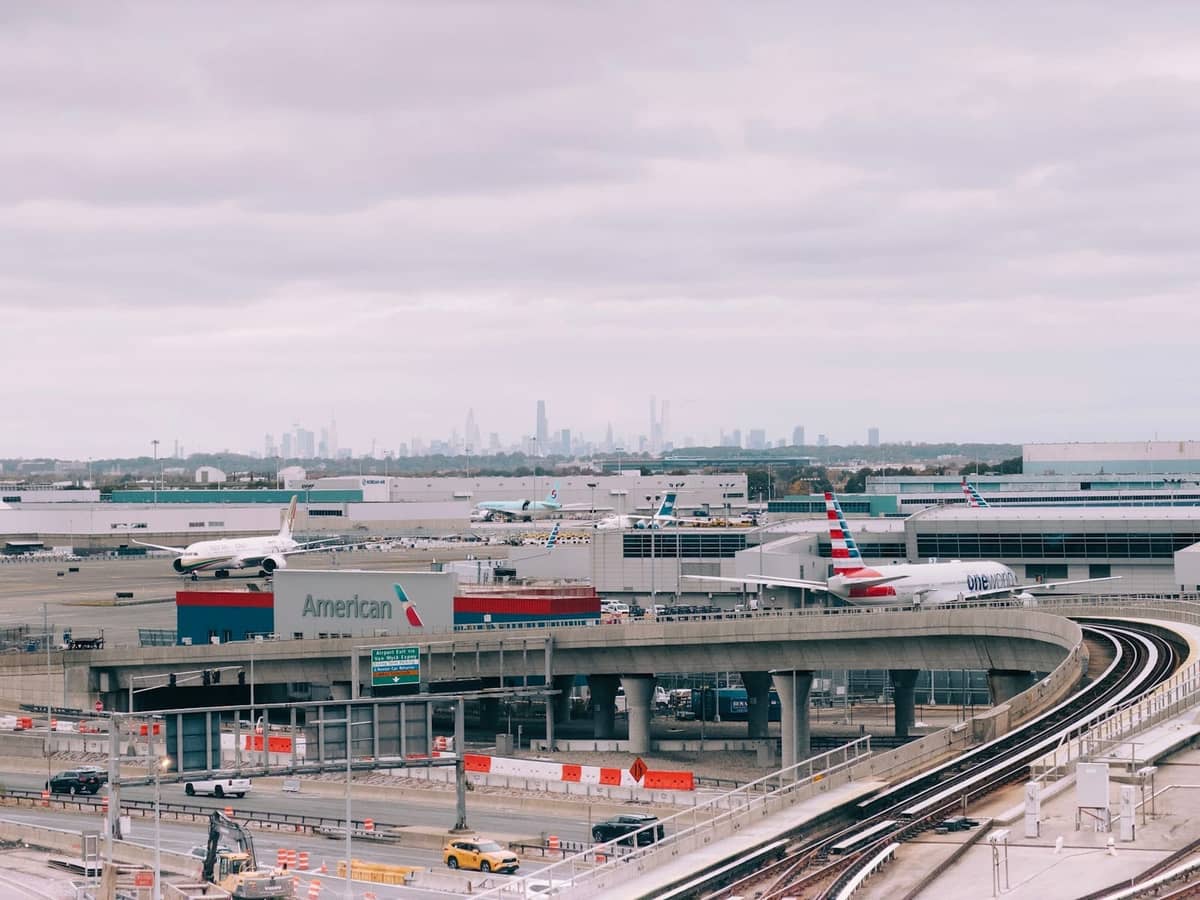
New York City has three major airports: JFK in Queens (roughly 15-20 miles from Midtown), LaGuardia also in Queens (8-10 miles), and Newark Liberty in New Jersey (16-18 miles). LaGuardia is the closest, but it has no direct rail link to Manhattan — you'll need an MTA bus connection to the subway. JFK offers the AirTrain to Howard Beach or Jamaica Station for subway or LIRR access into Midtown. From Newark, the AirTrain connects to Newark Liberty station, where NJ Transit trains run to Penn Station. Travel times vary widely by traffic, so budget 45-90 minutes from any airport during peak hours.
Do not rent a car. Parking in Manhattan costs $40-60 per day in garages, street parking is nearly nonexistent, and traffic makes taxis faster on foot than in a vehicle above 30th Street during business hours. The subway covers virtually everywhere on this itinerary. Load your phone or a contactless card with OMNY (the tap-to-pay system) at $3.00 per ride — the weekly fare cap of $35 kicks in after 12 rides if you travel frequently. Trains run 24 hours, which is especially useful when shows end late.
💡 Local tip
Book your observatory tickets before you leave home. Top of the Rock, the Empire State Building, and the Edge at Hudson Yards all sell timed-entry slots that fill days ahead on weekends. Same-day TKTS tickets for Broadway shows are available at the Times Square booth from 11am on Wednesdays, Thursdays, Saturdays, and Sundays, and from 3pm on Mondays, Tuesdays, and Fridays, but popular shows sell out fast.
Day 1: Lower Manhattan — History, Water, and the Brooklyn Bridge
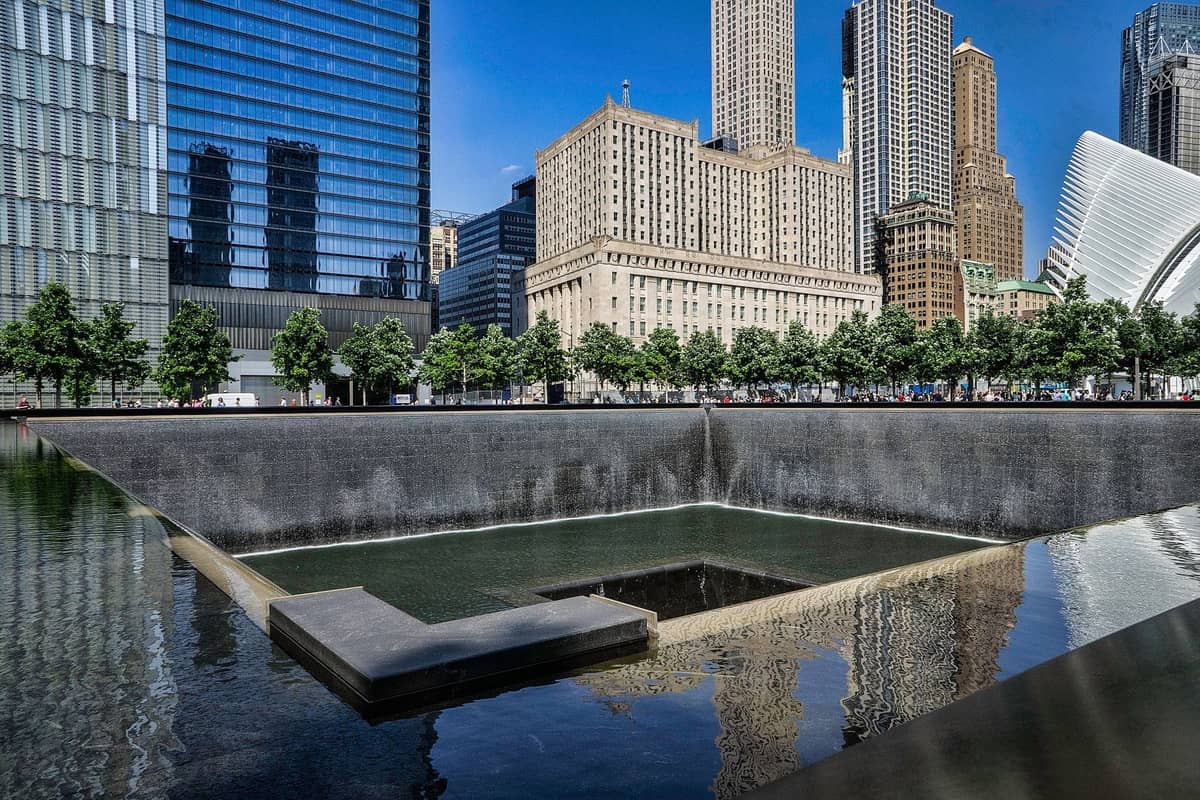
Start early at the 9/11 Memorial — the reflecting pools are quieter before 9am, and the surrounding plaza is genuinely moving without a crowd pressing around you. The outdoor memorial is free. The museum requires timed-entry tickets (around $33 for adults), and it warrants 90 minutes minimum. This is not optional sightseeing; it is one of the most significant historical sites in the United States.
From there, walk to Wall Street and the financial district, then south to Battery Park to catch the Statue of Liberty ferry. Official ferries depart from Battery Park and are operated by Statue City Cruises; adult tickets start around $24, more for pedestal or crown access (the crown requires reservations months in advance). If the Statue of Liberty feels like too much of one afternoon, the Staten Island Ferry is free and offers a comparable harbor view with a close pass by the statue.
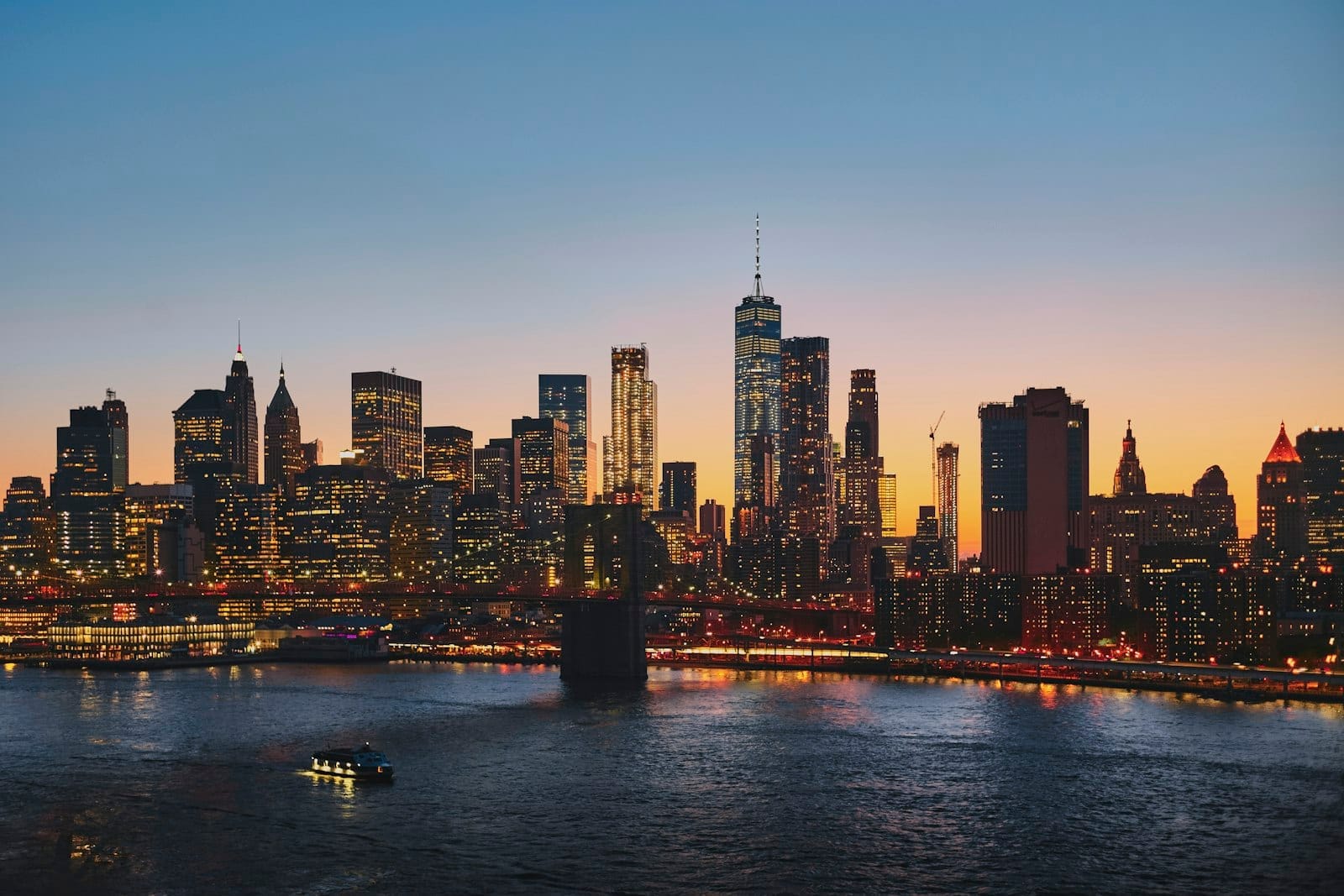
End the afternoon with a walk across the Brooklyn Bridge — about 1.3 miles each way. Go from Manhattan to Brooklyn to get the better skyline views behind you as you cross. The pedestrian walkway is elevated above the car lanes, and the Gothic towers up close are worth the walk even if you cross the bridge. From the Brooklyn side, head into DUMBO for a coffee and the iconic view of the bridge through the Manhattan Bridge archway on Washington Street. Subway back to your hotel on the A or C train from High Street station.
⚠️ What to skip
The Brooklyn Bridge pedestrian path is shared with cyclists who move fast and expect walkers to stay on their designated side. Watch for lane markings and keep children close. Peak weekend afternoons see heavy pedestrian traffic — crossing takes 30-45 minutes at a comfortable pace.
Day 2: Midtown — Skylines, Grand Architecture, and a Show
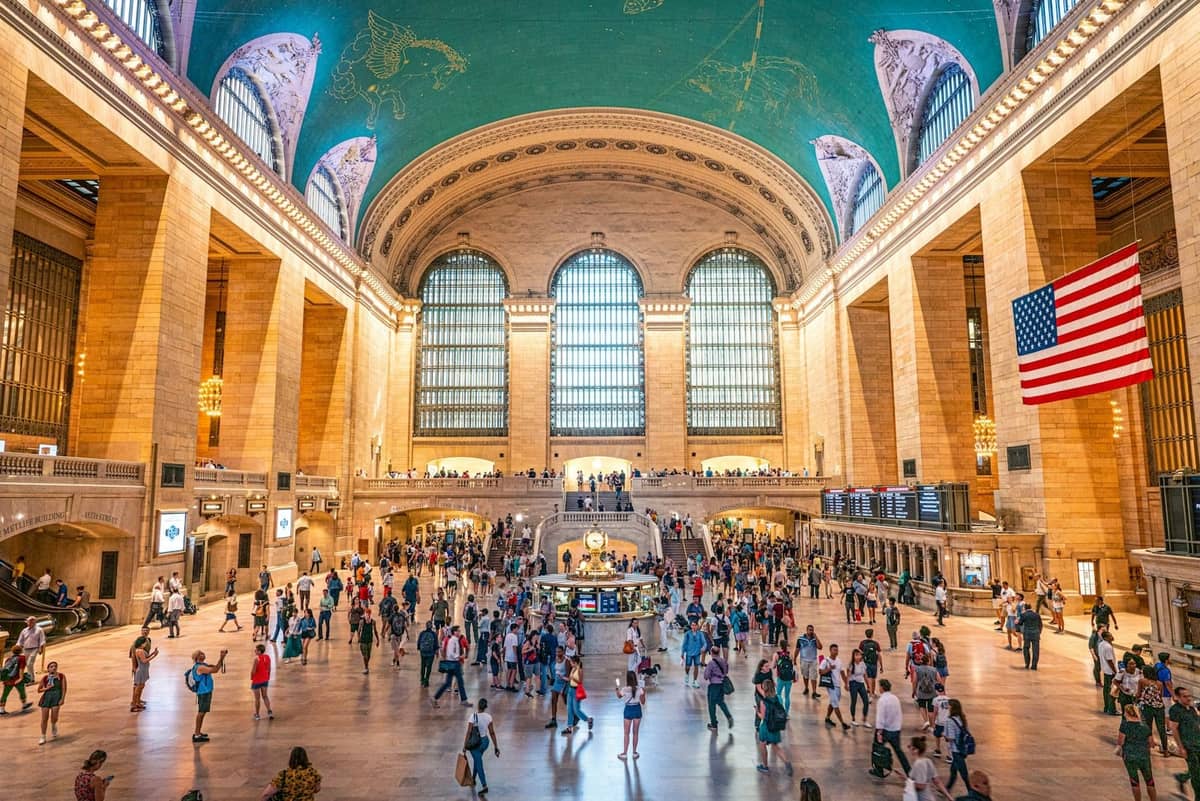
Midtown Manhattan is where most first-timers spend the bulk of their time, and there is real logic to that. Start at Grand Central Terminal — the main concourse with its turquoise celestial ceiling is one of the great interiors in American architecture. It is a functioning train station, not a museum, which makes it free and perpetually photogenic. From there, walk up to Rockefeller Center and go up Top of the Rock for the best city panorama. Tickets start from around $42 for adults. The view is superior to the Empire State Building's because you can see the Empire State Building from it — Midtown's most recognizable silhouette fills the frame to the south.
Walk west to Times Square — you should see it, but 20 minutes is plenty. The LED saturation, the noise, and the costumed characters are all part of the spectacle. Do not eat there. Restaurant prices in Times Square are inflated and quality is mediocre. Head instead to the Theater District side streets or down to Hell's Kitchen on 9th and 10th Avenues for lunch at a fraction of the cost.
Afternoon options depend on your interests. If you have booked a Broadway show for the evening, use the afternoon for the High Line — the elevated park running from Gansevoort Street in the Meatpacking District up to 34th Street. The stretch between 14th and 23rd Streets has the best plantings and Hudson River sightlines. It is about 1.45 miles total and works well as a one-way walk ending near Hudson Yards.
- Top of the Rock (30 Rockefeller Plaza) Best views of Midtown and the Empire State Building. Timed entry from ~$42. Book online — popular sunset slots sell out days ahead.
- Empire State Building (350 5th Ave) 86th-floor main deck tickets from ~$44; 102nd floor costs more. Iconic, but lines are longer and views more hemmed in than Top of the Rock.
- Edge at Hudson Yards (30 Hudson Yards) Outdoor triangular deck at 1,100 feet. Tickets from ~$40. Best at sunset or dusk. The angled glass floor is distinctly vertiginous.
- One World Observatory (285 Fulton St) Summit of One World Trade Center. Tickets from ~$34-46 depending on time. Good for the symbolic weight of the location; views are excellent but the building is slightly removed from Midtown's density.
✨ Pro tip
Pick one observatory and commit. Doing two in one trip is redundant and expensive. Top of the Rock wins for first-timers because of its central Midtown position and the Empire State Building in the frame. Edge wins if you want the most dramatic outdoor experience. The Empire State Building wins if the symbolism matters to you more than the view comparison.
Day 3: Uptown and Central Park — The City at a Different Pace
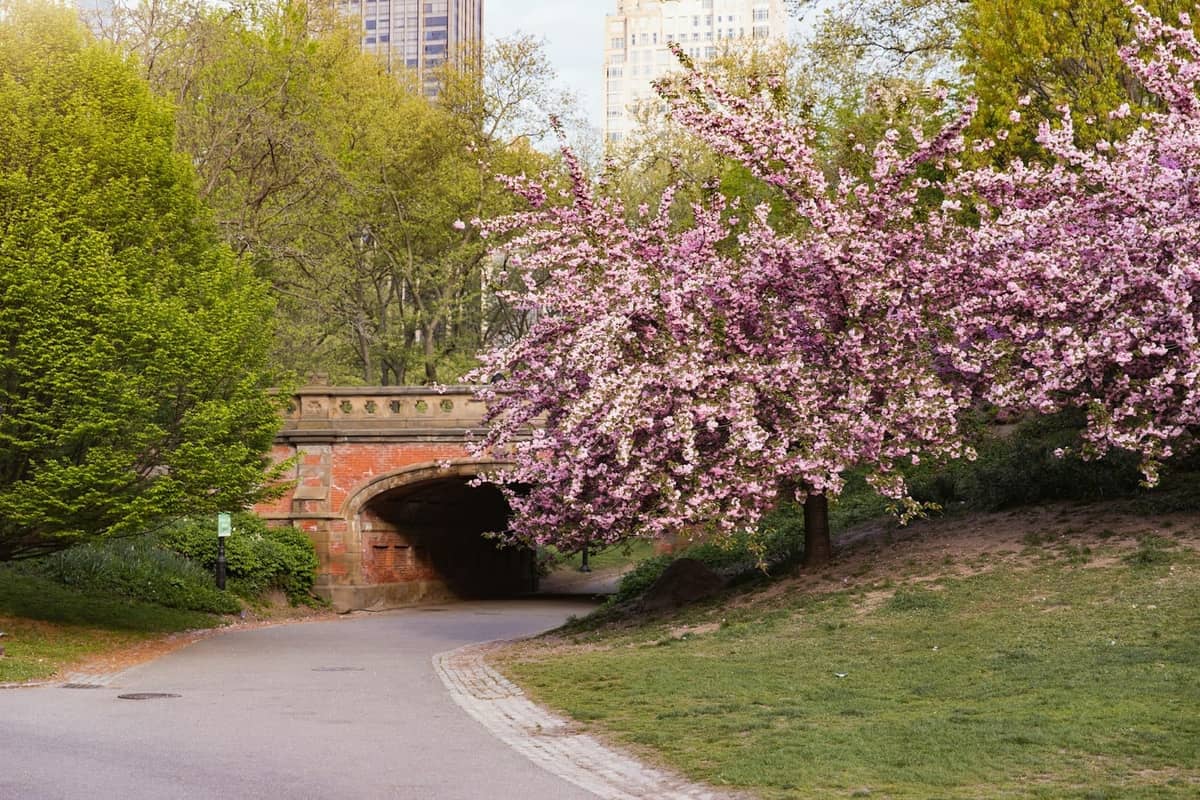
Spend the morning in Central Park. The park covers 843 acres in the middle of Manhattan and is genuinely easy to get lost in without a plan. A practical loop: enter at 72nd Street on the west side, walk to the Bethesda Terrace and Fountain, continue north to Belvedere Castle for a free elevated view of the Reservoir, then cut east and exit at 5th Avenue. The whole circuit takes about 90 minutes at a relaxed pace.
From the park's east side, the Metropolitan Museum of Art sits directly on 5th Avenue at 82nd Street. The Met is one of the largest art museums in the world — its collection spans Egyptian antiquities, European paintings from the 13th century onward, American decorative arts, Asian art, and contemporary work across more than two million objects. Plan a minimum of two hours, more if you have specific interests. Suggested admission is around $30 for adults (pay what you wish if you are a New York State resident). The rooftop sculpture garden is open seasonally and worth checking for a skyline view with a cocktail.
If contemporary art is your priority over encyclopedic collections, the Museum of Modern Art (MoMA) in Midtown is the alternative — tickets run around $30 for adults. For travelers with an extra afternoon to allocate outside Manhattan, the Brooklyn Museum is large, undervisited compared to its Manhattan counterparts, and architecturally impressive.
The Brooklyn Half-Day: What to Do and How Long You Need
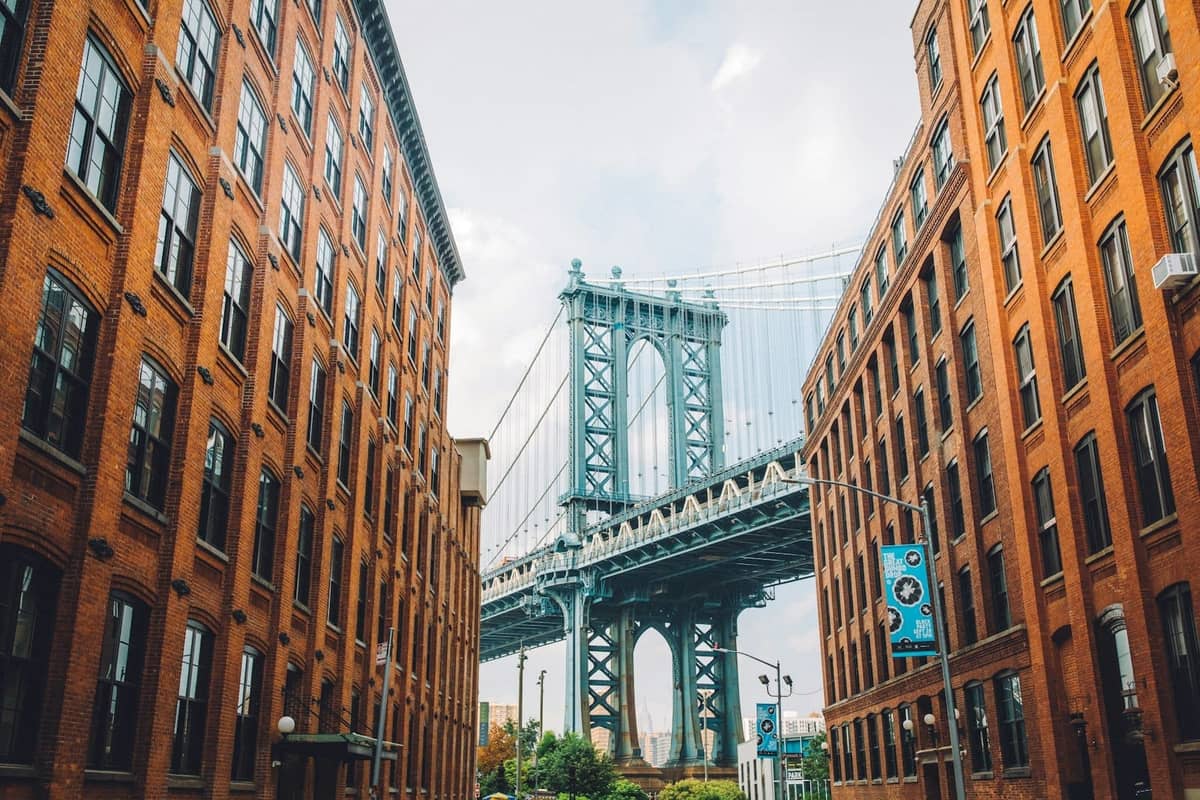
Brooklyn deserves more than an afternoon, but an afternoon is enough to get a real feel for the borough. After crossing the Brooklyn Bridge on foot (Day 1), the DUMBO neighborhood sits right at the Manhattan-side base of the bridge. Its cobblestone streets, converted warehouses, and the views of both bridges from Brooklyn Bridge Park make it the most photogenic 10 minutes in New York.
If you want more of Brooklyn on Day 3 afternoon, take the 2 or 3 train to Grand Army Plaza and walk through Park Slope into Prospect Park. On weekends from spring through fall, the Smorgasburg food market runs at Prospect Park (Sundays) — around 100 vendors and a more authentic New York food experience than anything near Times Square. Williamsburg on a Saturday has a similar energy around the waterfront and Smorgasburg (Saturdays at the Williamsburg location).
Practical Advice: Money, Food, and What to Skip
New York is expensive, but not uniformly so. A deli coffee costs $2-3; a sit-down brunch in a mid-range restaurant runs $20-35 per person before tip. Tipping is standard at 18-22% in restaurants and bars. Budget roughly $150-200 per person per day excluding accommodation if you are doing paid attractions and eating properly — less if you lean on free options like the 9/11 Memorial outdoor space, the High Line, Central Park, and the Staten Island Ferry.
- Skip Madame Tussauds and similar tourist-trap attractions near Times Square — the pricing is high and the experience thin compared to what New York's genuine cultural institutions offer.
- The TKTS booth in Times Square (red steps on 47th Street) sells same-day Broadway tickets at 20-50% off. Arrive close to opening time for evening shows to get decent availability.
- Midtown restaurant prices inflate significantly within two blocks of Times Square. Walk to 9th Avenue (Hell's Kitchen) or to the streets around Grand Central for better quality at lower prices.
- Yellow cabs are metered and legitimate — use them when you are tired or carrying bags. Uber and Lyft also operate city-wide under NYC Taxi & Limousine Commission rules.
- Tap water in New York is safe to drink and widely considered among the best municipal water in the United States. You do not need to buy bottled water.
- The subway is safe to use at all hours, including late at night, though off-peak trains can have long wait times. Check the MTA app for real-time arrivals.
For a deeper orientation before your trip, the New York City first-time visitor guide covers everything from currency to neighborhood character. If this is a couple's trip, New York City for couples has specific recommendations for restaurants, evening activities, and neighborhoods that work better in smaller, slower groups.
FAQ
Is 3 days enough for New York City?
Three days covers the essential highlights across Lower Manhattan, Midtown, and Uptown plus a half-day in Brooklyn — but at a fairly committed pace. You will see the 9/11 Memorial, at least one observatory, Central Park, the Met or MoMA, and the Brooklyn Bridge without feeling rushed if you plan by neighborhood cluster. A 4-5 day trip allows more breathing room and time for neighborhoods like Harlem, the West Village, or Queens.
What is the best way to get around NYC in 3 days?
The subway is the fastest and cheapest option for most of this itinerary. At $3.00 per ride with OMNY contactless tap, it is far more practical than taxis or ride-hailing for cross-Manhattan journeys. The OMNY weekly fare cap of $35 makes sense if you expect more than 12 rides. Within neighborhoods, walking is almost always faster than any vehicle.
Which NYC observatory is worth it for first-time visitors?
Top of the Rock at 30 Rockefeller Plaza is the most practical choice for first-timers. The outdoor observation deck offers unobstructed views in three directions, and the Empire State Building appears prominently in the southward panorama. Tickets run from around $42 for adults with timed entry. Book at least a few days ahead for popular evening slots.
How much does a 3-day NYC trip cost per person?
A realistic mid-range budget is around $150-200 per person per day excluding accommodation, covering subway fares, one paid attraction per day, meals at a mix of casual and sit-down restaurants, and incidentals. Budget travelers sticking to free attractions (9/11 outdoor memorial, High Line, Central Park, Staten Island Ferry) can manage on less. High-end dining, Broadway shows, and multiple observatory visits will push costs significantly higher.
Should I go to Times Square in NYC?
Walk through it, absolutely — the scale and spectacle are genuinely unlike anything else. But Times Square functions best as a transition point rather than a destination. Do not eat there (overpriced, low quality), do not shop there, and do not allocate more than 20-30 minutes. The TKTS discount Broadway booth on the red steps at 47th Street is a legitimate reason to be in the area — otherwise, pass through and head somewhere more interesting.