Broadway Theater District: How to Experience New York's Greatest Stage
The Broadway Theater District in Midtown Manhattan is the center of American live theater, home to 41 official Broadway houses spanning nearly a century of performance history. Whether you're booking months in advance or hunting same-day discount tickets, this guide covers everything from curtain times to architectural details.
Quick Facts
- Location
- West 41st–54th St, Sixth to Eighth Ave, Midtown Manhattan
- Getting There
- Times Square–42nd St (1, 2, 3, 7, N, Q, R, W, S lines)
- Time Needed
- 2–3 hours to explore the district; 2.5–3 hrs for a full show
- Cost
- Free to walk; show tickets typically $130–$200 (orchestra); TKTS discounts 20–50% off
- Best for
- Theater lovers, culture seekers, architecture enthusiasts, first-time NYC visitors
- Official website
- www.broadway.org
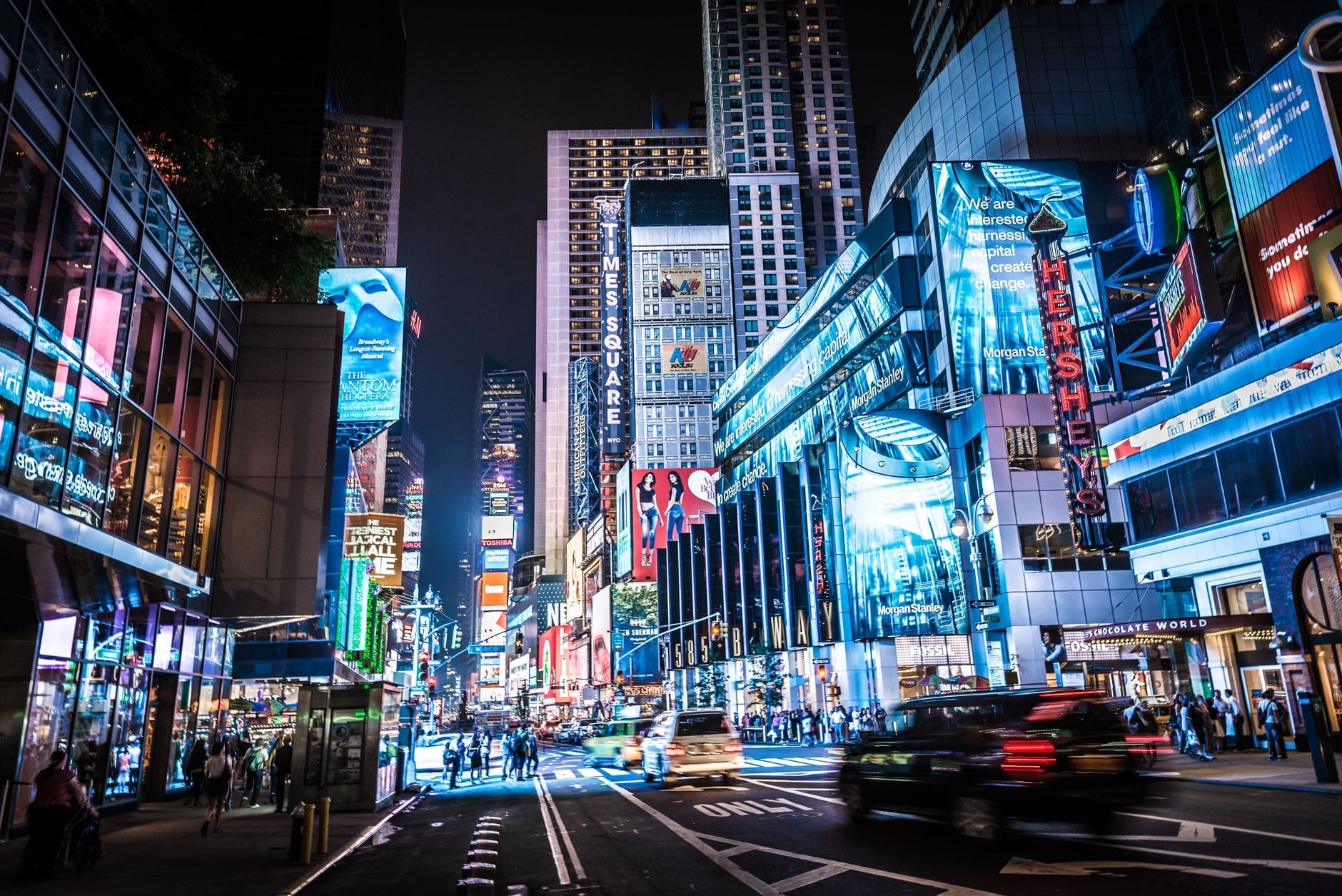
What the Broadway Theater District Actually Is
The Broadway Theater District is not one venue. It is a concentrated stretch of Midtown Manhattan, running roughly from West 40th Street to West 54th Street between Sixth and Eighth Avenues, containing 40 of the 41 officially recognized Broadway theaters (the remaining one, the Vivian Beaumont Theater, is at Lincoln Center). Each of those theaters has at least 500 seats, and together they represent the highest tier of commercial theater in the world. The term 'Broadway' is an industry designation, not just a street address, though the majority of these houses do sit on or very near the avenue itself.
On a performance night, the district operates at a different frequency than the rest of Midtown. Between 7:30 and 8:00 pm, the sidewalks along West 44th and 45th Streets become briefly impassable as thousands of theatergoers file through narrow lobby doors. An hour later, those same blocks are almost quiet. That rhythm, the surge, the hush, the post-show crowd spilling into restaurants and bars, defines the district as much as any marquee does.
💡 Local tip
Curtain times are usually 7:00 or 8:00 pm on weeknights and Saturdays, with 2:00 pm matinees on Wednesdays and Saturdays, plus Sunday matinees. Arrive at least 20 minutes early. Latecomers are typically held at the back until a suitable break in the action.
A Brief History: From Union Square to the Great White Way
New York's theater industry migrated uptown in the early 1900s, drawn by cheaper real estate and the newly electrified Times Square area. As electric marquees multiplied along the avenue, the nickname 'The Great White Way' took hold, a reference to the blaze of incandescent and neon light that made the district visible for blocks. This transformation solidified the area's identity as the city's commercial theater hub.
Twenty-five of the Broadway theaters are individually designated New York City landmarks, which means their facades are legally protected from demolition or significant alteration. Walking the district with that fact in mind changes how you look at it. The Lyceum Theatre on West 45th Street, opened in 1903, is the oldest continuously operating Broadway house. Its Beaux-Arts facade, with a steep mansard roof and ornate cornice, stands directly beside a deli and a parking garage, an entirely New York kind of architectural juxtaposition.
For deeper context on how these buildings fit into the city's broader architectural story, the New York City architecture guide covers the Theater District alongside other landmark districts in Midtown.
Tickets & tours
Hand-picked options from our booking partner. Prices are indicative; availability and final rates are confirmed when you complete your booking.
Off-Broadway tickets to The Play That Goes Wrong
From 81 €Instant confirmationBroadway tickets to & Juliet
From 123 €Instant confirmationBroadway & Times Square guided walking tour
From 33 €Instant confirmationFree cancellationBuena Vista Social Club The Musical
From 58 €Instant confirmation
How the District Looks and Feels at Different Hours
In the late morning, the district belongs to stagehands, delivery trucks, and tourists studying the marquees. The theaters are dark and their lobbies locked, but you can read the architectural language clearly: tiered cornices, terracotta ornamentation, arched windows with iron grillwork. The Shubert Theatre on West 44th Street, one of the most storied houses in American drama, has a facade that reveals its 1913 origins if you look past the current show's vinyl banners.
By mid-afternoon, box offices open, and the TKTS Discount Booth in Duffy Square begins its line. That line is worth understanding. It moves steadily, the staff are knowledgeable, and the electronic boards overhead update in real time to show which shows are available and at what discount. If you have flexibility in your choice of show, TKTS is the most reliable same-day bargain in the district.
The two hours before curtain are the district at its most cinematic. Taxis stack up along the side streets. Theatergoers in everything from jeans to formal wear converge at lobbies where programs are handed out and bar lines form. After the show, the streets flood again briefly, and the restaurants in the surrounding blocks, many of which seat late by New York standards, absorb the crowd. If you want a table within walking distance after a show, book it in advance.
ℹ️ Good to know
The TKTS booth in Times Square (at Broadway and 47th St) sells same-day evening tickets and next-day matinee tickets. A second TKTS location at Lincoln Center sells tickets a day in advance for matinee performances. Both are run by the non-profit TDF (Theatre Development Fund).
Buying Tickets: Your Realistic Options
Orchestra seats for major shows typically run $130 to $200, with premium seats for high-demand productions sometimes doubling that. If you have a specific show in mind and a specific date, buying directly through the official show website or the box office well in advance is the most straightforward approach. Prices are transparent, and you choose your seat.
For discounts, TKTS is the most legitimate option, offering 20 to 50 percent off on a rotating selection of shows. Bear in mind that the most sought-after productions, the ones that win Tony Awards or become cultural phenomena, rarely appear at TKTS because they sell full-price seats without difficulty. What you find at TKTS tends to be shows that are worth seeing but not yet household names, or longer-running productions that have stabilized their audience. That can actually work in your favor.
Lottery programs are another route. Many productions offer digital lotteries for a small number of front-row or obstructed-view seats at dramatically reduced prices, often $40 or less. Entry is free, and results are announced 48 hours or two hours before the show depending on the production. Rush tickets, sold at the box office on the day of performance, operate similarly. Neither option is guaranteed, but for budget-conscious visitors with schedule flexibility, they are worth attempting.
⚠️ What to skip
Avoid purchasing tickets from street vendors or unofficial third-party resellers outside the theater. Counterfeit tickets exist and are non-refundable. Stick to official box offices, TDF/TKTS, or the show's official website.
Walking the District: What to Look For Beyond the Marquees
Even if you never attend a show, the Theater District rewards a 45-minute walk. Shubert Alley, a private pedestrian passage connecting West 44th and 45th Streets between Eighth Avenue and Broadway, has been the informal meeting point for actors and industry figures for over a century. It is lined with production merchandise stands and headshot-sized portraits of performers, and it remains open to the public.
The district sits within walking distance of several other Midtown landmarks. Times Square anchors the southern edge and is impossible to miss. Rockefeller Center is a short walk east, and Carnegie Hall sits at the northern edge near 57th Street.
Architecture hunters should look at the facades of the Booth, Shubert, and Majestic Theaters on West 44th and 45th Streets, and the neo-Georgian facade of the Ambassador on West 49th. The Palace Theatre on Broadway near 47th Street, originally a vaudeville house that opened in 1913, underwent a major renovation that included elevating the entire auditorium two stories to make ground-floor retail possible, a telling example of how the economics of Midtown real estate shape even protected landmarks.
Practical Details for the Day of Your Show
Arrive at the theater no later than 20 minutes before curtain. Most Broadway lobbies are small relative to the audience size, and the process of finding your seat, buying a program (usually $5 to $10), and settling in takes longer than it looks. If you are in the orchestra, heading to the bar before the show rather than at intermission saves time.
Photography is almost universally prohibited once a performance begins. Many productions allow a brief window before curtain for photos, but this is announced from the stage and varies by show. Recording of any kind is a violation of the production's licensing terms and is enforced.
Dress code is informal by default. You will see people in formal attire and people in sneakers at the same performance. The theaters are air-conditioned to a fault in summer, so a light layer is advisable even in July. In winter, check whether the theater has a coat check; many do not, which means you will manage your coat at your seat.
If you are building a full day around a matinee show, the Broadway guide covers pre-show dining options and how to pair a show with other nearby activities. For those visiting on a tighter budget, the NYC on a budget guide breaks down which lottery and rush programs offer the best odds.
Accessibility and Who Should Know Before They Go
All Broadway theaters are required to provide accessible seating options, assistive listening devices, and other accommodations. The specifics vary by building, since many of these are century-old structures with architectural limitations. Shubert Audience Services handles accessibility inquiries for Shubert Organization theaters. For other houses, contact the box office directly when purchasing tickets, not as an afterthought on arrival.
The district itself is wheelchair-accessible in terms of streets and sidewalks, though the Times Square area is congested enough that navigating around large crowds requires patience. The subway station at Times Square-42nd Street has elevator access, though it is worth confirming current elevator status through the MTA's accessibility information before your visit.
Visitors hoping for a quiet cultural experience may find the surrounding Times Square area jarring. The theaters themselves are calm, professional environments, but the blocks immediately outside involve significant foot traffic, street performers, costumed characters soliciting tips, and persistent noise. If sensory overstimulation is a concern, arriving by subway and heading directly into the theater rather than lingering on the square is a practical strategy.
Insider Tips
- Wednesday matinees are the least attended performances of the week for most shows, which sometimes means better service at the bar, easier coat check lines, and a more relaxed pre-show atmosphere. Midweek matinees also tend to have better seat availability for popular shows.
- The TDF (Theatre Development Fund) membership program offers significantly discounted tickets to a much wider range of shows than the public TKTS booth. Membership is open to people in qualifying professions including students, teachers, non-profit workers, and performing arts industry workers. The annual fee is modest relative to the savings.
- Standing room tickets (SRO) are sold for some shows on the day of performance at the box office when the house is otherwise sold out. These are legitimate, cheap, and often available for productions you could not otherwise get into. Standing for 2.5 hours is not ideal, but for the right show it is worth it.
- If you want to see a touring production of a Broadway show at a fraction of the cost, consider checking what is playing at your local touring venues before buying for a show in the same title's Broadway run. Conversely, world premiere productions only happen on Broadway, so original casts are uniquely available here.
- Post-show, the block of West 46th Street between Eighth and Ninth Avenues, known as Restaurant Row, has been a theater-crowd dining destination for decades. Reservations fill up on weekend evenings, but walk-ins at the bar remain possible at most of these spots if you arrive immediately after curtain.
Who Is Broadway Theater District For?
- First-time New York City visitors who want to experience something distinctly and irreproducibly New York
- Culture travelers who follow theater, dance, or musical performance and want to see work at the highest production level
- Architecture enthusiasts interested in early 20th-century performance venue design and landmark preservation
- Couples and groups looking for a shared evening event with genuine emotional stakes
- Visitors who can plan flexibly and are willing to use TKTS or lottery programs to access shows at reduced cost
Nearby Attractions
Other things to see while in Midtown Manhattan:
- Bryant Park
Tucked behind the New York Public Library on Sixth Avenue, Bryant Park is an 8-acre public park that holds its own against the surrounding skyscrapers. Free to enter year-round, it shifts character dramatically by season, from a winter ice rink to a summer outdoor cinema — and remains one of the most functional and well-managed public spaces in New York City.
- Carnegie Hall
Carnegie Hall has anchored Midtown Manhattan's cultural life since 1891. With three auditoriums ranging from 268 to 2,790 seats, it hosts everything from orchestral premieres to intimate recitals. This guide covers the halls, the history, and exactly how to make the most of a visit.
- Chrysler Building
Completed in 1930 and briefly the tallest building on earth, the Chrysler Building remains the finest example of Art Deco architecture in New York City. Visitors generally can't go inside beyond the main lobby, but the experience of standing beneath its gleaming stainless steel crown is genuinely unforgettable.
- Empire State Building
The Empire State Building rises 1,454 feet above Midtown Manhattan and remains the most recognizable skyscraper in New York City. Its two observatories offer sweeping views across Manhattan, Brooklyn, Queens, and The Bronx, and the Art Deco lobby alone is worth a stop even if you never ride an elevator. Here is everything you need to know before you go.