New York City Architecture Guide: Skyscrapers, Landmarks, and Hidden Facades
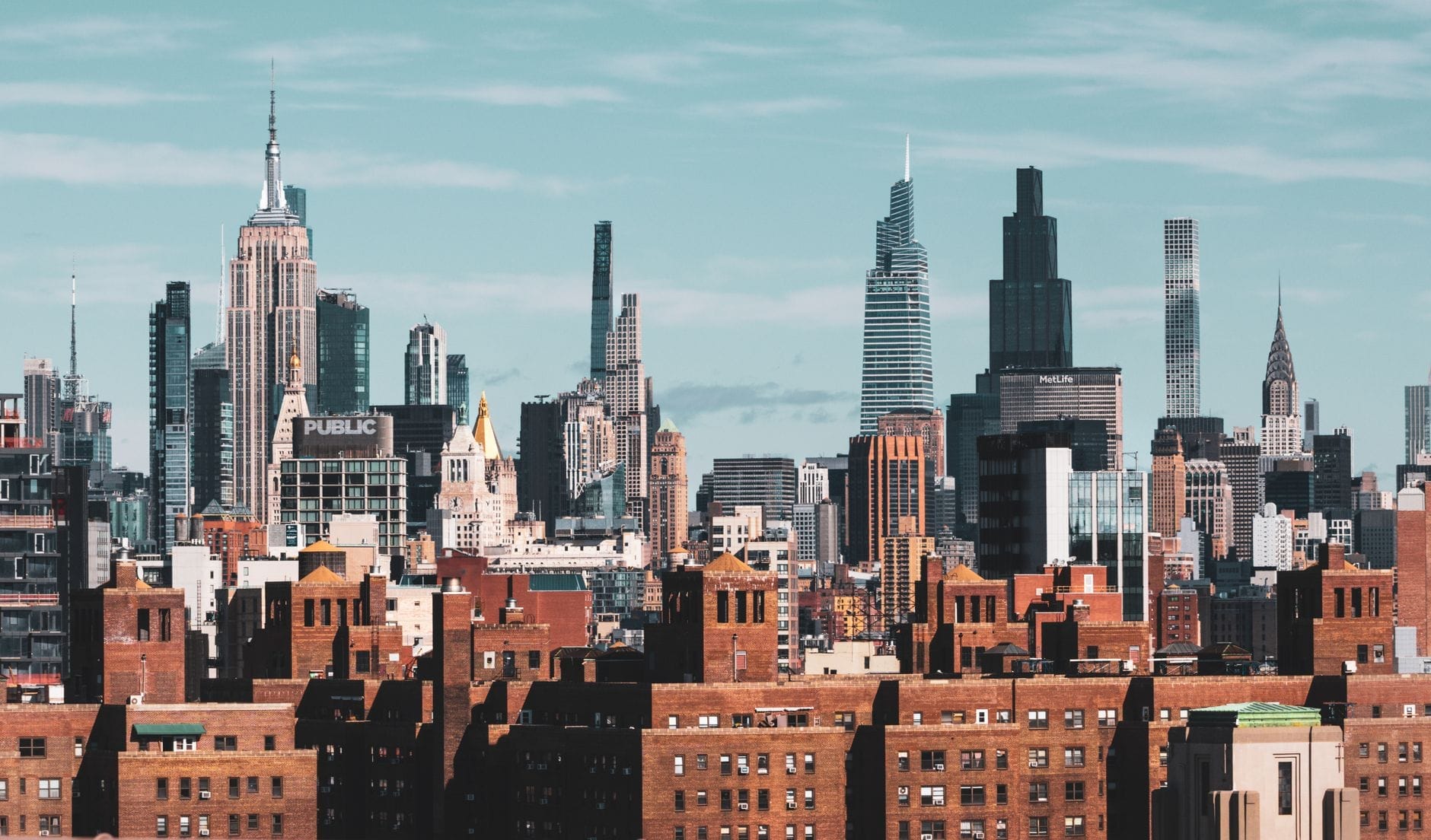
New York City contains more than 7,000 completed high-rise buildings spanning four centuries of architectural history. This guide breaks down the city's defining styles, the best buildings to visit by neighborhood, observation deck logistics, and how to explore beyond Manhattan's famous skyline.
Plan and book this trip
Tools from our partner Travelpayouts help you compare flights and hotels. If you book through them, we may earn a commission at no extra cost to you.
Flights
Hotels map
TL;DR
- NYC's architecture spans four centuries, from 19th-century Beaux-Arts terminals and brownstones to 21st-century supertall glass towers.
- The Art Deco era produced the city's most beloved icons: the Empire State Building (1931) and the Chrysler Building (1930) are the two buildings visitors ask about most.
- Most major observation decks use timed entry and require advance booking. Walk-up availability is unreliable, especially on weekends.
- Significant architecture exists in every borough, not just Manhattan. Brooklyn, Queens, and The Bronx all reward serious architecture walkers.
- For a structured introduction to the city's layout before diving into architectural neighborhoods, the NYC neighborhoods guide is a useful starting point.
Four Centuries of Style: NYC's Architectural Timeline
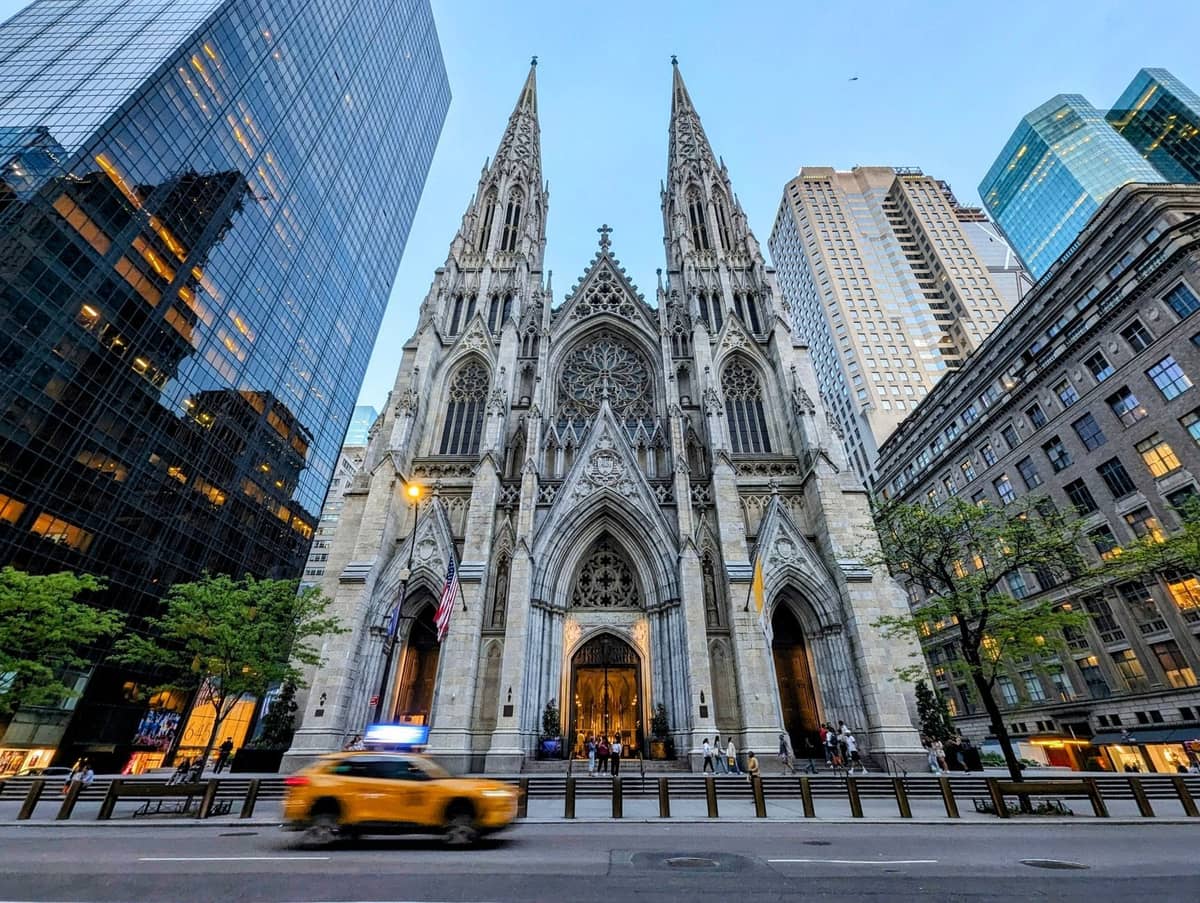
New York City is genuinely unusual among world cities in that almost every major Western architectural movement of the past 200 years left a physical imprint here, and most of those buildings are still standing. The result is a street-level experience where a Gothic Revival church sits across from an International Style office tower, which sits next door to a cast-iron warehouse from the 1870s. Very few cities offer this kind of density across eras.
The pre-Civil War period is largely represented by Greek Revival row houses in Greenwich Village and the Federal-style buildings that survive in Lower Manhattan. Cast-iron architecture dominated commercial districts in the 1860s and 1870s, and the neighborhood now called SoHo contains one of the largest intact concentrations of cast-iron facades in the world. These buildings were built for light manufacturing and warehousing, not for beauty, but the repetitive ornamental columns and wide windows have aged extraordinarily well.
The Beaux-Arts movement, imported from the École des Beaux-Arts in Paris, produced some of the city's most celebrated civic buildings between roughly 1880 and 1920. Grand Central Terminal (completed 1913) is the most-visited example, but the main branch of the New York Public Library on Fifth Avenue (1911) and the Customs House in Lower Manhattan (now the National Museum of the American Indian) are equally significant and considerably less crowded. The skyscraper era began in earnest in the 1890s with the New York World Building (1890) and Park Row Building (1899), both of which briefly held the title of the world's tallest building.
- Cast Iron (1860s-1880s) Concentrated in SoHo. Look for repetitive Corinthian columns, large plate glass windows, and facades that were prefabricated in foundries and bolted together on-site.
- Beaux-Arts (1880s-1920s) Grand civic gestures: Grand Central Terminal, the New York Public Library, the old Penn Station (demolished 1963, still mourned). Characterized by classical detailing, grand stairs, and monumental scale.
- Art Deco (1920s-1940s) NYC's signature era. Setback profiles mandated by the 1916 Zoning Resolution created the tiered wedding-cake silhouette. The Chrysler Building's eagle gargoyles and the Empire State's mast are the most recognizable examples.
- International Style / Modernism (1950s-1970s) Glass curtain walls and steel frames, often criticized for erasing street-level character. The Seagram Building on Park Avenue (1958, Mies van der Rohe) is considered the masterwork of this period in NYC.
- Postmodern and Contemporary (1980s-present) Ranges from AT&T Building's (now 550 Madison) famous Chippendale top to the supertall residential towers of Billionaires' Row on 57th Street, some of which exceed 1,400 feet.
ℹ️ Good to know
The 1916 Zoning Resolution was a turning point in global urban design. It required buildings above a certain height to step back from the street as they rose, preventing the street-level darkness that early skyscrapers like the Equitable Building (1915) created. This law helped produce the tiered Art Deco silhouette that defines the classic NYC skyline.
The Essential Buildings: Where to Start
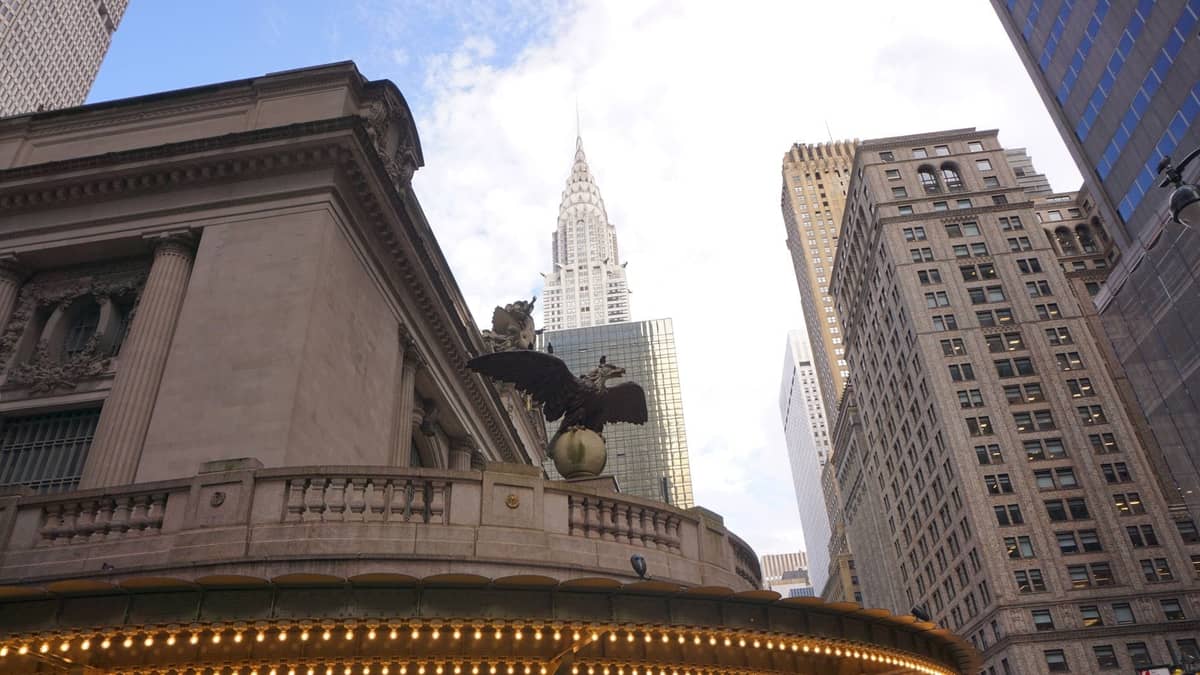
Most architecture itineraries anchor in Midtown, and for good reason. Within about a mile of Grand Central Terminal you can walk past the Chrysler Building, the Seagram Building, Lever House, St. Patrick's Cathedral, and Rockefeller Center. The scale and density of this concentration is genuinely unmatched. Grand Central itself deserves more than a glance through the main concourse: the ceiling's astronomical mural (with its constellations painted on a cerulean background), the whispering gallery near the lower level, and the Tennessee marble staircases are all free to examine at any time.
Lower Manhattan rewards a different kind of walk. The 9/11 Memorial pools sit within a district that layers financial architecture from the 1890s to the present day. The Woolworth Building (1913, Cass Gilbert), nicknamed the Cathedral of Commerce, is visible from several blocks away. The Oculus at the World Trade Center (Santiago Calatrava, 2016) is genuinely spectacular from the interior at midday when light floods through its central spine, though opinions on whether it fits its context are divided.
- Empire State Building (1931): The Art Deco standard. The exterior is best viewed from 34th Street looking west, or from the observation deck at Top of the Rock across town.
- Chrysler Building (1930): Many architects consider this the city's most beautiful tower. The stainless steel crown with its eagle gargoyles is best seen in late afternoon light from Lexington Avenue.
- Rockefeller Center (1930-1940): A rare example of a coherent urban complex built to a single design vision. The Art Deco murals in 30 Rock's lobby are free to see during business hours.
- Flatiron Building (1902): The triangular Fuller Building at the junction of Broadway and Fifth Avenue. Currently undergoing a conversion to residential use, so interior access varies.
- One World Trade Center (2014): At 1,776 feet, the tallest building in the Western Hemisphere. Best seen from across the Hudson in Jersey City or from Brooklyn Bridge Park.
- Seagram Building (375 Park Ave, 1958): Mies van der Rohe's masterwork. The bronze-and-glass curtain wall and the setback plaza were both groundbreaking. Most visitors walk past it.
- The Vessel at Hudson Yards (2019, Thomas Heatherwick): 154 interconnected staircases forming a climbable sculpture. Controversial among critics, popular with visitors.
Observation Decks: Honest Rankings and Booking Advice
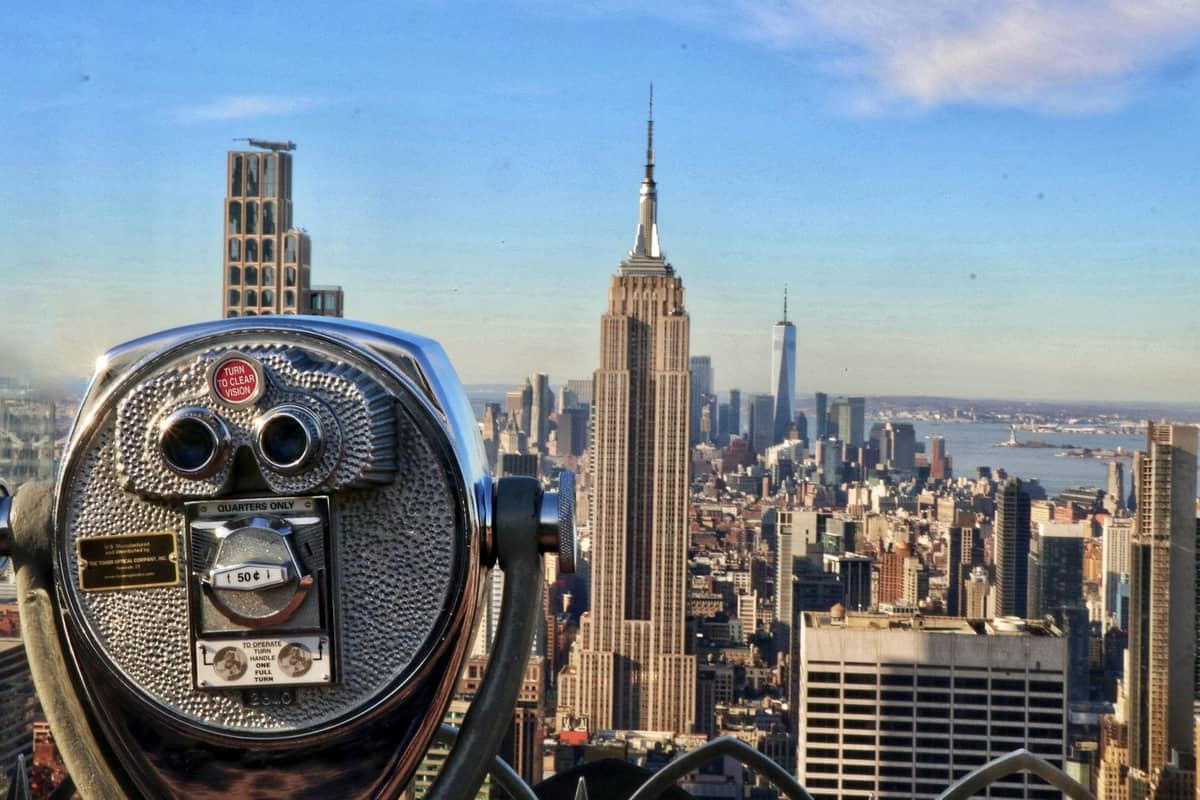
Three observation decks dominate the NYC market, and they are not interchangeable. Choosing the wrong one for your priorities is a common and expensive mistake. All three typically require advance timed-entry ticket booking. Walk-up windows exist but selling out by mid-morning on weekends and holidays is common, especially in summer and around Thanksgiving and New Year's.
- Top of the Rock (30 Rockefeller Plaza) The best view of Manhattan for most visitors. From here you can see the Empire State Building in the skyline, which you cannot do from the Empire State itself. The outdoor terrace is open and unobstructed. Book via the official site; sunset and twilight slots sell out fastest.
- Empire State Building (350 Fifth Ave) Two observation levels: 86th floor (open-air) and 102nd floor (enclosed, premium price). The 86th-floor deck is iconic but the guardrail fencing interrupts photography. Best for night visits when the city lights compensate. The main deck alone is worth the trip for the experience.
- Summit One Vanderbilt The newest and most experiential option. Multi-room installation with mirrored rooms, glass floors, and a glass-enclosed outdoor ledge. More of a designed experience than a traditional deck. Better for groups and those who want something beyond a standard panoramic view.
- One World Observatory (285 Fulton St) Good views of Lower Manhattan, the harbor, and Brooklyn. Less central for viewing the Midtown skyline. Worth considering if you are already spending time in Lower Manhattan.
- The Edge at Hudson Yards Triangular outdoor deck with glass floors. The western perspective over the Hudson River and New Jersey is unique, but the Midtown skyline view is less satisfying than Top of the Rock or the Empire State.
✨ Pro tip
The New York CityPASS and New York City Explorer Pass both include observation deck access and can save money if you are planning to visit multiple attractions. Compare the included options before buying, since the decks included vary by pass type. Check the current pass contents at nyc.com or the individual pass provider websites before purchasing.
Architecture Beyond Manhattan: The Outer Boroughs
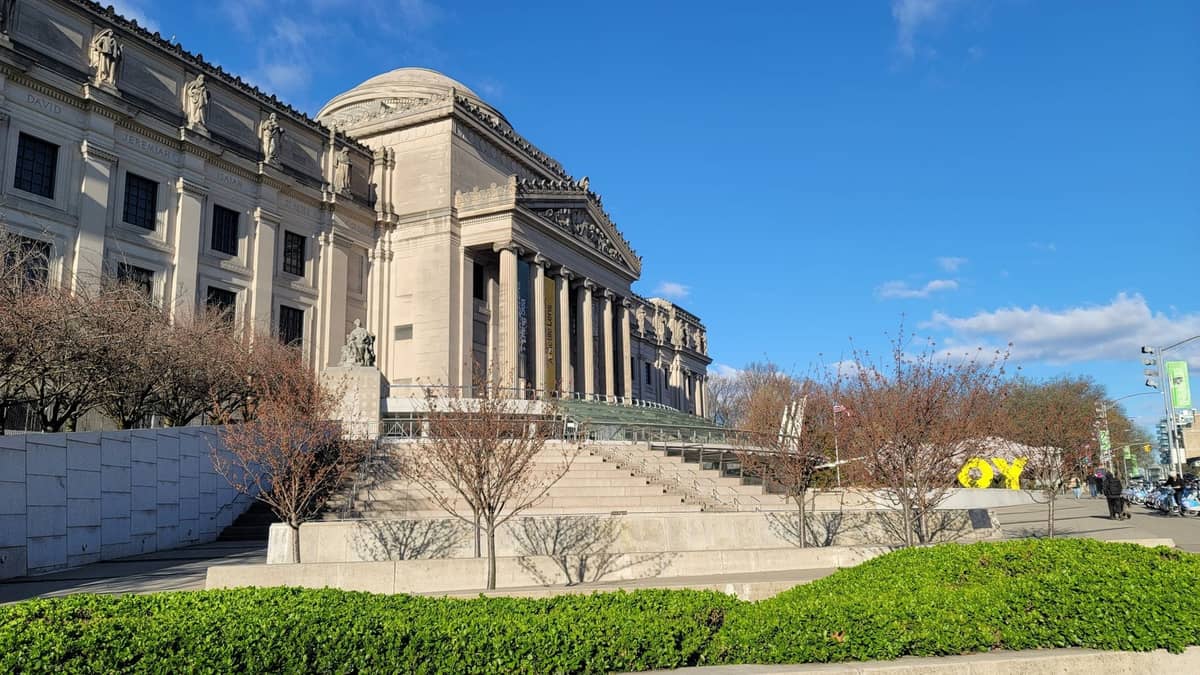
The assumption that serious architecture tourism ends at the East River is badly wrong. Brooklyn alone has an extraordinary range: the Brooklyn Bridge (completed 1883, John Roebling), which remains one of the most structurally elegant suspension bridges ever built; the grand Beaux-Arts buildings of Borough Hall and the former Williamsburg Savings Bank; and the remarkable concentration of 19th-century brownstone row houses in Brooklyn Heights, Park Slope, and Cobble Hill. Walking the tree-lined streets of Park Slope on a weekday morning, when there is little foot traffic, gives a clearer sense of what the city looked like before the 20th century than most Manhattan neighborhoods can.
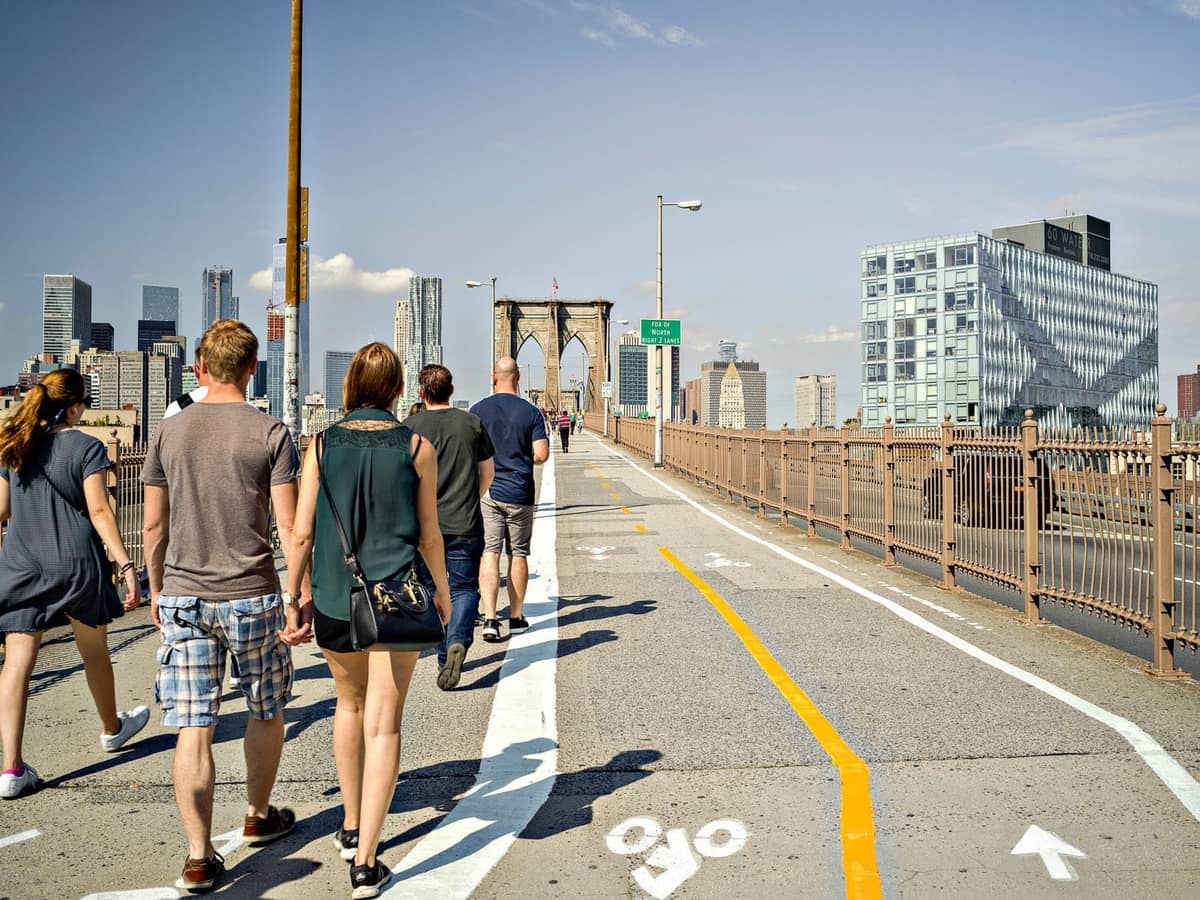
The Brooklyn Bridge pedestrian walkway is one of the best free architecture experiences in the city. Walk from the Manhattan side early in the morning (before 8am) to avoid the midday crowds and get clear sightlines on the Gothic Revival stone towers. On the Brooklyn side, the route connects directly to Brooklyn Bridge Park, from which the Lower Manhattan skyline is one of the most photographed in the world.
In Queens, the Kaufman Astoria Studios complex (now a media production facility) and the historic architecture of Flushing's downtown reflect the borough's layered immigrant history. Long Island City has seen significant contemporary development, including the Citigroup Building and newer residential towers, creating an interesting contrast with the industrial buildings that preceded them. The Bronx contains Wave Hill, a cultural center in Riverdale whose grounds overlook the Hudson, and the Grand Concourse, a boulevard modeled on the Champs-Élysées that is lined with exceptional Art Deco apartment buildings from the 1920s and 1930s.
💡 Local tip
The Grand Concourse in The Bronx is one of the most underappreciated Art Deco streetscapes in the United States. Several buildings along the stretch between 161st and 167th Streets retain their original ornamental facades. Take the 4 train to 161st Street-Yankee Stadium and walk north for a free self-guided architecture walk that most tourists never attempt.
Architecture Walks, Tours, and Practical Logistics
Self-guided architecture walks are free and require nothing beyond a good map. The AIA Guide to New York City (published by the American Institute of Architects) is the most comprehensive printed reference, organized by neighborhood with building-by-building annotations. For digital options, the NYC walking tours guide covers organized tours that include architectural focus routes in Midtown, Lower Manhattan, and Brooklyn.
The Municipal Art Society (MAS) runs architecture tours year-round, including their popular Grand Central Terminal tour which goes into areas not open to the general public. The Open House New York Weekend, held each October, opens private and normally inaccessible buildings to the public for free. It is one of the best ways to see interiors that are otherwise off-limits, and planning is worth doing well in advance as popular buildings fill up quickly.
For logistics: Midtown's architectural core is walkable, but getting between Lower Manhattan and Midtown is faster by subway than on foot (the distance is about 4 miles). The guide to getting around NYC covers subway routes in detail. Most exterior architecture can be seen year-round, but winter visits require awareness of shorter daylight hours. Photography of facades is best in the two hours after sunrise or the hour before sunset when direct light is angled and shadows define details. Midday light in summer flattens most stone and metal surfaces.
- Midtown Architectural Walk: Start at Grand Central Terminal, walk north on Park Avenue past the Seagram Building and Lever House, then west on 57th Street toward Carnegie Hall and the new supertalls.
- Lower Manhattan Walk: Ferry Building to the Oculus, north through the Woolworth Building block, then up Broadway past City Hall.
- Brooklyn Heights and DUMBO: Start at the Brooklyn Bridge pedestrian walkway, walk through DUMBO's cobblestone streets and 19th-century warehouses, then north into Brooklyn Heights brownstone rows.
- SoHo Cast Iron District: Bounded roughly by Houston, Canal, Crosby, and West Broadway. Greene Street has the most intact block of cast-iron facades.
- Harlem Exploration: 125th Street commercial corridor, the Apollo Theater facade, and the residential brownstones of Strivers' Row (West 138th and 139th Streets).
Seasonal Considerations and Common Mistakes
Architecture in New York City can be experienced in every season, but the conditions vary enough that timing matters. Spring (April to early June) and fall (September to October) offer the best combination of mild temperatures for walking, clear skies, and manageable crowds at observation decks. Summer brings extreme heat and humidity that can make long walking itineraries uncomfortable by mid-morning, and observation deck crowds peak in July and August. December has the shortest daylight hours, but the Midtown holiday lights and the relative calm of weekday mornings in January and February make winter visits viable for those focused on buildings rather than outdoor experiences.
The most common mistake architecture-focused visitors make is spending too much time in Midtown and not enough time in neighborhoods where buildings exist at a human scale. The brownstone blocks of the West Village, the Federal-era streetscapes of Stone Street in Lower Manhattan, and the industrial loft buildings of the Meatpacking District tell parts of the city's story that no skyscraper can. A second common error is treating observation decks as the primary architectural experience rather than as one element of a broader itinerary. The buildings are best understood from street level, where proportions, materials, and context are all visible simultaneously.
⚠️ What to skip
The Flatiron Building's ground-floor retail and interior access have varied significantly during its ongoing residential conversion. Do not plan an interior visit without checking current access status. The exterior is always viewable from the public sidewalks at the Broadway and Fifth Avenue intersection.
For visitors who want a broader context for NYC's cultural institutions alongside its architectural history, the best museums in New York City guide includes institutions like the Skyscraper Museum in Lower Manhattan (dedicated specifically to tall building history) and the Museum of the City of New York in East Harlem, which holds extensive architectural archives and photography collections.
FAQ
What is the best observation deck in New York City for views?
Top of the Rock at 30 Rockefeller Plaza gives the most balanced panoramic view of Manhattan because it places the Empire State Building in the skyline rather than hiding it. Summit One Vanderbilt is more experiential and better for groups. The Empire State Building's 86th-floor deck is iconic but the protective fencing limits photography. All three require advance timed-entry booking.
Can I see New York City architecture for free?
Yes. Almost all of the city's most significant facades, streetscapes, and public spaces are viewable at no cost. Grand Central Terminal, the Woolworth Building lobby (limited access), the Oculus interior, Rockefeller Center's public plaza, the SoHo cast-iron district, and the Brooklyn Bridge pedestrian walkway are all free. The Open House New York Weekend each October also opens private buildings for free public access.
Is all the important architecture in Manhattan?
No. Brooklyn has exceptional Beaux-Arts civic buildings, the Brooklyn Bridge, and one of the largest concentrations of preserved Victorian brownstones in the country. The Grand Concourse in The Bronx is one of the finest Art Deco streetscapes in the United States. Queens has early 20th-century industrial buildings and diverse residential architecture. Staten Island's St. George neighborhood has notable early 20th-century civic buildings near the ferry terminal.
What is the best time of year to visit NYC for architecture walks?
April to early June and September to October are the most comfortable for extended walking itineraries. Temperatures are generally moderate, daylight hours are reasonable, and humidity is lower than in July and August. Winter visits are viable for motivated walkers and have the advantage of fewer crowds at observation decks, but short daylight hours limit photography windows significantly.
Are there organized architecture tours in New York City?
Yes. The Municipal Art Society runs guided tours year-round, including access to normally restricted spaces like parts of Grand Central Terminal. The Open House New York Weekend in October is the largest annual event of this kind. Several private companies offer walking tours focused on specific eras or neighborhoods, including Art Deco Midtown tours and SoHo cast-iron district walks. The AIA Guide to New York City is the best resource for self-guided exploration.