New York City Neighborhoods Guide: Every Borough, Every Vibe
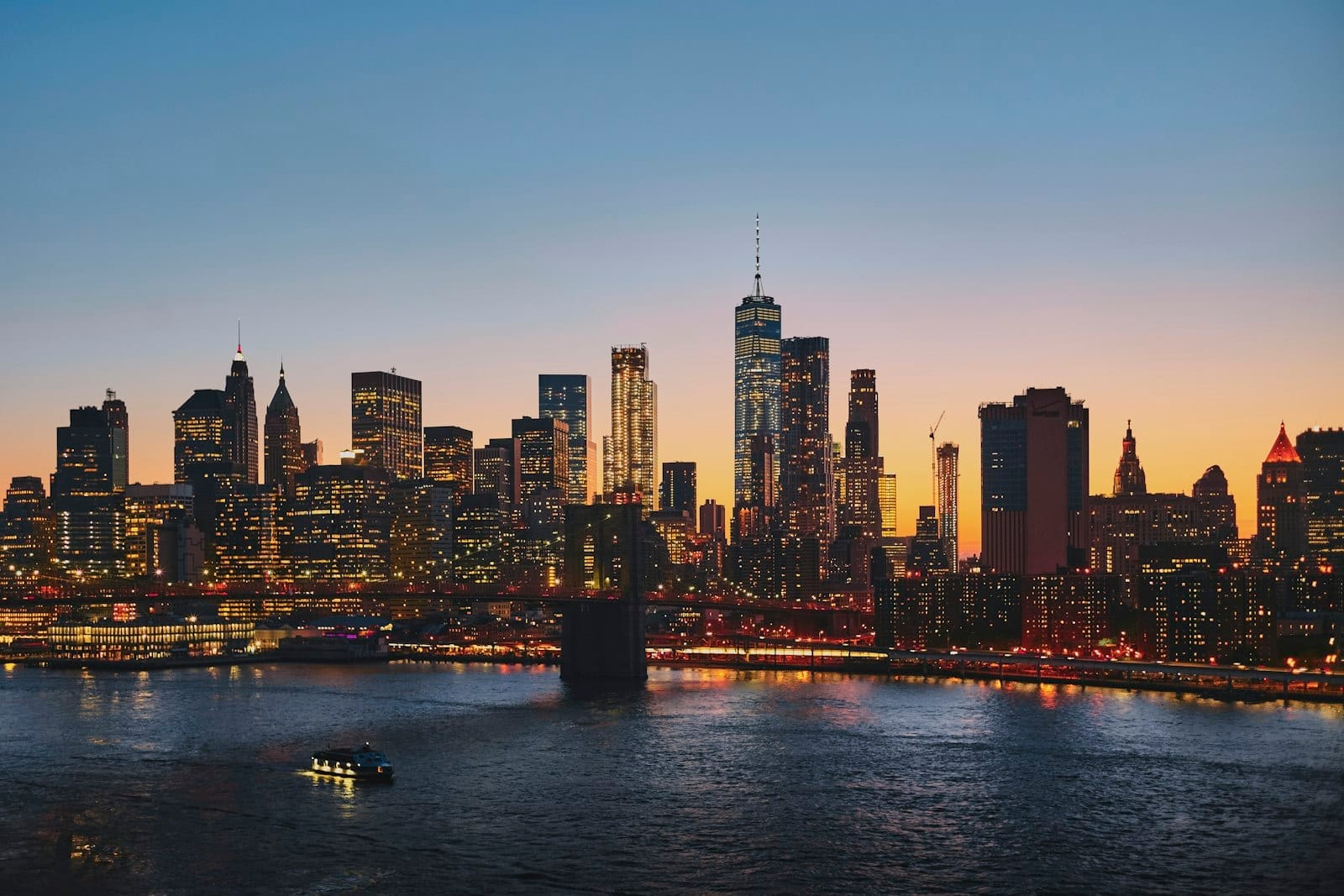
New York City's neighborhoods span five boroughs and dozens of distinct communities, each with its own character, price point, and visitor experience. This guide breaks down what each area is actually like, who it suits, and what you need to know before you go.
Plan and book this trip
Tools from our partner Travelpayouts help you compare flights and hotels. If you book through them, we may earn a commission at no extra cost to you.
Flights
Hotels map
TL;DR
- NYC has five boroughs: Manhattan, Brooklyn, Queens, The Bronx, and Staten Island, each containing multiple distinct neighborhoods with very different characters.
- Manhattan is the most tourist-oriented borough, but neighborhoods like Williamsburg and Astoria offer a more local experience at lower cost.
- First-time visitors typically base themselves in Midtown or the Flatiron area for subway access; repeat visitors often prefer Brooklyn or Queens neighborhoods for better value.
- 'Downtown,' 'Midtown,' and 'Uptown' are directional labels, not official neighborhood names — exact boundaries shift depending on which guide you read.
- Neighborhood character shifts dramatically by season: check the best time to visit NYC before planning around outdoor areas.
How NYC's Geography Actually Works
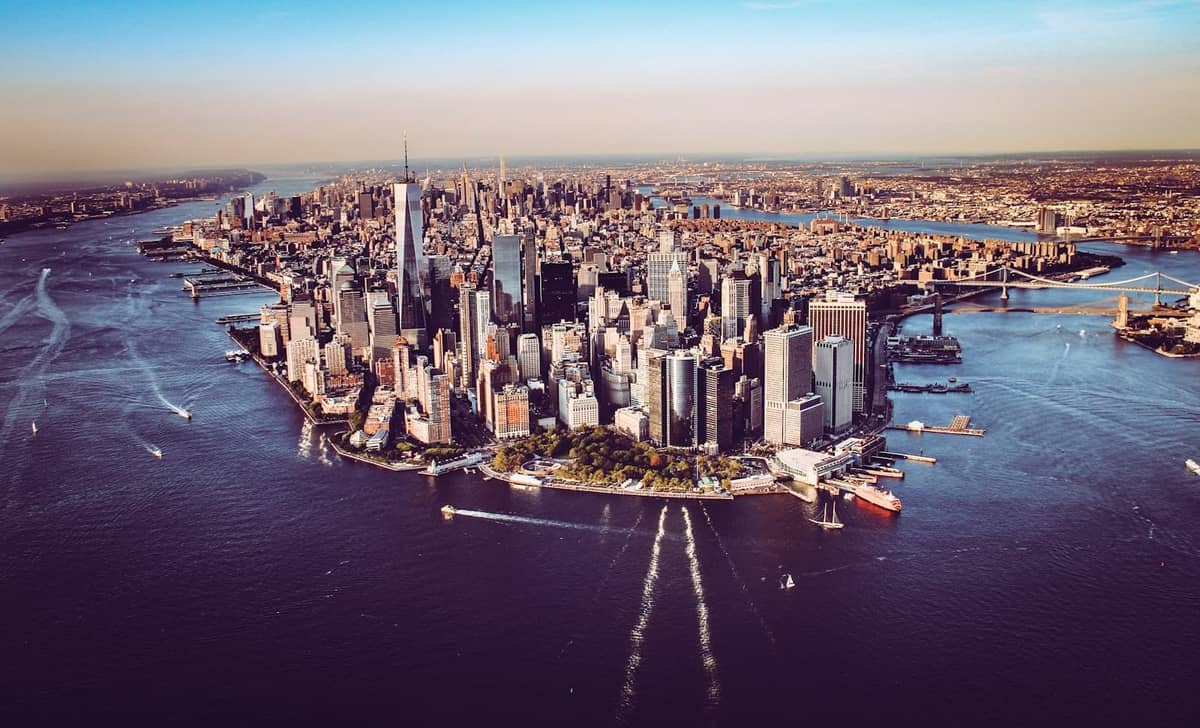
New York City neighborhoods confuse first-time visitors more than almost any other logistical question about the city. The reason: NYC is not one place. It is five distinct boroughs, each functioning as a county under New York State law, each with its own neighborhoods, subway coverage, culture, and pace. Manhattan, Brooklyn, Queens, The Bronx, and Staten Island together cover over 300 square miles and house about 8.3 million people. Understanding this structure is the foundation of any useful New York City neighborhoods guide.
Manhattan is the smallest of the five boroughs by land area but one of the most densely populated and the one visitors typically mean when they say 'New York.' It is divided loosely into Lower Manhattan (south of Chambers Street), Midtown (roughly 34th to 59th Street), and Upper Manhattan (60th Street and above), though these are informal labels. The real neighborhood names — SoHo, Chelsea, Hell's Kitchen, Harlem, the Upper East Side — are what locals actually use, and their boundaries are genuinely contested.
ℹ️ Good to know
Manhattan street addresses run north-south on avenues and east-west on streets. Street numbers increase as you go uptown (north). Even-numbered addresses are generally on the south or east side of a block; odd-numbered on the north or west. Once you learn this, navigating Midtown becomes much faster.
Manhattan: The Tourist Core and Beyond
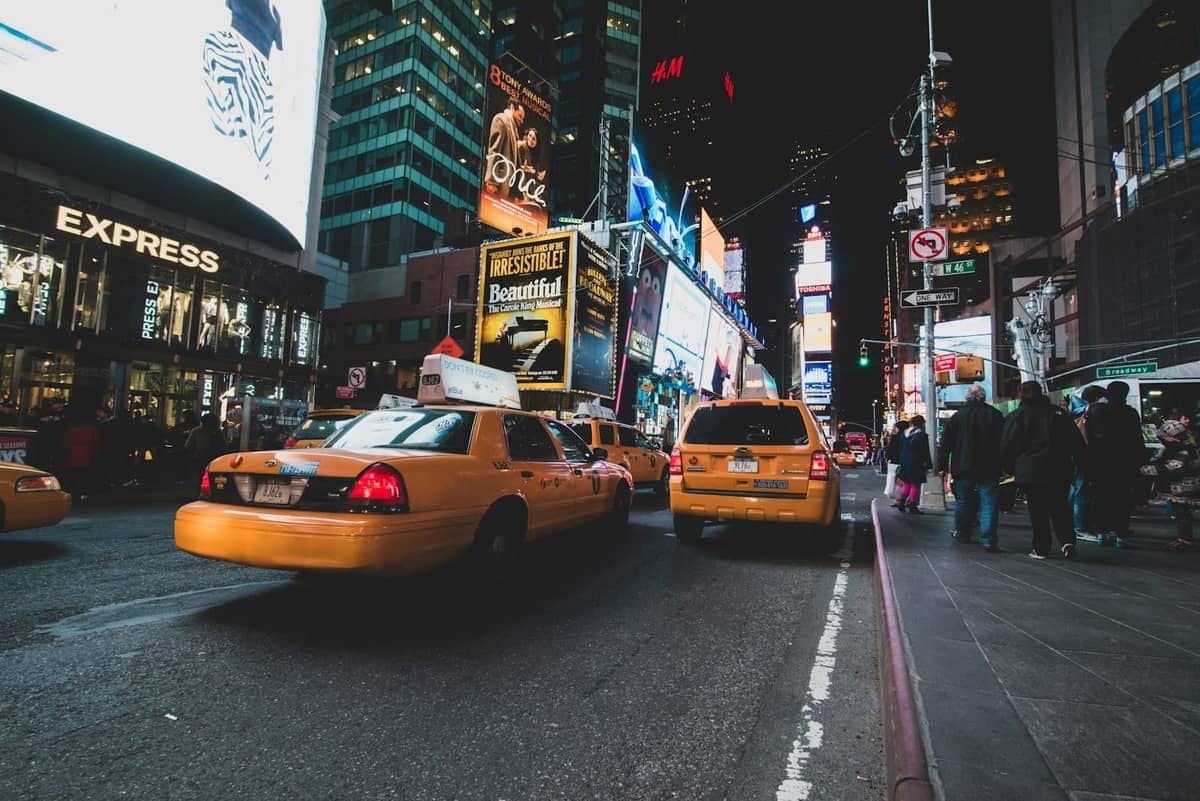
Midtown Manhattan, centered on Times Square and extending east to Grand Central Terminal, is where most first-time visitors land and stay. It is the most convenient base for subway access to the rest of the city, but it is also the most expensive and least representative of how New Yorkers actually live. Hotel prices in Midtown frequently run $250-$500 per night for a standard room, and restaurant costs are highest here. The neighborhood is always crowded, and in summer or around the holidays, it is genuinely difficult to walk at speed on certain blocks.
The neighborhoods that offer a better balance of access and livability for visitors include the Flatiron District (around 23rd Street), Chelsea, and the area around Greenwich Village. These sit on multiple subway lines, put you within 15-20 minutes of many major sights, and feel considerably more human-scale than Midtown. The Lower East Side, Nolita, and Chinatown are among the least tourist-saturated neighborhoods in Manhattan and are worth considering for anyone on a tighter budget who still wants a Manhattan address.
- Midtown (34th–59th St) Best subway access in the city, closest to Empire State Building, Rockefeller Center, and major museums. Expensive, crowded, and generic. Best for first-timers who prioritize convenience over atmosphere.
- Chelsea & Flatiron (14th–34th St) Strong mix of subway lines, walkable to the High Line and Chelsea Market, calmer than Midtown. Hotel rates slightly lower. Good choice for repeat visitors who know what they want.
- Greenwich Village & Lower East Side More residential character, strong food and bar scenes, generally less expensive than Midtown. Subway coverage is good but more spread out. Better for visitors who plan to explore downtown attractions.
- Upper West Side & Upper East Side Classic residential Manhattan, quieter at night, close to Central Park and the major museum corridor. The Upper East Side sits next to the Met and Guggenheim. Better value than Midtown for hotel stays.
- Harlem (110th St and above) Increasingly visited by travelers, with a strong food and music culture. Subway access via the 2, 3, A, B, C, and D lines is excellent. Genuine neighborhood feel that most of Midtown lacks.
For a deeper look at the upper end of Manhattan and neighborhoods that most visitors skip entirely, the Harlem neighborhood guide covers everything from Apollo Theater to the food scene along 125th Street.
Brooklyn: The Borough That Changed the Conversation
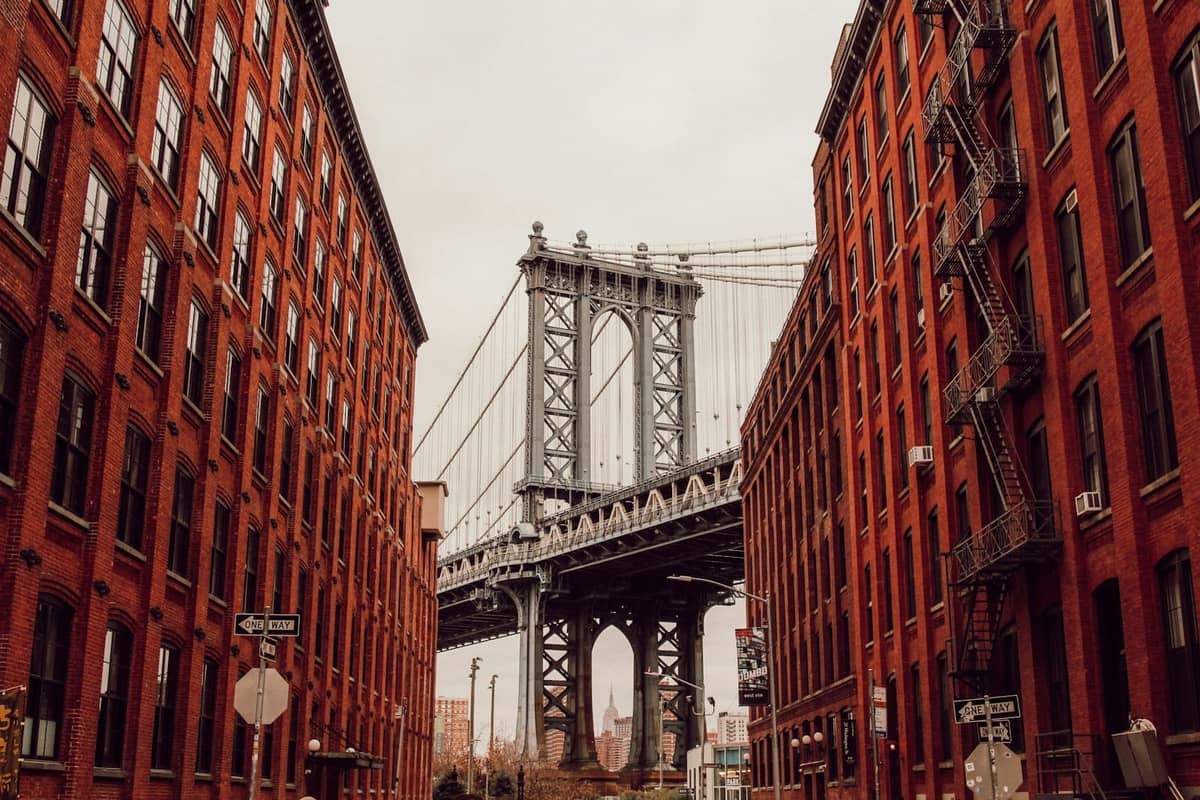
Brooklyn is the most populous of the five boroughs, with around 2.7 million residents, and for many visitors it has become the preferred alternative to Manhattan. The neighborhoods closest to Manhattan — DUMBO, Brooklyn Heights, Williamsburg, and Greenpoint — are expensive and well-developed, often matching Manhattan prices for food and accommodation. But they offer a noticeably different pace, better views of the Manhattan skyline, and a concentration of independent restaurants, bars, and cultural spaces that Midtown simply cannot match.
Williamsburg, along the L train corridor, is the most visited Brooklyn neighborhood. It is extremely well-connected to Manhattan (the L train runs directly to 14th Street–Union Square), dense with restaurants, bars, and weekend markets like Smorgasburg and the Brooklyn Flea. DUMBO and Brooklyn Heights offer some of the best waterfront access in the city, with direct views of the Brooklyn Bridge and easy access to Brooklyn Bridge Park.
⚠️ What to skip
The L train, which connects Williamsburg to Manhattan, runs 24 hours but service is significantly reduced overnight and on weekends. If you plan to commute between Williamsburg and Midtown frequently, factor in 30-45 minute travel times during off-peak hours, not the 15-20 minutes the map suggests.
Further south in Brooklyn, Park Slope sits adjacent to Prospect Park and is one of the most family-friendly neighborhoods in the city. For visitors, it works well as a quieter base with good subway access via the 2, 3, B, and Q lines. The complete Brooklyn guide covers the borough's neighborhoods in greater detail, including which parts suit different travel styles.
Queens, The Bronx, and Staten Island: What Each Borough Offers Visitors
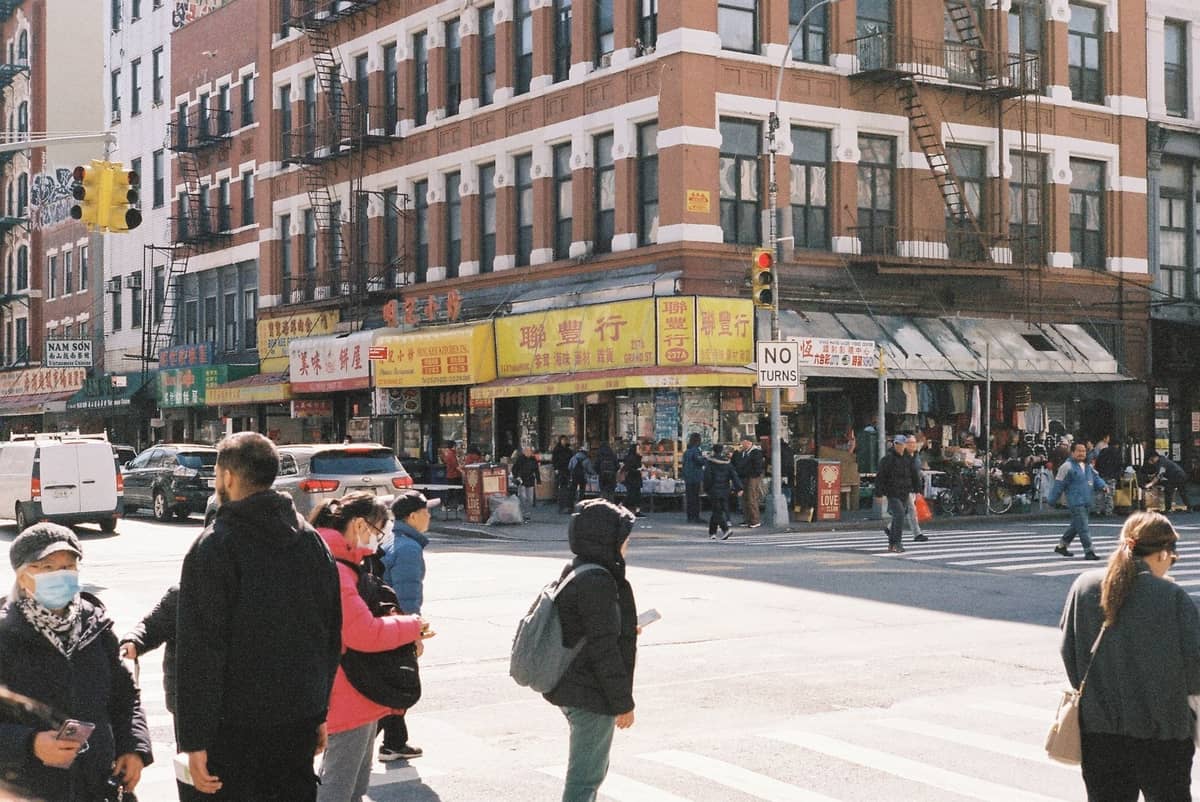
Queens is the largest borough by land area and the most ethnically diverse county in the United States. For food travelers, it is arguably the most important borough in the city. Flushing, in northeastern Queens, is home to one of the largest Chinatowns outside of Asia, with a density of Sichuan, Cantonese, Shanghainese, and Taiwanese restaurants that rivals anything in Manhattan's Chinatown. Jackson Heights and the surrounding area offers concentrated South Asian and Latin American food. Astoria, closest to Midtown via the N and W trains, has a long-standing Greek community alongside newer Middle Eastern, Egyptian, and Southeast Asian populations.
For visitors, Astoria and Long Island City are the most practical Queens neighborhoods to base yourself in. Long Island City sits directly across the East River from Midtown Manhattan, about a 15-minute subway ride on the 7 train. Hotel rates here run noticeably lower than in Midtown. The Flushing area is best treated as a destination rather than a base, reached easily by the 7 train from Manhattan (about 40 minutes from Times Square).
The Bronx is the only borough attached to the mainland United States, located north of Manhattan. It has historically been underrepresented in visitor itineraries, but that is changing. The South Bronx and the area around the Grand Concourse contain significant Art Deco architecture. Arthur Avenue, in the Belmont neighborhood, functions as the city's other Little Italy, with old-school Italian delis, bakeries, and restaurants that are more authentic and less performative than anything in Manhattan's Mulberry Street area. The Bronx Zoo and the New York Botanical Garden are both major institutions that draw day visitors from across the city.
Staten Island is the least visited borough and genuinely the most suburban. It is connected to Manhattan by the Staten Island Ferry, a free 25-minute crossing that provides good views of the harbor and Lower Manhattan skyline. For most visitors, the ferry ride itself is the attraction rather than the destination. The borough lacks the subway infrastructure of the other four and is harder to navigate without a car. It suits travelers who specifically want to explore its parks, the Snug Harbor Cultural Center, or the north shore neighborhoods — not those looking for a convenient base.
Practical Considerations: Choosing Where to Stay
The single most useful factor when choosing which neighborhood to stay in is subway access. NYC's subway runs 24 hours a day, every day of the year, and connects most neighborhoods you will actually want to visit. The system is not always reliable, particularly late at night on certain lines, so checking the specific lines serving any accommodation is worth doing before booking. The getting around NYC guide covers transit logistics in detail, including how to navigate the subway system as a visitor.
- Midtown and the Flatiron District offer the highest transit density but the highest prices. Expect to pay a premium for proximity to the tourist core.
- Brooklyn neighborhoods on the L, A, C, or F lines give good Manhattan access while putting you in a more livable environment at lower cost.
- Long Island City in Queens is the single best value-for-money option for visitors who need Midtown proximity — about 10 minutes by subway at a fraction of the hotel cost.
- Avoid neighborhoods that require a bus to reach the subway unless you specifically want to be in that area. Buses are slower and less predictable than subway lines.
- Weekend subway service is frequently disrupted by maintenance work. Always check the MTA's service alerts before planning Saturday or Sunday travel between boroughs.
✨ Pro tip
If you are arriving at JFK, consider staying in a Brooklyn neighborhood rather than commuting all the way to Midtown. The A train connects JFK's Howard Beach station directly to downtown Brooklyn, Park Slope (via a transfer), and eventually Manhattan — all on one fare. You avoid the congestion pricing zone and typically save $80-150 per night on accommodation.
Budget also determines which neighborhoods are realistic. For visitors watching costs, the NYC on a budget guide includes specific advice on where to stay and eat across the boroughs without defaulting to the most expensive areas. Conversely, if you are looking for the highest-end Manhattan neighborhoods with luxury hotel options, the luxury NYC guide covers the Upper East Side, Tribeca, and the best hotel options in each.
Seasonal Changes: How Neighborhoods Feel at Different Times of Year
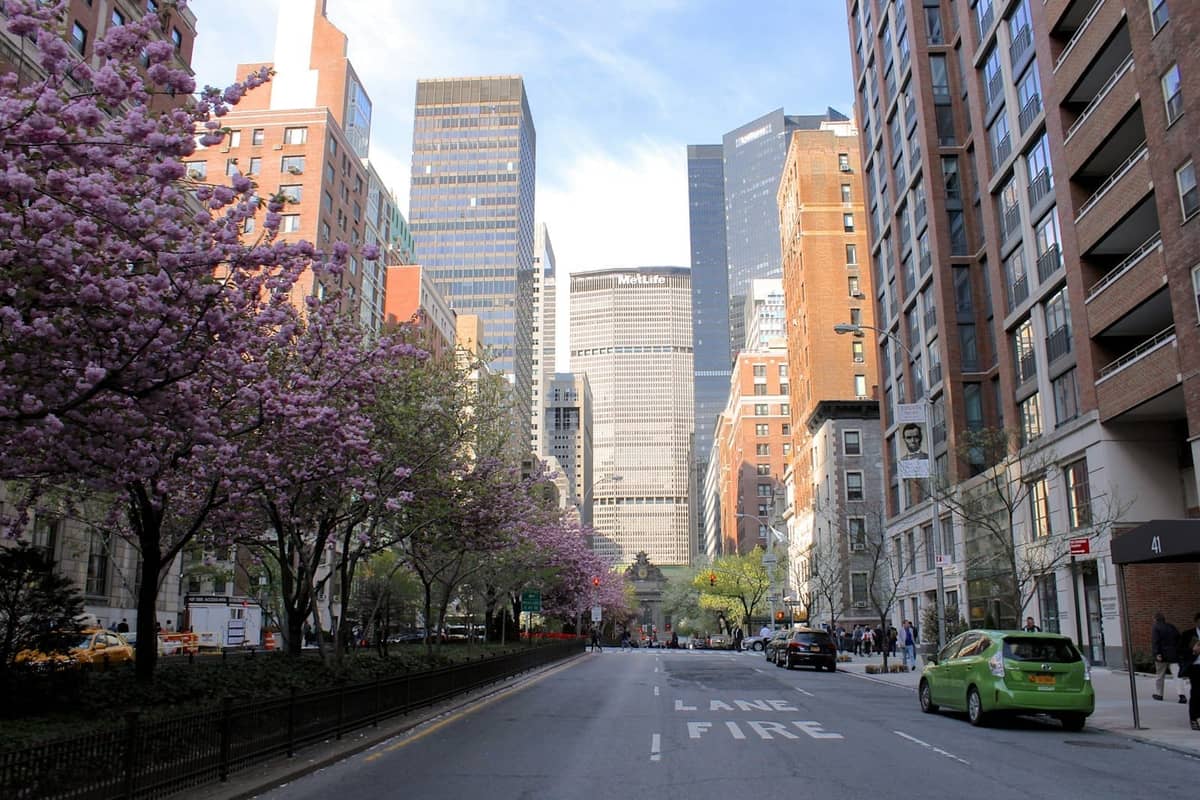
Neighborhoods that depend on outdoor spaces shift dramatically across seasons. Parks, waterfront areas, and neighborhoods with strong street-life cultures — Williamsburg, the West Village, Carroll Gardens in Brooklyn, Astoria's waterfront — are at their most appealing between late April and October. In winter, particularly January and February, outdoor-oriented neighborhoods lose a significant part of their appeal. The same is true for waterfront areas like DUMBO, which are striking in summer but cold and relatively empty in deep winter.
Indoor-focused neighborhoods hold up better year-round. The museum corridor on the Upper East Side, Chelsea's gallery district, and the concentrated restaurant and bar areas of the West Village and Lower East Side are appealing in any season. The NYC in fall guide and the NYC in summer guide cover how the borough experience changes season by season, including which neighborhoods are worth prioritizing at different times.
Midtown Manhattan deserves a specific warning around major holidays. The stretch between Thanksgiving and New Year's Eve is the most crowded period of the year, with Times Square and the surrounding blocks reaching genuinely difficult crowd densities. Rockefeller Center draws enormous crowds in December. If your trip falls in this window and you have a choice, basing yourself in a lower Manhattan or Brooklyn neighborhood and commuting to the holiday attractions is considerably more comfortable than staying in the heart of Midtown.
FAQ
What is the best neighborhood in NYC for first-time visitors?
Midtown Manhattan (roughly 34th to 59th Street) is the most practical base for first-timers: it has the highest concentration of subway lines, puts you walking distance from major attractions, and has the most hotel inventory. The tradeoff is price and crowds. If you want to balance access with atmosphere, the Flatiron District (around 23rd Street) or Chelsea is a better choice — still excellent subway access, lower hotel rates, and a more local feeling.
Is it worth staying in Brooklyn instead of Manhattan?
For many visitors, yes. Brooklyn neighborhoods like Williamsburg, DUMBO, and Park Slope are typically 20-35% cheaper for accommodation than comparable Midtown options, offer excellent food and bar scenes, and are 10-25 minutes from Midtown by subway. The tradeoff is that late-night subway service can be unreliable on some Brooklyn lines, and the journey feels longer if you are making multiple daily trips to Manhattan.
How many neighborhoods does New York City have?
There is no single official count because NYC does not have a legal definition for 'neighborhood.' The city's government commonly references around 300 distinct neighborhoods across the five boroughs, but different organizations use different boundaries. For travel purposes, it is more useful to think in terms of the five boroughs and then the 10-15 major neighborhoods within each that are most relevant to visitors.
Which NYC neighborhoods are best for food?
Queens, particularly Flushing and Jackson Heights, is widely considered the best borough for diverse and authentic international food. Within Manhattan, the Lower East Side and the East Village have the highest concentration of independent restaurants at mid-range prices. For a specific food focus, the NYC food guide covers the best neighborhoods and dishes by cuisine type in detail.
Is it safe to stay in neighborhoods outside of Midtown?
Yes. The neighborhoods commonly recommended for visitors in Brooklyn, Queens, and across Manhattan are all considered safe for tourists. Normal urban precautions apply: be aware of your surroundings late at night, keep valuables secured, and avoid walking with your phone out in crowded subway stations. The NYC safety tips guide covers this in more detail, including which areas warrant extra awareness.