Flushing is the commercial and cultural heart of Queens, anchored by the thundering intersection of Main Street and Roosevelt Avenue. It is widely considered the most authentic destination for East and Southeast Asian cuisine in New York City, drawing food lovers, immigrants, and curious travelers from across the five boroughs.
Flushing is not a neighborhood that eases you in gently. The moment you climb out of the 7 train at Main Street, you are dropped into one of the densest, loudest, most food-obsessed corners of New York City — a place where the sidewalks overflow with produce vendors, the storefronts cycle through Mandarin, Korean, and Fujianese signage, and the smell of hand-pulled noodles drifts from basement food courts at all hours. This is Queens at its most Queens.
Orientation
Flushing sits in north-central Queens, roughly ten miles east of Midtown Manhattan. The neighborhood is large in area, but what most visitors mean when they say Flushing is Downtown Flushing: the dense commercial district centered on Main Street and Roosevelt Avenue. That core is bounded by Northern Boulevard to the north, Parsons Boulevard to the east, Flushing Creek to the west, and Flushing Meadows-Corona Park to the south.
The wider Flushing neighborhood extends further in all directions, reaching toward Whitestone and Bayside to the northeast, Murray Hill to the east, and Fresh Meadows to the southeast. Flushing Bay and LaGuardia Airport form a rough western boundary, which means the neighborhood occupies a distinctive geographic slot between two of New York City's major airports, with JFK roughly twelve miles to the south.
Flushing is one of the largest central business districts outside Manhattan in New York City. That ranking surprises many visitors who expect business districts to look like Midtown or Downtown Manhattan, but the scale of retail, restaurants, and foot traffic on Main Street makes it unmistakable. To understand how it fits into the wider borough, it helps to read it alongside Astoria and Long Island City to the northwest and the neighborhoods covered in our NYC neighborhoods guide.
Character & Atmosphere
Early morning in Flushing is a study in efficiency. By seven o'clock, produce vendors are already arranging crates of bok choy and bitter melon along Main Street, elderly residents are doing tai chi in Kissena Park, and the first steam trays are being loaded in the basement food courts beneath the New World Mall. There is no slow ramp-up here: the neighborhood hits full speed almost immediately after sunrise.
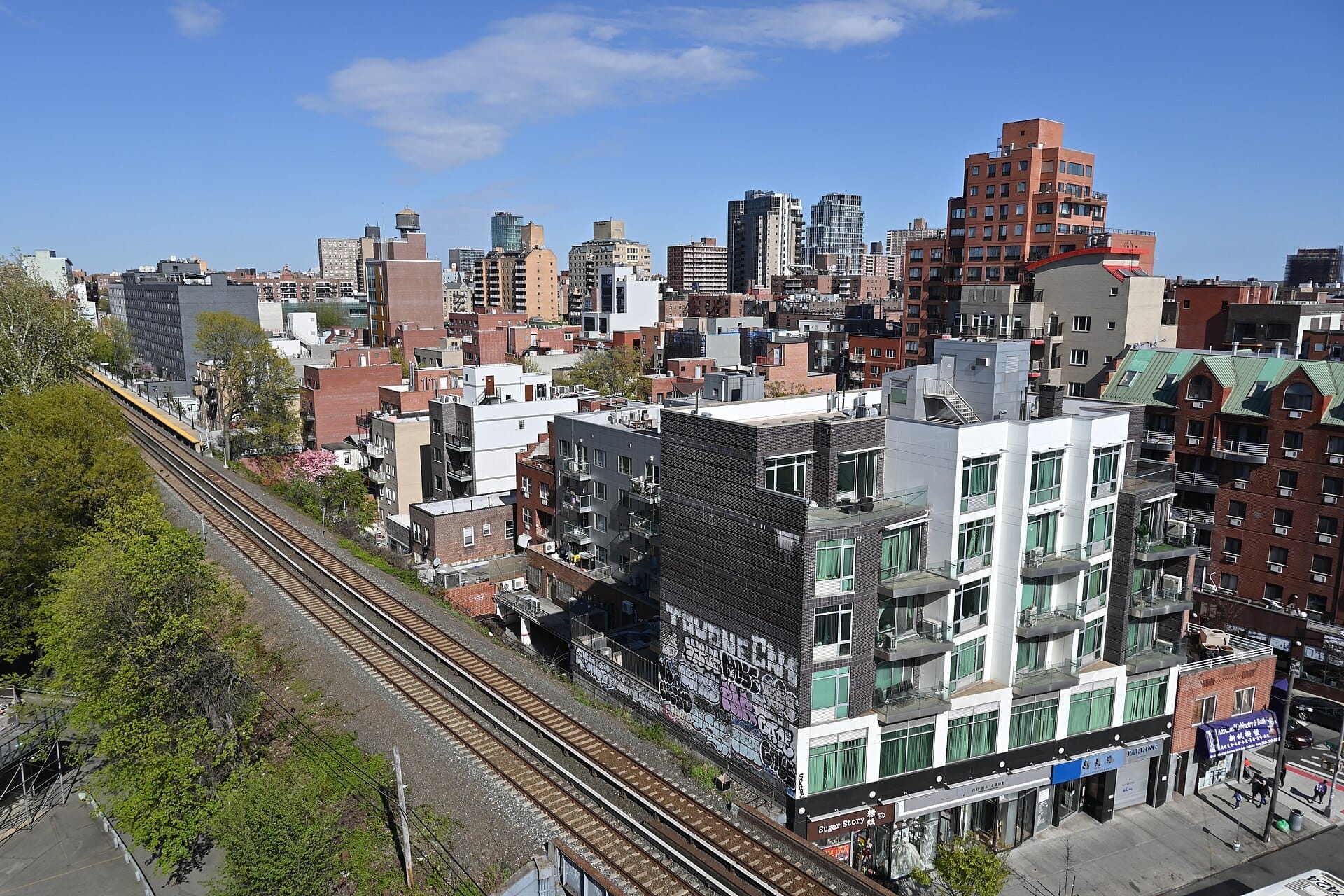
By midday, the intersection of Main Street and Roosevelt Avenue becomes one of the busiest pedestrian crossings in New York City. The elevated 7 train rattles overhead, casting moving shadows across the street below. Sidewalks narrow further under the weight of folding tables selling phone cases, dried seafood, and roasted chestnuts. The noise level is constant and layered: trucks, vendors, conversations in a dozen languages, the screech of the train above.
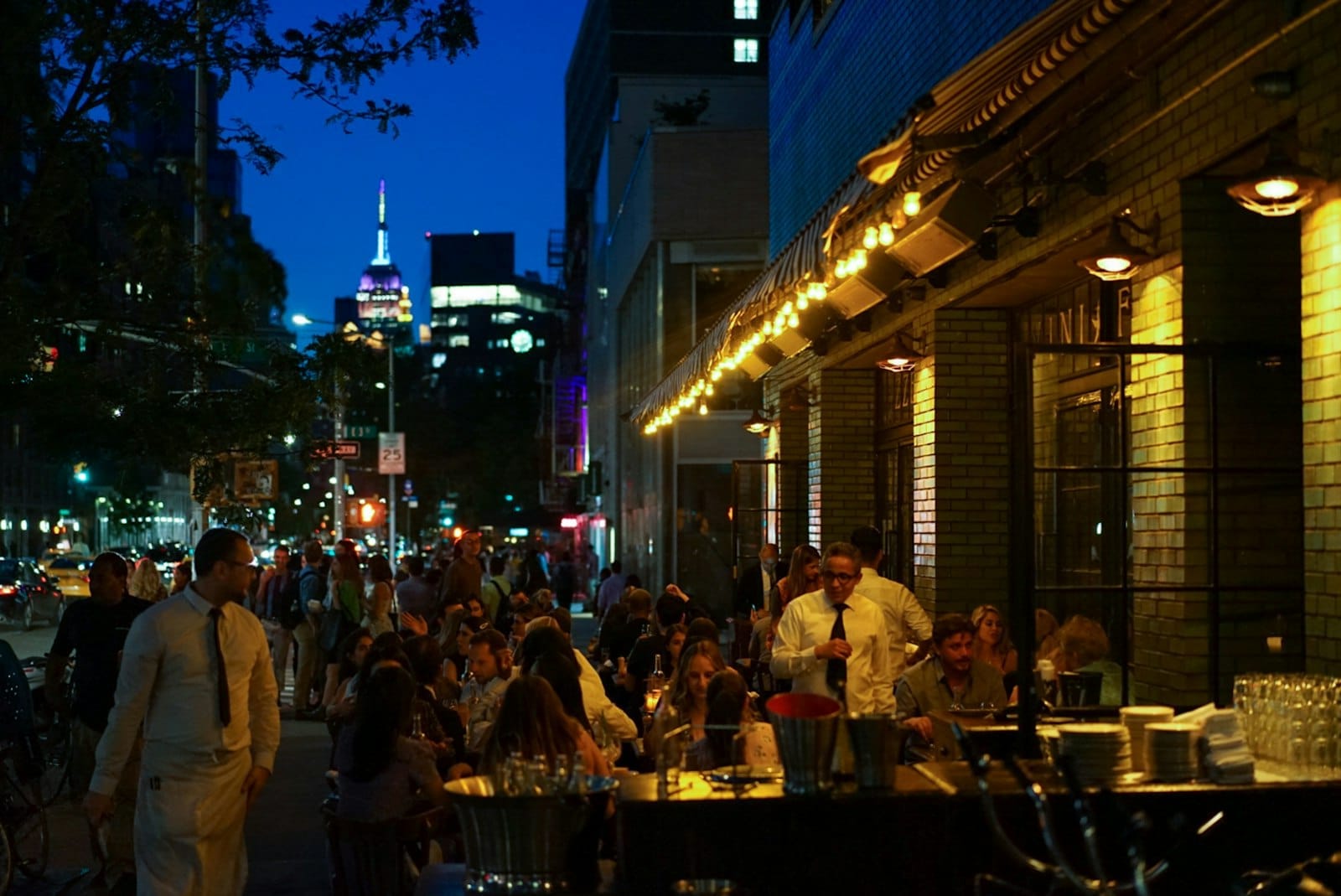
Late afternoon and evening see a different crowd. Families arrive for dinner, and the underground food courts fill with groups sharing plates of Sichuan cold noodles, Shanghainese soup dumplings, and Taiwanese shaved ice. The streets do not quiet down until well past ten. Flushing is not a nightlife neighborhood in the cocktail-bar sense, but it runs later than most people expect, particularly on weekends.
The character of the neighborhood shifts noticeably as you move away from the Main Street core. Walking north on Kissena Boulevard or east along Northern Boulevard, the density eases, rowhouses appear, and the strip-mall retail gives way to residential blocks. The community is predominantly Asian-American, with large Chinese (including significant Fujianese and Cantonese communities alongside Mandarin speakers), Korean, and South Asian populations. More than 150 languages are spoken in the broader Flushing area.
ℹ️ Good to know
Flushing is not a tourist-facing neighborhood in the way that Manhattan's Chinatown is. Signage is often in Chinese or Korean with no English translation. That is part of what makes it authentic — but come prepared to point at things, use a translation app, or simply follow your nose.
What to See & Do
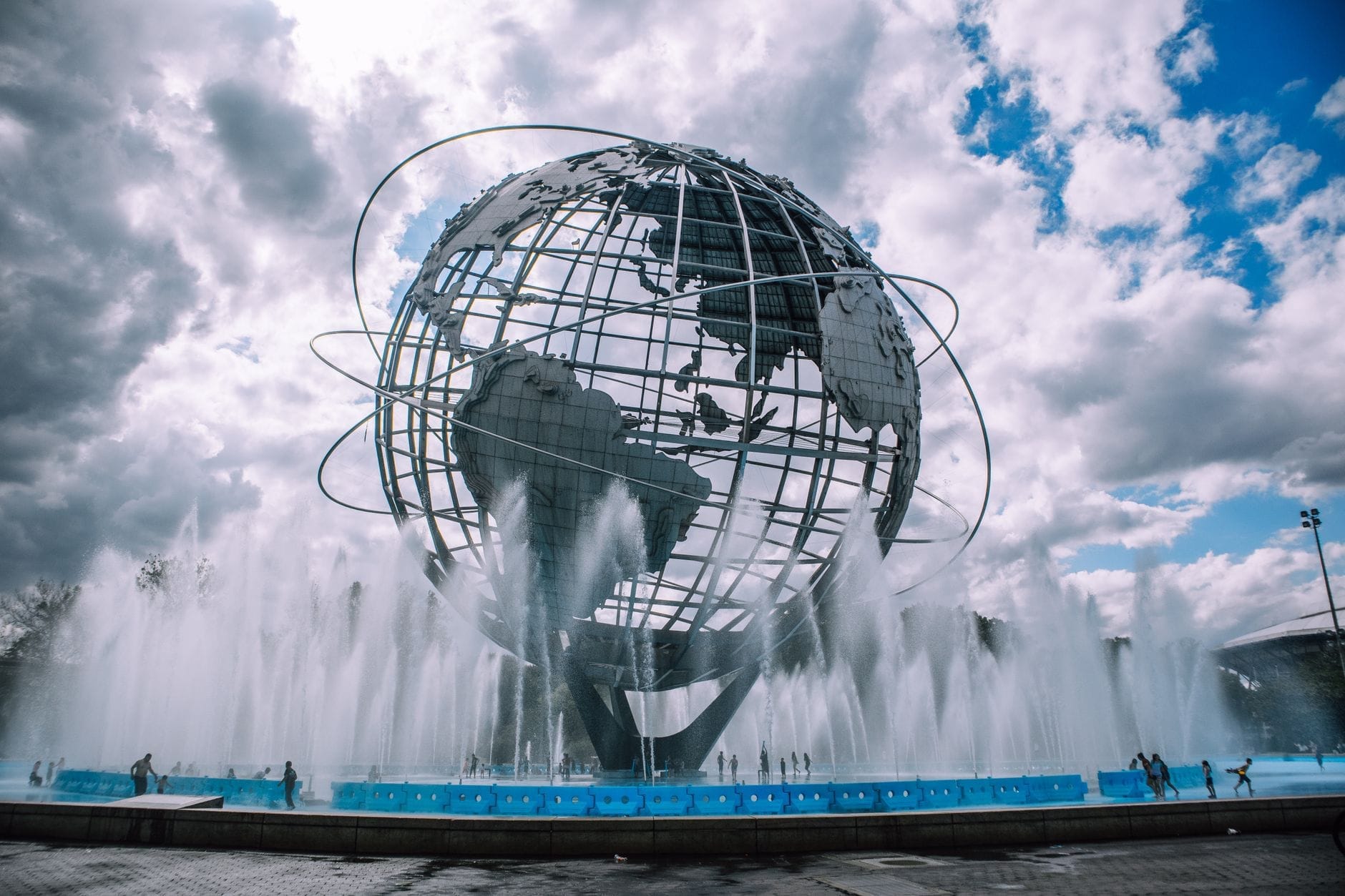
The single greatest reason to make the trip to Flushing is Flushing Meadows-Corona Park, which sits directly to the south of downtown. At about 897 acres, it is one of the largest parks in Queens and among the largest in New York City. The park was the site of the 1939 and 1964 World's Fairs, and the physical footprint of both events remains legible: the steel Unisphere, built for the 1964 fair, is a genuinely striking piece of public sculpture about 12 stories tall (140 feet, or 43 meters including its base). The park also contains Meadow Lake, the Queens Museum, the New York Hall of Science, and Citi Field, where the New York Mets play.
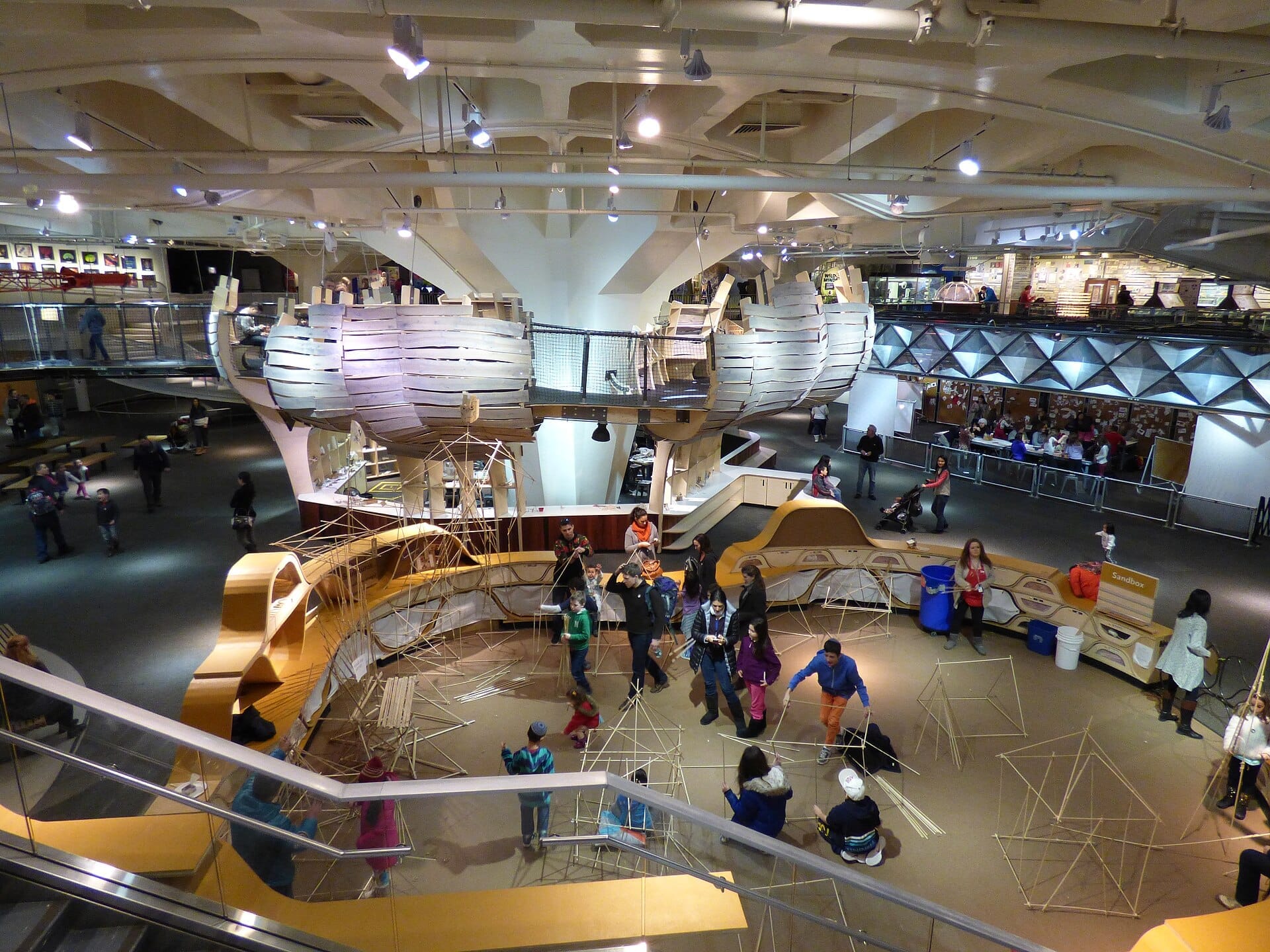
The New York Hall of Science is worth a visit if you are traveling with children or have any interest in design and interactive exhibits. It occupies a surviving pavilion from the 1964 World's Fair and has been significantly expanded since. The Queens Museum, in the park's northern section, houses a remarkable 1:1,200 scale architectural model of every building in all five boroughs, updated periodically since 1964.
Back in the downtown core, the commercial streets themselves are worth exploring as an experience. The stretch of Main Street between Northern Boulevard and Roosevelt Avenue concentrates an enormous density of shops, herbal medicine practitioners, bubble tea counters, and specialty grocery stores. Union Street, running parallel one block west, has a strong Korean commercial presence. Northern Boulevard carries a different texture again, with more sit-down restaurants and fewer street vendors.
Flushing Meadows-Corona Park: the Unisphere, Meadow Lake, and park walks
New York Hall of Science: hands-on exhibits, strong for families
Queens Museum: the Panorama of the City of New York scale model
Kissena Park: a quieter local park with a pond and cycling path, about 1.5 miles east-southeast of Main Street
Bowne House: one of the oldest surviving buildings in New York City, a Quaker homestead dating to 1661, open for pre-booked tours on a limited schedule
Queens Botanical Garden: a smaller, calmer green space adjacent to the park, with rose and herb gardens
The New World Mall food court: underground, busy, and genuinely excellent
For context on how Flushing connects to the broader cultural landscape of Queens, the Queens Night Market runs seasonally at Flushing Meadows-Corona Park and draws vendors representing dozens of different cuisines. It is one of the most enjoyable outdoor food events in the city.
Eating & Drinking
Flushing is, without qualification, one of the best places to eat in New York City. The concentration of Chinese regional cuisines alone is extraordinary: hand-pulled Lanzhou-style noodles, Sichuan hot pot, Shanghainese soup dumplings (xiao long bao), Fujianese oyster pancakes, Hong Kong-style roast meats, and Taiwanese beef noodle soup all exist within a five-minute walk of the Main Street subway exit.
The underground food courts are the most distinctive dining experience in the neighborhood. The basement level of the New World Mall on Main Street remains the go-to hawker-stall experience: small individual counters, shared seating, cash often preferred, and dishes that regularly cost between six and twelve dollars. The former Golden Shopping Mall on Kissena Boulevard was a similar model but has been largely closed and redeveloped in recent years — check current status before making a special trip. These are not tourist-facing operations. Expect laminated menus with photographs, staff who may not speak English, and food that consistently outperforms restaurants charging three times the price elsewhere in the city.
Korean restaurants concentrate along Union Street and parts of Northern Boulevard. You will find Korean-Chinese fusion dishes here that are difficult to find anywhere else in the city, alongside more familiar Korean barbecue and tofu stew spots. Japanese ramen shops and Japanese bakeries have also established a presence in the downtown core over the past decade.
For drinks, the bubble tea culture in Flushing is serious. Multiple Taiwanese and Chinese tea chains operate alongside independent shops, and the quality tends to be higher than the Manhattan equivalents at lower prices. Dessert culture is equally strong: mango shaved ice, red bean mochi, egg tarts, and pineapple cake shops punctuate nearly every block.
💡 Local tip
Bring cash. Many of the best stalls and smaller restaurants in the food courts are cash-only or add a surcharge for card payments. There are ATMs throughout the downtown core, but lines can form during peak hours on weekends.
New World Mall food court (Main Street): largest and most accessible underground food hall
Golden Shopping Mall (Kissena Boulevard): historically smaller and rougher around the edges with excellent Fujianese and Sichuan options, but largely closed and redeveloped in recent years
Northern Boulevard corridor: sit-down restaurants, Korean and Chinese, generally mid-range pricing
Union Street: Korean-Chinese cuisine, bakeries, and dessert shops
Bubble tea and dessert shops throughout downtown: Taiwanese shaved ice and egg tarts are particularly good
Flushing is also one of the neighborhoods highlighted in the NYC food guide as essential eating for anyone serious about the city's culinary range.
Getting There & Around
The 7 train is the backbone of getting to Flushing. The Flushing-Main Street station is the eastern terminal of the line, meaning trains always have seats available from this end of the route. From Midtown Manhattan, the ride takes approximately 30 to 40 minutes from Times Square-42nd Street, depending on express or local service. The 7 is an elevated line in Queens, which means you ride above street level through Corona and Jackson Heights before arriving at the elevated station above Roosevelt Avenue in downtown Flushing.
The Long Island Rail Road also serves Flushing via the Port Washington Branch. The LIRR's Flushing-Main Street station is a short walk from the subway exit. LIRR trains connect to Penn Station in Midtown Manhattan and to points east on Long Island. Journey time to Penn Station is roughly 20 minutes, though LIRR fares are higher than subway fares and schedules are less frequent. For visitors coming from Manhattan, the 7 train is usually the better option.
Multiple MTA bus routes converge in downtown Flushing, connecting the neighborhood to Jamaica, Bayside, Corona, and other parts of Queens. If you are arriving from LaGuardia Airport, which is about three miles west, buses can connect you to the 7 train corridor, though the routing is indirect. A ride-hail from LaGuardia to downtown Flushing is often the faster option, typically under twenty minutes outside of peak traffic.
Within the neighborhood, walking is the best way to explore the downtown core. The commercial district is compact enough that everything between Northern Boulevard and Roosevelt Avenue can be covered on foot in under thirty minutes. For Flushing Meadows-Corona Park, you can walk south from the subway station to the park’s northern edge in about ten minutes, or take a local bus.
⚠️ What to skip
The intersection of Main Street and Roosevelt Avenue is one of the three busiest pedestrian intersections in New York City. Foot traffic during weekend afternoons can make progress slow. If you are going to a specific destination, allow extra time and be prepared to navigate around crowds and delivery vehicles.
Flushing is not a primary hotel district for first-time visitors to New York City. The accommodation stock is limited compared to Midtown Manhattan or even Long Island City, and most travelers who stay here are visiting family, attending events at Citi Field or the USTA Billie Jean King National Tennis Center, or specifically seeking extended-stay options in a quieter residential context.
That said, the 7 train makes Flushing genuinely practical for a Manhattan-focused trip. A hotel near the Flushing-Main Street station puts you about 40 minutes from Midtown by subway, which is comparable to staying on the Upper West Side or in certain parts of Brooklyn. If food is your primary reason for visiting New York City, and you want to eat extraordinary meals without spending Manhattan prices, basing yourself in Flushing makes real sense. Check the where to stay in New York City guide for a full comparison of neighborhoods.
For visitors attending the US Open at the USTA National Tennis Center, which sits inside Flushing Meadows-Corona Park, staying in Flushing is an obvious logistical advantage. Hotels book up quickly during tournament weeks in late August and early September, so advance planning is essential.
Practical Notes
Flushing is a safe neighborhood for visitors. The high pedestrian volume in the downtown core, combined with a strong community presence, means the main streets are active and visible at most hours. The usual New York City precautions apply: be aware of your surroundings, keep your phone in your pocket in crowded areas, and take normal care late at night on quieter side streets.
The language environment is different from most of New York City's tourist-facing areas. In the food courts and many smaller shops, English may be limited on both sides of the counter. A translation app on your phone is genuinely useful. Most vendors are accustomed to tourists and will work with you to complete a transaction, but do not expect the same level of English-language service you would find on a Manhattan high street.
If Flushing is one stop on a broader Queens itinerary, it pairs naturally with a visit to Flushing Meadows-Corona Park or, further afield, with the food and culture of Jackson Heights, accessible on the 7 train about fifteen minutes west toward Manhattan. For a full day trip structure, the first-time visitor guide to New York City includes Queens as part of a broader itinerary framework.
TL;DR
Flushing is the best destination in New York City for East and Southeast Asian cuisine, particularly Chinese regional cooking — the food courts alone justify the 7-train ride from Manhattan.
The neighborhood is anchored by the Flushing-Main Street subway station, the eastern terminus of the 7 line, with a direct 30-40 minute ride to Midtown Manhattan.
Flushing Meadows-Corona Park, directly to the south, adds serious green-space value and contains the Unisphere, the New York Hall of Science, and the Queens Museum.
This is not a neighborhood for visitors seeking polished tourist infrastructure: signage is often not in English, payment is often cash-preferred, and the crowds on Main Street are relentless on weekends.
Best suited for food-focused travelers, NYC returnees wanting to get beyond Manhattan, visitors attending Mets games or the US Open, and anyone curious about one of the most genuinely diverse urban environments in the world.
Three days is enough to cover New York City's greatest hits — if you plan smart. This itinerary organizes Manhattan by neighborhood cluster, adds a Brooklyn half-day, and cuts through the noise with practical guidance on what's worth your time and money.
New York City has more than 100 museums, which makes choosing worthwhile. This guide cuts through the noise and covers the best museums across Manhattan, Brooklyn, and Queens, from encyclopedic giants to intimate institutions you'll wish you'd discovered sooner.
New York City rewards visitors year-round, but the timing of your trip shapes everything from hotel rates to how much you'll enjoy walking the streets. This guide breaks down every season honestly, including the months most guides skip over.
New York City's skyline is one of the most iconic in the world, and the city offers an extraordinary range of ways to see it. This guide covers every major paid observation deck, the best free viewpoints, and the hidden-angle panoramas that most visitors never find.
Broadway is one of the defining experiences of any visit to New York City. This guide covers everything from ticket prices and discount programs to the best seats, what to expect on the night, and how to avoid getting ripped off.
New York City rewards explorers who venture beyond Manhattan. Whether you want Atlantic Ocean beaches, Victorian river towns, wild urban nature, or a different borough entirely, these day trips are all reachable within two hours of Midtown.
New York City is one of the world's most expensive destinations, but a surprising amount of its best experiences cost nothing at all. From harbor ferry rides and elevated parks to world-class museums with free admission, this guide covers the top free things to do across all five boroughs.
New York City has one of the most comprehensive transit networks in the world, but navigating it takes some know-how. This guide covers the subway, buses, ferries, Citi Bike, taxis, ride-hailing, and airport transfers, with current fares, practical tips, and straightforward guidance on what to skip.
New York City's most famous attractions draw millions, but the city rewards those who look beyond the obvious. From a medieval monastery perched above the Hudson to a car-free harbor island and a cemetery with better skyline views than most rooftop bars, these hidden gems span all five boroughs and cost nothing to seek out.
New York City is one of the world's premier luxury destinations, with six three-Michelin-star restaurants, world-class private experiences, and neighborhoods that reward serious travelers. This guide cuts through the noise to focus on what actually delivers at the high end.
New York City is served by three major airports, and picking the wrong one can cost you an hour or more in transit. This guide breaks down JFK, LaGuardia, and Newark by location, ground transport options, travel times, and real costs so you can make the right call before you book.
New York City contains more than 7,000 completed high-rise buildings spanning four centuries of architectural history. This guide breaks down the city's defining styles, the best buildings to visit by neighborhood, observation deck logistics, and how to explore beyond Manhattan's famous skyline.
New York City is one of the world's great art capitals, with roughly 1,500 galleries spread across Chelsea, the Lower East Side, SoHo, and Brooklyn, plus a cluster of world-class museums that define modern and contemporary art globally. This guide cuts through the noise to identify the essential institutions, experimental spaces, and outdoor art experiences worth your time.
Brooklyn is New York City's most populous borough, home to 2.7 million residents, iconic landmarks, and more distinct neighborhoods than most cities have total. This guide covers the best things to do in Brooklyn, from the Brooklyn Bridge and Prospect Park to Coney Island and Smorgasburg, with practical transport advice, seasonal timing, and honest takes on what's worth your time.
New York City is the stand-up comedy capital of the world, with intimate basement rooms and historic theaters hosting everyone from open-mic newcomers to surprise celebrity drop-ins. This guide covers the best clubs and complementary venues across Manhattan and beyond, with practical tips on booking, neighborhoods, and what to expect.
New York City rewards visitors who come prepared. This guide covers the five boroughs, how to get around on the subway, airport transfers, seasonal timing, tipping customs, and the attractions actually worth your time — plus honest warnings about what to skip.
New York City restaurants span every cuisine on earth, every budget, and every borough. This guide cuts through the noise to tell you exactly what to order, where to go, and what to skip — from legendary delis on the Lower East Side to Queens' unmatched immigrant food corridors.
New York City does romance at every budget and in every season. This guide covers the best couples activities in NYC, from iconic skyline viewpoints and free waterfront walks to Broadway date nights and quiet neighborhood escapes, with practical advice on timing, booking, and what to skip.
Harlem is one of New York City's most culturally significant neighborhoods, home to the Apollo Theater, landmark soul food restaurants, live jazz venues, and a history that shaped American music and literature. This guide covers everything you need to plan a meaningful visit, from the best spots on 125th Street to the quieter brownstone blocks locals actually frequent.
December transforms New York City into its most theatrical self: Christmas trees, ice rinks, department store windows, and the world's most-watched New Year's Eve countdown. This guide covers every major holiday event, practical logistics, weather realities, and the shortcuts that make the difference between a stressful visit and a genuinely great one.
Fall is one of the best times to visit New York City, but it is also one of the most expensive. This guide covers the weather month by month, where to catch the best foliage, every major fall event worth planning around, and the honest tradeoffs of visiting during peak season.
Spring is one of the best times to visit New York City, but timing matters more than most guides admit. This guide covers the real weather picture, cherry blossom logistics, top seasonal events, crowd patterns, and practical tips for getting the most out of April and May in NYC.
Summer in New York City runs hot, loud, and packed with free programming that most visitors never find. This guide covers the best events, beaches, outdoor concerts, and borough-by-borough highlights for June, July, and August, plus practical tips on heat, crowds, and advance booking.
New York City is the jazz capital of the world, with legendary clubs spread across Greenwich Village, Midtown, Harlem, and the Upper West Side. This guide covers the best rooms for hearing live jazz, from intimate basement stages to world-class concert halls.
New York City's neighborhoods span five boroughs and dozens of distinct communities, each with its own character, price point, and visitor experience. This guide breaks down what each area is actually like, who it suits, and what you need to know before you go.
New Year's Eve in New York City is one of the world's most iconic celebrations, but pulling it off well requires planning. This guide covers the Times Square Ball Drop, fireworks locations, transport logistics, ticketed events, and smarter alternatives for every type of traveler.
New York City night options span more than 25,000 establishments across five boroughs. This guide breaks down the best neighborhoods, what drinks cost, how late things run, and the practical details most guides skip.
New York City has a reputation for being expensive, but the reality is more nuanced. With the right approach to transit, food, accommodation, and attractions, you can experience the best of the city for far less than you might expect. This guide covers every angle of the New York City budget equation.
New York City attraction passes promise big savings, but the math only works under specific conditions. This guide breaks down CityPASS, the New York Pass, and the Go City Explorer Pass side by side, with real pricing, key caveats, and a clear verdict on who should buy which.
New York City is far safer than its reputation suggests, but smart travelers still follow a few ground rules. This guide covers subway safety, common scams, neighborhood awareness, seasonal hazards, and practical emergency information so you can focus on enjoying the city.
New York City is one of the world's great shopping destinations, offering everything from Midtown luxury flagships and SoHo boutiques to Brooklyn flea markets and Queens food halls. This guide breaks down the best shopping districts, practical budgeting advice, seasonal crowd patterns, and what to skip — so you spend your time and money wisely.
Thanksgiving in New York City means one thing above all else: the Macy's Thanksgiving Day Parade. But there's far more to the long weekend than giant balloons and floats. This guide covers the parade route, smartest viewing strategies, what to do if crowds aren't your thing, and how to make the most of one of NYC's biggest holidays.
The US Open is one of the four Grand Slam tennis tournaments and the only one held in the United States. Staged each year at the USTA Billie Jean King National Tennis Center in Flushing Meadows–Corona Park, Queens, it draws hundreds of thousands of fans over two weeks in late August and early September. This guide covers everything from buying tickets to getting there, what to expect on site, and how to plan your trip around it.
New York City rewards walkers more than almost any city on earth. These self-guided routes take you through historic districts, iconic parks, waterfront promenades, and neighborhoods where the architecture tells the story better than any museum. Lace up and go.
New York City's weather shifts dramatically across four distinct seasons, from humid July heat to January snowstorms. This guide breaks down what to expect each month, what to pack, and when the climate actually works in your favor as a visitor.
Two days in New York City is enough to see iconic landmarks, eat well, and understand why this city operates at a different scale than anywhere else. This guide gives you a practical, honest framework for a weekend in NYC, with real prices, transit logistics, and clear priorities.
From the American Museum of Natural History to Coney Island, New York City with kids is genuinely doable — if you know where to go, what things actually cost, and how to avoid the planning mistakes that derail family trips. This guide covers the best family-friendly attractions, practical transit tips, seasonal timing, and honest takes on what's worth your time.
Seven days is enough to hit NYC's iconic landmarks, explore its best neighborhoods, and actually understand why this city operates the way it does. This itinerary is built around the subway, structured by geography, and honest about what's worth your time.
New York City is one of the most rewarding solo travel destinations in the world, but it rewards preparation. This guide covers transit, safety, neighborhoods, budgeting, and seasonal strategy so you can move through all five boroughs with confidence.
New York City offers more experiences per square mile than almost anywhere on earth. This guide cuts through the noise to highlight the top things to do in New York City, with honest takes on prices, crowd patterns, and which attractions are actually worth your time.
New York City has over 25,000 restaurants, 57 Michelin-starred venues, and some of the world's best street food — all within five boroughs. This guide cuts through the noise with specific recommendations, honest price ranges, and practical booking advice to help you eat well no matter your budget or neighborhood.
Choosing where to stay in New York City shapes your entire trip. This guide breaks down every major neighborhood by price, access, vibe, and who it suits best — with practical advice on what to avoid and when to book.