New York City in Fall: The Complete September, October & November Guide
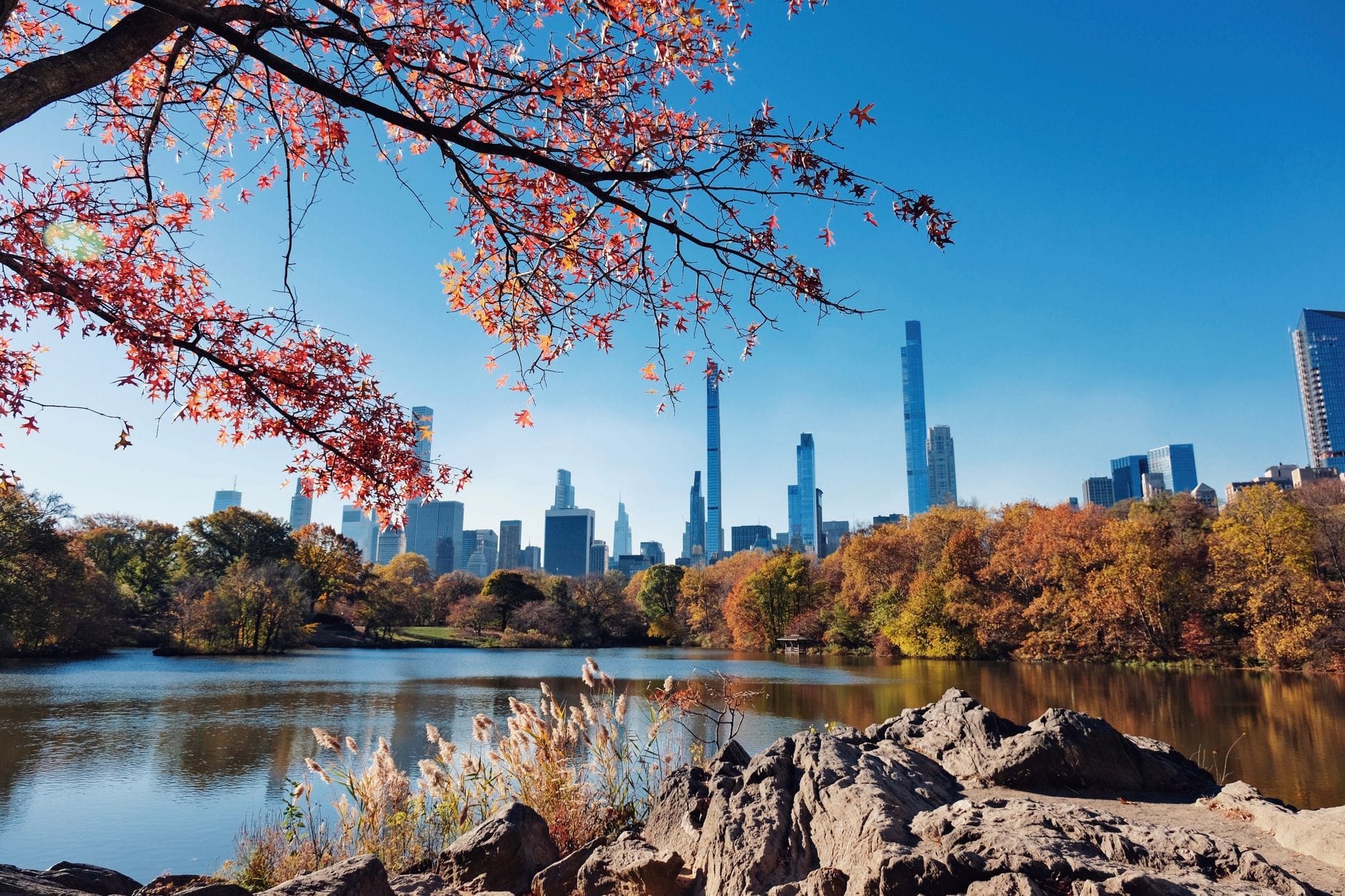
Fall is one of the best times to visit New York City, but it is also one of the most expensive. This guide covers the weather month by month, where to catch the best foliage, every major fall event worth planning around, and the honest tradeoffs of visiting during peak season.
Plan and book this trip
Tools from our partner Travelpayouts help you compare flights and hotels. If you book through them, we may earn a commission at no extra cost to you.
Flights
Hotels map
TL;DR
- Fall temperatures range from around 75°F (24°C) in early September to the low 40s°F (5°C) by late November, so pack layers.
- Peak foliage in NYC hits late October into early November, not September as many assume. Central Park, Prospect Park, and Fort Tryon Park are the top spots.
- Fall is peak travel season with high hotel and airfare prices, especially around Halloween, the NYC Marathon (first Sunday in November), and Thanksgiving. Book early or check our NYC on a budget guide for cost-saving strategies.
- Most major attractions stay open year-round and many add special fall programming. Nothing closes for the season.
- For a full seasonal comparison before you book, see the best time to visit New York City.
NYC Fall Weather Month by Month
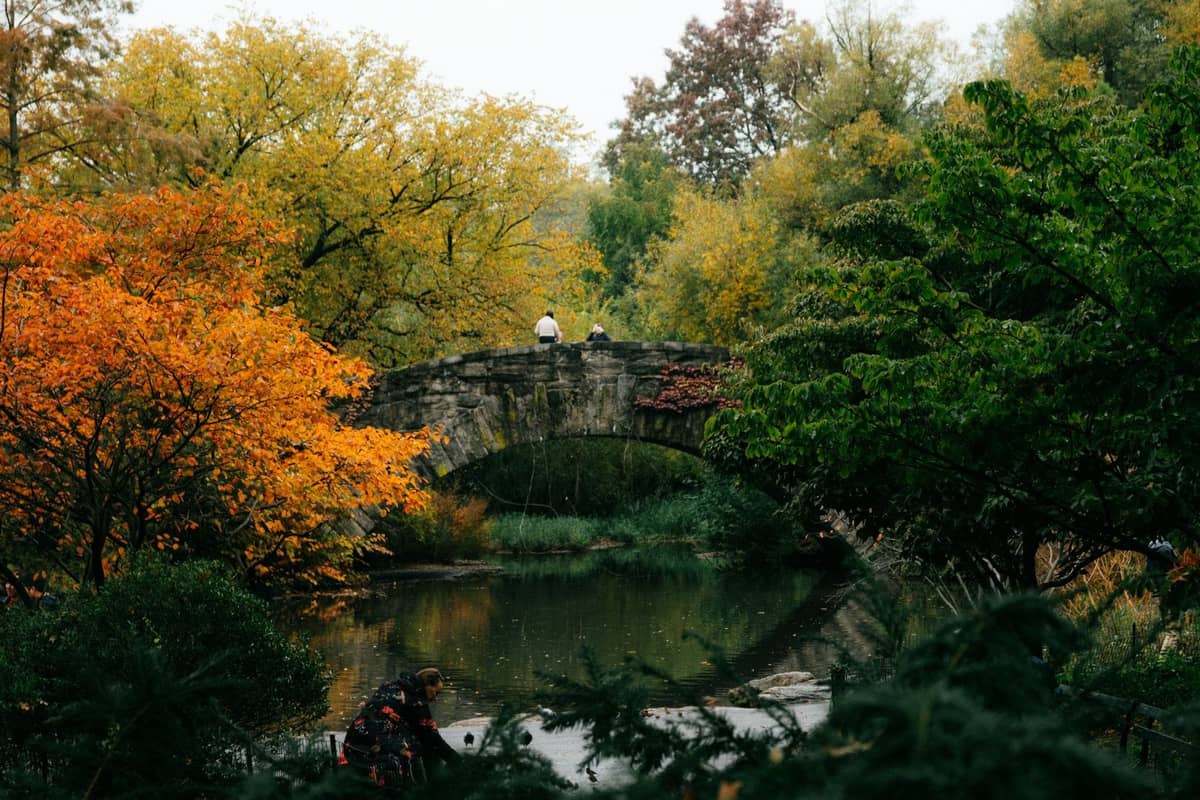
Autumn in New York City is pleasant but variable. The transition from late-summer heat to early-winter cold happens fast, and conditions can swing by 20 degrees from one week to the next. Understanding what each month actually feels like will help you pack smarter and plan more realistic itineraries.
- September (Early Fall) Daytime highs sit between 68–75°F (20–24°C), with warm evenings that still feel like summer. Humidity starts to drop compared to August, making it much more comfortable for walking. Light layers for evenings are enough. Rain is possible but usually brief.
- October (Peak Fall) The sweet spot for most visitors. Daytime highs around 60–68°F (15–20°C), crisp nights in the low 50s°F (around 10°C), and roughly 9 rainy days on average across the month. A medium-weight jacket handles most days. Foliage starts turning in the second half of the month.
- November (Late Fall) Temperatures drop noticeably, ranging from the low 40s to mid-50s°F (5–13°C). By late November, overnight temperatures approach freezing. A proper coat, scarf, and layering are essential. The city is less crowded mid-month, but Thanksgiving week brings large crowds and higher prices.
💡 Local tip
Pack a compact, packable rain jacket regardless of month. Fall showers in NYC tend to arrive suddenly and pass quickly, and an umbrella in Midtown Manhattan is more of a hazard than a help on crowded sidewalks.
Fall Foliage in New York City: When and Where
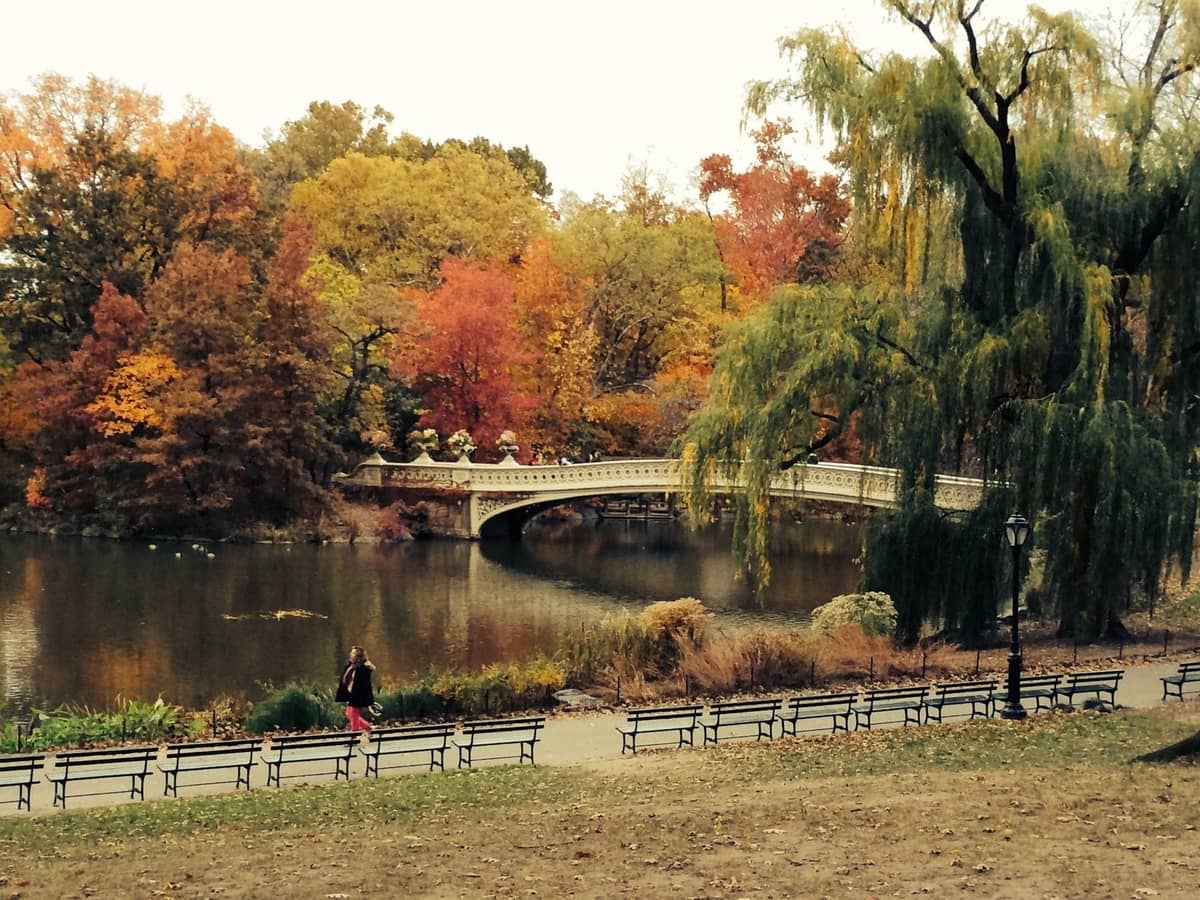
One of the most common mistakes visitors make is timing a trip to NYC in late September expecting peak foliage. The reality is different: Central Park and most of the city's major parks hit their color peak between late October and the first week of November, roughly two to three weeks after upstate New York peaks. The combination of London plane trees, maples, oaks, and ginkgos across the city's 680,000+ street trees means the color payoff, when it comes, is citywide.
The best single location for fall color is Central Park, particularly around the Ramble, the North Woods, and the Mall. The Central Park Conservancy typically offers guided Fall Foliage Tours in late October that combine color highlights with park history, and they are worth booking in advance. For a less crowded alternative, Prospect Park in Brooklyn delivers comparable foliage without the Midtown tourist density.
- Central Park (Manhattan) The most accessible and photographed foliage in the city. Head to the Ramble or Conservatory Garden in the second half of October for the densest color.
- Fort Tryon Park (Upper Manhattan) Overlooking the Hudson River with sweeping views toward the Palisades in New Jersey. The combination of foliage and the medieval architecture of The Cloisters nearby makes this a special spot.
- Prospect Park (Brooklyn) Designed by the same team as Central Park, with similar tree species and far fewer visitors in October. The Long Meadow is particularly striking under fall color.
- New York Botanical Garden (The Bronx) The 250-acre forest within the garden is one of the largest remaining tracts of original New York City forest and puts on a serious fall color display. Worth the trip to The Bronx.
- Wave Hill (The Bronx) A public garden overlooking the Hudson with views across to the Palisades. Smaller and quieter than the major parks, but the riverside views with fall color are exceptional.
ℹ️ Good to know
Ginkgo trees, common on NYC streets, turn a vivid yellow in October and then drop all their leaves within a few days of each other. The timing is unpredictable year to year, but when it happens on streets like 10th Avenue or in parts of the Upper West Side, it is one of the city's more unusual fall spectacles.
Major Fall Events Worth Planning Around
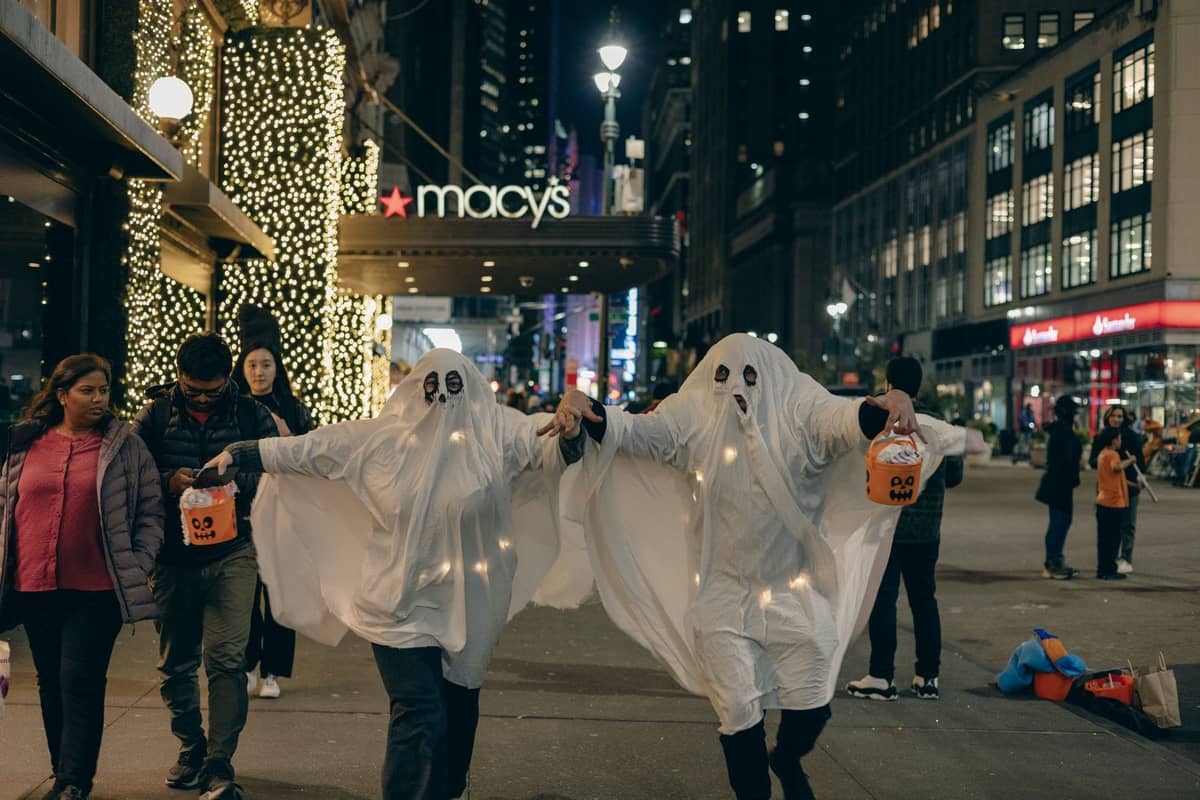
Fall in New York City is loaded with events, which is part of why it is peak season. Three events in particular dominate the calendar and directly affect hotel prices, crowd levels, and logistics. Know about them before you book, not after.
- Village Halloween Parade (October 31) One of the largest Halloween events in the United States, running up Sixth Avenue through Greenwich Village. Costumes are elaborate, participation is open to anyone in costume, and the crowds are enormous. Subway service around the West Village is chaotic after 9pm. Plan accordingly or watch from the street level on Sixth Avenue between Spring and 21st Streets.
- TCS New York City Marathon (First Sunday in November) Around 50,000 runners traverse all five boroughs, starting on Staten Island and finishing in Central Park. The race shuts down major cross streets across Manhattan for most of the morning and early afternoon. If you are not watching the race, avoid planning cross-borough trips on that day. Hotels near Central Park and along the route book out months in advance.
- Macy's Thanksgiving Day Parade (Fourth Thursday in November) The parade runs from 77th Street and Central Park West south to Herald Square. Balloon inflation the evening before (Wednesday night) along the Upper West Side has become its own event and is often less crowded than parade day itself. If you want a good viewing spot on Thanksgiving, arrive by 6:30am at the latest.
Beyond the headline events, fall is strong for theater. Broadway's new season launches in September, which means fresh productions and strong casting. Discounted same-day tickets are available at the official TKTS booths in Times Square and at the South Street Seaport. For a full breakdown of how to approach Broadway, see the Broadway guide for New York City.
Crowds, Costs, and the Honest Tradeoffs of Fall Travel
Fall is not a secret. It is consistently ranked as one of the most popular times to visit New York City, and prices reflect that. Hotel rates in Manhattan spike sharply around the Halloween Parade weekend, Marathon weekend, and Thanksgiving week. If your travel dates are flexible, the two quieter windows within fall are mid-September (after Labor Day, before fall break travel begins) and the week after the Marathon through mid-November.
Airfare follows similar patterns. Flights into JFK, LaGuardia, and Newark all cost more in October than in August or January. If you are flying internationally, arriving via Newark (EWR) is sometimes cheaper than JFK with comparable train access into Midtown via NJ Transit to Penn Station. That said, JFK now has the AirTrain connecting to the subway and Long Island Rail Road at Jamaica, making it usable for budget travelers.
⚠️ What to skip
Do not assume fall is off-season and budget accordingly. Hotel prices in Midtown Manhattan during Marathon weekend and Thanksgiving week can rival peak summer rates. Book accommodation at least 6-8 weeks in advance for October visits, and 3-4 months ahead for Thanksgiving week if you want reasonable rates.
One genuine advantage of fall over summer is outdoor comfort. The temperatures between mid-September and late October are ideal for the city's best walking routes: across the Brooklyn Bridge, along the High Line, or through any of the major parks. Heat and humidity are the two things that make summer NYC walking miserable, and both are absent in fall. The trade-off is shorter daylight hours by November, which compresses sightseeing time.
What to Do in NYC in Fall: Practical Activity Ideas
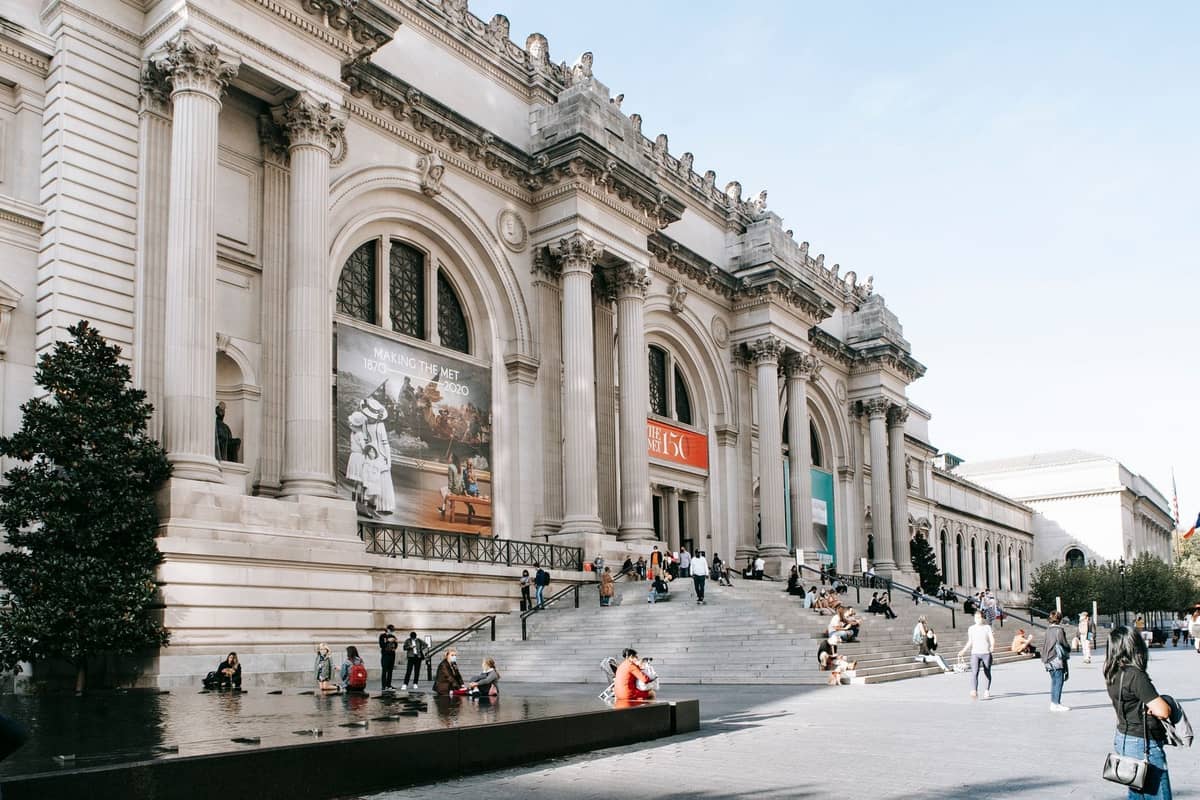
The city's major museums, observatories, and attractions all operate year-round, and several add fall-specific programming. Museum attendance tends to be higher on rainy days in October, so if you have flexibility, visit major institutions like the Metropolitan Museum of Art or the Museum of Modern Art on a clear weekday when most visitors are outdoors.
For outdoor views with fall color as backdrop, the rooftop observatories deliver something distinct from summer visits. Summit One Vanderbilt and Top of the Rock both offer clear views into Central Park, and seeing the park's fall canopy from above is worth it in late October. Book timed entry tickets in advance, particularly for weekend slots.
Brooklyn in fall is particularly appealing. The combination of Brooklyn Bridge Park with views back to Manhattan, the tree-lined streets of Brooklyn Heights, and Prospect Park's foliage makes the borough one of the best places to spend a full fall day. The Brooklyn neighborhood guide covers logistics and what to prioritize.
- Join a Central Park Fall Foliage Tour through the Conservancy (book via the Central Park Conservancy website; dates vary by year)
- Catch a late-season Yankees game at Yankee Stadium in The Bronx if the postseason extends into October
- Visit the New York Botanical Garden in The Bronx during October for the forest color combined with the cultivated garden areas
- Walk the High Line in late October when the naturalistic plantings shift into their fall palette and crowds are lighter than summer
- Take the Staten Island Ferry for free harbor views and a look at the Statue of Liberty from the water, particularly striking on a clear fall afternoon
- Attend a free outdoor event: Bryant Park hosts much of its final warm‑weather outdoor programming in October before winter prep begins
Getting Around NYC in Fall: Logistics That Matter
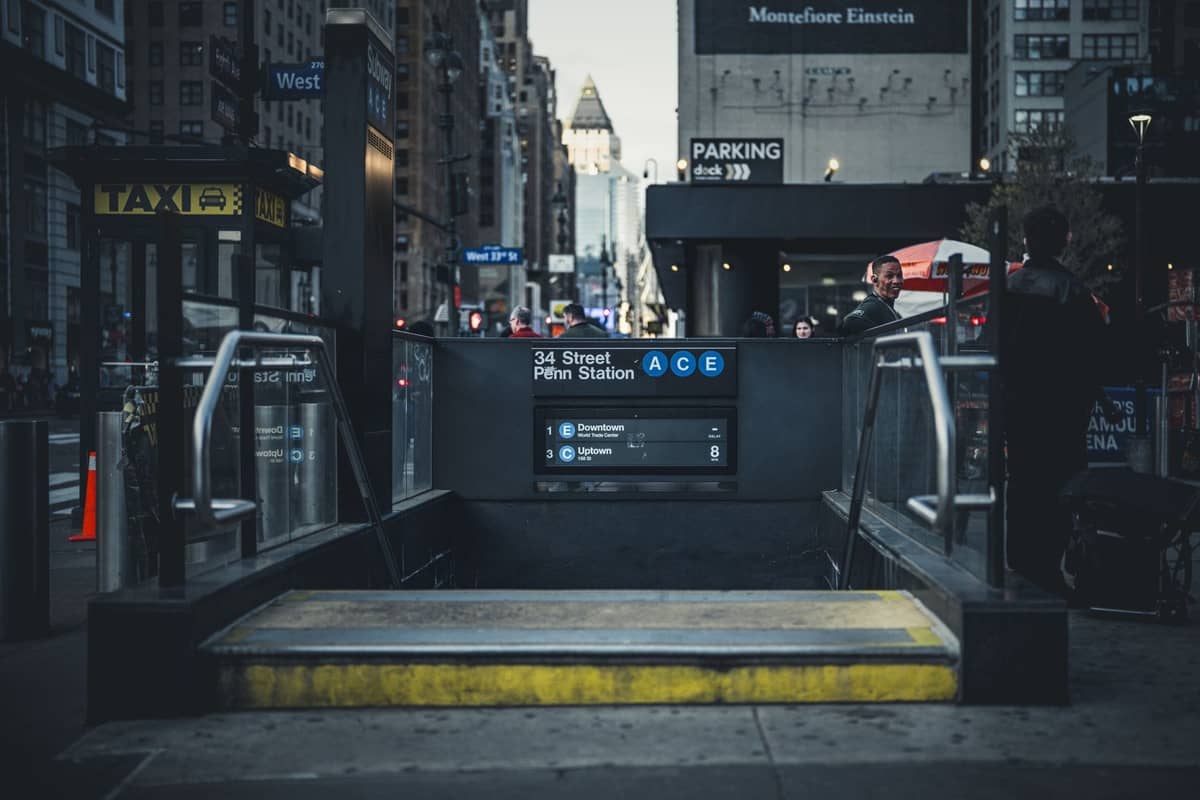
The NYC subway runs 24 hours a day and is the fastest way to move around the city during fall. The main caveat is Marathon Sunday, when streets along the entire route are closed to cross traffic for hours. On that day specifically, plan to stay on one side of Manhattan or use the subway exclusively rather than trying to cross town by car or taxi.
For first-time visitors figuring out the subway, bus, and ferry network, the getting around New York City guide covers fares, the OMNY tap-to-pay system, and how to read the subway map. Fall is not a bad time to figure this out: the weather is comfortable for navigating above-ground transfers, and the oppressive summer humidity that makes station platforms miserable is gone.
FAQ
When is fall foliage peak in New York City?
Peak fall color in New York City typically falls between late October and the first week of November. This is later than upstate New York, which peaks in early October. Central Park, Prospect Park, and Fort Tryon Park are the best places to see it. Do not plan a foliage-focused trip to NYC in September expecting peak color.
Is fall a good time to visit New York City?
Yes, but with caveats. The weather from mid-September through late October is excellent for exploring the city on foot, and the cultural calendar is strong with Broadway's new season and major events. The drawback is cost: fall is peak travel season, and hotel and flight prices are high, especially around the Halloween Parade, NYC Marathon, and Thanksgiving.
What major events happen in NYC in fall?
The three biggest are the Village Halloween Parade on October 31 in Greenwich Village, the TCS New York City Marathon on the first Sunday of November (through all five boroughs), and the Macy's Thanksgiving Day Parade on the fourth Thursday of November. Each of these events draws large crowds and affects hotel prices in surrounding weeks.
What should I pack for New York City in fall?
Layers are essential. September still feels like summer, so light clothing with a jacket for evenings works fine. October requires a medium-weight jacket and warmer layers for nights. November calls for a proper coat, scarf, and potentially a hat by month's end. A packable rain jacket is useful throughout the season regardless of forecast.
Is New York City in fall cheaper than summer?
No, not reliably. Fall is one of NYC's peak travel seasons alongside summer. While mid-November can offer a brief quieter and slightly cheaper window, October is expensive due to events like the Marathon and Halloween, and Thanksgiving week prices are among the highest of the year. Budget travelers should look at early September or January-February for the lowest prices.