Best Time to Visit New York City: A Season-by-Season Breakdown
New York City rewards visitors year-round, but the timing of your trip shapes everything from hotel rates to how much you'll enjoy walking the streets. This guide breaks down every season honestly, including the months most guides skip over.

Plan and book this trip
Tools from our partner Travelpayouts help you compare flights and hotels. If you book through them, we may earn a commission at no extra cost to you.
Flights
Hotels map
TL;DR
- The best time to visit New York City for weather and manageable crowds is late September through early November, when temperatures are cool, humidity drops, and the city's cultural calendar peaks.
- Spring (April through early June) is a close second: mild days, blooming parks, and shoulder-season hotel rates before the summer surge.
- Summer (July–August) is hot, humid, and expensive, though outdoor events and long daylight hours have genuine appeal if heat doesn't bother you.
- Winter (January–March) is the cheapest period by a significant margin, with fewer crowds, better Broadway deals, and museums you can actually move around in.
- Late December (Christmas through New Year's Eve) is the most expensive and crowded window of the entire year, despite being cold.
How NYC's Climate Actually Works
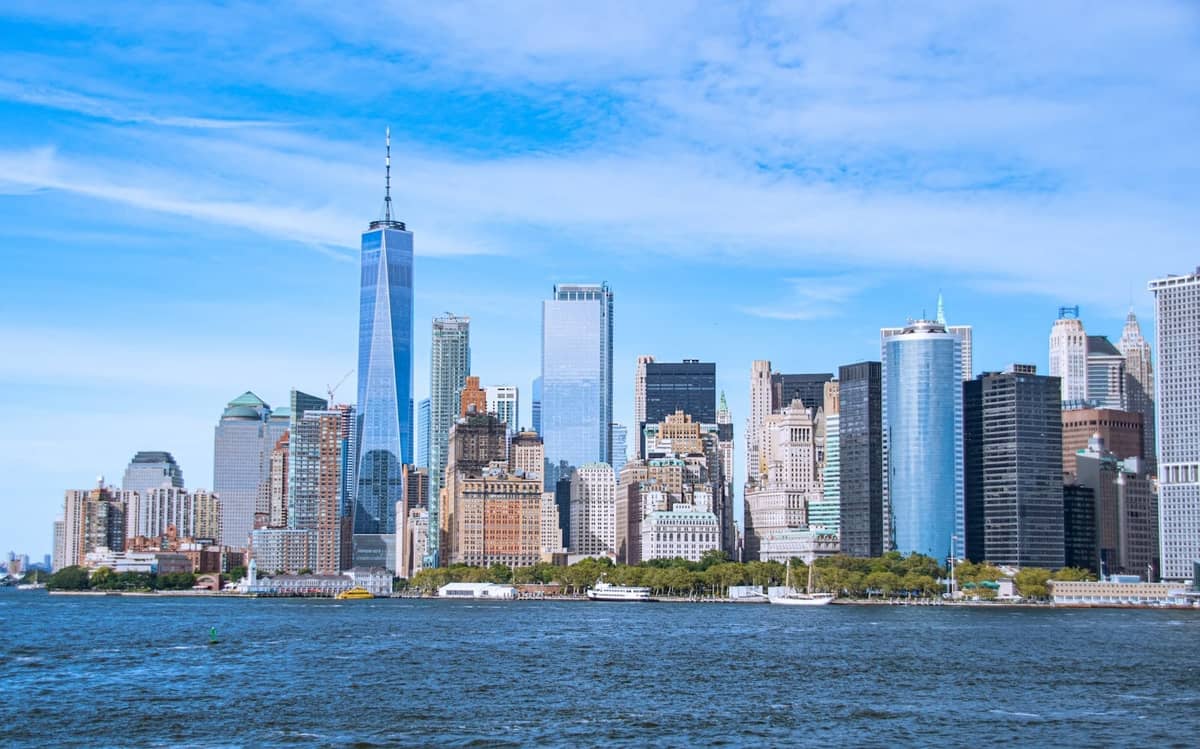
New York City sits on the northeastern U.S. coast at roughly 40.7° N latitude, which gives it four genuinely distinct seasons. Climate scientists classify it as humid subtropical bordering on humid continental, meaning summers are legitimately hot and sticky, winters can be raw and occasionally brutal, and the shoulder seasons are where the magic happens. Annual precipitation is around 49–50 inches (about 1,250–1,270 mm), spread fairly evenly across the year, so there's no single rainy season to avoid. What you're really navigating is temperature, humidity, and crowd density.
- Winter (December–February) January averages around 31°F (−0.5°C). Expect occasional snow, wind off the Hudson River, and short days. Cold but manageable with layering.
- Spring (March–May) Temperatures climb from near-freezing in March to the mid-60s°F (around 18°C) by May. April and May are the most comfortable, with Central Park and the High Line at their most photogenic.
- Summer (June–August) June averages around 72°F (22°C), but July and August regularly push into the high 80s°F (30°C+) with oppressive humidity. Heat indexes above 95°F (35°C) are common during heat waves.
- Fall (September–November) September still feels like late summer. October is the city's finest month: crisp air, low humidity, foliage color in the parks. November turns cold quickly and can be grey.
ℹ️ Good to know
NYC operates on Eastern Time (ET): UTC−5 in winter (Eastern Standard Time) and UTC−4 from mid-March through early November (Eastern Daylight Time). If you're coordinating international travel or booking time-sensitive tickets, double-check which offset applies to your travel dates.
Fall: The Strongest Case for September and October
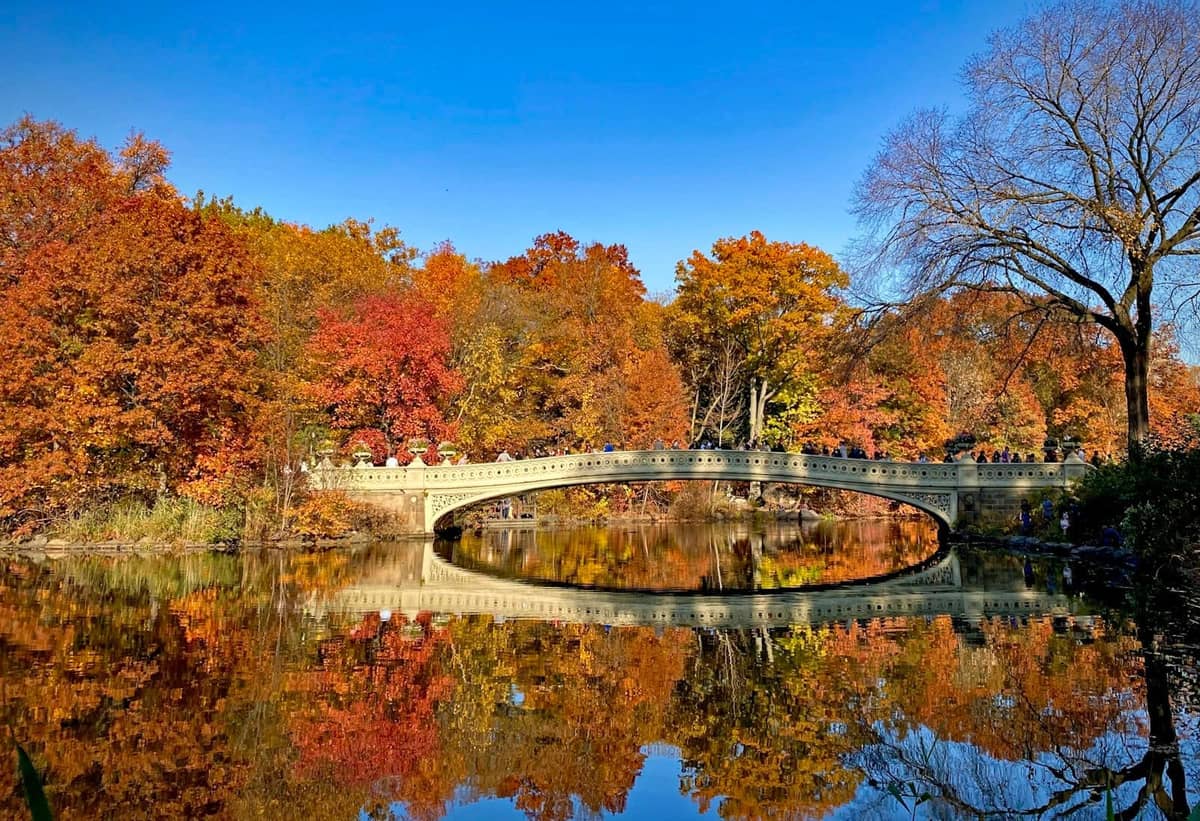
Fall is consistently ranked as the best time to visit New York City across most serious travel resources, and the argument is hard to dispute. September is a particular standout: summer humidity has usually broken, daytime temperatures hover between 65–75°F (18–24°C), and the city's cultural season kicks into high gear with events like the New York Film Festival and the Feast of San Gennaro in Little Italy. The Central Park foliage peaks in mid-to-late October, turning the Ramble and the Mall into something genuinely worth planning around.
October is the city's sweet spot for outdoor sightseeing. You can comfortably walk the Brooklyn Bridge, spend a full afternoon in Prospect Park, or do the entire High Line without sweating through your shirt. Hotel rates in October are higher than January but still noticeably below summer peaks, especially if you book four to six weeks out. The main downside: everyone else knows this. October weekends in Manhattan are busy, particularly around Columbus Day and Halloween.
November is where the trade-offs shift. Early November can still be pleasant, but the city turns grey and cold by mid-month. If foliage is your goal, aim for the first two weeks of November at the latest. If you're planning a trip focused on Broadway shows or the city's top museums, November's colder weather is actually a bonus since you're not sacrificing outdoor time.
Spring: The Underrated Window (April Through Early June)
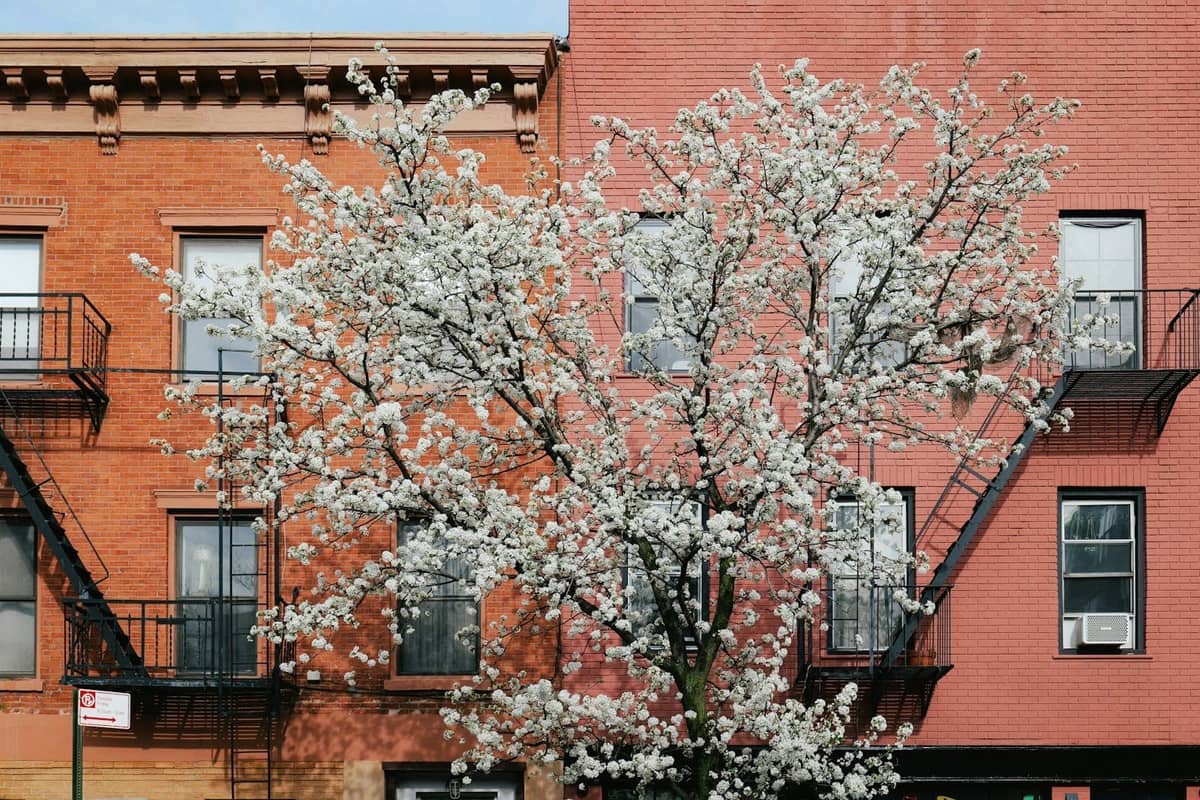
Spring in New York is genuinely compelling but inconsistent, which is why it ranks slightly behind fall. March is a shoulder month in every sense: hotels are cheaper, but the weather is unreliable, toggling between 40°F and 60°F (4–15°C) with little warning. April is where spring earns its reputation. Cherry blossoms appear in Brooklyn Botanic Garden typically from early-to-late April, Central Park fills with runners and picnickers, and the city feels like it's exhaling after winter.
May is arguably the most underrated month to visit. Temperatures settle into the low-to-mid 60s°F (around 17–19°C), the parks are green, outdoor dining is in full swing, and you're still ahead of the summer tourist wave. If you want to see Manhattanhenge, the phenomenon where the setting sun aligns perfectly with Manhattan's east-west street grid, it typically occurs in late May and again in mid-July. Bring a camera to any of the major cross-streets and arrive 20 minutes before sunset. Spring in New York City has a distinct energy that summer crowds tend to flatten.
💡 Local tip
If you're visiting in late April, check the Brooklyn Botanic Garden's Cherry Blossom Festival (Sakura Matsuri) dates when booking. It draws large crowds on peak bloom weekends, but the garden is genuinely spectacular. Book tickets in advance.
Summer: Honest Assessment of July and August
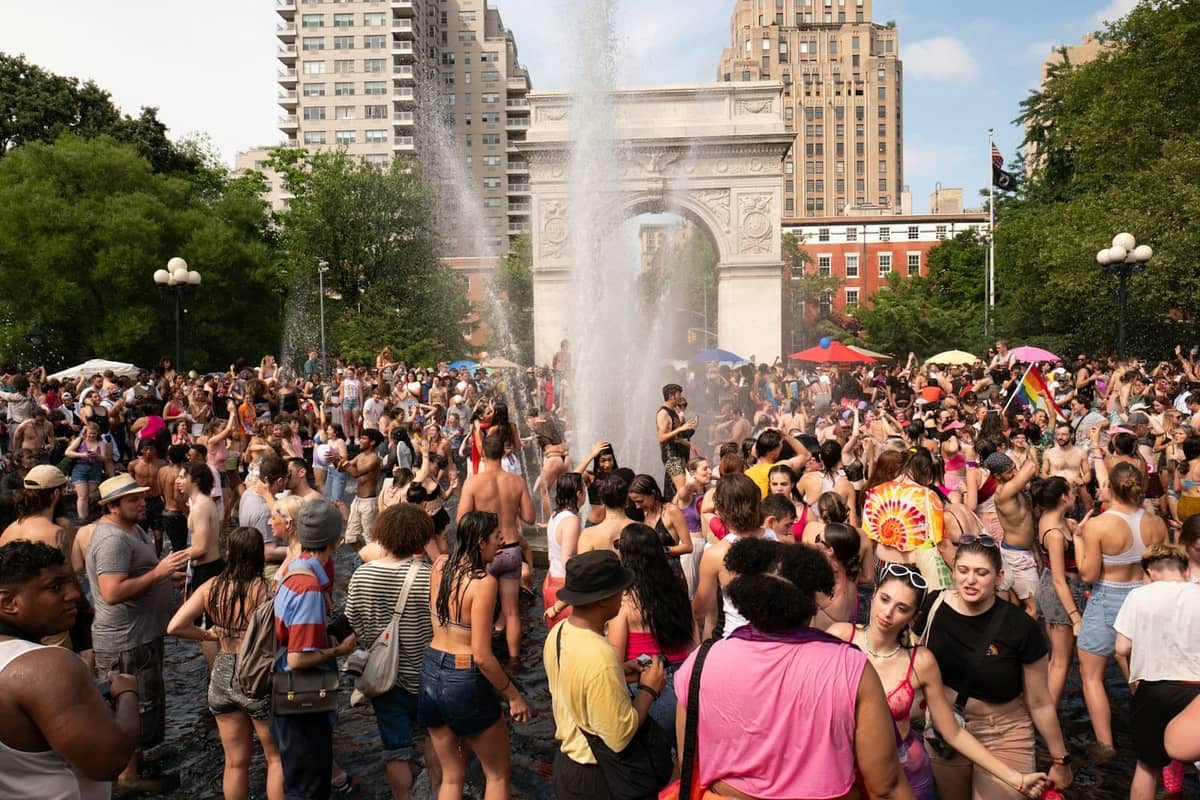
Summer gets oversold as the best time to visit New York City, and the reality is more complicated. June is excellent: long days, warm but not brutal temperatures, and an active outdoor events calendar including free Shakespeare in the Park at the Delacorte Theater in Central Park. The problem starts in mid-July and runs through August, when the city becomes genuinely uncomfortable for anyone sensitive to heat. Subway platforms can hit 100°F (38°C) on hot days. The smell of the streets in August is a rite of passage, not a selling point.
That said, summer has real advantages. Rooftop bars are open, the beaches at Rockaway Beach are accessible by subway, Governors Island is in full operation, and outdoor events like the Smorgasburg food market in Williamsburg run through summer weekends. Hotel rates are high, major attraction lines are long, and Times Square reaches its maximum density. If you're traveling with children who have school schedules, summer works, but set expectations correctly and build in downtime during the hottest part of the day.
- Free outdoor concerts in Central Park (SummerStage) run June through September
- Shakespeare in the Park at the Delacorte Theater runs in summer (typically June through August in recent seasons), with free tickets distributed by lottery and other methods
- Smorgasburg Brooklyn and Prospect Park operate on weekends from spring through fall
- Fourth of July fireworks over the East River are a genuine spectacle worth planning around
- Coney Island and the boardwalk are at their most lively from Memorial Day through Labor Day
Winter: The Budget Traveler's Secret (January–March)
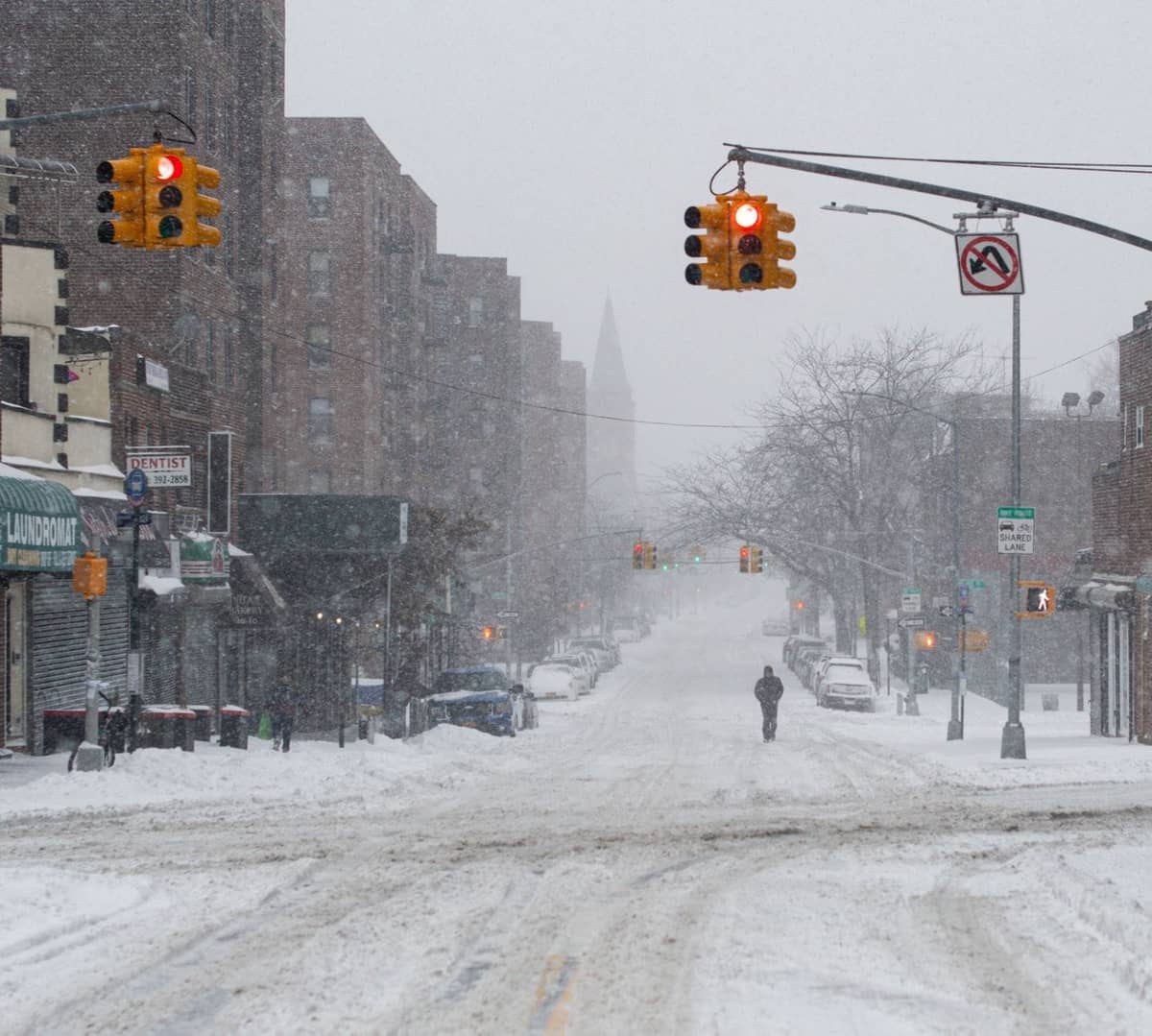
January through early March is generally the most financially efficient time to visit New York City. Hotel rates drop sharply after the Christmas holiday rush, flights are typically at their annual low points, and the city's world-class indoor offerings, from the Metropolitan Museum of Art to the Museum of Modern Art, are far less crowded than at any other time of year.
Broadway is also more accessible in winter. The post-holiday period sees more TKTS discount availability and competitive pricing, and NYC Restaurant Week, which typically runs in winter (around January/February) and again in summer (often July/August), offers fixed-price menus at restaurants that normally require months of advance planning. Ice skating at Wollman Rink in Central Park runs through mid-March and is one of the few winter-specific experiences that justifies braving the cold. The honest caveat: February can be grey, raw, and occasionally demoralizing, especially for first-time visitors expecting cinematic New York glamour.
⚠️ What to skip
Late December (roughly December 20 through January 2) is not budget winter. Hotel prices spike dramatically around Christmas and New Year's Eve, Times Square on December 31 requires arriving hours early and standing in a cold pen with no bathroom access, and every major attraction is operating at maximum capacity. Book well in advance if visiting this window, or plan to avoid Midtown entirely.
For a deeper look at what to expect during the coldest months, the December in New York City guide covers holiday markets, ice rinks, and event timing in more detail.
Practical Considerations: Costs, Crowds, and Booking
New York City has three major international airports: JFK in Queens (about 15–18 miles from Midtown Manhattan), LaGuardia also in Queens (about 8–9 miles from Midtown), and Newark Liberty in New Jersey (about 14–16 miles from Midtown). Flight pricing into all three fluctuates significantly by season, with January and February typically offering the lowest fares from most international origins. Spring and fall shoulder seasons usually offer moderate pricing, while summer and the December holiday period hit peak fares.
Once in the city, the MTA subway operates 24 hours a day and is the most efficient way to move between neighborhoods regardless of season. For trip planning beyond timing, the getting around New York City guide covers subway navigation, taxi and ride-hailing logistics, and airport transfer options in detail. Accommodation costs vary enormously by neighborhood: Midtown Manhattan hotels are the most expensive and most convenient; Brooklyn offers better value with easy subway access to Manhattan.
- Best for weather October (crisp, dry, ideal temperatures) and May (warm, pre-summer crowds)
- Best for budget January–February (lowest hotel rates and airfares of the year, outside holiday spikes)
- Best for events September–October (Film Festival, Feast of San Gennaro, NYC Marathon in early November)
- Best for families June and late August (school schedules, outdoor activities fully operational, beaches open)
- Best for Broadway and museums January–March (lower ticket availability pressure, fewer crowds at major institutions)
- Avoid if crowds bother you Late December through New Year's, and the week of Thanksgiving
If this is your first trip and you're trying to pack in the top things to do in New York City across a short visit, the first-time visitor guide is the best starting point for building an itinerary around your travel window. For a tighter schedule, the 3 days in New York City itinerary structures the essential sights efficiently regardless of season.
✨ Pro tip
Book observatory tickets (One World Observatory, Top of the Rock, Summit One Vanderbilt) and popular museum time slots at least two weeks in advance during spring and fall, and four to six weeks out for October weekends. These sell out faster than most visitors expect, and same-day availability is often nonexistent during peak periods.
FAQ
What is the best time to visit New York City for the first time?
October is the single strongest month for a first visit: comfortable temperatures (typically 55–65°F / 13–18°C), low humidity, fall foliage in the parks, and the full cultural calendar in swing. If October doesn't work, May is the best spring alternative. Both offer a good balance of pleasant weather, manageable crowds, and reasonable hotel pricing compared to summer peaks.
Is New York City worth visiting in winter?
Yes, particularly for budget travelers, theater fans, and museum-goers. January and February offer the cheapest hotel rates of the year, more Broadway availability, and far thinner crowds at major attractions. The cold is real (January averages around 31°F / −0.5°C), but the city's indoor cultural offerings are world-class. Avoid late December, which is cold AND expensive AND crowded.
How hot does New York City get in summer?
July and August regularly see high temperatures in the mid-to-upper 80s°F (30–32°C) with high humidity, pushing the heat index above 95°F (35°C) on peak days. Subway platforms amplify the heat considerably. June is significantly more comfortable and still qualifies as summer. If you're heat-sensitive, plan outdoor sightseeing for mornings and evenings in July and August.
When are flights to New York City cheapest?
January and February typically offer the lowest airfares into JFK, LGA, and EWR from most departure cities. The window between New Year's and Presidents' Day weekend is particularly soft on pricing. Spring and fall shoulder seasons are moderate; summer and late December command premium fares. Booking six to ten weeks in advance generally captures the best rates for those peak periods.
What major events should I plan around when visiting New York City?
The NYC Marathon (early November) closes major streets but creates an electric atmosphere. The New York Film Festival runs late September through mid-October. Thanksgiving week (late November) is extremely crowded and should be booked far in advance or avoided if you dislike crowds. New Year's Eve in Times Square is a bucket-list event for some, but requires arriving by early afternoon and standing in cold, restricted areas for hours. Manhattanhenge, where the sunset aligns with Manhattan's street grid, occurs in late May and mid-July and is worth planning an evening around.