New York City in Spring: Your Complete April & May Guide
Spring is one of the best times to visit New York City, but timing matters more than most guides admit. This guide covers the real weather picture, cherry blossom logistics, top seasonal events, crowd patterns, and practical tips for getting the most out of April and May in NYC.
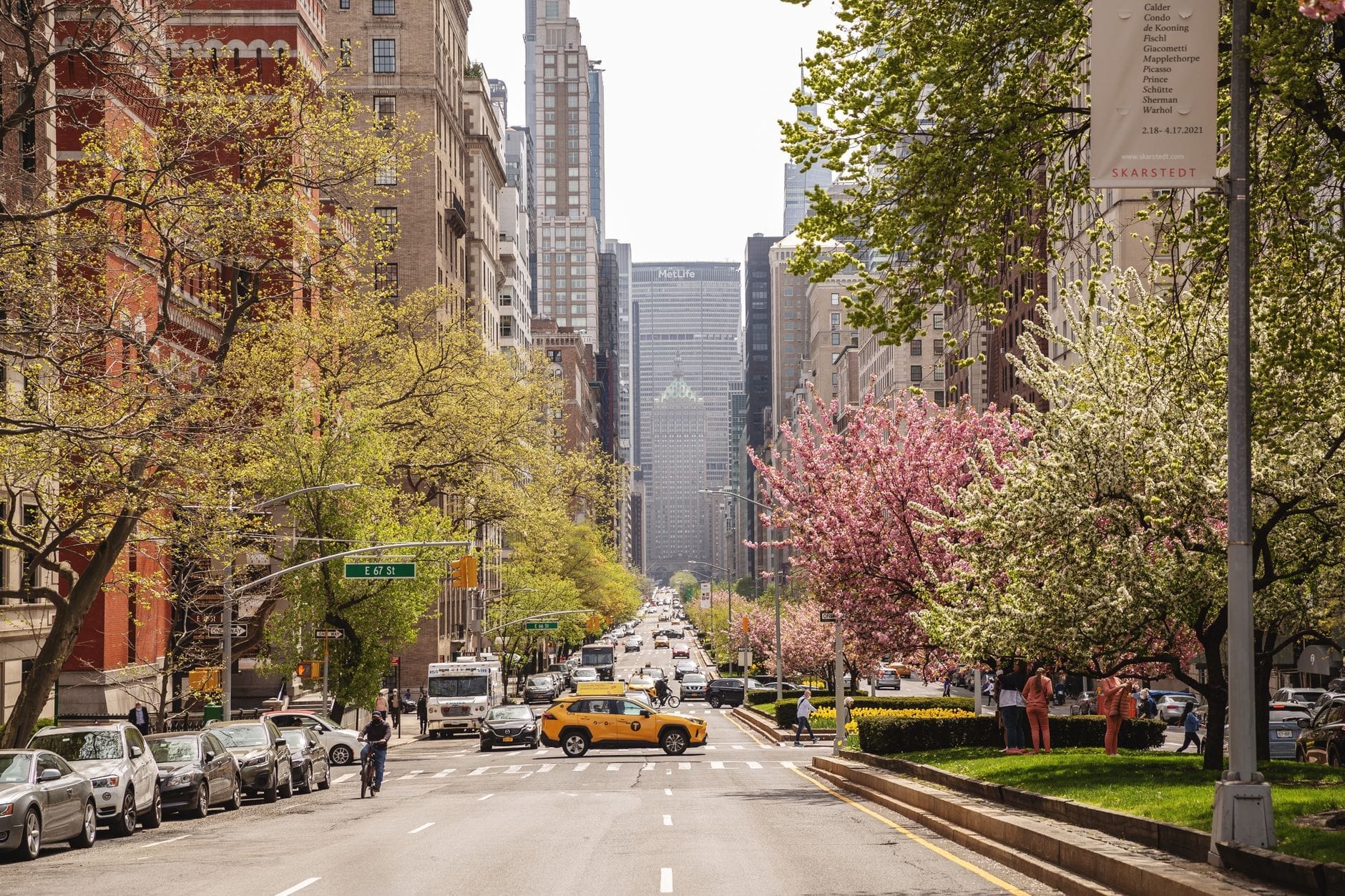
Plan and book this trip
Tools from our partner Travelpayouts help you compare flights and hotels. If you book through them, we may earn a commission at no extra cost to you.
Flights
Hotels map
TL;DR
- April and May bring mild temperatures (highs of 60–71°F / 16–22°C) but expect rain and chilly evenings — layers and a waterproof jacket are non-negotiable.
- Cherry blossoms at the Brooklyn Botanic Garden and Central Park typically peak between late March and late April — bloom timing shifts every year with temperature, so check forecasts weekly.
- April is shoulder season with fewer crowds than summer, but Easter weekend and spring school breaks cause sharp spikes — book accommodation early for those windows.
- By May, outdoor markets like Smorgasburg resume, rooftop bars open, and street fairs run almost every weekend.
- Subway fare is $3.00 per ride via OMNY contactless — the fastest and cheapest way to move between spring hotspots across all five boroughs.
Spring Weather in NYC: What to Actually Expect
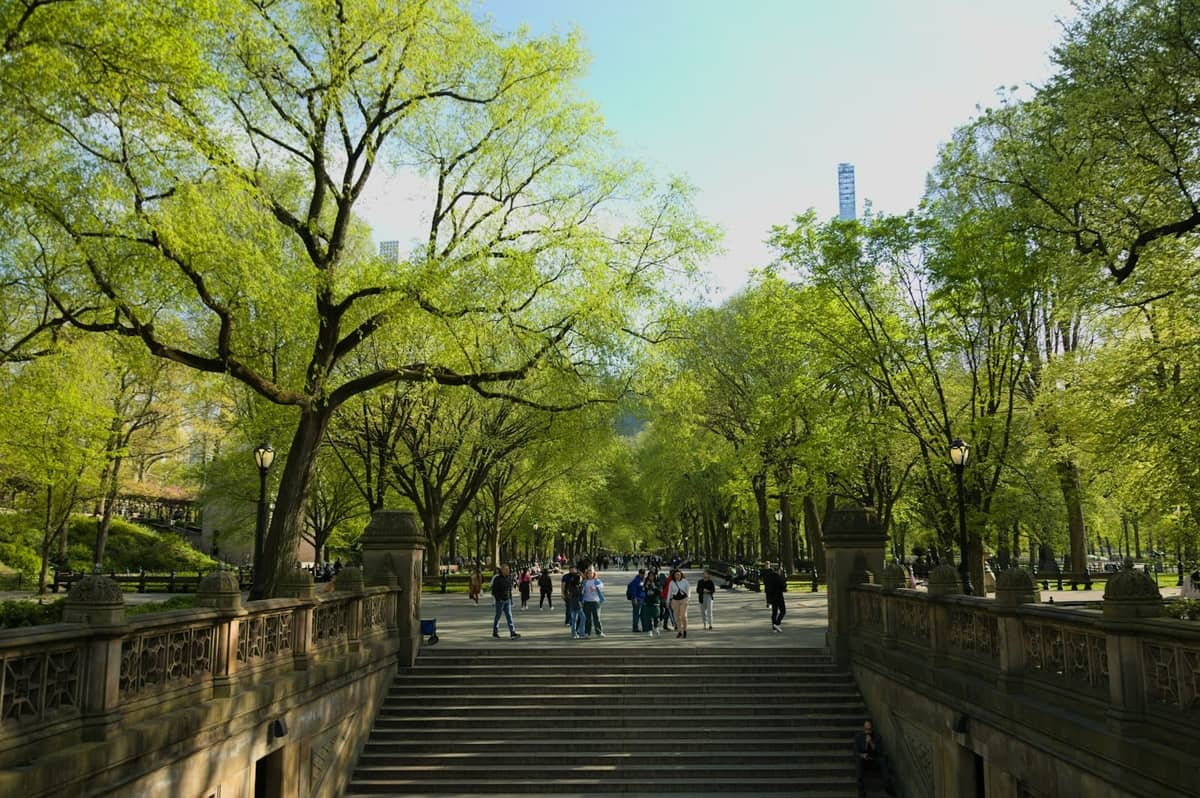
New York City in spring covers a wide range of conditions. March is still winter in practical terms, but by April the city shifts into something more forgiving. April average highs run around 60–63°F (16–17°C), climbing to 70–71°F (21–22°C) by late May. Overnight lows stay between 45–55°F (7–13°C) through most of the season, which catches visitors off guard after warm afternoons.
Rain is a consistent presence. NYC receives precipitation fairly evenly throughout the year, and spring is no exception. April averages about 3.6 inches and May about 3.9 inches of rainfall, often arriving as brief but heavy showers rather than all-day drizzle. Carry a compact umbrella and treat it as essential gear, not an afterthought. Thunderstorms become more common from late May onward as humidity builds.
⚠️ What to skip
Even in late April, evenings drop to around 45°F (7°C). Visitors who pack only light spring clothes for daytime sightseeing are often caught cold after sunset. A mid-weight layer or light jacket is worth the luggage space.
- Early April Highs around 57–62°F (14–17°C). Still cold in the mornings. Some trees budding but most blooms not yet at peak. Lightest crowds of the spring season.
- Late April Warmer days, cherry blossoms either peaking or fading depending on the year. Easter and school breaks bring noticeable crowd increases. Book popular restaurants and tours in advance.
- May The most consistently pleasant month. Highs reach the low 70s°F (around 22°C). Outdoor markets, rooftop bars, and waterfront parks all operating at full capacity. Crowds approach summer levels by Memorial Day weekend.
Cherry Blossoms and Botanical Gardens: Timing Is Everything
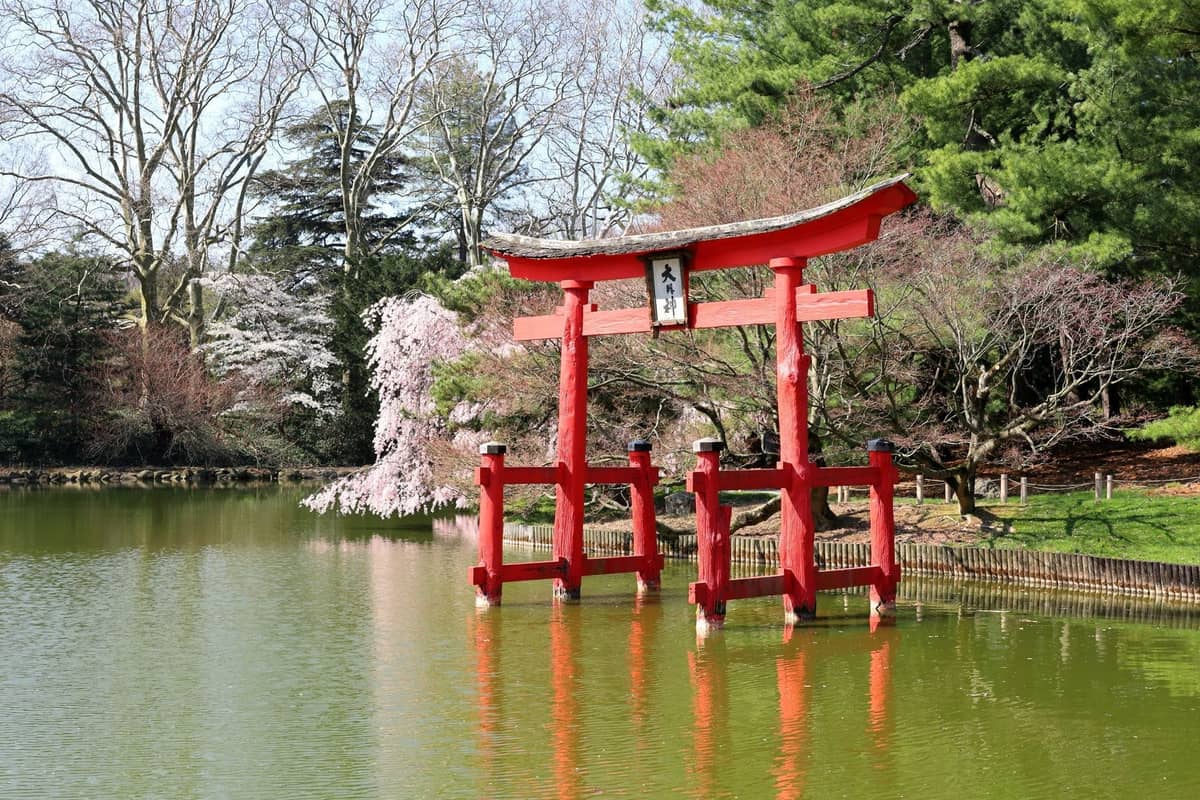
The Brooklyn Botanic Garden is the city's most celebrated cherry blossom destination. The Japanese Hill-and-Pond Garden and the Cherry Esplanade draw enormous crowds during peak bloom, which typically falls between late March and late April depending on that year's temperatures. The garden formerly hosted the Sakura Matsuri festival, a Japanese cultural event traditionally held around peak bloom weekend, but in recent years it has been replaced by other cherry-blossom programming — check the current events schedule for details, as offerings and formats change. If you want the blossoms without the festival crowds, visit on a weekday morning in the days leading up to or just after the event.
The New York Botanical Garden in The Bronx takes a different approach. Its Orchid Show typically runs through late April, and the spring garden displays across its 250-acre grounds are impressive. Timed-entry tickets are required for special exhibitions and are worth booking at least a week ahead during April.
💡 Local tip
Cherry blossom timing is not guaranteed. Warm winters can push peak bloom to late March; cold springs can delay it to early May. Follow NYC Parks Department updates (@NYCParks on social media) in the weeks before your visit to catch the real-time forecast rather than relying on fixed dates.
For a less crowded blossom experience, Central Park has scattered cherry trees throughout, with concentrations near the Reservoir and around the East 90s. Roosevelt Island, accessible via subway or the Roosevelt Island Tramway from Manhattan on a standard MTA fare, has a cherry tree grove near the Franklin D. Roosevelt Four Freedoms State Park that rarely appears in tourist itineraries.
Top Spring Events and Seasonal Activities
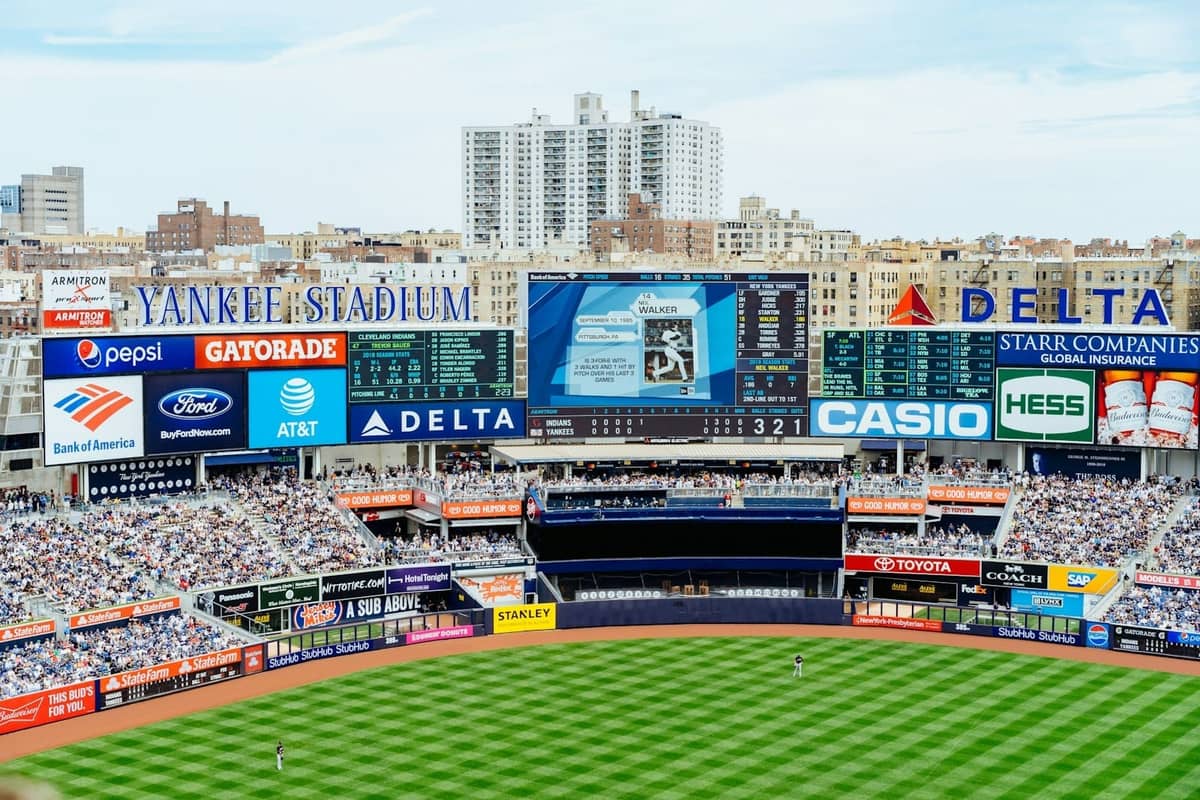
Baseball season opens in late March or early April, and both the Yankees and Mets play home games through all of spring. Yankee Stadium in The Bronx and Citi Field in Queens are both easily reached by subway. Ticket prices use dynamic pricing and vary significantly by matchup — a weekday afternoon game against a non-rival team can be very affordable, while weekend games or rivalry matchups cost considerably more. Check the official MLB team sites for current pricing.
Smorgasburg, the open-air food market, typically resumes its weekend schedule in Williamsburg and Prospect Park locations in late April or early May. It draws serious food crowds by 1pm on Saturdays and Sundays — arrive before noon for a more comfortable experience. The combination of warm weather and riverside views at the Williamsburg location makes it one of the more enjoyable spring activities in the city.
- Five Boro Bike Tour (usually first Sunday of May): closes major roads city-wide; great if you're participating, disruptive if you're not — plan transport accordingly.
- Tribeca Film Festival (late April to early May): screenings, talks, and free outdoor events across Lower Manhattan.
- New York City Half Marathon (March, just before spring peak): affects road access in Central Park and along the West Side.
- Easter Parade and Bonnet Festival (Fifth Avenue, Easter Sunday): a genuine NYC tradition dating back to the 19th century, free to watch.
- Street fairs: Dozens of neighborhood street fairs run from May through fall; they appear with almost no advance notice and close major avenues for several blocks.
Best Outdoor Spaces to Visit in Spring
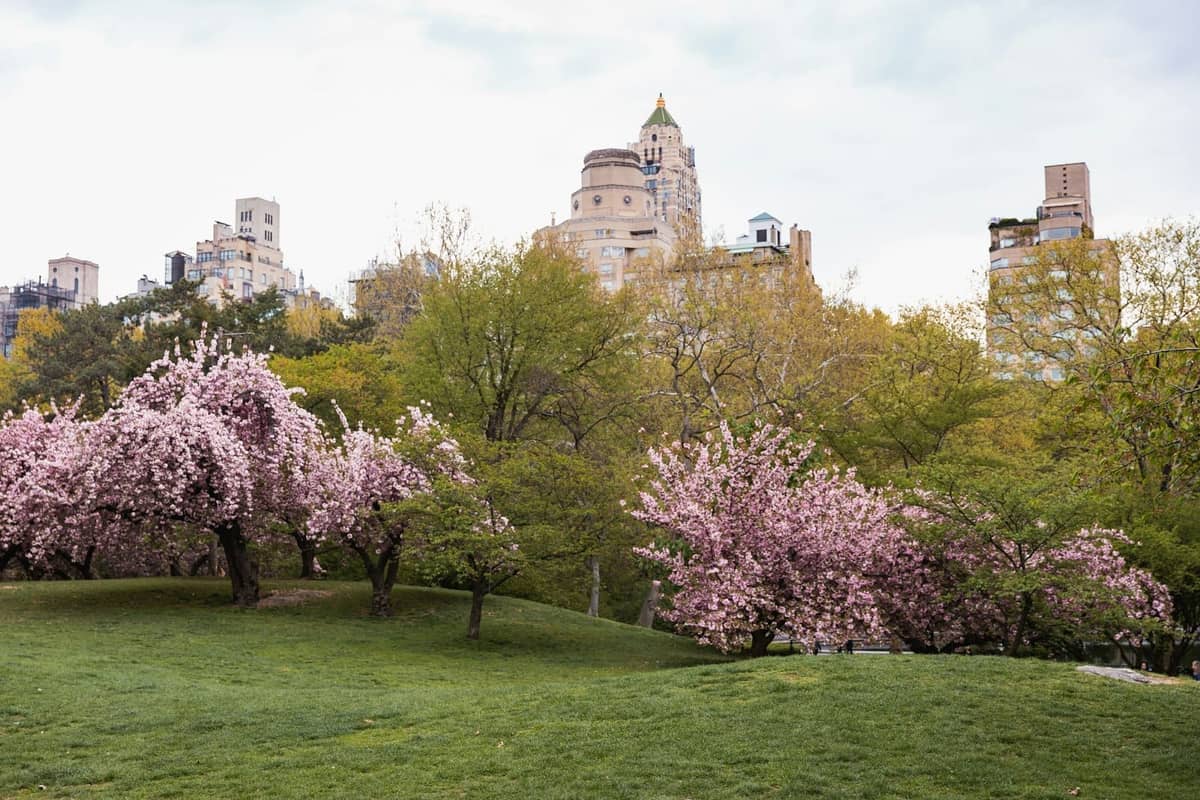
Spring transforms Central Park from a grey winter landscape into one of the most pleasant urban parks in the world. The Conservatory Garden on the Upper East Side side of the park (around 105th Street) reaches peak bloom in late April and early May with formal tulip and cherry displays that most visitors walk right past on their way to more famous landmarks.
The High Line in Chelsea is at its most walkable in spring, before summer heat and peak tourist volumes make it feel crowded. The planting design uses native and ornamental grasses alongside spring bulbs that look their best in April and May. Access is free and the northern section near Hudson Yards is usually less crowded than the Meatpacking District entrance.
Across the East River, Brooklyn Bridge Park offers some of the best Manhattan skyline views in the city, and spring weather makes the waterfront enjoyable rather than a test of endurance. The piers have sports facilities, a carousel, and lawns that fill with locals on warm weekends. Pair it with a walk across the Brooklyn Bridge from the Manhattan side for an afternoon that earns its reputation.
Crowds, Costs, and Booking Strategy
April is legitimately shoulder season for most of the month, with one major exception: Easter weekend and the school spring break period, which spans different weeks depending on which school systems are on break. During these windows, Midtown Manhattan fills with domestic family visitors, popular restaurants require reservations, and hotel rates jump. If your dates are flexible, the weeks immediately before or after school breaks offer the best combination of good weather and manageable crowds.
Observation decks remain among the most consistently popular paid attractions, and spring visits are no exception. Summit One Vanderbilt, Empire State Building, and Top of the Rock all use timed-entry ticketing at around $40–50+ per adult for standard access, with sunset slots costing more. Book online at least a few days ahead in April, and up to a week or more ahead in May.
✨ Pro tip
If you plan to visit three or more paid attractions, an NYC attractions pass (such as the New York Pass or Explorer Pass) can offer meaningful savings. Compare the included attractions carefully against your actual itinerary — many passes include combinations that look impressive but include things you may not want. Check our NYC Pass Guide for a detailed breakdown.
For budget-conscious travelers, spring actually offers some advantages. Many of NYC's best spring experiences are free: the parks, the High Line, the Brooklyn Bridge walk, the Staten Island Ferry with its harbor and Statue of Liberty views, and dozens of free outdoor cultural events. See our guide to free things to do in New York City for a full list.
Getting Around NYC in Spring: Practical Transport Notes
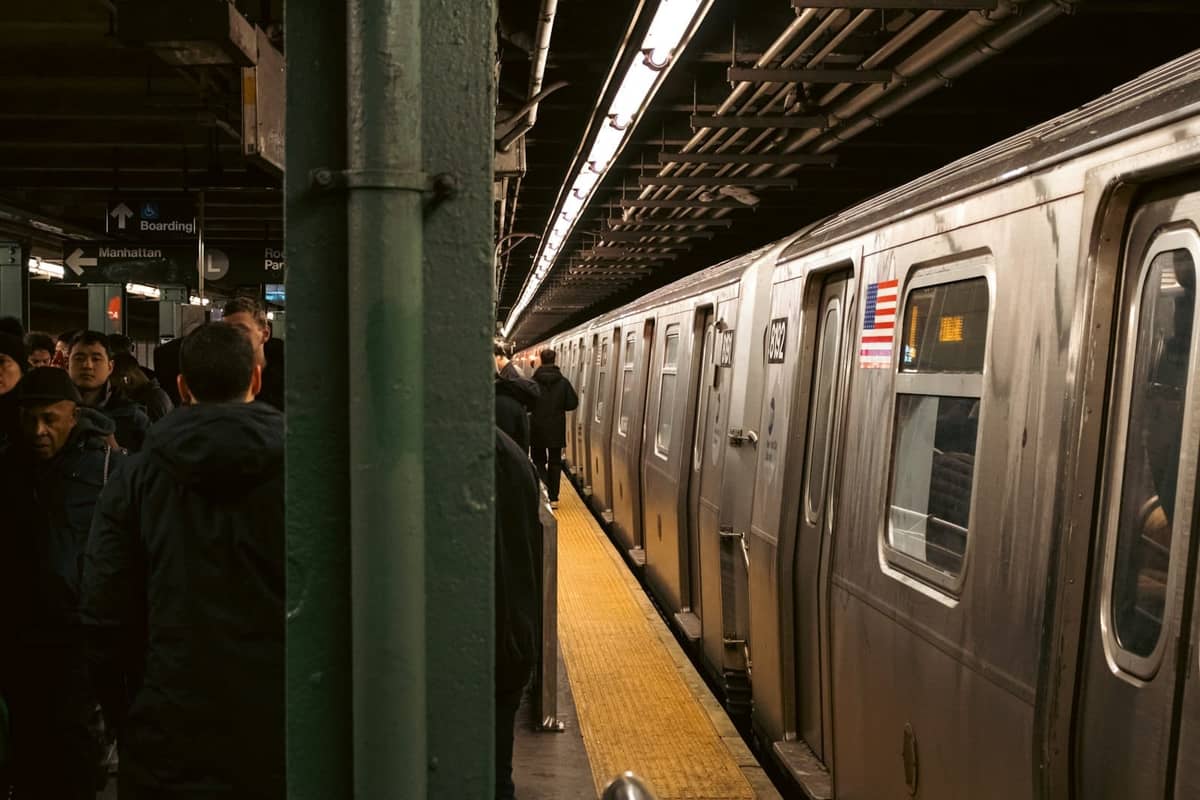
The subway is the backbone of spring sightseeing. At $3.00 per ride using OMNY contactless payment (tap your credit card, phone, or watch), it connects virtually every major spring destination across Manhattan, Brooklyn, and Queens. The L train links Williamsburg to Manhattan; the 2/3 and B/C lines run along the edges of Central Park; the 4/5/6 lines serve the Upper East Side museums; the 4 train continues north to serve the New York Botanical Garden in The Bronx via a short walk from Bedford Park Blvd–Lehman College or Mosholu Parkway stations. Metro-North's Botanical Garden station on the Harlem Line also stops adjacent to the garden entrance.
For a broader sense of the city's layout, consider getting around New York City by walking more than you might in summer or winter. Spring temperatures make longer walks comfortable, and neighborhoods like the West Village, SoHo, and Brooklyn Heights are more rewarding on foot than by subway. The walking tour options across the city also tend to be at their most comfortable in April and May before summer heat arrives.
ℹ️ Good to know
NYC is served by three major airports: JFK and LaGuardia in Queens, and Newark Liberty (EWR) in New Jersey. All three connect to Manhattan via public transit. The AirTrain from JFK links to subway and LIRR services; from EWR, NJ Transit trains reach Penn Station. LaGuardia has no direct rail link — MTA buses connect to subway lines, or take a taxi or rideshare. Always verify current fares before travel as pricing updates regularly.
FAQ
When do cherry blossoms bloom in New York City?
Cherry blossom timing in NYC varies year to year based on winter and early spring temperatures. In most years, peak bloom falls somewhere between late March and late April. The Brooklyn Botanic Garden is the most famous location, but Central Park, Roosevelt Island, and Riverside Park also have notable trees. Check the NYC Parks Department website or social channels in the weeks before your visit for real-time bloom updates rather than relying on fixed calendar dates.
Is April or May better for visiting New York City?
Both months are excellent, with different trade-offs. April is cooler and less crowded (outside of Easter and school break windows), making it better for sightseeing without summer-level queues. May is warmer, more reliably sunny, and more festive — outdoor markets, rooftop bars, and waterfront spaces are all operating. If cherry blossoms are a priority, April is the safer bet. If you want warm evenings and outdoor dining, May wins.
What should I pack for New York City in spring?
Layer strategically. Daytime temperatures in April can reach 60–65°F (15–18°C), but mornings and evenings drop to 45–50°F (7–10°C). Comfortable walking shoes are non-negotiable — NYC is a walking city. Bring a compact umbrella and a light waterproof jacket; rain showers can arrive quickly. By May, you can swap the heavy layers for a lighter jacket, but still keep the umbrella.
How crowded is NYC in spring compared to summer?
April is less crowded than summer for most of the month, with the exception of Easter weekend and spring school break periods. By May, especially Memorial Day weekend at the end of the month, crowds approach summer levels at major attractions. If you visit in early to mid-April outside school break windows, you'll find shorter queues at observation decks and museums, and more availability at hotels with better rates than July and August.
What are the best spring-specific events in New York City?
The Sakura Matsuri cherry blossom festival at Brooklyn Botanic Garden (late April), the Five Boro Bike Tour (usually first Sunday of May), the Tribeca Film Festival (late April to early May), and the Easter Parade on Fifth Avenue are the most prominent spring-specific events. Smorgasburg food market also resumes in late April or early May at its Williamsburg and Prospect Park locations. Check official event websites each year as specific dates shift annually.