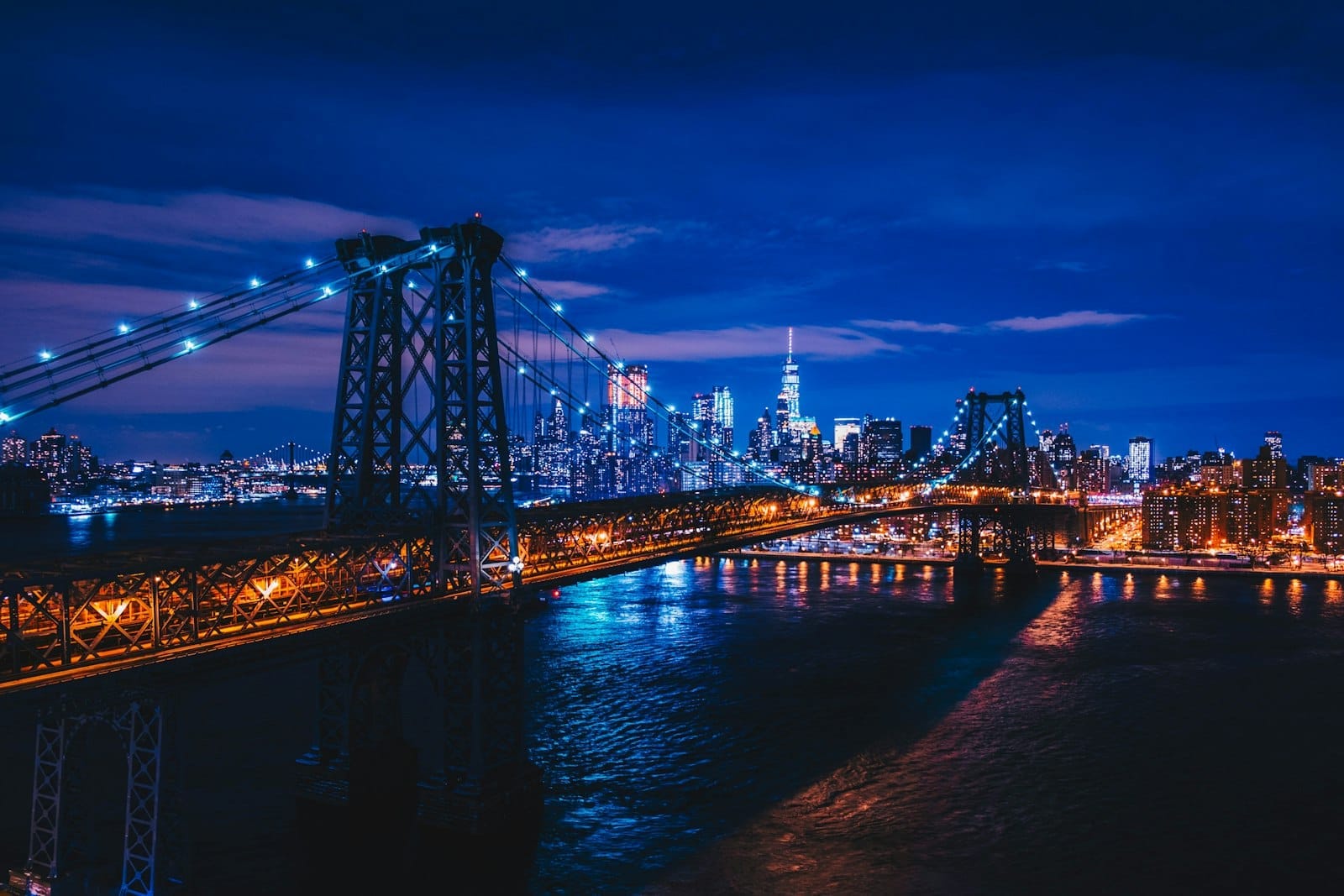
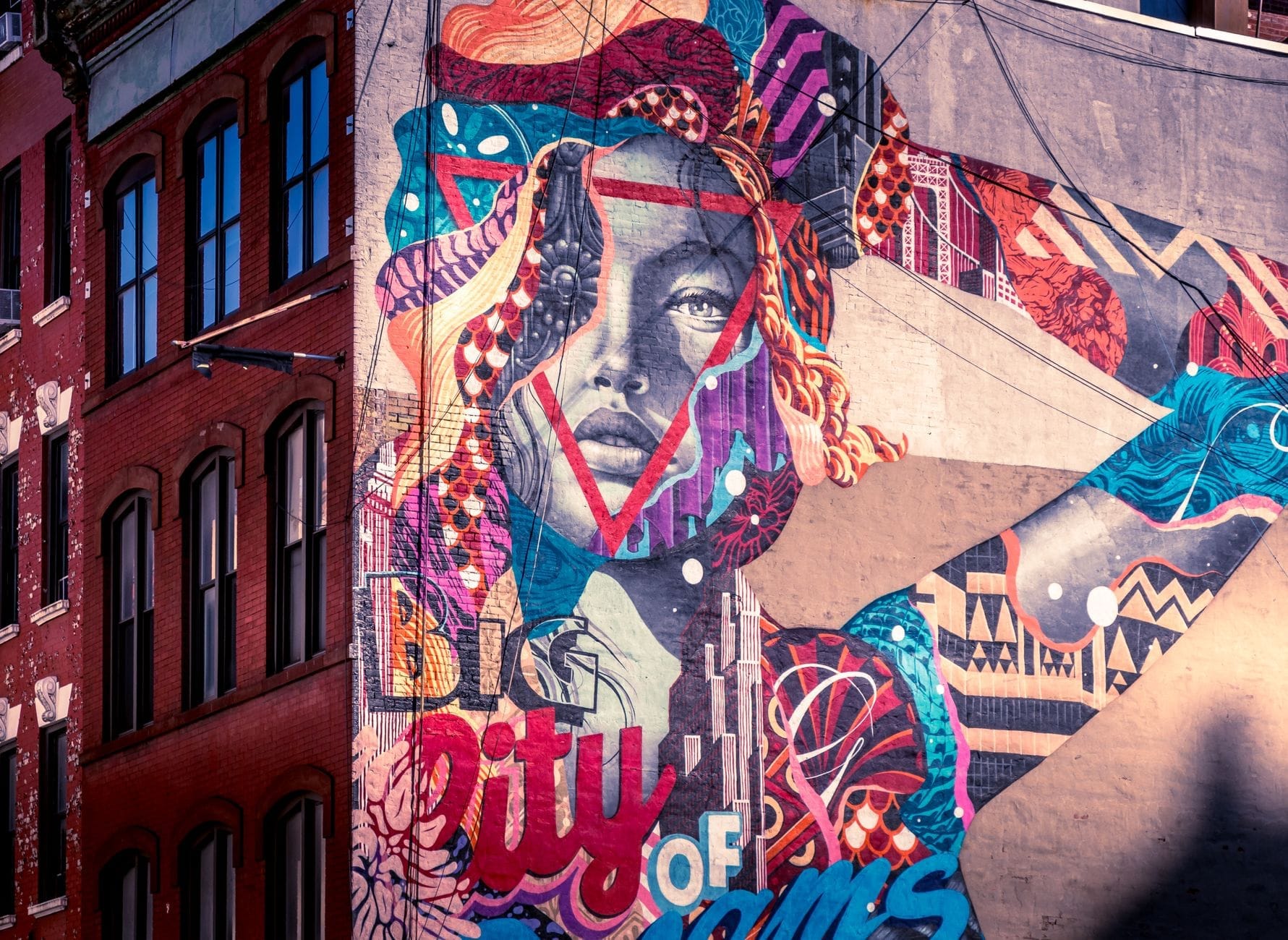
Williamsburg is northern Brooklyn's most talked-about neighborhood, a former manufacturing corridor that has reinvented itself over the past three decades into one of New York City's most energetic destinations for food, nightlife, art, and outdoor life along the East River.
Williamsburg sits across the East River from Manhattan's Lower East Side, close enough to see the skyline but with a pace and identity entirely its own. Once the domain of Jewish, Italian, and Latino working-class families, it has spent thirty years transforming into a dense, occasionally chaotic, always interesting mix of converted warehouses, independent restaurants, music venues, and waterfront parks — while traces of older Williamsburg still surface if you know where to look.
Oryentasyon
Williamsburg occupies the northwestern corner of Brooklyn, with the East River forming its western edge and the Manhattan skyline sitting directly across the water. The neighborhood stretches roughly from North 12th Street in the north down to the Grand Street and Flushing Avenue area in the south, and from the riverfront east to Bushwick Avenue. It belongs to Brooklyn Community District 1, sharing that district with neighboring Greenpoint directly to the north.
In practice, most visitors experience two distinct zones: the north side, roughly from North 1st Street up to McCarren Park, where the bars, hotels, and food markets concentrate along Bedford Avenue and Wythe Avenue; and the south side, below the elevated BQE (Brooklyn-Queens Expressway), where the neighborhood transitions toward Hasidic Jewish residential blocks and industrial pockets. The two areas feel markedly different — the north is louder, more commercial, and increasingly expensive; the south is quieter and retains more of the neighborhood's working-class texture.
Williamsburg borders Greenpoint to the north (connected easily by foot along Manhattan Avenue or by the G train), the Lower East Side directly across the East River to the west, and Bushwick to the east. The Chelsea and Meatpacking District are a short ferry or subway ride away, making Williamsburg a practical base for exploring both Brooklyn and Manhattan.
Character & Atmosphere
On a weekday morning, Bedford Avenue between North 7th and North 10th Streets moves at the pace of a neighborhood that stayed up late. Coffee shops open early and fill steadily with people who look like they live here, not visiting — laptops out, second drinks ordered. The light at this hour comes in low from the east, catching the painted brick of old factory buildings and the steel of newer glass towers that have risen along the waterfront over the past decade. The contrast is deliberate and slightly jarring: a pre-war tenement squeezed between two glass-and-steel condos is a common streetscape.
By afternoon, the energy shifts outward. On weekends between late spring and early fall, the waterfront at Domino Park draws crowds that stretch from the grassy lawns down to the old sugar refinery ruins preserved along the river's edge. The views of the Manhattan skyline from here are among the most direct in Brooklyn — you're looking straight across at the Lower East Side and Midtown without obstruction. Wythe Avenue fills with people drifting between the boutiques, brunch spots, and record stores that have replaced the metal fabricators and print shops of an earlier era.
After dark, Williamsburg is loud in the areas around Bedford Avenue and the streets radiating from it. The concentration of bars per block rivals anything in Manhattan's nightlife districts. On Friday and Saturday nights, the L train platform at Bedford Avenue — the first Brooklyn stop after the tunnel from Manhattan — disgorges a steady stream of arrivals until well past midnight. This energy is part of the neighborhood's identity, but it is worth knowing before you book a hotel here: if your room faces Bedford Avenue or Metropolitan Avenue on a weekend, you may not sleep until 3am.
⚠️ What to skip
Williamsburg's nightlife strips are noisy on weekends. When booking accommodation, check which street your room faces. Side streets like North 6th, North 7th, or blocks closer to the waterfront on Kent Avenue tend to be significantly quieter than Bedford Avenue itself.
During the week, especially in winter, Williamsburg settles into something more ordinary and more interesting. The tourist layer thins out, the food market crowds dissipate, and the neighborhood reveals itself as a place where people actually live — walking dogs along the Williamsburg Bridge path, shopping at the handful of remaining bodegas on Havemeyer Street, picking up coffee from the same corner they've been using for years.
What to See & Do
Domino Park, at Kent Avenue and South 3rd Street, is the neighborhood's most compelling public space. Built on the grounds of the former Domino Sugar Refinery — which processed sugar on this site from 1882 until 2004 — the park preserves the original refinery's structural bones as public sculpture. The massive iron columns, crane structures, and brick arches are visible throughout the park grounds. The lawn areas fill with locals in summer, and the riverfront promenade offers unbroken views of the Manhattan skyline. It's one of the few places in Brooklyn where the waterfront is fully accessible and pleasant at any time of year.
McCarren Park anchors the northern end of the neighborhood at the boundary with Greenpoint. It's a working park in the truest sense: tennis courts, soccer fields, a large public pool, and a greenmarket on Saturdays. The park hosts outdoor concerts and film screenings in summer, and the surrounding blocks along Lorimer Street and Union Avenue are some of the most residential and least touristy in the area.
The Williamsburg Bridge pedestrian path is one of the most rewarding walks in the city. You can walk or cycle across from the Delancey Street side in Manhattan and arrive directly into the heart of south Williamsburg at Broadway — the whole crossing takes about 20 minutes on foot. It connects directly to the Lower East Side and gives you elevated views of the river, the bridges, and the lower Manhattan skyline that no observation deck can replicate.
Domino Park: waterfront public park with preserved refinery structures and Manhattan skyline views
McCarren Park: large neighborhood park with a public pool, greenmarket, and summer events
Williamsburg Bridge pedestrian path: a walkable crossing to Manhattan with open river views
National Sawdust: a not-for-profit music venue on North 6th Street focused on new and experimental music
Brooklyn Brewery: one of the city's original craft breweries, with a taproom open to the public on Wythe Avenue
Brooklyn Bowl: a combined music venue and bowling alley on Wythe Avenue — shows most nights of the week
Wythe Avenue boutiques: a concentration of independent clothing, design, and book shops between North 5th and North 13th Streets
ℹ️ Good to know
The Smorgasburg food market runs every Saturday in Williamsburg (Marsha P. Johnson State Park, Kent Avenue at North 8th Street) from spring through fall, featuring around 80 local food vendors. It's one of the most visited weekly food events in the city. Arrive before noon if crowds are a concern.
For broader context on Brooklyn's neighborhoods and how Williamsburg fits into the borough's geography and culture, the Brooklyn neighborhood guide provides a useful overview.
Eating & Drinking
Williamsburg has one of the densest concentrations of restaurants per block in Brooklyn, covering a price range from $2 dollar slices to $150 tasting menus. The neighborhood has been a testing ground for New York's restaurant scene for two decades, which means you'll find both genuine culinary ambition and a fair amount of trend-chasing. The trick is knowing where to look.
Peter Luger Steak House at 178 Broadway is the single most famous restaurant address in the neighborhood — a cash-only, reservation-required institution that has been serving dry-aged porterhouse steaks in the same wood-paneled room since 1887. It's expensive, crowded, and entirely worth the planning it requires if red meat is your thing. The atmosphere is deliberately unchanged: brusque service, communal tables, and a menu that hasn't needed updating in over a century.
Beyond that institution, Bedford Avenue and the blocks around it hold a broad range of options. Ramen shops, natural wine bars, wood-fired pizza, Mexican taquerias, Korean fried chicken, and Israeli-influenced cafes all compete for the same lunch and dinner crowds. The stretch of Metropolitan Avenue approaching the Lorimer Street subway stop is worth exploring for less obvious options at lower prices than the more heavily trafficked Bedford Avenue corridor.
For a broader survey of where to eat across Brooklyn and the city, the New York City food guide covers neighborhoods from Williamsburg to Flushing in useful detail.
Peter Luger Steak House (178 Broadway): dry-aged porterhouse steaks, cash only, reservations essential
Smorgasburg (Saturdays, East River State Park): outdoor market with dozens of local food vendors
Brooklyn Brewery taproom (79 North 11th Street): craft beers on tap in a large, informal space
Bedford Avenue corridor: dense range of cafes, casual restaurants, and bars at various price points
Metropolitan Avenue near Lorimer Street: less tourist-facing options, slightly lower prices
💡 Local tip
If you plan to eat at Peter Luger, book well in advance — weeks or even months ahead for weekend evenings. The restaurant accepts reservations by phone and online, but walk-ins at the bar are possible for solo diners or pairs on weekday evenings.
Getting There & Around
The L train is the primary subway connection between Williamsburg and Manhattan. Bedford Avenue station, the first stop in Brooklyn after the tunnel under the East River, puts you directly on the main commercial strip. From here, Manhattan's 14th Street–Union Square is three stops and roughly 8–10 minutes away. Lorimer Street and Graham Avenue stations serve the eastern parts of the neighborhood, while Grand Street station (also L train) handles the southern end.
The G train (IND Crosstown line) runs through the neighborhood at the Metropolitan Avenue-Lorimer Street station complex and connects Williamsburg north to Greenpoint and Long Island City, and south toward Park Slope and Red Hook without requiring a transfer through Manhattan. The J, M, and Z trains stop at Marcy Avenue on the neighborhood's south side, providing an alternate connection to the Broadway Junction hub and onward to Jamaica, Queens, or Manhattan via the Williamsburg Bridge.
The NYC Ferry's East River route stops at North Williamsburg (North 5th Street pier) and at South Williamsburg at the South Williamsburg/Scholes Street landing near Domino Park. The ferry runs to Manhattan's Lower East Side, DUMBO, and Astoria among other stops — it's slower than the subway but the route is spectacular, especially the leg passing under the Manhattan, Williamsburg, and Brooklyn Bridges. Fares are set by the city and are comparable to a single subway fare; confirm current pricing with NYC Ferry before traveling.
Walking the Williamsburg Bridge to and from the Lower East Side is also a practical option — the pedestrian path is wide, well-maintained, and separated from cyclists. The crossing takes around 20 minutes at a normal walking pace. For a full picture of navigating the city by subway, ferry, and foot, the getting around New York City guide covers all the essentials.
Where to Stay
Williamsburg has a handful of hotels that have become destinations in their own right. The Wythe Hotel, in a converted 1901 factory and former cooperage building on Wythe Avenue at North 11th Street, is the neighborhood's most architecturally interesting option — the building's original industrial bones are visible throughout, and the rooftop bar has some of the best views of the Manhattan skyline available from Brooklyn. The William Vale at 111 North 12th Street occupies the newer, glassier end of the spectrum, with large balconies and a pool that makes it popular in summer.
Staying in Williamsburg makes particular sense for travelers who want Brooklyn as their base — exploring DUMBO, Park Slope, or Greenpoint from here is straightforward by subway or on foot, and the L train gets you into Manhattan's Union Square area in under 10 minutes. It's less practical as a base for reaching Midtown or Upper Manhattan quickly; those neighborhoods are a more involved journey involving a transfer or a longer walk from the L train's Manhattan stops.
Be aware that hotels near Bedford Avenue or on the north side of the neighborhood sit within easy reach of the nightlife strip. This is a feature for some travelers and a significant drawback for others. If you're a light sleeper or traveling with young children, consider looking at properties a few blocks east toward Graham Avenue, where the streets quiet down considerably after midnight.
For a broader comparison of where to stay across New York City's neighborhoods, the where to stay in New York City guide covers options from Midtown Manhattan to the outer boroughs.
Is Williamsburg Right for You?
Williamsburg rewards visitors who engage with it rather than treating it as a backdrop. The neighborhood's best qualities — the waterfront parks, the live music venues, the density of solid restaurants, the walk across the bridge — require a bit of planning and willingness to move around on foot. If you arrive on a Saturday afternoon expecting a quiet cultural stroll, the crowds around Bedford Avenue and the food market will frustrate you. If you arrive with the intent to eat well, catch live music, and spend time on the river, it's one of the most rewarding neighborhoods in the city.
First-time visitors to New York City may find Williamsburg useful as a complement to a Manhattan-heavy itinerary — a half-day or full day here adds a distinctly different dimension to the city. The first-time visitor guide to New York City has broader advice on how to structure your time across the boroughs.
TL;DR
Williamsburg is a former industrial neighborhood in northern Brooklyn with a densely packed food, nightlife, and arts scene along Bedford Avenue and Wythe Avenue.
The waterfront at Domino Park and the Williamsburg Bridge pedestrian crossing are the neighborhood's two best free experiences — both offer outstanding views of the Manhattan skyline.
The L train connects Bedford Avenue to Manhattan's 14th Street in under 10 minutes, making it one of Brooklyn's most Manhattan-accessible neighborhoods.
Weekend nights around Bedford Avenue are loud until late — not ideal for light sleepers or travelers seeking a quiet base.
Best for: travelers who want a Brooklyn base with strong transit links, food and nightlife enthusiasts, anyone interested in New York's industrial architecture and urban transformation.
Three days is enough to cover New York City's greatest hits — if you plan smart. This itinerary organizes Manhattan by neighborhood cluster, adds a Brooklyn half-day, and cuts through the noise with practical guidance on what's worth your time and money.
New York City has more than 100 museums, which makes choosing worthwhile. This guide cuts through the noise and covers the best museums across Manhattan, Brooklyn, and Queens, from encyclopedic giants to intimate institutions you'll wish you'd discovered sooner.
New York City rewards visitors year-round, but the timing of your trip shapes everything from hotel rates to how much you'll enjoy walking the streets. This guide breaks down every season honestly, including the months most guides skip over.
New York City's skyline is one of the most iconic in the world, and the city offers an extraordinary range of ways to see it. This guide covers every major paid observation deck, the best free viewpoints, and the hidden-angle panoramas that most visitors never find.
Broadway is one of the defining experiences of any visit to New York City. This guide covers everything from ticket prices and discount programs to the best seats, what to expect on the night, and how to avoid getting ripped off.
New York City rewards explorers who venture beyond Manhattan. Whether you want Atlantic Ocean beaches, Victorian river towns, wild urban nature, or a different borough entirely, these day trips are all reachable within two hours of Midtown.
New York City is one of the world's most expensive destinations, but a surprising amount of its best experiences cost nothing at all. From harbor ferry rides and elevated parks to world-class museums with free admission, this guide covers the top free things to do across all five boroughs.
New York City has one of the most comprehensive transit networks in the world, but navigating it takes some know-how. This guide covers the subway, buses, ferries, Citi Bike, taxis, ride-hailing, and airport transfers, with current fares, practical tips, and straightforward guidance on what to skip.
New York City's most famous attractions draw millions, but the city rewards those who look beyond the obvious. From a medieval monastery perched above the Hudson to a car-free harbor island and a cemetery with better skyline views than most rooftop bars, these hidden gems span all five boroughs and cost nothing to seek out.
New York City is one of the world's premier luxury destinations, with six three-Michelin-star restaurants, world-class private experiences, and neighborhoods that reward serious travelers. This guide cuts through the noise to focus on what actually delivers at the high end.
New York City is served by three major airports, and picking the wrong one can cost you an hour or more in transit. This guide breaks down JFK, LaGuardia, and Newark by location, ground transport options, travel times, and real costs so you can make the right call before you book.
New York City contains more than 7,000 completed high-rise buildings spanning four centuries of architectural history. This guide breaks down the city's defining styles, the best buildings to visit by neighborhood, observation deck logistics, and how to explore beyond Manhattan's famous skyline.
New York City is one of the world's great art capitals, with roughly 1,500 galleries spread across Chelsea, the Lower East Side, SoHo, and Brooklyn, plus a cluster of world-class museums that define modern and contemporary art globally. This guide cuts through the noise to identify the essential institutions, experimental spaces, and outdoor art experiences worth your time.
Brooklyn is New York City's most populous borough, home to 2.7 million residents, iconic landmarks, and more distinct neighborhoods than most cities have total. This guide covers the best things to do in Brooklyn, from the Brooklyn Bridge and Prospect Park to Coney Island and Smorgasburg, with practical transport advice, seasonal timing, and honest takes on what's worth your time.
New York City is the stand-up comedy capital of the world, with intimate basement rooms and historic theaters hosting everyone from open-mic newcomers to surprise celebrity drop-ins. This guide covers the best clubs and complementary venues across Manhattan and beyond, with practical tips on booking, neighborhoods, and what to expect.
New York City rewards visitors who come prepared. This guide covers the five boroughs, how to get around on the subway, airport transfers, seasonal timing, tipping customs, and the attractions actually worth your time — plus honest warnings about what to skip.
New York City restaurants span every cuisine on earth, every budget, and every borough. This guide cuts through the noise to tell you exactly what to order, where to go, and what to skip — from legendary delis on the Lower East Side to Queens' unmatched immigrant food corridors.
New York City does romance at every budget and in every season. This guide covers the best couples activities in NYC, from iconic skyline viewpoints and free waterfront walks to Broadway date nights and quiet neighborhood escapes, with practical advice on timing, booking, and what to skip.
Harlem is one of New York City's most culturally significant neighborhoods, home to the Apollo Theater, landmark soul food restaurants, live jazz venues, and a history that shaped American music and literature. This guide covers everything you need to plan a meaningful visit, from the best spots on 125th Street to the quieter brownstone blocks locals actually frequent.
December transforms New York City into its most theatrical self: Christmas trees, ice rinks, department store windows, and the world's most-watched New Year's Eve countdown. This guide covers every major holiday event, practical logistics, weather realities, and the shortcuts that make the difference between a stressful visit and a genuinely great one.
Fall is one of the best times to visit New York City, but it is also one of the most expensive. This guide covers the weather month by month, where to catch the best foliage, every major fall event worth planning around, and the honest tradeoffs of visiting during peak season.
Spring is one of the best times to visit New York City, but timing matters more than most guides admit. This guide covers the real weather picture, cherry blossom logistics, top seasonal events, crowd patterns, and practical tips for getting the most out of April and May in NYC.
Summer in New York City runs hot, loud, and packed with free programming that most visitors never find. This guide covers the best events, beaches, outdoor concerts, and borough-by-borough highlights for June, July, and August, plus practical tips on heat, crowds, and advance booking.
New York City is the jazz capital of the world, with legendary clubs spread across Greenwich Village, Midtown, Harlem, and the Upper West Side. This guide covers the best rooms for hearing live jazz, from intimate basement stages to world-class concert halls.
New York City's neighborhoods span five boroughs and dozens of distinct communities, each with its own character, price point, and visitor experience. This guide breaks down what each area is actually like, who it suits, and what you need to know before you go.
New Year's Eve in New York City is one of the world's most iconic celebrations, but pulling it off well requires planning. This guide covers the Times Square Ball Drop, fireworks locations, transport logistics, ticketed events, and smarter alternatives for every type of traveler.
New York City night options span more than 25,000 establishments across five boroughs. This guide breaks down the best neighborhoods, what drinks cost, how late things run, and the practical details most guides skip.
New York City has a reputation for being expensive, but the reality is more nuanced. With the right approach to transit, food, accommodation, and attractions, you can experience the best of the city for far less than you might expect. This guide covers every angle of the New York City budget equation.
New York City attraction passes promise big savings, but the math only works under specific conditions. This guide breaks down CityPASS, the New York Pass, and the Go City Explorer Pass side by side, with real pricing, key caveats, and a clear verdict on who should buy which.
New York City is far safer than its reputation suggests, but smart travelers still follow a few ground rules. This guide covers subway safety, common scams, neighborhood awareness, seasonal hazards, and practical emergency information so you can focus on enjoying the city.
New York City is one of the world's great shopping destinations, offering everything from Midtown luxury flagships and SoHo boutiques to Brooklyn flea markets and Queens food halls. This guide breaks down the best shopping districts, practical budgeting advice, seasonal crowd patterns, and what to skip — so you spend your time and money wisely.
Thanksgiving in New York City means one thing above all else: the Macy's Thanksgiving Day Parade. But there's far more to the long weekend than giant balloons and floats. This guide covers the parade route, smartest viewing strategies, what to do if crowds aren't your thing, and how to make the most of one of NYC's biggest holidays.
The US Open is one of the four Grand Slam tennis tournaments and the only one held in the United States. Staged each year at the USTA Billie Jean King National Tennis Center in Flushing Meadows–Corona Park, Queens, it draws hundreds of thousands of fans over two weeks in late August and early September. This guide covers everything from buying tickets to getting there, what to expect on site, and how to plan your trip around it.
New York City rewards walkers more than almost any city on earth. These self-guided routes take you through historic districts, iconic parks, waterfront promenades, and neighborhoods where the architecture tells the story better than any museum. Lace up and go.
New York City's weather shifts dramatically across four distinct seasons, from humid July heat to January snowstorms. This guide breaks down what to expect each month, what to pack, and when the climate actually works in your favor as a visitor.
Two days in New York City is enough to see iconic landmarks, eat well, and understand why this city operates at a different scale than anywhere else. This guide gives you a practical, honest framework for a weekend in NYC, with real prices, transit logistics, and clear priorities.
From the American Museum of Natural History to Coney Island, New York City with kids is genuinely doable — if you know where to go, what things actually cost, and how to avoid the planning mistakes that derail family trips. This guide covers the best family-friendly attractions, practical transit tips, seasonal timing, and honest takes on what's worth your time.
Seven days is enough to hit NYC's iconic landmarks, explore its best neighborhoods, and actually understand why this city operates the way it does. This itinerary is built around the subway, structured by geography, and honest about what's worth your time.
New York City is one of the most rewarding solo travel destinations in the world, but it rewards preparation. This guide covers transit, safety, neighborhoods, budgeting, and seasonal strategy so you can move through all five boroughs with confidence.
New York City offers more experiences per square mile than almost anywhere on earth. This guide cuts through the noise to highlight the top things to do in New York City, with honest takes on prices, crowd patterns, and which attractions are actually worth your time.
New York City has over 25,000 restaurants, 57 Michelin-starred venues, and some of the world's best street food — all within five boroughs. This guide cuts through the noise with specific recommendations, honest price ranges, and practical booking advice to help you eat well no matter your budget or neighborhood.
Choosing where to stay in New York City shapes your entire trip. This guide breaks down every major neighborhood by price, access, vibe, and who it suits best — with practical advice on what to avoid and when to book.