Harlem Travel Guide: Jazz, Food & Culture in Upper Manhattan
Harlem is one of New York City's most culturally significant neighborhoods, home to the Apollo Theater, landmark soul food restaurants, live jazz venues, and a history that shaped American music and literature. This guide covers everything you need to plan a meaningful visit, from the best spots on 125th Street to the quieter brownstone blocks locals actually frequent.
Plan and book this trip
Tools from our partner Travelpayouts help you compare flights and hotels. If you book through them, we may earn a commission at no extra cost to you.
Flights
Hotels map
TL;DR
- Harlem spans roughly 110th to 155th Street in Upper Manhattan, reachable in under 30 minutes from Midtown via the 2/3, A/C, or 4/5/6 subway lines.
- The Apollo Theater on 125th Street remains the neighborhood's cultural anchor; book tickets in advance via the official site, especially for Amateur Night — see our Apollo Theater guide for details.
- Soul food restaurants like Sylvia's and Red Rooster charge mid-range NYC prices ($18-35 for mains); weekend evenings require reservations.
- Harlem is a multi-ethnic neighborhood today, not a historic time capsule. Little Senegal, Dominican blocks, and Italian East Harlem all sit within walking distance.
- Spring and early fall are the best seasons to visit for outdoor events and comfortable temperatures. See the best time to visit New York City for full seasonal context.
What Is Harlem and Why Does It Matter
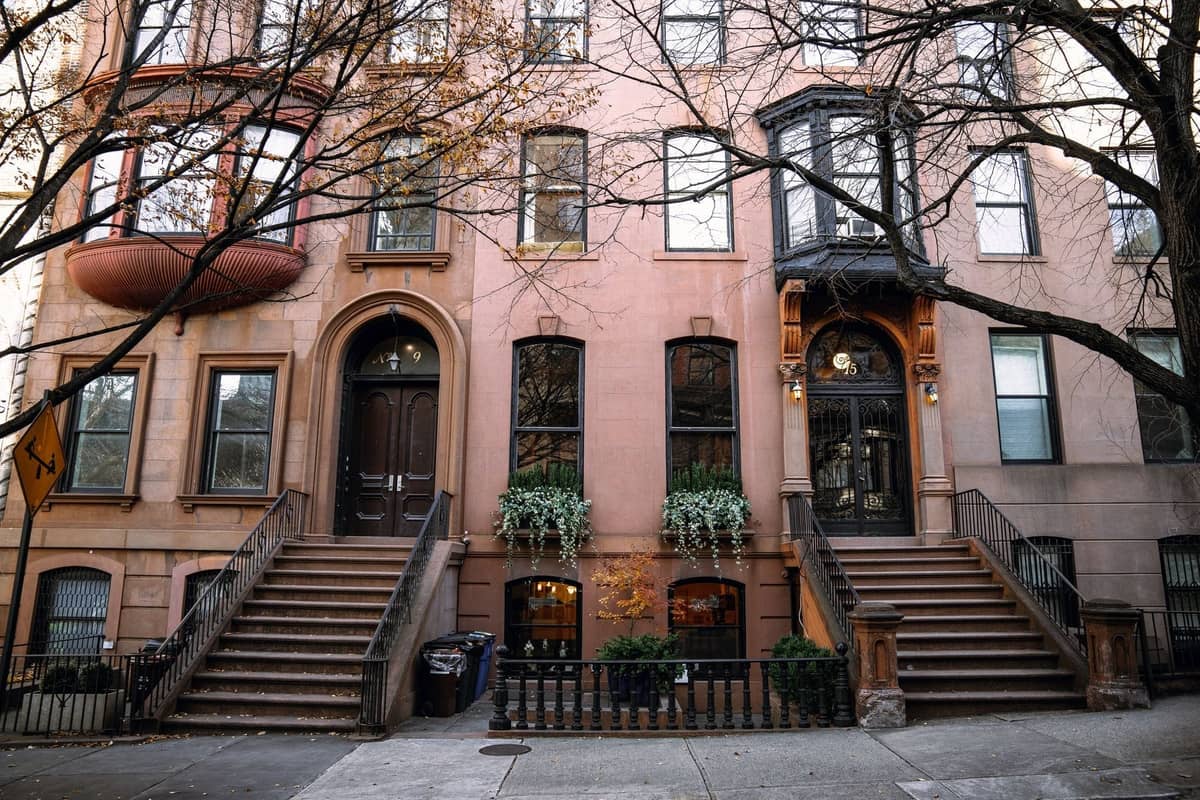
Harlem is a neighborhood in Upper Manhattan, bounded roughly by 110th Street to the south and 155th Street to the north, between the Hudson and Harlem Rivers. It has been the center of Black American cultural life since the early 20th century, when the Harlem Renaissance brought together writers, musicians, painters, and intellectuals in what became one of the most productive creative periods in American history. Langston Hughes, Zora Neale Hurston, Duke Ellington, and Billie Holiday all called this neighborhood home or performed here regularly.
The Harlem Renaissance is often misunderstood as a single venue or institution you can visit. It was a neighborhood-wide cultural movement spanning the 1920s and 1930s that expressed itself across dozens of clubs, churches, brownstones, and street corners simultaneously. You cannot reduce it to one museum. What you can do is walk the blocks, visit the surviving institutions, and understand the context they emerged from.
Today, Harlem is genuinely diverse in ways that surprise many first-time visitors. West Harlem includes Little Senegal, a stretch centered around 116th Street where Senegalese and West African businesses, restaurants, and mosques dominate. East Harlem, historically called Spanish Harlem or El Barrio, has a strong Latin American identity. The Arthur Avenue corridor in The Bronx is often called the real Little Italy, but East Harlem has its own Italian American history. Understanding this layered geography makes the neighborhood far more interesting than a single-narrative itinerary allows.
Jazz and Live Music: Where to Go
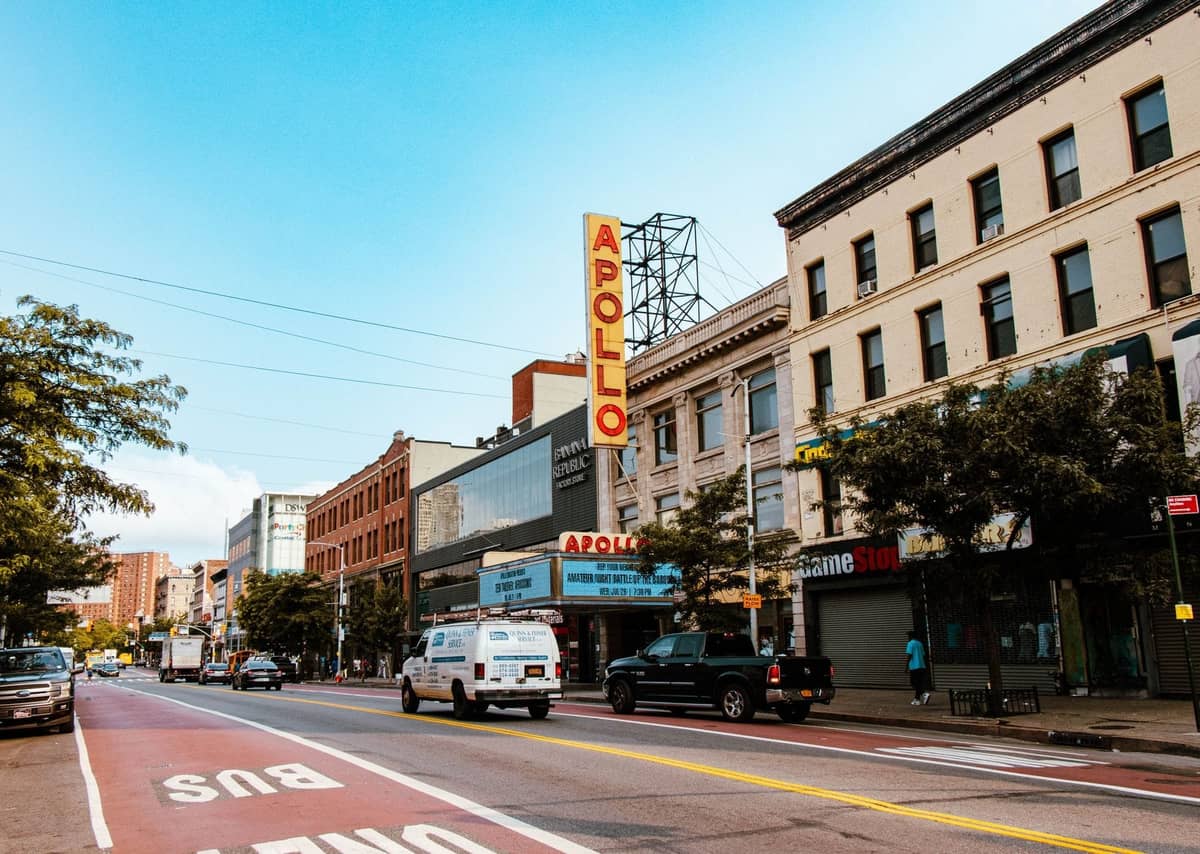
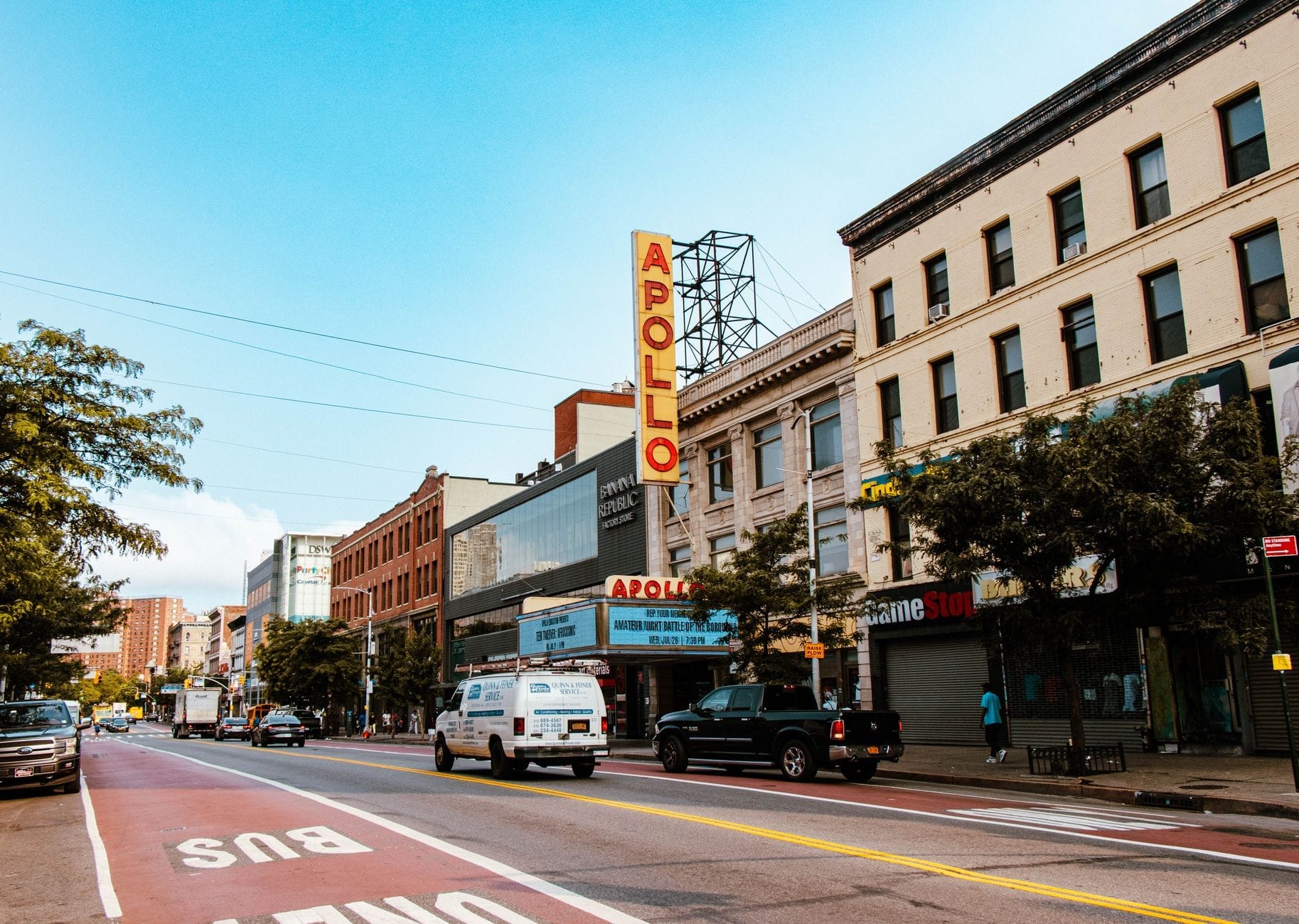
The Apollo Theater at 253 W 125th Street is the obvious starting point and for good reason. It is a National Historic Landmark that launched the careers of Ella Fitzgerald, James Brown, Stevie Wonder, and dozens more through its Amateur Night format, which dates back to 1934. The theater hosts a full calendar of concerts, comedy nights, and special events. Tickets range widely depending on the show, from around $30 for smaller events to well over $100 for major productions. Book directly through the Apollo's website and check the calendar at least a few weeks ahead for weekend visits.
The National Jazz Museum in Harlem, located at 58 W 129th Street, is smaller and less famous than the Apollo but genuinely useful for understanding the music's roots in this specific neighborhood. Exhibits document the Harlem jazz scene through recordings, photographs, and instruments. The museum also hosts live performances and educational programs. Admission pricing is modest and subject to change, so verify on their official site before visiting.
Bill's Place is a different experience altogether: a small, intimate jazz club operating out of a brownstone that originally functioned as a Prohibition-era speakeasy. It holds a limited number of guests, which means the performances are genuinely close and personal. Reservations are required and fill up quickly on weekends. This is the kind of venue that separates a generic Harlem visit from a memorable one.
✨ Pro tip
Jazz clubs in Harlem typically run later sets starting around 9 or 10 PM on Friday and Saturday nights. If you want a seat, arrive 30-45 minutes before the set starts. Amateur Night at the Apollo runs on selected Wednesdays — check the official calendar rather than assuming a weekly schedule.
- Apollo Theater 253 W 125th St. The neighborhood's flagship venue for concerts, comedy, and Amateur Night. Book tickets online well in advance.
- National Jazz Museum in Harlem 58 W 129th St. Compact but substantive exhibits on Harlem's jazz history, plus regular live programming.
- Bill's Place Historic brownstone jazz club with limited seating. Reservations required. Weekend shows book out fast.
- Minton's Playhouse 206 W 118th St. One of the most historically significant jazz clubs in America, where bebop was developed in the 1940s. Now operating as a jazz supper club.
Soul Food and Restaurants Worth the Trip
Sylvia's Restaurant at 328 Malcolm X Boulevard has been serving soul food since 1962 and is the most famous dining institution in Harlem. The menu runs through fried chicken, oxtails, collard greens, candied yams, and cornbread. Main courses typically land in the mid-$20 range. The Sunday gospel brunch is the most popular service, drawing a mix of locals and tourists, and waits can be significant without a reservation. Weekday lunch is a more relaxed way to experience the food without the crowds.
Red Rooster Harlem, opened by chef Marcus Samuelsson in 2010, takes Southern cooking and filters it through a broader American immigrant lens. The fried yard bird and cornbread are consistently praised, and the bar program is strong. Prices are slightly higher than Sylvia's, with mains generally running $25-40. The space is designed around community: check the events calendar because live music and DJ nights are built into the regular programming.
For a more local, less tourist-tracked experience, Charles' Pan-Fried Chicken (2841 Frederick Douglass Blvd) and Amy Ruth's (116 W 116th St) are both worth knowing. Amy Ruth's is particularly popular for its waffle dishes, named after civil rights leaders. Melba's on Frederick Douglass Boulevard rounds out the fried chicken conversation with a strong brunch menu. If you want to understand the full food landscape beyond soul food, the stretch around 116th Street in Little Senegal has excellent Senegalese and West African options. For a broader food context across the city, see our New York City food guide.
⚠️ What to skip
Weekend brunch at Harlem's most popular restaurants can mean 45-90 minute waits without a reservation. OpenTable and Resy listings are the most reliable booking options. Arriving before 11 AM or after 2 PM reduces wait times significantly.
- Sylvia's (328 Malcolm X Blvd): Soul food institution since 1962. Sunday gospel brunch is the signature experience. Mains around $20-28.
- Red Rooster Harlem: Upscale Southern-influenced cooking with a full events calendar. Mains $25-40.
- Amy Ruth's (116 W 116th St): Named waffle dishes and solid brunch. More casual pricing, roughly $15-22 for mains.
- Charles' Pan-Fried Chicken (2841 Frederick Douglass Blvd): No-frills, high-quality fried chicken. One of the more affordable options.
- Little Senegal restaurants (around W 116th St): Senegalese and West African cuisines that most visitors overlook entirely.
Cultural Landmarks and Walking the Neighborhood
The Studio Museum in Harlem is one of the most important institutions for contemporary Black American art in the country. It has been a launching pad for artists who now show at major galleries and museums internationally. The museum is currently operating in a temporary location while its new building is under construction; check their website for the current address and exhibition schedule before visiting.
The Abyssinian Baptist Church on 138 W 138th Street is one of the oldest and most politically significant Black churches in the United States, with roots going back to 1808. The Sunday service draws visitors, but treat it as a religious service first and a cultural attraction second. Dress appropriately, arrive on time, and understand that photography during the service is not appropriate.
Marcus Garvey Park, at the intersection of Madison Avenue and 120th Street, is the neighborhood's central green space. It contains an original 19th-century fire watchtower that is one of only a few surviving examples in New York. The park hosts summer concerts and cultural events, and the surrounding blocks of rowhouses and brownstones represent some of the best-preserved residential architecture in Manhattan. Walking north from the park toward 135th Street along Lenox Avenue (officially Malcolm X Boulevard) gives you a strong sense of the neighborhood's physical character.
Strivers' Row, the colloquial name for the St. Nicholas Historic District along 138th and 139th Streets between Adam Clayton Powell Jr. and Frederick Douglass Boulevards, is a block of Stanford White-designed rowhouses from the 1890s. During the Harlem Renaissance, this was where the neighborhood's professional class lived. It is still a residential block and not a museum, so the experience is about the architecture and context rather than any interior access. Pair a Harlem walk with a broader look at New York City's architectural landmarks for additional context.
Markets, Shopping, and Everyday Harlem
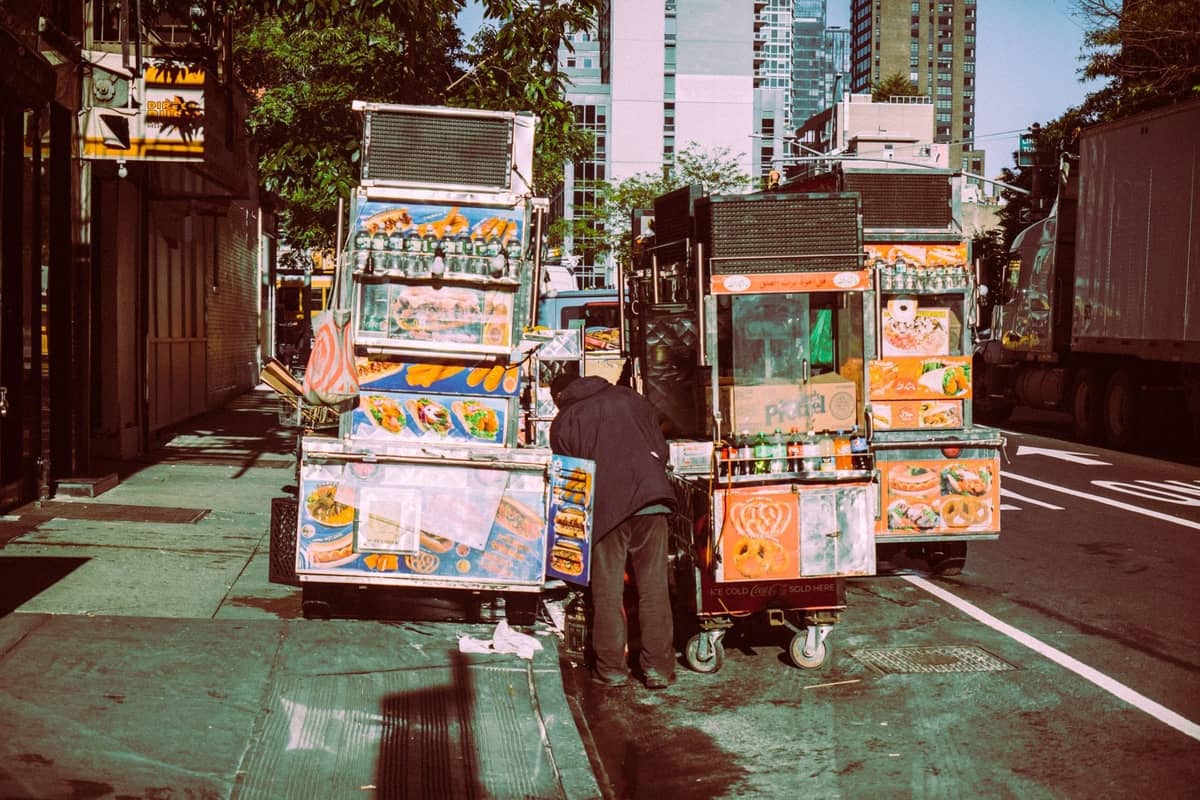
The Malcolm Shabazz Harlem Market, also known as the African Market, sits near 116th Street and Lenox Avenue. It sells African textiles, carvings, jewelry, and food items, and is generally open daily from around 10 AM to 8 PM, though individual vendors set their own schedules. This is the most concentrated place to buy African crafts in Manhattan, and prices are negotiable in a way they rarely are elsewhere in the city.
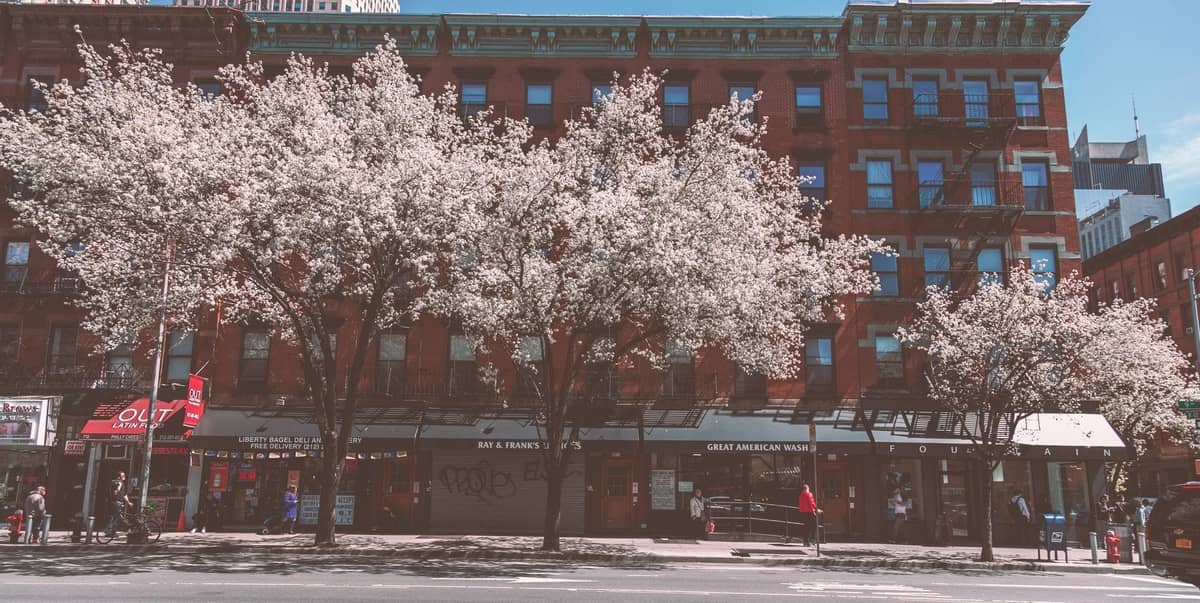
125th Street between 7th and 8th Avenues (Adam Clayton Powell Jr. and Frederick Douglass Boulevards) is the commercial spine of the neighborhood. Street vendors selling Harlem-branded clothing, shea butter products, incense, and accessories line the sidewalks. Chain stores have moved in over the past two decades, but independent businesses and vendors still dominate the street-level experience. If you are looking for Harlem-specific souvenirs rather than generic NYC merchandise, this stretch and the Malcolm Shabazz Market are the right places to look.
💡 Local tip
Taste Harlem Food and Cultural Tours offers guided walking tours that combine neighborhood history with stops at soul food, Caribbean, African, and Italian restaurants. For first-time visitors who want context as well as food, this is worth the investment. Book online in advance, especially for weekend departures.
Getting to Harlem and Getting Around
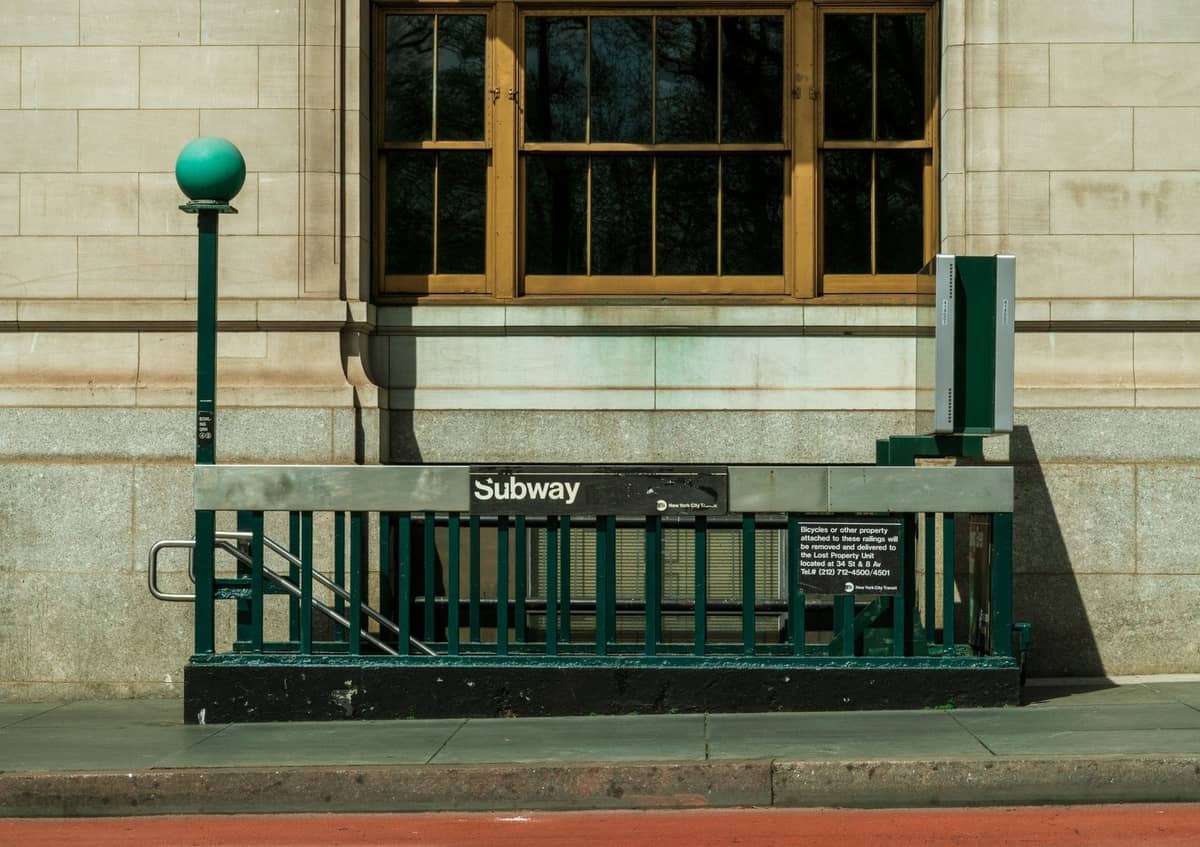
Harlem is one of the most subway-accessible neighborhoods in Manhattan. The 2 and 3 trains run along Lenox Avenue (Malcolm X Boulevard) with stops at 110th, 116th, 125th, and 135th Streets. The A, B, C, and D trains serve the western side of Harlem along St. Nicholas and Frederick Douglass Boulevards. The 4, 5, and 6 trains cover the eastern side along Lexington Avenue. From Midtown Manhattan, the 2 or 3 from Times Square reaches 125th Street in roughly 20 minutes. For comprehensive guidance on navigating the subway system, see our guide to getting around New York City.
Most of what you will want to see in central Harlem is concentrated between 116th and 145th Streets, and the main commercial and cultural blocks are walkable from each other. The distance from the Apollo Theater on 125th Street to Strivers' Row on 138th Street is about 15 minutes on foot. Ride-hailing apps (Uber, Lyft) and yellow cabs are available throughout the neighborhood, particularly on 125th Street, but the subway is almost always faster during normal hours.
If you are combining Harlem with other Upper Manhattan stops, the Met Cloisters in Washington Heights and Inwood Hill Park to the north are both subway-accessible extensions of the same trip. To the south, the northern end of Central Park at 110th Street connects Harlem to the rest of Manhattan. If you are planning a full itinerary, our 3-day New York City itinerary can help structure the broader trip.
FAQ
Is Harlem safe to visit for tourists?
Yes. Central Harlem, particularly along 125th Street, Lenox Avenue, and the brownstone blocks between 130th and 145th Streets, is a well-trafficked, generally safe area during daytime and evening hours. As with any urban neighborhood, awareness of your surroundings is sensible, especially late at night on less-traveled side streets. The MTA subway stations are heavily used and well-lit. NYC's overall crime rates have changed significantly over decades, and the Harlem of popular imagination is often decades out of date.
What is the best time of day to visit Harlem?
Daytime visits (11 AM to 5 PM) work well for walking the neighborhood, visiting the Malcolm Shabazz Market, and eating lunch at soul food restaurants with shorter waits. Evening visits (7 PM onwards) are best for live music and jazz clubs. Sunday morning is worth it if you want to attend service at Abyssinian Baptist Church, but plan the rest of your day around that commitment.
How much should I budget for a day in Harlem?
A realistic budget for a full day: subway fare each way (around $3.00 per ride at standard MTA fare, though verify current pricing), lunch at a soul food restaurant ($20-30), afternoon snacks or coffee ($8-15), evening jazz club cover or ticket ($20-50 depending on the venue), and dinner ($25-40 if you do a sit-down meal). A moderate day costs roughly $80-120 per person excluding accommodation.
What is Amateur Night at the Apollo Theater?
Amateur Night is the Apollo's signature event, dating to 1934, where unvetted performers compete in front of a live audience. The crowd is famously vocal, cheering or booing acts off the stage. Many legendary careers started here: Ella Fitzgerald won in 1934 and James Brown competed in the 1950s. Shows run on selected Wednesdays throughout the year. Tickets typically start around $20-30 but sell out quickly. Check the official Apollo Theater website for current dates and pricing.
Can I combine Harlem with a visit to Central Park?
Easily. The northern end of Central Park at 110th Street is the direct southern border of Harlem. You can enter the park at Central Park North and walk south through the Harlem Meer, a lake in the northeast corner of the park, then continue into the park's interior. Heading north from the park on Lenox Avenue or Fifth Avenue brings you directly into Harlem's main streets within a few blocks.