Studio Museum in Harlem: The Heart of Black Art in New York City
Founded in 1968 and reborn in a landmark new building that opened in November 2025, the Studio Museum in Harlem is the leading institution in the United States dedicated to artists of African descent. Located on West 125th Street, it is as much a cultural gathering point as it is a gallery.
Quick Facts
- Location
- 144 West 125th Street, Harlem, Manhattan, NYC
- Getting There
- 2/3 subway to 125th St; A/B/C/D to 125th St
- Time Needed
- 1.5 to 3 hours
- Cost
- Verify current admission on official website
- Best for
- Contemporary art lovers, cultural history enthusiasts, architecture admirers
- Official website
- www.studiomuseum.org
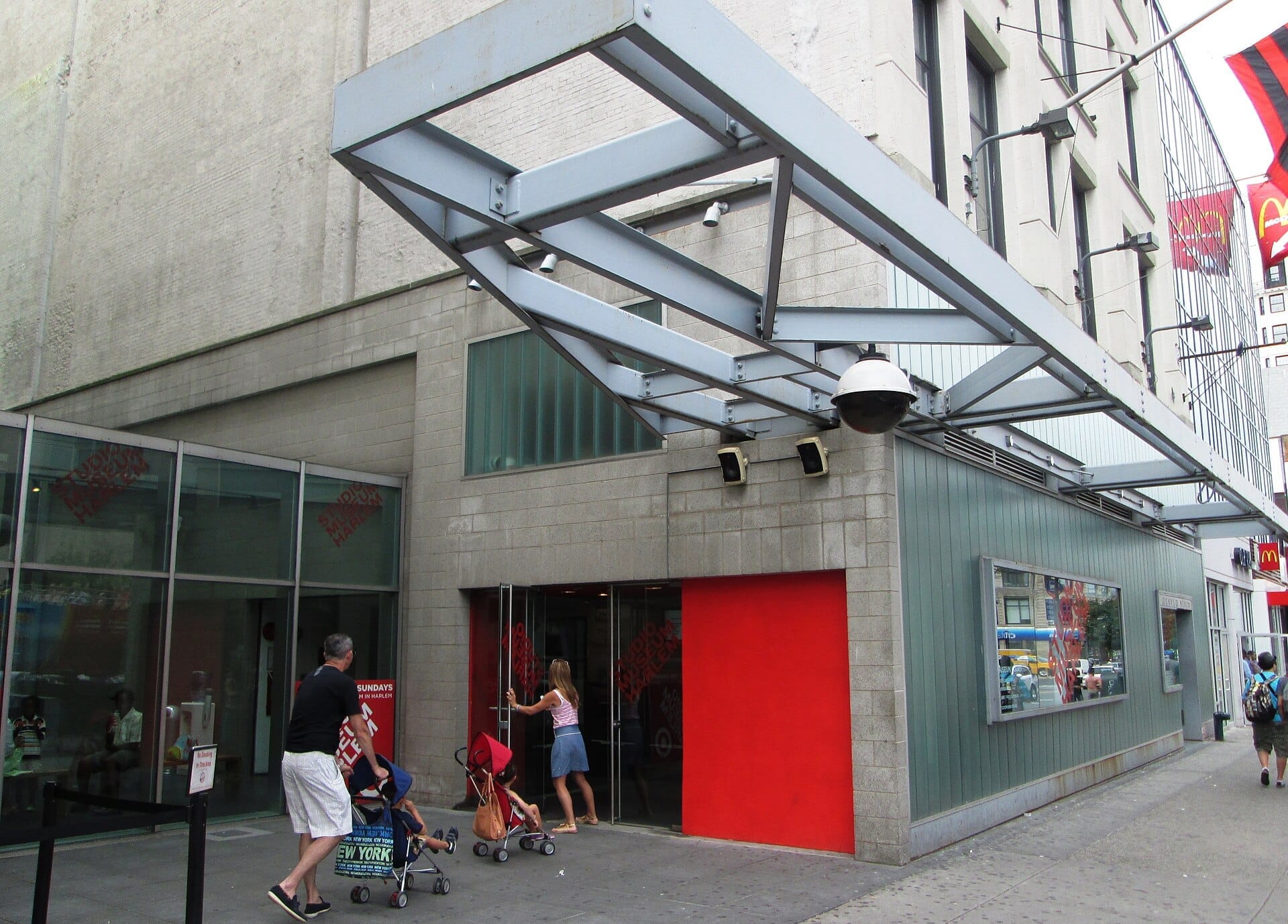
Why the Studio Museum in Harlem Matters
The Studio Museum in Harlem is not simply another Manhattan museum. Founded in 1968 at the height of the Black Arts Movement, it was built on a premise that was radical at the time: that artists of African descent deserved a dedicated institution, not just a token wall in a larger collection. More than five decades later, that founding conviction has shaped generations of artists, curators, and critics. Names like David Hammons, Kerry James Marshall, and Kehinde Wiley all have roots that run through this institution.
For much of the 2020s, the museum operated in a state of productive anticipation. Its original building on West 125th Street was demolished, and the institution moved programming to temporary spaces across Harlem while a new flagship was constructed on the same site. That new building opened in November 2025, giving the museum its most significant architectural statement yet, and drawing renewed international attention to one of Harlem's most important cultural addresses.
If you are planning a trip that includes serious cultural exploration, the Studio Museum belongs in the same conversation as the Metropolitan Museum of Art or the Museum of Modern Art, though its scope and scale are deliberately different. Intimacy and specificity are features here, not limitations.
The New Building: Architecture as Statement
The new Studio Museum building is itself worth the trip uptown. Designed by Adjaye Associates in collaboration with Cooper Robertson, the structure replaces the modest converted bank building that housed the museum for decades. The new design engages directly with 125th Street's energy: the facade opens to the street in a way that signals accessibility, not exclusivity, which is a deliberate departure from the fortress-like architecture of many major art institutions.
Inside, the proportions feel considered rather than overwhelming. Natural light reaches the galleries in ways that benefit artwork on canvas and sculptural installations alike. The building also includes artist studios, which is central to the museum's mission. These in-house residencies for emerging artists are not just programming extras; they are built into the architectural plan, a physical reminder that the institution thinks of itself as a working place for artists, not just a repository of finished objects.
💡 Local tip
Arrive early in the day when galleries are quieter and light conditions in the studios and main exhibition spaces are at their best. Weekend afternoons draw community visitors and can be lively but crowded near the entrance.
Tickets & tours
Hand-picked options from our booking partner. Prices are indicative; availability and final rates are confirmed when you complete your booking.
Harlem Gospel Experience walking tour in New York City
From 38 €Instant confirmationFree cancellationBest of NYC eBike Tour
From 88 €Instant confirmationFree cancellationHarlem juke joint tour
From 85 €Instant confirmationFree cancellationPrivate Jazz in NYC Tour Highlights
From 427 €Instant confirmation
What the Collection and Exhibitions Cover
The Studio Museum's permanent collection spans over 2,000 works: paintings, sculptures, photographs, and works on paper by artists of African descent from the United States, the African continent, and the African diaspora worldwide. The collection moves between historical touchstones from the Harlem Renaissance era and cutting-edge contemporary practice, sometimes within a single exhibition room.
Rotating temporary exhibitions are a particular strength. The museum has a track record of presenting mid-career and emerging artists before they reach mainstream gallery recognition, so there is a reasonable chance that whatever is on view during your visit will feel genuinely current. The programming also includes artist talks, film screenings, and community events that tend to draw neighborhood residents as much as out-of-town visitors, giving the galleries a different social texture than many museums in the city.
One program to watch for is the Artist-in-Residence showcase, typically presented in the spring, where the year's resident artists exhibit new work developed entirely within the museum's studios. These shows are among the most closely watched events on New York's contemporary art calendar.
How the Experience Changes by Time of Day
West 125th Street is Harlem's main commercial artery, and it operates at a different rhythm than Midtown. On weekday mornings, the block around the museum is calm enough that you can stand outside and take in the new building's facade without traffic or crowds pressing around you. The smell of coffee from nearby shops mixes with the specific urban combination of exhaust and early bakery runs that characterize this stretch of upper Manhattan.
By midday on weekends, 125th Street is considerably more active. Vendors, pedestrian traffic, and the general energy of a working commercial street make the approach to the museum feel like part of the Harlem experience rather than a detour from it. Inside, the galleries remain relatively contained, but the lobby and public areas fill up with a mix of school groups, neighborhood regulars, and visitors from further afield.
Late afternoon on a weekday is often the most comfortable window for visitors who want extended time with the collection. The galleries thin out noticeably after 3 p.m. on most weekdays, and the light through the building's upper windows takes on a warm quality that suits the figurative works in the permanent collection particularly well.
Getting There and Navigating the Neighborhood
The museum is directly accessible by subway. The 2 and 3 trains stop at 125th Street on Lenox Avenue (Malcolm X Boulevard), roughly a five-minute walk east to the museum. The A, B, C, and D trains stop at 125th Street on St. Nicholas Avenue, slightly further west. Both approaches take you through the heart of Harlem's street life, which is part of the point.
Visitors coming from the Upper West Side can walk north through Harlem along Frederick Douglass Boulevard, which passes community gardens, local restaurants, and brownstone blocks that give useful context for the neighborhood the museum serves. Allow an extra 20 to 30 minutes if you plan to walk from the 110th Street area.
ℹ️ Good to know
Hours, admission fees, and special exhibition schedules change regularly. Always check the official website at studiomuseum.org before visiting, especially around public holidays and during major exhibition openings.
Street parking exists on surrounding blocks but is competitive. Given the subway access, driving is not worth the effort unless you are coming from outside the city. Cycling via Citi Bike is practical: there are docking stations on 125th Street and on several adjacent avenues.
Practical Considerations
Photography policies vary by exhibition, so confirm at the front desk on arrival. Many temporary shows prohibit photography, while the permanent collection galleries often permit non-flash photography for personal use. The museum shop is worth a look: it carries art books, prints, and editions that skew toward Black artists and cultural history, with a stronger selection in this area than most generalist museum shops in the city.
The building's accessibility features are part of the new design brief. For current detailed information on wheelchair access, assisted listening devices, and other accommodations, the official website carries the most reliable and up-to-date guidance.
After the museum, the immediate neighborhood offers strong options for continuing the day. The Apollo Theater is a ten-minute walk west on 125th Street, and the broader stretch of the block contains restaurants representing Harlem's culinary range, from West African to Southern American cooking. For a broader sense of what the neighborhood holds, the Harlem neighborhood guide covers the essentials.
Who Should Think Twice
Visitors primarily seeking blockbuster survey exhibitions, vast permanent collections, or the encyclopedic breadth of an institution like the Met will find the Studio Museum's scale deliberately narrow. That is not a flaw, but it is a real difference. The museum's collection is deep in a specific area, not wide across all periods and cultures, and some visitors expecting a comprehensive art history experience may leave feeling the visit was too short or too focused.
Families with very young children may find that the contemporary art programming, which sometimes includes conceptually dense or politically direct work, requires more context than younger visitors will engage with. The museum is absolutely welcoming of families, but it is more rewarding for older children and teenagers with some foundation in visual art.
Insider Tips
- Check the museum's website for 'Artist Talk' events before your visit. These free or low-cost programs often coincide with exhibition openings and give direct access to the artists whose work is on view, something you rarely get at larger institutions.
- The block of West 125th Street around the museum is significantly more interesting on foot than it appears on a map. Walk west toward Adam Clayton Powell Jr. Boulevard for a fuller sense of the neighborhood's street life before or after your visit.
- The museum shop stocks limited-edition artist prints and catalogue publications that are difficult to find elsewhere. If you are a collector or a serious reader on contemporary Black art, budget time and wallet space for the shop.
- Spring is when the Artist-in-Residence annual showcase typically opens, making it one of the best times of year to visit if you want to see work that has never been exhibited publicly before.
- If you are planning to combine the Studio Museum with other Harlem cultural stops, the Schomburg Center for Research in Black Culture is about a ten-minute walk away and makes for a natural and complementary pairing.
Who Is Studio Museum in Harlem For?
- Contemporary art enthusiasts interested in artists of African descent and the African diaspora
- Architecture observers drawn to the new Adjaye Associates building and its relationship to Harlem's street life
- Culturally curious visitors who want a museum experience rooted in a specific neighborhood and community, not isolated from it
- Students and academics working in art history, Black studies, or American cultural history
- Repeat New York visitors who have covered the major institutions and want to go deeper into the city's specialized cultural landscape
Nearby Attractions
Other things to see while in Harlem:
- Apollo Theater
The Apollo Theater at 253 West 125th Street has shaped American music for over 90 years, launching careers from Ella Fitzgerald to James Brown. While the historic theater is undergoing a multi-year renovation, the free gallery and active programming make it worth the trip to Harlem.
- Cathedral Church of St. John the Divine
Rising above Morningside Heights at near Harlem, the Cathedral Church of Saint John the Divine is one of New York City's most extraordinary architectural spaces. Construction began in 1892 and continues to this day, making every visit a glimpse into a living, unfinished monument. At 601 feet long with a nave vaulting 124 feet overhead, the scale alone justifies the trip.
- El Museo del Barrio
Founded in East Harlem in 1969, El Museo del Barrio stands as the United States' leading museum dedicated to Latino, Caribbean, and Latin American art and culture. Positioned at the northern tip of Fifth Avenue's Museum Mile, it offers a distinct and often underappreciated counterpoint to the larger institutions that dominate the strip.
- Fort Tryon Park
Fort Tryon Park is a 67-acre public park in Upper Manhattan, designed by the Olmsted Brothers and gifted to New York City by John D. Rockefeller Jr. in 1931. It sits on one of the borough's highest natural ridges, offering sweeping views of the Hudson River, eight miles of winding paths through wooded slopes, and the landmark Met Cloisters museum. Entry to the park is free.