US Open Tennis in New York City: The Complete Visitor Guide
The US Open is one of the four Grand Slam tennis tournaments and the only one held in the United States. Staged each year at the USTA Billie Jean King National Tennis Center in Flushing Meadows–Corona Park, Queens, it draws hundreds of thousands of fans over two weeks in late August and early September. This guide covers everything from buying tickets to getting there, what to expect on site, and how to plan your trip around it.
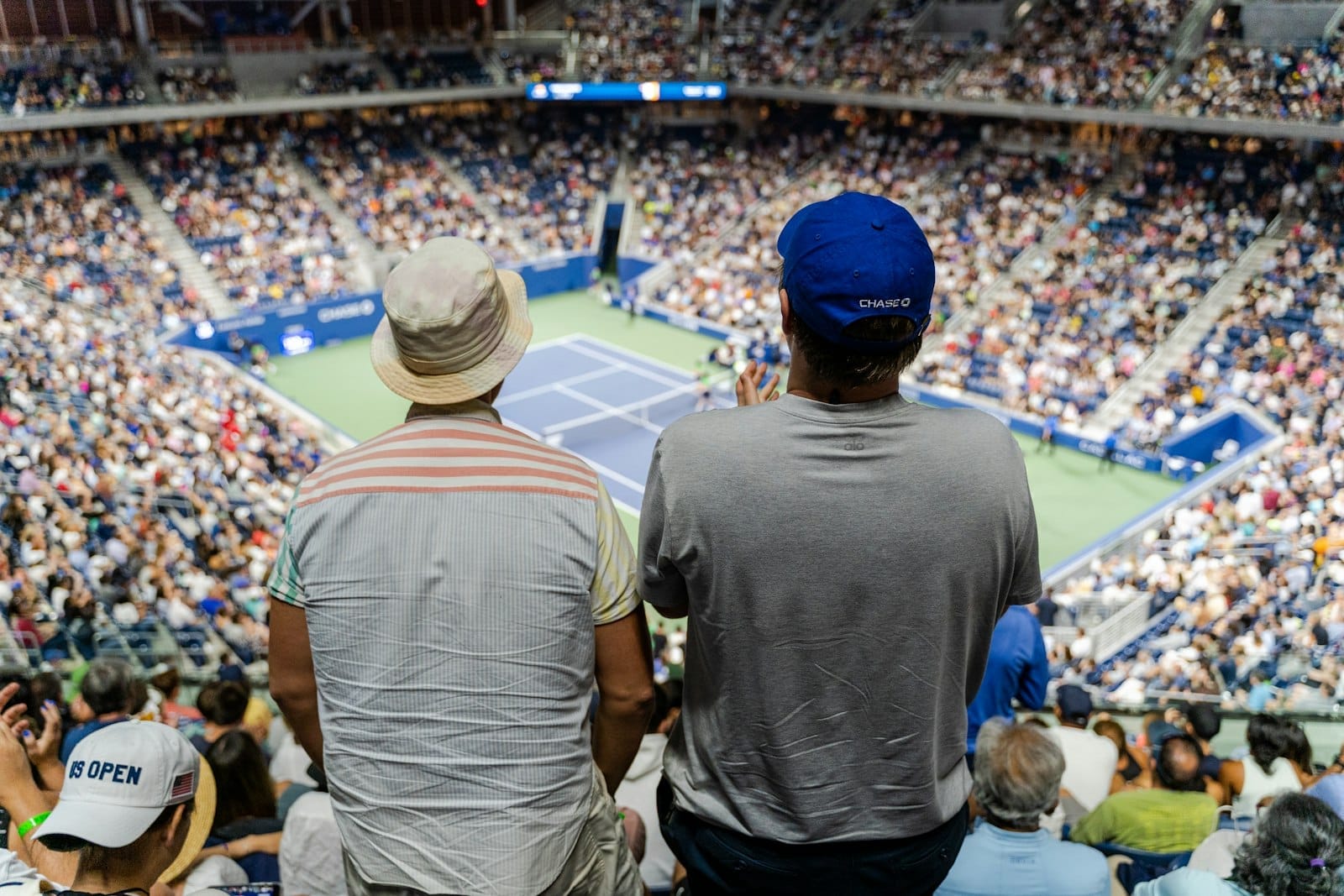
Plan and book this trip
Tools from our partner Travelpayouts help you compare flights and hotels. If you book through them, we may earn a commission at no extra cost to you.
Flights
Hotels map
TL;DR
- The US Open runs for two weeks in late August and early September at the USTA Billie Jean King National Tennis Center in Flushing Meadows–Corona Park, Queens, not Manhattan.
- Tickets typically go on sale in spring; buy directly through the US Open official site or Ticketmaster to avoid inflated resale prices.
- The 7 subway train to Mets–Willets Point is the fastest and cheapest way to reach the venue from Manhattan, taking around 30–35 minutes from Times Square.
- Late August in NYC is hot and humid. Sunscreen, a refillable water bottle, and light clothing are essential. Check the NYC weather guide for seasonal planning.
- A grounds pass gets you into most outside courts but not Arthur Ashe Stadium; Ashe requires reserved seating tickets.
Where the US Open Is Held
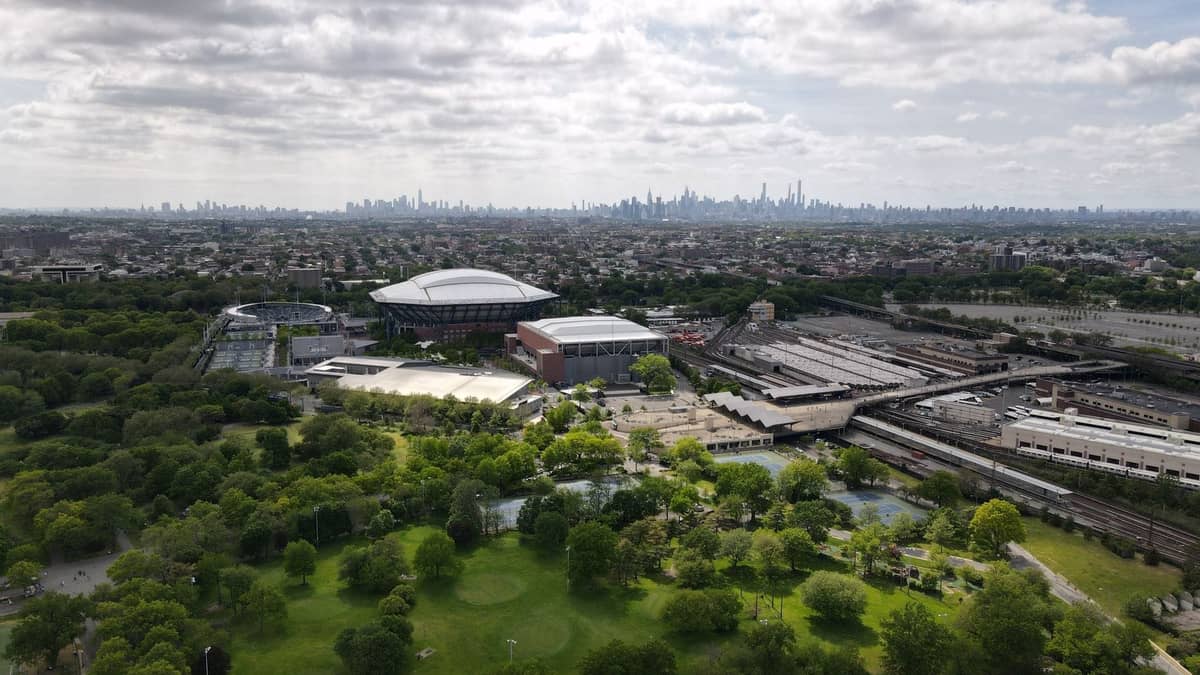
The US Open has been played at the USTA Billie Jean King National Tennis Center since 1978, making Flushing Meadows–Corona Park in Queens the long‑time home of the US Open. The complex sits inside one of New York City's largest public parks, shared with Citi Field (home of the New York Mets) and Flushing Meadows–Corona Park itself, which also hosted two World's Fairs and the original United Nations. It is unambiguously in Queens, not Manhattan, a distinction that trips up first-time visitors who assume the tournament is in the city center.
The main show court, Arthur Ashe Stadium, opened in 1997 and holds around 23,800 spectators, making it the largest tennis-specific stadium in the world. Louis Armstrong Stadium, the second show court, was rebuilt and reopened in 2018 with a retractable roof, giving it all-weather capability. Grandstand Stadium is the third show court, but unlike Ashe and Armstrong it does not have a roof. Beyond these three, the grounds contain dozens of outer courts where practice sessions and early-round matches are played with minimal crowds, often within meters of the players. For context on the broader Flushing and Queens area, the neighborhood surrounding the park is one of the most diverse in the city, with excellent food options before or after a session.
ℹ️ Good to know
The USTA Billie Jean King National Tennis Center is located at Flushing Meadows–Corona Park, Queens, NY 11368. GPS directions should use this address rather than searching generically for 'US Open tennis,' which can return inconsistent results.
Tournament Schedule and When to Go
The US Open runs for exactly two weeks, typically starting in the final week of August and concluding on the second Sunday of the fortnight with the men's singles final. The first week covers early rounds across all draws: men's and women's singles, doubles, and mixed doubles. The second week tightens into quarterfinals, semifinals, and finals, with more concentrated star power but significantly higher ticket prices and crowds.
- First week, daytime sessions Best value for money. Outer courts are packed with matches, grounds passes get you very close to top-50 players, and the atmosphere is relaxed. Ticket prices are at their lowest.
- First week, evening sessions Arthur Ashe Stadium lights up at night, and prime-time matches often feature top seeds. Evening sessions run later than you might expect, sometimes past 11 PM.
- Second week Fewer courts in play but higher stakes. Grounds passes become less useful once outer courts close. Reserved seats for Ashe or Armstrong are worth the premium if you want guaranteed action.
- Finals weekend Women's final is typically on Saturday, men's final on Sunday. These sessions sell out months in advance and command the highest resale premiums. Book extremely early or use a package operator.
Weather is a real factor. Late August in New York City averages highs around 83–86°F (28–30°C) with high humidity, and the courts at Flushing Meadows have little natural shade. Rain delays are not uncommon and were historically disruptive before the Ashe and Armstrong roofs were installed. If your match is outdoors on Grandstand or an outer court, rain can still result in delays or suspensions. Check the forecast the night before and plan accordingly.
⚠️ What to skip
Do not assume a rain delay will result in a refund or rescheduling to a better session. Policy varies by ticket type. Check the official US Open ticket terms before purchasing if weather flexibility matters to you.
Tickets: How to Buy, What They Cover, and What to Avoid
Official tickets are sold through the US Open website (usopen.org) and Ticketmaster, which is the official sales partner. Tickets for the following year's tournament often go on sale in spring, sometimes as early as April, but the exact date changes annually. Sign up for the USTA mailing list to get notified when sales open, as popular sessions sell out quickly at face value.
Understanding what your ticket covers is critical. A grounds pass gives access to the general grounds, the food courts, practice courts, and outer match courts, but does not get you into Arthur Ashe Stadium, Louis Armstrong Stadium, or the Grandstand for any reserved session. If you want to watch a specific match in Ashe, you need a reserved seat for that stadium and that session. Day and night sessions are sold separately, so a day session ticket does not cover the evening session in the same stadium.
- Buy from the official site or Ticketmaster to avoid counterfeit tickets.
- Resale platforms like StubHub and SeatGeek list legitimate tickets but at a premium, sometimes 2–5x face value for second-week matches.
- Package operators (such as Grand Slam Tennis Tours) bundle tickets with hotel and transfers; these can offer value for finals week when face-value tickets are unavailable.
- Children under 2 are typically admitted free as lap children without a separate seat, but check current policy before assuming this applies.
- Student Rush and other discounted programs have been offered in past years; check the USTA official site for current promotions.
Getting to the USTA Billie Jean King National Tennis Center
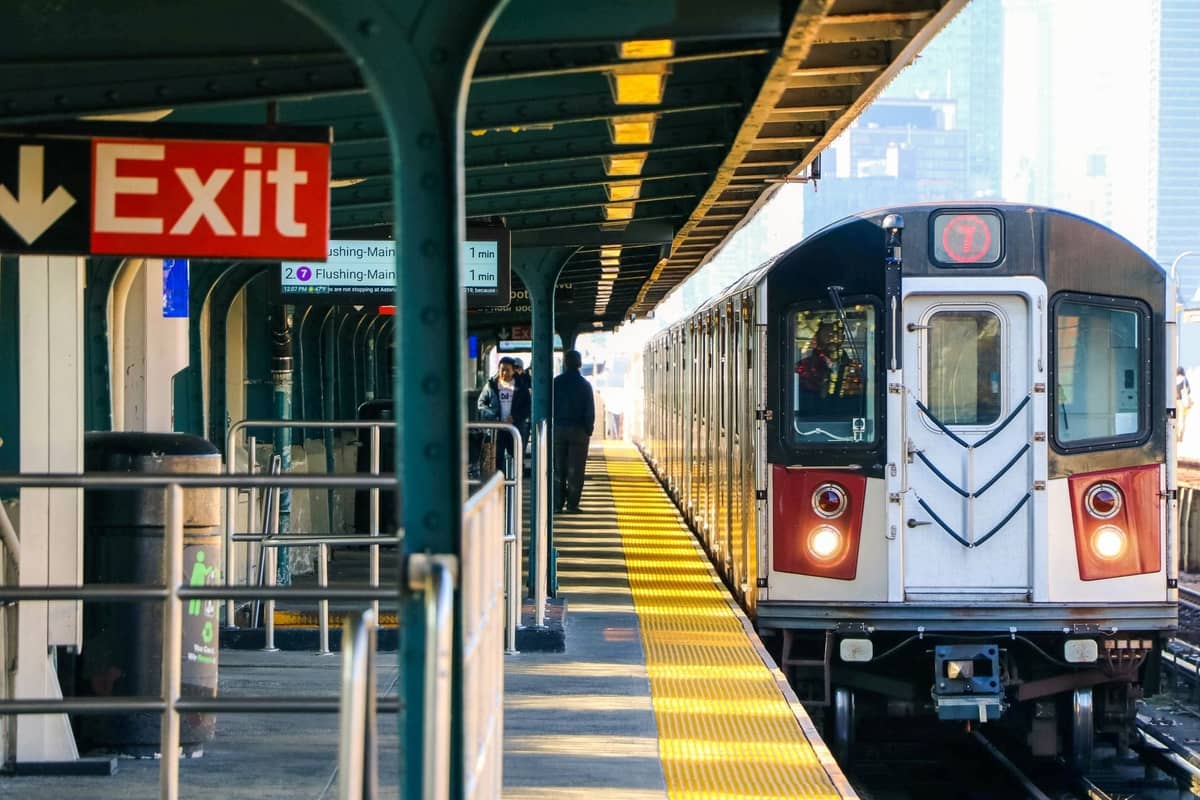
The 7 train (the Flushing Line) is the standard route for most visitors. From Midtown Manhattan, board at Times Square–42nd Street or Grand Central–42nd Street and ride to Mets–Willets Point (one stop before the line’s terminal at Flushing–Main Street). Journey time is roughly 30–35 minutes depending on where you board. The walk from the subway exit to the main gate is about 10 minutes through the park. For full transit options across the city, the getting around New York City guide covers fares, OMNY setup, and subway navigation in detail.
The Long Island Rail Road (LIRR) also serves Mets–Willets Point station and is a faster option from Penn Station or Atlantic Terminal in Brooklyn. LIRR fares are higher than the subway, but travel time from Penn Station can be under 20 minutes. During the tournament, the LIRR runs additional trains to handle crowd volumes; check the MTA website for the specific US Open shuttle schedule, which is published annually.
Driving is not recommended. Traffic on the Grand Central Parkway and surrounding roads becomes severe during evening sessions, and parking at the facility is limited and expensive. If you are coming from outside the city, drive to a park-and-ride near a 7 train station (such as Woodside or Jackson Heights–Roosevelt Avenue) and take the subway the rest of the way.
💡 Local tip
If you are arriving from JFK Airport, the AirTrain connects terminals to Jamaica Station, where you can take the E, J, or Z subway trains or the LIRR toward the city. From Jamaica you continue by LIRR to Mets–Willets Point during event service or connect via subway to reach the 7 train, typically by riding the E to Jackson Heights–Roosevelt Avenue and transferring there. Plan this leg in advance rather than relying on a taxi, especially during rush hour.
On-Site: What to Expect When You Arrive
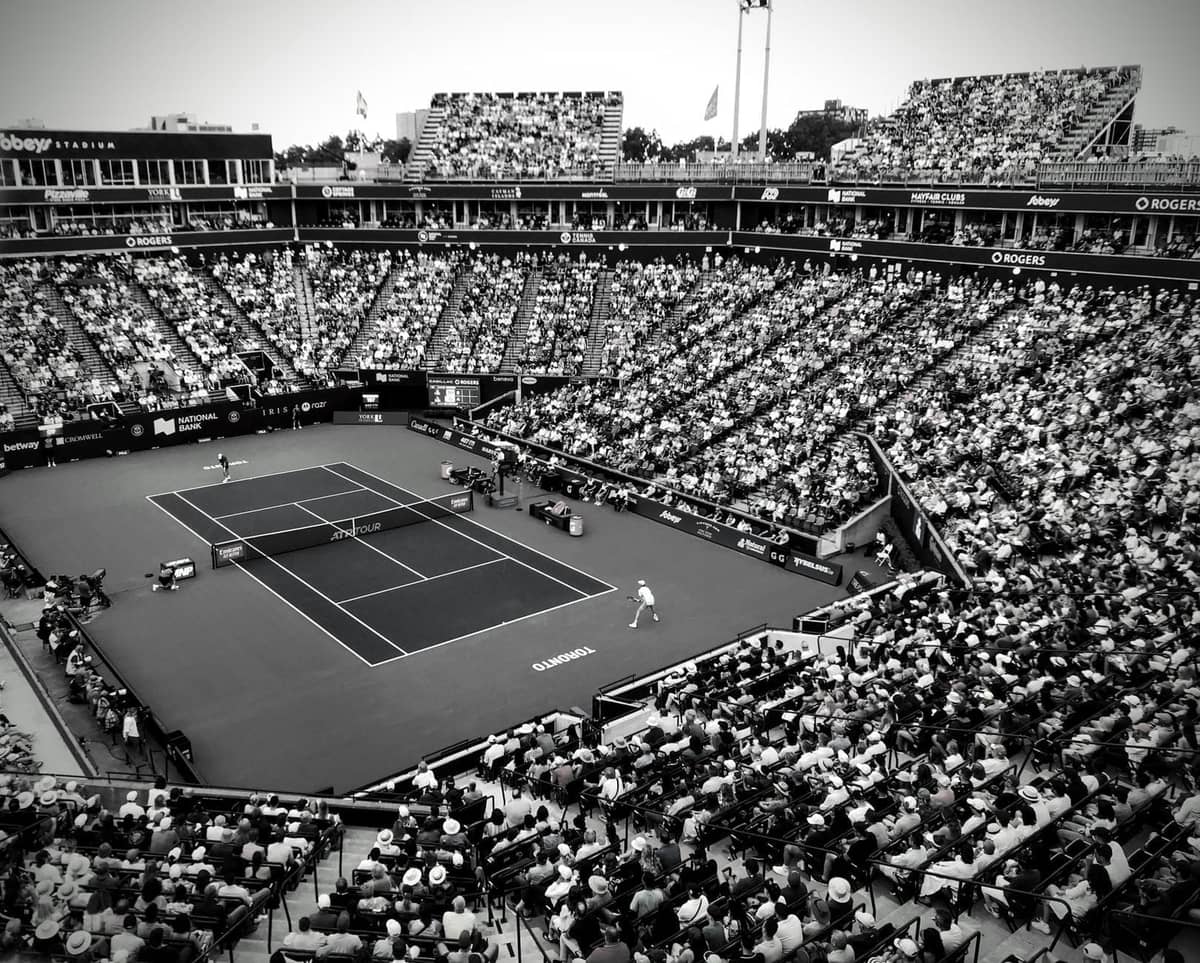
Security screening at the US Open is thorough, similar to an airport-style process during peak sessions. Bags are checked, and prohibited items include large umbrellas (small compact umbrellas are typically allowed), alcoholic beverages brought from outside, hard-sided coolers, and professional camera equipment with detachable lenses. The official prohibited items list is published on the US Open website each year and is worth reading before you pack.
Food and drink inside the venue is not cheap. Beer, cocktails, and full meals are widely available across multiple food halls and vendors, and the dining options have improved considerably over the years. That said, expect stadium pricing: a beer runs around $15–20, and a meal can easily be $20–30 per person. Small sealed water bottles and non-alcoholic canned drinks are typically permitted to bring in, but check the current rules. Eating in Flushing before or after is a far better deal and an experience in itself.
The area around the stadium in Flushing is one of the best destinations for Chinese food outside of mainland China. Main Street in Flushing has dozens of restaurants serving regional Chinese cuisines, Taiwanese street food, Korean BBQ, and more, most within a 10-minute walk of the Mets–Willets Point station. If you are making a full day of it, eat in Flushing before the session. For broader Queens dining, the Queens Night Market at Flushing Meadows–Corona Park runs on Saturday evenings from spring through fall and occasionally overlaps with the tournament, offering dozens of food vendors at reasonable prices.
Combining the US Open With the Rest of New York City
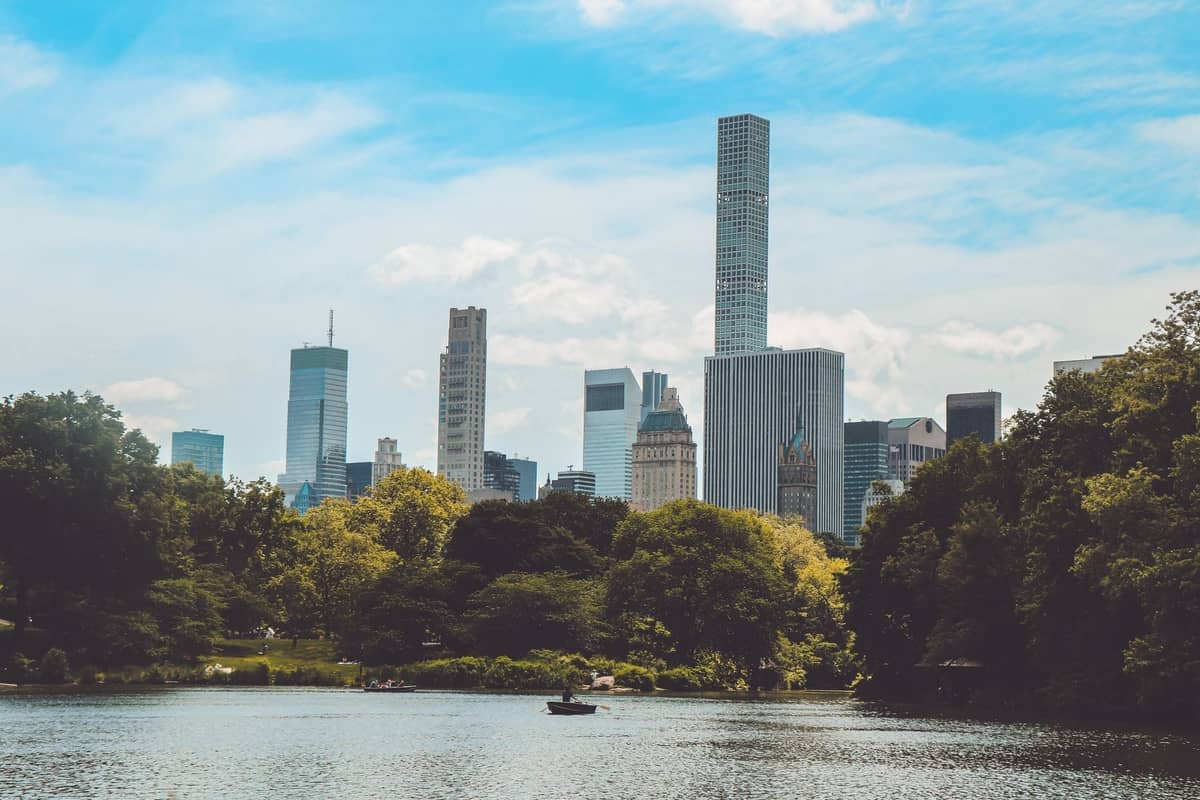
Most visitors spend several days in New York City around the tournament. Late August and early September is technically summer, which means the city is warm, the parks are green, and certain venues are at peak capacity. If this is your first time in the city, the first-time visitor guide covers the essentials: neighborhoods, logistics, and how to structure your days. For a focused itinerary built around three days, the 3-day NYC itinerary is a practical starting point.
Queens itself is underexplored by most visitors who spend their trip entirely in Manhattan. Beyond the tennis, Flushing Meadows–Corona Park contains the New York Hall of Science, a remnant Unisphere globe, and significant history from two World's Fairs. If you have a morning free before a day session, Flushing is worth exploring on its own terms. For visitors combining the trip with Brooklyn, the Brooklyn neighborhood guide and the Smorgasburg food market in Williamsburg are popular weekend additions.
For accommodation, staying in Midtown Manhattan puts you 30–35 minutes from the venue by subway and gives you easy access to everything else the city offers. Long Island City in Queens is closer to the venue and significantly cheaper per night on average. It is a short 7-train ride from the park and has grown into a legitimate destination in its own right, with hotels, restaurants, and the waterfront parks of Astoria and Long Island City directly on the East River.
✨ Pro tip
Book accommodation at least 3–4 months before the tournament. Late August is already a busy period for NYC hotels, and US Open crowds push demand further. If you wait until July, expect to pay significantly above the standard rate or face limited availability in desirable neighborhoods.
FAQ
Where exactly is the US Open tennis tournament in New York City?
The US Open is held at the USTA Billie Jean King National Tennis Center in Flushing Meadows–Corona Park, in the Queens borough of New York City. It is not in Manhattan. On a map of the US, New York City sits on the northeastern coast, and Queens is the borough directly east of Manhattan on Long Island.
What is the easiest way to get to the US Open from Manhattan?
Take the 7 subway train (the Flushing Line) to Mets–Willets Point (the penultimate stop before the line terminus at Flushing–Main Street). Board at Times Square–42nd Street or Grand Central–42nd Street and the journey takes around 30–35 minutes. The walk from the station to the main venue entrance is about 10 minutes. This is cheaper and often faster than a taxi or rideshare.
Does a grounds pass get you into Arthur Ashe Stadium?
No. A grounds pass covers access to the outer courts, practice courts, and general areas of the venue, but Arthur Ashe Stadium and Louis Armstrong Stadium require reserved seating tickets for each session. Day and night sessions are sold separately for the main stadiums.
When do US Open tickets go on sale?
Tickets typically go on sale in spring, with some reports citing April as the start of general sales. The exact date varies by year. Check the official US Open website (usopen.org) or sign up for USTA email alerts to be notified when sales open, as popular sessions, especially in the second week, sell out quickly at face value.
What should I bring to the US Open?
Sunscreen and a hat are essential for daytime outdoor sessions; temperatures regularly exceed 85°F (29°C) in late August with high humidity. Bring a small bag that will pass security easily, a portable phone charger, and a light layer for air-conditioned indoor areas and evening sessions. Small sealed water bottles and non-alcoholic drinks are generally permitted, but verify the current prohibited items list on the official US Open site before your visit.