New York City Weather: A Month-by-Month Climate Guide for Travelers
New York City's weather shifts dramatically across four distinct seasons, from humid July heat to January snowstorms. This guide breaks down what to expect each month, what to pack, and when the climate actually works in your favor as a visitor.

Plan and book this trip
Tools from our partner Travelpayouts help you compare flights and hotels. If you book through them, we may earn a commission at no extra cost to you.
Flights
Hotels map
TL;DR
- New York City has a humid subtropical climate with four genuine seasons: hot, humid summers and moderately cold winters.
- July is the warmest month (average highs around 84-85°F); January is the coldest (average lows around 26-29°F).
- Annual rainfall is roughly 44 inches, spread fairly evenly year-round. There is no true dry season.
- Fall (late September through early November) and late spring (May to early June) offer the most comfortable conditions for sightseeing. See our best time to visit New York City guide for a full breakdown by trip type.
- February is typically the snowiest month, but annual snowfall varies widely. A winter trip does not guarantee a white landscape.
Understanding NYC's Climate: The Basics
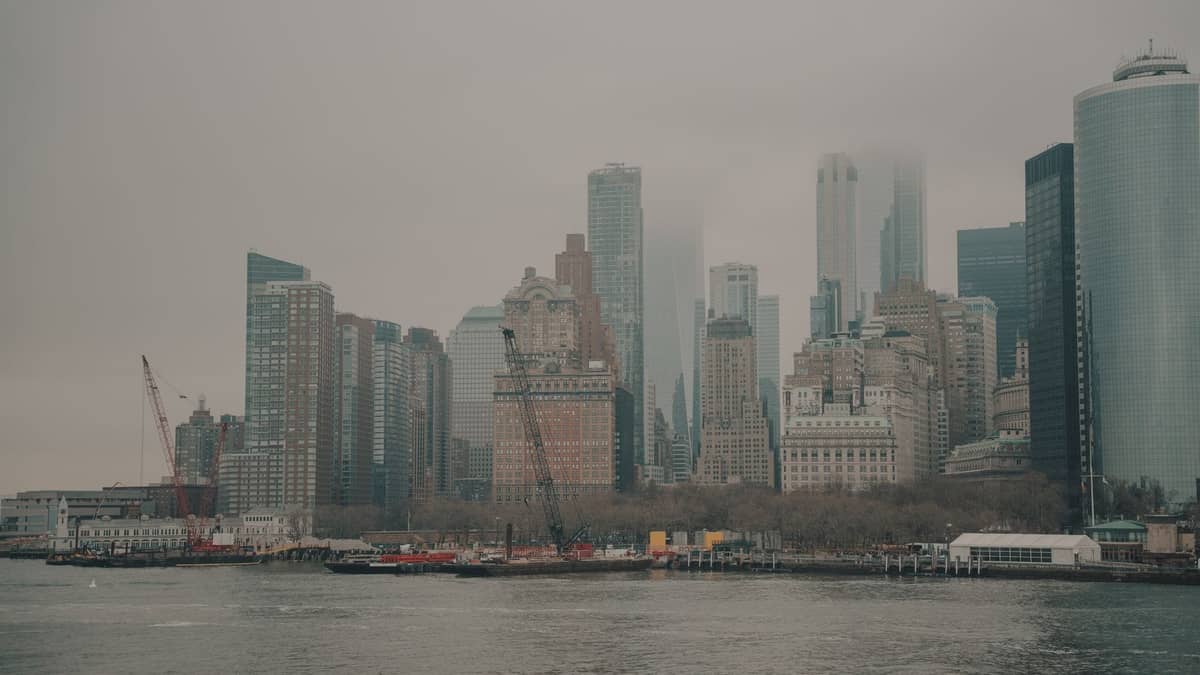
New York City sits at approximately 40.7°N latitude, at the mouth of the Hudson River on New York Harbor. Meteorologists classify its climate as humid subtropical, bordering on humid continental. In practical terms, that means four seasons that each make a real statement. Summers are genuinely hot and sticky. Winters can bring single-digit wind chills. Spring and fall are the transition periods that most visitors find most agreeable, though neither is guaranteed to be smooth.
The city's coastal position and its massive urban heat island effect combine to make NYC slightly milder than inland areas at the same latitude. The Atlantic Ocean moderates extreme cold in winter and slows the onset of deep summer heat in June, but by July and August, the concrete, glass, and steel absorb enough heat to make the city feel hotter than surrounding suburbs. Average annual precipitation runs about 44 inches (1,120 mm), distributed fairly evenly across the year. Unlike many destinations, there is no rainy season to avoid or dry season to target: rain is a year-round possibility.
ℹ️ Good to know
For live New York City weather today and tomorrow, the National Weather Service and AccuWeather both provide hourly forecasts. For historical climate averages, the National Weather Service publishes official Central Park climate normals, which are the most reliable reference for monthly data.
Month-by-Month Weather Breakdown
January and February are the coldest months. January averages around 33°F (0.5°C) overall, with lows that can dip into the teens and wind chills that push conditions into genuinely dangerous territory during cold snaps. February is statistically the snowiest month, though snowfall totals swing wildly from year to year. Some winters deliver multiple significant storms; others produce little more than slush. Do not book a winter trip expecting a picturesque snow scene and do not rule it out entirely. Daylight is short (roughly 9.5 hours in January), and many outdoor attractions lose their appeal. That said, hotel rates and airfares drop considerably, Broadway shows are fully running, and world-class museums have shorter lines. March brings the start of warming but remains unpredictable. Temperatures swing between 30°F nights and 60°F afternoons within the same week, and late-season snowstorms are not unusual through mid-March.
April and May represent genuine spring in NYC. April starts cool (average high around 61°F) and ends mild, with blooming trees and the return of outdoor dining. May is consistently the most pleasant month for walking the city, with average highs in the low 70s°F and lower humidity than summer. Rain picks up in April, which is among the wetter months for precipitation frequency, so a compact umbrella belongs in your bag. If you're planning to walk Central Park or spend time outdoors along the High Line, May is the single best month for it.
June marks the start of summer. Early June still has that crisp spring quality, with average highs around 78°F and manageable humidity. By late June, the heat and humidity intensify. July is the peak of summer: average highs of 84-85°F, humidity that makes the real-feel temperature climb well above 90°F on many days, and frequent late-afternoon thunderstorms that can appear with little warning. August mirrors July, though humidity tends to slightly ease in the second half of the month. Summer is the busiest tourist season by far, which means crowded attractions, higher prices, and long lines. If you visit in July or August, start outdoor activities early in the morning before temperatures peak.
September is a transitional month that delivers some of the best conditions of the year. Early September still feels like summer; by late September, temperatures drop into the comfortable 60s°F during the day. October is widely regarded as the city's most photogenic month: clear skies, low humidity, foliage in parks like Prospect Park and Central Park, and temperatures hovering between 55-65°F. November cools rapidly. Early November is still workable for outdoor exploration, but by late November, winter coats are necessary. December brings short days, holiday decorations, and crowds around Midtown attractions. Average December temperatures sit in the low-to-mid 40s°F, with the chance of early snow increasing as the month progresses.
- January-February Coldest months. Average highs in the mid-30s°F. Snowfall possible but variable. Low crowds, low prices, great for indoor cultural experiences.
- March-April Unpredictable transition. Temperatures swing widely. Blooms arrive in late April. Rain frequency increases.
- May-early June Optimal walking weather. Low-to-mid 70s°F, manageable humidity, long daylight hours. Best all-around window.
- Late June-August Hot and humid. Average highs 84-85°F in July. Thunderstorms common in the afternoon. Busiest and most expensive season.
- September-October Second-best window. September transitions from summer to fall. October brings crisp air, fall color, and lower humidity.
- November-December Cooling rapidly. Holiday atmosphere builds from late November. Crowds spike around Thanksgiving and Christmas in Midtown.
Seasonal Packing Guide: What to Actually Bring
New York City requires real packing strategy because the weather range across a single visit can be dramatic. In winter, layering is essential and not optional. A proper winter coat, waterproof boots with traction for icy sidewalks, gloves, and a hat are all practical necessities, not accessories. The wind channeled between Midtown skyscrapers makes the real-feel temperature several degrees colder than any forecast suggests, especially on avenues running north-south.
Summer visitors often make the opposite mistake: packing only for outdoor heat while forgetting that restaurants, museums, theaters, and subway cars are aggressively air-conditioned. A light layer for indoor use is worth the bag space. Comfortable, broken-in walking shoes matter year-round: New Yorkers walk an average of several miles per day on uneven pavement and subway stairs, and visitors typically exceed that. For fall and spring, versatile mid-layers (a fleece, a light down jacket, or a trench coat) handle the temperature swings between morning and afternoon more efficiently than any single layer.
- Winter: Heavy coat, insulated waterproof boots, hat, gloves, scarf. Layers underneath.
- Spring: Light jacket or mid-layer, compact umbrella, comfortable walking shoes.
- Summer: Breathable lightweight clothing, light layer for A/C, sunscreen, water bottle.
- Fall: Versatile mid-layer, comfortable shoes, a packable rain jacket for unpredictable showers.
How Weather Affects Crowd Levels and Prices
Weather and tourism economics in New York City are tightly linked. Summer (June through August) is the peak season: hotels charge their highest rates, popular attractions have longest waits, and restaurants in tourist-heavy areas are at full capacity. If your priority is avoiding crowds at places like the Empire State Building or the Summit One Vanderbilt, summer is your hardest season to navigate.
January and February represent the clearest value window for budget-conscious travelers. Hotel rates drop significantly, flights are cheaper, and the city's indoor offerings, from the Metropolitan Museum of Art to Broadway, are fully operational. The tradeoff is genuine cold and shorter days. Fall sits in a sweet spot: shoulder-season pricing combined with arguably the most photogenic and comfortable conditions of the year. The New York City marathon in early November draws significant crowds, which affects hotel availability and prices in some neighborhoods.
✨ Pro tip
If you're visiting during a holiday period (Thanksgiving week, Christmas through New Year's), be aware that Midtown Manhattan, specifically the blocks around Rockefeller Center and Times Square, becomes genuinely difficult to navigate due to crowds. Plan indoor attractions for weekday mornings and expect longer travel times across the board. Check out our dedicated guide to NYC in December for the full picture.
Storm Risk and Weather Warnings Travelers Should Know
New York City sits within range of Atlantic weather systems, and travelers should understand what that means practically. The primary storm risk window runs from August through early November, overlapping with the Atlantic hurricane season. Direct major hurricane strikes on NYC are rare, but the city has experienced significant storm impacts. Hurricane Sandy in 2012 caused widespread flooding and infrastructure damage, demonstrating that the risk is real even if infrequent. More commonly, tropical systems that weaken to tropical storms or post-tropical cyclones bring heavy rain, strong winds, and coastal flooding to the area.
Winter weather threats include nor'easters, which are large coastal storms that can deliver heavy snow, ice, and strong winds. A significant nor'easter can close schools, disrupt transit, and make walking treacherous, typically for 24-48 hours followed by rapid cleanup. The MTA subway system operates 24 hours a day and is generally more resilient to winter weather than surface roads, though service delays are common during active storms. Checking the New York City weather forecast and any active National Weather Service alerts before major outdoor plans is a straightforward precaution that experienced NYC visitors take as a matter of routine.
⚠️ What to skip
Extreme heat events in July and August can be genuinely dangerous, particularly for older visitors and those unaccustomed to humidity. The city opens cooling centers during heat emergencies. If the heat index exceeds 100°F, limit outdoor exposure during midday hours (11am-4pm) and stay hydrated. Many subway platforms lack air conditioning and can feel significantly hotter than street level.
Best Times to Visit Based on Your Priorities
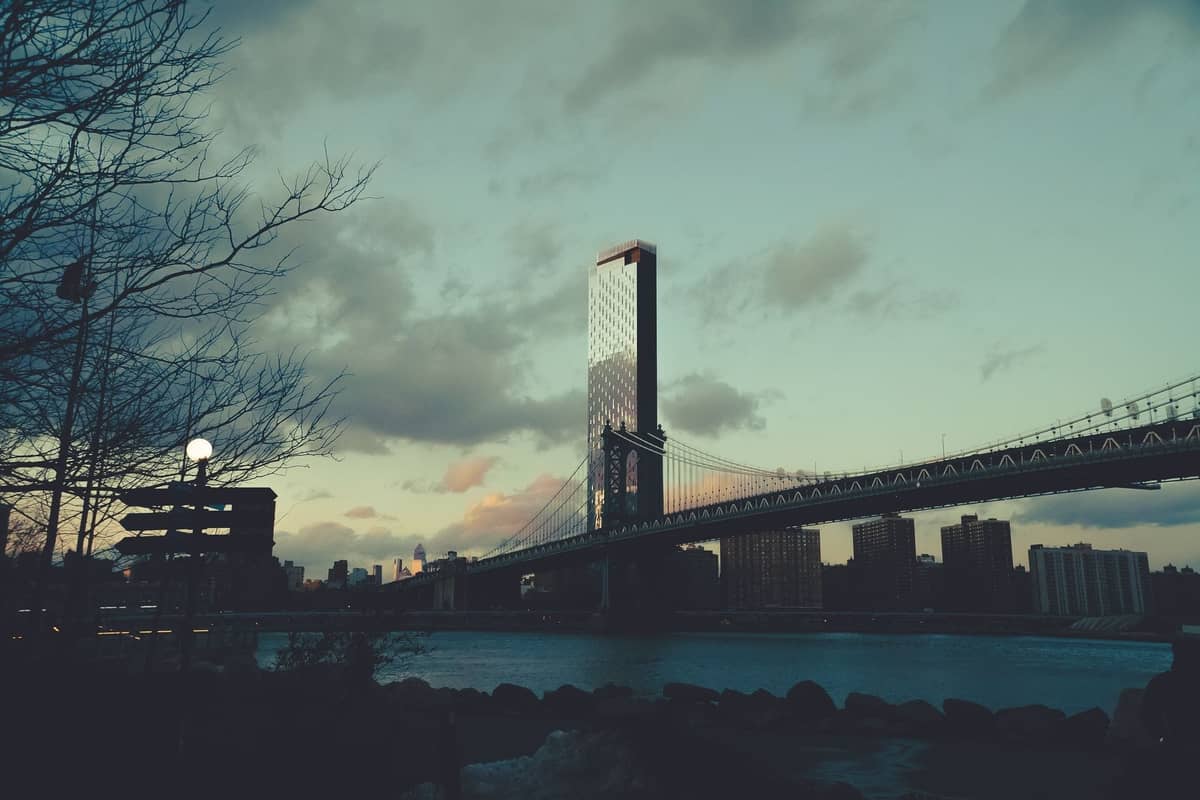
There is no single best month for everyone, and any guide that claims otherwise is oversimplifying. The right time depends entirely on what you want to do. For outdoor sightseeing and park walks, May and October are the two months most consistently cited by experienced visitors. For budget travelers willing to tolerate cold, January and February offer the lowest prices while keeping the full range of indoor attractions available. Check our NYC on a budget guide for specific cost-saving strategies by season.
For families with children, summer aligns with school schedules but comes with peak prices and heat. Spring break (late March to mid-April) is an increasingly popular alternative that balances manageable weather with school holidays. For couples seeking a romantic atmosphere, fall offers the best combination of comfortable temperatures and the city's characteristic energy without the overwhelming summer crowds. Our guide to New York City for couples covers seasonal date ideas in more detail.
- Best for outdoor sightseeing May and October. Comfortable temperatures, lower humidity, and long enough daylight hours.
- Best for budget travelers January and February. Lowest hotel and flight prices while cultural institutions are fully open.
- Best for summer warmth and beach trips July and August. Hot but energetic. Coney Island and Rockaway Beach are accessible by subway.
- Best for holiday atmosphere Late November through early January. Festive decorations, ice skating, seasonal events. Midtown crowds are intense.
- Best for avoiding crowds overall Late January through early March. Quietest period for major attractions.
FAQ
What is the New York City weather forecast for this week?
For the current New York City weather forecast today and tomorrow, check the National Weather Service (weather.gov) or AccuWeather, both of which provide hourly updates referenced to Central Park. This guide covers historical climate averages, not live forecasts.
Does New York City get snow in winter?
Yes, snow is possible from November through March, with February typically the snowiest month. Annual snowfall varies significantly from year to year: some winters bring multiple major storms while others produce very little accumulation. A winter trip to NYC does not guarantee snow on the ground.
How hot does New York City get in summer?
July is the hottest month, with average highs around 84-85°F (29°C). High humidity means the real-feel temperature regularly climbs above 90°F, and heat waves pushing the index above 100°F are not uncommon. Late-afternoon thunderstorms are frequent from June through August.
What is the best month to visit New York City for the weather?
May and October are the months most consistently recommended for comfortable weather. May offers mild temperatures in the low-to-mid 70s°F with lower humidity. October brings crisp, clear days with fall foliage and average highs in the 60s°F. Both months avoid the summer crowds and winter cold.
Is New York City weather rainy? When should I expect rain?
NYC receives about 47 inches of precipitation annually, spread fairly evenly across all 12 months. There is no defined dry season. April and June tend to have higher precipitation frequency. Packing a compact umbrella regardless of season is practical advice for any NYC trip.