New York City on a Budget: How to Visit Without Breaking the Bank
New York City has a reputation for being expensive, but the reality is more nuanced. With the right approach to transit, food, accommodation, and attractions, you can experience the best of the city for far less than you might expect. This guide covers every angle of the New York City budget equation.
Plan and book this trip
Tools from our partner Travelpayouts help you compare flights and hotels. If you book through them, we may earn a commission at no extra cost to you.
Flights
Hotels map
TL;DR
- The MTA subway is your best tool: a single ride costs $3.00, and a OMNY weekly fare cap is $35, covering nearly every corner of the city.
- Dozens of major attractions are free or pay-what-you-wish, including Central Park, the Brooklyn Bridge, and the Staten Island Ferry.
- Skip Midtown hotels: staying in Brooklyn, Queens, or the Upper Manhattan area cuts accommodation costs significantly while subway access keeps everything reachable.
- Avoid tourist-strip restaurants around Times Square. A $3 pizza slice or a halal cart plate will feed you better for less.
- Spring and fall offer the best value: mild weather, fewer peak-season crowds, and lower hotel rates than July or the December holiday window. See our best time to visit New York City guide for full seasonal detail.
Getting Around NYC Without Spending Much
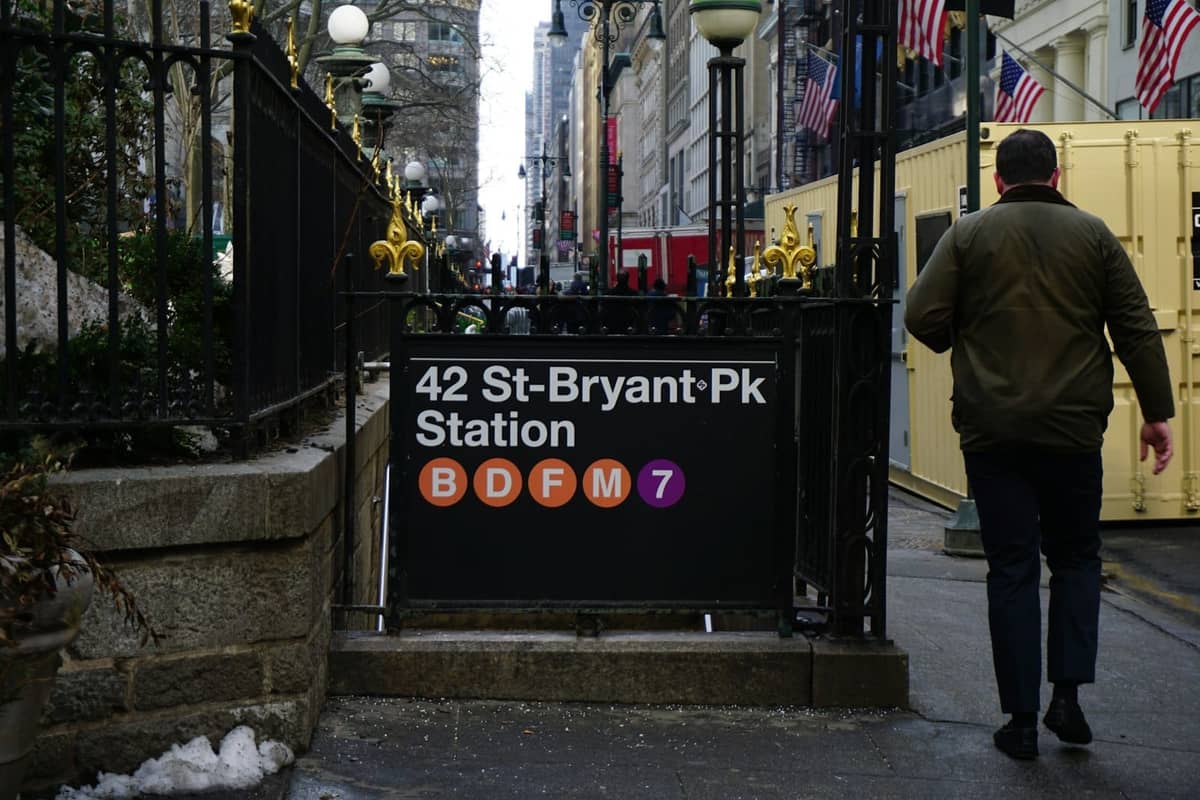
The single most important budget decision you will make in New York City is committing to the subway and bus network. The MTA operates one of the few true 24-hour transit systems in the world, covering Manhattan, Brooklyn, Queens, and The Bronx by subway, with buses extending coverage into all five boroughs including Staten Island. At $3.00 per ride (payable via OMNY contactless tap or MetroCard), it is almost always faster than a taxi in traffic and a fraction of the cost.
For stays longer than three days, the OMNY weekly fare cap at $35 is worth the math: you break even after 12 rides. Tap-to-pay with a contactless card or phone through the OMNY system is the standard option and charges the same base fare. For everything you need to know about navigating the system, the getting around New York City guide covers routes, tips, and the best apps to use.
💡 Local tip
The Staten Island Ferry is completely free and runs 24 hours a day, 7 days a week. The 25-minute crossing between Whitehall Street in Lower Manhattan and St. George Terminal offers unobstructed views of the Statue of Liberty and the Manhattan skyline. It is one of the best free experiences in the entire city, not a consolation prize.
Ride-hailing and yellow cabs are not budget options. A crosstown trip in Midtown can easily cost $20-30 with surge pricing, versus $3.00 on the subway. Reserve Uber and Lyft for late-night trips to neighborhoods with infrequent service, or for airport transfers where carrying luggage makes transit impractical.
- Subway single ride $3.00 via OMNY or MetroCard
- OMNY weekly fare cap $35 — worth it from day 3 onward
- Staten Island Ferry Free, 24/7, Whitehall St to St. George
- NYC Ferry $4 per ride, connects Brooklyn, Queens, and Manhattan waterfront stops
- Citi Bike day pass Around $15 for unlimited 30-minute rides — good for short crosstown hops in Manhattan
Free and Low-Cost Attractions That Are Actually Worth Your Time
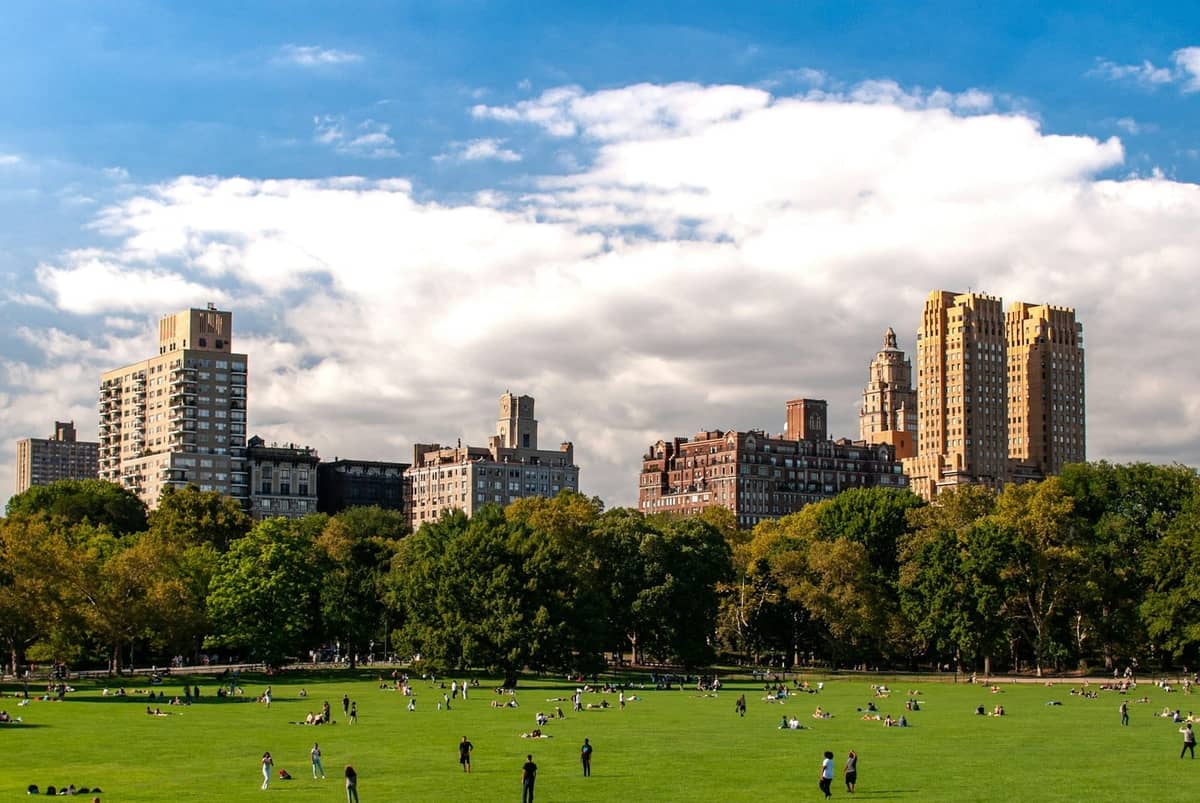
New York City's reputation for being expensive does not reflect the reality of its attraction landscape. Many of the city's most iconic and rewarding experiences cost nothing. Central Park is 843 acres of landscaped parkland in the middle of Manhattan, free to enter at any time. You can spend a full day walking from the Sheep Meadow to the Ramble, stopping at Bethesda Terrace, Strawberry Fields, and Belvedere Castle without spending a dollar.
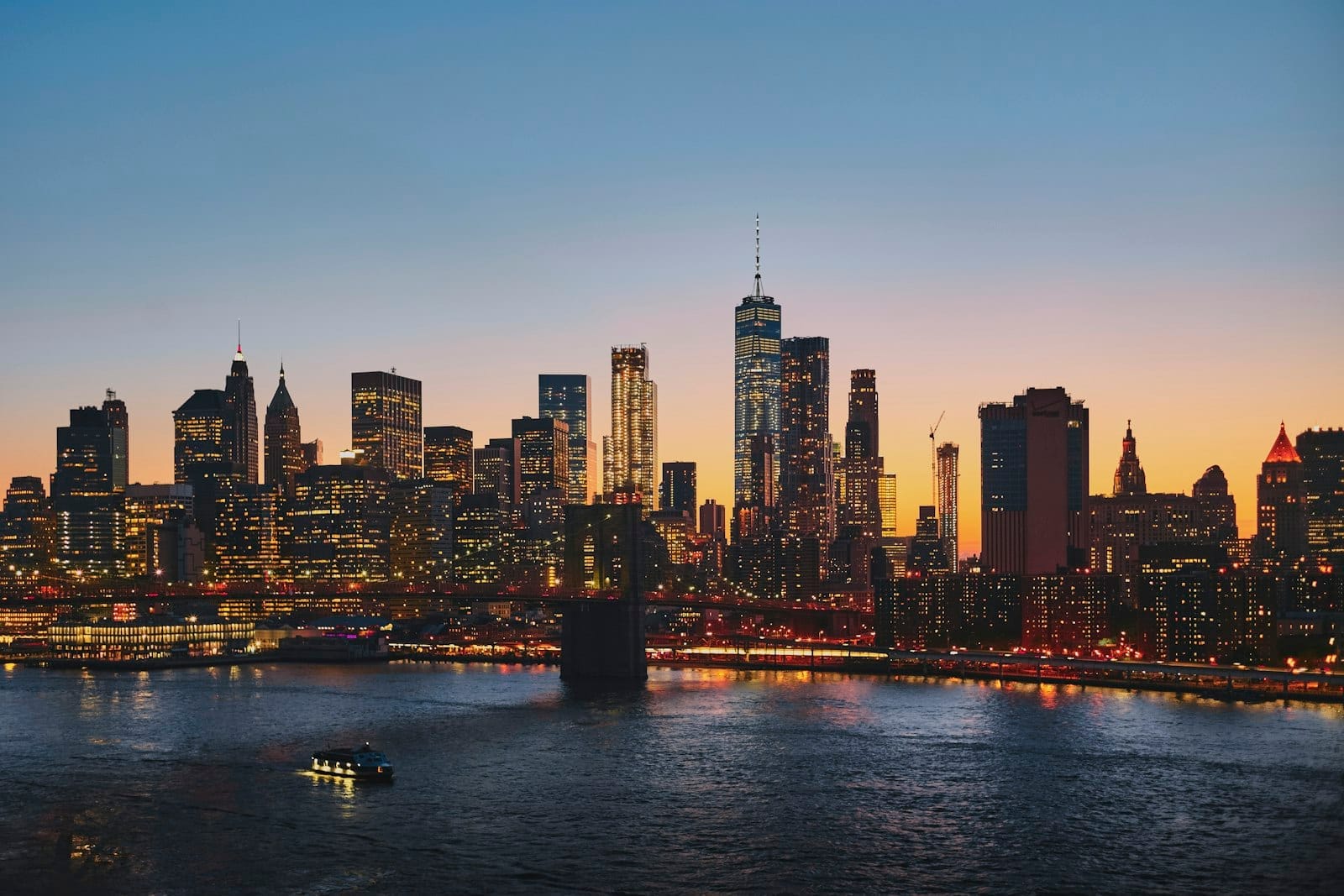
Walking the Brooklyn Bridge pedestrian path is free and takes about 30-40 minutes one way, with excellent views of the Lower Manhattan skyline and the East River. Combine it with a walk through DUMBO and Brooklyn Heights for a half-day that costs nothing beyond a subway fare to get there.
Museum access in New York City is more flexible than most visitors realize. The Metropolitan Museum of Art operates on a suggested admission basis for New York State residents, though out-of-state visitors pay a fixed ticket price (currently around $30 for adults). MoMA offers free admission for all visitors during UNIQLO Free Friday Nights (typically 5:30–7:00 pm; timed tickets required — check moma.org for current schedule). Several museums including the Brooklyn Museum have free or reduced-admission windows on specific evenings. Always check the official museum website before you go, as policies and schedules change.
- Central Park: free entry, 365 days a year
- The High Line: free, open daily, runs 1.45 miles through Chelsea and Hudson Yards
- Brooklyn Bridge walk: free pedestrian path
- Staten Island Ferry: free harbor crossing with Statue of Liberty views
- Washington Square Park: free, excellent for people-watching and street performance
- The National Museum of the American Indian (Lower Manhattan): free, Smithsonian institution
- The New York Public Library main branch at Bryant Park: free to enter, stunning Beaux-Arts interior
- Governors Island: $5 round-trip ferry from Lower Manhattan for most visitors (some weekday morning departures are free), open seasonally from spring through fall
✨ Pro tip
The High Line is best visited early morning on weekdays. By 11am on summer weekends it becomes very crowded and loses much of its appeal. Going before 9am gives you the elevated park almost to yourself, with better light for photography and a genuinely peaceful experience above the street.
Where to Stay to Keep Costs Down
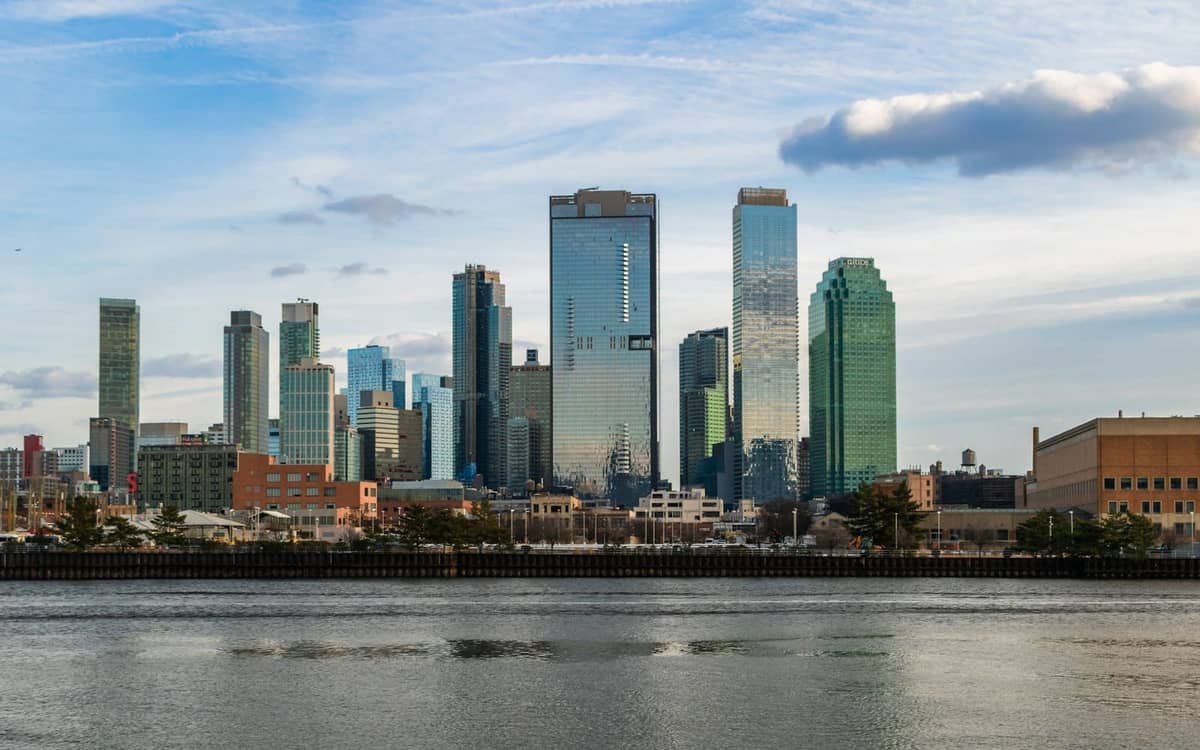
The central rule of budget accommodation in New York City is this: the closer to Midtown Manhattan you stay, the more you will pay. Budget hotel rooms in Midtown commonly start above $200 per night in peak season. The same money gets you significantly more in neighborhoods like Long Island City in Queens (one subway stop from Midtown), Williamsburg in Brooklyn (one or two stops to Manhattan), or Crown Heights. These areas are well-connected, safe, and often more interesting than the tourist core.
Hostels remain the lowest-cost option for solo travelers, with dorm beds in well-reviewed Manhattan and Brooklyn hostels running roughly $50-80 per night. Budget hotels in outer-borough neighborhoods like Astoria and Long Island City often run $120-160 per night, which is a genuine saving compared to Midtown equivalents. For a detailed breakdown of neighborhoods and hotel options by price range, the where to stay in New York City guide is the most complete resource.
⚠️ What to skip
Short-term rentals (under 30 days) in New York City are heavily regulated. Since 2023, whole-apartment rentals for under 30 days require the host to be present and registered with the city. The vast majority of traditional Airbnb-style listings are illegal. Book through licensed hotels, official short-term rental platforms that list registered NYC hosts, or properly listed longer-stay apartments to avoid getting your accommodation cancelled mid-trip.
Eating Well Without Overspending
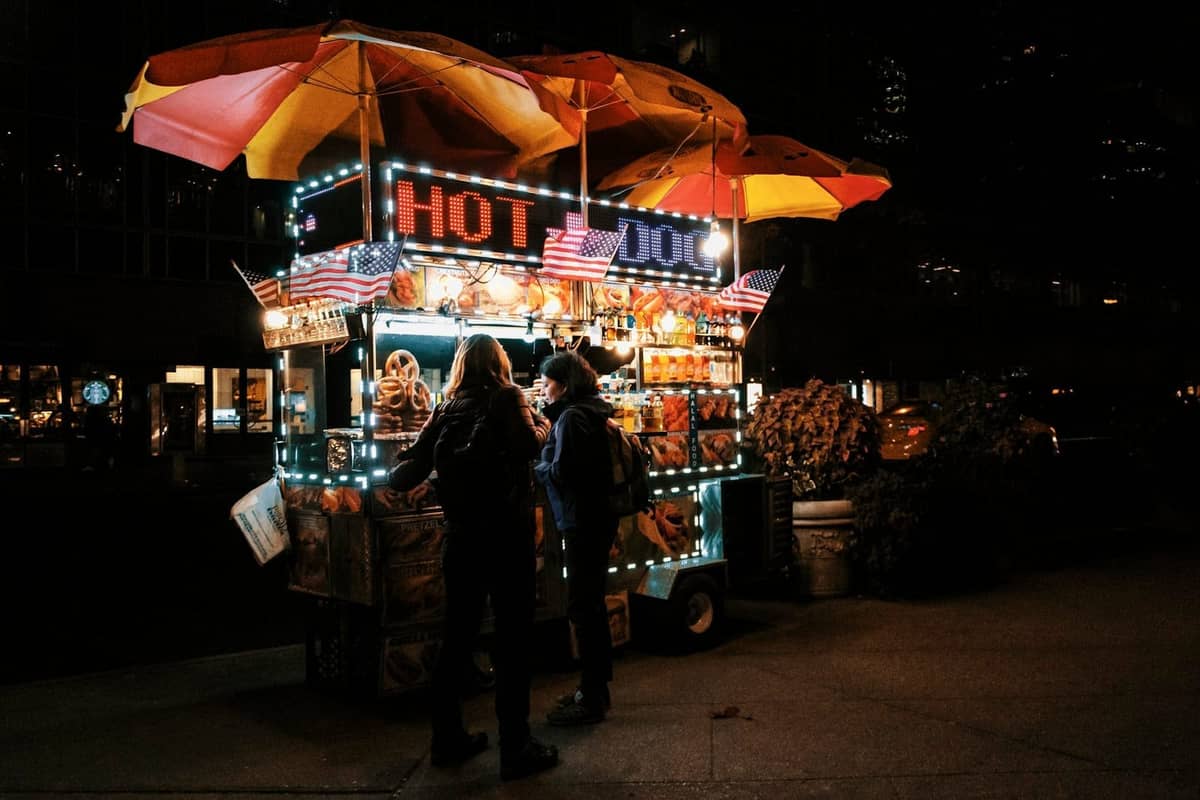
New York City food culture rewards people who eat like locals, not like tourists. The single worst budget decision you can make is eating at a restaurant within three blocks of Times Square. Prices in that zone reflect the real estate cost, not the food quality. A few streets away, or in any residential neighborhood, the same meal costs significantly less.
Street food is one of the city's genuine strengths. A classic New York pizza slice from a neighborhood parlor runs $3-5. Halal cart plates (chicken and rice, lamb over rice) from the carts that line Midtown avenues and many outer-borough corners cost around $7-10 for a filling meal. Flushing, Queens, is widely considered the best destination in the city for cheap, high-quality food from across East and Southeast Asia, with plenty of dishes under $12. For a deeper breakdown of where and what to eat, the New York City food guide covers neighborhoods, cuisine types, and price points in detail.
- Pizza by the slice $3-5 at neighborhood parlors; avoid tourist-strip outlets that charge double
- Halal carts $7-10 for a full plate; The Halal Guys on 53rd & 6th is the famous original
- Bagels $2-4 at bakeries in the outer boroughs; a New York classic that does not require a restaurant
- Chinatown (Manhattan or Flushing) Soup dumplings, roast duck, and noodle dishes under $15 at most counters
- Smorgasburg (Brooklyn, weekends April-October) $10-15 per dish; a large outdoor food market in Williamsburg and Prospect Park
- Happy hours Most bars in the East Village, Lower East Side, and Brooklyn neighborhoods run weekday happy hours 4-7pm with $5-7 drinks
Seasonal Strategy: When to Go for the Best Value

Timing your trip correctly is one of the most effective budget levers available. Hotel prices in New York City follow demand patterns that are predictable: late November through late December is expensive due to holiday tourism, July and August bring summer crowds and inflated prices, and the cheapest windows tend to be January through early March (cold but genuinely cheap) and the shoulder period between Labor Day and mid-October.
Spring, roughly April through early June, hits the balance point of good weather, reasonable prices, and a full calendar of free outdoor events beginning to open. Fall, particularly September and October, is similarly strong. The NYC in fall guide details why autumn is many repeat visitors' preferred season. Summer offers one major budget advantage: NYC Parks and private organizations run dozens of free outdoor concerts, film screenings, and festivals. Bryant Park's film nights, SummerStage in Central Park, and the Celebrate Brooklyn series at Prospect Park all cost nothing to attend.
Winter is underrated as a budget season. January hotel rates drop sharply after the holidays, and while the weather requires proper preparation (temperatures average around 32°F in January), the city's indoor attractions are all still open. The holiday markets at Bryant Park and Union Square charge no entry fee, though the temptation to spend inside is real. Ice skating at Wollman Rink in Central Park charges admission plus skate rental, which adds up; Bryant Park's rink is free to skate if you bring your own skates.
Practical Budget Tips That Make a Real Difference
Museum and attraction passes like the New York Pass or CityPASS can be worthwhile, but only if you plan to visit multiple paid attractions in a short window. If your trip includes mostly free parks, markets, and neighborhoods with one or two paid attractions, buying individual tickets costs less. Run the math against your actual itinerary before committing to a multi-attraction pass.
Tipping is a genuine cost factor in New York City and not optional in practice. At restaurants, 18-22% is the standard expectation on the bill total. Taxi and ride-hail apps default to 20% tip prompts. Budgeting an extra 20% on top of menu prices or fare estimates gives you a more accurate picture of actual spend. For a full breakdown of what to expect visiting for the first time, the first-time visitor guide to New York City covers customs, logistics, and practical expectations.
- Tap water is safe NYC municipal water is treated and potable. Carrying a refillable bottle eliminates the cost of buying bottled water throughout the day.
- Use free WiFi strategically LinkNYC kiosks on sidewalks throughout the five boroughs offer free WiFi. Most coffee shops, libraries, and parks also have free networks.
- TKTS for Broadway The TKTS booth in Times Square and at South Street Seaport sells same-day Broadway and off-Broadway tickets at discounts of 20-50%. Matinees offer the deepest cuts.
- Grocery stores for breakfast Whole Foods, Trader Joe's, and local delis have prepared food sections far cheaper than sit-down breakfast. A coffee and a sandwich from a corner deli runs $5-8.
- Walk when possible Manhattan's grid makes walking logical. The distance from 42nd Street to 59th Street (17 blocks) is roughly one mile and takes 20 minutes on foot versus a subway transfer and wait.
- Check NYC Parks event calendar The NYC Parks Department publishes a free events calendar covering concerts, fitness classes, film screenings, and cultural events across all five boroughs year-round.
ℹ️ Good to know
For travelers on a genuine tight budget, the free things to do in New York City guide is worth reading in full. It covers no-cost options across all five boroughs, including lesser-known parks, galleries with free admission, and neighborhood experiences that require nothing beyond subway fare to reach.
FAQ
What is the cheapest way to get from the airport to Manhattan?
From JFK, the AirTrain to Jamaica or Howard Beach Station connects to the subway for a combined fare of around $13-14, making it far cheaper than a taxi (which runs a regulated flat rate plus tolls and tip, often $70-90 total). From LaGuardia, MTA buses connect to the subway, with the total trip costing just the standard subway fare. From Newark (EWR), the AirTrain to Newark Liberty Airport Station connects to NJ Transit trains to New York Penn Station; the combined fare is typically around $16-18. All airport transit fares are subject to change, so verify current rates on the MTA and NJ Transit websites before travel.
Is the New York Pass or CityPASS worth buying on a budget?
Only if you plan to visit three or more paid attractions in rapid succession. The New York Pass and CityPASS provide discounted bundled access, but if your trip leans heavily on free attractions like Central Park, the Brooklyn Bridge, and free museum nights, you will likely not use enough paid attractions to recoup the cost. Do the math against your specific itinerary before purchasing.
Which neighborhoods are cheapest to stay in while still being well-connected?
Long Island City and Astoria in Queens sit one or two subway stops from Midtown Manhattan and consistently offer lower hotel rates than central Manhattan. Williamsburg and Crown Heights in Brooklyn are similarly well-connected via the L and 2/3/4/5 lines. Upper Manhattan neighborhoods like Washington Heights offer some of the lowest hotel prices in the city while remaining on the A train express corridor.
Are there free days at major NYC museums?
Yes, though policies change and always need to be verified directly with each museum. MoMA offers free admission for all visitors during UNIQLO Free Friday Nights (timed tickets required — check moma.org for current schedule). The Brooklyn Museum has a free first Saturday evening each month. The National Museum of the American Indian in Lower Manhattan is always free as a Smithsonian institution. The Metropolitan Museum of Art uses suggested rather than fixed admission for New York State residents. Check individual museum websites for current schedules.
What is a realistic daily budget for visiting New York City?
A budget-conscious traveler can manage on roughly $80-120 per day excluding accommodation: the OMNY weekly fare cap averages about $5 per day, street food and deli meals for three meals runs $25-35, and a mix of free attractions with one paid entry every few days keeps entertainment costs low. Accommodation is the hardest cost to reduce in NYC; budget hotels in outer boroughs start around $120-150 per night, and hostels with dorm beds run $50-80. A solo traveler using public transit, eating locally, and staying in an outer-borough hostel or budget hotel can realistically target $150-200 all-in per day.