First Time in New York City: The Essential Visitor's Guide
New York City rewards visitors who come prepared. This guide covers the five boroughs, how to get around on the subway, airport transfers, seasonal timing, tipping customs, and the attractions actually worth your time — plus honest warnings about what to skip.
Plan and book this trip
Tools from our partner Travelpayouts help you compare flights and hotels. If you book through them, we may earn a commission at no extra cost to you.
Flights
Hotels map
TL;DR
- NYC operates on Eastern Time (UTC-5 in winter, UTC-4 in summer) and uses USD. The subway runs 24 hours a day and is your best way to get around.
- Spring (April-June) and fall (September-October) offer the most comfortable weather for first-time visitors. See our best time to visit New York City guide for a full seasonal breakdown.
- Times Square is not representative of daily New York life. Make time for Brooklyn, Queens, and Harlem to get a fuller picture of the city.
- Book timed-entry tickets for major observatories and the Statue of Liberty in advance — walk-up availability is unreliable, especially on weekends.
- Tipping is standard practice: 18-20% at restaurants, and customary for bartenders, hotel staff, and taxi drivers.
Understanding New York City: The Basics
New York City is the largest city in the United States, with around 8.5 million residents spread across five boroughs: Manhattan, Brooklyn, Queens, The Bronx, and Staten Island. The city covers approximately 300 square miles (778 km²) and sits at the mouth of the Hudson River on New York Harbor. First-time visitors often make the mistake of treating it as a single place — it is closer to five distinct cities sharing a transit system and a skyline.
The city operates on Eastern Time: UTC-5 during Eastern Standard Time (roughly November through mid-March) and UTC-4 during Eastern Daylight Time for the rest of the year. English is the primary language of public life, but NYC is one of the most multilingual cities in the world — Spanish, Mandarin, Cantonese, Russian, Bengali, Yiddish, and Korean are all widely spoken in different neighborhoods. For a deeper look at how the boroughs break down geographically and culturally, our NYC neighborhoods guide is a good starting point.
- Currency United States Dollar (USD). Major credit and debit cards are accepted almost everywhere. ATMs are widely available.
- Electricity 120V, 60Hz. Type A and B plugs (two flat pins, or two flat pins plus a ground). Bring adapters if you use European or UK devices.
- Emergency number 911 for police, fire, and ambulance. Dial 311 for non-emergency city services and information.
- Tap water Safe to drink. NYC tap water comes from Catskill reservoirs and is treated to federal and state standards.
- Visas Entry is regulated at the federal level. Many nationalities qualify for the Visa Waiver Program with an approved ESTA. Check current requirements with the U.S. Department of State before booking.
Getting to New York City: Airports and Transfers
Three major airports serve the New York metro area. Each has different trade-offs in terms of distance, cost, and convenience. Which one you use will often depend on where your flight originates rather than your preference, but it is worth knowing what you're arriving into.
- JFK (John F. Kennedy International) Located in Queens, roughly 15-20 miles from Midtown Manhattan. The AirTrain connects terminals to the subway (A train at Howard Beach or E/J/Z at Jamaica) and the Long Island Rail Road. Combined fares vary — check current MTA pricing. Yellow cab flat-rate fares to Manhattan exist but the exact figure changes; confirm with the NYC Taxi & Limousine Commission before your trip. Rideshares operate from designated pickup areas.
- LGA (LaGuardia Airport) Also in Queens, just 8-10 miles from Midtown — but it has no direct rail link. MTA bus routes connect to the subway, and the M60 SBS has been a standard option for years. Expect taxis and rideshares to cost less than from JFK due to proximity, but traffic on the BQE or the Grand Central Parkway can make journey times unpredictable.
- EWR (Newark Liberty International) Technically in New Jersey, about 16-18 miles from Midtown. The AirTrain Newark links terminals to Newark Airport Station, where NJ Transit and Amtrak trains run to New York Penn Station. This is often the most straightforward rail transfer of the three airports. Allow extra time during peak hours.
⚠️ What to skip
Airport taxi and transit fares change periodically. The flat-rate cab fare from JFK to Manhattan, AirTrain pricing, and NJ Transit fares should all be verified on official MTA and airport websites before you travel. What you read in any guide — including this one — may be outdated by the time you arrive.
Getting Around the City
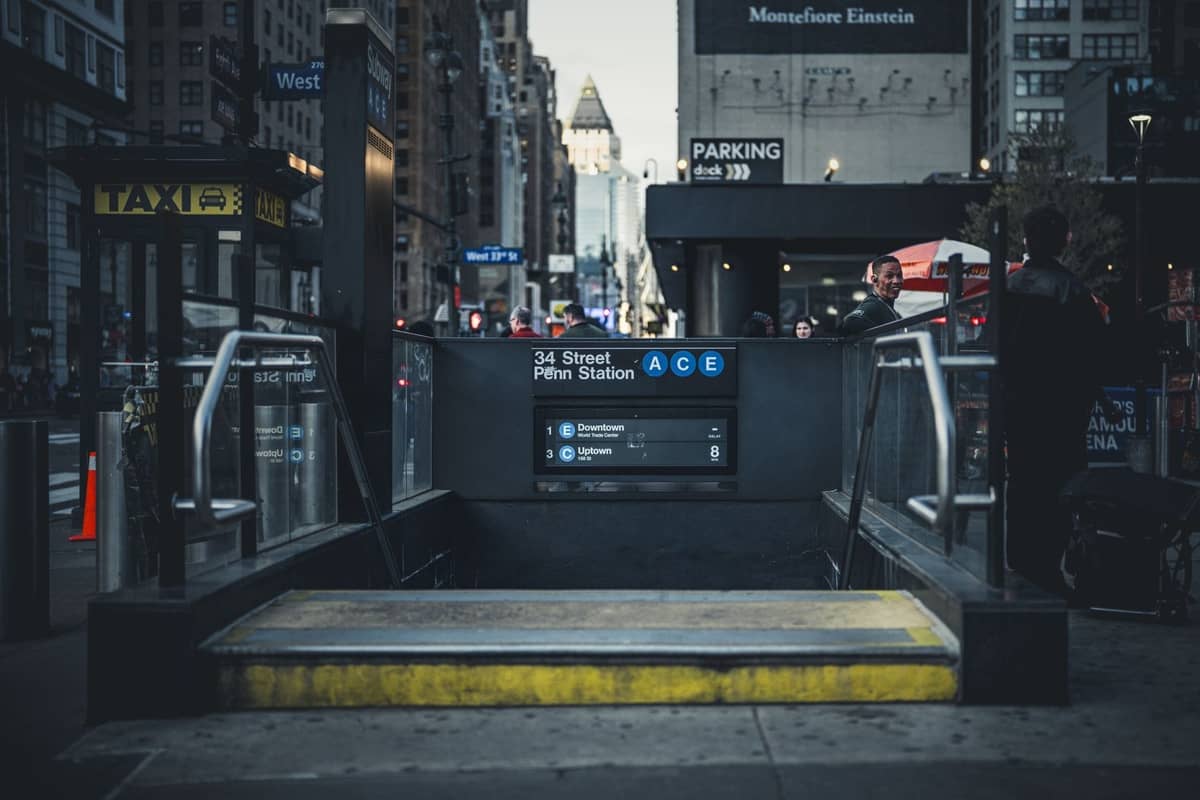
The NYC Subway is the backbone of the city's transport system. It operates 24 hours a day, 365 days a year, serves Manhattan, Brooklyn, Queens, and The Bronx, and is how most New Yorkers actually move around. Pay using OMNY tap-to-pay (contactless card or phone). New MetroCard sales ended in January 2026, so contactless payment is the standard at all turnstiles. One critical local note: trains are referred to by letter or number, not color. Say you're taking the 4 or the A — not 'the green line.' Our full guide to getting around NYC covers subway navigation, buses, ferries, and walking routes in detail.
For subway direction: in Manhattan, platforms are typically signed toward Queens or The Bronx (uptown) and Brooklyn (downtown). This can be counterintuitive when you're new to the grid. The MTA website and app are reliable for route planning. Google Maps and Citymapper also work well for real-time subway directions.
Yellow cabs are metered and can be hailed anywhere on the street in Manhattan. Uber and Lyft operate across all five boroughs under NYC Taxi & Limousine Commission oversight. Rideshares are often cheaper than cabs for short trips but surge pricing during rush hours (roughly 7-10am and 4-7pm) can spike costs significantly. The Staten Island Ferry is free, runs 24/7 between Whitehall Terminal in Lower Manhattan and St. George on Staten Island, and takes about 25 minutes each way — offering some of the best views of the Manhattan skyline at zero cost.
✨ Pro tip
Most New Yorkers don't own a car. If you're staying in Manhattan or well-connected parts of Brooklyn, you almost certainly won't need one either. Parking is expensive (often $30-60+ per day in garages), street parking is scarce, and driving in Midtown during the day is genuinely miserable. Save the car rental for day trips outside the city.
The Five Boroughs: Where to Focus Your Time
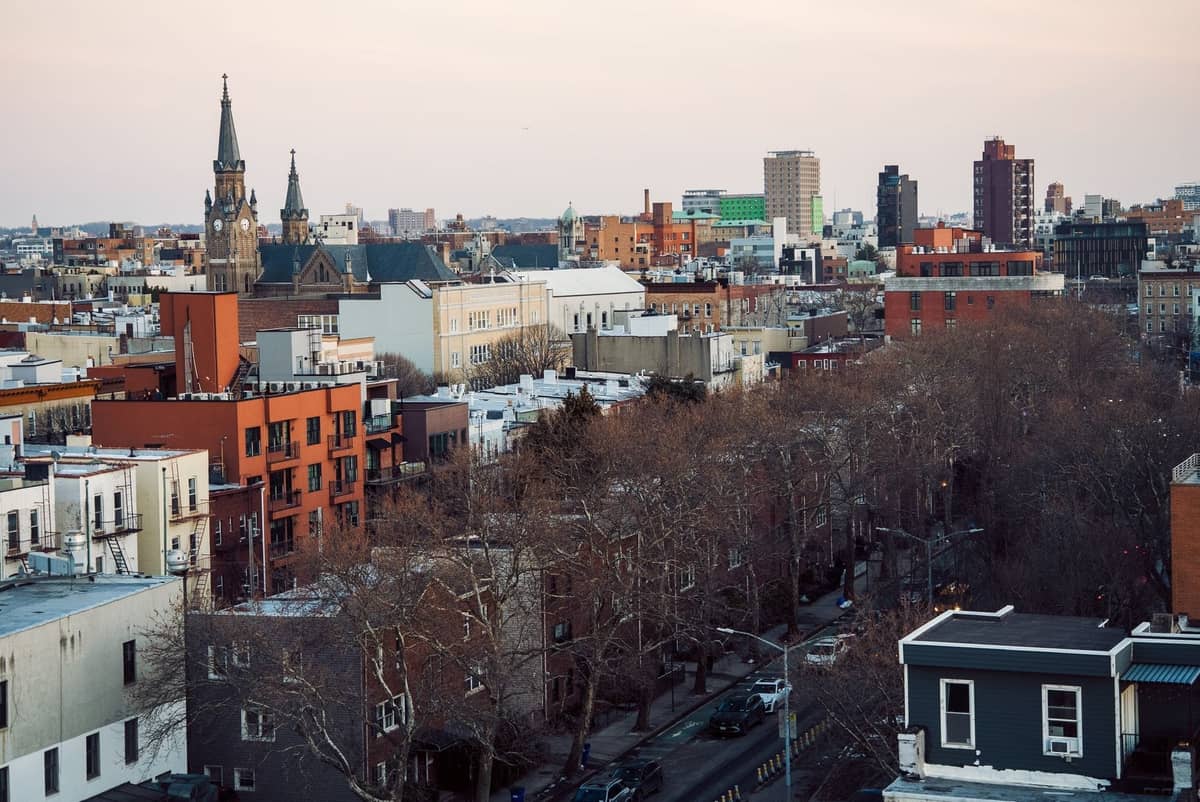
Manhattan gets the most tourist attention and contains the highest concentration of major landmarks, but limiting your entire visit to it is a mistake that many first-timers regret. Each borough has a distinct identity that Manhattan can't replicate.
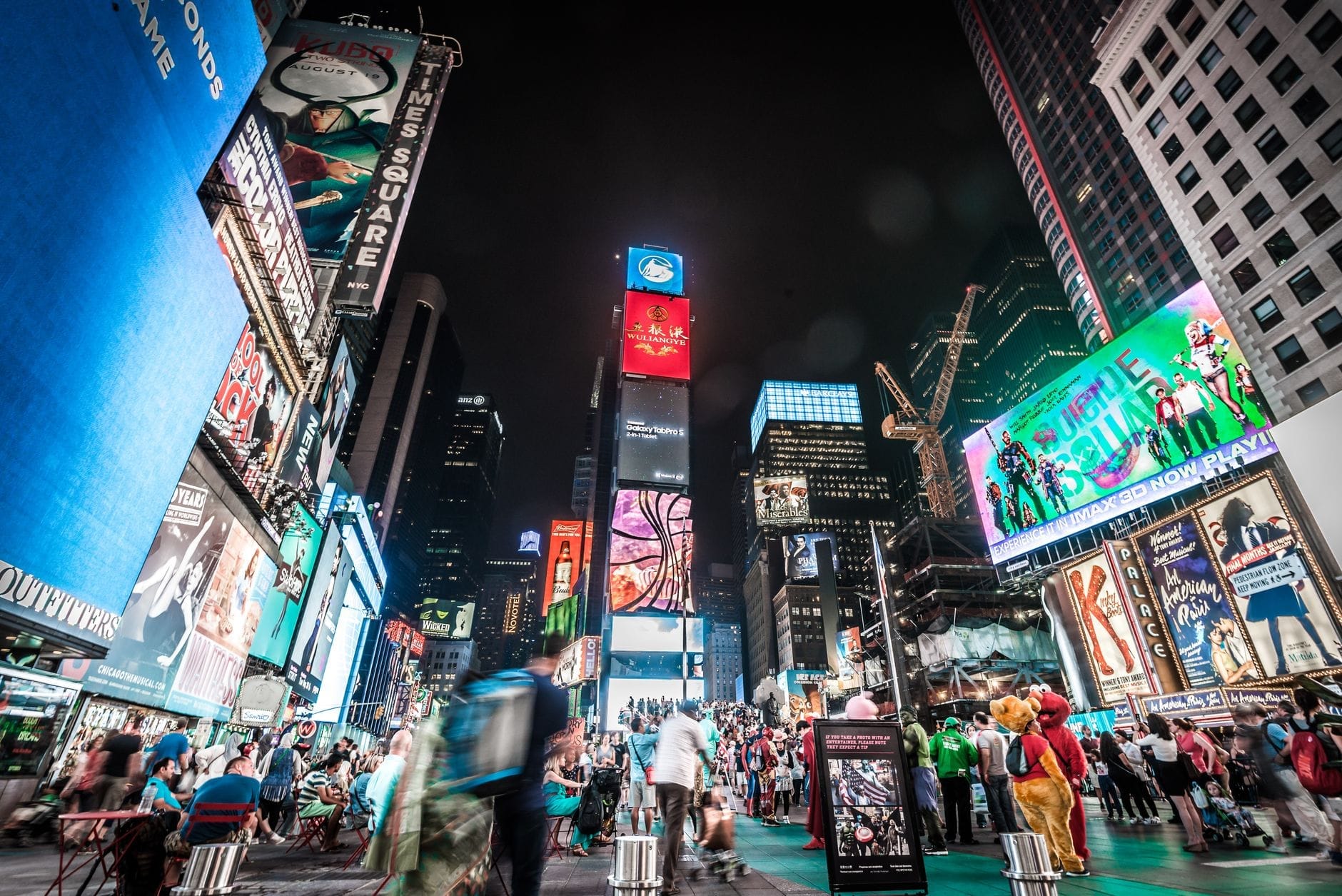
Manhattan is where most hotels cluster and where you'll find Midtown's big-ticket attractions: Times Square, Central Park, the Empire State Building, and the Metropolitan Museum of Art. It's also the most expensive place to stay and eat. One honest note: Times Square is worth seeing once, but it is geared almost entirely toward tourists. Locals rarely go there voluntarily.
Brooklyn is the city's most populous borough and one of its most rewarding for visitors. The Brooklyn Bridge walk takes about 20-30 minutes from Manhattan and drops you into DUMBO, which has excellent views of the bridge and skyline. Williamsburg has a dense concentration of restaurants and bars. Park Slope is calmer, residential, and borders Prospect Park. For a full guide, see our Brooklyn guide.
Queens is the most ethnically diverse urban county in the United States and one of the best places in the city to eat. Flushing has one of the largest Chinatowns in North America. Astoria is known for its Greek and Middle Eastern communities. The Bronx is home to the Bronx Zoo, the New York Botanical Garden, and authentic Italian-American culture along Arthur Avenue. Staten Island is the most suburban of the five boroughs and sees far fewer tourists — the ferry ride itself is the main draw for most first-timers, and it's completely free.
Key Attractions: What's Actually Worth It
NYC has more world-class institutions per square mile than almost anywhere on Earth, which creates a different problem: choice fatigue. Below is a practical breakdown of major attractions with honest assessments.
- Observatories (Top of the Rock, One World Observatory, Summit One Vanderbilt, Edge at Hudson Yards) All four require timed-entry tickets booked in advance. Top of the Rock offers arguably the clearest view of the Empire State Building — which you can't see from the Empire State Building itself. Summit One Vanderbilt has immersive art installations alongside the views. Edge is the highest outdoor sky deck in the Western Hemisphere. Pick one or two; doing all four in a single trip is overkill.
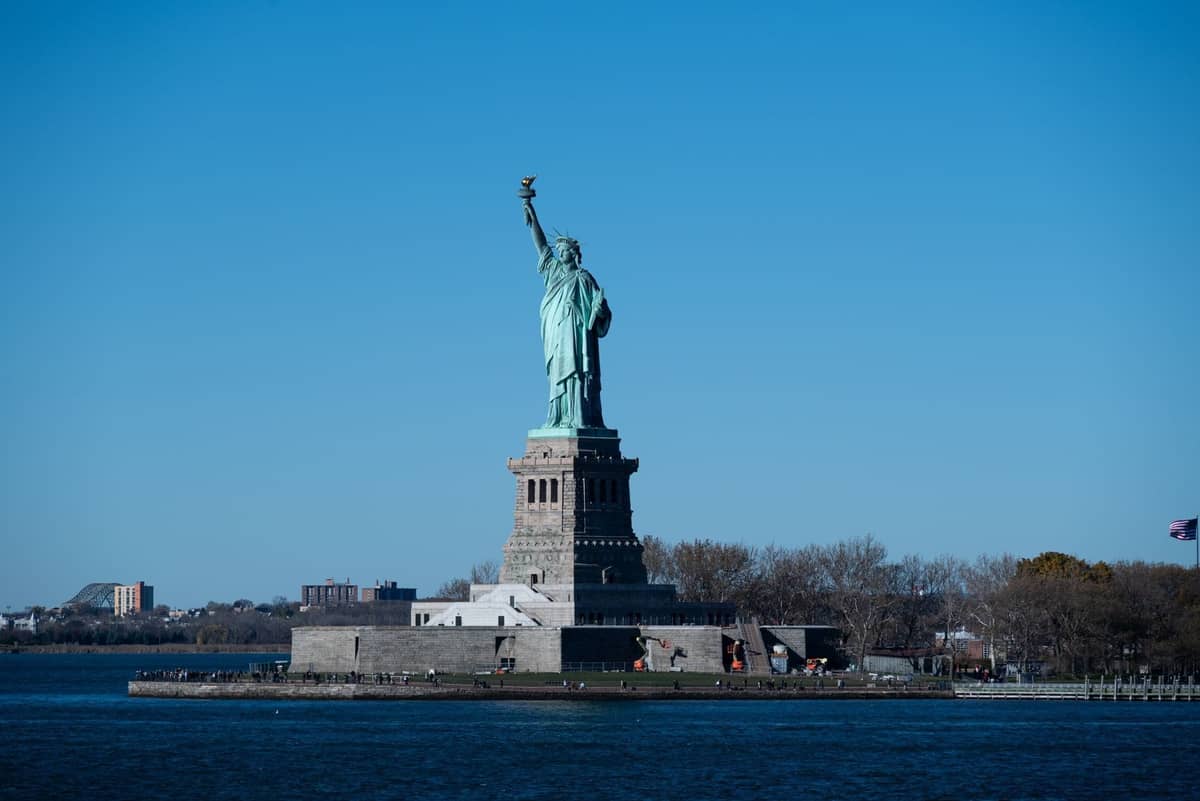
- Statue of Liberty and Ellis Island Ferries depart from Battery Park (Manhattan) and Liberty State Park (NJ), operated by Statue City Cruises. Book timed tickets on the official site well in advance, especially for pedestal or crown access — crown reservations sell out months ahead. Basic ferry tickets grant grounds access only.
- Metropolitan Museum of Art One of the largest art museums in the world, with a collection spanning 5,000 years. Budget at least three to four hours; a full day is not unreasonable. Pay-what-you-wish admission for New York State residents and certain students — out-of-state visitors pay the full suggested admission.
- The High Line A 1.45-mile elevated park built on a former freight rail line, running from Gansevoort Street in the Meatpacking District to Hudson Yards. Free and open daily. It gets crowded on weekends between noon and 4pm; aim for early mornings or weekday visits.
- Central Park 843 acres in the middle of Manhattan. Worth at least half a day. Highlights include Bethesda Terrace, Strawberry Fields, the Reservoir, and Belvedere Castle. It is also one of the safest, most heavily used parks in the country during daylight hours.
💡 Local tip
Museum Mile on Fifth Avenue between 82nd and 105th Streets concentrates the Met, the Guggenheim, the Cooper Hewitt, El Museo del Barrio, and others within walking distance. Several institutions offer free or reduced-price hours on specific evenings — check each museum's website directly, as schedules rotate and change seasonally.
When to Visit: Seasons and Crowds
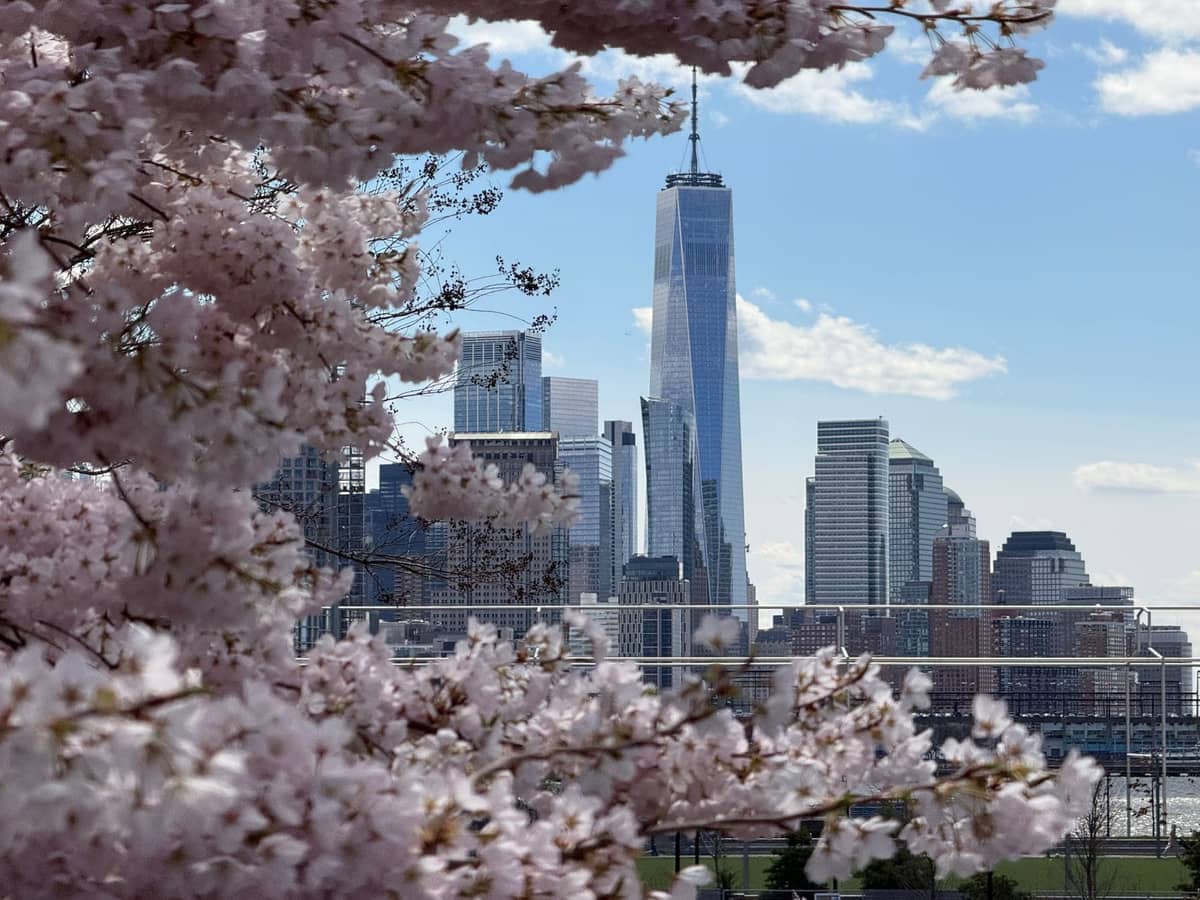
New York City sees visitors year-round, so there is no truly quiet season, but the experience varies considerably by time of year. For a detailed breakdown, see our best time to visit NYC guide.
Spring (April through June) and fall (September through October) are the periods most often recommended by travel resources for first-time visitors. Temperatures are mild — typically in the 50s-70s°F (10-25°C) — humidity is lower than summer, and the city is energetically good without the extremes of July heat or January cold. Central Park in both seasons is particularly worth planning around.
Summer (June through August) brings heat, humidity, and the largest tourist crowds. Temperatures regularly exceed 90°F (32°C) with high humidity in July and August. On the upside, free outdoor events multiply in summer: Shakespeare in the Park, SummerStage concerts, outdoor movie screenings, and Smorgasburg food markets are all active. The subway can be extremely hot on non-air-conditioned platforms — plan for that.
Winter (December through February) is cold, occasionally snowy, and January averages around 31°F (-0.5°C). December specifically brings the Rockefeller Center tree, holiday window displays along Fifth Avenue, and ice skating at Wollman Rink in Central Park. It also brings the biggest crowds of the year around Christmas and New Year's Eve. If you visit in December, expect Times Square to be impenetrable on December 31st and plan accordingly. See our NYC in December guide for what to expect.
Costs, Tipping, and Everyday Practicalities
New York City is an expensive city by any international measure, but there is a significant range between budget and splurge. Accommodation in Midtown Manhattan runs highest; staying in well-connected parts of Brooklyn or Long Island City in Queens can cut hotel costs meaningfully without adding much commute time.
Food costs similarly span a wide range. A slice of pizza from a street-facing counter ($3-5), a bodega sandwich, or a food market meal are what locals actually eat for lunch. Sit-down dinner at a mid-range Manhattan restaurant, with drinks, will typically run $60-100 per person once you include tax and tip. High-end tasting menus go well beyond that. The city's best cheap-eating options are often in outer borough neighborhoods — Flushing for dumplings and hand-pulled noodles, Sunset Park for Mexican, Jackson Heights for South Asian and Latin American food.
- Restaurant tipping: 18-20% on the pre-tax bill is standard. Some restaurants now add a service charge automatically — check your bill before adding more.
- Bar tipping: $1-2 per drink at casual bars is typical.
- Taxi and rideshare tipping: 15-20% is customary.
- Hotel housekeeping: $2-5 per night left daily (not just at checkout) is standard practice.
- Tour guides: 15-20% for guided experiences is appreciated but not mandatory.
For visitors on a tighter budget, NYC has more genuinely free experiences than most cities its size. The Staten Island Ferry, the High Line, all public parks including Central Park, the Brooklyn Bridge Park waterfront, and the exterior of Grand Central Terminal all cost nothing. Several museums have free or pay-what-you-wish windows. Our free things to do in NYC guide covers these in detail.
ℹ️ Good to know
NYC does not have a tourist tax or city-specific visitor levy beyond the standard New York State and city sales taxes (which together reach around 8.875% on most purchases). Hotel taxes are separate and stack on top — factor this into accommodation budgets, as the final hotel bill can be significantly higher than the advertised nightly rate.
FAQ
What time zone is New York City in?
New York City operates on Eastern Time. That is UTC-5 during Eastern Standard Time (approximately early November through mid-March) and UTC-4 during Eastern Daylight Time for the rest of the year. When the U.S. observes daylight saving time, NYC clocks move forward one hour.
How many days do you need for a first visit to New York City?
A minimum of four to five days gives you enough time to cover Manhattan highlights and make at least one meaningful trip into Brooklyn or another outer borough. A week is better and allows you to slow down, explore neighborhoods on foot, and not feel like you're racing between attractions. Three days is possible but will feel rushed — you'll spend more time commuting between sites than actually experiencing them.
Is the NYC Subway safe for tourists?
The subway is used by millions of New Yorkers daily and is generally safe, particularly on busy lines during daytime hours. Standard urban precautions apply: keep your phone in your pocket rather than visible, be aware of your surroundings, and avoid empty cars late at night. The NYPD maintains a significant transit police presence. Overall crime rates on the subway have fluctuated in recent years — check current advisories from official NYC sources for up-to-date information.
Do I need to book NYC attractions in advance?
For major observatories (Top of the Rock, Summit One Vanderbilt, One World Observatory, Edge), Statue of Liberty crown and pedestal access, and popular Broadway shows, advance booking is strongly recommended and often essential on weekends or in peak season. Central Park, the High Line, most free parks, and many museums can be visited without advance tickets, though some museums now recommend timed-entry reservations even for general admission.
What is the best neighborhood to stay in for first-time visitors?
Midtown Manhattan (roughly 34th to 59th Streets) puts you close to major landmarks and transit hubs, which is practical for a first visit even if it is not where most locals spend time. The Upper West Side is quieter with good subway access and proximity to Central Park and the American Museum of Natural History. Downtown Brooklyn and Long Island City in Queens offer lower hotel prices and are well-connected by subway, typically within about 15–30 minutes of Midtown depending on your exact locations and route.