Bronx Zoo: The Complete Visitor Guide to NYC's Wildest Day Out
One of the largest urban zoos in the world, the Bronx Zoo stretches across more than 265 acres of hardwood forest in The Bronx, housing over 11,000 animals from 640-plus species. Whether you have three hours or a full day, knowing how the grounds work before you arrive makes all the difference.
Quick Facts
- Location
- 2300 Southern Boulevard, The Bronx, NY 10460
- Getting There
- 2 train to Pelham Pkwy, or BxM11 express bus from Manhattan; Metro-North Harlem Line to Fordham, then Bx9 bus
- Time Needed
- 3–6 hours; a full day for families with young children
- Cost
- Adults from US$30.00, Seniors (65+) from US$28.00, Children (3–12) from US$22.00, Under 3 free (flex pricing, check current rates)
- Best for
- Families, wildlife enthusiasts, photographers, kids aged 3–12
- Official website
- bronxzoo.com
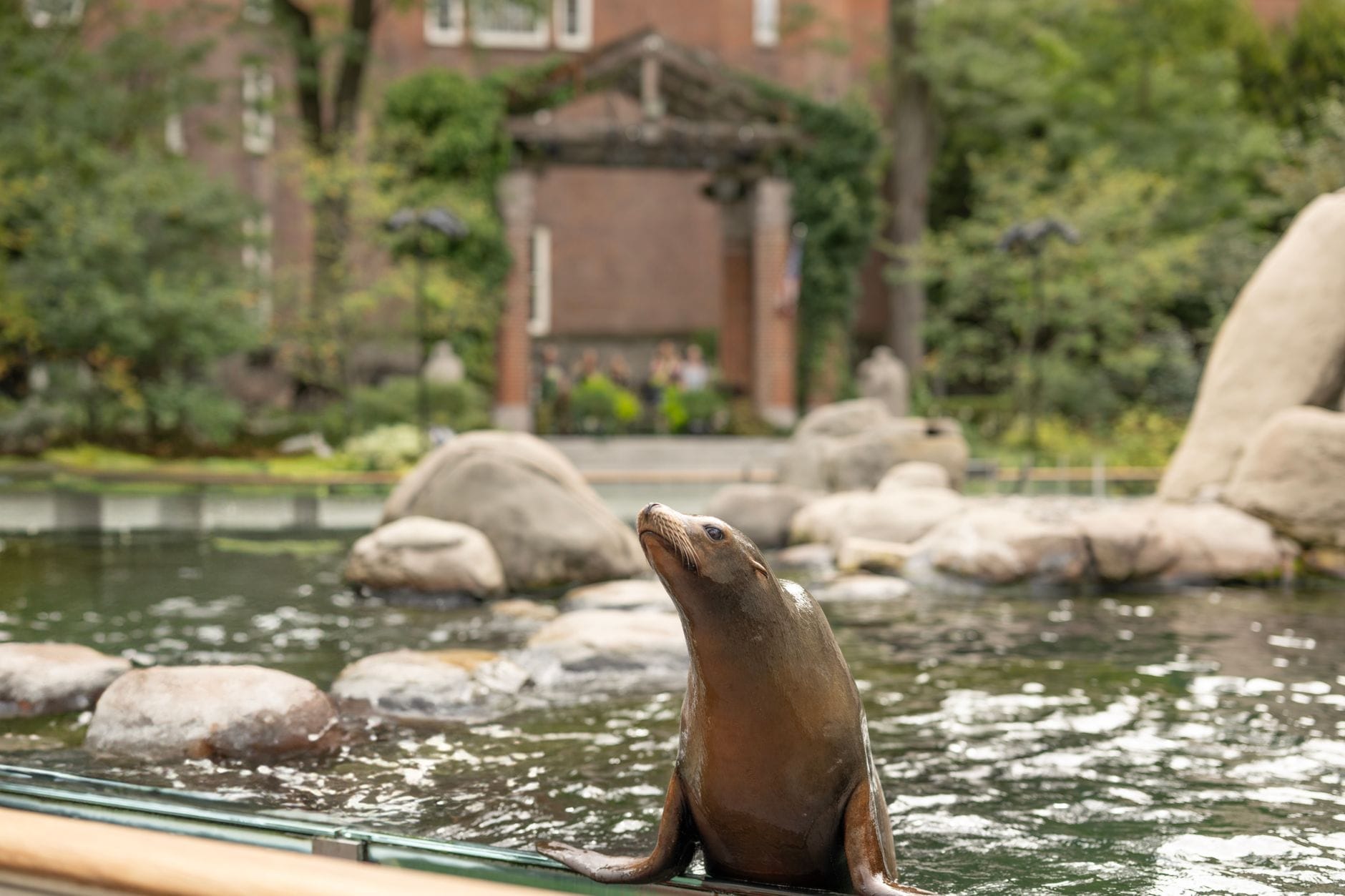
What the Bronx Zoo Actually Is
The Bronx Zoo is the flagship park of the Wildlife Conservation Society (WCS), the nonprofit organization that also manages the Central Park Zoo, Prospect Park Zoo, and the New York Aquarium. It opened on November 8, 1899, after the City of New York allotted 250 acres of Bronx Park to the New York Zoological Society the prior year. Today the zoo occupies over 265 acres of mature hardwood forest, making it one of the largest urban zoo complexes in the world.
The numbers alone tell part of the story: more than 11,000 animals representing over 640 species, spread across immersive habitat exhibits, woodland trails, and open-air viewing areas. But what separates the Bronx Zoo from a typical attraction is its dual identity as both a conservation research institution and a public park. The WCS funds field programs in more than 60 countries, and the zoo's educational programming reflects that mission at every turn.
If you are planning a broader trip to The Bronx, the zoo pairs well with the New York Botanical Garden, located just across Bronx Park Road. Both can be covered in a single day if you arrive early and move with purpose.
💡 Local tip
Tickets use flex pricing, meaning the advertised prices are starting rates. Booking online in advance is almost always cheaper than paying at the gate, and it lets you skip the ticket queue entirely.
How the Grounds Are Laid Out
The zoo is large enough that first-time visitors routinely underestimate the walking distances. The main pedestrian entrance at Southern Boulevard drops you into the southern portion of the park, near the Zoo Center and the Sea Bird Colony. From there, the terrain rises gently northward through forested pathways toward Tiger Mountain, the Congo Gorilla Forest, and the African Plains. The Bronx River cuts through the eastern edge of the property, and the World of Reptiles sits roughly in the middle of the grounds.
There are multiple secondary gates, including the Bronx River and Rainey Park entrances, but Southern Boulevard is the primary arrival point for most visitors and the only location where electric convenience vehicles can be rented. Wheelchair rental is available at the Southern Boulevard entrance for a refundable deposit, which makes it the sensible choice for anyone with mobility considerations.
The zoo operates a shuttle service during warmer months that loops through major sections of the park, including the African Plains area, offering a passive way to cover distance. The Bengali Express monorail runs over the Wild Asia exhibit, providing an elevated view of rhinos, elephants, and deer roaming in a mixed-species habitat. Both rides cost extra and are separate from general admission.
ℹ️ Good to know
Last entry is 45 minutes before closing, and animal exhibits close 30 minutes before the posted closing time. Plan your final exhibit accordingly, or you may arrive at a closed gate.
Tickets & tours
Hand-picked options from our booking partner. Prices are indicative; availability and final rates are confirmed when you complete your booking.
NYC contrasts tour in the Bronx, Queens & Brooklyn
From 51 €Instant confirmationCentral Park Zoo and Manhattan Walking Tour
From 49 €Instant confirmationFree cancellationNew York City bus tour of Brooklyn, Bronx and Queens
From 72 €Instant confirmationFree cancellationNeighborhoods of New York tour: Brooklyn, Bronx, Harlem, Queens and Coney Island
From 72 €Instant confirmationFree cancellation
The Exhibits Worth Prioritizing
Congo Gorilla Forest is consistently the standout experience at the Bronx Zoo. The 6.5-acre habitat houses one of the largest groups of western lowland gorillas in any zoological institution in North America. Visitors walk through a temperature-controlled forested path before emerging at large floor-to-ceiling glass viewing panels. In the mornings, the gorillas tend to be more active, moving around the habitat and interacting with each other. By early afternoon, they often retreat to quieter spots, so earlier is better for extended viewing.
Tiger Mountain places Amur tigers in a richly detailed, rocky landscape where the enclosure boundaries are not immediately obvious. The tigers are frequently visible on elevated platforms or resting near the viewing glass, and you can sometimes hear them calling across the hillside. The exhibit also addresses Amur tiger conservation in Russia's Far East, connecting the animals you see to the WCS field research that supports wild populations.
The World of Birds is one of the zoo's older indoor pavilions, built in 1972, but remains impressive in scale and variety. Free-flight aviaries simulate tropical forest, marsh, and rainforest environments, with birds flying within arm's reach of visitors on some of the walkthrough sections. It tends to be quieter than the mammal exhibits and offers good shade on hot summer days.
For families with children under 10, the Children's Zoo operates as a separate ticketed area where kids can climb, explore, and interact with domesticated animals. It runs during the warmer season only and is worth including if you are visiting with young children who may find the scale of the main grounds overwhelming.
How the Experience Changes by Time of Day
Gates typically open at 10:00 AM, though hours vary seasonally and by date. Arriving within the first 30 minutes gives you the best chance of seeing animals at their most active before the midday heat settles in and crowds build. On weekday mornings in spring and autumn, the paths through the zoo's forested sections feel almost genuinely quiet, with the sounds of birds audible above the distant hum of the Bronx. The smell of damp wood and undergrowth in the forest corridors is surprisingly pleasant and a real reminder that this is functioning woodland, not a manicured garden.
Weekend afternoons in summer are the most congested periods, particularly in July and August when school groups are absent but family visitation peaks. The main pathways between Congo Gorilla Forest and the African Plains can feel significantly crowded between noon and 3:00 PM. If you must visit on a summer weekend, plan to be at the gates at opening and tackle the most popular exhibits first.
Late afternoons in autumn, particularly in October, are worth mentioning separately. The zoo's tree canopy turns amber and gold during fall foliage season, the crowds thin after 3:00 PM, and the cooler air tends to bring larger animals out for more sustained activity near their exhibit boundaries. Photographers find this the most rewarding light of the day.
💡 Local tip
Photography tip: the Congo Gorilla Forest glass panels reflect light badly between noon and 2:00 PM. Mornings or overcast days produce far cleaner shots through the viewing panels.
Getting There Without a Car
The most straightforward public transit route from Manhattan is the 2 train to Pelham Parkway station, followed by a short walk west along Pelham Parkway South to the Bronxdale entrance. The walk takes roughly 10 minutes on a flat, wide sidewalk. For visitors coming from Midtown, the BxM11 express bus operates a direct route from Madison Avenue to the zoo's Southern Boulevard entrance, which makes it particularly convenient for those staying on the East Side. For a broader look at navigating the borough system, the getting around New York City guide covers transit across all five boroughs.
If you are coming from Westchester or Connecticut via Metro-North, the Harlem Line stops at Fordham station. From Fordham, the Bx9 bus runs south toward the zoo. The overall journey from Grand Central Terminal to the zoo via this route takes approximately 40 to 50 minutes depending on connections.
Parking is available on-site at the Southern Boulevard lot. Day rates are approximately US$20–25 for cars and higher for buses, with a higher-fee preferred parking option at Fountain Circle on peak days (check current rates). If you are driving on a busy weekend, arrive before 10:30 AM or expect significant queuing at the entrance.
Practical Details and Honest Limitations
The Bronx Zoo is closed on Thanksgiving Day, Christmas Day, New Year's Day, and Martin Luther King Jr. Day most years, but visitors should confirm specific holiday closures on the current calendar. Seasonal hours apply: from April through October, the zoo is open until 5:00 PM on weekdays and 5:30 PM on weekends and federal holidays. From November through March, closing time shifts to 4:30 PM daily.
Food options inside the zoo are functional but not remarkable. There are multiple cafes and food stands scattered through the grounds, with prices reflecting the captive audience. Bringing snacks and refillable water bottles is practical, particularly if you are visiting with children and want to avoid unnecessary stops. A picnic area exists near the Children's Zoo section.
Who should manage their expectations: visitors hoping for a compact, easily navigable experience may find the scale of the grounds tiring, particularly in warm weather. The zoo is also not free, and the flex-pricing model means costs can add up for a family. Those primarily interested in art and architecture rather than wildlife would likely get more from the best museums in New York City. And if budget is a primary concern, the free things to do in NYC guide covers alternatives that cost nothing.
The zoo's terrain involves gentle inclines across the northern sections, and while paved paths reach most major exhibits, some woodland connector trails are unpaved and can be uneven after rain. Visitors using wheelchairs or strollers should note this and may prefer to use the zoo's own maps, which indicate accessible routes.
The Zoo in the Context of The Bronx
The Bronx is one of the most misunderstood boroughs among first-time New York visitors, often skipped in favor of Manhattan or Brooklyn. The zoo is the most obvious reason to visit, but the surrounding area has genuine depth. Arthur Avenue, the borough's Italian-American commercial strip, is roughly 10 minutes by car or bus from the zoo's Southern Boulevard entrance and offers some of the most authentic Italian food shopping in New York. Combining a morning at the zoo with a late lunch on Arthur Avenue makes for a coherent full-day itinerary without leaving The Bronx.
For visitors approaching The Bronx as a destination in its own right, the Bronx neighborhood guide covers the borough's cultural institutions, parks, and dining in more detail.
Insider Tips
- The Wild Asia Monorail operates seasonally (typically May through October) and provides elevated views of Asian elephants, Indian rhinos, and gaur in a mixed habitat that is impossible to replicate from ground level. It sells out on busy weekends, so book it online when you book your entry ticket.
- The Congo Gorilla Forest charges a separate add-on fee at the gate, but this is often included in the general admission ticket when purchased online. Check the current ticket bundle options before buying to avoid paying twice.
- If you visit in winter (November through March), crowds are dramatically lower, many animals are more active in cooler temperatures, and the forest sections of the zoo have a completely different visual character. Some exhibits have reduced hours or may close temporarily, so check the seasonal schedule in advance.
- The Bronxdale entrance near the 2 train is slightly less congested than Southern Boulevard on peak weekends. It also puts you closer to the World of Reptiles and the sea bird exhibits, which are often less crowded than the mammal sections.
- Free wheelchair rentals at Southern Boulevard go quickly on busy days. If you need one, request it immediately upon entering rather than after you have already walked part of the grounds.
Who Is Bronx Zoo For?
- Families with children aged 3 to 12 looking for a full-day activity
- Wildlife photographers who want varied species in naturalistic habitats
- Visitors with an interest in conservation science and zoo biology
- Anyone combining a day trip to The Bronx with Arthur Avenue dining
- Autumn visitors seeking foliage and lower-crowd conditions simultaneously
Nearby Attractions
Other things to see while in The Bronx:
- Arthur Avenue — The Real Little Italy
Arthur Avenue in the Belmont neighborhood of The Bronx is the most genuine Italian-American commercial strip left in New York City. Unlike its Manhattan counterpart, this is a working neighborhood where third-generation butchers, hand-rolled cigars, and fresh pasta made on-site are still the daily norm, not tourist theatre.
- New York Botanical Garden
Spanning 250 acres in The Bronx, the New York Botanical Garden combines world-class plant collections, a landmark Victorian glasshouse, and one of the last old-growth forests in New York City. Here is everything you need to plan a visit worth the trip.
- Pelham Bay Park
Pelham Bay Park is New York City's largest public park, covering 2,772 acres of salt marshes, coastal forest, wetlands, and 13 miles of Long Island Sound shoreline. Three times the size of Central Park, it sits at the northeastern tip of The Bronx and remains genuinely off the tourist trail.
- Wave Hill
Perched above the Hudson River in Riverdale, Wave Hill is a 28-acre public garden and cultural center that combines horticultural artistry with sweeping views of the Palisades. Open year-round, with free admission on Thursdays until noon, it rewards visitors who take the time to reach it.