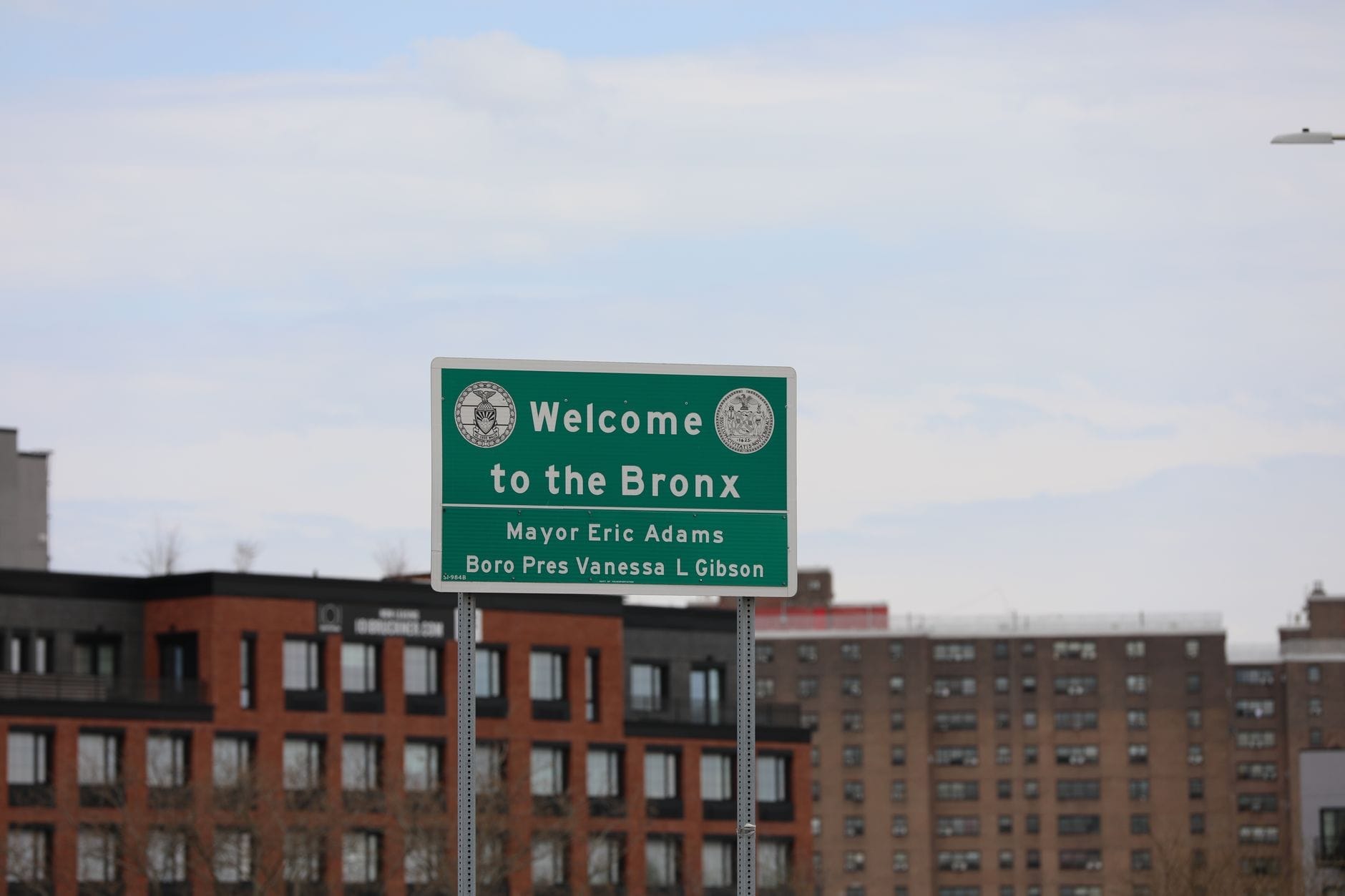
The Bronx is the northernmost and only mainland borough of New York City, separated from Manhattan by the Harlem River and bordered by Westchester County to the north. It is the birthplace of hip-hop, home to Yankee Stadium and the Bronx Zoo, and contains roughly 25% parkland by area. Beneath the cultural landmarks lies a borough that rewards curious travelers with genuine neighborhood life, serious food, and a scale that feels more manageable than Manhattan.
The Bronx sits just north of Manhattan but operates on its own terms: a borough of grand Art Deco boulevards, world-class cultural institutions, and deep roots in hip-hop history. It is the only borough located primarily on the North American mainland, and it rewards visitors who look past the stadium crowds to find the Italian markets of Arthur Avenue, the wilderness trails of Pelham Bay Park, and the low-key rhythms of daily life along the Grand Concourse.
Orientation
The Bronx covers about 42 square miles of mainland territory directly north of Manhattan, from which it is separated by the Harlem River. To the east, the East River and Long Island Sound divide it from Queens. To the north, the borough fades into Westchester County, with neighborhoods like Woodlawn and Riverdale feeling more suburban than urban. The internal geography is shaped by the Bronx River, which roughly splits the hillier, more densely built western half from the flatter eastern section.
Visitors tend to arrive at one of several distinct destinations: the South Bronx, where Yankee Stadium anchors the 161st Street corridor; the Fordham Road area and Bronx Park, home to the zoo and botanical garden; the Grand Concourse, the borough's signature boulevard running north-south through the heart of the West Bronx; and the outer neighborhoods of City Island, Riverdale, and the vast green expanse of Pelham Bay Park in the northeast.
For context within the wider city, the Bronx connects directly to Harlem at its southern edge via the 2, 4, and 5 subway lines, making it easy to pair the two boroughs in a single day. It sits on the opposite end of the city from the beachside neighborhoods of Coney Island, and its scale and pace feel markedly different from the denser commercial energy of midtown or downtown Manhattan.
Character & Atmosphere
On a weekday morning, the Grand Concourse feels like the main street of a borough-sized city unto itself. The wide, tree-lined boulevard was modeled loosely on the Champs-Elysées when it was completed in 1909, and its surviving Art Deco apartment buildings give stretches of it a grandeur that surprises first-time visitors. Bodegueros roll up steel shutters, schoolkids board buses, and the subway stations at 161st Street and 149th Street push out commuters in waves. There is very little that caters to tourists along the Concourse itself, and that is largely the point.
The South Bronx changes character dramatically on Yankees game days. The streets around 161st Street, normally calm enough, fill with a particular mix of out-of-town fans, locals capitalizing on the foot traffic, and vendors selling hats and jersey knockoffs from folding tables. By late afternoon before a night game, the energy is loud and compressed. On non-game days, the same blocks feel quieter, and the neighborhood's own rhythms reassert themselves: Dominican restaurants, hardware stores, and the occasional art gallery that has moved into the area's cheaper commercial real estate.
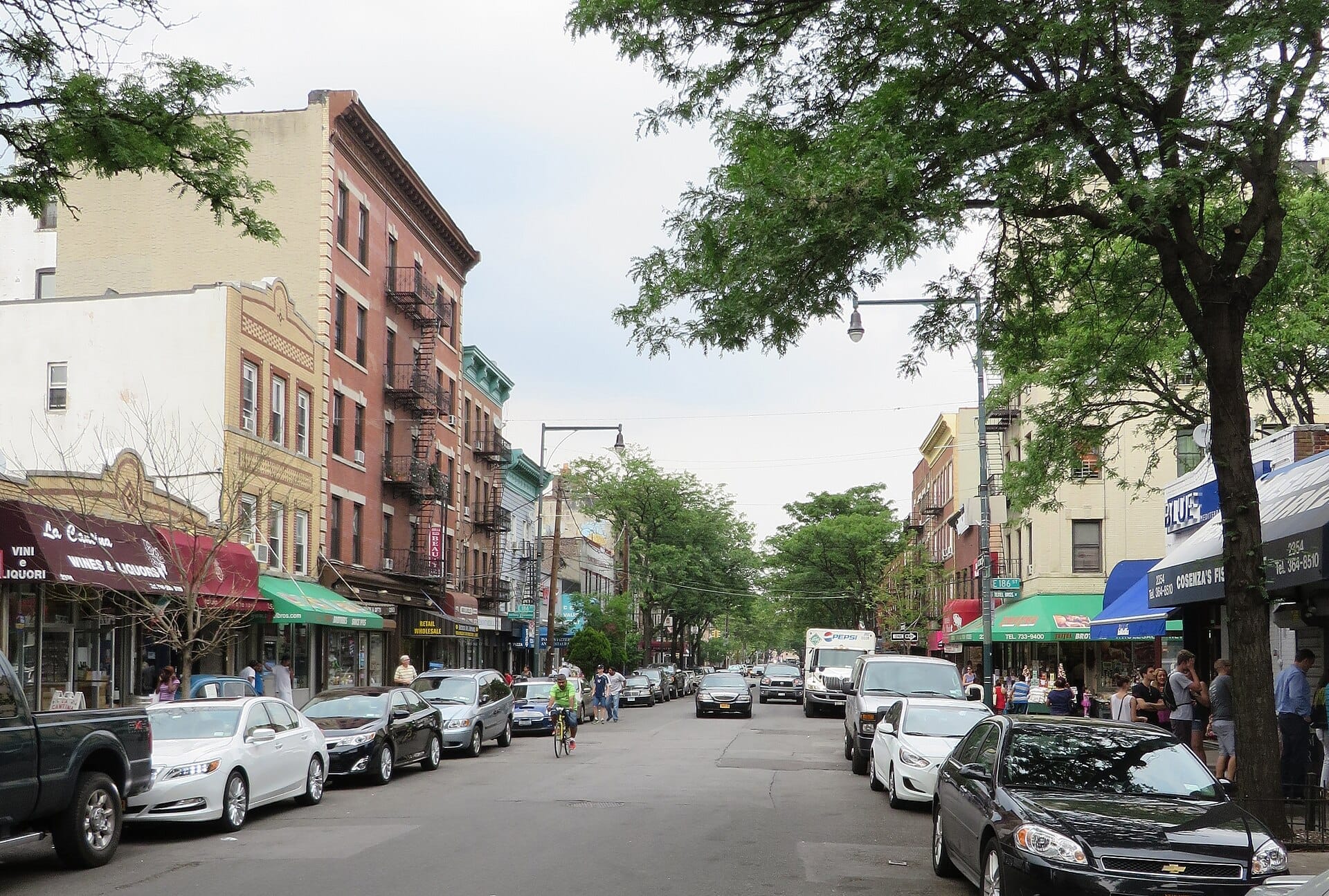
Arthur Avenue in the Belmont neighborhood is a different register entirely. This is the Bronx's Little Italy, and unlike its Manhattan equivalent, it has retained its function as an actual working food market. Butchers, cheese shops, pasta makers, and bakeries operate side by side with trattorias. On a Saturday morning, the sidewalks are stacked with produce and the smell of fresh bread mixes with coffee from the cafes. It is one of the few places in New York City where you can still watch a butcher break down a whole animal in the open, unhurried by the pressures of an Instagram-optimized kitchen.
After dark, the Bronx is not a nightlife destination in the way that Williamsburg or the Lower East Side are. Most neighborhoods quiet down reasonably early. The exceptions tend to cluster around Fordham Road and a handful of bars and music venues scattered through the borough. Travelers expecting a late-night scene will find it limited; those looking for an early dinner and a genuine local experience will not be disappointed.
ℹ️ Good to know
The Bronx is large enough that 'visiting the Bronx' actually means visiting one or two specific neighborhoods. Plan around a destination: Yankee Stadium, Arthur Avenue, the zoo, or Pelham Bay Park. Trying to cover the whole borough in a day will result in long transit rides between disconnected stops.
What to See & Do
The Bronx Zoo is the centerpiece of Bronx Park and one of the largest metropolitan zoos in the United States, covering over 265 acres. It is not a compact attraction: plan for at least half a day, and a full day if you have children or intend to see the Congo Gorilla Forest and the Wild Asia Monorail. The zoo's scale means crowds spread out even on busy weekends, and the older brick buildings give it an architectural character you do not find in more modern facilities.
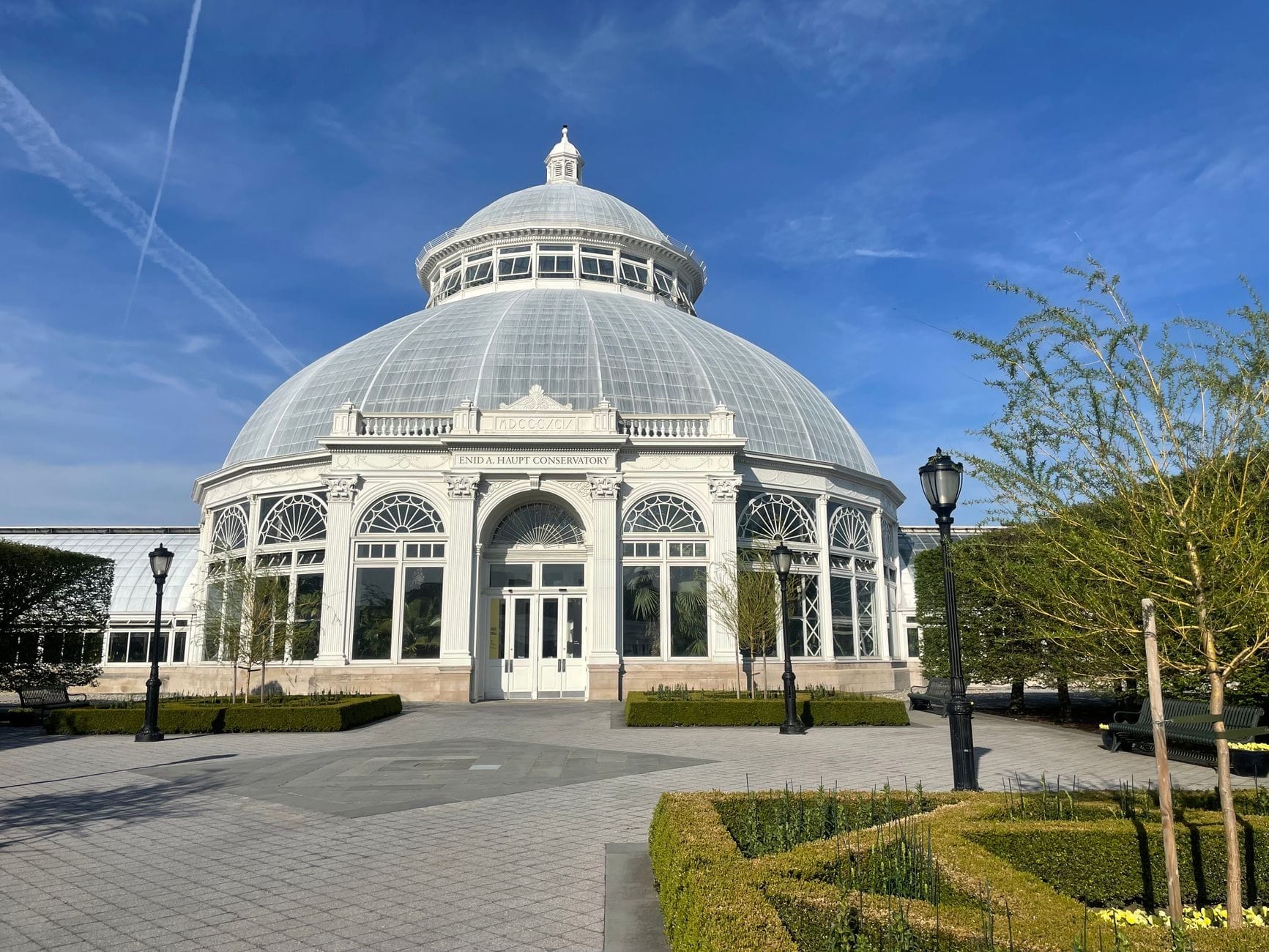
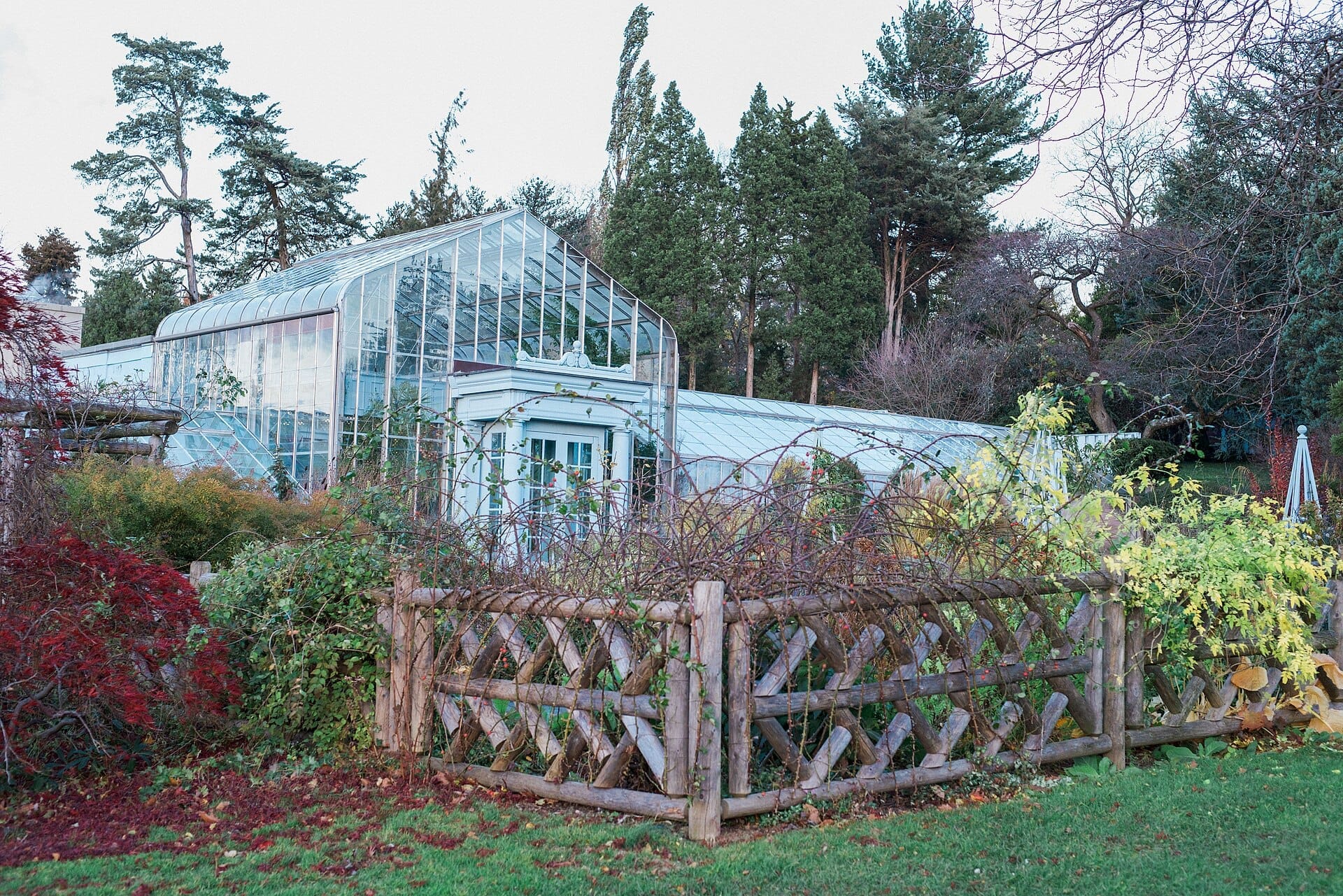
Directly adjacent to the zoo, the New York Botanical Garden occupies 250 acres and contains one of the largest Victorian glasshouses in the world. Spring visits, when the cherry trees bloom and the Enid A. Haupt Conservatory fills with orchids, are genuinely worth making a trip for. The garden has its own Metro-North station on the Harlem Line, which makes it easy to combine with a trip from Grand Central Terminal.
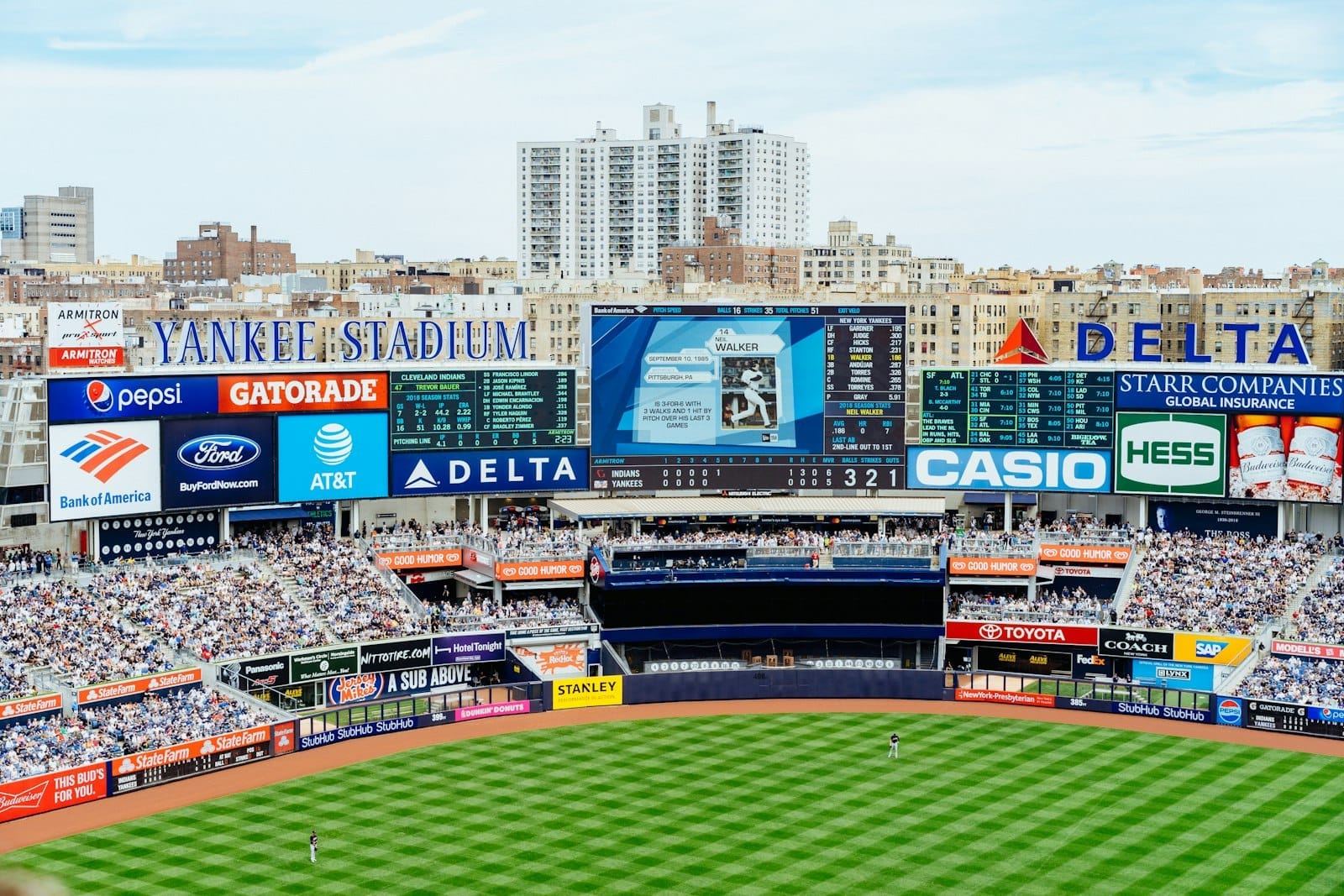
For baseball, Yankee Stadium opened in 2009 on the site of the original stadium and seats around 47,000. Even if baseball is not your thing, the ballpark architecture and the atmosphere on a summer night make it worth the trip. Tours are available on non-game days. The 161st Street-Yankee Stadium subway stop (4, B, and D trains) delivers you directly to the gates.
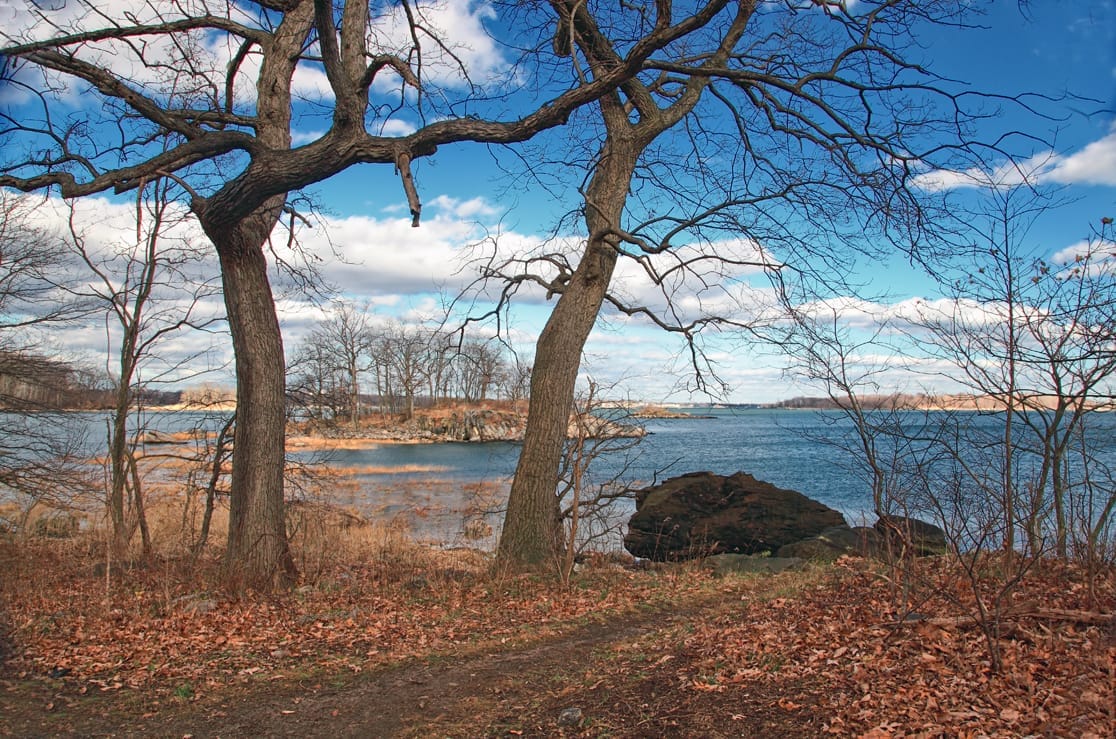
The Pelham Bay Park in the northeast Bronx is the largest park in New York City, three times the size of Central Park, containing marshland, forest trails, a lagoon, and Orchard Beach. It is almost entirely unknown to most tourists and genuinely feels like leaving the city. Birders, trail runners, and families from the surrounding neighborhoods use it year-round. In summer, Orchard Beach gets crowded with locals; the park's northern trails, by contrast, can feel nearly empty.
Grand Concourse: walk the stretch between 161st Street and Fordham Road to see the Art Deco apartment buildings, many of which are landmarked
Arthur Avenue Retail Market: the indoor market on Arthur Avenue concentrates butchers, cheese vendors, and prepared food stalls under one roof
Wave Hill: a public garden and cultural center in Riverdale with Hudson River views, quieter and less visited than the botanical garden
City Island: a small fishing community in Long Island Sound with seafood restaurants and a boat-building tradition, connected by bus from the Pelham Bay Park subway station
The birthplace of hip-hop: the South Bronx, particularly the blocks around Sedgwick Avenue in the Morris Heights and High Bridge areas, where DJ Kool Herc hosted early parties in the 1970s
💡 Local tip
Combine the Bronx Zoo and New York Botanical Garden in a single visit: they sit on opposite sides of Bronx Park and are about a 15-minute walk apart. Buy tickets in advance for both, especially on weekends.
Eating & Drinking
Arthur Avenue is the main reason food-focused travelers come to the Bronx, and it earns the attention. The avenue and its cross streets in the Belmont neighborhood form a market district where Italian-American food culture has survived more intact than almost anywhere else in the city. Stop at the Arthur Avenue Retail Market for fresh mozzarella and cured meats, then find a table at one of the sit-down trattorias for lunch. The Arthur Avenue food corridor is about a 20-minute walk from the Fordham Road subway stop on the B and D lines, or a short cab ride from the zoo.
The Fordham Road corridor and the blocks around the Grand Concourse reflect the borough's predominantly Latino population. Dominican cooking is particularly well represented: look for pollo al carbón (charcoal chicken), mangu, and sancocho at family-run spots that do not have much of a web presence. Fordham Road itself is a commercial strip more than a dining destination, but the side streets reward walking. Prices throughout the Bronx tend to be significantly lower than equivalent food in Manhattan.
On City Island, the appeal is straightforward: casual seafood restaurants serving clams, lobster rolls, and fried fish with views of the sound. The island is a single main street lined with restaurants, and the atmosphere on a summer weekend is relaxed in a way that most of NYC is not. Getting there requires the Bx29 bus from Pelham Bay Park station, which adds travel time, but the payoff is a meal that feels nothing like eating in the rest of the city.
For drinks, the options are scattered rather than concentrated. A handful of sports bars cluster around 161st Street for game-day crowds. A small number of craft beer spots and cocktail bars have opened in the South Bronx as part of a gradual shift in the neighborhood, but the Bronx has not gone through the bar-scene transformation that Brooklyn's northern neighborhoods experienced in the 2010s. If late-night drinking is a priority, you will have more options back in Manhattan.
Getting There & Around
The subway is the most practical way to reach most Bronx destinations. The 4, 5, and 6 trains run up the East Side of Manhattan and into the Bronx along the White Plains Road and Pelham lines. The 2 and 5 share tracks through the South Bronx and are useful for reaching the 149th Street area. The B and D trains run along the Grand Concourse, stopping at 161st Street, 167th Street, Tremont Avenue, Fordham Road, and continuing north. The 1 train terminates at Van Cortlandt Park-242nd Street in the northwest Bronx, passing through Riverdale.
Metro-North Railroad offers a faster alternative for reaching the Botanical Garden and the Fordham area from Midtown Manhattan. The Harlem Line from Grand Central Terminal stops at Fordham in about 20 minutes, and the botanical garden has its own dedicated stop (Botanical Garden station). This is significantly faster than the subway on the same corridor and worth knowing if you are combining a zoo or garden visit with a day starting from Midtown.
Within the borough, buses fill in the gaps left by subway lines. The Bx12 is one of the most useful crosstown routes, running east-west through Fordham Road to connect subway lines on either side. Pelham Bay Park and City Island are served by bus from the 6 train terminus at Pelham Bay Park station. Walking between attractions is possible in a few concentrated areas, particularly around Bronx Park (zoo plus botanical garden) and along Arthur Avenue, but the borough is too spread out to navigate primarily on foot.
For full transit planning across the city, including tips on navigating the subway system, see the guide to getting around New York City.
⚠️ What to skip
The Cross Bronx Expressway (I-95) is one of the most congested roads in the United States. Avoid driving through or across the Bronx during morning and evening rush hours. Taxis and ride-hailing services will be slow and expensive during peak periods; the subway is almost always faster.
Where to Stay
The Bronx is not a borough with a significant hotel inventory by New York City standards. There are options near Yankee Stadium and along the Fordham Road corridor, catering primarily to sports travelers and families visiting Fordham University. Rates tend to be lower than comparable rooms in Manhattan, which attracts budget-conscious travelers willing to trade convenience for price.
Most first-time visitors to New York City are better served by staying in Manhattan or Brooklyn and making day trips into the Bronx. If your trip is specifically built around the zoo, the botanical garden, or multiple Yankees games, staying in the Fordham area can make logistical sense. For a broader overview of accommodation choices across the city, the guide to where to stay in New York City covers the trade-offs by neighborhood.
Riverdale, in the northwestern Bronx, has a quieter, more residential feel and is served by the 1 train down to Manhattan. It appeals to travelers who want lower noise levels and don't mind a longer subway commute into the city center. City Island, for its part, has no hotels but does have a small number of bed-and-breakfast options, making it a genuinely unusual choice for anyone who wants an experience that feels nothing like the rest of New York City.
Safety & Practical Notes
Crime in the Bronx rose sharply in the 1970s and 1980s before declining significantly through the 1990s and 2000s, following the broader trajectory of New York City as a whole. The tourist areas, including the zoo, botanical garden, Yankee Stadium, and Arthur Avenue, are well-trafficked and generally comfortable. As with any large city, exercising basic awareness in quieter residential streets at night is sensible, particularly in parts of the South Bronx away from the main transit corridors.
Travelers who want broader context on navigating New York City confidently can refer to the New York City safety tips guide. The Bronx is a borough of distinct neighborhoods with widely varying characters; generalizing about safety across the whole borough is less useful than knowing the specific area you are heading to.
One practical note: the Bronx is the correct name, always with the definite article. Locals will notice if you drop the 'The.' Demographically, the borough has a majority Hispanic and Latino population and a large Black population, and that is reflected in its food, music, street life, and cultural institutions. Spanish is widely spoken alongside English across most neighborhoods.
TL;DR
The Bronx is NYC's only mainland borough, directly north of Manhattan, and easily reached by multiple subway lines and Metro-North Railroad from Grand Central Terminal.
Best for: food travelers (Arthur Avenue), families (Bronx Zoo and New York Botanical Garden), baseball fans (Yankee Stadium), and anyone wanting serious green space without leaving the city (Pelham Bay Park).
The hip-hop origin story is real and historically significant, but the South Bronx has changed enormously since the 1970s; the borough today is a working residential and commercial community, not a museum piece.
Honest drawback: the Bronx is geographically large and the attractions are spread out, so unfocused visits can result in a lot of transit time between destinations; plan around one or two anchor stops.
Not ideal for travelers who prioritize nightlife, luxury hotel options, or the density of restaurants and bars found in Manhattan or parts of Brooklyn.
Three days is enough to cover New York City's greatest hits — if you plan smart. This itinerary organizes Manhattan by neighborhood cluster, adds a Brooklyn half-day, and cuts through the noise with practical guidance on what's worth your time and money.
New York City has more than 100 museums, which makes choosing worthwhile. This guide cuts through the noise and covers the best museums across Manhattan, Brooklyn, and Queens, from encyclopedic giants to intimate institutions you'll wish you'd discovered sooner.
New York City rewards visitors year-round, but the timing of your trip shapes everything from hotel rates to how much you'll enjoy walking the streets. This guide breaks down every season honestly, including the months most guides skip over.
New York City's skyline is one of the most iconic in the world, and the city offers an extraordinary range of ways to see it. This guide covers every major paid observation deck, the best free viewpoints, and the hidden-angle panoramas that most visitors never find.
Broadway is one of the defining experiences of any visit to New York City. This guide covers everything from ticket prices and discount programs to the best seats, what to expect on the night, and how to avoid getting ripped off.
New York City rewards explorers who venture beyond Manhattan. Whether you want Atlantic Ocean beaches, Victorian river towns, wild urban nature, or a different borough entirely, these day trips are all reachable within two hours of Midtown.
New York City is one of the world's most expensive destinations, but a surprising amount of its best experiences cost nothing at all. From harbor ferry rides and elevated parks to world-class museums with free admission, this guide covers the top free things to do across all five boroughs.
New York City has one of the most comprehensive transit networks in the world, but navigating it takes some know-how. This guide covers the subway, buses, ferries, Citi Bike, taxis, ride-hailing, and airport transfers, with current fares, practical tips, and straightforward guidance on what to skip.
New York City's most famous attractions draw millions, but the city rewards those who look beyond the obvious. From a medieval monastery perched above the Hudson to a car-free harbor island and a cemetery with better skyline views than most rooftop bars, these hidden gems span all five boroughs and cost nothing to seek out.
New York City is one of the world's premier luxury destinations, with six three-Michelin-star restaurants, world-class private experiences, and neighborhoods that reward serious travelers. This guide cuts through the noise to focus on what actually delivers at the high end.
New York City is served by three major airports, and picking the wrong one can cost you an hour or more in transit. This guide breaks down JFK, LaGuardia, and Newark by location, ground transport options, travel times, and real costs so you can make the right call before you book.
New York City contains more than 7,000 completed high-rise buildings spanning four centuries of architectural history. This guide breaks down the city's defining styles, the best buildings to visit by neighborhood, observation deck logistics, and how to explore beyond Manhattan's famous skyline.
New York City is one of the world's great art capitals, with roughly 1,500 galleries spread across Chelsea, the Lower East Side, SoHo, and Brooklyn, plus a cluster of world-class museums that define modern and contemporary art globally. This guide cuts through the noise to identify the essential institutions, experimental spaces, and outdoor art experiences worth your time.
Brooklyn is New York City's most populous borough, home to 2.7 million residents, iconic landmarks, and more distinct neighborhoods than most cities have total. This guide covers the best things to do in Brooklyn, from the Brooklyn Bridge and Prospect Park to Coney Island and Smorgasburg, with practical transport advice, seasonal timing, and honest takes on what's worth your time.
New York City is the stand-up comedy capital of the world, with intimate basement rooms and historic theaters hosting everyone from open-mic newcomers to surprise celebrity drop-ins. This guide covers the best clubs and complementary venues across Manhattan and beyond, with practical tips on booking, neighborhoods, and what to expect.
New York City rewards visitors who come prepared. This guide covers the five boroughs, how to get around on the subway, airport transfers, seasonal timing, tipping customs, and the attractions actually worth your time — plus honest warnings about what to skip.
New York City restaurants span every cuisine on earth, every budget, and every borough. This guide cuts through the noise to tell you exactly what to order, where to go, and what to skip — from legendary delis on the Lower East Side to Queens' unmatched immigrant food corridors.
New York City does romance at every budget and in every season. This guide covers the best couples activities in NYC, from iconic skyline viewpoints and free waterfront walks to Broadway date nights and quiet neighborhood escapes, with practical advice on timing, booking, and what to skip.
Harlem is one of New York City's most culturally significant neighborhoods, home to the Apollo Theater, landmark soul food restaurants, live jazz venues, and a history that shaped American music and literature. This guide covers everything you need to plan a meaningful visit, from the best spots on 125th Street to the quieter brownstone blocks locals actually frequent.
December transforms New York City into its most theatrical self: Christmas trees, ice rinks, department store windows, and the world's most-watched New Year's Eve countdown. This guide covers every major holiday event, practical logistics, weather realities, and the shortcuts that make the difference between a stressful visit and a genuinely great one.
Fall is one of the best times to visit New York City, but it is also one of the most expensive. This guide covers the weather month by month, where to catch the best foliage, every major fall event worth planning around, and the honest tradeoffs of visiting during peak season.
Spring is one of the best times to visit New York City, but timing matters more than most guides admit. This guide covers the real weather picture, cherry blossom logistics, top seasonal events, crowd patterns, and practical tips for getting the most out of April and May in NYC.
Summer in New York City runs hot, loud, and packed with free programming that most visitors never find. This guide covers the best events, beaches, outdoor concerts, and borough-by-borough highlights for June, July, and August, plus practical tips on heat, crowds, and advance booking.
New York City is the jazz capital of the world, with legendary clubs spread across Greenwich Village, Midtown, Harlem, and the Upper West Side. This guide covers the best rooms for hearing live jazz, from intimate basement stages to world-class concert halls.
New York City's neighborhoods span five boroughs and dozens of distinct communities, each with its own character, price point, and visitor experience. This guide breaks down what each area is actually like, who it suits, and what you need to know before you go.
New Year's Eve in New York City is one of the world's most iconic celebrations, but pulling it off well requires planning. This guide covers the Times Square Ball Drop, fireworks locations, transport logistics, ticketed events, and smarter alternatives for every type of traveler.
New York City night options span more than 25,000 establishments across five boroughs. This guide breaks down the best neighborhoods, what drinks cost, how late things run, and the practical details most guides skip.
New York City has a reputation for being expensive, but the reality is more nuanced. With the right approach to transit, food, accommodation, and attractions, you can experience the best of the city for far less than you might expect. This guide covers every angle of the New York City budget equation.
New York City attraction passes promise big savings, but the math only works under specific conditions. This guide breaks down CityPASS, the New York Pass, and the Go City Explorer Pass side by side, with real pricing, key caveats, and a clear verdict on who should buy which.
New York City is far safer than its reputation suggests, but smart travelers still follow a few ground rules. This guide covers subway safety, common scams, neighborhood awareness, seasonal hazards, and practical emergency information so you can focus on enjoying the city.
New York City is one of the world's great shopping destinations, offering everything from Midtown luxury flagships and SoHo boutiques to Brooklyn flea markets and Queens food halls. This guide breaks down the best shopping districts, practical budgeting advice, seasonal crowd patterns, and what to skip — so you spend your time and money wisely.
Thanksgiving in New York City means one thing above all else: the Macy's Thanksgiving Day Parade. But there's far more to the long weekend than giant balloons and floats. This guide covers the parade route, smartest viewing strategies, what to do if crowds aren't your thing, and how to make the most of one of NYC's biggest holidays.
The US Open is one of the four Grand Slam tennis tournaments and the only one held in the United States. Staged each year at the USTA Billie Jean King National Tennis Center in Flushing Meadows–Corona Park, Queens, it draws hundreds of thousands of fans over two weeks in late August and early September. This guide covers everything from buying tickets to getting there, what to expect on site, and how to plan your trip around it.
New York City rewards walkers more than almost any city on earth. These self-guided routes take you through historic districts, iconic parks, waterfront promenades, and neighborhoods where the architecture tells the story better than any museum. Lace up and go.
New York City's weather shifts dramatically across four distinct seasons, from humid July heat to January snowstorms. This guide breaks down what to expect each month, what to pack, and when the climate actually works in your favor as a visitor.
Two days in New York City is enough to see iconic landmarks, eat well, and understand why this city operates at a different scale than anywhere else. This guide gives you a practical, honest framework for a weekend in NYC, with real prices, transit logistics, and clear priorities.
From the American Museum of Natural History to Coney Island, New York City with kids is genuinely doable — if you know where to go, what things actually cost, and how to avoid the planning mistakes that derail family trips. This guide covers the best family-friendly attractions, practical transit tips, seasonal timing, and honest takes on what's worth your time.
Seven days is enough to hit NYC's iconic landmarks, explore its best neighborhoods, and actually understand why this city operates the way it does. This itinerary is built around the subway, structured by geography, and honest about what's worth your time.
New York City is one of the most rewarding solo travel destinations in the world, but it rewards preparation. This guide covers transit, safety, neighborhoods, budgeting, and seasonal strategy so you can move through all five boroughs with confidence.
New York City offers more experiences per square mile than almost anywhere on earth. This guide cuts through the noise to highlight the top things to do in New York City, with honest takes on prices, crowd patterns, and which attractions are actually worth your time.
New York City has over 25,000 restaurants, 57 Michelin-starred venues, and some of the world's best street food — all within five boroughs. This guide cuts through the noise with specific recommendations, honest price ranges, and practical booking advice to help you eat well no matter your budget or neighborhood.
Choosing where to stay in New York City shapes your entire trip. This guide breaks down every major neighborhood by price, access, vibe, and who it suits best — with practical advice on what to avoid and when to book.