New York City Airports: The Complete Guide to JFK, LaGuardia & Newark
New York City is served by three major airports, and picking the wrong one can cost you an hour or more in transit. This guide breaks down JFK, LaGuardia, and Newark by location, ground transport options, travel times, and real costs so you can make the right call before you book.
Plan and book this trip
Tools from our partner Travelpayouts help you compare flights and hotels. If you book through them, we may earn a commission at no extra cost to you.
Flights
Hotels map
TL;DR
- New York City has three major airports: JFK (Queens), LaGuardia (Queens), and Newark Liberty (New Jersey).
- LaGuardia is the closest to Midtown Manhattan at around 8 miles, but has no direct rail link — you rely on buses or taxis.
- JFK is the primary international gateway, with an AirTrain connection to the subway and LIRR; see our getting around New York City guide for the full transit picture.
- Newark offers the smoothest rail connection into Penn Station via AirTrain + NJ Transit, and is worth considering for travellers staying in Midtown West or the West Side.
- Taxis from any airport carry surcharges and tolls on top of the base fare — always budget more than the metered rate suggests.
The Three NYC Airports at a Glance
The New York metro area is one of the few in the world served by three large-scale commercial airports running simultaneously. All three are operated by the Port Authority of New York and New Jersey, but they sit in different locations, serve different route mixes, and require different ground transport strategies. Understanding those differences before you book your flight can save you significant time and money.
- JFK — John F. Kennedy International Airport Located in Queens, approximately 15–20 miles from Midtown Manhattan. IATA code: JFK. The city's primary international hub, with six operating terminals and service to destinations across six continents. Managed by the Port Authority of NY and NJ.
- LGA — LaGuardia Airport Also in Queens, roughly 8–10 miles from Midtown — the closest of the three to central Manhattan. IATA code: LGA. Primarily a domestic airport, with limited international service to Canada and a handful of other nearby destinations. A major renovation completed in recent years has significantly improved the terminal experience.
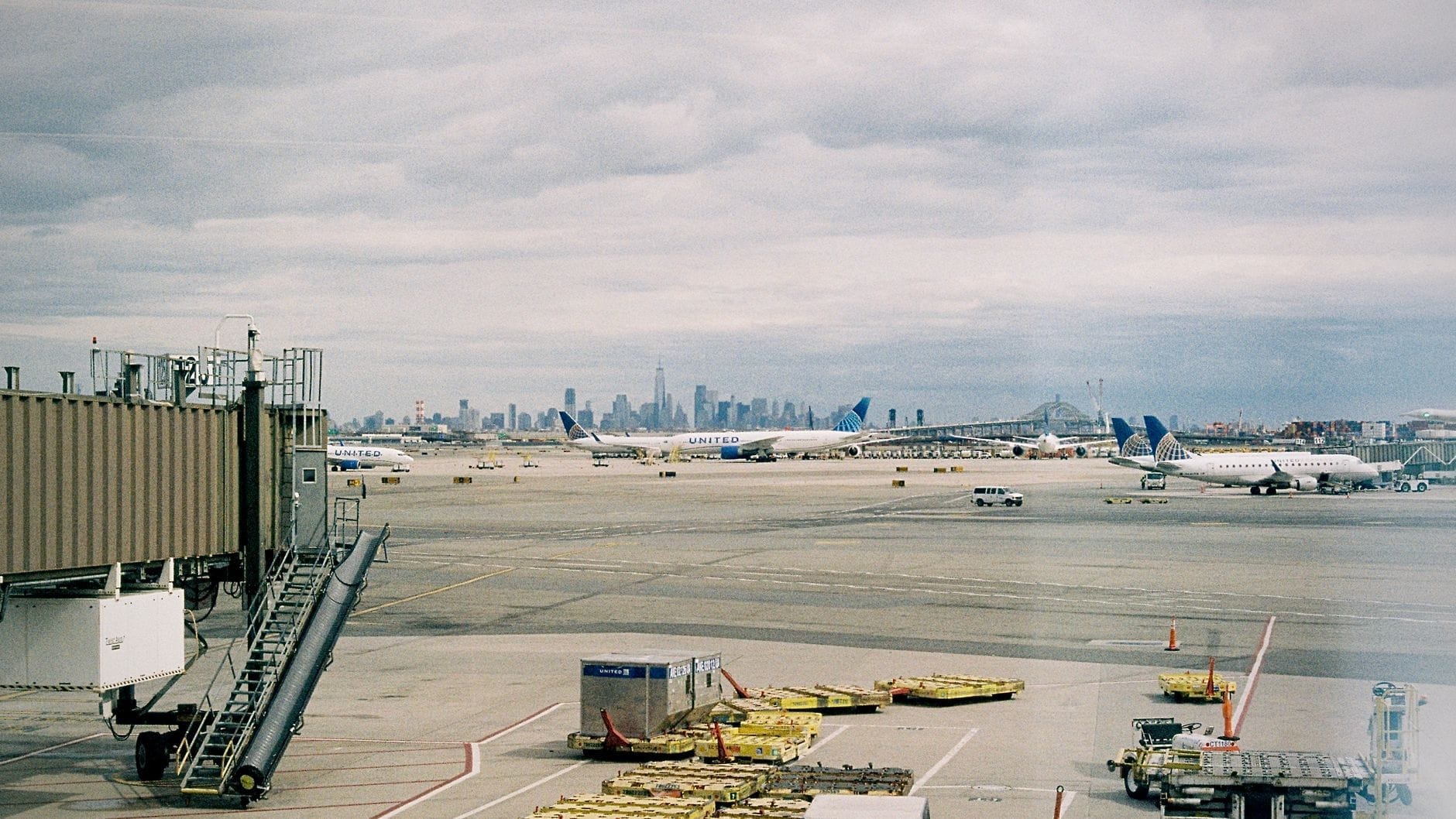
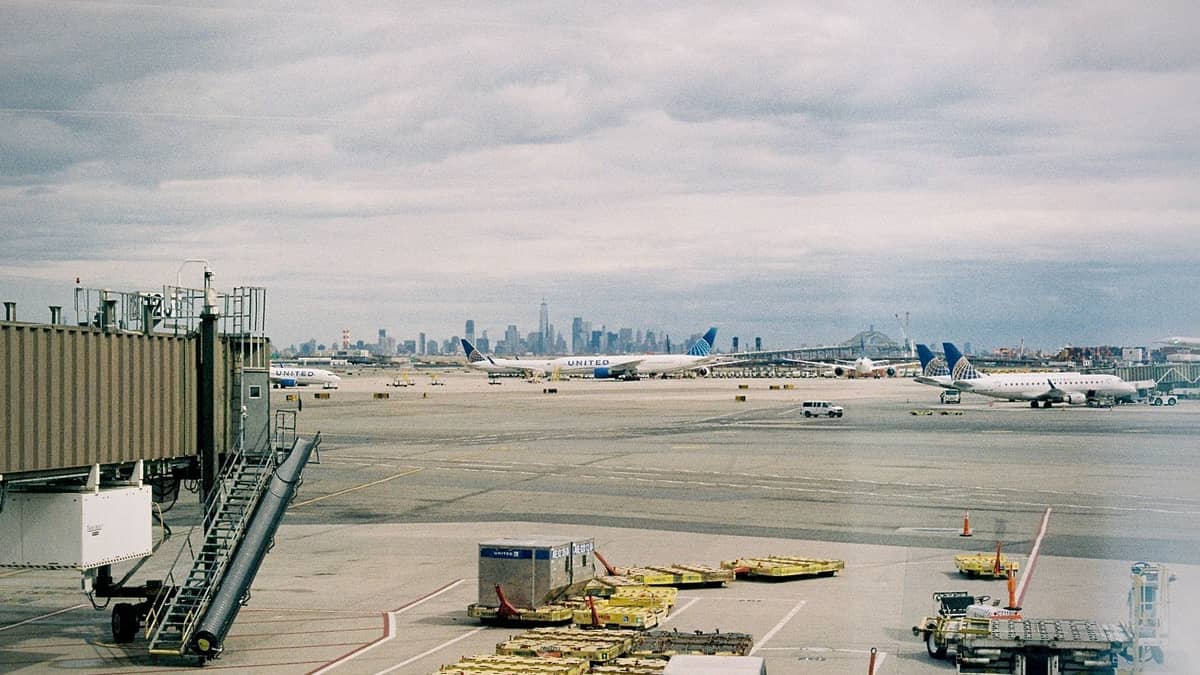
- EWR — Newark Liberty International Airport Located in Newark and Elizabeth, New Jersey, about 16–18 miles from Midtown. IATA code: EWR. Handles both domestic and significant international traffic. Technically not a New York City airport by geography, but functions as a full part of the NYC airport system and is listed as 'New York Newark' by many airlines.
⚠️ What to skip
A common mistake: many travellers assume LaGuardia is the best choice because it's the closest. But LGA has no direct rail connection to Manhattan — you're dependent on buses and taxis that get stuck in the same traffic as everyone else. On a bad Friday afternoon, a taxi from LGA to Midtown can take 75 minutes or more.
JFK Airport: International Gateway with Rail Access
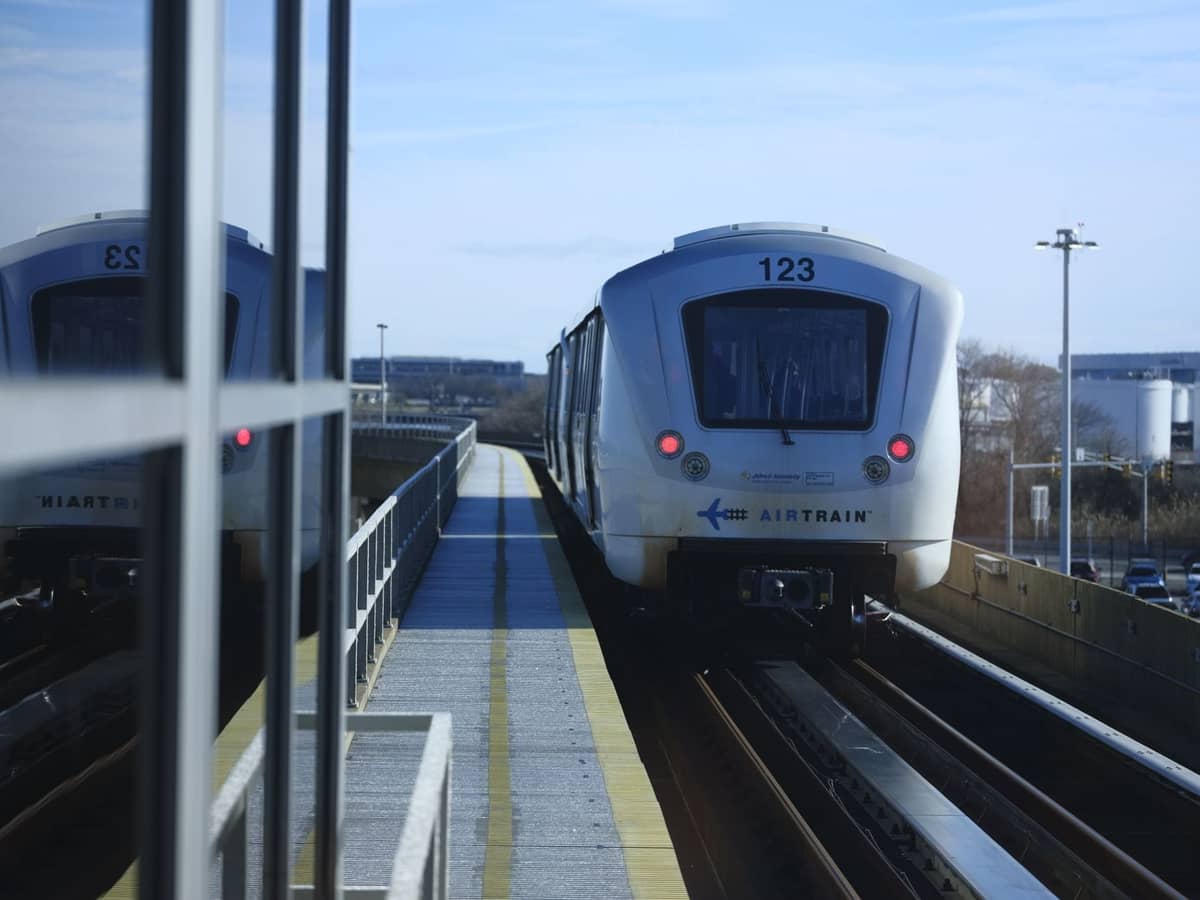
JFK handles the largest volume of international passengers of any U.S. airport by some measures, and for many travellers arriving from Europe, Asia, Latin America, or Africa, it will be your point of entry. The airport spans a large footprint in southern Queens, with five passenger terminals connected by the AirTrain — an air train that loops through the airport and connects to two external transit hubs: Jamaica Station and Howard Beach.
From Jamaica Station, you can pick up the Long Island Rail Road (LIRR) to Penn Station in under 30 minutes, or transfer to the A, E, J, or Z subway lines. From Howard Beach, the A train runs directly into Manhattan, though journey times to Midtown run 50–60 minutes. The AirTrain itself carries a fee on top of your subway or LIRR fare, so check current MTA pricing before you travel. If you're staying on the Upper East Side or anywhere near a 4/5/6 subway station, the Jamaica-to-subway route is often the most practical option.
Yellow taxis from JFK to Manhattan operate on a regulated flat fare structure to most Manhattan destinations south of 96th Street — confirm the current rate with the NYC Taxi & Limousine Commission before your trip, as it is periodically adjusted. Factor in tolls (which are on top of the flat fare) and a tip. Total cost with tolls can reach $70–90 or more depending on your destination. Ride-hailing apps like Uber and Lyft are permitted at JFK from a designated pickup area; during peak hours or after a wave of international arrivals, surge pricing can make them comparable to or more expensive than a yellow cab.
✨ Pro tip
If you're arriving on a weekday morning or Sunday evening and need to reach Midtown quickly, the LIRR from Jamaica is the most reliable option. It bypasses road traffic entirely and drops you at Penn Station in around 25–30 minutes from the Jamaica AirTrain connection. The combined AirTrain + LIRR fare is more expensive than the subway option but worth it when roads are congested.
LaGuardia Airport: Close to Manhattan, Further from Convenient
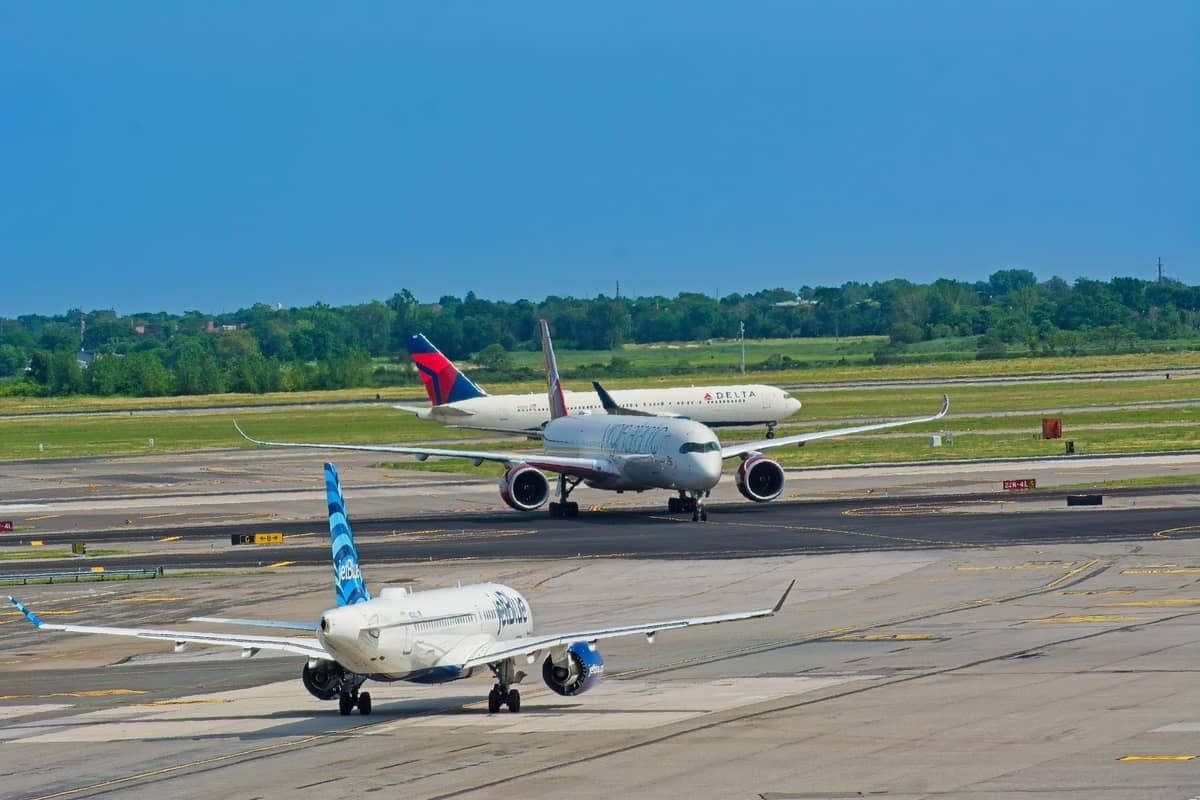
LaGuardia's reputation for delays and congestion has improved following its recent multi-billion dollar renovation, which added a new central terminal building. But no amount of construction has fixed the fundamental geographic problem: there is no dedicated rail link between LGA and the Manhattan subway system. The airport sits on a peninsula jutting into Flushing Bay, and adding rail service has been discussed for decades.
The practical ground transport options are MTA buses (primarily the M60 SBS, which connects to the N/W trains at Astoria Blvd and continues across 125th Street in Manhattan) and taxis or ride-hailing. The M60 is slow but cheap — it runs along surface streets and shares lanes with regular traffic. Budget 45–70 minutes to reach Midtown on a good day, longer during rush hour. Taxis from LGA are metered (not flat-rate like JFK), so the fare varies with traffic. A trip to Midtown typically costs $35–45 plus tolls and tip under normal conditions, but the meter ticks up painfully in traffic.
LGA is the best option if you're flying domestically and your destination in the city is close to the M60 corridor, which runs through Harlem and across to the Upper West and Upper East Sides. For everyone else, weigh the proximity against the lack of a reliable, traffic-independent transport route.
Newark Liberty Airport: The Underrated Option with the Best Rail Link
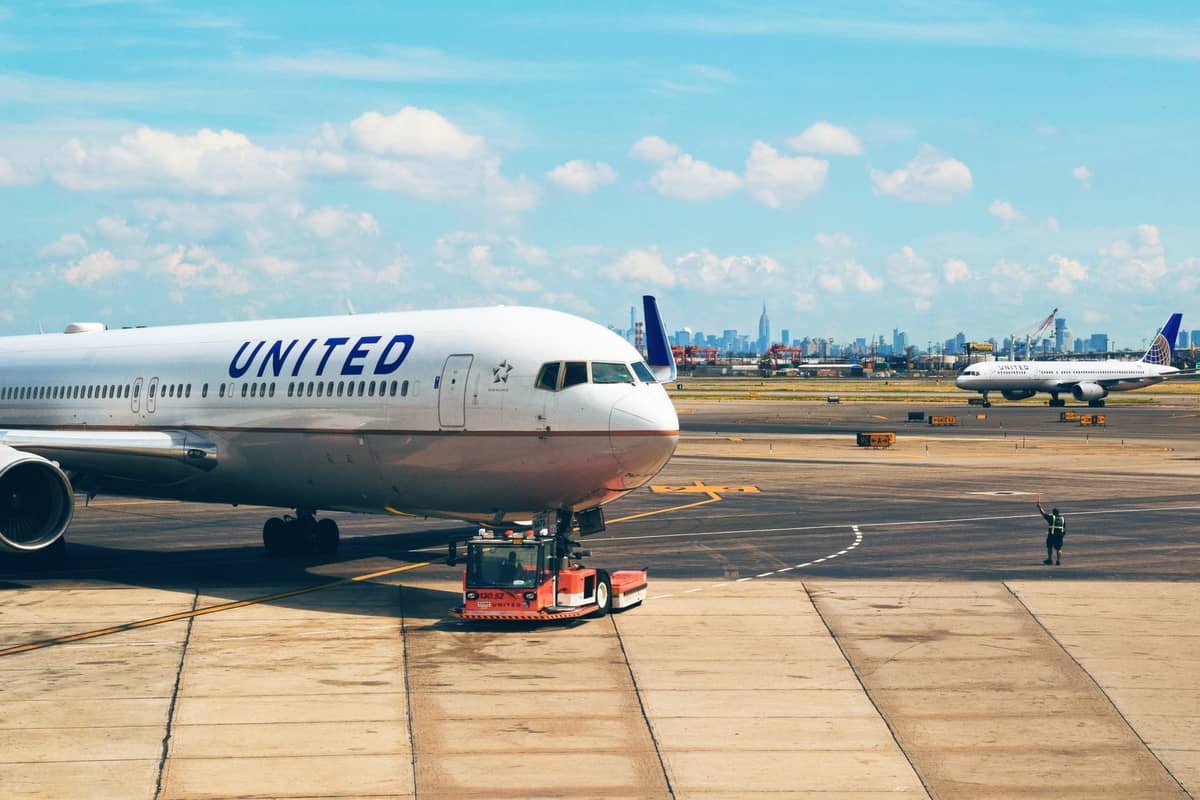
Newark gets overlooked by visitors who see 'New Jersey' and assume it means inconvenience. In practice, EWR often offers the smoothest rail connection into central Manhattan of the three airports. The AirTrain Newark connects all terminals to Newark Liberty International Airport Station, where you can board NJ Transit trains or Amtrak directly to New York Penn Station. The total journey typically takes 40–55 minutes depending on service frequency, and Penn Station puts you in the heart of Midtown, with access to the A/C/E, 1/2/3, and other subway lines.
The AirTrain at Newark operates differently from the one at JFK: it is a free shuttle within the airport itself, but you pay for the NJ Transit or Amtrak leg separately. NJ Transit off-peak fares to Penn Station are generally in the mid-teens (verify current fares with NJ Transit). Amtrak also serves the same route but at a higher price point. Taxis and ride-hailing from Newark to Midtown Manhattan typically cost $70–100 or more once tolls and the New Jersey surcharge are included, making the rail option significantly more economical.
ℹ️ Good to know
Newark is technically not a New York City airport — it sits in New Jersey and falls under a different regulatory environment from JFK and LGA. This matters practically: taxis from Newark operate under New Jersey licensing, and fares are structured differently. Always confirm you are in an official taxi queue, not an unlicensed car service soliciting passengers inside the terminal.
Ground Transport Comparison: Which Airport Gets You to Manhattan Fastest?
Transit time to Manhattan varies significantly by airport, mode of transport, time of day, and your specific destination in the city. The table below gives realistic ranges based on travel to Midtown Manhattan under average conditions. Treat these as planning benchmarks, not guarantees.
- JFK by AirTrain + Subway (Howard Beach → A train) 50–70 minutes to Midtown. Cheapest option, but slow. Best for non-peak hours when the A train runs reliably.
- JFK by AirTrain + LIRR (Jamaica → Penn Station) 35–45 minutes to Penn Station. More expensive than the subway option but bypasses road and subway delays. Best overall value for time when arriving internationally.
- JFK by Yellow Taxi (flat rate + tolls) 45–75 minutes depending on traffic. Predictable flat fare to most of Manhattan, but tolls are additional. Comfortable with luggage.
- LGA by Taxi or Ride-Hailing 25–70 minutes to Midtown. The wide range reflects heavy traffic sensitivity. Best case is a clear Friday at 10am; worst case is a Friday afternoon rush.
- LGA by M60 Bus + Subway 45–75 minutes. Cheapest option from LGA, but slow in traffic. Most practical for destinations along the 125th Street corridor.
- EWR by AirTrain + NJ Transit to Penn Station 40–55 minutes. Highly reliable because it's rail-based. Best balance of cost and predictability for travellers arriving at Newark.
- EWR by Taxi or Ride-Hailing 40–65 minutes with tolls. More expensive than NJ Transit due to New Jersey tolls and the Newark surcharge added to ride-hailing fares.
Practical Tips for Each Airport
No matter which airport you land at, a few universal rules apply in New York City. Never accept a ride from someone who approaches you in the arrivals hall — use official taxi queues or app-based pickup zones only. If you're travelling on a budget, the subway and bus connections are always the cheapest option, and New York's public transit is generally safe and practical for travellers with manageable luggage. For a deeper dive into navigating the city once you arrive, the getting around New York City guide covers subway navigation, OMNY tap-to-pay, and borough-by-borough transport logistics.
- Book airport transfers in advance during major holidays (Thanksgiving, Christmas, New Year's) and large events like the US Open — surge pricing and taxi queues can be extreme.
- If your flight arrives late at night (late at night), the LIRR from JFK runs less frequently; check schedules in advance or budget for a taxi or ride-hail.
- LaGuardia is busiest Monday mornings and Friday afternoons. If your schedule is flexible, mid-week departures typically see shorter queues.
- All three airports have designated ride-hailing pickup zones separate from the taxi stands — the apps will direct you, but follow terminal signage carefully as zones have moved with recent renovations.
- Carry small bills for tipping taxi drivers; many NYC cabs accept cards but expect a tip on top of any flat fare.
- US electrical outlets are 120V/60Hz using Type A and B plugs. Travellers from Europe, Asia, or Australia will need a voltage converter or adapter for devices not rated for dual voltage.
For travellers planning their broader NYC trip, knowing which airport you arrive at can also shape your first night's neighbourhood choice. Where to stay in New York City breaks down accommodation by neighbourhood, with transport access from each airport in mind. If you're staying in Midtown Manhattan, all three airports are serviceable; if you're staying in Brooklyn or the outer boroughs, JFK's location in Queens often makes it a logical choice.
First-time visitors sometimes underestimate the time and complexity of getting into the city after a long-haul flight. The New York City first-time visitor guide covers what to expect on arrival, how to pay with OMNY, and which neighbourhoods are most practical for a first stay.
FAQ
Which New York City airport is closest to Manhattan?
LaGuardia (LGA) is the closest at roughly 8 miles from Midtown Manhattan. However, it has no direct rail link, meaning ground transport depends entirely on buses and road-based options that are vulnerable to traffic. JFK and Newark are farther by distance but can offer faster and more predictable rail connections under the right circumstances.
How do I get from JFK to Manhattan by public transport?
Take the AirTrain from your terminal to either Howard Beach (A train) or Jamaica Station (subway E/J/Z lines or LIRR to Penn Station). The LIRR option to Penn Station is faster at roughly 35–50 minutes total; the subway via Howard Beach takes 50–70 minutes but costs less. The AirTrain fare is charged separately from your subway or LIRR ticket — check current MTA pricing as fares are periodically updated.
Is Newark Airport really part of New York City?
Geographically, no. Newark Liberty International Airport (EWR) is located in Newark and Elizabeth, New Jersey, not in New York City. However, it is part of the Port Authority of New York and New Jersey's airport system and is marketed by many airlines as a New York metro airport. The AirTrain + NJ Transit connection to Penn Station makes it a practical option for Manhattan-bound travellers.
What is the cheapest way to get from the airport to Manhattan?
The cheapest option from JFK is the AirTrain plus the NYC subway (currently a few dollars total with OMNY tap-to-pay — verify current fares). From LGA, the M60 SBS bus connects to the subway at minimal cost. From Newark, NJ Transit to Penn Station is the budget option. Taxis and ride-hailing apps from all three airports are significantly more expensive once tolls are included.
Which airport should I use for international flights to/from New York City?
JFK is the primary international gateway, with the widest range of international routes and the most non-stop connections to destinations outside North America. Newark (EWR) also has substantial international service, particularly with United Airlines as a hub carrier, and is worth checking for transatlantic flights. LaGuardia handles limited international traffic — primarily to Canada — and is not the right choice for most long-haul international itineraries.