Where to Stay in New York City: The Definitive Neighborhood Guide
Choosing where to stay in New York City shapes your entire trip. This guide breaks down every major neighborhood by price, access, vibe, and who it suits best — with practical advice on what to avoid and when to book.
Plan and book this trip
Tools from our partner Travelpayouts help you compare flights and hotels. If you book through them, we may earn a commission at no extra cost to you.
Flights
Hotels map
TL;DR
- New York City has more than 120,000 hotel rooms across five boroughs, with most concentrated in Manhattan — budget rooms start around $100–$170/night, midrange runs $250–$500, and luxury properties regularly exceed $600.
- Midtown is convenient for first-timers but noisy and overpriced relative to comparable options in Flatiron, NoMad, and the Upper West Side.
- Brooklyn neighborhoods like Williamsburg offer a genuine alternative with solid subway connections — check our Brooklyn neighborhood guide for the full picture.
- Entire-apartment short-term rentals under 30 days are largely illegal in NYC under Local Law 18 — stick to licensed hotels and aparthotels to avoid cancellations.
- Peak hotel rates hit hardest in September through December, especially around Thanksgiving and Christmas. January and February offer the best value.
Understanding NYC's Hotel Market Before You Book
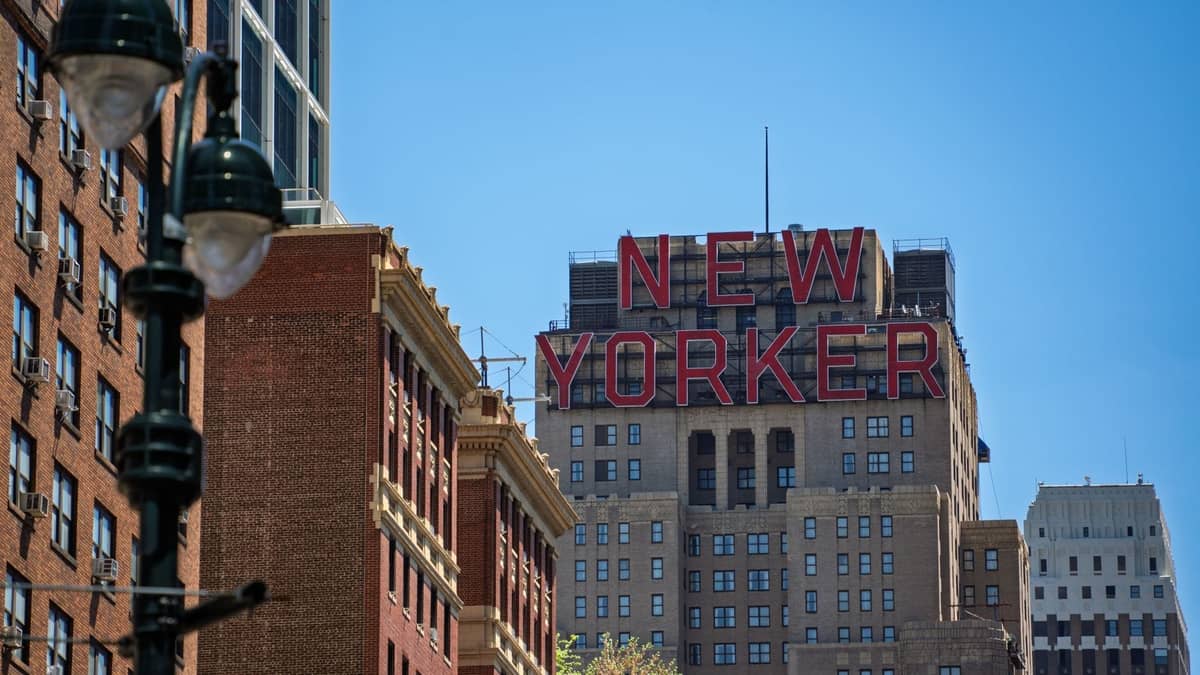
New York City hotels operate in one of the most competitive and expensive lodging markets in the world. The city has more than 120,000 hotel rooms, and the vast majority sit in Manhattan — which means rates reflect Manhattan real estate prices. A standard double room at a midrange Midtown property commonly runs $250–$500 per night before tax, and hotel tax in New York City adds roughly 14.75% plus a per-night occupancy tax fee on top of that. Budget for it.
New luxury openings continue to push the upper end higher. Properties like The Fifth Avenue Hotel in NoMad prices from around $900–$1,200 per night, and established luxury addresses in Midtown and the Upper East Side have followed suit. That said, the market is cyclical: rate spikes during major events and holidays are followed by genuine value windows in January and February, when the city is quieter and hotels are eager to fill rooms.
⚠️ What to skip
Short-term rental platforms list hundreds of 'apartments' in NYC, but most entire-unit rentals under 30 days are illegal unless the host is present and the unit is registered with the city under NYC's Local Law 18. Bookings that look legitimate can be cancelled or result in fines. Stick to licensed hotels, aparthotels, and hostels for stays under 30 days.
For apartment-style flexibility within the law, look at licensed aparthotels like Mint House at 70 Pine in the Financial District, which often runs around $400–$500 per night and gives you a kitchen and living space without the legal grey area. For a full breakdown of how to structure your time once you've landed, the NYC first-time visitor guide covers everything from airport arrival to neighbourhood orientation.
Midtown Manhattan: The Default Choice and Its Trade-Offs
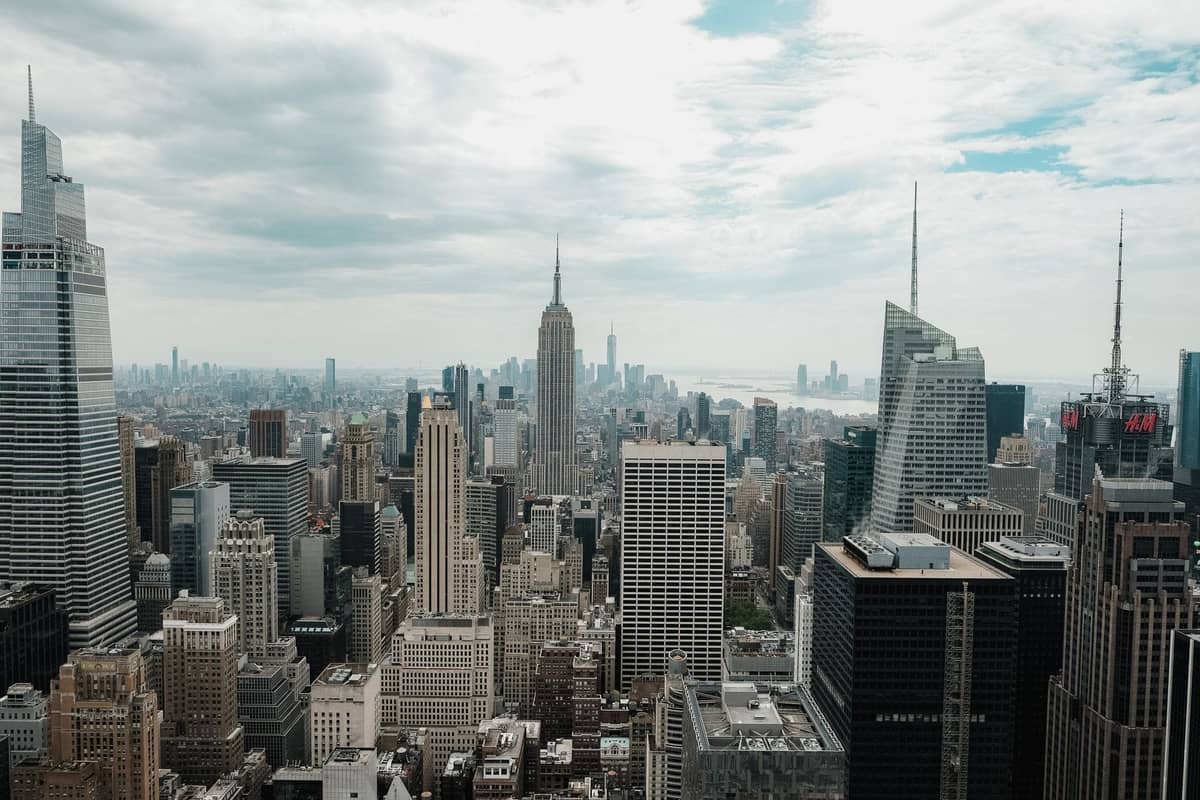
Midtown is where most first-time visitors default, and it makes a certain kind of sense: subway lines converge here, Broadway is walkable, and iconic sights like the Empire State Building and Rockefeller Center are within a few blocks. But Midtown is also relentlessly commercial, loud around the clock near Times Square, and rarely where locals spend time. You're paying a premium for proximity to attractions, not for neighborhood character.
The Times Square corridor specifically has the densest hotel supply in the city, which keeps some mid-tier chains competitive — you can find branded three-star properties in the $200–$300 range during shoulder season. What you won't find is quiet. Street noise in this part of Midtown is significant even on high floors. If you're a light sleeper or traveling with young children who nap during the day, request a room facing away from the street or consider a different area entirely.
💡 Local tip
The blocks between 40th and 57th Streets east of Sixth Avenue (toward Lexington and Third) tend to be quieter and slightly cheaper than the Times Square core, while still giving you the same subway access. Small differences in location within Midtown can mean a 20–30% price gap.
Flatiron, NoMad, and Chelsea: The Smarter Central Option
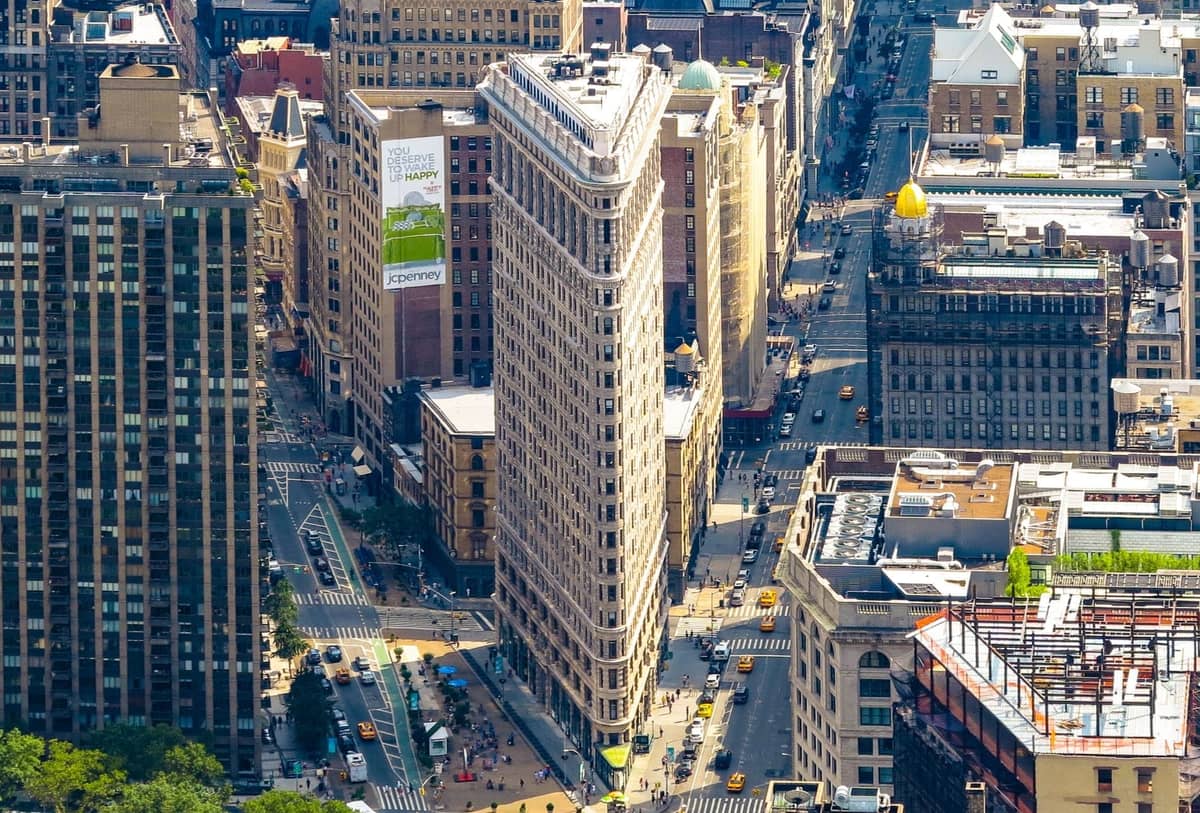
For visitors who want to be centrally located without the Times Square circus, the stretch from the Chelsea and Meatpacking District up through Flatiron and NoMad represents the most balanced choice in Manhattan. You're typically 20–30 minutes by subway from anything significant, surrounded by good restaurants, and in walking distance of neighborhoods worth exploring on foot.
Hotel density in this area is lower than Midtown, which cuts both ways: fewer budget options, but the properties that exist tend to have more personality. NoMad in particular has become a genuine hotel destination, anchored by flagship properties that helped establish the neighborhood's identity. Rates in this corridor run similarly to Midtown — $280–$500 for a solid midrange room — but the surrounding streets are noticeably more livable.
Chelsea is worth flagging separately for visitors planning to spend time at the High Line or the art galleries clustered between West 20th and 26th Streets. Staying here puts you within walking distance of Hudson Yards and the Whitney Museum without paying the Midtown premium. It's a practical pick for art-focused trips.
Upper West Side and Upper East Side: Residential Feel, Real Value
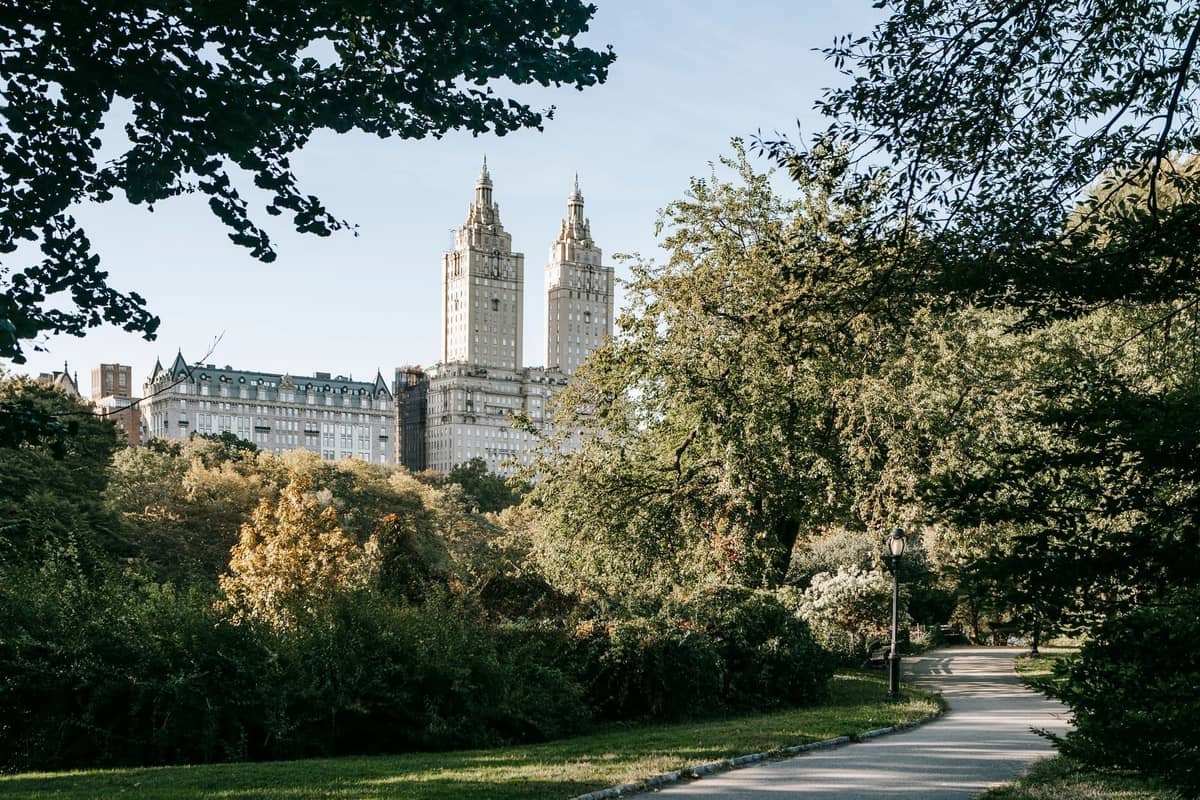
Both upper-Manhattan neighborhoods get overlooked in hotel searches, which is precisely why they're worth considering. The Upper West Side sits between Central Park and the Hudson River, with immediate access to the American Museum of Natural History and Lincoln Center. The neighborhood has genuine residential character — good delis, independent bookshops, and a calmer street-level experience than Midtown.
The Empire Hotel on the Upper West Side is a well-known option in this area, and the neighborhood also contains HI New York City Hostel, one of the largest and best-known hostels in Manhattan, with dorm beds representing some of the lowest legal accommodation prices in the city. The Upper East Side skews quieter and more expensive in its hotel offerings, with properties near Museum Mile positioning themselves toward visitors focused on the Metropolitan Museum of Art, the Guggenheim, and the Frick Collection.
✨ Pro tip
Staying on the Upper West Side often gives you Central Park access within a few minutes’ walk. For a trip built around the park, museums, and Lincoln Center, this location eliminates taxi and subway costs that add up quickly when you're based further downtown.
Brooklyn: A Genuine Alternative Worth Taking Seriously
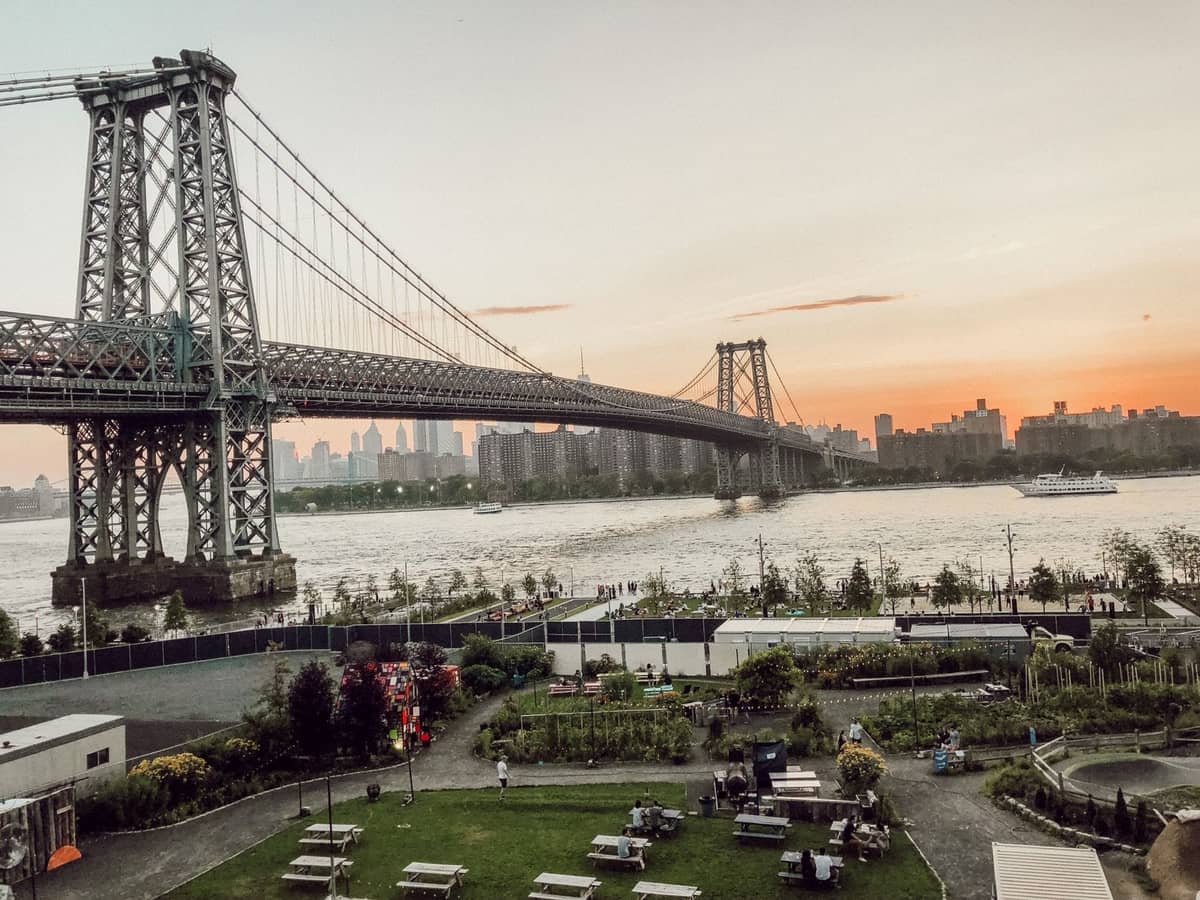
Brooklyn's hotel market has matured significantly over the past decade. Williamsburg in particular has a growing supply of well-designed properties, led by the Wythe Hotel on the East River waterfront, which typically prices at $400–$600 per night and earns it on the strength of its design and views back toward Manhattan. The neighborhood has excellent subway connections — the L train reaches Manhattan in about 5–10 minutes — and a density of restaurants, bars, and independent shops that many Manhattan neighborhoods can't match. See the full Williamsburg neighborhood guide for what's around.
DUMBO and Brooklyn Heights offer a slightly different proposition: quieter, more residential, with extraordinary views of the Manhattan skyline and easy access to the Brooklyn Bridge. Hotel options are more limited here, and prices reflect the prestige of the location. For families or visitors with a flexible itinerary, staying in Brooklyn can actually reduce daily costs — restaurant prices are consistently lower than comparable Manhattan spots, and you lose very little in terms of access to the city's core attractions.
- Midtown / Times Square Best for: first-timers, Broadway-focused trips, business travelers needing central meetings. Trade-off: noise, tourist density, inflated prices.
- Flatiron / NoMad / Chelsea Best for: visitors who want central access with a more livable street-level experience. Good for art lovers and food-focused trips.
- Upper West Side Best for: families, museum-focused visitors, budget-conscious travelers (HI Hostel). Quieter, residential, immediate Central Park access.
- Williamsburg, Brooklyn Best for: repeat visitors, longer stays, travelers who want to experience the city like a local. 10-minute subway to Manhattan, lower food costs.
- Financial District / Lower Manhattan Best for: business travelers, weekend leisure visitors (quieter on weekends when office workers leave). Aparthotel options like Mint House suit longer stays.
Seasonal Pricing and When to Book
New York City hotel pricing follows clear seasonal patterns, and knowing them saves real money. The most expensive periods are late September through early January — the city is at its most atmospheric in fall, demand is high, and major events around Thanksgiving and Christmas push rates to their annual peaks. Booking 3–4 months out for a November or December trip is not excessive.
January and February represent the clearest value window. Rates drop noticeably after New Year's, the city is quieter, and hotels that were commanding $400/night in December will often price at $200–$250 for the same room. The cold is real — January averages around 32°F (0°C) — but the city is fully functional and less crowded. Spring (April through June) brings rising prices as the weather improves, and summer is busiest for international visitors, keeping rates elevated despite the heat and humidity. For a full seasonal breakdown, the best time to visit New York City guide covers crowd patterns and event calendars in detail.
- January–February: lowest average rates, fewest crowds, cold but manageable
- March–May: rising prices, pleasant weather, some spring break spikes in late March
- June–August: high demand from international visitors, humid, rates elevated
- September–October: peak fall foliage demand, excellent weather, prices rising
- November–December: most expensive period, especially Thanksgiving week and Christmas through New Year's Eve
Practical Booking Logistics: What to Know Before You Confirm
Hotel tax in New York City is among the highest in the United States — the combined rate (city and state tax plus a nightly fee) typically adds about 15–16% to your base rate. Always check the total price including taxes when comparing properties. A hotel that looks $40 cheaper per night might end up nearly identical after fees are applied.
Getting to your hotel from the airport depends significantly on where you're flying into. JFK is about 15 miles from Midtown and accessible via the AirTrain plus subway or LIRR; LaGuardia is the closest at about 8 miles but has historically had limited direct transit options (check current MTA service updates, as connections are regularly revised); Newark (EWR) connects via AirTrain to NJ Transit rail and Amtrak trains directly into Penn Station. Taxis from JFK operate on a regulated flat fare to Manhattan — verify the current rate before your trip. For full airport-to-city transport options, see the NYC airport guide.
Once in the city, the subway is your most reliable and cost-effective way to move between neighborhoods. The system runs 24 hours a day and reaches Manhattan, Brooklyn, Queens, and The Bronx — Staten Island is served by the Staten Island Ferry plus the Staten Island Railway. For a complete orientation to navigating the city, the getting around New York City guide covers subway navigation, fare cards, and when a taxi or rideshare actually makes sense.
ℹ️ Good to know
Standard US electrical supply is 120 V, 60 Hz with Type A and B plugs. International visitors from Europe, Australia, and most of Asia will need an adapter. NYC tap water is fully potable and regularly tested — no need to buy bottled water for drinking.
FAQ
What is the best area to stay in New York City for first-time visitors?
Midtown Manhattan is the most practical base for first-timers due to its central location and subway connections, but the Flatiron and NoMad areas offer similar access with a more pleasant street-level environment and comparable prices. Both put you within easy reach of major attractions without requiring lengthy commutes.
How much does a hotel in New York City cost per night?
Budget hostels and very small rooms start around $100–$170 per night. Midrange hotels in Manhattan commonly run $250–$500 per night before tax. Luxury properties start at $600 and top out well above $1,000. January and February offer the best rates; November and December around major holidays are the most expensive. Always check the total price including NYC hotel tax, which adds roughly 14–15%.
Is it safe to book an Airbnb or vacation rental in NYC?
Most entire-apartment short-term rentals under 30 days are illegal in New York City under Local Law 18, unless the host is present and the unit is registered with the city. Many listings on global platforms may not comply. Bookings can be cancelled with little notice. Stick to licensed hotels, aparthotels like Mint House at 70 Pine, or verified hostels like HI New York City Hostel for stays under 30 days.
Is it worth staying in Brooklyn instead of Manhattan?
For many visitors, yes. Neighborhoods like Williamsburg have genuine hotel options with good subway access to Manhattan (around 10 minutes on the L train), lower restaurant prices, and a more local atmosphere. The trade-off is a commute to Midtown attractions rather than walking distance — but if your itinerary is spread across the city, Brooklyn can actually be more central than you'd expect.
When is the cheapest time to book a hotel in New York City?
January and February consistently offer the lowest hotel rates in New York City. Post-holiday demand drops sharply after New Year's, and hotels discount aggressively to fill rooms. Some summer weeks can also offer reasonable value, but major events and international travel demand keep summer prices elevated on average. Avoid Thanksgiving week, Christmas, and New Year's Eve if budget is a priority — these are peak pricing periods.