New York City in Summer: What to Do June–August
Summer in New York City runs hot, loud, and packed with free programming that most visitors never find. This guide covers the best events, beaches, outdoor concerts, and borough-by-borough highlights for June, July, and August, plus practical tips on heat, crowds, and advance booking.
Plan and book this trip
Tools from our partner Travelpayouts help you compare flights and hotels. If you book through them, we may earn a commission at no extra cost to you.
Flights
Hotels map
TL;DR
- Summer (June–August) is NYC's peak tourist season: expect high humidity, larger crowds, and higher hotel rates, but also the city's densest calendar of free outdoor events.
- Hundreds of free or pay-what-you-wish concerts, films, and performances happen citywide through programs like Lincoln Center's Summer for the City, SummerStage, and NYC Parks events.
- Public beaches at Rockaway, Coney Island, and Orchard Beach open Memorial Day weekend and run through early September, all reachable by subway.
- Many high-demand free events now require advance timed reservations — always check the official organizer site before showing up.
- Book accommodation early: summer is the most competitive period for hotels. See where to stay in New York City for neighborhood-by-neighborhood options.
What Summer Actually Feels Like in NYC
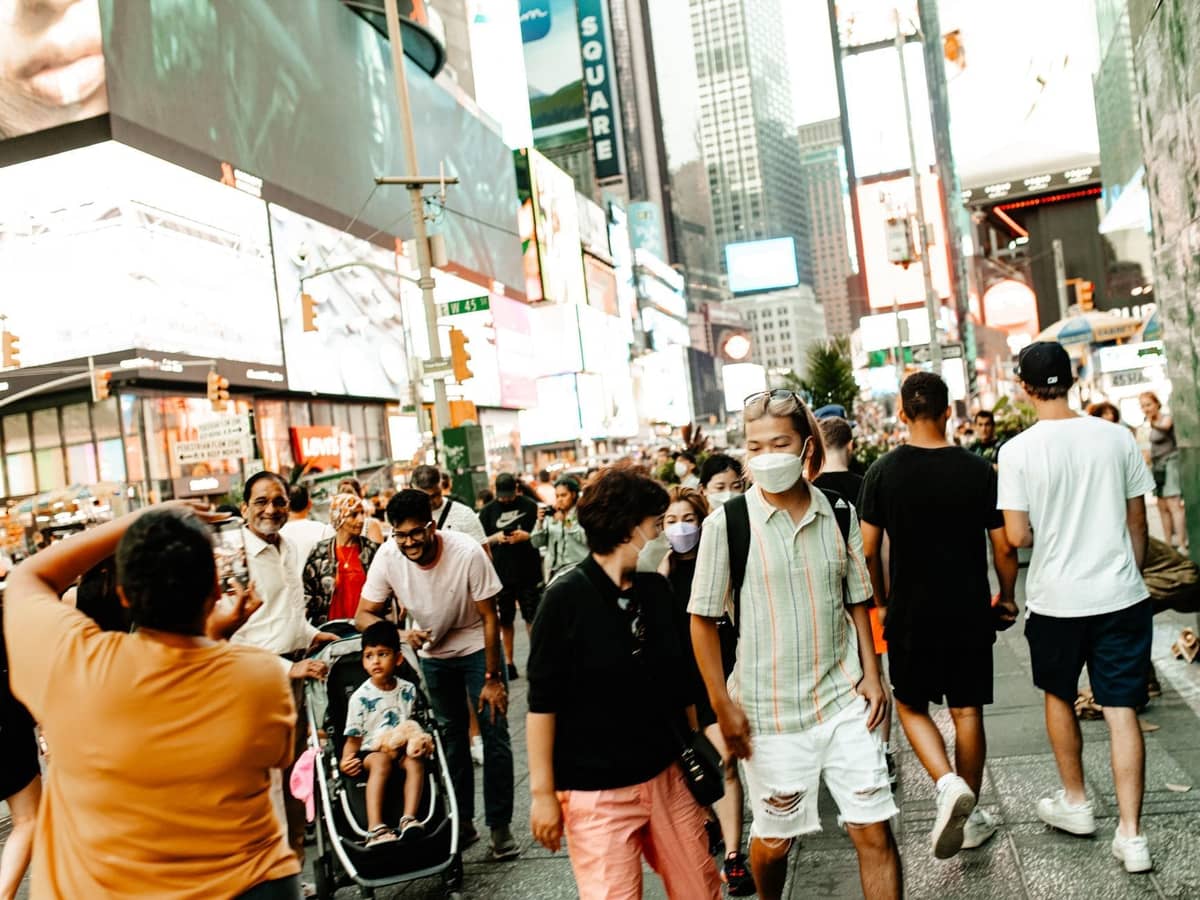
New York City in summer is not the breezy, cinematic experience many visitors picture. June averages around 73°F (23°C), which is genuinely pleasant, but July and August regularly push into the high 80s and low 90s°F (30–34°C) with humidity that makes it feel several degrees hotter. The city's concrete and asphalt amplify heat significantly, and the subway platforms can be sweltering. Heat advisories are common in July and August.
Afternoon thunderstorms are a regular feature from late June through August. They usually arrive quickly, drop heavy rain for 20–40 minutes, and pass. Carry a compact umbrella or a light rain jacket rather than a bulky one. Most outdoor events only cancel for severe weather — a downpour alone rarely stops a SummerStage concert.
💡 Local tip
The best strategy for hot days: plan outdoor activities for before 11am or after 5pm, and slot museum visits into the 1–3pm heat window. Early mornings in Central Park and Brooklyn Bridge Park are genuinely comfortable even in July.
Crowds peak around July 4th and again in mid-August when European summer holidays align with NYC. If you have flexibility, early June and the last two weeks of August offer a slight reprieve. For a detailed breakdown of when and why to visit, the best time to visit New York City guide compares all four seasons honestly.
Major Summer Events and Festivals
The summer calendar in NYC is genuinely remarkable in scale. The city and its cultural institutions produce hundreds of events across all five boroughs between June and August, and a substantial portion of them are free or heavily subsidized.
- Tribeca Festival (June) An annual film and culture festival based in Lower Manhattan, with screenings, talks, and free outdoor events. Ticketed premieres sell quickly; street-level events are generally open to the public.
- Coney Island Mermaid Parade (June) One of the city's most visually distinctive public events: a costumed parade along the boardwalk celebrating the start of summer. Free to watch from the street; arrives in mid-June.
- NYC Pride March (late June) One of the world's largest Pride parades, running down Fifth Avenue through Midtown. The main march is free and open to all spectators. Arrive early for a good viewing spot — crowds can exceed one million.
- Macy's Fourth of July Fireworks The city's signature Independence Day event, with fireworks over the East River (location varies year to year). Viewing areas fill up hours in advance; Brooklyn Bridge Park and waterfront spots in DUMBO offer excellent sightlines without the most intense Midtown crowds.
- Nathan's Famous Hot Dog Eating Contest (July 4) Held at the original Nathan's on Coney Island's Surf Avenue every July 4th morning. Free to watch in person, broadcast nationally. A genuine NYC tradition, strange and entertaining in equal measure.
- Lincoln Center Summer for the City (mid-June to early August) Hundreds of free and pay-what-you-wish performances spanning jazz, dance, classical music, and film at Lincoln Center's outdoor and indoor spaces. Reservations are required for most ticketed events; consult the Lincoln Center calendar before your trip.
- SummerStage (June through September) A citywide outdoor concert series spanning 15+ parks, predominantly free. Genres range from hip-hop to Latin music to indie rock. Central Park SummerStage is the flagship venue. Some benefit shows require tickets — check the SummerStage site.
⚠️ What to skip
Do not assume free events are drop-in. Many of NYC's highest-demand summer programs — including Lincoln Center performances and some SummerStage shows — now use timed-entry reservations or capped capacity. Check each organizer's official website in advance, especially for holiday weekends.
Beaches and Waterfront: NYC's Summer Escape
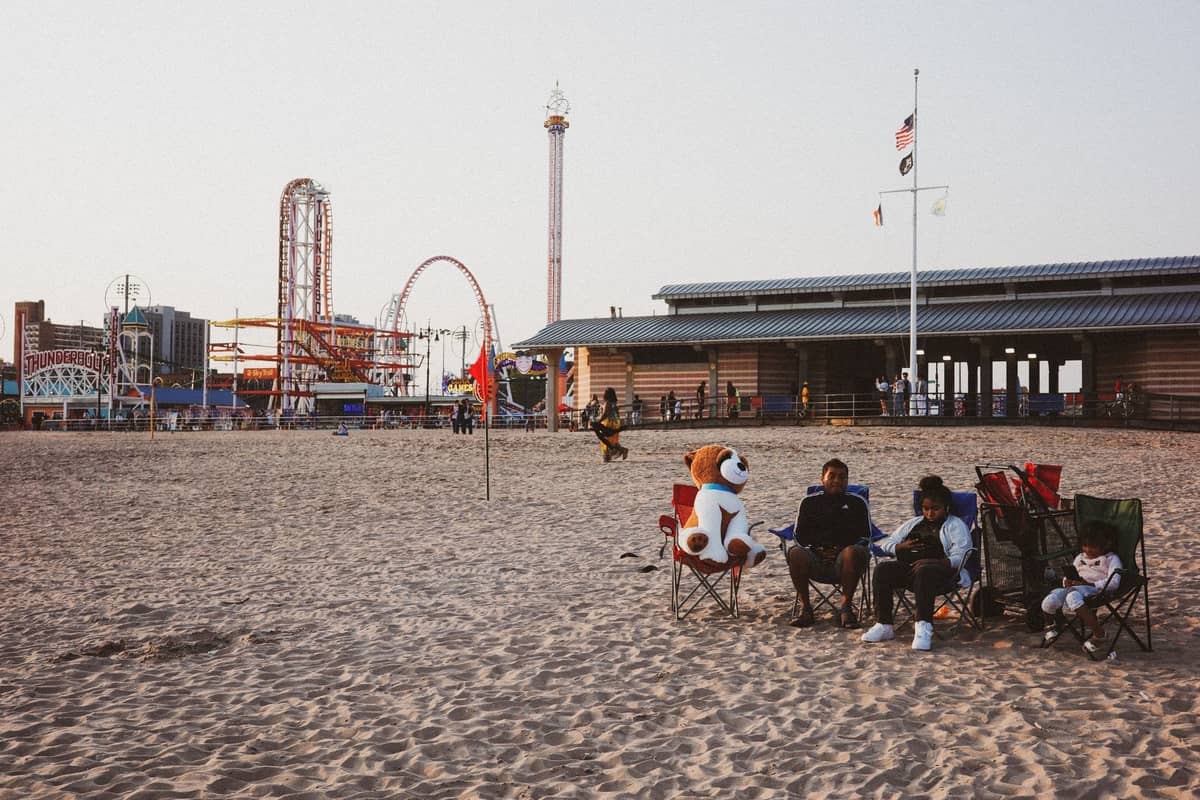
New York City has real beaches, and they are more accessible than most visitors realize. NYC public beaches open for swimming from Memorial Day weekend (late May) through Labor Day weekend (early September), with lifeguards on duty during posted hours. Outside those hours, swimming is at your own risk.
- Rockaway Beach, Queens The most popular city beach, with dedicated surf zones, food vendors, and a growing boardwalk scene. Reachable via the A train (around 60–70 minutes from Midtown). Gets very crowded on summer weekends; arrive before 11am.
- Coney Island Beach, Brooklyn A wide sandy beach attached to the famous boardwalk, amusement parks (Luna Park), and the New York Aquarium. Easily reached via the D, F, N, or Q trains. The combination of beach, rides, and food makes this the most complete summer day trip within city limits.
- Orchard Beach, The Bronx A man-made crescent beach in Pelham Bay Park, often called 'The Bronx Riviera.' Less crowded than Rockaway or Coney Island on peak weekends. Reachable by the 6 train to Pelham Bay Park, then a seasonal bus.
- Brighton Beach, Brooklyn Adjacent to Coney Island but with a distinct character: a large Russian-speaking community, good Eastern European food, and generally calmer crowds. Same subway lines as Coney Island.
Water quality advisories are posted by NYC Parks after heavy rain events, when overflow can temporarily affect swimming conditions. Always check the NYC Parks website before heading to the beach after a storm. For waterfront activities short of swimming, Brooklyn Bridge Park and Hudson River Park both have kayaking, lawn space, and river views without the beach-day logistics.
✨ Pro tip
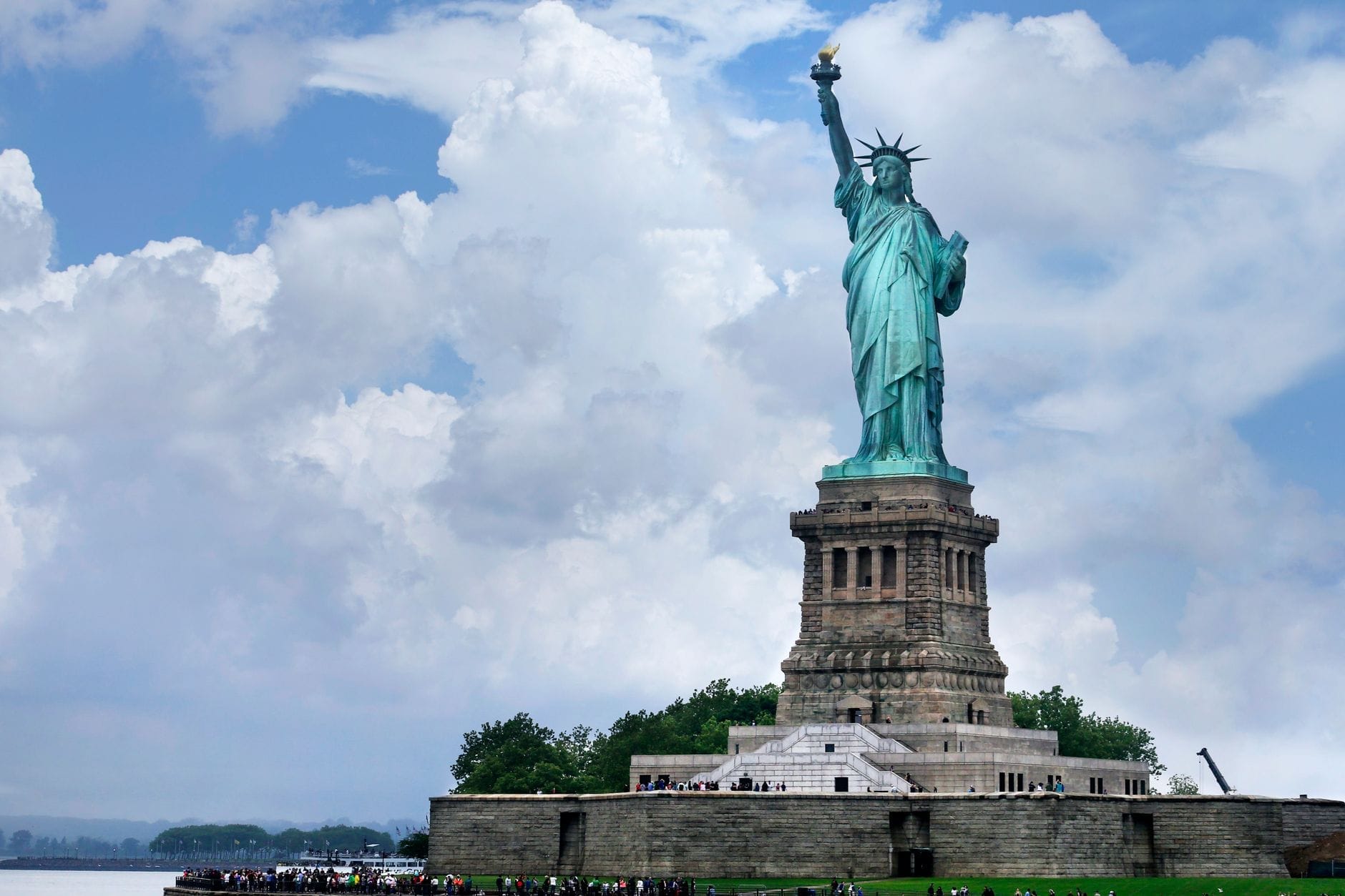
The Staten Island Ferry is free, runs 24/7, and offers some of the best views of New York Harbor and the Statue of Liberty from the water deck. It is one of the genuinely great free summer activities in the city, and takes about 25 minutes each way.
Parks, Outdoor Culture, and Free Programming
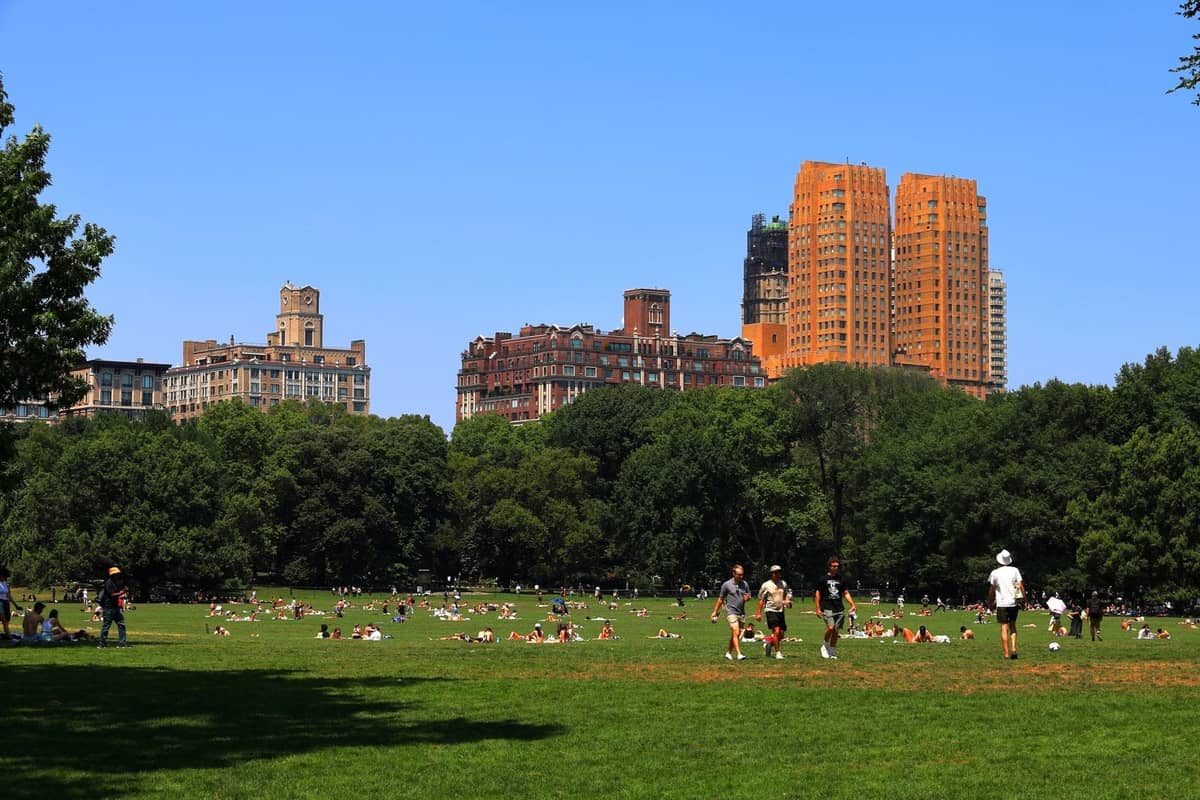
New York City's park system becomes a parallel cultural infrastructure in summer. Central Park hosts free Shakespeare in the Park performances at the Delacorte Theater (tickets distributed by lottery via the Public Theater's app), summer concerts on the Great Lawn, and frequent informal events. The park's 843 acres stay active from dawn until 1am, and the best time to experience it without dense crowds is early weekday mornings.
Outdoor movies are another consistent summer offering. Bryant Park's HBO Bryant Park Summer Film Festival runs free Monday-evening screenings on the lawn, typically starting in June. Arrive by 5–5:30pm on popular nights to secure lawn space — by the time the film starts at dusk, the lawn is completely full. Similar free film programs run at parks across all five boroughs through the NYC Parks system.
Brooklyn is particularly strong for summer outdoor culture. The Smorgasburg food market runs Saturdays in Williamsburg and Sundays in DUMBO through the warm months, drawing around 100 vendors. The Brooklyn Flea runs concurrently on weekends. Both are outdoors and peak in summer, so expect crowds by noon.
Practical Summer Tips: Heat, Cost, and Getting Around
Summer is NYC's most expensive season for hotels and flights. Booking accommodation 6–8 weeks in advance is advisable; waiting until 2 weeks out will significantly limit your options and push prices higher. Mid-week arrivals and departures are consistently cheaper than weekend ones. If budget is a concern, neighborhoods like Long Island City in Queens or parts of Brooklyn offer lower average hotel rates than Midtown Manhattan while remaining well-connected by subway.
Getting around in summer is easiest via the subway, which runs 24/7. The base fare is $3.00 per ride with OMNY (tap your contactless card or phone) or MetroCard. Avoid hailing cabs or using ride-hailing apps during peak evening hours on weekdays — traffic in Midtown can turn a 15-minute subway ride into a 45-minute car trip. For a full breakdown of transit options, see the getting around New York City guide.
- Carry a refillable water bottle: NYC tap water is safe to drink and free water bottle refill stations exist in parks and some subway stations.
- Wear comfortable, breathable shoes — NYC requires more walking than most cities, and summer heat makes uncomfortable footwear miserable by midday.
- Sunscreen is essential, especially during long outdoor events or beach days. The combination of sun and concrete reflection intensifies UV exposure.
- Air-conditioned museum visits make excellent mid-afternoon breaks. The Met, MoMA, and the American Museum of Natural History are all significant enough to absorb 2–3 hours comfortably.
- Tipping is standard across all service industries in NYC: 18–20% at restaurants, $1–2 per drink at bars, and 15–20% for taxis and rideshares.
- NYC uses 120V/60Hz electricity with Type A/B plugs. Non-US visitors will need a plug adapter and possibly a voltage converter for older devices.
If you are visiting for the first time and trying to structure your summer trip, the NYC first-time visitor guide covers essential logistics alongside the sightseeing priorities. For families traveling with children, summer is actually one of the better times to visit: NYC with kids details the borough's best family-oriented programming, much of which intensifies in summer.
Borough Highlights: Where to Focus Each Month
June is the most balanced month: temperatures are manageable, festivals are kicking off, and hotel rates have not yet reached their July-August peak. NYC Pride late in the month energizes Greenwich Village and Midtown significantly, with related events running for most of the last two weeks of June. It is a good month to explore neighborhoods at a calmer pace.
July centers on the Independence Day celebrations but sustains activity well beyond July 4th. Williamsburg and Greenwich Village are at their most lively, with street life extending until late. The High Line is crowded but worth it for the sunset views over the Hudson. Rooftop bars across Midtown and Brooklyn fill up fast on weekend evenings — reservations help.
August is the hottest and often the most crowded month, but it also offers the most consistent event programming before the summer winds down. Harlem's cultural calendar is particularly strong in August. The Harlem neighborhood guide covers the area's summer events in detail, including the long-running tradition of outdoor jazz and block parties. Late August is also when the US Open tennis tournament begins in Flushing, Queens — a major draw for sports travelers.
FAQ
Is New York City worth visiting in summer despite the heat?
Yes, for most travelers. The trade-off is real: July and August are hot, humid, and expensive. But no other season offers the same density of free outdoor events, beach access, and around-the-clock street energy. If heat is a concern, target June or late August, plan indoor activities for midday, and start outdoor sightseeing early.
What free events happen in NYC during summer?
Hundreds. Key programs include Lincoln Center's Summer for the City (free and pay-what-you-wish concerts and performances), SummerStage outdoor concerts across 15+ parks, Bryant Park's Monday night film series, Shakespeare in the Park at the Delacorte Theater (free via Public Theater lottery), and city-run outdoor movies and fitness programs through NYC Parks. Some require advance registration for reserved spots.
How do I get to NYC beaches by public transit?
Rockaway Beach is reachable via the A train (the Rockaway branch, around 60–70 minutes from Midtown). Coney Island is served by the D, F, N, and Q trains. Orchard Beach in The Bronx requires the 6 train to Pelham Bay Park, then a seasonal bus. All trips use a standard MTA fare ($3.00 with OMNY or MetroCard).
When should I book hotels for a summer NYC trip?
Aim to book 6–8 weeks in advance for mid-summer travel, and earlier if visiting around July 4th or major events like NYC Pride. Last-minute summer hotel rates in Midtown Manhattan can be significantly higher than advance bookings. Consider neighborhoods in Brooklyn or Long Island City for lower average rates with good subway access.
Are there any summer events that are overrated or not worth the effort?
Times Square on July 4th night is chaotic, overcrowded, and offers poor sightlines for fireworks compared to waterfront spots in Brooklyn or New Jersey. The main Macy's fireworks viewing areas along the East River also require arriving 2–4 hours early to secure a good position. For a less stressful Fourth of July, head to Brooklyn Bridge Park or the DUMBO waterfront instead.