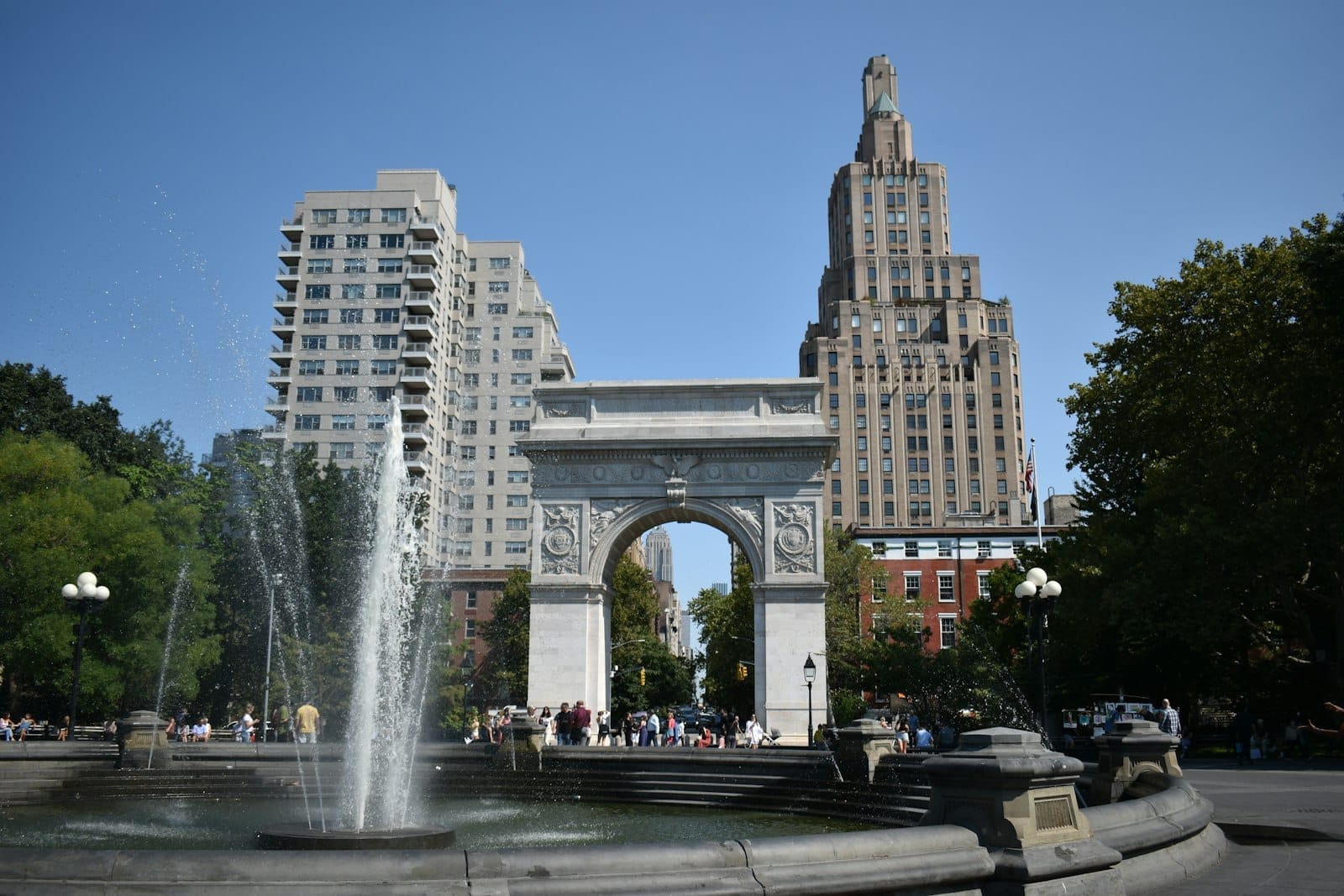
Greenwich Village occupies the west side of Lower Manhattan, where angled streets break Manhattan's rigid grid and Federal-era rowhouses stand beside NYU buildings and storied jazz clubs. It has been a center of artistic and intellectual life for over a century, and despite significant gentrification, the neighborhood still carries that gravitational pull.
Greenwich Village is where Manhattan stops making geometric sense, in the best possible way. The streets curve, the blocks shorten, and the Federal and Greek Revival rowhouses that line them create a pocket of the city that genuinely feels different from everything around it. It has been home to writers, activists, jazz musicians, and students for generations, and the layers show.
Orientation
Greenwich Village sits on the west side of Lower Manhattan, occupying a loosely defined rectangle bounded by 14th Street to the north, Houston Street to the south, Broadway to the east, and the Hudson River to the west. In practice, most visitors experience the neighborhood's eastern half, the area radiating out from Washington Square Park, which functions as the neighborhood's de facto town square.
The neighborhood's western portions, closer to the Hudson, shade into the West Village, which many New Yorkers treat as a separate area. The blocks west of Seventh Avenue South and south of 14th Street have a quieter, more residential character, with narrower streets, fewer chains, and significantly higher real estate prices. The boundary is informal but you feel it when you cross it.
To the south, Greenwich Village blends into SoHo and the Lower East Side around Houston Street. To the north, 14th Street marks a hard edge, with Chelsea and the Meatpacking District taking over immediately. The neighborhood's position makes it a natural crossroads for exploring Lower Manhattan on foot.
ℹ️ Good to know
Greenwich Village sits inside one of New York City's largest historic districts, designated in 1969 and covering over 2,000 buildings. This designation limits new construction and demolition, which is a significant reason why the streetscape has stayed relatively intact compared to other Manhattan neighborhoods.
Character and Atmosphere
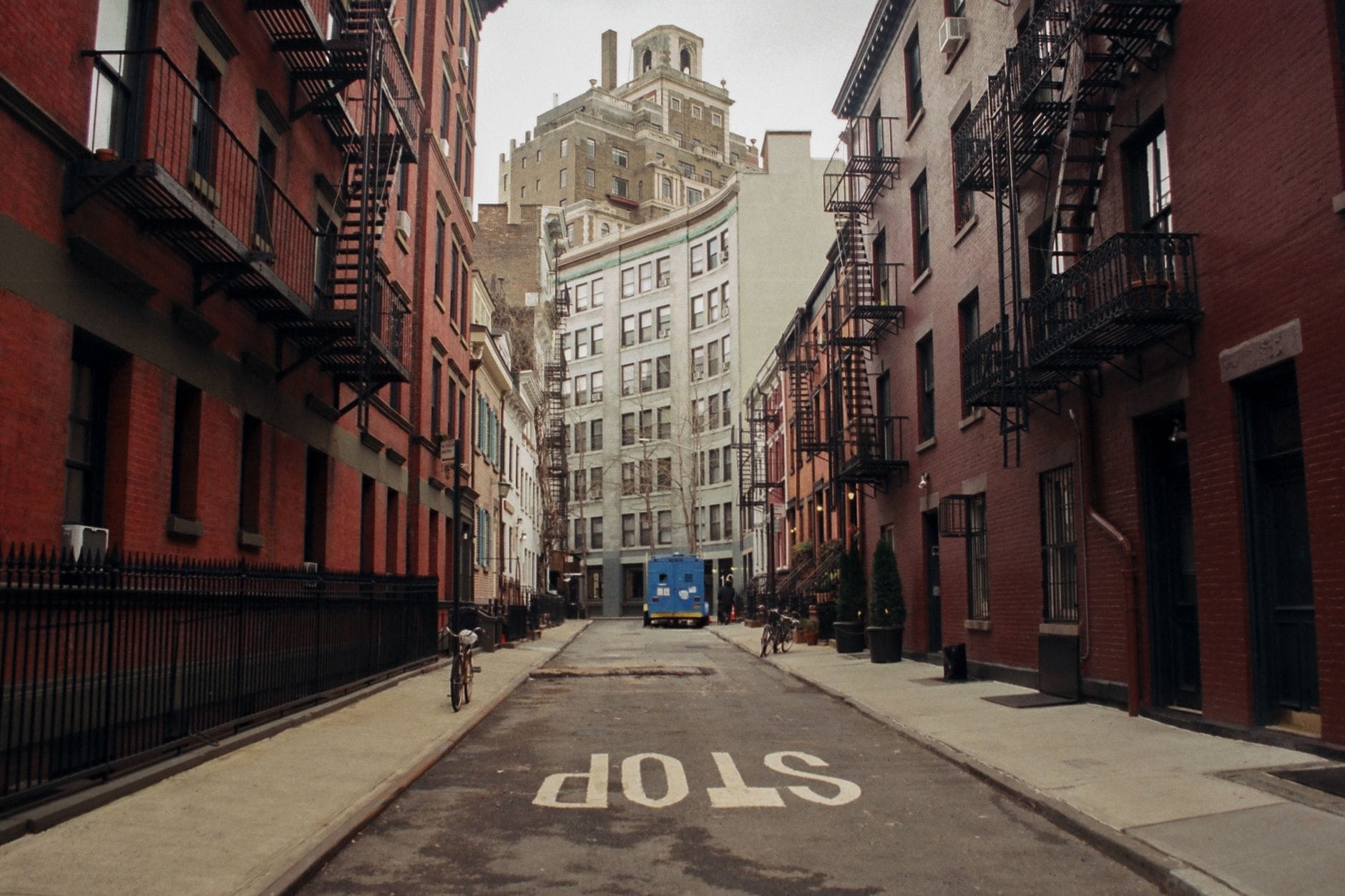
The first thing you notice walking into Greenwich Village from the east is how the city's grid dissolves. Streets like Bleecker, MacDougal, and Grove follow paths laid down before Manhattan was planned, and the result is blocks that taper and intersect at odd angles. This disorientation is part of the experience. A block that looks short on a map can take longer to walk than expected, and the same street can feel completely different depending on which direction you're heading.
Morning in the Village is unhurried. Coffee shops on Bleecker and MacDougal fill with NYU students and longtime residents by 8am. The light hits the brick facades of the Federal rowhouses at a low angle in early spring and fall, which is when the neighborhood looks its best. The smell of bakeries and espresso machines competes briefly with the exhaust from delivery trucks making their rounds, then traffic quiets and the streets take on a more residential calm.
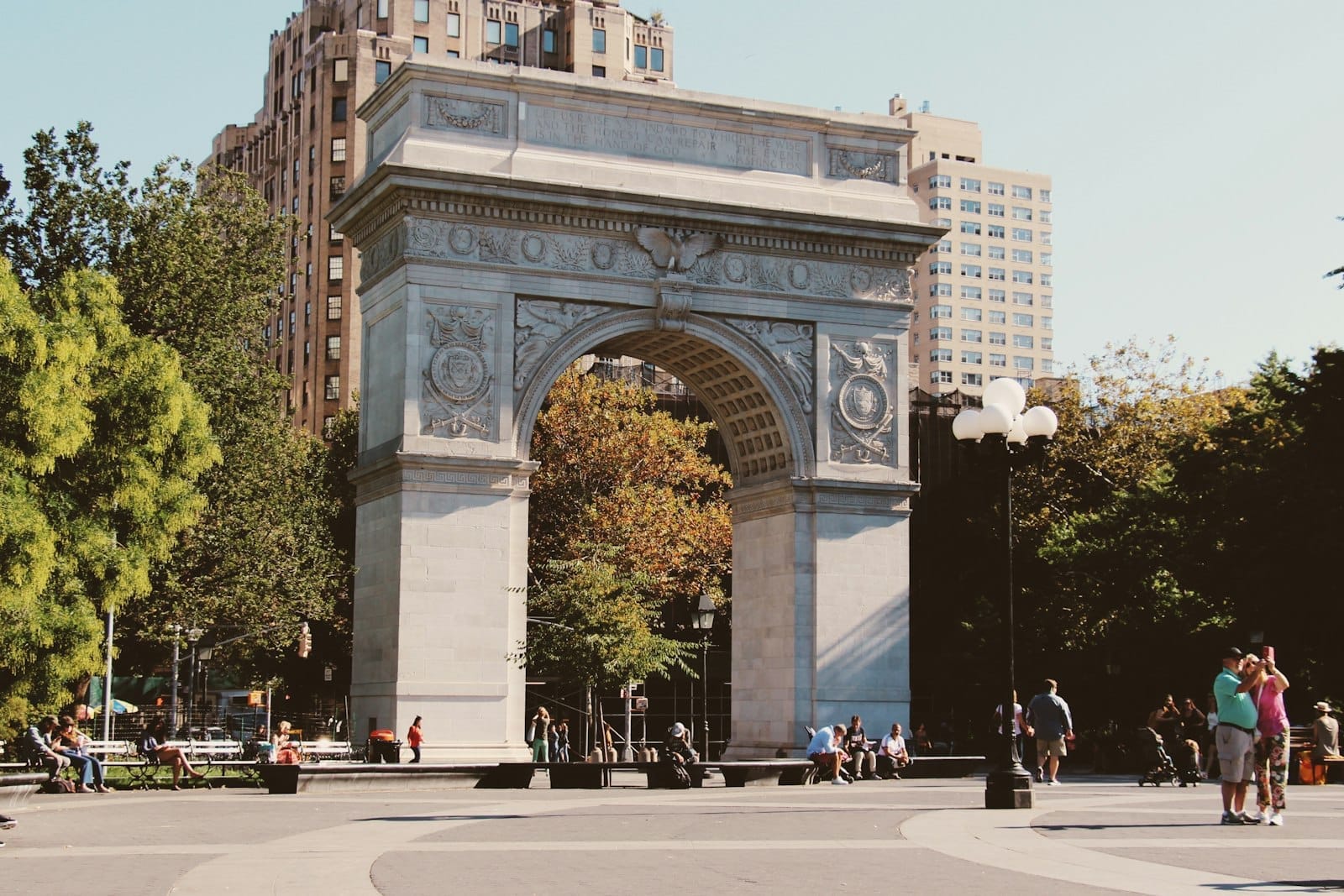
Washington Square Park shifts character throughout the day. Mornings bring dog walkers and joggers circling the fountain. By midday, NYU classes have emptied and the park fills with students, chess players at the southwest corner tables, and street musicians whose sound carries across the open space. By late afternoon on a clear day, the light through the Washington Square Arch catches the fountain spray and the whole scene has a quality that explains why photographers and painters have been drawn here for generations.
After dark, Greenwich Village splits between its two audiences. The blocks around MacDougal and Bleecker south of the park are heavily tourist-oriented at night, with comedy clubs, pizza slices, and bars that cater to visitors and students. A few blocks west, closer to Seventh Avenue and beyond, the neighborhood quiets considerably and feels like one of the more expensive, private-feeling residential enclaves in all of Manhattan.
⚠️ What to skip
The blocks immediately around Washington Square Park can get very crowded on weekend evenings, and parts of MacDougal Street near Bleecker are loud and touristy late at night. If you're looking for a quieter experience, walk west toward Bedford or Commerce Street in the West Village.
What to See and Do
The anchor of the neighborhood is Washington Square Park, a 9.75-acre public space at the foot of Fifth Avenue. The park's marble arch, modeled on the Arc de Triomphe and completed in 1892, frames Fifth Avenue looking north and provides one of the more photogenic urban vistas in the city. The park is surrounded by NYU buildings and 19th-century townhouses, several of which once housed Henry James, Edith Wharton, and other writers who found the area's residential quiet appealing.
The neighborhood's historic streetscape is itself an attraction. Walking west from the park along Grove Street, Commerce Street, or Bedford Street takes you through some of the best-preserved Federal and Greek Revival residential architecture in New York City. The 1799 House at 77 Bedford Street is often cited as one of the oldest surviving buildings in Greenwich Village. These aren't museum pieces either: people live in them, their window boxes and stoops reflecting the kind of lived-in quality that makes the Village feel like a real neighborhood rather than a curated district.
Jazz has deep roots here. The Village Vanguard on Seventh Avenue South was founded in 1935 and remains one of the most respected jazz rooms in the world. John Coltrane, Miles Davis, and Bill Evans all recorded albums here. The room holds about 123 people, the acoustics are excellent, and the programming still prioritizes serious jazz over nostalgia. Arrive early; the space fills quickly for weekend sets.
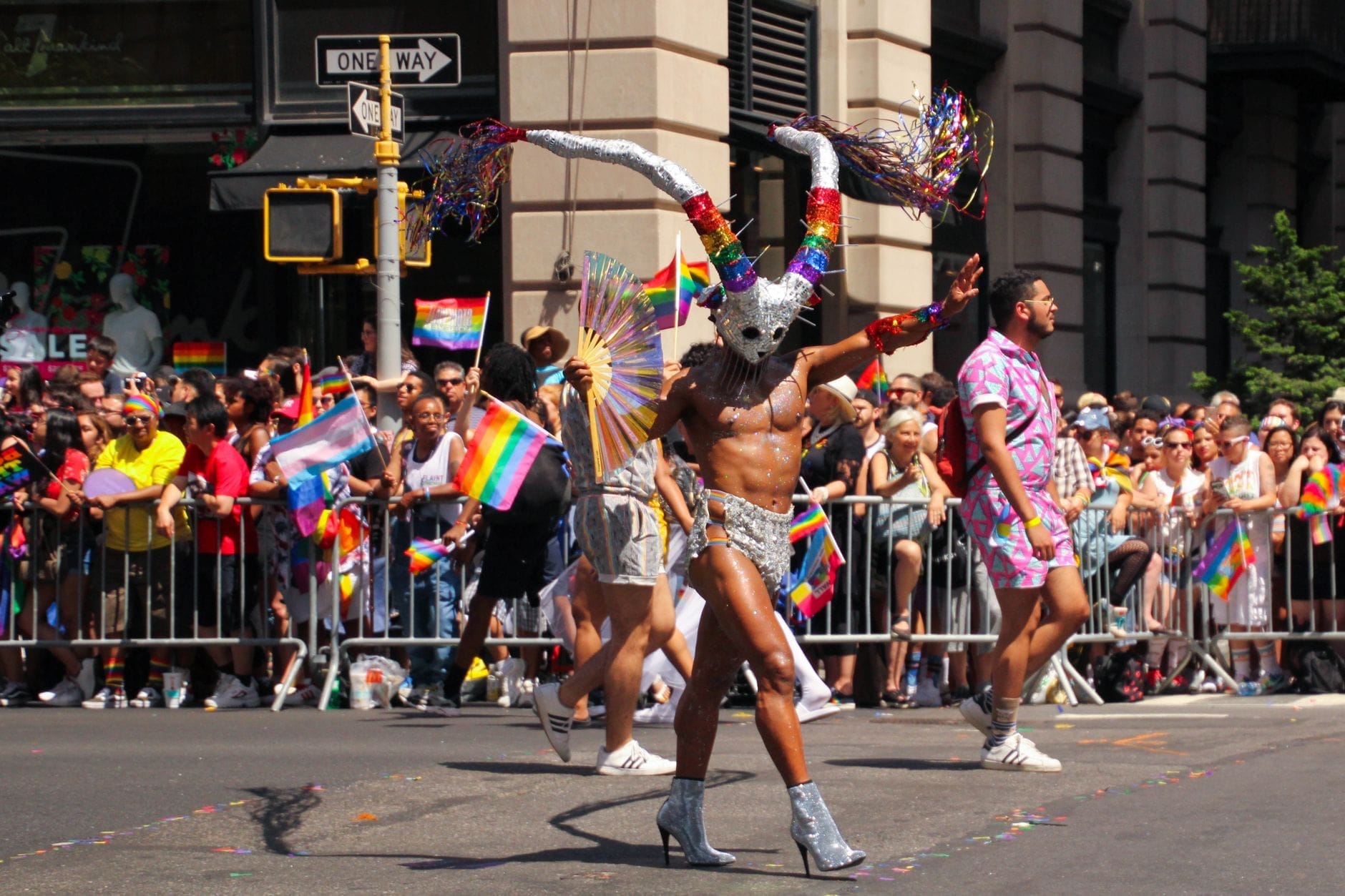
The Stonewall Inn on Christopher Street is a designated National Monument and a touchstone of LGBTQ+ history in America. The 1969 uprising here is widely credited with catalyzing the modern LGBTQ+ rights movement. The surrounding Christopher Street area and Sheridan Square remain culturally significant and worth understanding even if you only walk through. The bar itself still operates and the small National Monument site in front of it is a meaningful place to visit.
Washington Square Park and the Washington Square Arch
Village Vanguard (155 Seventh Avenue South) for live jazz
Stonewall Inn and Christopher Street
Bleecker and MacDougal Streets for bookshops and music history
The West Village residential streets west of Seventh Avenue South
Comedy Cellar on MacDougal Street for stand-up comedy
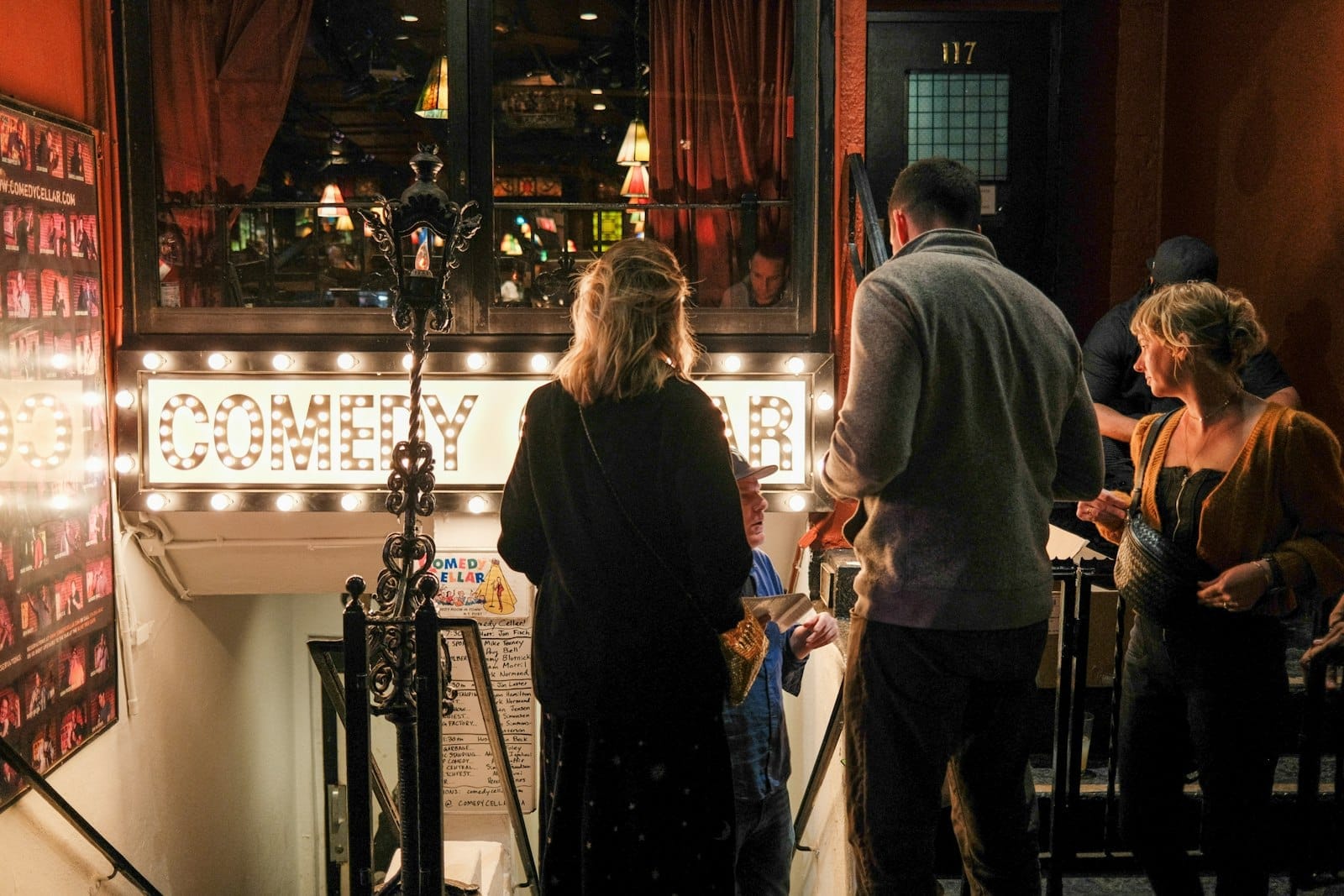
For comedy, the Comedy Cellar on MacDougal Street is a legitimate institution, not just a tourist attraction. Prominent comics have been known to drop in unannounced, and the intimate basement room delivers a better stand-up experience than larger venues. Tickets sell out, so booking ahead is worth the effort.
Eating and Drinking
The Village has been feeding New Yorkers at every price point for a long time, and the food scene reflects that range. MacDougal Street south of Washington Square is dense with cheap falafel, pizza slices, and kebabs that cater to students and late-night foot traffic. The quality is uneven and the atmosphere is lively to chaotic depending on the hour. Bleecker Street, particularly between Sixth and Seventh Avenues, has a higher concentration of established restaurants and some of the better wine bars in the neighborhood.
Moving west into the West Village, the restaurants become more expensive and more destination-oriented. This is where you'll find the kind of small Italian and French bistros that have maintained a loyal following for decades alongside newer spots that attract serious food media attention. Cornelia Street and Hudson Street in the West Village are worth walking slowly if you're interested in the dining scene here.
For coffee, the Village has long been a cafe culture stronghold. Several independent shops operate around the park and along the main commercial blocks, offering an alternative to the chain presence that has grown on Bleecker and Sixth Avenue over the past decade. The Minetta Tavern on Minetta Lane is a classic New York steakhouse with a genuinely beautiful interior, dating to 1937, and is worth considering for a higher-end dinner if the setting appeals.
The neighborhood is also a reasonable starting point for exploring the broader downtown food scene. The NYC dining guide covers options across the city, but the stretch from the Village south through SoHo and NoHo along Broadway and Lafayette Street contains an unusually high density of well-regarded restaurants within easy walking distance.
💡 Local tip
If you want a proper New York slice, the blocks around MacDougal Street deliver. The area has seen the same intense pizza-quality debate as the rest of the city, but the foot traffic ensures fast turnover and fresh product at the better spots. Avoid anywhere with food sitting under heat lamps.
Getting There and Around
Greenwich Village is well-connected by subway. The most central station is West 4 Street-Washington Square on Sixth Avenue, served by the A, C, E, B, D, F, and M trains on different levels of the complex. This puts you a short walk from the park and the main commercial streets. The 1 train stops at Christopher Street-Sheridan Square on Seventh Avenue South, which is ideal if you're heading to the West Village or the Stonewall area. The 14th Street stations along the neighborhood's northern edge offer additional connections, including the L train across 14th Street.
From Midtown, the A/C/E or the 1/2/3 trains are direct options, typically getting you to the Village in around 15 minutes from Times Square. From Lower Manhattan and the Financial District, the A/C/E running uptown on Sixth Avenue or the 1 train from Chambers Street both work well. The neighborhood is compact enough that once you arrive, walking is the primary way to navigate it.
Greenwich Village is also walkable from several adjacent neighborhoods without taking the subway. From the Financial District it is about 25-30 minutes on foot heading north along Broadway or Sixth Avenue. From Midtown, the walk south along Broadway or through SoHo takes around 35-40 minutes and passes through several distinct neighborhoods worth knowing.
For broader transit context and navigation tips across the city, the guide to getting around New York City covers subway maps, MetroCard and OMNY fare options, and neighborhood-by-neighborhood transit notes.
Where to Stay
Greenwich Village and the adjacent West Village have a limited hotel supply relative to Midtown, which is both a drawback and a selling point. The properties that do operate here tend to be smaller boutique hotels rather than large convention-style towers, and staying in the neighborhood means you wake up in a genuinely residential Manhattan context rather than a tourist corridor.
The area around Washington Square Park and along lower Fifth Avenue offers the best combination of proximity to subway stations, dining options, and the park itself. Travelers who prioritize walkable access to SoHo, the West Village, and Lower Manhattan will find the location efficient. For those primarily focused on Midtown attractions, the commute is manageable but longer than staying further north.
The Village works best as a base for travelers who want to explore the city's downtown half: SoHo, Tribeca, the High Line, and the Lower Manhattan waterfront are all within comfortable striking distance. The NYC accommodation guide provides a fuller breakdown of which neighborhoods suit which travel styles.
💡 Local tip
If you want a quieter stay, look for accommodation on the West Village side of Seventh Avenue South rather than directly on or near MacDougal or Bleecker Streets, which generate significant foot traffic and street noise well into the night on weekends.
History and Context
Greenwich Village's irregular street pattern is not an accident or a quirk: it reflects the fact that this area developed as a separate village well before the 1811 Commissioners' Plan imposed Manhattan's grid on the land to the north. When the grid was laid out, Greenwich Village's existing property lines, lanes, and roads were largely left in place, creating the visual discontinuity still visible today at points where streets like West 4th and West 10th run parallel rather than perpendicular to each other.
By the late 19th century the area had transitioned from an exclusive residential enclave to a mixed-income neighborhood with a strong immigrant working class. After 1910, low rents and proximity to newspapers and publishers made it attractive to writers, artists, and political radicals. The first wave of Greenwich Village bohemians, figures associated with the little magazine The Masses and the Provincetown Players, established the neighborhood's countercultural identity that would persist through the Beat Generation of the 1950s, the folk music revival of the early 1960s, and the political upheavals of the late 1960s.
The neighborhood's role in New York cultural life has been significant enough to generate dedicated guides. The NYC jazz guide covers the Village's contribution to the city's music history in detail, and the NYC art guide traces how the neighborhood's artistic community evolved over time.
Quick Verdict
TL;DR
Greenwich Village is one of the most architecturally intact and historically significant neighborhoods in Manhattan, best experienced on foot with time to walk the residential side streets.
Washington Square Park is a genuine gathering place with all-day activity, not just a photo stop; plan to spend at least an hour there.
The area around MacDougal and Bleecker Streets is genuinely touristy and noisy at night, but walking a few blocks west into the West Village reveals a completely different, quieter character.
Best suited for travelers who want a lower-Manhattan base with strong transit connections, good dining at multiple price points, and a walkable residential context rather than a hotel-district feel.
The Village Vanguard, Comedy Cellar, and Stonewall Inn give the neighborhood a night-life offer that goes well beyond bars, covering jazz, comedy, and LGBTQ+ history in a few walkable blocks.
Three days is enough to cover New York City's greatest hits — if you plan smart. This itinerary organizes Manhattan by neighborhood cluster, adds a Brooklyn half-day, and cuts through the noise with practical guidance on what's worth your time and money.
New York City has more than 100 museums, which makes choosing worthwhile. This guide cuts through the noise and covers the best museums across Manhattan, Brooklyn, and Queens, from encyclopedic giants to intimate institutions you'll wish you'd discovered sooner.
New York City rewards visitors year-round, but the timing of your trip shapes everything from hotel rates to how much you'll enjoy walking the streets. This guide breaks down every season honestly, including the months most guides skip over.
New York City's skyline is one of the most iconic in the world, and the city offers an extraordinary range of ways to see it. This guide covers every major paid observation deck, the best free viewpoints, and the hidden-angle panoramas that most visitors never find.
Broadway is one of the defining experiences of any visit to New York City. This guide covers everything from ticket prices and discount programs to the best seats, what to expect on the night, and how to avoid getting ripped off.
New York City rewards explorers who venture beyond Manhattan. Whether you want Atlantic Ocean beaches, Victorian river towns, wild urban nature, or a different borough entirely, these day trips are all reachable within two hours of Midtown.
New York City is one of the world's most expensive destinations, but a surprising amount of its best experiences cost nothing at all. From harbor ferry rides and elevated parks to world-class museums with free admission, this guide covers the top free things to do across all five boroughs.
New York City has one of the most comprehensive transit networks in the world, but navigating it takes some know-how. This guide covers the subway, buses, ferries, Citi Bike, taxis, ride-hailing, and airport transfers, with current fares, practical tips, and straightforward guidance on what to skip.
New York City's most famous attractions draw millions, but the city rewards those who look beyond the obvious. From a medieval monastery perched above the Hudson to a car-free harbor island and a cemetery with better skyline views than most rooftop bars, these hidden gems span all five boroughs and cost nothing to seek out.
New York City is one of the world's premier luxury destinations, with six three-Michelin-star restaurants, world-class private experiences, and neighborhoods that reward serious travelers. This guide cuts through the noise to focus on what actually delivers at the high end.
New York City is served by three major airports, and picking the wrong one can cost you an hour or more in transit. This guide breaks down JFK, LaGuardia, and Newark by location, ground transport options, travel times, and real costs so you can make the right call before you book.
New York City contains more than 7,000 completed high-rise buildings spanning four centuries of architectural history. This guide breaks down the city's defining styles, the best buildings to visit by neighborhood, observation deck logistics, and how to explore beyond Manhattan's famous skyline.
New York City is one of the world's great art capitals, with roughly 1,500 galleries spread across Chelsea, the Lower East Side, SoHo, and Brooklyn, plus a cluster of world-class museums that define modern and contemporary art globally. This guide cuts through the noise to identify the essential institutions, experimental spaces, and outdoor art experiences worth your time.
Brooklyn is New York City's most populous borough, home to 2.7 million residents, iconic landmarks, and more distinct neighborhoods than most cities have total. This guide covers the best things to do in Brooklyn, from the Brooklyn Bridge and Prospect Park to Coney Island and Smorgasburg, with practical transport advice, seasonal timing, and honest takes on what's worth your time.
New York City is the stand-up comedy capital of the world, with intimate basement rooms and historic theaters hosting everyone from open-mic newcomers to surprise celebrity drop-ins. This guide covers the best clubs and complementary venues across Manhattan and beyond, with practical tips on booking, neighborhoods, and what to expect.
New York City rewards visitors who come prepared. This guide covers the five boroughs, how to get around on the subway, airport transfers, seasonal timing, tipping customs, and the attractions actually worth your time — plus honest warnings about what to skip.
New York City restaurants span every cuisine on earth, every budget, and every borough. This guide cuts through the noise to tell you exactly what to order, where to go, and what to skip — from legendary delis on the Lower East Side to Queens' unmatched immigrant food corridors.
New York City does romance at every budget and in every season. This guide covers the best couples activities in NYC, from iconic skyline viewpoints and free waterfront walks to Broadway date nights and quiet neighborhood escapes, with practical advice on timing, booking, and what to skip.
Harlem is one of New York City's most culturally significant neighborhoods, home to the Apollo Theater, landmark soul food restaurants, live jazz venues, and a history that shaped American music and literature. This guide covers everything you need to plan a meaningful visit, from the best spots on 125th Street to the quieter brownstone blocks locals actually frequent.
December transforms New York City into its most theatrical self: Christmas trees, ice rinks, department store windows, and the world's most-watched New Year's Eve countdown. This guide covers every major holiday event, practical logistics, weather realities, and the shortcuts that make the difference between a stressful visit and a genuinely great one.
Fall is one of the best times to visit New York City, but it is also one of the most expensive. This guide covers the weather month by month, where to catch the best foliage, every major fall event worth planning around, and the honest tradeoffs of visiting during peak season.
Spring is one of the best times to visit New York City, but timing matters more than most guides admit. This guide covers the real weather picture, cherry blossom logistics, top seasonal events, crowd patterns, and practical tips for getting the most out of April and May in NYC.
Summer in New York City runs hot, loud, and packed with free programming that most visitors never find. This guide covers the best events, beaches, outdoor concerts, and borough-by-borough highlights for June, July, and August, plus practical tips on heat, crowds, and advance booking.
New York City is the jazz capital of the world, with legendary clubs spread across Greenwich Village, Midtown, Harlem, and the Upper West Side. This guide covers the best rooms for hearing live jazz, from intimate basement stages to world-class concert halls.
New York City's neighborhoods span five boroughs and dozens of distinct communities, each with its own character, price point, and visitor experience. This guide breaks down what each area is actually like, who it suits, and what you need to know before you go.
New Year's Eve in New York City is one of the world's most iconic celebrations, but pulling it off well requires planning. This guide covers the Times Square Ball Drop, fireworks locations, transport logistics, ticketed events, and smarter alternatives for every type of traveler.
New York City night options span more than 25,000 establishments across five boroughs. This guide breaks down the best neighborhoods, what drinks cost, how late things run, and the practical details most guides skip.
New York City has a reputation for being expensive, but the reality is more nuanced. With the right approach to transit, food, accommodation, and attractions, you can experience the best of the city for far less than you might expect. This guide covers every angle of the New York City budget equation.
New York City attraction passes promise big savings, but the math only works under specific conditions. This guide breaks down CityPASS, the New York Pass, and the Go City Explorer Pass side by side, with real pricing, key caveats, and a clear verdict on who should buy which.
New York City is far safer than its reputation suggests, but smart travelers still follow a few ground rules. This guide covers subway safety, common scams, neighborhood awareness, seasonal hazards, and practical emergency information so you can focus on enjoying the city.
New York City is one of the world's great shopping destinations, offering everything from Midtown luxury flagships and SoHo boutiques to Brooklyn flea markets and Queens food halls. This guide breaks down the best shopping districts, practical budgeting advice, seasonal crowd patterns, and what to skip — so you spend your time and money wisely.
Thanksgiving in New York City means one thing above all else: the Macy's Thanksgiving Day Parade. But there's far more to the long weekend than giant balloons and floats. This guide covers the parade route, smartest viewing strategies, what to do if crowds aren't your thing, and how to make the most of one of NYC's biggest holidays.
The US Open is one of the four Grand Slam tennis tournaments and the only one held in the United States. Staged each year at the USTA Billie Jean King National Tennis Center in Flushing Meadows–Corona Park, Queens, it draws hundreds of thousands of fans over two weeks in late August and early September. This guide covers everything from buying tickets to getting there, what to expect on site, and how to plan your trip around it.
New York City rewards walkers more than almost any city on earth. These self-guided routes take you through historic districts, iconic parks, waterfront promenades, and neighborhoods where the architecture tells the story better than any museum. Lace up and go.
New York City's weather shifts dramatically across four distinct seasons, from humid July heat to January snowstorms. This guide breaks down what to expect each month, what to pack, and when the climate actually works in your favor as a visitor.
Two days in New York City is enough to see iconic landmarks, eat well, and understand why this city operates at a different scale than anywhere else. This guide gives you a practical, honest framework for a weekend in NYC, with real prices, transit logistics, and clear priorities.
From the American Museum of Natural History to Coney Island, New York City with kids is genuinely doable — if you know where to go, what things actually cost, and how to avoid the planning mistakes that derail family trips. This guide covers the best family-friendly attractions, practical transit tips, seasonal timing, and honest takes on what's worth your time.
Seven days is enough to hit NYC's iconic landmarks, explore its best neighborhoods, and actually understand why this city operates the way it does. This itinerary is built around the subway, structured by geography, and honest about what's worth your time.
New York City is one of the most rewarding solo travel destinations in the world, but it rewards preparation. This guide covers transit, safety, neighborhoods, budgeting, and seasonal strategy so you can move through all five boroughs with confidence.
New York City offers more experiences per square mile than almost anywhere on earth. This guide cuts through the noise to highlight the top things to do in New York City, with honest takes on prices, crowd patterns, and which attractions are actually worth your time.
New York City has over 25,000 restaurants, 57 Michelin-starred venues, and some of the world's best street food — all within five boroughs. This guide cuts through the noise with specific recommendations, honest price ranges, and practical booking advice to help you eat well no matter your budget or neighborhood.
Choosing where to stay in New York City shapes your entire trip. This guide breaks down every major neighborhood by price, access, vibe, and who it suits best — with practical advice on what to avoid and when to book.