Luxury New York City: The Ultimate High-End Guide
New York City is one of the world's premier luxury destinations, with six three-Michelin-star restaurants, world-class private experiences, and neighborhoods that reward serious travelers. This guide cuts through the noise to focus on what actually delivers at the high end.
Plan and book this trip
Tools from our partner Travelpayouts help you compare flights and hotels. If you book through them, we may earn a commission at no extra cost to you.
Flights
Hotels map
TL;DR
- NYC has five three-Michelin-star restaurants, more than almost any other city outside Japan and France.
- The best luxury neighborhoods for hotels and dining are concentrated in Midtown Manhattan, the Upper East Side, and Chelsea and the Meatpacking District.
- Private helicopter tours, yacht charters, and after-hours museum access exist but require advance planning and specific operators.
- Spring (April to June) and fall (September to October) offer the best conditions for a luxury visit: milder weather and slightly lower hotel rates than July or December.
- Even with a premium budget, popular spots like Central Park and the skyline observatories can be crowded. Book timed entries well in advance.
What 'Luxury NYC' Actually Means
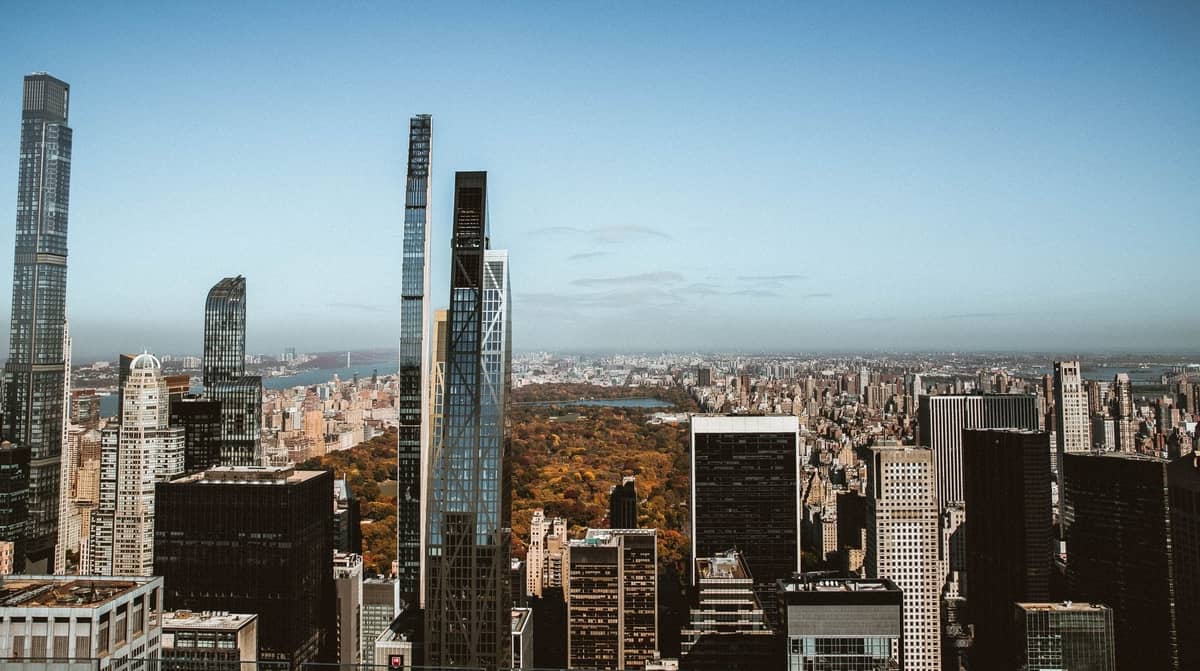
Luxury in New York City is not a single thing. It is a layered set of choices that determines how much access, comfort, and exclusivity you get in a city that simultaneously welcomes tens of millions of tourists a year. The baseline assumption many visitors bring is that a five-star hotel and a tasting menu covers it. That is a good start, but it barely scratches the surface of what the city's high-end infrastructure can offer.
The real differentiator in NYC luxury is time. Private arrangements such as after-hours access to a gallery, a chartered rooftop, or a chauffeured day across the boroughs convert a crowded city into something that feels curated specifically for you. Budget matters, but so does knowing which operators and fixers can actually deliver. This guide focuses on both.
⚠️ What to skip
A common mistake: spending heavily on a luxury hotel in Times Square. The area is central on a map but loud, congested, and far from the residential calm that defines the Upper East Side or Tribeca. Prioritize the right neighborhood over the biggest lobby.
Where to Stay: NYC's Best Luxury Hotels by Neighborhood
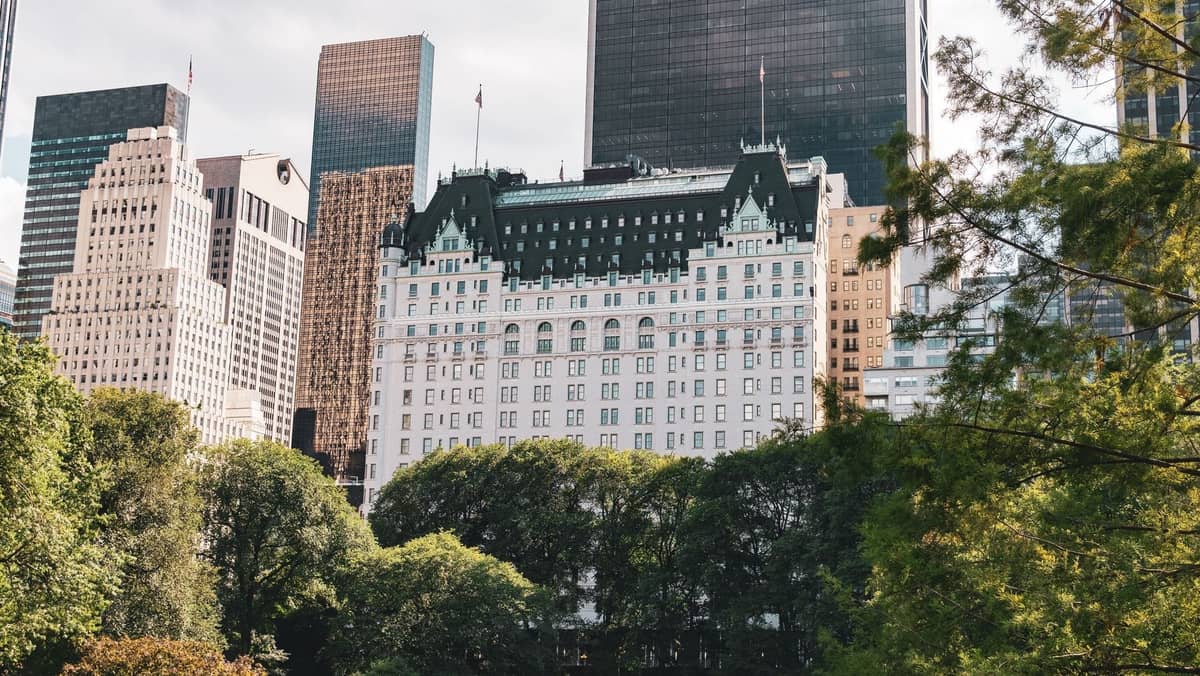
Manhattan has more five-star hotel inventory than any other U.S. city. The choice of neighborhood should drive your hotel decision, not the other way around. Midtown is convenient for Broadway, Fifth Avenue, and the major observatories. The Upper East Side places you within walking distance of Museum Mile, Central Park, and some of the city's quieter fine-dining streets. Tribeca and SoHo attract guests who want proximity to the art scene and downtown food culture without the Midtown noise.
- Midtown Manhattan The Plaza, The St. Regis, and The Peninsula anchor this zone. Room rates at five-star properties run $800 to $1,500+ per night depending on season. Expect butler service, concierge programs, and in-house spa access at the flagship properties.
- Upper East Side Quieter and more residential than Midtown. The Carlyle remains the preferred address for travelers who value discretion over spectacle. It is the hotel of choice for visiting heads of state and long-running celebrity clientele.
- Tribeca and SoHo The Greenwich Hotel and 11 Howard attract design-forward guests. These are the right picks if your itinerary leans toward art galleries, chef-driven restaurants, and private shopping appointments.
- Hudson Yards Equinox Hotel is built around the fitness brand and appeals to a wellness-focused luxury traveler. Rooms are sleek and minimalist, and the gym infrastructure is exceptional.
✨ Pro tip
Book midweek stays when possible. NYC luxury hotels are heavily business-travel focused from Sunday to Wednesday, which sometimes means availability opens up at better rates. Weekends, particularly in October and December, are the most expensive periods across the board.
Fine Dining: Michelin Stars, Tasting Menus, and What to Actually Book
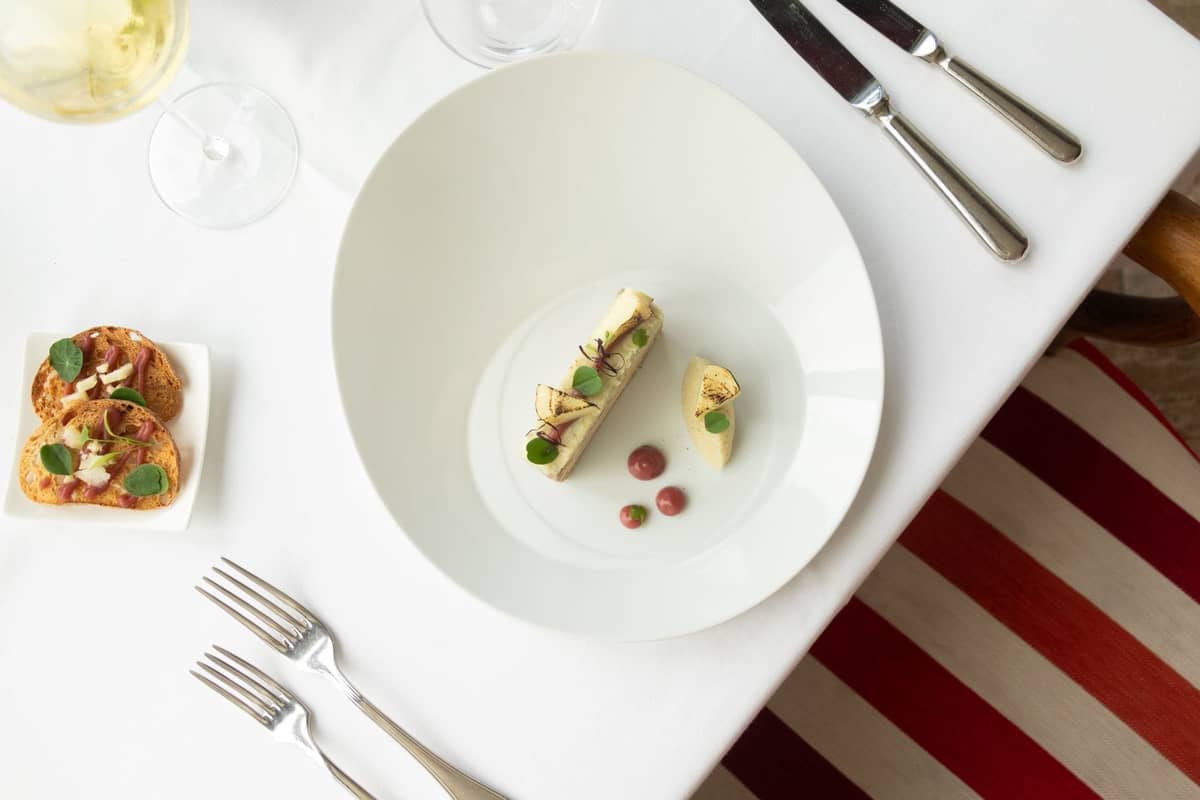
New York City holds five three-Michelin-star restaurants, placing it among the top dining cities globally. This concentration of top-tier cooking means that a serious food-focused itinerary in NYC is competitive with Paris or Tokyo. For broader restaurant context, the NYC food guide covers the full spectrum from street food to fine dining across all five boroughs.
At the apex of NYC dining, tasting menus at three-star restaurants typically run $300 to $500 per person before wine pairings, which can add an equal or greater amount. Reservations at the most sought-after tables, including Eleven Madison Park, Le Bernardin, and Per Se, open weeks or months in advance and often require a credit card hold. Use platforms like Resy or SevenRooms directly, and check cancellation windows carefully: same-day cancellations at these restaurants usually incur a fee per person.
One-star and two-star Michelin restaurants offer an accessible entry point into serious NYC cooking for around $150 to $250 per person for a tasting format. Many of the city's most interesting chef-driven restaurants, particularly in neighborhoods like the West Village and the Lower East Side, hold no Michelin stars but deliver cooking at a comparable level. The star system in NYC reflects consistency and formality as much as pure quality.
💡 Local tip
For lunch, many Michelin-starred restaurants offer abbreviated prix-fixe menus at roughly half the dinner price. Per Se's lunch tasting, for example, is significantly less expensive than dinner and covers much of the same kitchen philosophy. Worth checking during planning.
Private Experiences: Helicopters, Yachts, and Curated Access
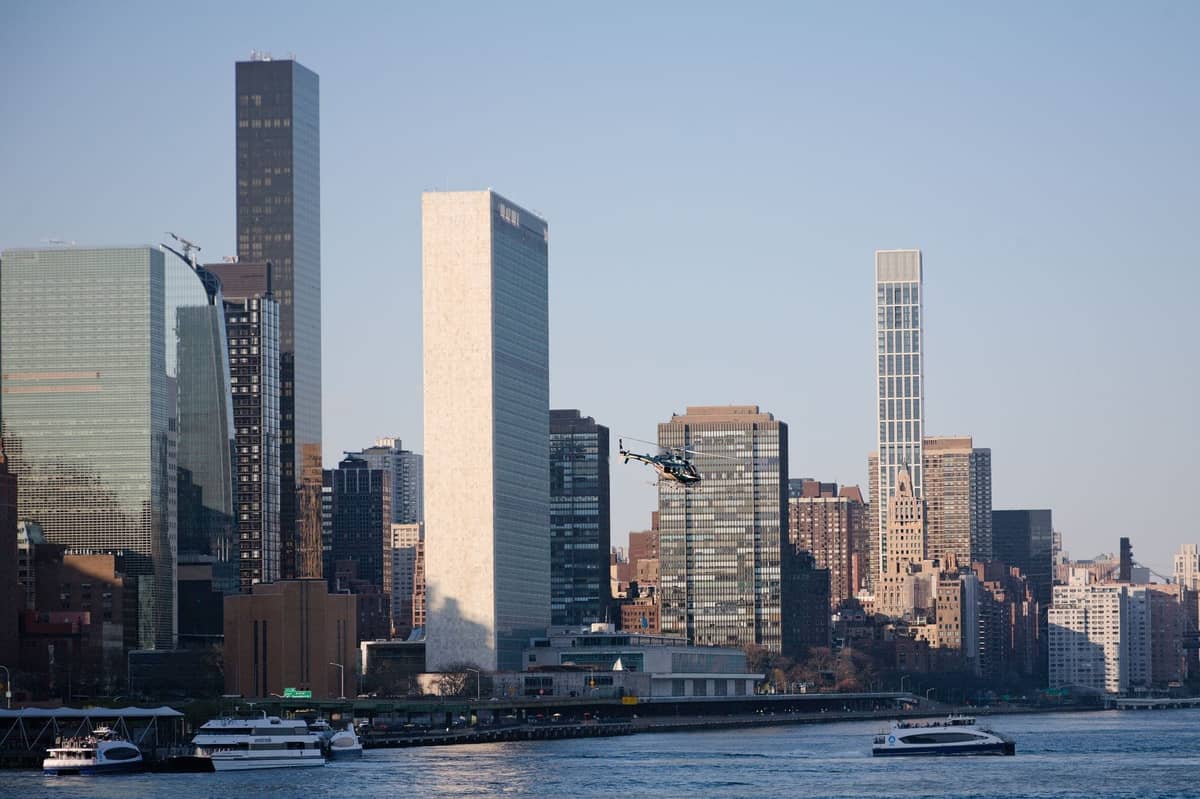
The category of 'private experiences' in NYC covers a wide range of quality and pricing. At the top end are arrangements that cannot be replicated through standard tourist channels. At the bottom end are upsold group tours rebranded as private. Knowing the difference matters.
- Private helicopter tours FlyNYON and New York Helicopter Charter are among the established operators offering doors-off and doors-on flights over Manhattan. A private 15-minute doors-off flight typically costs $300 to $500 per person; a fully chartered private helicopter runs $1,500 to $3,000+ depending on duration and aircraft. Flights depart from the Downtown Manhattan Heliport (VIP Terminal). Sunset slots book out weeks in advance.
- Private yacht and boat charters New York Harbor offers some of the world's most iconic skyline views from the water. Private charter companies operate out of Chelsea Piers and offer everything from a 2-hour sail around Lower Manhattan to full-day Hamptons runs. Expect to pay $500 to $2,000+ per hour depending on vessel size. Sunset is the prime time; the skyline from the water at dusk is spectacular.
- After-hours museum access Several institutions, including the Metropolitan Museum of Art and the Museum of Modern Art, offer private evening access for groups at a premium. This typically requires coordination through the museum's events or membership departments rather than a general booking channel. Costs vary significantly based on group size and duration.
- Chauffeured city days A full-day chauffeured Mercedes or Escalade with a knowledgeable driver runs $600 to $1,200 for 8-10 hours through established operators. The advantage over ride-hailing is continuity: the driver learns your preferences, waits at each stop, and can recommend neighborhood stops based on real knowledge.
Luxury Culture: Art, Architecture, and Skyline Access
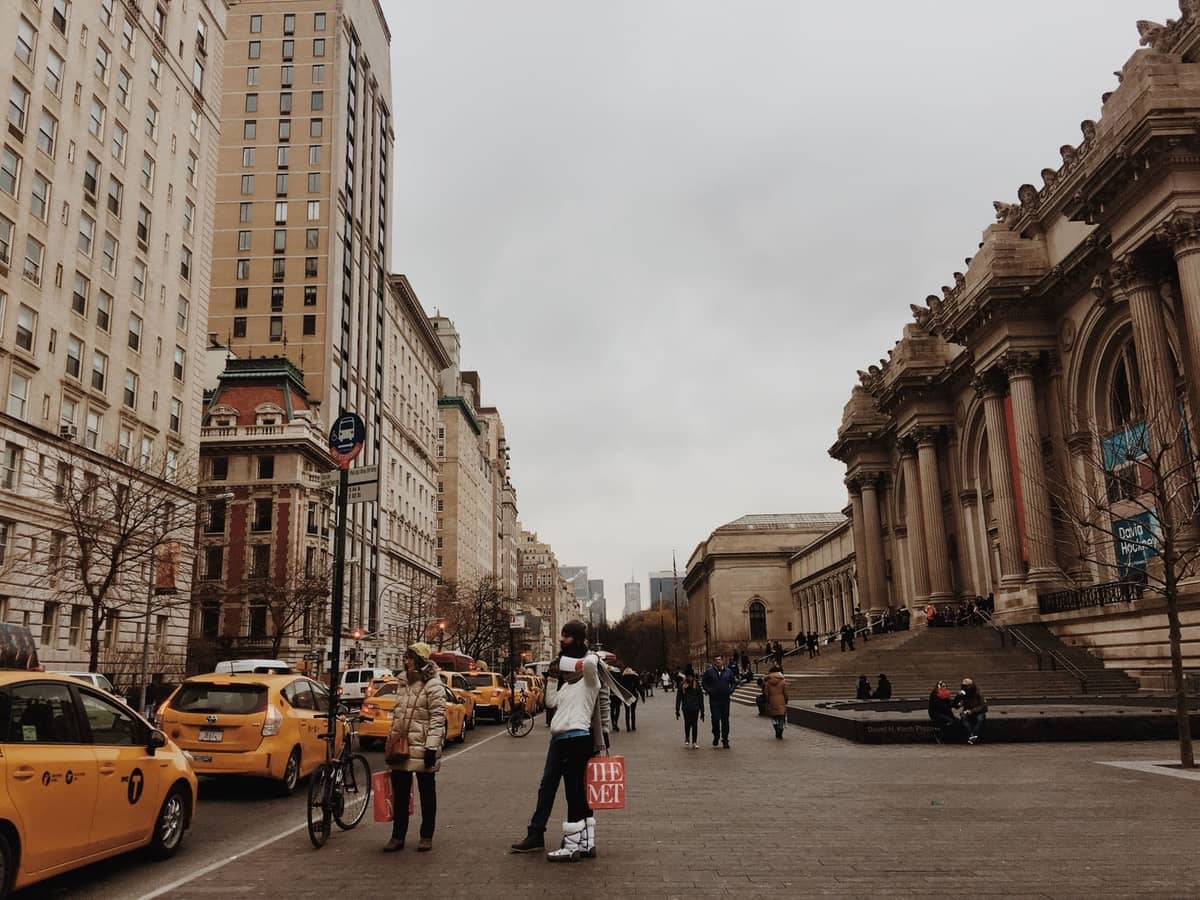
NYC's cultural infrastructure is as strong as its culinary scene. The Metropolitan Museum of Art holds one of the largest art collections in the world across its Fifth Avenue and Cloisters locations. The Museum of Modern Art in Midtown is compact relative to its collection depth: plan at least three hours for a serious visit. Neither venue requires the highest-tier luxury arrangements to be enjoyed fully, but private after-hours tours through third-party operators change the experience considerably.
For skyline views, the competition between observatories has intensified significantly. Summit One Vanderbilt opened in 2021 and offers an immersive glass-and-mirror experience on the 100th floor of a Midtown tower. Top of the Rock at Rockefeller Center remains arguably the best platform for photographing the Empire State Building, since you are looking at it from eye level rather than from below. The Edge at Hudson Yards has a glass-floored outdoor deck that is vertiginous. Book all three in advance; sunset slots sell out days ahead in peak season.
The NYC architecture guide is worth reading before arrival if you want to understand what you are looking at above street level. NYC's built environment is one of the most layered in the world, with Beaux-Arts, Art Deco, mid-century modernist, and contemporary towers often standing within a single city block of each other.
Shopping, Spas, and the Practical Side of High-End NYC
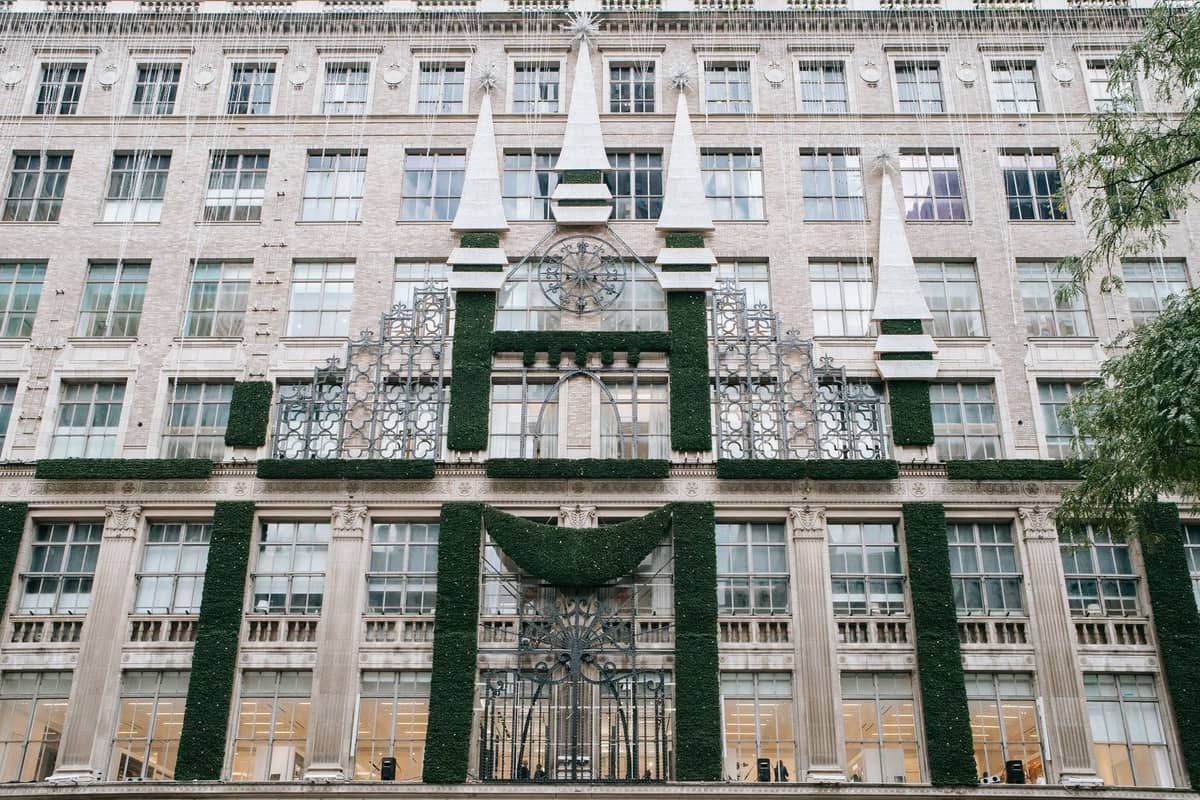
Fifth Avenue between 49th and 60th Streets is NYC's most famous luxury retail corridor, with Bergdorf Goodman, Saks Fifth Avenue, and the major European fashion houses clustered in about ten blocks. For a less tourist-heavy experience, Madison Avenue between 60th and 80th Streets on the Upper East Side hosts many of the same brands in a quieter, more residential setting. The NYC shopping guide covers the full retail landscape in detail.
Hotel spas in NYC vary considerably. The Lotte New York Palace, the Four Seasons, and Mandarin Oriental all have legitimate full-service spa offerings. For standalone spa experiences, Aire Ancient Baths in SoHo is a consistently well-regarded option: it operates in a converted warehouse with thermal pools and offers two- to three-hour bathing sessions in a atmospheric setting. Advance booking is required, particularly on weekends.
- Tipping etiquette at NYC luxury venues: 18-20% is standard at restaurants; valets, bellhops, and spa attendants expect $5-20 depending on service. Budget for this explicitly.
- Electricity is 120V/60Hz with Type A and B plugs. European or UK visitors will need adapters for personal devices.
- NYC tap water is safe and clean. No need for bottled water unless you prefer it.
- Dress codes matter more in NYC than in many other U.S. cities. High-end restaurants often specify smart casual at minimum; some Midtown institutions still enforce jackets at dinner.
- The subway is the fastest way across Manhattan during rush hours even for luxury travelers. It runs 24 hours and costs the same regardless of how expensive your hotel is. No shame in using it.
FAQ
What is the best time of year for a luxury trip to NYC?
April to June and September to October offer the best combination of pleasant weather, manageable crowds, and hotel availability. July and August are peak tourist months with high hotel rates and heat; December brings holiday crowds and maximum pricing across hotels and flights. If you are visiting in winter, late January and February offer the lowest hotel rates of the year with a real trade-off on weather.
How far in advance should I book Michelin-star restaurants in NYC?
For three-Michelin-star restaurants, book at least 4 to 8 weeks in advance, sometimes more. Reservations at the most competitive tables (Eleven Madison Park, Per Se, Le Bernardin) often open exactly 28 or 60 days ahead at midnight. Set a reminder and be online at opening time. One and two-star restaurants are easier to book but still warrant 1 to 3 weeks of lead time for weekend sittings.
Is a private helicopter tour worth the cost in NYC?
For first-time visitors with the budget for it, yes. The Manhattan skyline from a helicopter at sunset or dusk is a distinctly different experience from any ground-level view. The 15-20 minute flights are brief, so adjust expectations accordingly. Doors-off flights offer better photography but require a comfort level with heights and wind. If you are prone to motion sickness, a doors-on charter may be the better choice.
Which NYC neighborhoods are best for a luxury hotel base?
The Upper East Side is the top choice for calm, residential luxury with proximity to Central Park and Museum Mile. Midtown suits travelers whose itinerary centers on Broadway, Fifth Avenue shopping, and the major observatories. Tribeca and SoHo work well for guests focused on art, design, and downtown dining. Avoid basing yourself in Times Square regardless of hotel rating: the immediate surroundings undermine the luxury experience.
Do I need a visa to visit New York City from Europe?
Most EU and UK nationals can travel to the United States under the Visa Waiver Program (VWP) using an approved ESTA application, which must be completed online before departure. The ESTA is not a visa but an electronic authorization. Always verify current entry requirements directly with the U.S. Department of State or your country's consular authority before booking, as rules can change.