Shopping in New York City: The Complete Guide
New York City is one of the world's great shopping destinations, offering everything from Midtown luxury flagships and SoHo boutiques to Brooklyn flea markets and Queens food halls. This guide breaks down the best shopping districts, practical budgeting advice, seasonal crowd patterns, and what to skip — so you spend your time and money wisely.
Plan and book this trip
Tools from our partner Travelpayouts help you compare flights and hotels. If you book through them, we may earn a commission at no extra cost to you.
Flights
Hotels map
TL;DR
- Fifth Avenue (49th–59th St) is the luxury corridor; Macy's Herald Square (34th St) is the largest department store in the U.S., with around 2.5 million square feet across multiple floors.
- SoHo, the Meatpacking District, and Union Square offer strong alternatives to Midtown — less crowded, more varied, and often more interesting.
- Budget shoppers are well served: discount chains, weekend flea markets, and sample sales run year-round across all five boroughs. See shopping and spending tips for budget travelers for more.
- Holiday shopping (late November through December) brings extreme crowds to Midtown flagships — go early in the morning or on weekdays to avoid the worst of it.
- Brooklyn and Queens have serious shopping scenes: the Brooklyn Flea, Smorgasburg, and Flushing's retail corridors are worth making the trip.
Midtown Manhattan: The Classic Shopping Corridor
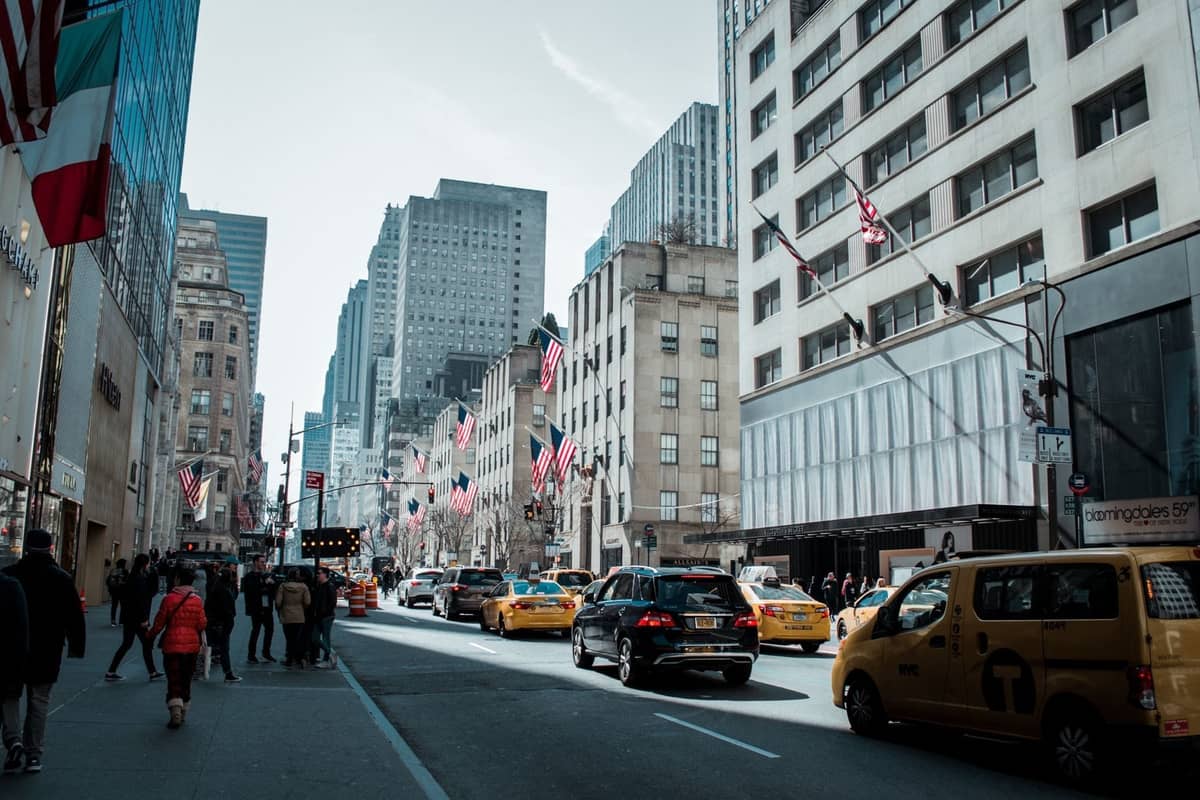
The stretch of Fifth Avenue between 49th and 60th Streets is where NYC's reputation as a shopping capital was built. Saks Fifth Avenue, Bergdorf Goodman, and the flagships of Tiffany & Co., Louis Vuitton, and Prada are all concentrated here, along with the Apple Store at 767 Fifth Avenue, recognizable by its glass cube entrance. Prices reflect the real estate, so this stretch is best for browsing or investing in something specific rather than casual spending.
Twelve blocks south, Herald Square anchors a more democratic shopping zone. Macy's at 34th Street and Broadway is genuinely the largest department store in the United States, with around 2.5 million square feet spread across multiple floors. It stocks everything from designer cosmetics to mid-range clothing, and its twice-yearly sales (particularly in January and July) draw savvy shoppers specifically for the markdowns. The surrounding blocks include H&M, Zara, Old Navy, and several sneaker stores, making this the most efficient area for high-volume, mid-budget shopping.
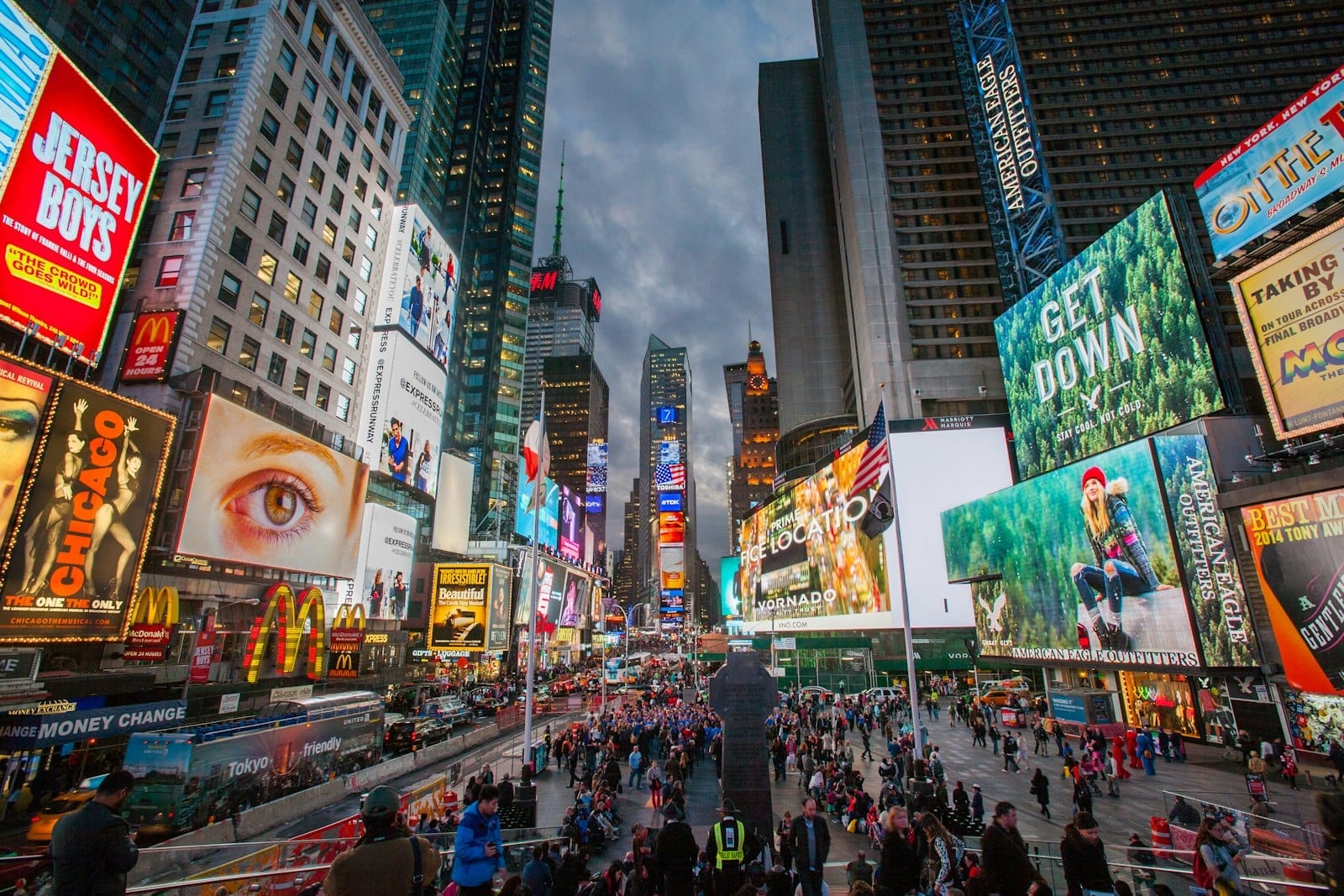
Times SquareTimes Square shopping is functional rather than inspired. The national chains here — large-format Target at 22 W 42nd St, the Disney Store, M&M's World, and NBA Store — cater almost entirely to tourists. Locals rarely shop here. If you need basics (a phone charger, a rain jacket, snacks), it's convenient, but don't make it a destination.
💡 Local tip
Midtown stores typically open between 10:00 and 11:00 and close between 20:00 and 22:00. During the holiday season (late November through December), flagship stores extend hours and crowds peak on weekend afternoons. Aim for a weekday morning — Macy's at 10:00 on a Tuesday is a completely different experience from a Saturday at 15:00.
SoHo, the Village, and Lower Manhattan
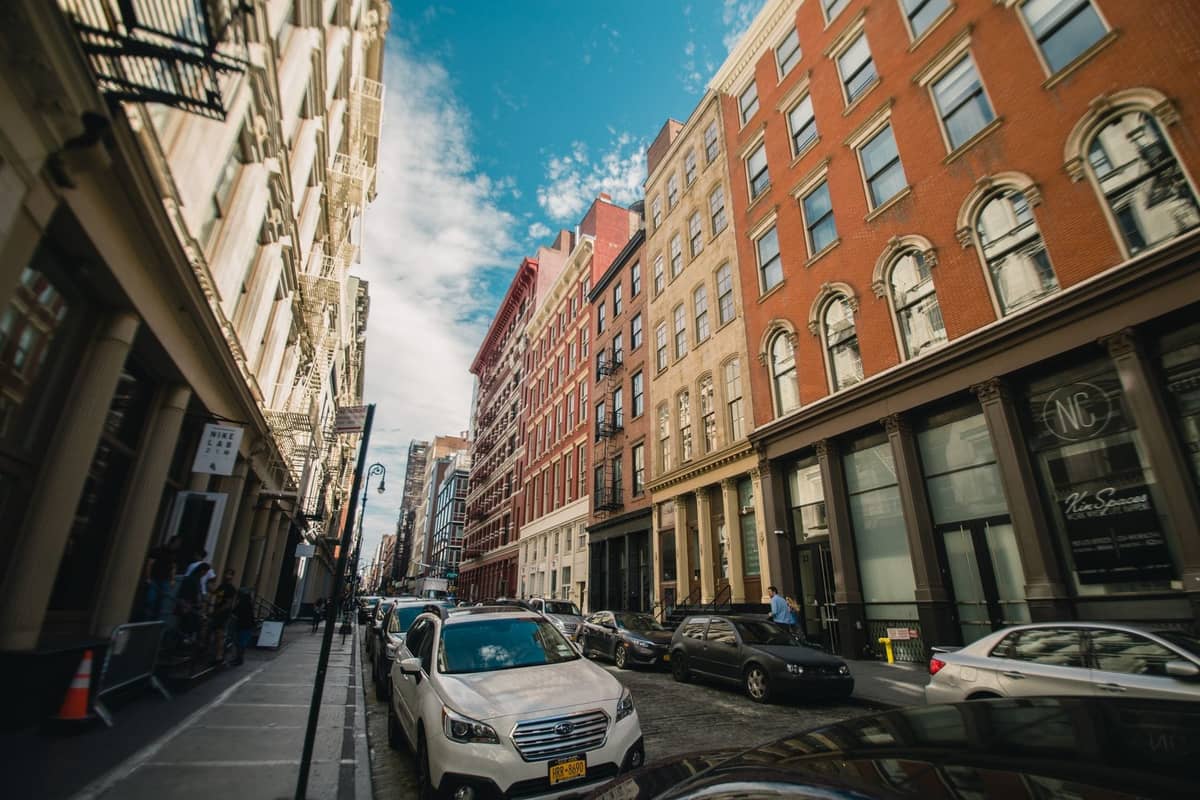
SoHo is where New York shopping gets genuinely interesting. The cast-iron architecture along Broadway and the grid of Prince, Spring, and Grand Streets houses a mix of global brands (Uniqlo's flagship at 546 Broadway is a large flagship store) alongside independent boutiques, concept stores, and streetwear labels. It's denser and more walkable than Midtown, and the street-level experience is far more engaging.
A short walk west, the Meatpacking District transitions from clubs to retail in the daytime. Chelsea MarketChelsea Market at 75 Ninth Avenue is the anchor: a converted Nabisco factory that now houses food vendors, specialty grocers, wine shops, and a handful of home goods and design retailers under one roof. It's a good rain-day destination, and the food options make it easy to spend several hours without planning to.
Union SquareUnion Square deserves more credit than it typically gets as a shopping destination. The greenmarket (Monday, Wednesday, Friday, Saturday) is the best farmers market in Manhattan, and the surrounding blocks on 14th Street and Broadway include the flagship Whole Foods, Barnes & Noble, and a concentration of mid-range clothing stores. It's also the closest major shopping node to Greenwich Village and the East Village, both of which reward wandering for independent shops, record stores, and vintage clothing.
⚠️ What to skip
SoHo on weekends — especially Saturday afternoons in good weather — gets extremely crowded along Broadway between Houston and Canal Streets. Sidewalk space is genuinely limited. If you want to shop rather than shuffle, go on a weekday morning or Sunday before noon.
Hudson Yards, Columbus Circle, and Indoor Malls
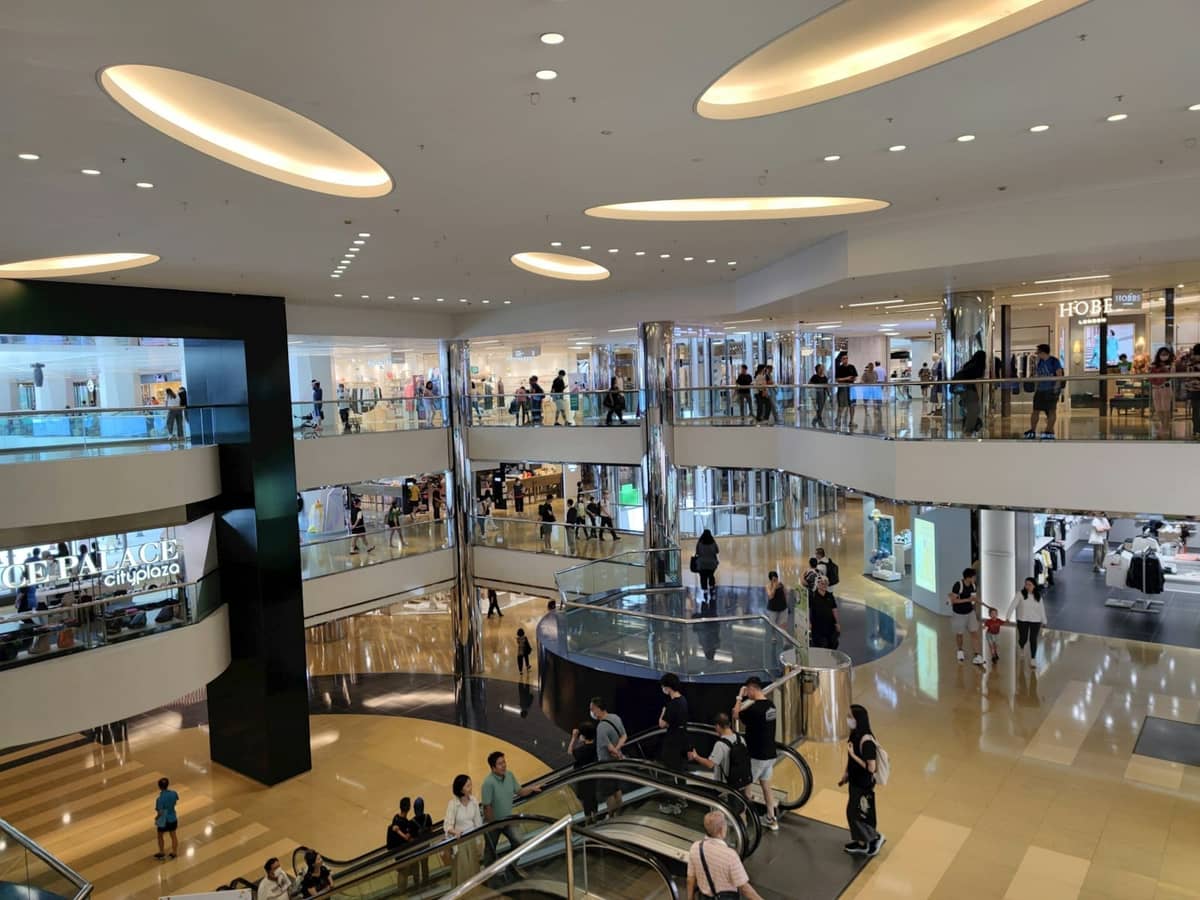
For climate-controlled, all-in-one shopping, NYC has two strong options. The Shops at Columbus Circle, inside Deutsche Bank Center at 10 Columbus Circle, is a polished vertical mall with high-end tenants including Williams-Sonoma, J.Crew, and several restaurant levels. It connects directly to the subway (A/C/B/D/1 at 59th Street-Columbus Circle) and sits at the southern entrance to Central ParkCentral Park, making it a convenient stop on a longer itinerary.
Hudson Yards, on the far west side of Midtown (roughly 30th–34th Streets between 10th and 12th Avenues), opened in 2019 as NYC's newest major retail development. The Shops at Hudson Yards has around 100 shops and restaurants across multiple levels, with a mix of luxury and mainstream brands. It's easier to navigate than most NYC shopping because it was purpose-built rather than retrofitted. The High Line runs directly into the development, so it's a natural pairing if you're already walking the elevated park.
✨ Pro tip
Both Hudson Yards and Columbus Circle are significantly less crowded than Fifth Avenue and SoHo. If you have a specific list of stores to hit and want to do it efficiently, these malls are far less draining than trying to navigate Midtown streets on a busy day.
Brooklyn and Queens: Beyond Manhattan
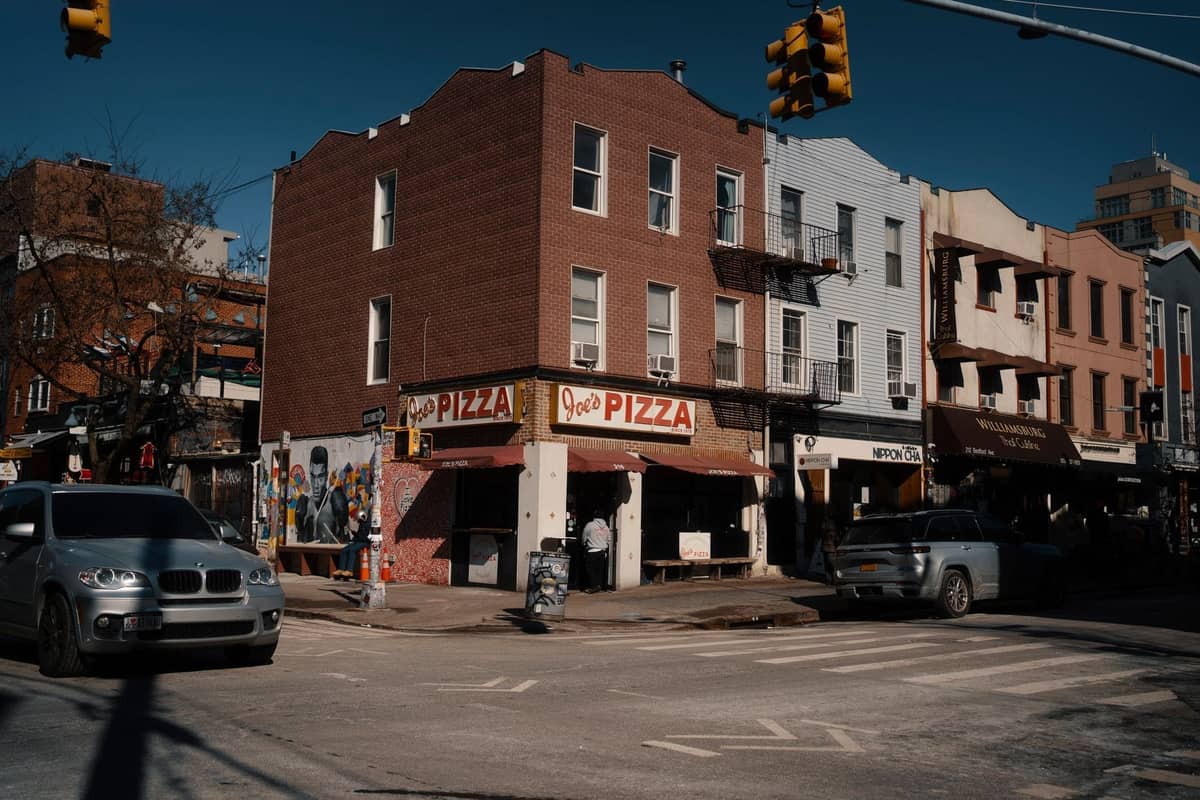
The outer boroughs have developed serious shopping identities of their own. Williamsburg along Bedford Avenue and the surrounding streets is the best area in NYC for independent fashion boutiques, vintage shops, and design-oriented home goods stores. It's denser with interesting retail than almost anywhere in Manhattan, and prices are often lower. The L train from 14th Street-Union Square reaches Bedford Avenue in about 15 minutes.
The Brooklyn Flea operates seasonally at multiple locations and is the best flea market in the city for vintage furniture, jewelry, clothing, and collectibles. Its food offshoot, Smorgasburg, runs on weekends at Prospect Park (Saturdays) and Williamsburg (Sundays, seasonally) and is more of a food market than a shopping destination, but the two are often held near each other. Check their official site for current locations and dates before visiting — both move seasonally.
In Queens, FlushingFlushing is worth a trip for anyone interested in Asian groceries, cookware, imported goods, and herbal products. The underground mall beneath the New World Mall on Main Street alone has dozens of vendors. It's a different shopping experience from anything in Manhattan, and the food options are exceptional. The 7 train from Times Square reaches Flushing-Main Street in about 30 minutes.
- Brooklyn Flea Best for vintage clothing, furniture, vinyl records, and one-of-a-kind jewelry. Seasonal — check locations before going.
- Williamsburg (Bedford Ave corridor) Independent boutiques, streetwear, design and home goods. Best on weekday afternoons when it's less crowded.
- Flushing, Queens Asian imports, specialty groceries, herbal goods, and electronics. New World Mall underground is the best starting point.
- DUMBO, Brooklyn Design studios, art galleries with retail, and specialty shops around Front and Washington Streets. Smaller scale, more curated.
Shopping by Budget: What to Expect
NYC shopping genuinely spans every price point, and the mistake most visitors make is assuming the city is only for big spenders. At the lower end, discount chains like T.J. Maxx and Target have multiple Manhattan locations, while Century 21 operates a single Lower Manhattan flagship at 22 Cortlandt Street. Trader Joe's is the go-to for affordable groceries but comes with a real caveat: the lines, particularly at the Union Square and Midtown West locations on weekends, can stretch out the door and take 20-30 minutes just to enter. Go before 10:00 or after 20:00 on weekdays.
Sample sales are a New York institution and one of the best ways to buy designer goods at steep discounts. They happen year-round, announced mainly through sites like NYC-specific Instagram accounts and newsletters. No fixed schedule exists — they're announced weeks in advance and sell out fast. If you're in town for a week, it's worth scanning for current listings.
- Budget (under $50 per item): T.J. Maxx, Century 21, Uniqlo, H&M, Zara, Target, Trader Joe's (groceries), Brooklyn Flea
- Mid-range ($50–$300): Macy's, Bloomingdale's, Nordstrom (57th St), independent boutiques in SoHo and Williamsburg, The Shops at Columbus Circle
- Luxury ($300+): Saks Fifth Avenue, Bergdorf Goodman, boutiques along Fifth Avenue (49th–60th St) and Madison Avenue
- Specialty/unique: Brooklyn Flea (vintage), Flushing (Asian imports), Chelsea Market (artisan food), Smorgasburg (food market)
Seasonal Shopping: When and Why It Matters
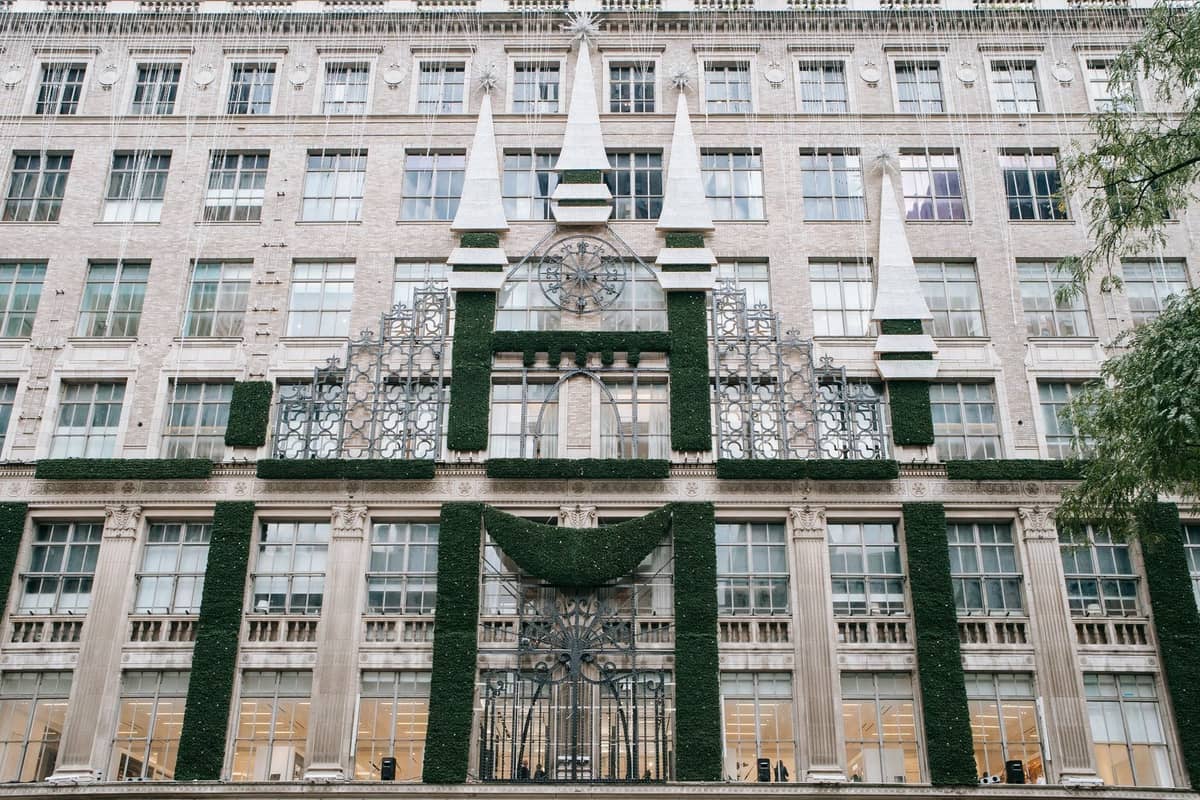
The holiday season from late November through December is peak shopping season across the city, and nowhere more so than Midtown. December in NYCHoliday season means window displays at Bergdorf Goodman and Saks Fifth Avenue that are genuinely worth seeing, holiday markets at Bryant Park and Union Square, and Macy's with a level of foot traffic that makes it feel like a theme park. It's spectacular but genuinely exhausting — plan for at least 30 extra minutes everywhere you go.
January and July are the best months for sales. Post-Christmas clearance combined with mid-winter markdowns (January) and end-of-season summer sales (July) mean department stores and chain retailers cut prices significantly. If you're visiting in either month and aren't looking for specific seasonal items, you'll find better value than at any other time of year.
Spring and fall are the most comfortable times to shop the outdoor markets and do extended neighborhood walking. The Brooklyn Flea and Smorgasburg both run in warmer months, and SoHo street-browsing in fall or spring — when temperatures are in the 50s and 60s °F — is considerably more pleasant than fighting the July heat or February cold.
ℹ️ Good to know
New York City charges an 8.875% sales tax on most taxable retail goods. Clothing and footwear items under $110 per item are exempt from the state portion of sales tax (4%), though the city portion (4.5%) still applies — making the effective rate on qualifying items 4.875%. This exemption applies per item, not per transaction, so buying ten $100 shirts still qualifies. High-end purchases above $110 are taxed at the full rate.
FAQ
What is the best shopping area in New York City for first-time visitors?
SoHo is the most practical starting point: it's walkable, combines global brands with independent shops, and is far less overwhelming than Midtown. Start on Broadway between Houston and Canal Streets, then work your way through the side streets. Fifth Avenue is worth seeing for the spectacle, but it's best treated as a sightseeing experience with optional shopping rather than the core of your retail trip.
Is shopping in NYC expensive compared to other cities?
It depends entirely on what you're buying. Luxury goods are priced similarly to or slightly higher than other major US cities, though often cheaper than equivalent prices in Europe or Asia. Mid-range and budget shopping (chain stores, discount retailers, markets) is comparable to other large American cities. The main cost difference is time: lines are longer, stores are more crowded, and getting between shopping areas takes more effort than in a car-based city.
Are there good shopping options outside of Manhattan?
Yes. Williamsburg in Brooklyn has the best concentration of independent boutiques in the entire city. The Brooklyn Flea is the top flea market in NYC. Flushing in Queens is excellent for Asian specialty goods and imports. These areas are all accessible by subway within 30 minutes of Midtown and are worth the trip specifically because they offer things Manhattan doesn't.
What are NYC's best markets for unique finds?
The Brooklyn Flea (vintage furniture, clothing, jewelry, vinyl) and Smorgasburg (artisan food, emerging food vendors) are the most established weekend markets. The Union Square Greenmarket (Monday, Wednesday, Friday, Saturday) is the best farmers market in Manhattan. Bryant Park hosts a popular holiday market from late October through early January with crafts, gifts, and food from local vendors.
When is the worst time to go shopping in NYC?
The Saturday and Sunday after Thanksgiving (Black Friday weekend) are the single worst days to shop in Midtown — crowds at Macy's and along Fifth Avenue are at their annual peak. The week between Christmas and New Year's Eve is also extremely crowded citywide. Weekday mornings outside of the holiday season are almost always manageable, even in the busiest areas.