Top of the Rock Observation Deck: NYC's Most Rewarding Sky-High View
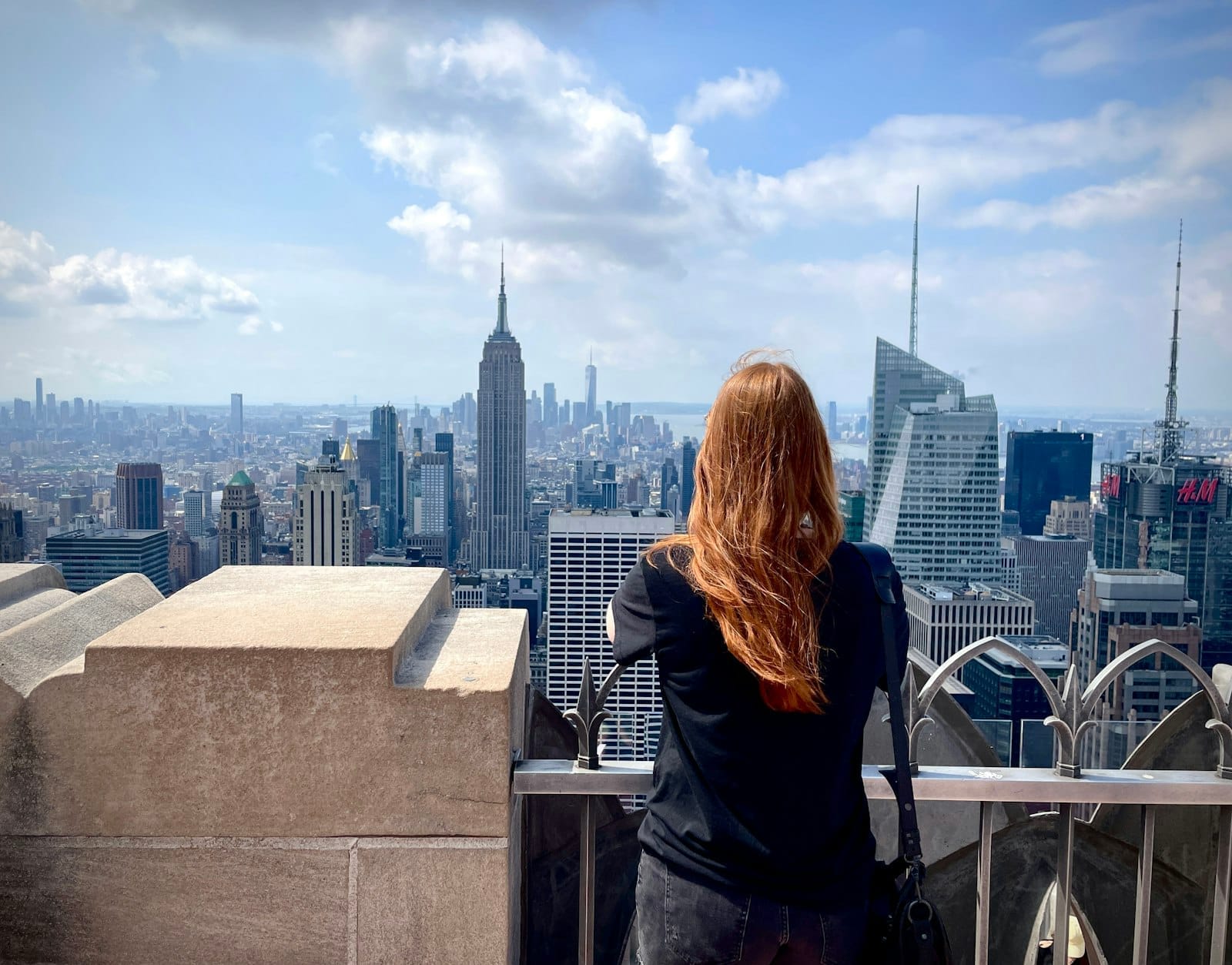
Perched atop 30 Rockefeller Plaza at 850 feet, Top of the Rock delivers one of Manhattan's most complete panoramas across three open-air and glass-enclosed tiers. Unlike other New York observatories, this one puts the Empire State Building squarely in the frame, making it a favorite for photographers and first-time visitors alike.
Quick Facts
- Location
- 30 Rockefeller Plaza, Midtown Manhattan — entrance on West 50th St between 5th & 6th Avenues
- Getting There
- Subway B/D/F/M to 47–50 St–Rockefeller Ctr; or E/M to 5 Av–53 St (short walk)
- Time Needed
- 1.5 to 2.5 hours including lobby, elevator, and all three deck levels
- Cost
- From $42 USD (dated tickets); prices vary by date and time — verify at official site
- Best for
- Skyline photography, first-time NYC visitors, couples at sunset, architecture enthusiasts
What Makes Top of the Rock Different
The Top of the Rock Observation Deck sits at the crown of 30 Rockefeller Plaza, the iconic Art Deco tower completed in 1933 at the heart of Rockefeller Center. At roughly 850 feet (260 meters) and 70 floors up, it is not the highest vantage point in New York City. What it is, however, is arguably the most photogenic. The reason comes down to geometry: from here, you see the Empire State Building head-on, unobstructed, rising above Midtown's grid. No other major observatory in the city can offer that specific framing.
That distinction matters more than it sounds. Visitors who go to the Empire State Building or Summit One Vanderbilt are looking outward from those towers. At Top of the Rock, you are looking across at them, with Central Park stretching north from midtown in the background. The result is a panorama that reads as instantly, unmistakably Manhattan.
💡 Local tip
Book timed-entry tickets in advance through the official Rockefeller Center site. Walk-up availability exists but lines can be long, and pricing is dynamic — buying ahead often locks in a better rate.
The Three Deck Levels: What You'll Actually See
The observation experience spans three levels: the 67th, 69th, and 70th floors, all connected by elevators within the building. This graduated layout is one of Top of the Rock's practical advantages over single-platform decks. You can move between levels, find the angle you want, and return to a lower floor to warm up without losing your place in the experience.
The 67th floor is partially enclosed with floor-to-ceiling glass panels, making it the most comfortable option in cold or windy weather. The 69th floor offers a mix of indoor and outdoor space, with lower railings and a more expansive feel underfoot. The 70th floor is the summit: fully open-air, with a low transparent railing that gives an uninterrupted sightline from street level all the way to the horizon. Wind is a real factor up here in winter and spring — bring a layer even if it feels mild at street level.
Looking south, you get the full midtown canyon: the Chrysler Building's stainless steel crown, the Empire State Building, and on clear days, the tip of Lower Manhattan. Looking north, Central Park forms a rectangular green relief pressed between the Upper East and Upper West Sides, with the reservoir visible when the light is right. The East River and Hudson River are both in frame from the top level, confirming just how narrow Manhattan island actually is — something maps don't quite convey the way a 360-degree view does.
Tickets & tours
Hand-picked options from our booking partner. Prices are indicative; availability and final rates are confirmed when you complete your booking.
Rockefeller Center Guided Walking Tour With Optional Top of the Rock
From 33 €Instant confirmationFree cancellationSt. Patrick's Cathedral skip-the-line tickets audio tour and Rockefeller Center walking tour
From 32 €Instant confirmationFree cancellationNYC Christmas tour with 5th Avenue, Rockefeller Tree and Xmas Village
From 34 €Instant confirmationFree cancellationVIP Rock Pass
From 209 €Instant confirmationFree cancellation
How the Experience Changes by Time of Day
Morning visits, especially within the first hour after the 9:00 AM opening, offer the clearest light and the lightest crowds. The low-angle sun from the east catches the glass towers and gives midtown a sharp, high-contrast look. Shadows are long and dramatic. If you are primarily interested in photography or simply want space to move around the deck, this is the most practical window.
Midday visits between 11:00 AM and 2:00 PM tend to draw the heaviest tourist traffic. The light is harsher and less interesting for photography, and the queues for the sky elevator — a glass-ceiling elevator that begins the ascent — are noticeably longer. That said, visibility is typically at its best on clear days during these hours, and the view of Central Park is most vivid in full daylight.
Sunset is when Top of the Rock earns its reputation most decisively. As the sun drops toward New Jersey, the sky to the west turns amber and copper, and the Empire State Building's spire lights up in whatever color scheme it's running that evening. The transition from golden hour to blue hour — roughly 30 minutes after sunset — is the moment photographers aim for: buildings are still silhouetted, city lights have activated, and the sky holds a deep gradient from orange at the horizon to near-black overhead. Plan to arrive 45 to 60 minutes before sunset and stay through blue hour for the full effect.
Night visits, available until 10:00 PM (last elevator typically at 9:10 PM), show a city fully lit and in motion. Taillights trace the avenues below, and the grid of lit office windows creates a texture that daytime visits can't replicate. Crowds thin noticeably after 9:00 PM, making late evening a strong option for those who want space on the open-air 70th floor.
⚠️ What to skip
Fog, overcast skies, and heavy rain will significantly reduce visibility and can close the upper deck. Check the weather forecast before you go. A partially cloudy day is not necessarily a dealbreaker — cloud breaks can produce dramatic light — but a solid overcast layer often means you are looking at grey in every direction.
The Building and Its Place in New York History
30 Rockefeller Plaza was completed in 1933, at the depth of the Great Depression, as the centerpiece of the Rockefeller Center complex commissioned by John D. Rockefeller Jr. The building's Art Deco design, executed by the architectural firm Hood, Godley and Fouilhoux in collaboration with Reinhard and Hofmeister, is characterized by vertical limestone fins, setbacks that rise like a stacked crown, and ornamental details in the lobbies and facades that reward close inspection.
The tower stands 850 feet tall across 66 stories and remains one of the defining elements of the Midtown Manhattan skyline. The observation deck was originally open to the public, then closed for decades, and reopened in 2005 after a full restoration. The reopening was notable for how much care was taken to preserve the original architectural character of the upper floors rather than retrofit them with the kind of enclosed glass box that defines many modern observation decks.
For those who want to understand the architectural context more deeply, the wider New York City architecture guide covers the Art Deco and Modernist movements that shaped midtown's character across the 20th century.
Getting There and Practical Logistics
The most direct subway option is the B, D, F, or M train to 47–50 Streets–Rockefeller Center, which deposits you on Sixth Avenue roughly half a block from the entrance. The E or M to Fifth Avenue–53rd Street is also a short walk. Taxis and rideshares drop off cleanly along Sixth Avenue or on the cross streets.
The entrance for ticket holders is on the ground level of 30 Rockefeller Plaza, with signage directing you to the lobby and the elevator queue. The lobby itself is worth a few minutes: it contains Art Deco murals and architectural details that many visitors walk straight past. The ticketed experience includes a brief multimedia presentation before you board the sky elevator, which has a glass ceiling that gives you a view of the building's shaft rising overhead during the ascent.
Tickets are dated and timed, meaning you book a specific entry window. Arriving outside your window can mean delays or rescheduling, so treat the entry time seriously. Official tickets start from $42 USD for dated admission, with pricing varying based on date, time of day, and how far in advance you book. Third-party resellers and tourism passes may offer bundled pricing, but always verify current rates through the official Rockefeller Center ticketing page before purchasing.
ℹ️ Good to know
Top of the Rock is included in several New York City attraction passes. If you are planning multiple paid attractions in a single trip, compare pass options — the savings can be meaningful depending on your itinerary.
Accessibility: the entire experience from street level to the 70th floor is elevator-accessible. All three deck levels are reachable without stairs. Visitors with specific accessibility requirements should contact the venue directly at (212) 698-2000 before their visit to confirm current provisions.
Photography Tips for Each Level
The 70th floor is the primary shooting platform for wide panoramas. The transparent railing is low enough that a standard camera held at chest height will clear it without obstruction. For smartphone photographers, holding the phone flush against the railing rather than over it produces cleaner results and feels more stable.
The 67th floor's glass panels create a challenge for photography: reflections from interior lighting are a persistent issue at night. The best approach is to press the lens or phone directly against the glass and use your free hand to block ambient light from the side. During the day, reflections are less problematic.
For the Empire State Building shot that most visitors want, position yourself on the south-facing section of the 70th floor and look slightly southeast. A mild telephoto compression (equivalent to around 85–135mm on a full-frame camera, or the 2x zoom on most smartphones) tightens the composition and makes the tower fill the frame more assertively. Wide-angle shots at this level tend to dwarf the Empire State Building against the surrounding city mass.
Honest Assessment: Is It Worth It?
At $42 and up, Top of the Rock is not cheap. But compared to other Manhattan observation decks, it offers a specific combination that is difficult to replicate elsewhere: an open-air summit with genuine 360-degree sightlines, the Empire State Building in the frame, and a historic building with architectural character that adds context to the visit. It is not a thrill experience — there are no glass-floor panels, no edge-walk add-ons. It is a sky-high viewing platform that does its core job exceptionally well.
If you are choosing between observation decks and can only do one, the decision often comes down to what view you prioritize. Top of the Rock provides the best view of the Empire State Building and Central Park together. The Summit One Vanderbilt offers a more immersive, art-installation style experience. The Edge at Hudson Yards has a more dramatic physical thrill with its cantilevered glass floor. They serve different purposes, and knowing that distinction before you pay saves disappointment.
Visitors who find observation decks underwhelming in general are unlikely to be converted here. If you have been to multiple city overlooks and found them interchangeable, Top of the Rock will be a well-executed version of a format you already know. For everyone else — especially first-time visitors to New York, travelers with limited time who want one defining skyline moment, and photographers chasing the classic Empire State Building frame — it delivers reliably.
Insider Tips
- Book the latest available sunset slot on a clear day. Arrive 45 minutes before sunset, stay through blue hour, and you effectively get two completely different views for one ticket price.
- The sky elevator has a glass ceiling that reveals the building shaft above you during ascent. Stand near the center of the elevator car and look up for the full effect — most visitors keep their eyes forward and miss it entirely.
- Weekday mornings within the first hour of opening (9:00–10:00 AM) offer the quietest conditions on all three levels. This is the best window if you want the 70th floor largely to yourself.
- The Rockefeller Center lobby at ground level contains original Art Deco murals and detailed relief work. Arrive 10 minutes early and walk the lobby before joining the ticket queue — it adds context to what you are standing inside.
- If you are visiting in winter, the 67th floor enclosed level becomes genuinely useful rather than a fallback. The glass panels are designed to minimize reflection at eye level, and on cold, clear December or January days, the air above the city is often sharper and more transparent than in humid summer months.
Who Is Top of the Rock Observation Deck For?
- First-time visitors to New York City who want one definitive skyline moment
- Photographers seeking the classic Empire State Building and Central Park panorama
- Couples looking for a sunset or evening experience with an iconic backdrop
- Architecture enthusiasts who appreciate Art Deco design alongside the view
- Travelers on a tight itinerary who want maximum visual payoff in under three hours
Nearby Attractions
Other things to see while in Midtown Manhattan:
- Broadway Theater District
The Broadway Theater District in Midtown Manhattan is the center of American live theater, home to 41 official Broadway houses spanning nearly a century of performance history. Whether you're booking months in advance or hunting same-day discount tickets, this guide covers everything from curtain times to architectural details.
- Bryant Park
Tucked behind the New York Public Library on Sixth Avenue, Bryant Park is an 8-acre public park that holds its own against the surrounding skyscrapers. Free to enter year-round, it shifts character dramatically by season, from a winter ice rink to a summer outdoor cinema — and remains one of the most functional and well-managed public spaces in New York City.
- Carnegie Hall
Carnegie Hall has anchored Midtown Manhattan's cultural life since 1891. With three auditoriums ranging from 268 to 2,790 seats, it hosts everything from orchestral premieres to intimate recitals. This guide covers the halls, the history, and exactly how to make the most of a visit.
- Chrysler Building
Completed in 1930 and briefly the tallest building on earth, the Chrysler Building remains the finest example of Art Deco architecture in New York City. Visitors generally can't go inside beyond the main lobby, but the experience of standing beneath its gleaming stainless steel crown is genuinely unforgettable.