Carnegie Hall: Inside New York's Most Iconic Concert Venue
Carnegie Hall has anchored Midtown Manhattan's cultural life since 1891. With three auditoriums ranging from 268 to 2,790 seats, it hosts everything from orchestral premieres to intimate recitals. This guide covers the halls, the history, and exactly how to make the most of a visit.
Quick Facts
- Location
- 881 Seventh Avenue at 57th Street, Midtown Manhattan
- Getting There
- 57th Street–Seventh Avenue subway station (N, Q, R, W lines)
- Time Needed
- 2–3 hours for a performance; 1 hour for a guided tour
- Cost
- Tickets vary by event and seating section; check carnegiehall.org for current pricing
- Best for
- Classical music lovers, architecture enthusiasts, first-time NYC visitors
- Official website
- www.carnegiehall.org
What Carnegie Hall Actually Is
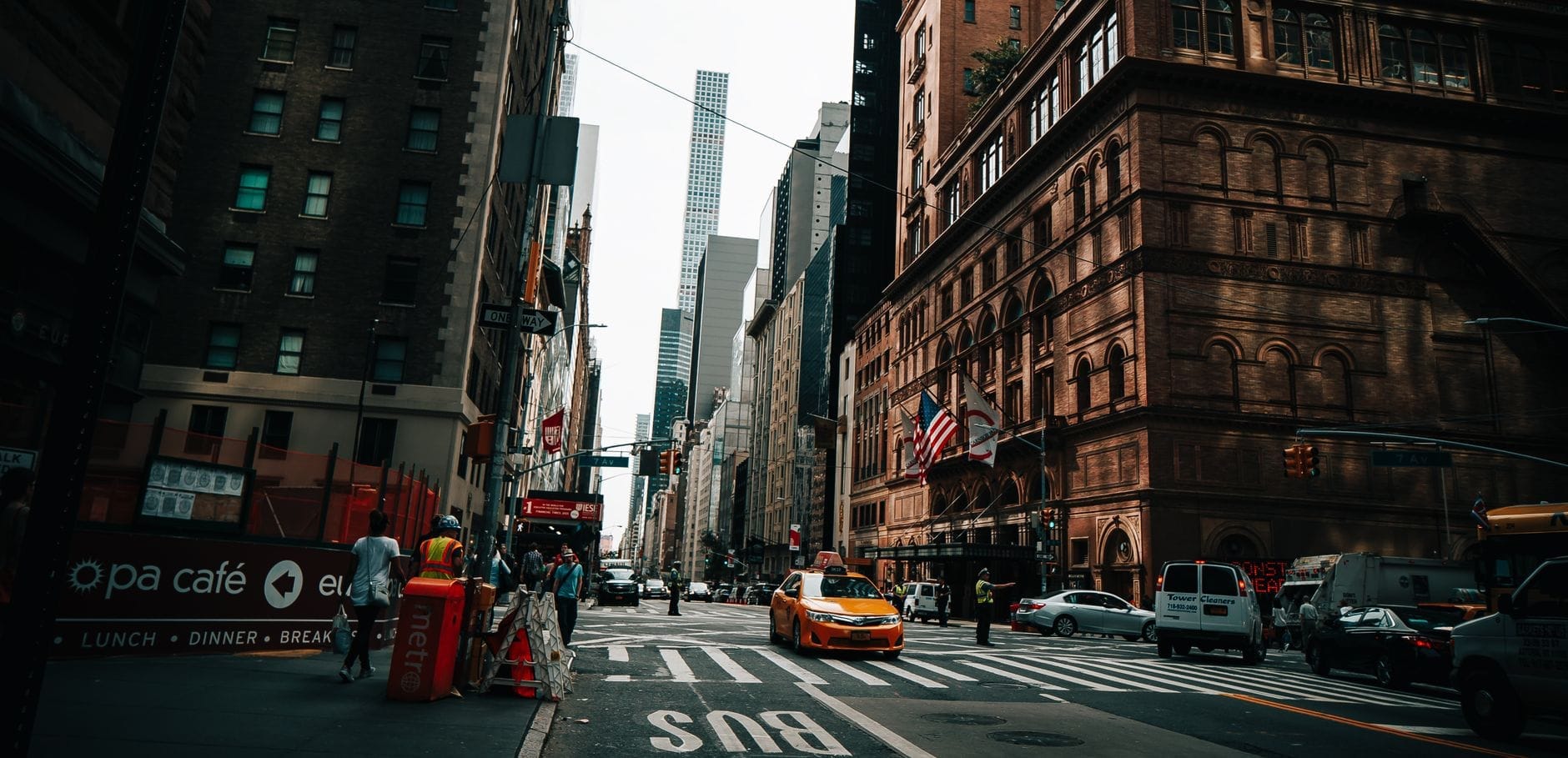
Carnegie Hall is not a single room. It is a three-auditorium complex at 881 Seventh Avenue, and that distinction matters before you book a ticket. The largest space, Stern Auditorium / Perelman Stage, seats 2,790 and is what most people picture: tiered boxes, ornate plasterwork, and acoustics that have drawn every major orchestra and soloist of the last 130 years. Zankel Hall, a mid-sized underground space with 599 seats, handles more contemporary programming, jazz, and chamber music. Weill Recital Hall, the most intimate of the three at 268 seats, is where you hear emerging artists and solo recitals at close range.
The building opened in 1891, financed by industrialist Andrew Carnegie and designed by architect William Burnet Tuthill. The first music festival began on May 5, 1891. It was originally called Music Hall, but the name changed officially to Carnegie Hall during the 1894–95 season. The Romanesque Revival exterior, with its warm brick facade and arched windows, holds its own against the glassier neighbors that have grown up around it on Seventh Avenue.
ℹ️ Good to know
Before visiting, confirm the performance schedule and box office hours on carnegiehall.org. Programming, ticket availability, and lobby access hours all shift by season and event.
The Three Halls: Which One Are You Visiting?
Stern Auditorium is the main event. From the upper tiers, the stage feels both grand and surprisingly close, an effect Tuthill achieved through careful geometry rather than electronic amplification. Acoustics here are consistently ranked among the finest in the world, a reputation earned through both architectural precision and the sheer number of legendary performances that have tested it. The New York Philharmonic called this hall home for decades before moving to Lincoln Center in 1962.
Zankel Hall sits below the main building and has a different energy altogether: lower ceilings, a more democratic seating layout, and programming that tends toward the experimental. It attracts a younger, more mixed crowd. If you want to hear a boundary-pushing ensemble or a jazz headliner in a proper concert setting without paying top-tier Stern Auditorium prices, Zankel is often the better pick.
Weill Recital Hall rewards patience and attentiveness. With only 268 seats arranged in a horseshoe, the proximity to the performer creates a chamber-music intimacy that larger halls cannot replicate. It is also where Carnegie Hall's education programming frequently surfaces, meaning ticket prices are sometimes lower and the audience demographic skews toward devoted listeners rather than social attendees.
For travelers planning a full cultural day in Midtown, Carnegie Hall pairs naturally with a visit to Lincoln Center, about two miles north on the Upper West Side, which offers a contrasting approach to concert-hall design and programming.
Tickets & tours
Hand-picked options from our booking partner. Prices are indicative; availability and final rates are confirmed when you complete your booking.
Guggenheim Museum and Carnegie Hill tickets and audio tour
From 44 €Instant confirmationEscape Tour self-guided, interactive city challenge in New York
From 30 €Instant confirmationEscape Tour self-guided, interactive city challenge in New York
From 30 €Instant confirmationStatue of Liberty, Ellis Island, and Brooklyn Bridge Happy Hour Cruise
From 49 €Instant confirmationFree cancellation
The Experience Before the Music Starts
Arriving at Carnegie Hall around 45 minutes before a Stern Auditorium performance gives you time to read the program notes without rushing and to watch the crowd settle in. The lobby fills with a distinctive mix: students in formal wear, international visitors treating this as a bucket-list moment, and New York regulars who look unhurried because they have done this dozens of times. There is no single dress code enforced, but for evening performances in Stern Auditorium, most attendees lean toward smart casual at minimum. Jeans are not unheard of, but they stand out.
The lobby bar opens before evening performances, and there is a brief intermission for larger events. The coat check operates when needed during colder months, worth using since coats cannot easily be draped over the narrow seats without disturbing neighbors. Seat widths in older tiers are modest by modern standards, a product of the building's 19th-century proportions.
💡 Local tip
Upper-tier seats in Stern Auditorium are often the best value. The acoustics remain excellent even at height, and the sightlines down to the stage give you a complete view of the ensemble rather than just the front rows.
History and Cultural Weight
The list of artists who have performed at Carnegie Hall reads less like a roster and more like a survey of modern music history. Tchaikovsky conducted at the opening festival in 1891. Arturo Toscanini, Leonard Bernstein, Vladimir Horowitz, and Judy Garland all performed here. The Beatles played two nights in February 1964, three days after their Ed Sullivan appearance, which helped cement the hall's cross-genre credibility. Benny Goodman's 1938 jazz concert is frequently cited as the moment jazz entered the mainstream concert-hall tradition.
Carnegie Hall nearly didn't survive the 20th century. In the 1950s and early 1960s, with the Philharmonic relocating and real estate pressure mounting, the building faced demolition. Violinist Isaac Stern led the campaign that resulted in the city of New York purchasing the hall in 1960 and preserving it. A major renovation in the 1980s addressed acoustics and structural issues, though it proved controversial: some musicians felt the work altered the sound in ways not fully corrected until subsequent adjustments.
Carnegie Hall's concentration in Midtown puts it within walking distance of several architectural landmarks. The Chrysler Building and Grand Central Terminal are both within a 15-minute walk east, making it possible to combine a cultural evening with a daytime architecture tour of the area.
Guided Tours and Daytime Access
Carnegie Hall offers guided tours that take visitors into Stern Auditorium and through areas not accessible during performances. Tours typically run during the day, last around one hour, and include context on the architecture, the acoustic history, and notable performances. They are worth considering for anyone who wants to see the hall itself rather than simply attend a concert. The Rose Museum, formerly located within the building, held exhibits on Carnegie Hall's history, including photographs, programs, and instruments connected to the hall's past.
Tour availability shifts based on the performance schedule: when rehearsals or setup work is underway, access to the main stage may be limited or adjusted. Checking current tour schedules directly on the official site before planning a daytime visit is advisable.
⚠️ What to skip
During heavy performance periods, particularly in fall and spring, tour slots fill quickly. Book in advance rather than showing up and hoping for a walk-in spot.
Getting There and Practical Details
The most direct subway access is the 57th Street–Seventh Avenue station, served by the N, Q, R, and W trains. The hall's front entrance sits directly at the intersection of Seventh Avenue and 57th Street, so there is no navigating through a block or finding a side entrance. From Times Square, the walk takes about eight minutes north on Seventh Avenue, useful if you want to combine dinner in that area before a performance.
Taxis and ride-hailing services drop off on 57th Street. Traffic in Midtown during evening rush hour is unpredictable, so allow extra time if you are arriving by car. Parking garages exist in the surrounding blocks but are expensive, and driving to a concert in this part of Midtown rarely saves time over transit.
Carnegie Hall provides accessible seating in all three auditoriums, and the building offers accessibility accommodations including wheelchair locations and additional services. For specific needs, contacting the box office directly or consulting the accessibility section of the official website before purchasing tickets is strongly recommended rather than assuming general availability on the night.
If you are planning a broader evening in Midtown, the Broadway theater district sits about 10 minutes south on foot, giving you the option to pair a daytime or early-evening Carnegie event with dinner along that stretch.
Who Should Think Twice
Carnegie Hall is not the right venue for every traveler. If you are looking for a casual, drop-in cultural experience, the format does not support it: performances have fixed start times, latecomers to Stern Auditorium are typically held at the door until a break in the program, and the atmosphere during concerts is attentive and quiet in ways that can feel constraining if you are used to more relaxed live music settings. Families with young children should consider whether their children can sit for a full orchestral program before booking upper-tier seats for a two-hour concert.
Travelers who prioritize free or low-cost attractions will find little here outside of occasional community programming. Standard concert tickets for premier events in Stern Auditorium can reach well into the hundreds of dollars for premium seating, though Zankel Hall and Weill Recital Hall frequently offer more accessible price points. The experience is specific and formalized, and travelers who prefer their culture at a slower, more exploratory pace may find the city's free outdoor concerts, parks programming, or museum visits a better fit.
For free and low-cost cultural options nearby, this guide to free things to do in New York City covers a range of alternatives across different neighborhoods.
Insider Tips
- Rush tickets and last-minute availability for some performances appear on the Carnegie Hall website closer to the concert date. For popular events, set a reminder rather than waiting until the day of.
- Weill Recital Hall seats just 268 people, and because it books emerging artists and education-series events, tickets are sometimes significantly cheaper than the main stage. The sound and proximity to the performer are exceptional for the price.
- If you attend an evening concert in Stern Auditorium, bring a light layer. The building's older HVAC system can make the upper tiers noticeably cooler than the orchestra level, particularly in winter.
- The former Rose Museum inside the building used to have free access and exhibits on Carnegie Hall's history; while it has closed, Carnegie Hall continues to share its history through online archives and materials.
- Weeknight performances typically draw a quieter crowd with more serious listeners and fewer tourists than weekend shows. If sound quality and atmosphere matter more to you than a social occasion, aim for a Tuesday or Wednesday night.
Who Is Carnegie Hall For?
- Classical music and orchestral concert fans seeking a world-class acoustic experience
- Architecture and history enthusiasts interested in a landmark 19th-century performance space
- First-time NYC visitors who want to experience a defining piece of the city's cultural identity
- Jazz and contemporary music fans drawn to the programming at Zankel Hall
- Travelers on a longer itinerary who can plan around specific performance dates in advance
Nearby Attractions
Other things to see while in Midtown Manhattan:
- Broadway Theater District
The Broadway Theater District in Midtown Manhattan is the center of American live theater, home to 41 official Broadway houses spanning nearly a century of performance history. Whether you're booking months in advance or hunting same-day discount tickets, this guide covers everything from curtain times to architectural details.
- Bryant Park
Tucked behind the New York Public Library on Sixth Avenue, Bryant Park is an 8-acre public park that holds its own against the surrounding skyscrapers. Free to enter year-round, it shifts character dramatically by season, from a winter ice rink to a summer outdoor cinema — and remains one of the most functional and well-managed public spaces in New York City.
- Chrysler Building
Completed in 1930 and briefly the tallest building on earth, the Chrysler Building remains the finest example of Art Deco architecture in New York City. Visitors generally can't go inside beyond the main lobby, but the experience of standing beneath its gleaming stainless steel crown is genuinely unforgettable.
- Empire State Building
The Empire State Building rises 1,454 feet above Midtown Manhattan and remains the most recognizable skyscraper in New York City. Its two observatories offer sweeping views across Manhattan, Brooklyn, Queens, and The Bronx, and the Art Deco lobby alone is worth a stop even if you never ride an elevator. Here is everything you need to know before you go.