One Week in New York City: The Definitive 7-Day Itinerary
Seven days is enough to hit NYC's iconic landmarks, explore its best neighborhoods, and actually understand why this city operates the way it does. This itinerary is built around the subway, structured by geography, and honest about what's worth your time.
Plan and book this trip
Tools from our partner Travelpayouts help you compare flights and hotels. If you book through them, we may earn a commission at no extra cost to you.
Flights
Hotels map
TL;DR
- Seven days covers Midtown icons, Lower Manhattan history, Central Park, Brooklyn, Harlem, and at least two world-class museums without feeling rushed.
- Structure each day by neighborhood to minimize transit time. The subway costs $3.00 per ride and is faster than any taxi during peak hours. See our guide to getting around New York City before you arrive.
- Book timed-entry tickets for the Statue of Liberty, Empire State Building, and major museums at least a week in advance, especially May through October.
- Brooklyn is not optional. DUMBO, the Brooklyn Bridge, and Williamsburg belong in any serious one-week plan.
- Spring (April to June) and fall (September to October) offer the best walking conditions. For seasonal context, check the best time to visit New York City guide.
Before You Go: Practical Essentials
New York City spans five boroughs across roughly 300 square miles, with a population of around 8.3 million people. The sheer scale is the first thing to internalize. Manhattan is where most first-timers base themselves, and for a one-week trip it remains the most logical hub. Flights arrive at three airports: JFK (Queens, about 15 miles from Midtown), LaGuardia (Queens, 8-10 miles from Midtown), and Newark Liberty (New Jersey, about 16-18 miles from Midtown). Each has distinct trade-offs for getting into the city.
- From JFK AirTrain to Jamaica Station, then LIRR or E/J/Z subway to Manhattan. Budget 60-75 minutes. Taxis charge a flat rate to Manhattan (verify the current amount before travel). Rideshare is convenient but can be slow in traffic.
- From LaGuardia No direct train link. Take the Q70 or Q47 bus to a subway connection. Taxis and rideshares run around $35-55 to Midtown depending on traffic, which can be brutal during rush hours.
- From Newark (EWR) AirTrain Newark to Newark Airport rail station, then NJ Transit or Amtrak to New York Penn Station. Combined journey around 45-60 minutes and typically costs $15-20 via NJ Transit. Underrated option, especially for travelers staying on the west side of Manhattan.
💡 Local tip
Use your contactless bank card, phone, or wearable to tap in on the subway (no separate OMNY card is sold). The standard fare is $3.00 per ride. The OMNY weekly fare cap of $35 makes sense if you're riding the subway more than twice a day, which on a 7-day trip you almost certainly will be.
Tipping is standard across New York City service industries: 18-22% at restaurants, $1-2 per drink at bars, and roughly 20% for taxis and rideshares. The city operates on Eastern Time (UTC-5 in winter, UTC-4 from mid-March to early November). Tap water is safe to drink. Emergency services are reached at 911; for non-urgent city information, call 311. Entry to the US requires either an approved ESTA under the Visa Waiver Program or a visa, depending on your nationality. Check current NYC safety tips before your trip.
Days 1-2: Midtown Manhattan and the Icons
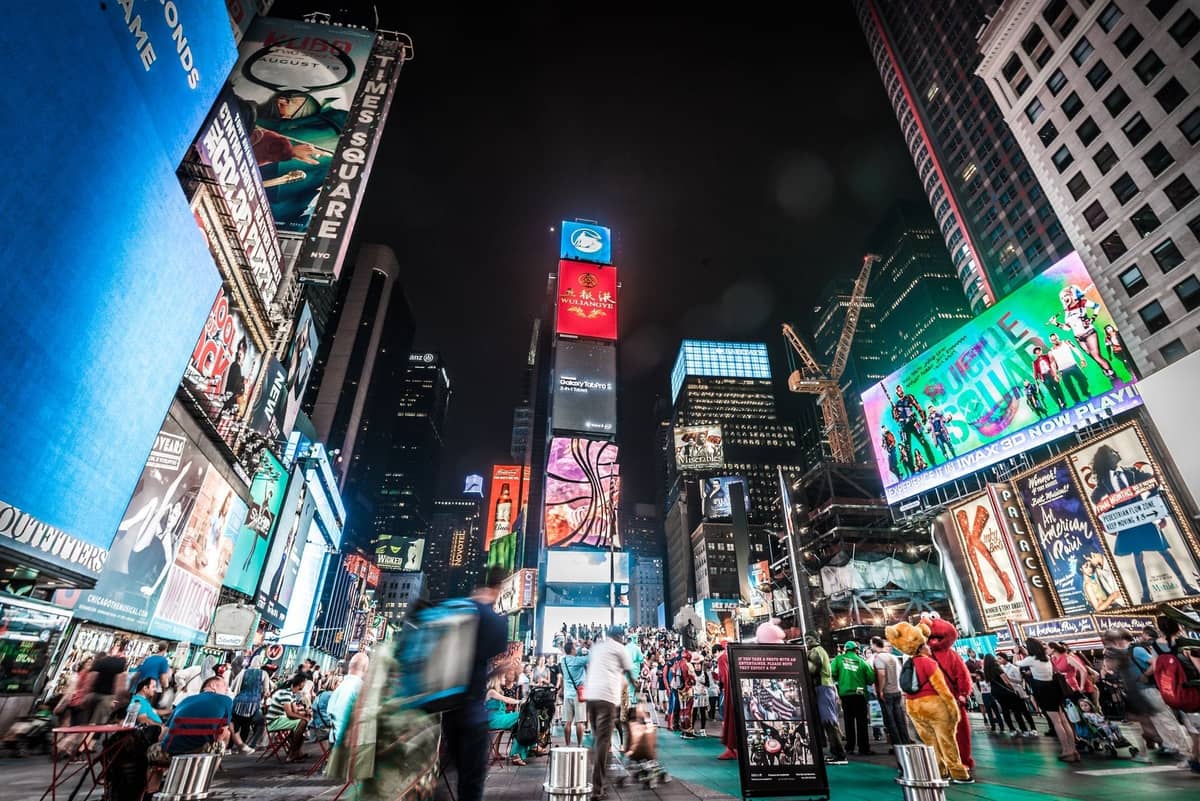
Start where the energy is highest and the landmarks most concentrated. Midtown is not the most atmospheric part of the city, but it earns its place on day one because crossing the Empire State Building and Times Square off your list early frees up the rest of the week for neighborhoods that reward slower exploration. Adult tickets to the Empire State Building's 86th-floor main deck start from ~$44 online; the 86th+102nd combo runs from ~$79. Book in advance and go at dusk, not midday, when the light is flat and the crowds are at their worst.
On day two, use the morning for Grand Central Terminal (free, architecturally extraordinary, best before 9am when commuter crowds thin), then walk south to the New York Public Library on Fifth Avenue and through Bryant Park. In the afternoon, head to the observation decks at Top of the Rock or SUMMIT One Vanderbilt. Top of the Rock tickets start from around $42 and offer a clear view of the Empire State Building. SUMMIT runs about $45 and up for timed entry, with an immersive light installation that either captivates or exhausts you, depending on your tolerance for experiential art.
⚠️ What to skip
Times Square is worth seeing once, preferably on your first evening when the sensory overload is still novel. After that, avoid it as a throughfare. It adds unnecessary time and crowds to any journey, and the area around it has almost no good restaurants worth seeking out.
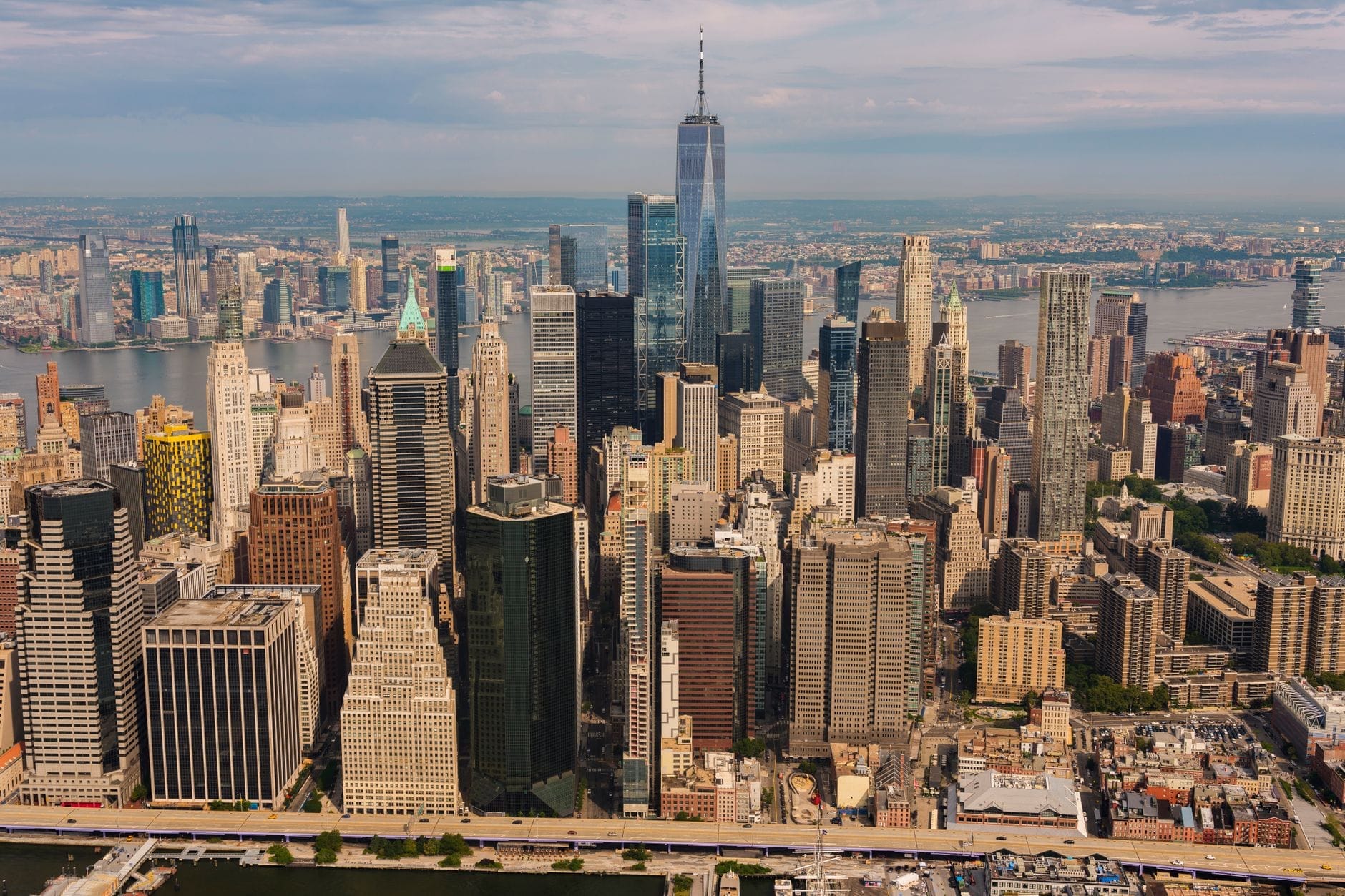
Days 3-4: Lower Manhattan, the Waterfront, and Brooklyn
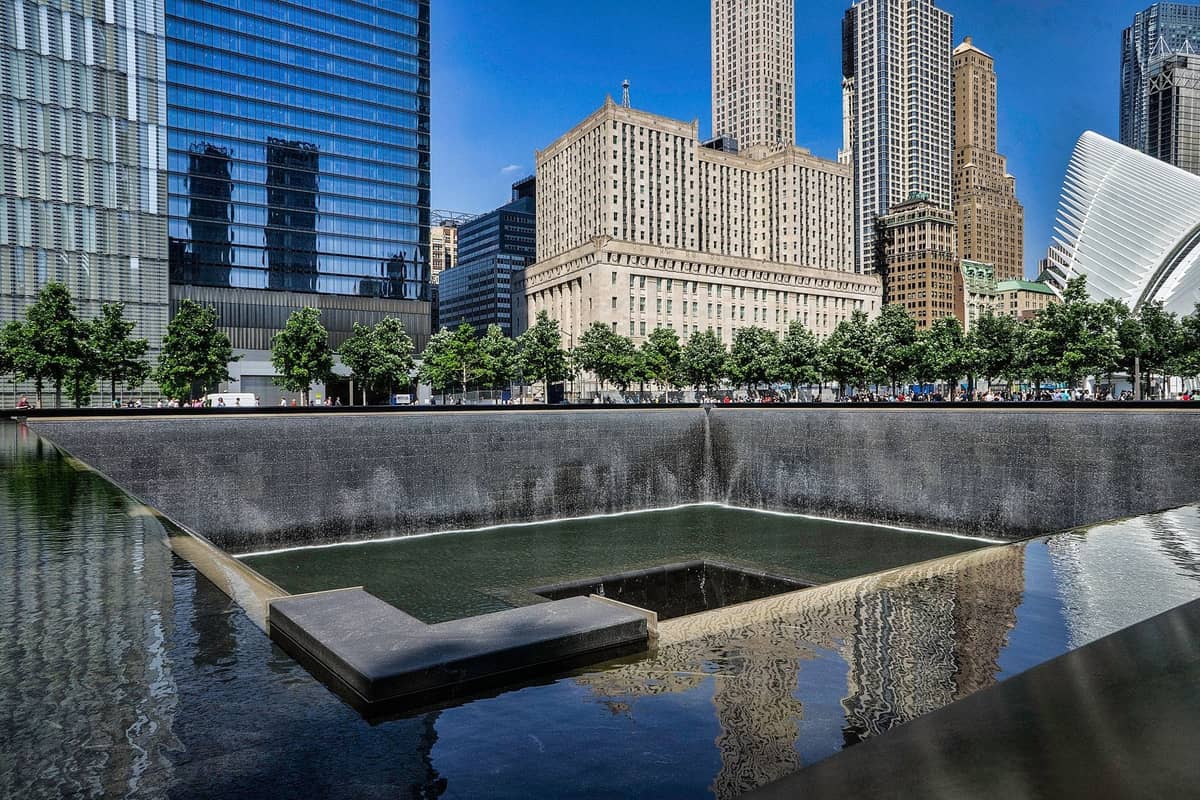
Lower Manhattan contains some of the city's most historically significant sites and also its most affecting. The 9/11 Memorial is free to visit but the museum requires tickets (around $33–$33.50 for adults). Arrive early. The reflecting pools are most powerful in morning light before the crowds arrive. Nearby, the Oculus at the World Trade Center is worth a few minutes even if you don't shop there. The architecture by Santiago Calatrava is genuinely striking.
Walk south to Battery Park and catch the Staten Island Ferry for a free view of the Statue of Liberty and the harbor. This is one of the best free moves in the city. Ferries run frequently throughout the day. If you want to go to Liberty Island itself, book Statue of Liberty ferry tickets through Statue City Cruises well in advance. Standard access runs about $24-$35 for adults, depending on pedestal or Ellis Island options; crown access requires booking months ahead.
Day four belongs to Brooklyn. Take the subway to High Street or walk across the Brooklyn Bridge on foot, which takes about 30-40 minutes and is best done in the morning before the foot traffic peaks. Drop into DUMBO, then follow the waterfront through Brooklyn Bridge Park. On weekends between April and November, Smorgasburg sets up in Williamsburg (Saturdays) and Prospect Park (Sundays) with around 100 food vendors. Spend the afternoon in Williamsburg exploring the restaurant and bar scene on Bedford Avenue and the surrounding blocks.
Day 5: Central Park and the Upper West Side

Central Park covers 843 acres and genuinely requires a full day to experience properly rather than as a backdrop. Enter from the south near Bethesda Terrace and work your way north past Strawberry Fields, Belvedere Castle, and the Great Lawn. The park is most pleasant on weekday mornings, when the running paths are active and the tourist density drops significantly compared to weekend afternoons.
After the park, the American Museum of Natural History sits right on the western edge. Adult admission is $28 (plus a separate fee for special exhibitions), with pay-what-you-wish pricing for New York, New Jersey, and Connecticut residents. The museum is massive: plan two to three hours minimum if you want to cover the dinosaur halls, the Hall of the Universe, and the anthropology galleries without feeling rushed. The Upper West Side around the museum has excellent casual dining options on Amsterdam and Columbus Avenues.
Day 6: Museum Mile, the High Line, and Chelsea
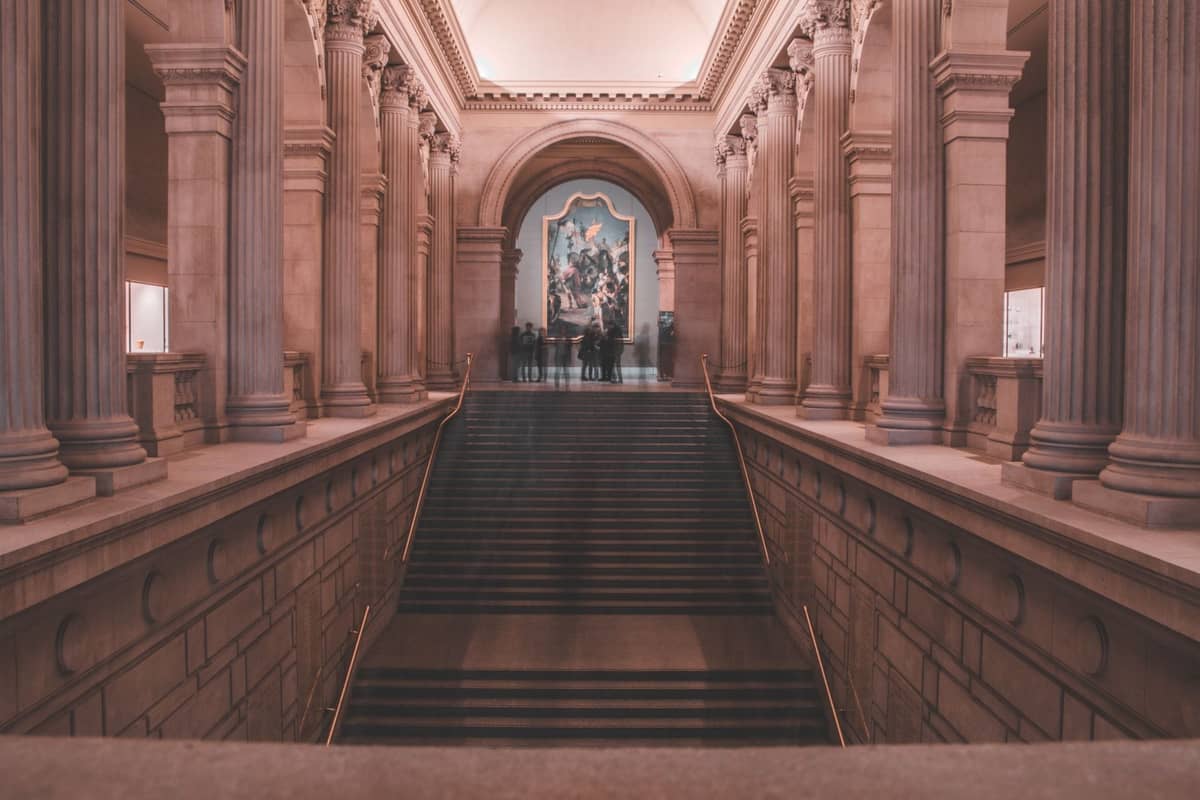
The Upper East Side's Fifth Avenue stretch between 82nd and 105th Streets contains more cultural institutions per block than almost anywhere in the world. The Metropolitan Museum of Art is the anchor: adult admission is $30 for most adults, with pay-what-you-wish for New York State residents and NY, NJ, and CT students. Three hours is the minimum for a meaningful visit; the Egyptian Wing, the Arms and Armor Hall, and the European Paintings galleries alone could absorb an entire day. If you have the appetite, the Guggenheim is two blocks north. Its rotating exhibitions vary wildly in quality, so check what's on before committing.
In the afternoon, shift to the west side for the High Line, the elevated park built on a former freight rail line running from Gansevoort Street in the Meatpacking District to 34th Street in Hudson Yards. The walk takes about 45 minutes end to end at a leisurely pace. Avoid weekend afternoons in summer when it becomes a slow-moving queue rather than a walk. Exit at the southern end and explore Chelsea Market for dinner options spanning Japanese, Mexican, and classic New York deli food.
✨ Pro tip
MoMA (Museum of Modern Art) offers free Friday evening admission with timed tickets from 4:00pm to 8:00pm. Book online the week before. The queues at paid peak times can run 45 minutes or more, so the free slot is both economical and less stressful.
Day 7: Harlem, Broadway, and Your Last Evening
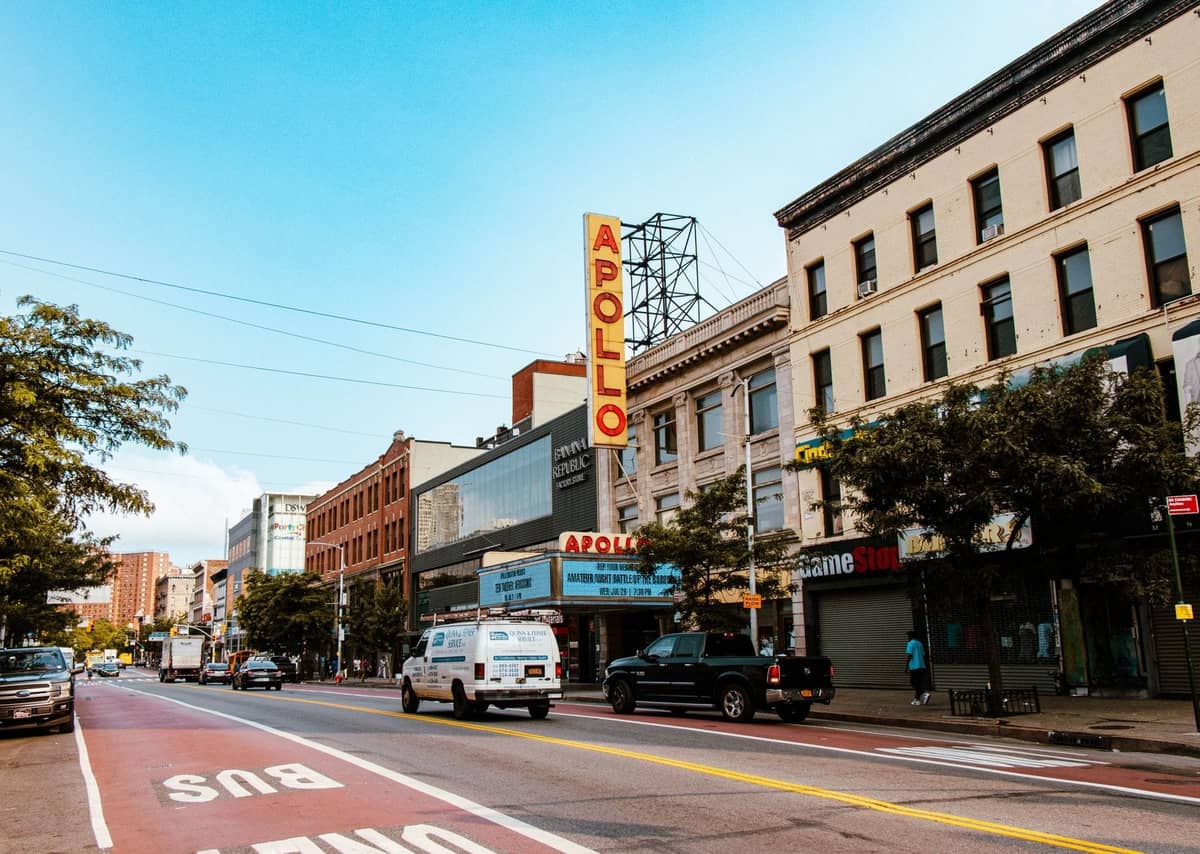
Most first-time itineraries skip Harlem. That's a mistake. The neighborhood above 110th Street has genuine historical weight: the Apollo Theater, where virtually every major name in jazz, soul, and R&B has performed; the Studio Museum; and a restaurant scene anchored by Southern cooking and West African cuisine that has no real equivalent downtown. The Harlem neighborhood guide covers the essentials in detail. Sunday Gospel services at several Harlem churches are open to respectful visitors, though treat these as religious services rather than performances.
For your final evening, Broadway is the obvious choice and it earns its reputation. Same-day discounted tickets (typically 20-50% off) are available at the TKTS booth in Times Square, which opens in the afternoon for evening performances. The Broadway guide explains how TKTS works, which shows are usually available at discount, and how to navigate the booking process without overpaying. If theater isn't your preference, live jazz at venues like the Village Vanguard in Greenwich Village offers an equally iconic New York experience at a fraction of the price.
- Book the Statue of Liberty ferry and major observation decks online before you arrive, especially in summer. Walk-up availability is unreliable.
- Structure each day around one neighborhood or corridor. Jumping between the Upper East Side and Lower Manhattan in a single day wastes significant time.
- Eat lunch at food halls and markets (Chelsea Market, Smorgasburg, the Urban Space halls) to save time and money without sacrificing quality.
- Use Google Maps in transit mode for real-time subway routing. The MTA app provides service alerts for delays and weekend rerouting, which is frequent.
- Attraction passes like CityPASS or Go City can save money if you're planning to visit three or more paid attractions. Run the math for your specific itinerary before buying.
- Carry a portable charger. Seven days of heavy navigation, photography, and app use will drain your phone faster than any hotel USB socket can recharge it.
FAQ
How many days do you actually need in New York City?
Seven days allows a solid, unhurried introduction to Manhattan's key districts plus two or three outer-borough excursions. Anything under four days means making painful cuts. Ten days or more allows you to slow down in neighborhoods like Astoria, Flushing, or the Bronx that a week-long plan often can't accommodate.
Is a 7-day NYC itinerary too ambitious for first-time visitors?
Not if structured well. The mistake most first-timers make is organizing by attraction rather than by geography, leading to exhausting cross-town subway rides multiple times a day. Group activities by neighborhood: Lower Manhattan one day, Central Park and the Upper West Side another, Brooklyn a full day. The itinerary becomes very manageable.
What is the best neighborhood to stay in for a one-week trip?
Midtown Manhattan places you within walking distance of major landmarks and gives easy subway access to every other part of the city. The Upper West Side is quieter and better for families. Lower Manhattan works well if you prioritize the financial district and Brooklyn. Avoid hotels in Times Square itself: the area is loud around the clock and room prices are inflated relative to value.
Should I get a NYC attraction pass for a 7-day visit?
Compare prices manually before buying. A CityPASS or Go City pass saves money if you plan to visit three or more of the bundled attractions, specifically the Empire State Building, Statue of Liberty, the Met, AMNH, and a major observatory. If your itinerary skips observatories or prefers free museums, the math often doesn't favor a pass.
What's the biggest mistake people make planning a week in New York City?
Treating Times Square as a hub and spending disproportionate time and money in Midtown's tourist corridor. The city's most rewarding experiences are in its neighborhoods: the West Village, Williamsburg, Harlem, the Lower East Side, and Flushing. A good 7-day itinerary moves through Midtown efficiently and spends the majority of its time elsewhere.